
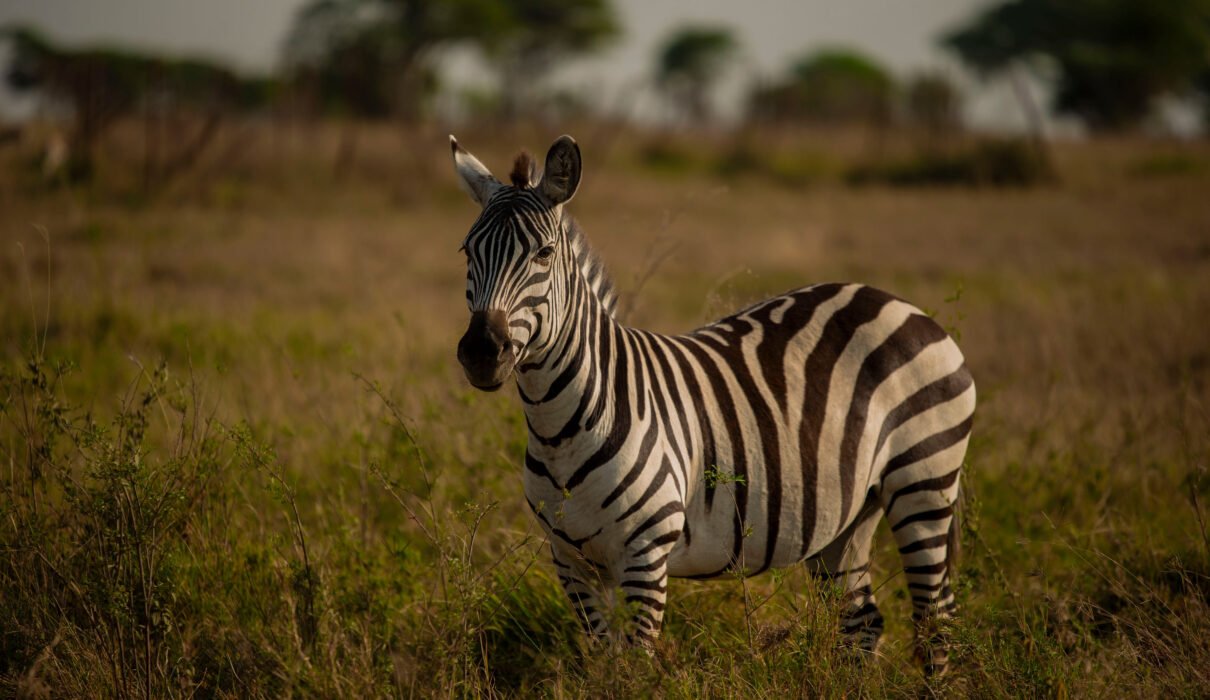
Sustainable Safari Photography: A Responsible Way to Capture the Wild
Sustainable Safari Photography is more than taking beautiful wildlife photos. It’s about respecting nature, protecting animals, and ensuring that your presence does not harm fragile ecosystems. As safari tourism continues to grow, photographers play an important role in conservation and ethical travel.
By adopting responsible photography practices, you can document breathtaking moments while supporting long-term environmental balance. Whether you are a beginner or an experienced photographer, sustainable habits help preserve wildlife habitats for future generations and strengthen local communities that depend on eco-friendly tourism.
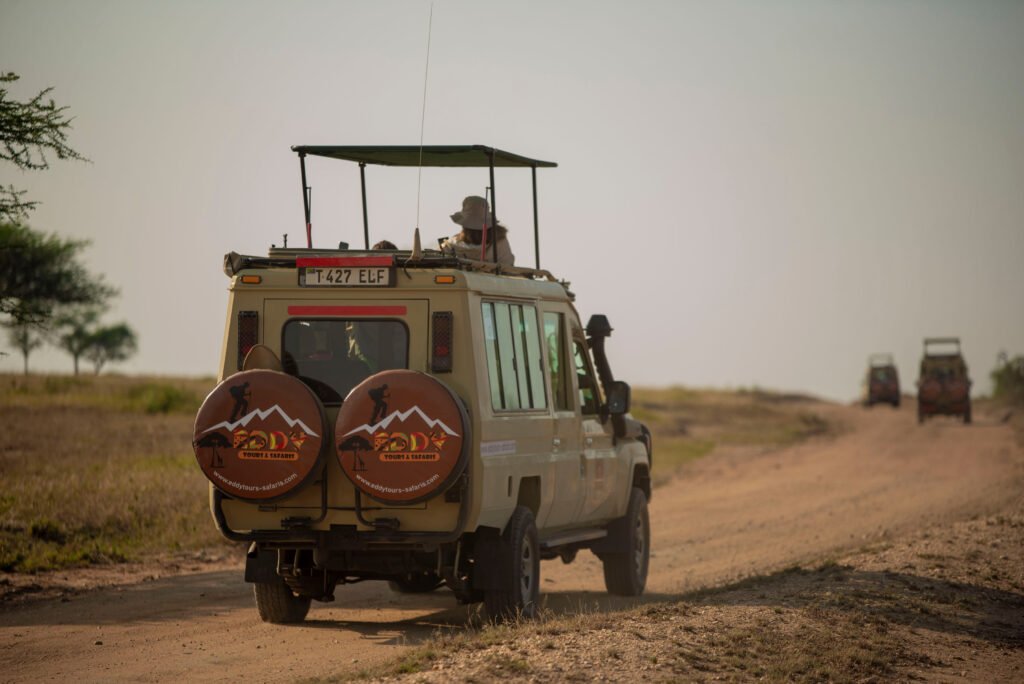
When you choose ethical safari experiences—such as those offered by trusted local operators like Eddy Tours & Safaris—you actively support conservation, community development, and responsible wildlife encounters.
Why Sustainable Safari Photography Matters
Wildlife photography can unintentionally disturb animals if done without care. Loud movements, chasing animals, or ignoring park rules can increase stress and disrupt natural behavior.
Practicing Sustainable Safari Photography helps:
- Protect endangered species
- Preserve natural habitats
- Reduce carbon footprints
- Encourage ethical tourism standards
- Support local livelihoods
Responsible photography ensures that the story you tell through images benefits both wildlife and people.
Respect Wildlife and Natural Behavior
Keep a Safe Distance
Using zoom lenses instead of moving closer prevents stress and keeps animals behaving naturally. Ethical distance is a key principle of Sustainable Safari Photography.
Never Interfere for a Shot
Avoid calling animals, blocking paths, or encouraging guides to move too close. Let nature unfold naturally—authentic moments are always more powerful.
Choose Eco-Friendly Safari Operators
Selecting responsible tour companies greatly impacts sustainability. Look for operators that:
- Follow park regulations
- Limit vehicle numbers near wildlife
- Employ trained local guides
- Support conservation projects
Eco-focused safari operators promote low-impact tourism while enhancing your overall photography experience.
Use Sustainable Photography Gear
Choose Durable Equipment
High-quality, long-lasting cameras reduce waste and minimize frequent replacements.
Minimize Plastic Use
Reusable batteries, solar chargers, and eco-friendly camera bags reduce environmental impact while traveling through remote areas.
Practice Ethical Composition and Framing
Great wildlife images don’t require disruption. Ethical framing means:
- Avoiding nests, dens, or breeding sites
- Capturing animals in their natural surroundings
- Showing environmental context to raise conservation awareness
This storytelling approach aligns perfectly with Sustainable Safari Photography values.
Reduce Your Environmental Footprint
Limit Vehicle Movement
Excessive driving increases emissions and damages soil. Stay longer in one spot rather than chasing sightings.
Support Low-Impact Lodges
Eco-lodges use renewable energy, water conservation, and responsible waste management. Staying at such lodges supports sustainable tourism systems.
Learn Local Conservation Rules and Culture
Understanding local guidelines ensures respect for both wildlife and communities. Many national parks enforce strict photography rules to protect animals.
Learning from knowledgeable local guides enriches your experience while ensuring compliance with ethical standards.
Edit Responsibly and Share with Purpose
Post-processing should enhance reality—not manipulate it. Avoid misleading edits that distort wildlife behavior or habitats.
When sharing images:
- Educate viewers about conservation
- Avoid revealing sensitive animal locations
- Promote ethical tourism values
This approach turns your photos into conservation tools rather than just visuals.
Use Sustainable Safari Photography to Support Conservation
Many photographers donate images to conservation organizations or awareness campaigns. Supporting wildlife protection initiatives strengthens the impact of your work.
Organizations focused on global conservation efforts, such as international wildlife protection groups, rely on ethical photography to educate and influence positive change.
Frequently Asked Questions (FAQs)
What is Sustainable Safari Photography?
Sustainable Safari Photography focuses on capturing wildlife images responsibly without harming animals, ecosystems, or local communities.
Can safari photography harm wildlife?
Yes, if done irresponsibly. Getting too close, chasing animals, or ignoring park rules can disrupt natural behavior.
What equipment is best for ethical safari photography?
Zoom lenses, silent shooting modes, and durable gear allow photographers to capture images from a safe distance.
How can photographers reduce their safari carbon footprint?
By choosing eco-friendly lodges, limiting vehicle movement, and supporting responsible tour operators.
Is post-processing allowed in Sustainable Safari Photography?
Yes, as long as edits remain truthful and do not misrepresent wildlife behavior or environments.
Why should photographers support local safari operators?
Local operators contribute to conservation, provide community employment, and promote ethical wildlife encounters.
Conclusion: Capture Beauty Without Compromise
Sustainable Safari Photography allows photographers to create powerful images while protecting the very environments that make those images possible. Ethical choices—before, during, and after your safari—help ensure wildlife thrives long after the shutter clicks.
By respecting animals, supporting responsible operators, and sharing meaningful stories, your photography becomes a force for conservation, education, and positive change.