
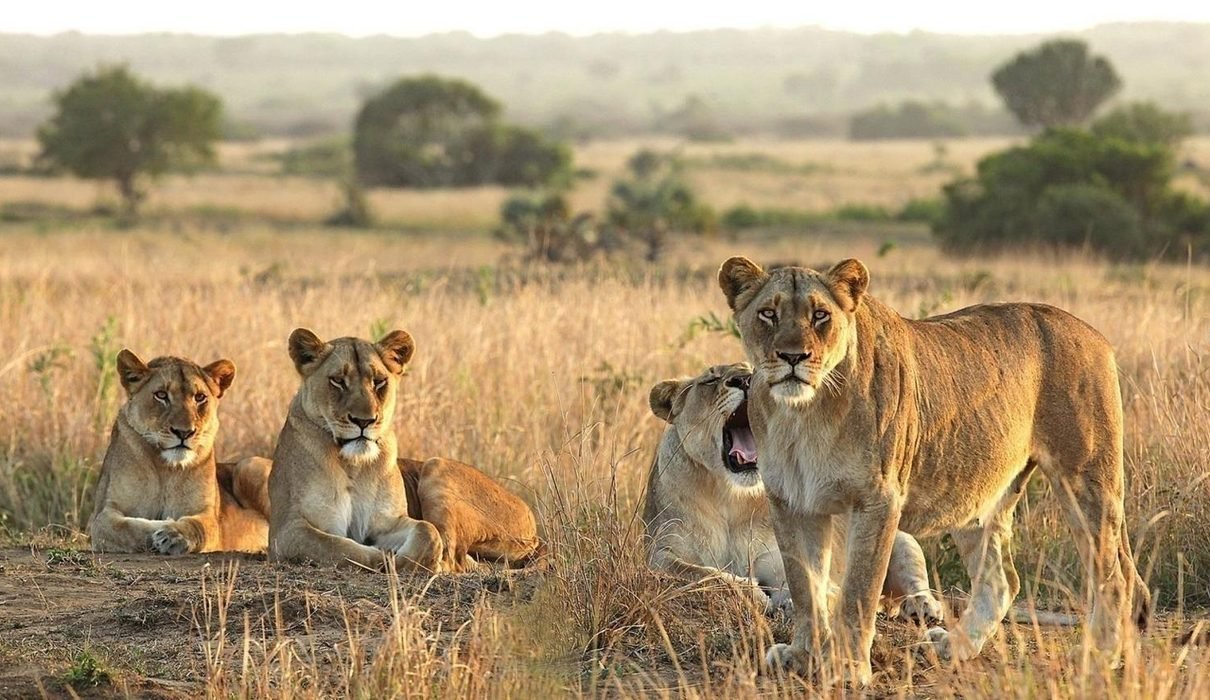
A one-day Serengeti safari is a wonderful opportunity to explore one of Africa’s most famous wildlife destinations, even when you have limited time. Located in northern Tanzania, Serengeti National Park is known for its wide open plains, large populations of wild animals, and excellent opportunities to observe predators in their natural habitat. From lions resting in the grass to elephants moving through the woodland and giraffes feeding on acacia trees, the park offers a genuine African safari experience.
For travelers visiting Tanzania in 2027, 2028, or 2029, a one-day Serengeti safari can be a practical option when staying inside the national park, near one of its access points, or arriving by a specially arranged flight. The experience focuses on guided wildlife viewing, exploring the Serengeti landscape, and looking for some of Africa’s most recognizable animals, including members of the famous Big Five.
The Big Five consist of the lion, leopard, African elephant, African buffalo, and rhinoceros. Serengeti is home to all five, although sightings vary considerably. Lions, elephants, and buffalo may be encountered during game drives, while leopards require patience and a little luck. Black rhinos are rare and much harder to observe, particularly during a short visit. No responsible safari company can promise that all five animals will be seen in one day.
At Eddy Tours & Safaris, we help travelers arrange guided Tanzania wildlife safaris, including private game drives in Serengeti National Park. This guide explains what to expect from a one-day Serengeti safari, the animals you may see, the best areas to explore, travel arrangements, suitable visiting seasons, and how to plan your adventure for 2027, 2028, or 2029.
1-Day Serengeti Safari Overview
| Safari details | Information |
|---|---|
| Safari name | 1-Day Serengeti Safari Adventure |
| Destination | Serengeti National Park, Tanzania |
| Duration | One day |
| Travel years | 2027, 2028 and 2029 |
| Safari type | Private guided wildlife game drive |
| Main activity | Wildlife viewing and photography |
| Main wildlife | Lions, elephants, buffalo, giraffes, zebras, wildebeest, cheetahs and other animals |
| Big Five opportunity | Possible sightings; not guaranteed |
| Recommended safari area | Central Serengeti, particularly the Seronera region |
| Suitable starting point | Accommodation within or near Serengeti, or an arranged fly-in arrival |
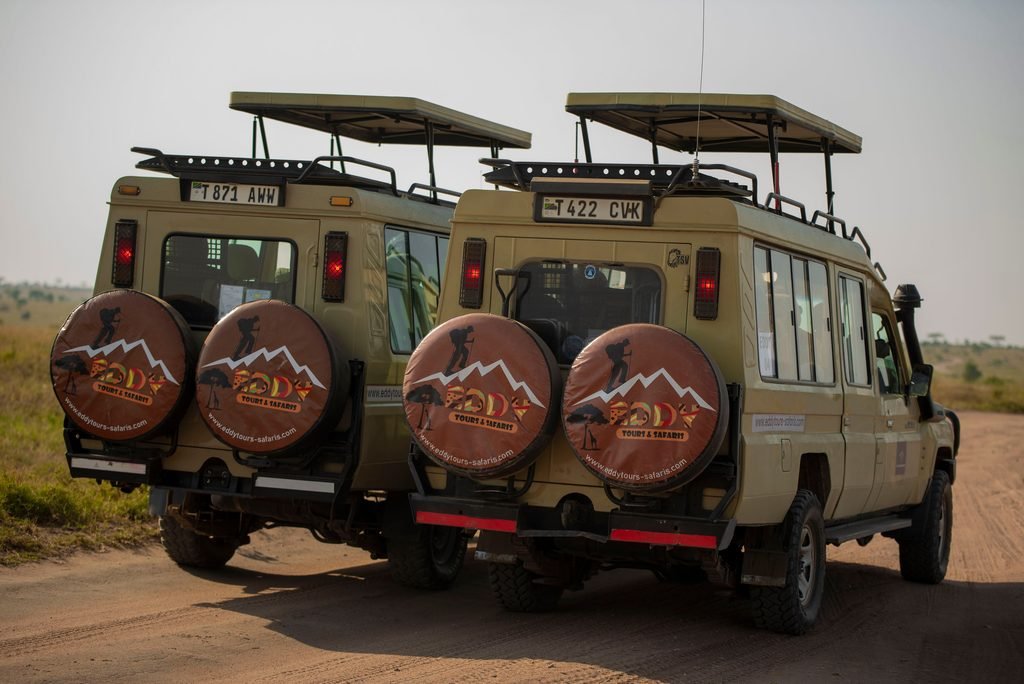
| Transport | 4×4 safari vehicle |
| Meals | Packed lunch where included in the quotation |
| Accommodation | Not included in the one-day activity unless separately arranged |
| Price | Available on request |
The exact schedule depends on your starting location, park access arrangements, available daylight, and any flight connections.
Why Choose a One-Day Serengeti Safari?
A one-day Serengeti safari is ideal for travelers who want to experience the park’s wildlife but cannot spend several days exploring northern Tanzania. Although a longer safari provides more opportunities to visit different areas and search for animals, a carefully planned day in Central Serengeti can still offer memorable sightings and excellent photography opportunities.
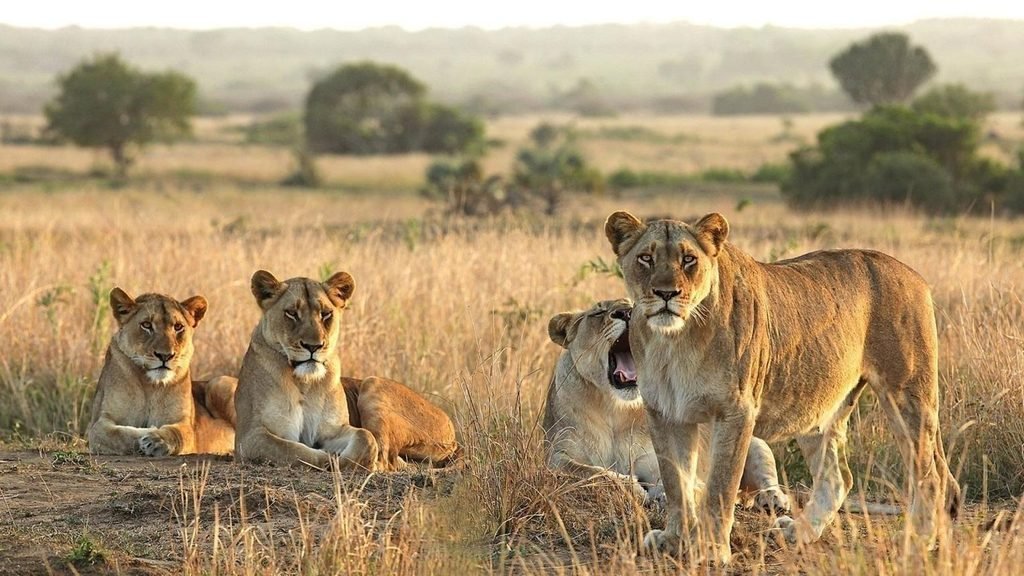
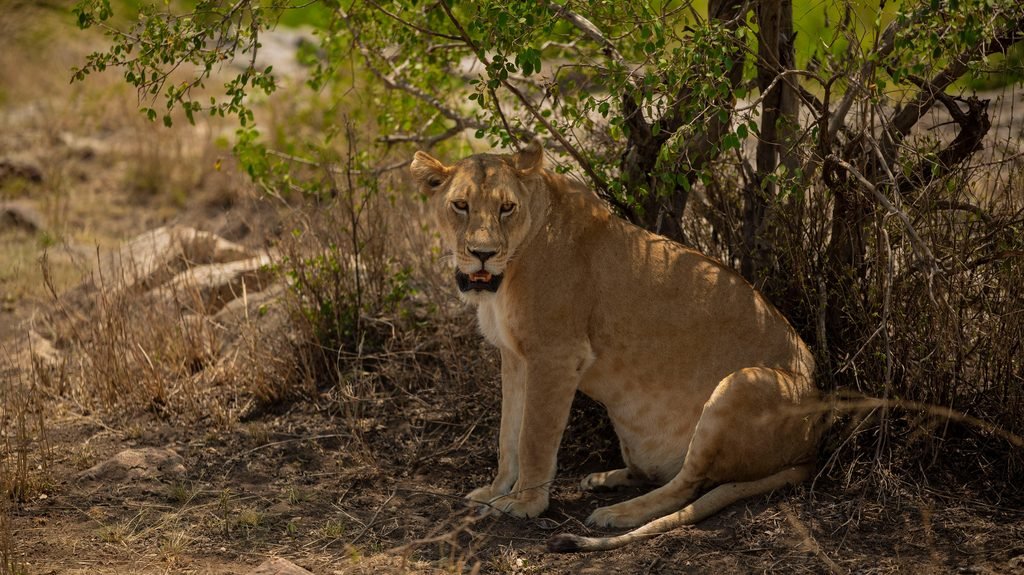
The Serengeti is especially famous for its predators. Lions can sometimes be observed resting in the shade, moving through the grasslands, or watching herds of grazing animals. Cheetahs favor open areas where they can scan the landscape for prey, while leopards may be found resting in trees or moving through riverine woodland. These encounters depend on wildlife behavior and cannot be scheduled in advance.
Another reason to visit Serengeti is the landscape itself. The park includes extensive grasslands, rocky kopjes, woodland, and river systems that support different animal species. Even when the larger predators are difficult to find, visitors can enjoy watching giraffes, zebras, antelopes, elephants, and numerous birds moving through their natural surroundings.
For travelers planning a longer holiday, a one-day game drive can also be included as part of a broader Tanzania safari itinerary. This allows you to combine Serengeti with other northern Tanzania destinations while keeping the daily wildlife activities organized around your travel schedule.
Complete 1-Day Serengeti Safari Itinerary
Early Morning: Safari Pickup and Game Drive Preparation
Your Serengeti safari begins early in the morning, with pickup from your lodge, tented camp, or another agreed location within the park or nearby. If you are arriving by air, the starting time will depend on your confirmed flight schedule and the arrangements made for your arrival at the airstrip. Your safari guide will explain the day’s route, discuss wildlife viewing opportunities, and ensure that the necessary park arrangements have been completed.
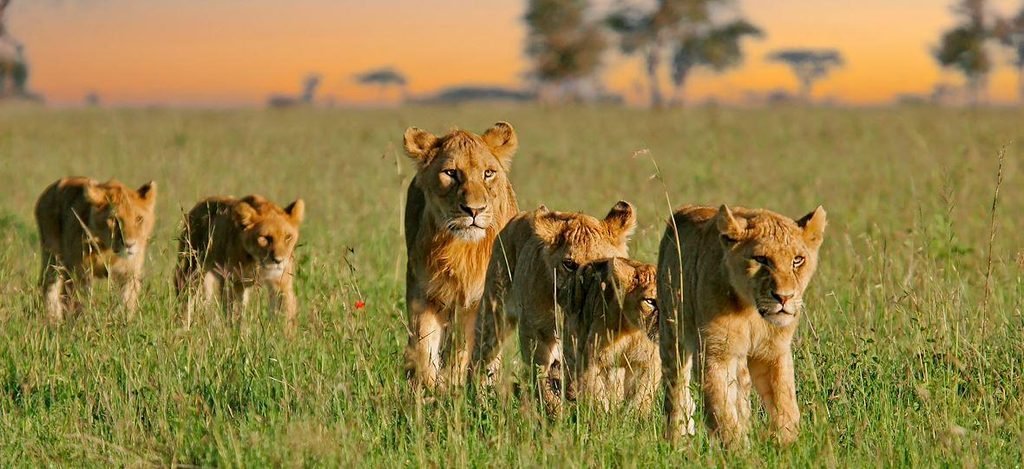
The early morning is often one of the most rewarding times for a game drive because temperatures are generally cooler and some animals are more active. Lions may still be moving after nighttime activity, while herbivores begin grazing across the open plains. Your guide will look for fresh tracks, animal movement, and other signs that may indicate wildlife nearby.
As you begin exploring the Serengeti, you will notice the remarkable openness of the landscape. Large sections of the park offer long views across the grasslands, making it possible to observe animals from a distance before approaching suitable viewing areas. The guide will drive carefully along permitted tracks and stop when there is an opportunity to watch or photograph wildlife without disturbing it.
Mid-Morning: Searching for the Serengeti Big Five
As the morning continues, your game drive focuses on areas where wildlife is commonly encountered. The Central Serengeti region, particularly around Seronera, is known for its varied habitats and year-round wildlife populations. Depending on the day’s conditions, your guide may explore open grassland, woodland, river areas, and rocky kopjes where different species are sometimes found.
Lions are among the most sought-after animals during a Serengeti safari. They may be seen resting together in a pride, watching nearby herbivores, or moving between hunting areas. Leopards are more difficult to find because they are often solitary and may remain hidden in trees or thick vegetation. Your guide will use local knowledge and observations to identify suitable areas, but sightings remain unpredictable.
Elephants and African buffalo are also important members of the Big Five. Elephants may be observed feeding, walking in family groups, or gathering near water, while buffalo often move in herds across grassland and woodland areas. Black rhinos occur in the Serengeti ecosystem but are rare and should not be expected during a short game drive.
In addition to the Big Five, you may encounter giraffes, zebras, wildebeest, topi, hartebeest, gazelles, warthogs, hyenas, and numerous bird species. The variety of wildlife is one of the reasons Serengeti remains such a popular safari destination.
Midday: Picnic Lunch in Serengeti National Park
Around midday, your guide will stop at an appropriate designated picnic area, depending on the day’s route and the facilities available. You can enjoy a packed lunch while taking a break from the morning game drive and appreciating the surrounding landscape. This is also an opportunity to review photographs, discuss the animals you have seen, and learn more about the Serengeti ecosystem from your guide.
During the hotter hours, some animals become less active and move into shaded areas. However, wildlife viewing does not necessarily stop at midday. Elephants may continue feeding, giraffes may browse on trees, and different antelope species may remain visible across the plains. Your guide will adjust the route according to conditions and the time available.
Visitors should follow park rules during lunch stops, avoid feeding wildlife, and dispose of waste responsibly. These practices help protect the animals and maintain the natural environment for future visitors.
Afternoon: Exploring More of the Serengeti Plains
After lunch, your safari continues through another section of the Central Serengeti, with the route determined by recent wildlife activity and the available time. The afternoon offers another opportunity to look for animals that were not encountered earlier in the day. Your guide may revisit suitable habitats or explore different areas in search of predators, elephants, giraffes, and grazing herds.
Rocky kopjes are particularly interesting features of the Serengeti landscape. These ancient rock formations provide shelter, shade, and lookout points for several animal species. Lions are sometimes found resting near kopjes, while smaller mammals and reptiles may occupy the surrounding rocky habitat. The open grasslands around these formations also provide opportunities to observe antelopes and other herbivores.
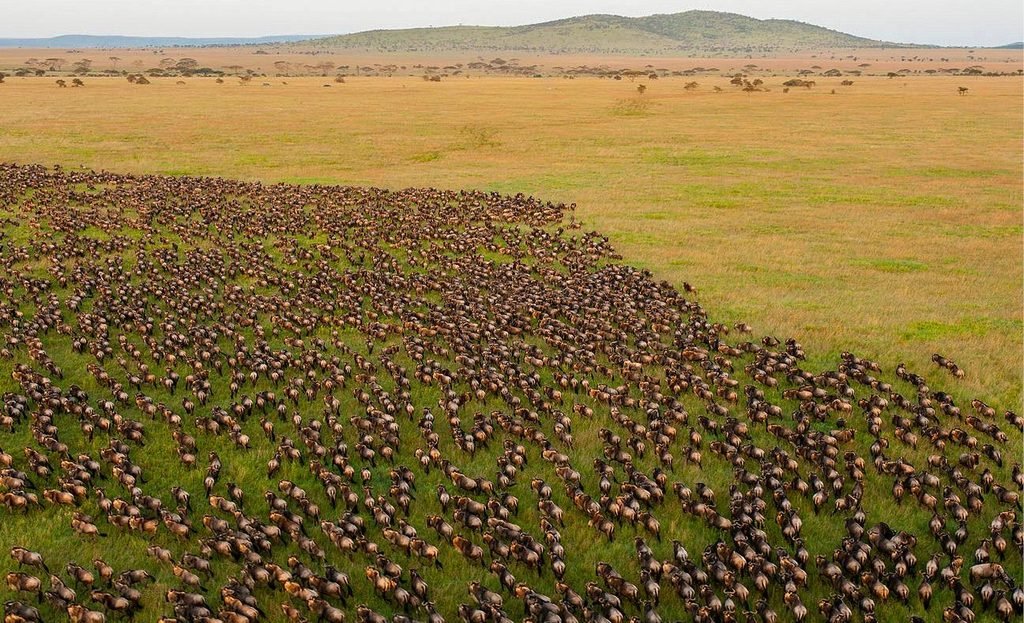
If your safari takes place during a period when migrating wildebeest are present in the area, you may encounter large herds of wildebeest and zebras. However, the Great Migration is a continuous seasonal movement, and the animals do not remain in one location throughout the year. River crossings and exceptionally large herds cannot be guaranteed on a one-day safari.
As the afternoon progresses, the changing light can create beautiful conditions for wildlife photography. Your guide will allow suitable time for observation and photographs while ensuring that the safari remains within the park’s operating rules and your agreed travel schedule.
Late Afternoon: Return to Your Lodge or Transfer Point
Toward the end of the day, you begin the return journey to your lodge, tented camp, airstrip, or agreed drop-off location. The exact finishing time depends on your accommodation, flight arrangements, daylight, and the applicable park regulations. Along the way, there may still be opportunities to observe wildlife, although the guide must allow enough time to complete the journey safely.
After arriving at your destination, your one-day Serengeti safari comes to an end. You may continue your Tanzania holiday, spend another night in the park, or travel onward according to your confirmed arrangements.
For travelers who want additional time to explore the Serengeti, Eddy Tours & Safaris can discuss longer safari itineraries that include multiple game drives and visits to other northern Tanzania destinations.
Can You See the Big Five in One Day in Serengeti?
The Serengeti is home to the Big Five, but seeing all five species during a single day is unlikely. Wildlife moves freely across the landscape, and sightings depend on animal behavior, weather, vegetation, seasonal movements, and the area explored. Even experienced safari guides cannot predict exactly where every animal will be found.
Lions, elephants, and buffalo may be encountered in different parts of the park, while leopards are more elusive and often require patient searching. Black rhinos are particularly difficult to see because they are rare and occupy limited areas of the wider ecosystem. Travelers should therefore approach a one-day safari with realistic expectations and appreciate the wider variety of animals rather than measuring the entire experience by whether all five species appear.
| Big Five animal | What to know |
|---|---|
| Lion | Found in suitable Serengeti habitats; sightings are possible |
| Leopard | Elusive and often solitary; sightings require patience |
| African elephant | May be encountered in woodland, grassland and near water |
| African buffalo | Found in herds and smaller groups across suitable habitats |
| Black rhinoceros | Rare and difficult to see during a short visit |
A safari is most enjoyable when travelers appreciate natural animal behavior, including interactions between predators and prey, grazing herds, birdlife, and the changing landscape.
Best Area for a One-Day Serengeti Safari
Central Serengeti, particularly the Seronera region, is generally one of the most practical areas for a one-day safari because it supports wildlife throughout the year. Its combination of open grassland, riverine habitats, woodland, and rocky kopjes creates opportunities to observe different species within a relatively manageable area.
The Seronera region is also served by accommodation facilities and an airstrip, making it a useful starting point for travelers already staying in the park or arriving on a suitable flight. However, the exact route should be chosen according to the location of your lodge or airstrip, current park conditions, and the time available for game viewing.
Other Serengeti regions, including the northern and western corridors, are excellent safari destinations but are generally better explored during longer itineraries. Traveling between distant sections of the park can take several hours, which reduces the time available for wildlife observation during a one-day visit.
Is a One-Day Serengeti Safari Possible from Arusha or Moshi?
A conventional one-day road safari from Arusha or Moshi to Central Serengeti and back is generally not practical. The journey involves long driving distances, road conditions that vary by season, and park access arrangements. Attempting to complete both the outward and return road journeys in one day would leave very little time for a proper game drive.
Travelers starting in Arusha may consider a specially arranged fly-in safari, subject to available flights, schedules, transfers, and park arrangements. A flight can reduce the time spent traveling, but a same-day return is not always available or suitable. These arrangements must be confirmed before describing the package as a one-day fly-in safari.
For travelers who prefer road transport, a multi-day itinerary is generally a better option. Spending at least one or more nights in or near Serengeti allows additional time for game drives and avoids the pressure of attempting to cover long distances in a single day.
Best Time for a One-Day Serengeti Safari in 2027, 2028 and 2029
Serengeti National Park offers wildlife viewing throughout the year, but the experience changes according to rainfall, vegetation, and seasonal animal movements. The drier months, commonly June to October, are popular because shorter vegetation and the concentration of animals around water sources can make wildlife easier to observe in some areas.
From approximately December to March, large numbers of wildebeest may be found in the southern Serengeti and neighboring Ndutu ecosystem, depending on rainfall and migration conditions. The calving period is particularly well known for large herds and predator activity. However, these southern areas are not the same as Central Serengeti, so travelers hoping to experience calving should choose a suitable starting location and allow enough time.
The Great Migration does not follow an exact calendar. Herd movements vary from year to year according to rainfall and grazing conditions, and no safari company can guarantee a specific river crossing or herd location on a future date. For a one-day safari in 2027, 2028, or 2029, selecting an area with reliable resident wildlife is generally more sensible than relying entirely on a predicted migration event.
What Animals Can You See Besides the Big Five?
The Serengeti supports an extraordinary range of wildlife beyond the Big Five. Giraffes are often observed feeding on trees, while zebras, wildebeest, gazelles, and other antelope species graze across the plains. Warthogs, hyenas, jackals, and smaller mammals may also be encountered during a game drive.
Cheetahs are among the park’s most admired predators and are particularly associated with open grassland habitats. Their slender bodies and remarkable speed make them fascinating animals to observe, although sightings depend on their movements and the conditions of the day. Spotted hyenas are also important predators and scavengers within the Serengeti ecosystem.
Birdwatchers can enjoy the presence of eagles, vultures, secretary birds, ostriches, hornbills, and many other species. The exact birds encountered vary by habitat and season, making Serengeti interesting for travelers who enjoy both large mammals and birdlife.
What Is Included in a One-Day Serengeti Safari?
The exact inclusions depend on the starting point, group size, transport arrangements, and confirmed quotation. A typical guided safari may include a private 4×4 safari vehicle, a professional driver-guide, game drives, applicable park entry fees, and a packed lunch. Drinking water and transfers may also be included according to the package arrangements.
Travelers should confirm whether airport or airstrip transfers are included, particularly when booking a fly-in safari. Domestic flights, accommodation before or after the game drive, and additional transport services may be quoted separately.
Services commonly excluded unless specifically stated include international flights, Tanzania visa fees, travel insurance, personal expenses, alcoholic drinks, and tips for the safari guide. Always request a written quotation showing the exact inclusions and exclusions before making a payment.
How Much Does a One-Day Serengeti Safari Cost in 2027–2029?
The cost of a one-day Serengeti safari depends on several factors, including the number of travelers, the starting location, park fees, vehicle arrangements, and whether domestic flights are required. A safari beginning from accommodation within Central Serengeti will have different transport requirements from a specially arranged fly-in excursion from Arusha.
Private safari costs may be shared among travelers in the same group, while solo travelers may face higher per-person transport expenses. Domestic flights can also increase the total cost considerably, particularly when special arrangements are necessary.
For 2027, 2028, and 2029, exact prices should be confirmed through a personalized quotation because park fees, transport costs, and flight arrangements may change. Eddy Tours & Safaris can discuss the available options according to your preferred travel dates and starting location.
What to Pack for a One-Day Serengeti Safari
A one-day Serengeti safari does not require complicated equipment, but a few practical items can make the experience more comfortable. Lightweight clothing in neutral colors is suitable for most game drives, while a warm layer is useful during early morning departures when temperatures may be cooler. A sunhat, sunglasses, sunscreen, and comfortable closed shoes are also recommended.
Travelers interested in wildlife photography should bring a camera with suitable batteries and memory cards. Binoculars can be particularly useful for observing animals at a distance without requiring the vehicle to approach too closely. A small daypack is convenient for carrying personal items, medication, snacks, and other essentials.
Because the safari takes place in a protected wildlife area, visitors should follow their guide’s instructions, remain inside the vehicle unless stopping in an authorized area, and avoid feeding or disturbing animals.
Why Book Your Serengeti Safari with Eddy Tours & Safaris?
Choosing a safari operator involves more than finding a vehicle and entering the national park. A well-planned game drive considers the starting location, available time, suitable wildlife habitats, park regulations, and the traveler’s interests. For a one-day Serengeti safari, careful planning is particularly important because every hour spent on unnecessary transfers reduces the time available for wildlife viewing.
At Eddy Tours & Safaris, we help travelers discuss suitable safari arrangements based on their travel plans. Whether you are already staying in Serengeti or considering a fly-in option, our team can explain the practical arrangements and provide a quotation according to the services required.
Travelers planning longer holidays can also explore Tanzania safari options or combine wildlife viewing with a Kilimanjaro climbing expedition. These combinations allow visitors to experience different parts of Tanzania while organizing their travel arrangements through one operator.
Frequently Asked Questions About a One-Day Serengeti Safari
1. Can I visit Serengeti National Park in one day?
Yes. A one-day safari is practical when starting from within or near the park, or through a suitably arranged fly-in itinerary.
2. Can I see the Big Five in one day?
It is possible to see some members of the Big Five, but seeing all five in one day is unlikely and cannot be guaranteed.
3. Which Big Five animal is hardest to see in Serengeti?
The black rhinoceros is generally the most difficult to encounter because it is rare.
4. Is Central Serengeti good for a one-day safari?
Yes. The Seronera region is a practical choice because of its varied habitats and year-round wildlife populations.
5. Can I do a one-day Serengeti safari from Arusha by road?
A same-day road return is generally impractical because of the long travel distances.
6. Is a fly-in Serengeti safari possible?
It may be possible, depending on flight schedules, availability, and confirmed travel arrangements.
7. What is the best time for a Serengeti game drive?
Early morning and late afternoon often provide good wildlife viewing opportunities.
8. Are lions common in Serengeti?
Serengeti supports an important lion population, but individual sightings are never guaranteed.
9. Can I see leopards in Serengeti?
Yes. Leopards occur in the park, although they can be difficult to find.
10. Can I see elephants during a one-day safari?
Elephant sightings are possible in suitable areas, depending on their movements.
11. Are cheetahs found in Serengeti?
Yes. Cheetahs inhabit the Serengeti, particularly open grassland environments.
12. Can I see the Great Migration in one day?
You may encounter migrating herds if they are in the area you visit, but their location cannot be guaranteed.
13. When is the Serengeti wildebeest calving season?
Calving commonly takes place around January to March in the southern Serengeti and Ndutu ecosystem, depending on seasonal conditions.
14. Are river crossings guaranteed during migration season?
No. River crossings depend on unpredictable wildlife behavior and changing environmental conditions.
15. How long does a one-day safari last?
The duration depends on your starting point, park arrangements, and travel schedule.
16. Is lunch included?
A packed lunch may be included, depending on the confirmed safari package.
17. Will I have a private safari vehicle?
Private vehicle arrangements can be requested and should be confirmed in your quotation.
18. Can children join a one-day Serengeti safari?
Yes, subject to suitable arrangements and consideration of the child’s age and comfort during the game drive.
19. What should I wear on safari?
Comfortable lightweight clothing, a sunhat, closed shoes, and a warm layer for cooler mornings are useful.
20. Can I take photographs during the game drive?
Yes. Wildlife photography is one of the main attractions of a Serengeti safari.
21. Is Serengeti open throughout the year?
Serengeti generally welcomes visitors year-round, subject to applicable park conditions and regulations.
22. Can I combine Serengeti with Ngorongoro Crater?
Yes, but visiting both destinations properly generally requires a multi-day itinerary.
23. Is a one-day Serengeti safari expensive?
The price depends on transport, park fees, group size, and whether flights are required.
24. Can I book a one-day Serengeti safari for 2027, 2028, or 2029?
You can request a quotation for your preferred dates, subject to confirmed availability and arrangements.
25. How do I book with Eddy Tours & Safaris?
Contact our team with your preferred date, number of travelers, starting location, and any special requirements.
Book Your 1-Day Serengeti Safari Adventure for 2027/2028/2029
A one-day Serengeti safari offers an opportunity to experience Tanzania’s wildlife in one of Africa’s most famous national parks. From lions and elephants to giraffes, zebras, cheetahs, and grazing herds, the park supports a remarkable variety of animals across its open plains and woodland habitats. Although no safari can guarantee sightings of the Big Five, a carefully planned game drive can provide memorable encounters with wildlife in its natural environment.
For travelers with limited time, the key to a successful one-day safari is choosing a practical starting point and allowing as much time as possible for game viewing. Central Serengeti is generally a strong option, particularly for visitors already staying within the park. Travelers arriving from Arusha or Moshi should discuss fly-in or multi-day arrangements rather than attempting an impractical same-day road journey.
At Eddy Tours & Safaris, we help travelers arrange guided Serengeti wildlife experiences for 2027, 2028, and 2029. Our team can discuss private game drives, starting locations, transport options, park arrangements, and suitable safari extensions before providing a personalized quotation.
Request Your 1-Day Serengeti Safari Quotation
Chat with Eddy Tours & Safaris on WhatsApp
Email: sales@eddytours-safaris.com
Contact our team to plan your Serengeti wildlife adventure with realistic expectations, suitable travel arrangements, and enough time to enjoy the park’s remarkable wildlife.