

10 Days Kilimanjaro Wilderness Approach Climb is a premium, slow-paced and low-traffic trekking package created for climbers who want deeper immersion in wild landscapes, stronger acclimatization and a higher level of safety before attempting the summit of Africa’s highest mountain. This route focuses on remote access, quiet camps and carefully controlled altitude gains so your body and mind can adjust naturally while you enjoy the most scenic and least crowded sections of the mountain.
This package is professionally operated by a local and experienced mountain team and can be arranged directly through Eddy Tours & Safaris, giving you reliable logistics, trained mountain staff and ethical working standards throughout the journey. The design of this climb follows internationally accepted safety, health and environmental principles promoted by organizations such as the World Health Organization, the International Union for Conservation of Nature, the United Nations Environment Programme and the International Climbing and Mountaineering Federation.
10 Days Kilimanjaro Wilderness Approach Climb – Package overview
The 10 Days Kilimanjaro Wilderness Approach Climb is built for travelers who value isolation, long scenic approaches and gradual altitude exposure instead of fast and crowded routes. The itinerary uses a remote western wilderness access and crosses multiple ecological zones, from montane forest to open moorland and high alpine desert, creating an experience that feels truly exploratory rather than touristic.
Environmental management standards followed on this itinerary reflect guidance from World Wide Fund for Nature, Conservation International and the National Geographic Society, ensuring that trekking activity remains low-impact, waste is controlled and sensitive habitats are respected along the route.
10 Days Kilimanjaro Wilderness Approach Climb – Detailed itinerary
Day 1 – Arrival and mountain briefing
You arrive in the Kilimanjaro region and meet your mountain crew for equipment inspection, safety briefing and health check. Your guides review altitude protocols based on medical guidance from the Centers for Disease Control and Prevention and the International Society for Mountain Medicine.
Day 2 – Remote wilderness gate to forest camp
The trek begins through a quiet and rarely used western access corridor. Dense forest provides early wildlife and birdlife encounters, supported by conservation research promoted by African Wildlife Foundation and BirdLife International.
Day 3 – Forest to high moorland transition
You continue steadily upward through changing vegetation zones, following ecological gradients studied by institutions such as the United States Geological Survey and global biodiversity monitoring programs under IPBES.
Day 4 – Remote moorland traverse and acclimatization walk
This day focuses on controlled elevation gain and a short acclimatization hike in open highland terrain. Climate and vegetation shifts observed here reflect long-term patterns described by NASA Climate and the Intergovernmental Panel on Climate Change.
Day 5 – High plateau crossing
The route crosses a wide volcanic plateau formed by ancient geological processes documented by the US Geological Survey and earth-science studies published through Frontiers in Earth Science.
Day 6 – Acclimatization day and lava formations exploration
This full acclimatization day improves oxygen adaptation and reduces fatigue risk. Medical research summarized through PubMed and Johns Hopkins Medicine shows that extra rest days significantly improve altitude tolerance and overall summit success.
Day 7 – High alpine desert approach to summit base camp
You move slowly into the high alpine desert zone, an extremely fragile ecosystem monitored by UN Environment Programme and conservation assessments from Wildlife Conservation Society.
Day 8 – Final acclimatization and summit preparation
The team performs health checks, hydration monitoring and equipment preparation following emergency readiness standards promoted by the International Federation of Red Cross and Red Crescent Societies.
Day 9 – Summit attempt and descent to high camp
The summit push begins late at night and follows a slow, controlled pace. Leadership and decision-making models used by professional guides reflect expedition management principles developed by the National Outdoor Leadership School and safety frameworks from the UIAA.
Day 10 – Final descent and transfer
You complete your descent through changing ecological zones and return to your hotel for rest and celebration before departure.
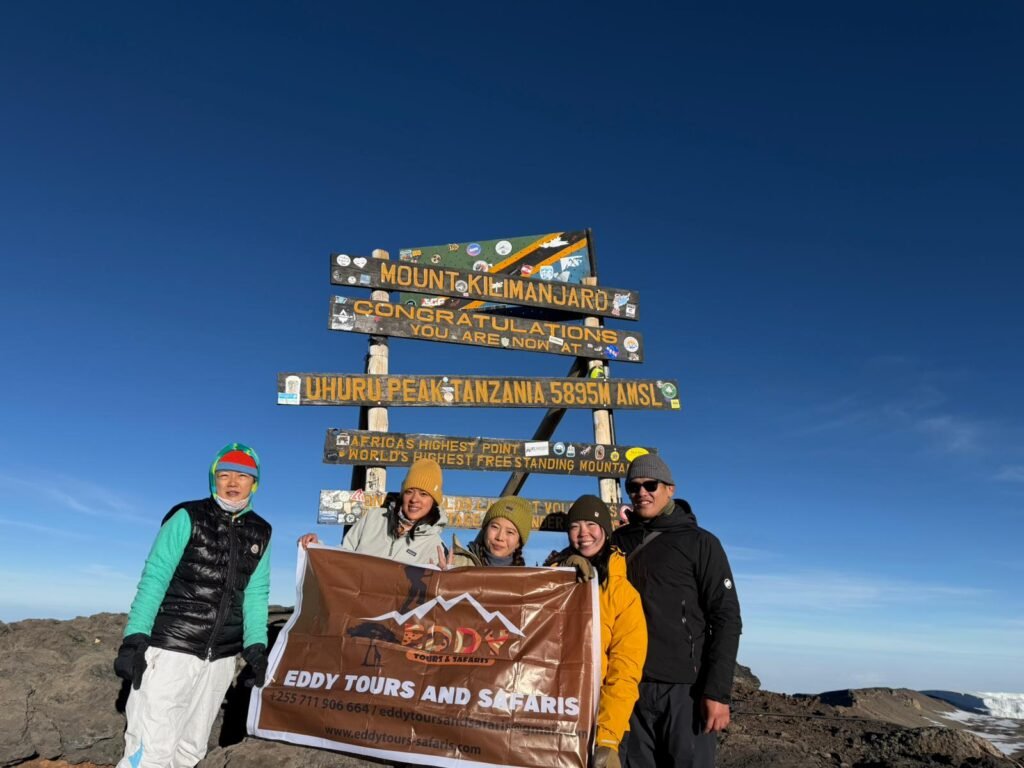
10 Days Kilimanjaro Wilderness Approach Climb – What is included
The 10 Days Kilimanjaro Wilderness Approach Climb includes all park entry and conservation fees, professional certified mountain guides, assistant guides, porters and cooks, private camping equipment, dining tent and sleeping tents, daily hot meals and filtered drinking water, medical oxygen for emergencies, communication equipment, daily health checks and all scheduled transfers during the climb.
The package also includes professional trip planning and route design through Kilimanjaro climbing programs operated by local experts who understand real mountain conditions and safety requirements.
10 Days Kilimanjaro Wilderness Approach Climb – What is not included
International flights, visa fees, personal trekking gear, travel insurance, tips for the mountain crew, personal snacks, alcoholic beverages and optional hotel upgrades are not included in this package.
10 Days Kilimanjaro Wilderness Approach Climb – Why book this package
This itinerary is designed specifically for climbers who want maximum acclimatization, minimal crowd exposure and deep wilderness immersion. Research supported by Frontiers in Physiology confirms that slow ascent profiles and structured rest days significantly reduce severe altitude illness and fatigue during high-altitude trekking.
The remote access strategy also aligns with conservation priorities promoted by WWF and African Wildlife Foundation, helping to reduce pressure on overcrowded trail corridors.
10 Days Kilimanjaro Wilderness Approach Climb – Safety and sustainability commitment
This package operates under strict environmental and labour standards supported by the International Labour Organization and social responsibility frameworks promoted by Oxfam International, ensuring fair porter treatment, safe load limits and ethical working conditions.
Waste management, campsite discipline and trail protection follow guidelines promoted by Conservation International, National Geographic Society and ecosystem protection policies of UNESCO.
10 Days Kilimanjaro Wilderness Approach Climb – Who this climb is best for
This climb is ideal for travelers seeking a quieter, more immersive and physically balanced route. It suits photographers, nature lovers, first-time high-altitude trekkers who want extra acclimatization, and experienced hikers who prefer low-traffic trails and long wilderness approaches.
10 Days Kilimanjaro Wilderness Approach Climb – Booking and personalized planning
Your success and safety on this route depend heavily on professional preparation. You can review and customize this itinerary directly through Eddy Tours & Safaris, a trusted local operator offering transparent planning and ethical operations.
For travelers combining trekking with wildlife experiences, you can also explore extended journeys through Tanzania safari programs, or request personal route consultation using the direct contact service to tailor this wilderness approach to your own pace and goals.
The 10 Days Kilimanjaro Wilderness Approach Climb is not a rushed climb. It is a carefully built mountain journey that respects your body, protects the environment and delivers one of the most scenic and meaningful approaches to the summit available on Kilimanjaro.