
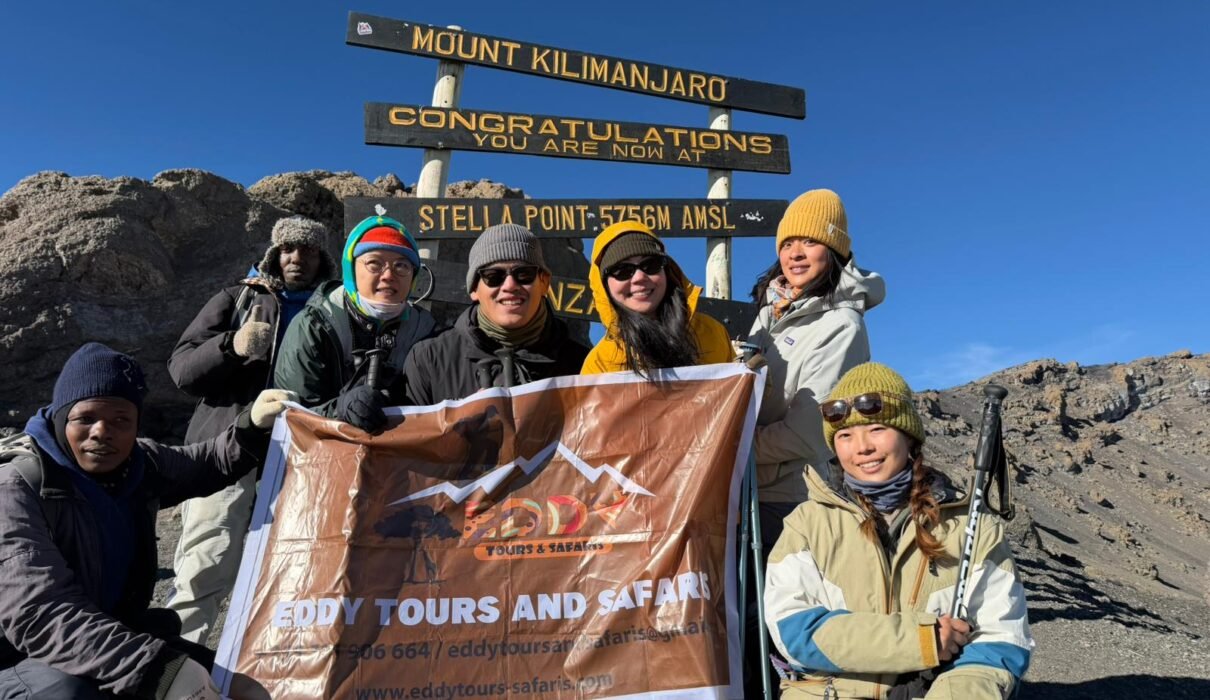
10 Fascinating Facts About Mount Kilimanjaro helps you understand why this famous mountain is much more than a high summit and a popular trekking destination, but a living natural system shaped by volcanoes, climate, forests, wildlife, people and modern conservation efforts that continue to protect one of Africa’s most important natural landmarks.
For many visitors, Kilimanjaro is simply a bucket-list climb. For scientists, conservation workers and local communities, it is a fragile mountain ecosystem that supports water, forests, farms, tourism livelihoods and cultural identity across northern Tanzania. The facts below explain what truly makes this mountain special, and why every visitor has a role to play in protecting it.
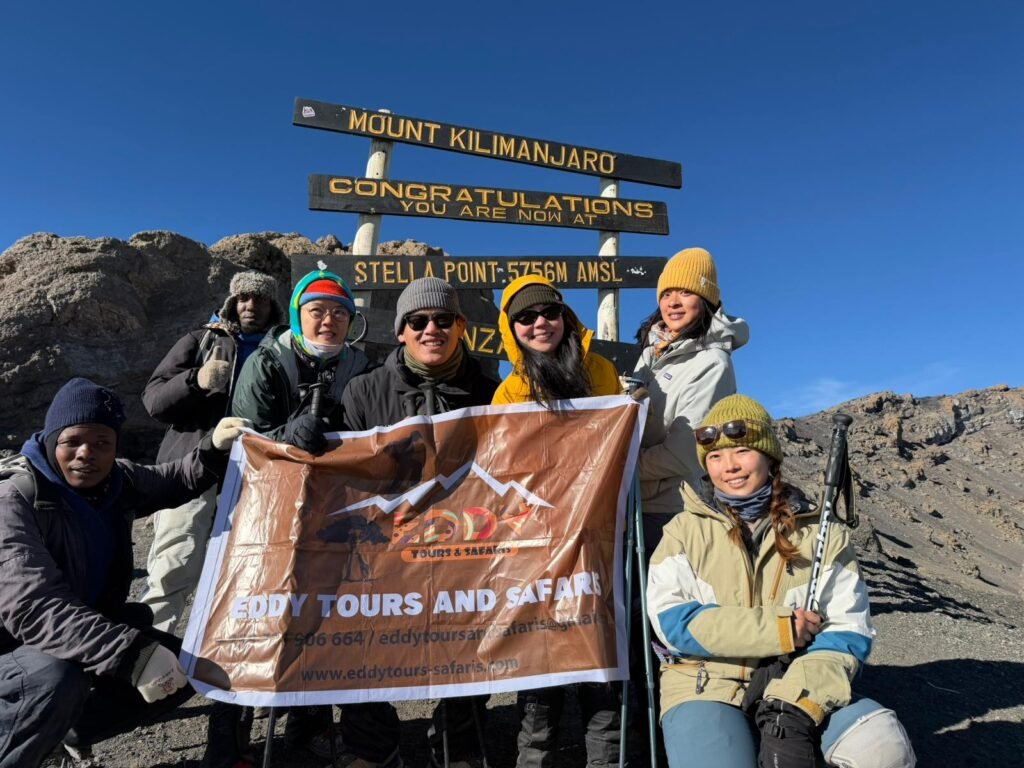
10 Fascinating Facts About Mount Kilimanjaro and its volcanic origin
Mount Kilimanjaro is not a single peak but a massive volcanic complex made up of three major cones, and this geological structure explains why the mountain has such different shapes, slopes and landscapes on each side. Geological research from the United States Geological Survey and volcanic monitoring information published by the Smithsonian Global Volcanism Program show that Kilimanjaro was formed by repeated volcanic activity that created deep lava layers, crater systems and ancient collapse zones which are still visible along the high ridges today.
Regional geological studies supported by the British Geological Survey further confirm that Kilimanjaro is part of a wider tectonic system linked to the East African Rift, making the mountain one of the most scientifically important volcanic landforms on the continent.
10 Fascinating Facts About Mount Kilimanjaro and its unique ecological zones
One of the most remarkable features of Kilimanjaro is the way vegetation and climate change rapidly as you move upward. Ecological research coordinated by the International Union for Conservation of Nature shows that the mountain contains several clearly defined ecological belts, including cultivated land, montane forest, heath and moorland, alpine desert and summit zone, each supporting different plant and animal communities.
Biodiversity records compiled by the Global Biodiversity Information Facility confirm that many plant species found on Kilimanjaro exist only in narrow altitude ranges, which makes the mountain extremely sensitive to environmental disturbance and climate change.
10 Fascinating Facts About Mount Kilimanjaro and disappearing glaciers
The shrinking ice fields near the summit are among the most well-known symbols of environmental change on the mountain. Climate assessments published by the Intergovernmental Panel on Climate Change confirm that tropical high-altitude glaciers are especially vulnerable to rising temperatures and changing moisture patterns.
Additional snow and ice research coordinated by the National Snow and Ice Data Center and atmospheric observation data from the World Meteorological Organization help scientists understand how regional climate change affects mountain water systems across East Africa.
10 Fascinating Facts About Mount Kilimanjaro and its water importance
Kilimanjaro acts as a major water tower for surrounding communities, farms and wildlife habitats. Hydrological and ecosystem protection programmes supported by the United Nations Environment Programme show that mountain forests play a vital role in regulating rainfall, groundwater recharge and river flow.
Freshwater and watershed protection strategies promoted by the Conservation International and landscape restoration initiatives led by The Nature Conservancy demonstrate that protecting Kilimanjaro’s forest belt is essential for long-term water security in northern Tanzania.
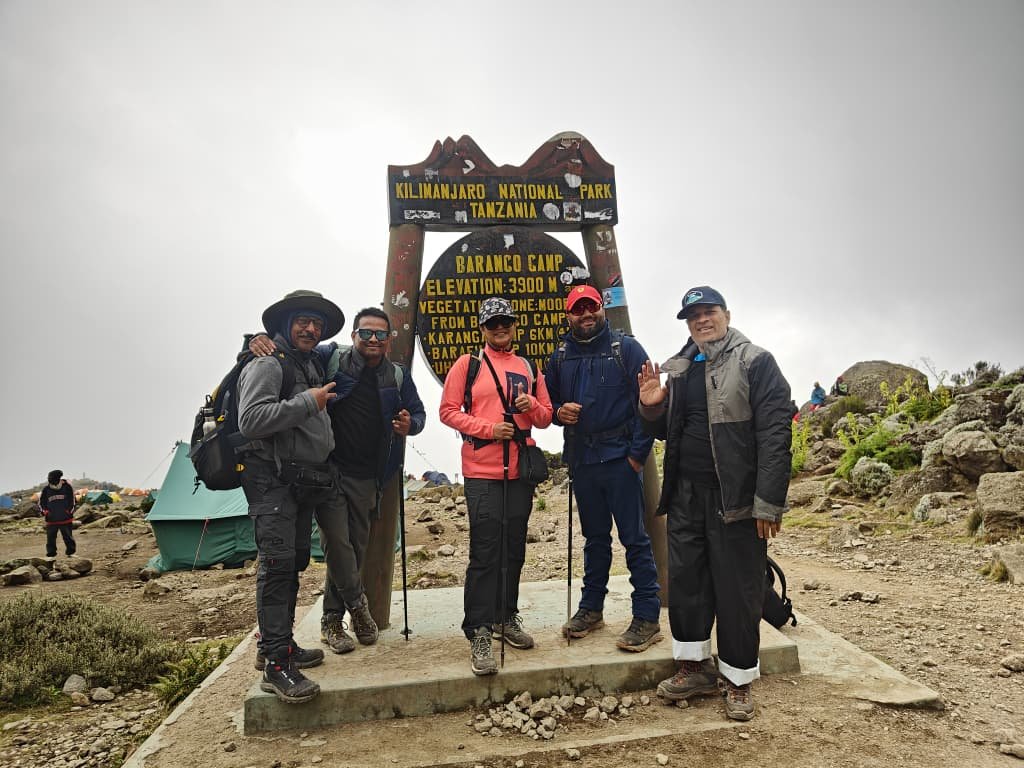
10 Fascinating Facts About Mount Kilimanjaro and forest biodiversity
The montane forests on Kilimanjaro support birds, primates, insects and rare plants that depend on cool and moist conditions. Conservation work coordinated by BirdLife International shows that mountain forests are key refuges for many threatened bird species, while wildlife monitoring supported by the Wildlife Conservation Society highlights the importance of intact forest corridors for small mammals and forest-dependent wildlife.
Forest research conducted by the Center for International Forestry Research further explains how forest degradation on mountain slopes can directly increase landslides, soil erosion and loss of biodiversity.
10 Fascinating Facts About Mount Kilimanjaro and wildlife movement corridors
Although Kilimanjaro is famous for trekking, the lower slopes and surrounding plains are part of wider wildlife movement systems. Landscape connectivity research supported by the African Wildlife Foundation and corridor protection strategies developed by the Wildlife Conservation Society confirm that elephants, antelope and other species still rely on seasonal movement routes around the mountain.
Protected-area planning data compiled by the UN Environment Programme World Conservation Monitoring Centre helps guide how land use around Kilimanjaro should remain compatible with wildlife conservation.
10 Fascinating Facts About Mount Kilimanjaro and cultural heritage
Kilimanjaro is deeply connected to the traditions, stories and livelihoods of local communities. Cultural heritage protection frameworks supported by UNESCO recognise the importance of safeguarding indigenous knowledge related to land use, sacred sites and traditional environmental management.
Community development research coordinated by the UN Department of Economic and Social Affairs shows that cultural inclusion in conservation projects strengthens trust and long-term protection of natural landscapes.
10 Fascinating Facts About Mount Kilimanjaro and tourism livelihoods
Tourism linked to Kilimanjaro supports thousands of local families through guiding, portering, transport, food supply and accommodation services. Development studies published by the World Bank and labour standards promoted by the International Labour Organization demonstrate how ethical tourism can improve household income and social stability when working conditions are fair.
Visitors planning responsible mountain journeys often start with experienced local operators such as Eddy Tours and Safaris, where trekking programmes are designed to support community employment and conservation education.
10 Fascinating Facts About Mount Kilimanjaro and visitor safety
Climbing Kilimanjaro safely depends on medical awareness, proper acclimatisation and strong emergency procedures. Health and altitude guidance published by the World Health Organization helps operators manage health risks, while field safety and emergency preparedness standards promoted by the American Red Cross strengthen outdoor response systems.
Many trekkers review route information and safety planning through professional Kilimanjaro trekking services before arriving, ensuring realistic expectations and proper preparation.
10 Fascinating Facts About Mount Kilimanjaro and protected-area governance
The mountain lies within a legally protected landscape managed through national and international conservation frameworks. Biodiversity policy guidance supported by the Convention on Biological Diversity helps governments strengthen habitat protection, tourism zoning and ecosystem restoration.
Scientific conservation research published through ScienceDirect supports evidence-based decisions that balance visitor access with ecological protection.
10 Fascinating Facts About Mount Kilimanjaro and responsible travel choices
Responsible tourism has become one of the strongest tools for funding conservation and environmental education on Kilimanjaro. Development research from the Overseas Development Institute shows that nature-based tourism can strengthen conservation financing when local partnerships are well managed.
Many travellers design tailored journeys through custom Kilimanjaro travel programmes, combining trekking with cultural visits and wildlife experiences while respecting environmental limits.
10 Fascinating Facts About Mount Kilimanjaro and its future protection
Long-term protection of the mountain depends on scientific research, strong institutions and responsible visitors. Ongoing conservation leadership from Conservation International, habitat restoration initiatives led by The Nature Conservancy and sustainable land-use strategies supported by the Food and Agriculture Organization continue to strengthen environmental resilience around Kilimanjaro.
For travellers who wish to experience the mountain while supporting conservation and local livelihoods, exploring ethical routes and community-based services through responsible Kilimanjaro tour planning makes a real difference on the ground.
In simple words, 10 Fascinating Facts About Mount Kilimanjaro shows that this famous mountain is not only a place to climb, but a living natural system that depends on science, protection and respectful travel to remain strong for future generations.