
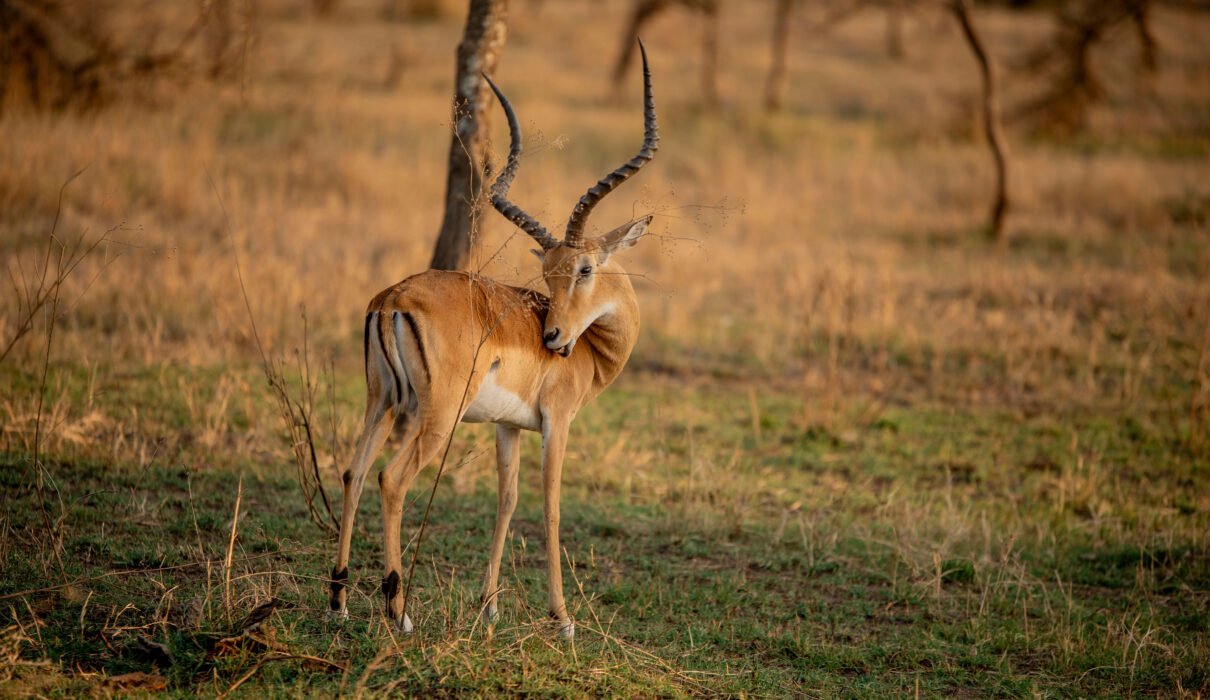
10 Fun Facts About Tanzania’s Wildlife shows how rich, surprising and deeply connected Tanzania’s animals are to the land, the people and the global conservation efforts that protect some of the most important ecosystems on Earth, making every safari experience far more meaningful than simple wildlife viewing.
Behind every elephant herd, every lion pride and every colourful bird, there is a story of survival, science and community protection. These facts are not only interesting, they help travellers understand why Tanzania is one of the most important wildlife countries in the world and why choosing responsible safari operators really matters.
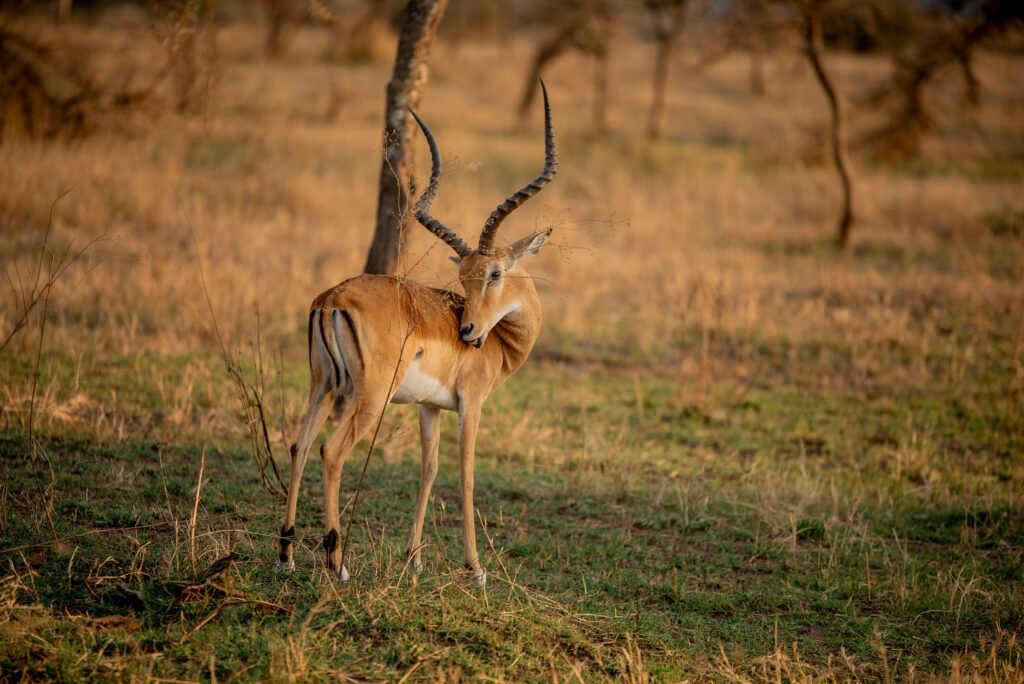
10 Fun Facts About Tanzania’s Wildlife and why this country protects so much life
Tanzania protects one of the largest networks of wildlife habitats in Africa, covering savannahs, wetlands, forests and mountain ecosystems that support thousands of species. Global conservation leadership from the International Union for Conservation of Nature, environmental coordination by the United Nations Environment Programme and global species protection work by the World Wide Fund for Nature strongly support Tanzania’s long-term wildlife protection strategies and park management systems.
Long-term research and wildlife monitoring by the Wildlife Conservation Society and habitat protection initiatives led by the African Wildlife Foundation help protect both famous animals and lesser-known species that quietly keep ecosystems healthy and balanced.
Fun fact one – Tanzania holds one of the richest wildlife ecosystems in Africa
Tanzania’s ecosystems support an extraordinary mix of mammals, birds, reptiles and plants, many of which exist in healthy populations because large landscapes are still protected and connected. Global biodiversity databases managed by the Global Biodiversity Information Facility allow scientists to record and track species distribution, helping conservation planners understand where protection is most urgently needed.
Scientific biodiversity assessments coordinated by the Intergovernmental Science-Policy Platform on Biodiversity and Ecosystem Services show that Tanzania remains one of the most biologically valuable countries in the region.
Fun fact two – lions and leopards are protected by international research networks
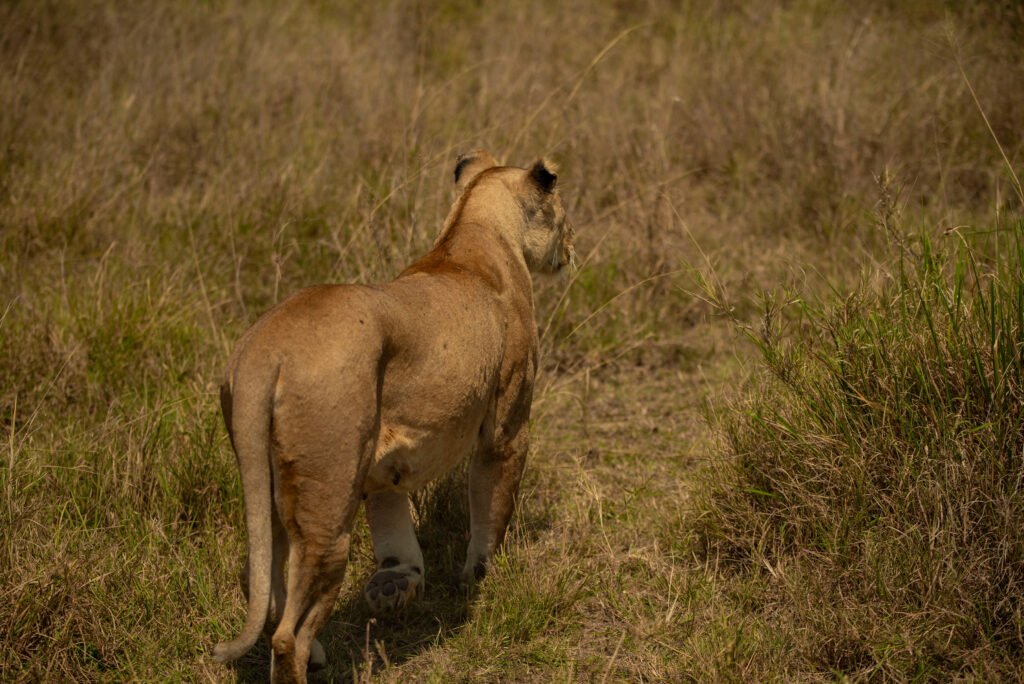
Big cats such as lions and leopards are among the most admired animals by visitors, but they are also some of the most closely studied. Global big cat conservation programmes coordinated by Panthera work with scientists and park authorities to protect predators, reduce conflict with livestock keepers and improve long-term survival of carnivores across East Africa.
Landscape restoration and ecosystem protection initiatives from Conservation International and habitat connectivity programmes led by The Nature Conservancy help maintain prey populations and healthy grasslands that big cats depend on.
Fun fact three – Tanzania is one of Africa’s most important bird countries
Tanzania hosts hundreds of resident and migratory bird species that depend on wetlands, forests and savannahs. Bird conservation and habitat protection led by BirdLife International show that many of the country’s key bird areas are located outside famous safari parks, making community protection extremely important for long-term bird survival.
These bird habitats also protect pollinators and seed dispersers that support healthy forests and farming landscapes.
Fun fact four – wildlife movement depends on hidden corridors
Elephants, buffalo and predators rely on large wildlife corridors that connect parks and community lands. Corridor protection and landscape research led by the Wildlife Conservation Society and regional planning programmes supported by the African Wildlife Foundation help maintain safe routes for seasonal movements.
Protected-area mapping coordinated by the UN Environment Programme World Conservation Monitoring Centre strengthens national land-use planning and prevents future development from blocking wildlife pathways.
Fun fact five – climate change is now one of the biggest threats to wildlife
Rising temperatures, droughts and unpredictable rainfall affect food availability and breeding cycles for many animals. Climate science published by the Intergovernmental Panel on Climate Change confirms that African ecosystems are among the most vulnerable to environmental change.
Forest and land-use research by the Center for International Forestry Research shows that protecting forest and rangeland systems helps wildlife adapt to climate stress while also protecting water supplies for nearby communities.
Fun fact six – rivers and wetlands quietly protect most wildlife
Many animals depend on rivers and seasonal wetlands for survival, especially during dry periods. Freshwater ecosystem protection supported by UN Environment and water and food security programmes coordinated by the Food and Agriculture Organization show how healthy river systems support both wildlife and people.
Scientific research published through ScienceDirect confirms that wetland protection also reduces flood and drought impacts for surrounding villages.
Fun fact seven – communities are now key wildlife protectors
Local communities living next to protected areas play a major role in wildlife conservation. Development studies published by the World Bank show that conservation-linked tourism creates income, education opportunities and stronger support for wildlife protection when communities are directly involved.
Labour and employment standards promoted by the International Labour Organization further support fair working conditions for rangers, guides and tourism staff.
Fun fact eight – culture and wildlife are closely connected
Wildlife plays an important role in local stories, traditions and cultural identity. Cultural heritage protection frameworks supported by UNESCO show how respecting traditional knowledge strengthens conservation and reduces conflict between people and wildlife.
Community development research coordinated by the UN Department of Economic and Social Affairs confirms that culture-based tourism supports social stability and long-term conservation success.
Fun fact nine – wildlife protection depends on international law
Strong environmental laws help protect animals far beyond park boundaries. Global biodiversity policy and conservation planning supported by the Convention on Biological Diversity guide how countries design protected areas, control land conversion and protect endangered species.
These international agreements give Tanzania stronger legal tools to protect wildlife for future generations.
Fun fact ten – responsible tourism funds conservation every day
Tourism is one of the most important sources of funding for wildlife protection in Tanzania. Research by the Overseas Development Institute confirms that responsible tourism helps finance conservation activities and community projects while reducing pressure on natural resources.
Visitors who book ethically designed safari experiences through Eddy Tours and Safaris directly support conservation education, local employment and community partnerships. Many travellers also choose custom safari itineraries in Tanzania to combine wildlife viewing with cultural experiences and conservation learning, while others prefer using professional local safari planning services for smooth logistics and responsible travel support.
Guests interested in extended wildlife journeys often continue their planning through responsible wildlife travel programmes in Tanzania, ensuring their visit benefits both nature and communities.
In simple words, 10 Fun Facts About Tanzania’s Wildlife shows that animals are not only beautiful to see, but also deeply connected to science, climate, culture and people. When travellers choose responsible operators and respect wildlife rules, they become part of the protection story that keeps Tanzania’s wildlife alive.