
10 Items for Climbing Kilimanjaro That Aren’t on the Gear List : Climbing Mount Kilimanjaro is a thrilling adventure, but careful preparation is key to a successful summit. While the typical gear list includes essentials like waterproof jackets, hiking boots, and sleeping bags, there are several lesser-known items that can make your trek more comfortable and enjoyable. Here are 10 items that aren’t always on the standard Kilimanjaro gear list but are highly recommended to bring along.
A Insightful Reminder.
Even if having the proper technical equipment is crucial, seasoned climbers are aware that at high altitudes, little, unexpected things frequently have the most impact. These frequently disregarded necessities can completely change your Kilimanjaro experience, from comfort enhancers that relieve the stress of lengthy trekking days to basic amenities that leave you feeling renewed and inspired. You’ll be more equipped to tackle the mountain’s erratic weather, difficult terrain, and the physical demands of the climb if you pack wisely and look beyond the typical checklist. This will increase your chances of reaching Uhuru Peak with a smile on your face,thus consider the 10 Items for Climbing Kilimanjaro That Aren’t on the Gear List,
10 Items for Climbing Kilimanjaro That Aren’t on the Gear List: Duct Tape for Emergency Repairs
Duct tape is a versatile tool that can help with quick fixes during your climb. Whether you need to patch up a tear in your gear, repair a broken pole, or even prevent blisters by taping your feet, this simple item can save you from discomfort or inconvenience on the mountain.
Learn more about preparing for your Kilimanjaro trek with Kilimanjaro Climb Specialist
In the end, climbing Kilimanjaro requires both physical stamina and mental toughness and resourcefulness. Even while your primary gear list has everything you need to survive, it’s sometimes the little extras, like a basic roll of duct tape, that really make a big impact. Duct tape actually deserves a spot among the 10 Items for Climbing Kilimanjaro. That Aren’t on the Gear List, demonstrating that sometimes the most useful tools are the ones you carry on a whim. This simple tape symbolises the spirit of versatility that every climber requires, whether you’re using it to protect a hot region on your heel, fasten a loose sole, or stabilise a tent pole. As you prepare for your adventure with Kilimanjaro Climb Specialist, remember that the secret to a successful summit isn’t always found in the standard checklist it’s in the clever, off-list solutions that keep you comfortable, safe, and moving forward, one strip of tape at a time..
2. Ziplock Bags for Organizing and Waterproofing
Keeping your belongings dry and organized is crucial on Kilimanjaro. Ziplock bags are perfect for storing items like snacks, toiletries, electronics, and small gear items. They also help protect your important items from rain or condensation in your backpack.
In the end, climbing Kilimanjaro requires both physical stamina and mental toughness and resourcefulness. Duct tape and Ziplock bags merit a place among the 10 Items for Climbing Kilimanjaro That Aren’t on the Gear List because, although your primary gear list includes the necessities for survival, it is frequently the unusual additions that make all the difference. Ziplock bags serve as your silent moisture defenders, protecting snacks, electronics, and important documents from the mountain’s erratic rains and constant condensation, while duct tape becomes your on-the-spot repair kit, patching torn equipment, splinting broken poles, and protecting your feet from blisters. When combined, these lightweight, basic tools represent the ingenuity that every climber requires when the checklist becomes short.
3. Portable Battery Charger for Electronics
With the long trek ahead, your phone, camera, and other electronics may run out of power. A portable battery charger is a handy item to keep your devices charged, especially for capturing photos of your Kilimanjaro experience. Choose a lightweight and high-capacity power bank to avoid running out of battery on the mountain.
Get expert tips for your Kilimanjaro climb with Eddy Tours Safaris
Adding a high-capacity power bank is crucial when selecting 10 Items for Climbing Kilimanjaro That Aren’t on the Gear List. Cold temperatures and multi-day treks drain batteries rapidly, so having extra power ensures your devices stay charged so you never miss capturing a memorable moment along the trail.
4. Lightweight Binoculars for Wildlife Viewing
While Kilimanjaro is mainly about the trekking experience, the surrounding areas are home to diverse wildlife. Carrying a pair of lightweight binoculars allows you to enjoy wildlife sightings and take in the incredible views of distant landscapes. These are especially useful in the lower elevations where you may spot animals like monkeys or birds.
When packing, keeping 10 Items for Climbing Kilimanjaro That Aren’t on the Gear List in mind helps you prepare for more than just survival. Lightweight binoculars are a prime example—while basic packing guides focus strictly on essential clothing and trek essentials, compact optics enhance your overall experience by letting you spot elusive wildlife and take in sweeping, scenic vistas along the trail.
5. A Journal to Document Your Journey
Climbing Kilimanjaro is a once-in-a-lifetime experience, and keeping a journal can help you document your thoughts, feelings, and the memorable moments during the climb. At the end of each day, take a few minutes to jot down your reflections—it’s a great way to remember your journey and look back on your accomplishments.
When considering 10 Items for Climbing Kilimanjaro That Aren’t on the Gear List, a personal journal stands out as a powerful way to preserve your memories. While traditional packing lists cover all the physical essentials, recording daily reflections in a dedicated journal ensures that every emotional milestone, personal achievement, and unforgettable moment on the mountain is captured forever.
6. Extra Snacks for Energy Boosts
While your tour provider will supply meals, having a few of your favorite high-energy snacks can be a lifesaver, especially during long trekking days. Items like energy bars, nuts, dried fruit, and even a little chocolate can give you the quick energy boost you need to keep going.
Find out what else to pack for Kilimanjaro with Kilimanjaro Climb Specialist
7. A Small Pillow for Added Comfort
Many trekkers overlook the importance of sleep while climbing Kilimanjaro. A small inflatable pillow can provide extra comfort during cold nights in your tent. It’s lightweight, doesn’t take up much space, and can significantly improve your sleep quality on the mountain.
Prioritizing rest is key, making a small pillow one of the best 10 Items for Climbing Kilimanjaro That Aren’t on the Gear List. A compact, inflatable pillow adds minimal weight to your pack while dramatically improving your sleep quality, ensuring you wake up well-rested and energized for each day’s trek.
8. Collapsible Water Bottle for Convenience
Staying hydrated is crucial when trekking at high altitudes. A collapsible water bottle is easy to carry and takes up less space than traditional bottles when empty. You can easily refill it at water stations along the route, helping you stay hydrated without adding extra weight to your backpack
Staying hydrated is critical at altitude, which makes a collapsible water bottle a practical addition when packing 10 Items for Climbing Kilimanjaro That Aren’t on the Gear List. Its packable design saves valuable space when empty while giving you an easily accessible, lightweight way to manage your daily water intake along the route.
9. Hand and Foot Warmers for Summit Night
The temperatures near the summit can drop well below freezing, especially during the final push to Uhuru Peak. Hand and foot warmers are great for keeping your extremities warm in the freezing conditions. They are small, lightweight, and can provide much-needed warmth on summit night.
Surviving the freezing freezing temperatures of summit night requires smart preparation, making hand and foot warmers essential among 10 Items for Climbing Kilimanjaro That Aren’t on the Gear List. These small, lightweight heat packs take up virtually no space in your pack, yet they provide vital warmth to keep your extremities comfortable during the final ascent to Uhuru Peak.
10. Earplugs for Better Sleep
Whether it’s the wind outside your tent or the sounds of other trekkers moving around at night, earplugs can help block out noise and ensure you get the rest you need. A good night’s sleep is essential for keeping your energy levels high, especially as you ascend to higher altitudes.
Prepare for your Kilimanjaro climb with expert advice from Eddy Tours Safaris.
Restful sleep is vital for proper acclimatization and high-altitude endurance, making earplugs a simple yet crucial choice when rounding out your 10 Items for Climbing Kilimanjaro That Aren’t on the Gear List. By muting flapping tent canvas and campsite chatter, a quiet night’s sleep keeps your energy levels high for the trail ahead. Ready to turn your summit dreams into reality? Book your trek with Eddy Tours Safaris to receive expert guidance, professional support, and insider preparation tips for an unforgettable adventure.
10 Items for Climbing Kilimanjaro That Aren’t on the Gear List : FAQs
1. What is the best time to climb Kilimanjaro?
The best time to climb Kilimanjaro is during the dry seasons from January to March and June to October, when the weather is more predictable and the trails are less muddy.
Choosing the right month ensures clearer views and safer trekking conditions, making timing a critical factor alongside packing 10 Items for Climbing Kilimanjaro That Aren’t on the Gear List. Planning your trek during these dry windows minimizes rainfall and slippery paths, giving you the best environment to stay comfortable, acclimatize smoothly, and reach the summit.
2. What’s the most popular route to the summit?
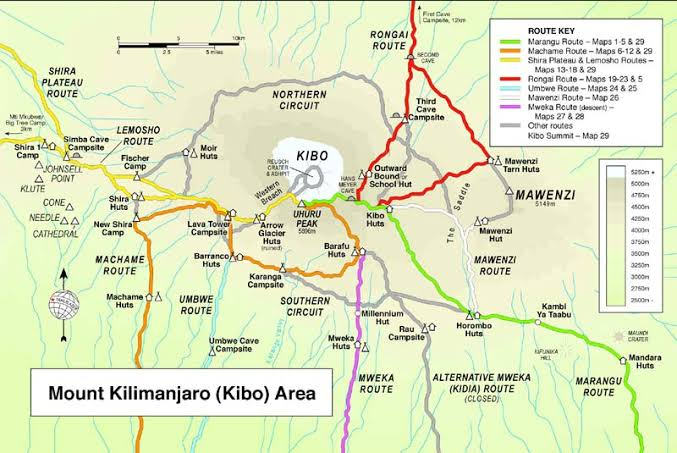
The Machame Route is one of the most popular routes due to its scenic beauty and good acclimatization profile. However, other routes like the Lemosho and Rongai Routes are also excellent options.
Selecting the right route is a crucial decision when planning your trip, which makes it just as important as packing 10 Items for Climbing Kilimanjaro That Aren’t on the Gear List. Known as the “Whiskey Route,” the Machame Route attracts roughly half of all climbers thanks to its high-altitude “walk high, sleep low” profile. However, exploring alternatives like the pristine western slopes of Lemosho or the drier northern approach of Rongai ensures you find a path that fits your preferred pace, crowd tolerance, and summit timeline.
3. How long does it take to climb Kilimanjaro?
Most climbs take between 6 to 9 days, depending on the route and acclimatization schedule. Taking a longer route increases your chances of reaching the summit.
Choosing a longer itinerary is just as vital as bringing 10 Items for Climbing Kilimanjaro That Aren’t on the Gear List to ensure a successful, safe trek. Opting for a 7 to 9-day route gives your body crucial extra time to adjust to the elevation changes shown across the mountain’s trails, significantly lowering your risk of altitude sickness and drastically improving your overall summit success rate.
4. What should I do to prepare for the climb?
Focus on building your cardiovascular fitness and leg strength. Training hikes, endurance exercises, and some altitude exposure can help you get ready for the climb.
Preparing your body physically is essential for a safe trek, working alongside smart preparation like bringing 10 Items for Climbing Kilimanjaro That Aren’t on the Gear List. Building cardiovascular endurance and targeting leg muscle strength through consistent hill hikes ensures your body adapts well to long days on the trail, making your climb far more manageable and enjoyable.

5. Do I need technical climbing skills for Kilimanjaro?
No technical climbing skills are needed for Kilimanjaro. It is a non-technical trek, but physical fitness and mental preparation are important for a successful summit
Because Kilimanjaro is a walk-up mountain rather than a technical climb, success relies far more on stamina and gear preparation than on ropes or ice axes making smart packing decisions like including 10 Items for Climbing Kilimanjaro That Aren’t on the Gear List essential. Focusing on endurance training, mental resilience, and the right comfort essentials will give you everything you need to reach Uhuru Peak safely without prior mountaineering experience
Ready to Conquer Kilimanjaro?
Climbing Mount Kilimanjaro is one of the most rewarding adventures in the world. By adding these extra items to your gear list, you’ll be better prepared for the journey ahead. From comfort items to tools for enhancing your trek, these lesser-known essentials can make a big difference on the mountain
Start planning your Kilimanjaro trek with Kilimanjaro Climb Specialist
Book your adventure with Eddy Tours Safaris