
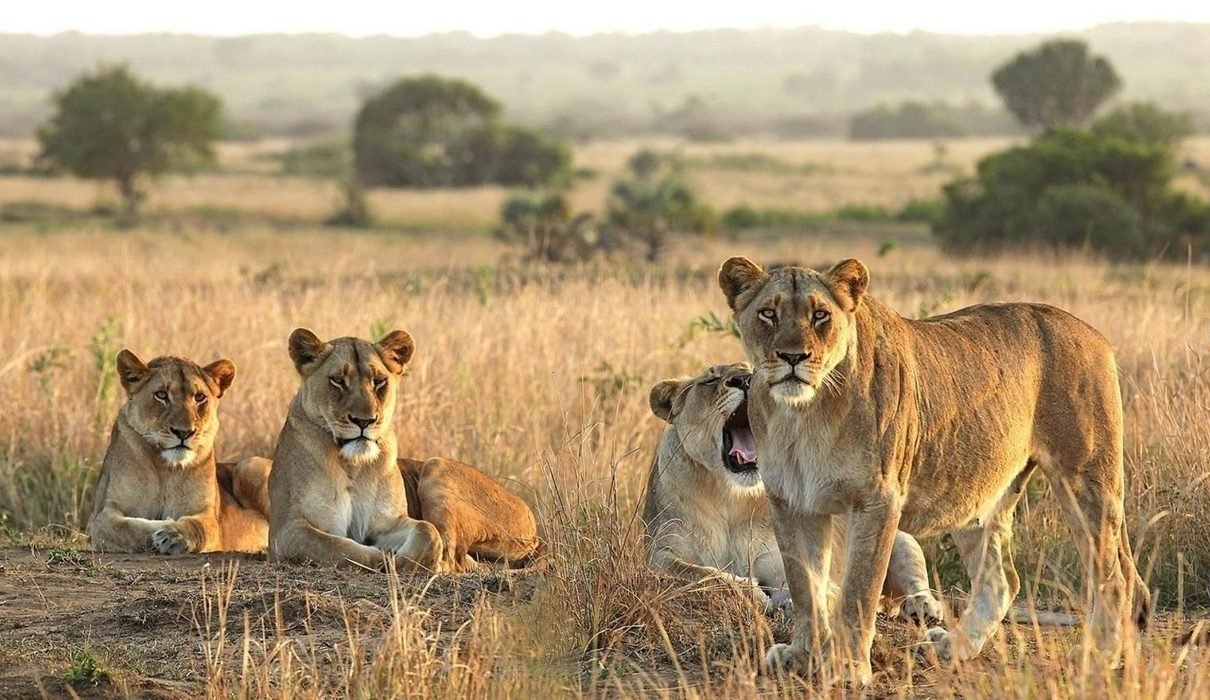
Planning a Tanzania safari is exciting, especially if it is your first time visiting Africa. Tanzania is home to some of the continent’s most famous wildlife destinations, including Serengeti National Park, Ngorongoro Crater, Tarangire National Park, and Lake Manyara National Park. These places offer opportunities to see lions, elephants, giraffes, zebras, wildebeest, buffaloes, and many other animals living in their natural habitats.
However, before booking your trip, there are several things you should understand about traveling on safari in Tanzania. The time of year you visit, the number of days you spend in the parks, your accommodation, and your budget can all influence your experience. Some travelers want to see the Great Wildebeest Migration, while others prefer a relaxed family holiday, a photographic safari, or a combination of wildlife viewing and a Zanzibar beach holiday.
At Eddy Tours & Safaris, we help travelers plan Tanzania safaris based on their interests, travel dates, and budgets. Whether you are organizing a short safari from Arusha or a longer journey through northern Tanzania, understanding these ten important points will help you make better decisions and prepare for your trip.
1. Tanzania Has Several National Parks, and Each Offers Something Different
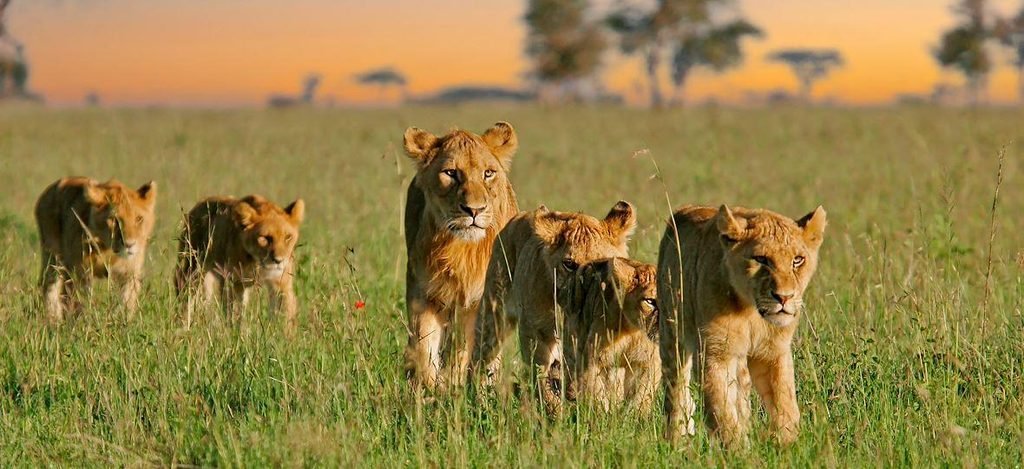
One of the first things to understand about a Tanzania safari is that not every national park offers the same wildlife experience. Some parks are known for their large predator populations, others for elephants, beautiful landscapes, or birdlife. Choosing the right combination of parks is important because it determines what you are likely to see and how much time you will spend traveling between destinations.
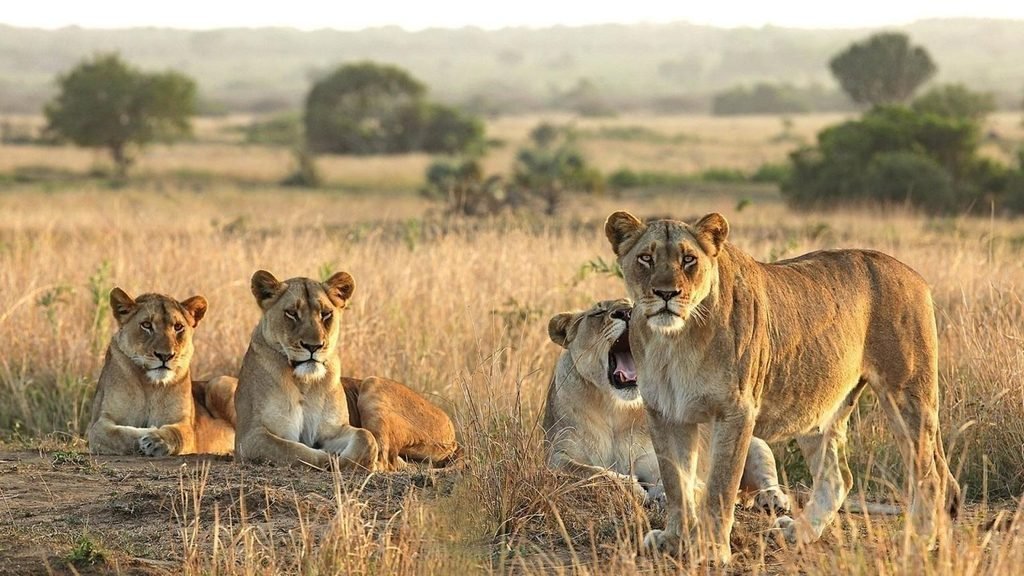
Serengeti National Park is one of Tanzania’s best-known wildlife destinations. Its open grasslands, rocky outcrops, and river systems support lions, leopards, cheetahs, elephants, giraffes, buffaloes, zebras, and wildebeest. The park is also famous for the Great Wildebeest Migration, although the location of the migrating herds changes throughout the year. Travelers interested in spending several days watching wildlife often choose Serengeti because of its size and the variety of habitats available for game drives.
Ngorongoro Crater offers a different experience. The crater is part of the Ngorongoro Conservation Area and contains grasslands, wetlands, forested sections, and permanent water sources within a large volcanic caldera. Visitors can encounter lions, buffaloes, elephants, hippos, zebras, and various antelope species. Black rhinos are also present, although sightings are not guaranteed. A crater game drive is commonly included in northern Tanzania safari itineraries because it provides an opportunity to observe several wildlife species within a relatively compact area.
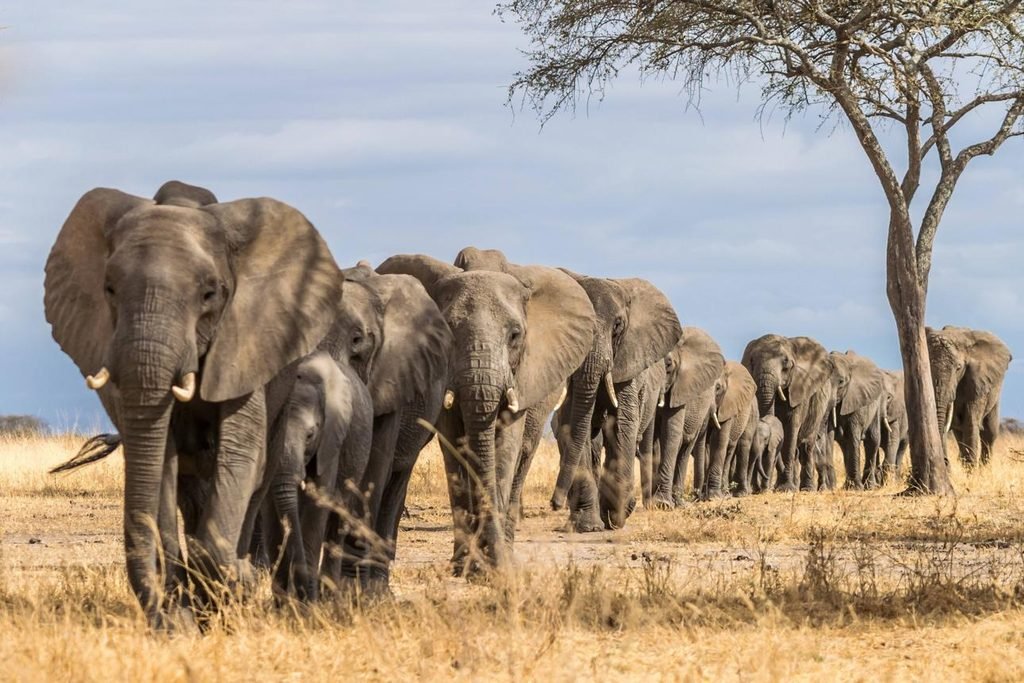
Tarangire National Park is particularly well known for its elephants and large baobab trees. During the dry season, wildlife often concentrates around the Tarangire River and other available water sources. Lake Manyara National Park, meanwhile, offers groundwater forest, lakeshore habitats, birdlife, and opportunities to see elephants, monkeys, and other animals. Tree-climbing lions are associated with Lake Manyara, but sightings are uncommon and should not be expected on every visit.
If you have five to eight days available, combining several parks can provide a more varied experience than visiting only one destination. The best combination depends on your travel dates, interests, and the amount of time you want to spend on game drives.
2. The Best Time for a Tanzania Safari Depends on What You Want to See
Tanzania offers wildlife viewing throughout the year, but the experience changes with the seasons. The dry season, generally from June to October, is popular because vegetation is often less dense and animals may gather around rivers, lakes, and other water sources. These conditions can make wildlife easier to observe in certain areas, particularly in Tarangire and parts of the Serengeti.
The period from January to March can also be excellent, especially for travelers interested in the southern Serengeti and Ndutu region. This is commonly associated with the wildebeest calving season, when large numbers of calves are born over a relatively short period. The presence of young animals can attract predators, creating opportunities to observe natural wildlife behavior. However, rainfall patterns vary, and the exact timing of calving and herd movements cannot be guaranteed.
April and May are generally wetter months in much of northern Tanzania. Although rain can make some roads more difficult and wildlife viewing less predictable, the landscapes are often greener, and certain accommodations may offer lower seasonal rates. November and December may bring shorter rains, although the timing and intensity vary between years.
There is no single month that is best for everyone. If your main interest is the Great Migration, your itinerary should be designed around the expected location of the herds. If you want elephants in Tarangire, the dry season is particularly attractive. Travelers interested in photography may appreciate the greener landscapes and softer light during wetter periods.
For more travel planning information, explore the safari guides and packages available through Eddy Tours & Safaris.
3. The Great Wildebeest Migration Does Not Stay in One Place
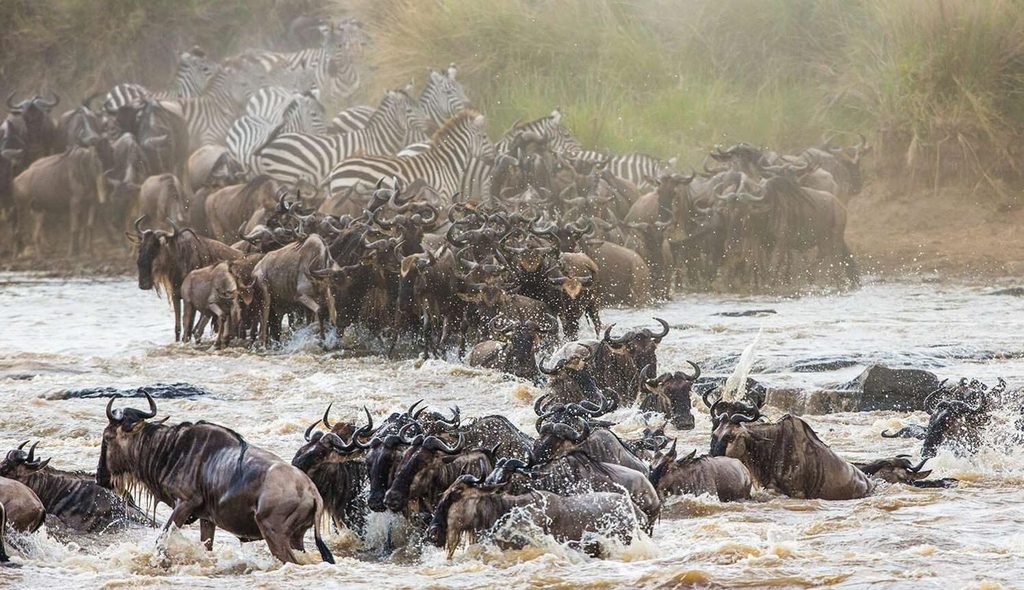
The Great Wildebeest Migration is one of the main reasons travelers visit the Serengeti. Large numbers of wildebeest, accompanied by zebras and other grazing animals, move through the Serengeti ecosystem and Kenya’s Maasai Mara in response to rainfall, fresh grass, and available water. This movement takes place throughout the year rather than during one fixed migration season.
From approximately December to March, many migrating herds are commonly found in the southern Serengeti and Ndutu region, where the calving season takes place. During April and May, herds may move through the central and western parts of the ecosystem. From around June onward, some herds travel toward the western and northern Serengeti, where river crossings may occur depending on rainfall and herd movements.
The Mara River crossings, often associated with July through October, attract considerable attention because the animals must negotiate strong currents and the presence of crocodiles. However, river crossings are unpredictable. A group may gather near the river for hours or days without crossing, while other herds may cross at unexpected times or locations.
If seeing the migration is your main reason for traveling, it is important to choose accommodation in the appropriate region of the Serengeti. Staying in central Serengeti during a period when the main herds are concentrated far to the north may require long drives and reduce the time available for wildlife viewing.
A well-planned Tanzania safari with Eddy Tours & Safaris can take your preferred travel month into account when selecting the Serengeti region and accommodation.
4. You Need Enough Days to Enjoy Your Safari Properly
One common mistake travelers make is trying to visit too many national parks in a short period. Tanzania’s northern safari destinations cover a large geographical area, and traveling between them can take several hours. Although a two- or three-day safari can provide an enjoyable introduction to wildlife viewing, a longer itinerary generally allows more time inside the parks and reduces the pressure of constant transfers.
A three-day safari might combine Tarangire, Lake Manyara, and Ngorongoro Crater, depending on the schedule. A four- or five-day safari can include Serengeti, although the driving distances should be considered carefully. Travelers who want a more relaxed experience in Serengeti often benefit from spending at least two or three nights in or near the park, allowing time for morning and afternoon game drives.
For many first-time visitors, a six- to eight-day northern Tanzania safari offers a good balance between wildlife viewing and travel time. This duration can allow visits to Tarangire, Serengeti, and Ngorongoro Crater without rushing through every destination. Longer itineraries may include additional wildlife areas, cultural experiences, or a slower schedule suited to families and photographers.
| Safari duration | Typical experience |
|---|---|
| 2–3 days | Short safari, often Tarangire and Ngorongoro |
| 4–5 days | Several northern parks, potentially including Serengeti |
| 6–8 days | More balanced northern circuit with additional game-drive time |
| 9–12 days | Extended safari with slower travel and more wildlife areas |
| 13+ days | Comprehensive safari, possibly combined with Zanzibar or southern parks |
When choosing the duration, consider not only the number of parks but also the distance between accommodation properties, the time required for park entry procedures, and your preferred pace of travel.
5. Tanzania Safari Costs Depend on Several Important Factors
The cost of a Tanzania safari can vary considerably. Two itineraries with the same number of days may have very different prices because of accommodation standards, the number of travelers, park fees, transport arrangements, and the season. A private safari for two people usually costs more per person than a shared group safari because the vehicle and guide expenses are divided among fewer travelers.
Accommodation is one of the biggest factors influencing the total cost. Budget camping safaris generally use simpler facilities and may involve shared amenities, while mid-range safaris commonly include comfortable lodges or tented camps with private rooms and bathrooms. Luxury safaris may feature high-end lodges, exclusive camps, private services, and locations that command higher nightly rates.
Park fees also form an important part of the budget. Serengeti National Park, Ngorongoro Conservation Area, and other protected areas have their own applicable charges, and some itineraries include additional fees for camping, concession accommodation, or vehicle entry. These costs may change, so travelers should request a current written quotation rather than relying on old prices found online.
The time of year also matters. Accommodation prices may rise during popular travel periods, particularly when demand is high in the northern Serengeti or during holiday seasons. Travelers with flexible dates may find more affordable arrangements during quieter months.
Before booking, ask your tour operator to explain what is included in the package. A properly prepared quotation should clearly identify accommodation, meals, park fees, safari transport, guide services, transfers, and any additional expenses.
6. You Can Choose Between Budget, Mid-Range, and Luxury Safari Accommodation
Tanzania has a wide variety of safari accommodation, ranging from basic camping facilities to luxury lodges and tented camps. The right choice depends on your budget, comfort expectations, and the kind of experience you want during your holiday. Spending more money does not automatically guarantee better wildlife sightings, but accommodation location and service quality can influence your overall experience.
Budget camping is popular with travelers who want to reduce accommodation expenses while still visiting major national parks. Depending on the package, travelers may stay at public campsites and use shared bathroom facilities. This option can be enjoyable for adventurous visitors who are comfortable with simple facilities and spending evenings in a natural setting.
Mid-range accommodation generally provides more comfort, including private rooms or permanent tents, proper beds, and bathroom facilities. Many mid-range lodges are located near park boundaries or in established safari areas such as Karatu, while others are situated within the Serengeti. These properties can offer a practical balance between comfort and price.
Luxury accommodation may include spacious suites, high-quality dining, personalized service, and carefully selected locations within wildlife areas. Some luxury tented camps are designed to follow seasonal wildlife movements, making them attractive to travelers interested in the migration. However, the location of a property should be checked against your travel dates because the best place to stay can change depending on wildlife distribution.
When comparing accommodation, pay attention to its location rather than looking only at photographs. A lodge far from your planned game-drive area may require additional driving each day, reducing the time available for wildlife viewing.
7. A Good Safari Guide and Vehicle Make a Big Difference
Your safari guide plays an important role in the quality of your experience. A knowledgeable guide understands animal behavior, wildlife habitats, park regulations, and the best ways to search for animals without disturbing them. Guides also help visitors identify bird species, explain predator behavior, and understand the relationships between wildlife and the surrounding environment.
In Tanzania’s northern safari circuit, many operators use four-wheel-drive safari vehicles with pop-up roofs that allow passengers to stand safely inside the vehicle for photography and wildlife viewing when conditions permit. These vehicles are designed for rough park roads and generally provide better access to wildlife areas than ordinary passenger cars.
A good safari vehicle should be properly maintained and suitable for the planned journey. Comfortable seating, functional seat belts, appropriate ventilation, and enough space for luggage are important, particularly on longer itineraries. Travelers interested in photography may also want to discuss window access and seating arrangements before booking.
It is important to remember that guides cannot control wild animals or guarantee specific sightings. Even experienced guides may spend several hours searching for a leopard or cheetah without success. Wildlife viewing depends on natural animal movements, weather conditions, and other factors outside the operator’s control.
When planning your safari with Eddy Tours & Safaris, you can discuss whether a private safari or group arrangement is more suitable for your travel plans.
8. Packing the Right Items Will Make Your Safari More Comfortable
Packing for a Tanzania safari does not require expensive specialized clothing, but choosing practical items can make your journey much more comfortable. Lightweight clothing in neutral colors is suitable for most game drives, while a warm jacket or fleece is useful during early morning departures and cooler evenings. Temperatures can vary considerably between destinations, particularly when traveling from the warm Serengeti plains to the higher elevations around Ngorongoro.
Comfortable closed shoes are useful for walking around lodges, campsites, and designated visitor areas. A hat, sunglasses, sunscreen, and insect repellent are also important because many game drives involve extended periods outdoors or in open-roof vehicles. Travelers should bring any regular medication and discuss recommended travel health precautions with a healthcare professional before departure.
Binoculars are particularly valuable because not every animal will be close to the safari vehicle. They can help you observe lions resting under trees, elephants moving across distant plains, or birds perched along rivers and wetlands. A camera with a suitable zoom lens can also be useful, although modern smartphones can capture excellent photographs when wildlife is reasonably close.
Tanzania Safari Packing Checklist
| Item | Why it is useful |
|---|---|
| Lightweight shirts and trousers | Comfortable during daytime game drives |
| Warm jacket or fleece | Useful for early mornings and cooler highland areas |
| Comfortable shoes | Suitable for lodges and designated walking areas |
| Hat and sunglasses | Protection from strong sunlight |
| Sunscreen and insect repellent | General outdoor comfort and protection |
| Binoculars | Better viewing of distant wildlife |
| Camera and spare batteries | Wildlife photography |
| Reusable water bottle | Staying hydrated during travel |
| Personal medication | Health and travel requirements |
| Passport and insurance documents | Essential travel arrangements |
Avoid bringing more luggage than necessary, especially if your safari includes small-aircraft transfers. Some domestic flights have strict baggage limits, including restrictions on suitcase size and weight.
9. Wildlife Safety and Park Rules Must Always Be Respected
A Tanzania safari brings you into areas where wild animals move freely. Although safari guides are experienced in working around wildlife, visitors must follow park rules and safety instructions at all times. Animals such as elephants, lions, buffaloes, and hippos can be dangerous when approached too closely, disturbed, or surprised.
During game drives, remain inside the vehicle unless your guide confirms that you are at a designated area where getting out is permitted. Avoid making loud noises, throwing objects, feeding animals, or attempting to attract wildlife for photographs. Never ask your guide to drive off-road or approach animals in ways that violate park regulations.
Safety is also important at lodges and tented camps. Some accommodation properties are located in unfenced wildlife areas, meaning animals may occasionally move near guest rooms or tents. Follow the property’s instructions about walking after dark and use staff escorts where required. Food should not be left outside rooms or tents because it can attract wildlife.
Respecting these rules helps protect both visitors and animals. Responsible wildlife tourism also supports conservation by reducing disturbance and encouraging visitors to appreciate animals behaving naturally rather than trying to create artificial encounters.
10. Booking with a Reliable Local Safari Operator Makes Planning Easier
Choosing the right safari operator is one of the most important parts of planning your Tanzania holiday. A reliable company should provide a clear itinerary, explain the accommodation arrangements, identify the national parks included, and give you a written quotation showing what you will pay for. Good communication before departure is especially important for international travelers who may be visiting Tanzania for the first time.
Before confirming your booking, check the number of safari days, accommodation names, meal arrangements, transport details, and park entry fees. Ask whether airport transfers are included and whether the itinerary involves any domestic flights. You should also understand the payment terms, cancellation conditions, and what happens if travel plans change.
Travel documents should be checked well before departure. Visa requirements depend on nationality, and some travelers may need to obtain approval before traveling. Tanzania’s official immigration website provides information about the electronic visa application process and applicable requirements. Travelers should also check passport validity, insurance coverage, and any health requirements relevant to their journey.
Working with a Tanzania-based safari operator can make it easier to customize the itinerary around your travel dates and interests. Whether you want a budget camping safari, a comfortable mid-range holiday, or a luxury wildlife experience, a well-planned itinerary should allow enough time for game drives while keeping transfers and accommodation arrangements practical.
At Eddy Tours & Safaris, travelers can request personalized safari arrangements for Serengeti, Ngorongoro Crater, Tarangire, Lake Manyara, and other destinations in Tanzania.
Frequently Asked Questions About Tanzania Safaris
1. Is Tanzania good for a first African safari?
Yes. Tanzania is one of Africa’s major safari destinations, with established national parks, experienced safari guides, and accommodation options for different budgets.
2. What is the best national park in Tanzania?
Serengeti is particularly famous for wildlife and the Great Migration, but Tarangire, Ngorongoro Crater, and Lake Manyara also offer worthwhile experiences.
3. What is the best time to visit Tanzania for a safari?
June to October is popular for dry-season wildlife viewing, while January to March is attractive for the southern Serengeti calving season.
4. How many days do I need for a Tanzania safari?
Five to eight days is a useful range for many first-time visitors, although shorter and longer itineraries are available.
5. Can I see the Big Five in Tanzania?
Yes. Tanzania has lions, leopards, elephants, buffaloes, and rhinos, although seeing all five during one safari is not guaranteed.
6. Where can I see the Great Wildebeest Migration?
The migration moves through the Serengeti ecosystem and Kenya’s Maasai Mara, with the location of the herds changing throughout the year.
7. When do wildebeest cross the Mara River?
River crossings are commonly associated with the July-to-October period, but the exact timing is unpredictable.
8. Is a Tanzania safari expensive?
Costs vary according to accommodation, duration, season, group size, park fees, and transport arrangements.
9. Can I book a budget safari in Tanzania?
Yes. Budget camping and shared group safaris may provide more affordable options than private luxury itineraries.
10. What is the difference between a private and group safari?
A private safari offers greater flexibility, while a group safari shares transport and some operating costs among travelers.
11. Are Tanzania safaris safe?
Safaris can be conducted safely when travelers use responsible operators and follow guide instructions and park regulations.
12. Do I need a visa to visit Tanzania?
Visa requirements depend on your nationality. Check the official Tanzania Immigration Department before traveling.
13. Which airport should I use for a northern Tanzania safari?
Kilimanjaro International Airport is a common arrival point, while Arusha Airport serves many domestic safari flights.
14. Can children go on a Tanzania safari?
Yes. Many safari itineraries can be adapted for families, although some activities and accommodation properties have age restrictions.
15. What should I wear on safari?
Comfortable, lightweight clothing in neutral colors is practical, with warmer layers for early mornings and cooler destinations.
16. Can I take photographs of wild animals?
Yes. Wildlife photography is a major part of the safari experience, provided visitors follow park rules and avoid disturbing animals.
17. Are mosquitoes common in Tanzania?
Mosquito exposure varies by destination, season, and accommodation. Travelers should discuss malaria prevention and other health precautions with a healthcare professional.
18. Can I visit Serengeti and Ngorongoro in one safari?
Yes. These destinations are commonly combined in northern Tanzania safari itineraries.
19. Is Tarangire worth visiting?
Yes. Tarangire is particularly attractive for elephant viewing, baobab landscapes, and dry-season wildlife concentrations.
20. Can I see tree-climbing lions in Lake Manyara?
Tree-climbing lions occur in the park, but sightings are not guaranteed.
21. Do Tanzania safari lodges have electricity?
Many lodges and tented camps provide electricity, sometimes through solar systems or generators. Facilities vary by property.
22. Do I need travel insurance?
Travel insurance covering medical emergencies, travel disruption, and relevant safari activities is strongly recommended.
23. Can I combine a Tanzania safari with Kilimanjaro climbing?
Yes. Many travelers combine a guided Kilimanjaro expedition with several days of wildlife viewing.
24. Can I visit Zanzibar after my safari?
Yes. Zanzibar is a popular extension for travelers who want to relax by the coast after visiting Tanzania’s national parks.
25. How can I book a Tanzania safari?
Contact a reliable safari operator with your preferred dates, group size, accommodation preferences, and destinations to request a detailed quotation.
Plan Your Tanzania Safari with Eddy Tours & Safaris
A Tanzania safari is more enjoyable when you understand what to expect before arriving. Choosing the right parks, allowing enough days for wildlife viewing, selecting suitable accommodation, and preparing for the season can make a significant difference to your trip. It is also important to travel with realistic expectations because wild animals move naturally, and no operator can guarantee every sighting.
Whether you want to explore the Serengeti, visit Ngorongoro Crater, photograph elephants in Tarangire, or combine several destinations in one itinerary, Tanzania offers options for different travel styles and budgets. With proper planning, you can spend more time enjoying wildlife and less time worrying about transport, accommodation, or unexpected expenses.
At Eddy Tours & Safaris, we help travelers organize private and group safaris, wildlife holidays, Kilimanjaro climbing expeditions, and Zanzibar extensions. Our team can discuss your travel plans and provide a quotation based on your preferred destinations, dates, group size, and accommodation level.
Request Your Tanzania Safari Quotation
Chat with Eddy Tours & Safaris on WhatsApp
Email: sales@eddytours-safaris.com
Phone/WhatsApp: +255 711 906 664
Contact Eddy Tours & Safaris to plan a Tanzania safari that matches your interests, travel schedule, and budget.