
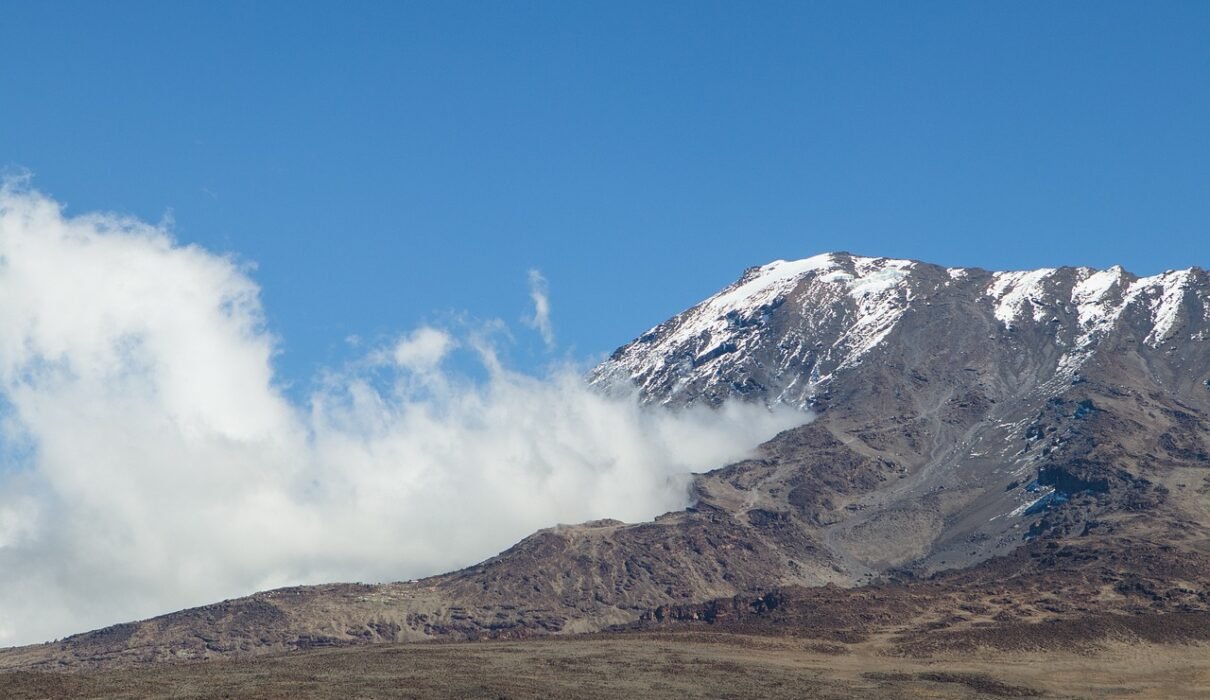
The 11 Days Northern Circuit Kilimanjaro Climbing package is for travellers who want time on the mountain rather than a rushed summit schedule. The Northern Circuit is Kilimanjaro’s longest main route. It begins through the Lemosho forest and Shira Plateau, then circles around the quieter northern slopes before joining the summit approach near School Hut. You see parts of Kilimanjaro that most shorter routes never reach.
Its main advantage is gradual acclimatisation. The route adds days and distance, allowing a slower gain in altitude before summit night. No Kilimanjaro itinerary can promise a summit, but a longer route gives guides more time to monitor the group and gives climbers more opportunity to adapt. It is an excellent choice for people who value a patient, scenic experience over taking the quickest route.
Eddy Tours & Safaris arranges private 2027/2028 climbs with local guides, porters, cooks, mountain camping equipment and clear pre-trip support. Contact eddytoursandsafaris@gmail.com, sales@eddytours-safaris.com, call or WhatsApp +255 711 906 664, or send an enquiry through our contact page.
Why choose the Northern Circuit?
The 11 Days Northern Circuit Kilimanjaro Climbing itinerary takes the long way around Kilimanjaro’s northern flank. After the Shira Plateau, the route turns away from the busy southern circuit and spends several days in more remote country. The terrain is open, quiet and dramatic, with broad views toward Kenya on clear days.
The walking is not necessarily easy just because there are more days. You still climb to high camps, manage cold nights and face the same 5,895-metre summit. The difference is the pacing. Daily distances and altitude gains are spread more thoughtfully, which many trekkers find more comfortable than a compressed six- or seven-day route.
Choose this itinerary if you have the time, enjoy multi-day trekking and prefer a quieter route. It suits first-time high-altitude trekkers who train properly, as well as experienced hikers who want to see more of the mountain. It also works well for private groups who do not want to hurry from camp to camp.
Tour highlights
- Eleven total Tanzania travel days, with nine mountain days
- Longest main Kilimanjaro route and one of the quietest
- Western Lemosho forest start and broad Shira Plateau views
- Northern slopes with distant Kenya views in clear weather
- Gradual acclimatisation profile before summit night
- Professional guides, porters, cooks and quality mountain tents
- Private departures for solo climbers, couples, families and groups
- Summit target: Uhuru Peak, 5,895 m / 19,341 ft
11 Days Northern Circuit Kilimanjaro Climbing itinerary
Day 1: Arrival at Kilimanjaro Airport – transfer to Moshi
Arrive at Kilimanjaro International Airport and transfer to Moshi. This first day is for rest, hydration and recovering from travel. Moshi sits at the foot of the mountain and is the usual base before a climb. Keep the evening quiet and prepare for the briefing tomorrow.
Day 2: Moshi briefing and equipment check
Meet your lead guide to review the 11 Days Northern Circuit Kilimanjaro Climbing itinerary, check your equipment and discuss dietary requirements, medication and relevant health information. Your boots, sleeping bag, headlamp, waterproof layers and warm summit clothing are checked carefully. Missing gear may be rented in Moshi if arranged early.
You also prepare your main duffel for the porters and daypack for yourself. Keep water, rain protection, warm layers, snacks, camera and personal medication with you. Sleep early before the mountain starts.
Day 3: Londorossi Gate to Mti Mkubwa Camp
Drive to Londorossi Gate for registration, then continue to the Lemosho trailhead. The walk begins in rainforest, under tall trees and through rich green vegetation. The trail may be muddy after rain, so boots with grip and trekking poles help.
The first stage is deliberately steady. Mti Mkubwa, meaning “big tree,” is your first camp. The crew has tents, hot drinks and dinner ready. Use the evening to settle into the mountain routine: eat, drink, keep warm and rest.
Day 4: Mti Mkubwa Camp to Shira 1 Camp
The trail climbs out of forest and into heath and moorland. The landscape opens quickly, with the Shira Plateau spreading ahead. You gain elevation gradually and start to notice the cooler air. There is no benefit in rushing; the guide controls the pace to support acclimatisation.
Shira 1 Camp sits on the plateau with wide views when the weather is clear. This is the first glimpse of the more volcanic, open side of Kilimanjaro. Drink plenty of water and tell your guide about any changes in appetite, sleep or headache.
Day 5: Shira 1 Camp to Shira 2 Camp
Cross the Shira Plateau towards Shira 2 Camp. The walking is often less steep than the previous day, but the elevation is higher, so it should still be taken slowly. This is a good day to enjoy the route’s open space, unusual rock formations and views toward Kibo.
An afternoon acclimatisation walk may be offered depending on the group and conditions. The point is to spend a little time higher, then return to camp to sleep. The 11 Days Northern Circuit Kilimanjaro Climbing schedule gives room for this kind of sensible preparation.
Day 6: Shira 2 Camp via Lava Tower to Moir Hut
Today you climb towards Lava Tower, a striking volcanic formation at roughly 4,630 metres. Lunch is often taken in this higher zone before moving onward and down to Moir Hut. The terrain is alpine desert: wide, rocky, dry and unlike the rainforest far below.
This climb-high-sleep-lower pattern is useful for acclimatisation. Moir Hut is quieter than the main southern camps and gives the route its more remote character. The afternoon may include a short acclimatisation walk if the guide considers it appropriate. Rest well after dinner; the northern traverse begins tomorrow.
Day 7: Moir Hut to Buffalo Camp
Leave Moir Hut and cross the northern side of Kilimanjaro. The trail rises and falls over open ground with broad views across the plains. On clear days, the northern route can feel vast and wonderfully quiet compared with the more travelled southern circuit.
Buffalo Camp is a high, exposed campsite, so warm layers are important once you stop walking. The day is not about covering distance quickly; it is about maintaining a consistent, comfortable rhythm at altitude. This is one of the sections that makes 11 Days Northern Circuit Kilimanjaro Climbing feel genuinely different from shorter routes.
Day 8: Buffalo Camp to Third Cave Camp
The route continues east across the northern slopes to Third Cave Camp. You are now walking in sparse alpine desert, with little vegetation and changing views of Kibo and Mawenzi. The trail is gradual in many places, but the altitude means every step should remain controlled.
Third Cave is a quieter camp that provides another valuable night before the final approach to School Hut. Eat properly, drink water and keep an eye on how you feel. The guide’s daily checks become more important as the elevation increases.
Day 9: Third Cave Camp to School Hut
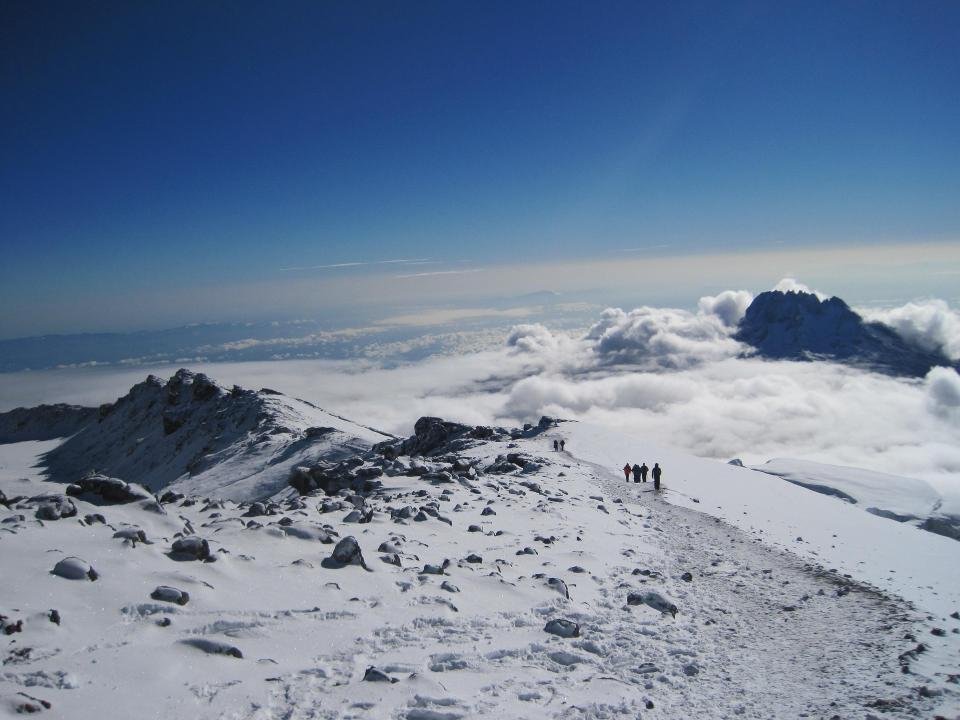
Walk from Third Cave to School Hut, the high camp used for the summit attempt. The route rises steadily, with the summit cone now close ahead. You arrive early enough for lunch, an equipment check and rest before the night climb.
Lay out all summit gear: headlamp, spare batteries, gloves, insulated jacket, waterproof shell, thermal layers, water and snacks. Keep water from freezing and do not leave important items buried in your duffel. The guide explains the summit plan and the need to report symptoms immediately.
Day 10: School Hut to Uhuru Peak, then Mweka Camp
Summit day begins around midnight. The ascent to the crater rim is slow, cold and demanding. The guide sets a careful pace over volcanic scree, with short pauses for water and food. This is the hardest part of 11 Days Northern Circuit Kilimanjaro Climbing, but the longer route has helped you arrive with more acclimatisation time than a shorter plan.
From the rim, continue to Uhuru Peak, Africa’s highest point. Sunrise often arrives along this final section, revealing the crater, glaciers and distant plains. The time at the summit is brief because of the altitude. After photographs and congratulations, descend to Barafu for a rest and brunch, then continue to Mweka Camp for the night.
Day 11: Mweka Camp to Mweka Gate – return to Moshi
After breakfast, descend through rainforest to Mweka Gate. The trail can be slippery after rain, so poles remain useful. At the gate, complete the sign-out process and collect your certificate if you reached the summit. Your driver transfers you back to Moshi for a shower and rest.
Camping and crew support
The Northern Circuit is a camping route. You sleep in quality mountain tents and eat in a dining tent, while porters carry the main duffels and camp equipment within responsible load limits. You carry a daypack with water, rain gear, warm layers, personal medication and valuables.
Guides lead the route, monitor health and make safety decisions. Porters and cooks are essential to the trip: they establish camp, prepare food and make it possible for climbers to focus on walking and recovery. A reliable team is one of the most important parts of 11 Days Northern Circuit Kilimanjaro Climbing.
Altitude and safety
The longer itinerary supports acclimatisation, but altitude risk remains real. Fitness is useful, yet it does not make anyone immune to altitude illness. Report headache, nausea, unusual exhaustion, dizziness, poor coordination or breathing difficulty as soon as it appears.
Your guide team carries emergency oxygen and follows safety procedures if someone needs rest, treatment or descent. A summit is never more important than your health. The practical habits are simple:
- Walk slowly and remain with the guide team.
- Drink water regularly throughout the day.
- Eat meals and snacks, even when appetite is reduced.
- Wear layers and keep warm at camp.
- Avoid alcohol before and during the climb.
- Discuss medical conditions and medication before travel.
Speak to a qualified travel-health clinician about personal medical advice, vaccination and prescriptions. Google can help you find a travel clinic near you, but online information cannot replace professional advice.
Training and packing
Train for a long trek, not only for summit day. Build endurance through regular hiking, brisk walking, cycling, jogging or swimming, then add hills, stairs and longer consecutive-day walks with a daypack. Strength work for legs, hips, core and back helps with uneven trails and the descent.
Your packing list is supplied before booking. Essential items include broken-in waterproof hiking boots, thermal layers, fleece or insulated layers, down jacket, waterproof shell, warm gloves, beanie, headlamp, sunglasses, sunscreen, reusable bottles, trekking poles and a sleeping bag for cold camp nights. The 11 Days Northern Circuit Kilimanjaro Climbing route covers several climate zones, so layering is more useful than one heavy item.
What is included and excluded
Your quote will list each service, but a standard 11 Days Northern Circuit Kilimanjaro Climbing package includes park fees, professional guides, porters and cook, tents, sleeping mats, mountain meals, safety equipment and the transfers stated in your itinerary.
International flights, visas, travel insurance, personal trekking gear, extra hotel nights, tips, alcoholic drinks and services not listed in your written confirmation are normally excluded. Insurance must cover high-altitude trekking and emergency evacuation; read the policy details before purchase.
For an extra route-planning resource, see Kilimanjaro Climb Specialist. Compare route durations, crew support and inclusions carefully before making a booking decision.
Best time for the Northern Circuit in 2027/2028
January to early March and June to October are popular dry-season windows. The Northern Circuit’s open northern slopes can feel cold and windy, so bring the right layers in any month. April and May are wetter, while November may bring shorter rains; both periods can be quieter but need flexible expectations.
The best departure for 11 Days Northern Circuit Kilimanjaro Climbing depends on your flights, training timeline and comfort with varying weather. Confirm availability before buying non-refundable tickets, especially for peak-season dates.
Frequently asked questions
Is the Northern Circuit the longest Kilimanjaro route?
It is generally the longest of the main routes, with eight or nine mountain days depending on the programme. This package includes nine mountain days within an eleven-day Tanzania itinerary.
Is 11 Days Northern Circuit Kilimanjaro Climbing easier than a shorter route?
The walking is still demanding, and summit night is the same high altitude. However, 11 Days Northern Circuit Kilimanjaro Climbing offers a more gradual acclimatisation profile than a six- or seven-day climb, which many travellers find more comfortable.
Can beginners join?
Yes, provided they train properly and are willing to follow the guide’s pace. The longer programme is often a sensible option for first-time high-altitude trekkers who have enough time.
Is this route private?
Yes. 11 Days Northern Circuit Kilimanjaro Climbing can be arranged as a private departure for an individual, couple, family or group, subject to park availability.
Can I add a safari after the climb?
Yes. We can arrange Tarangire, Ngorongoro, Serengeti or Zanzibar after your return to Moshi. Send your dates through our contact page and we will prepare a combined itinerary.
Book your Northern Circuit climb
11 Days Northern Circuit Kilimanjaro Climbing 2027/2028 is for travellers who want to experience more of Kilimanjaro, acclimatise gradually and walk a quieter route with local support throughout. Contact Eddy Tours & Safaris for dates and a personalised quotation.
Call or WhatsApp +255 711 906 664, email eddytoursandsafaris@gmail.com or sales@eddytours-safaris.com, or use our contact page.