
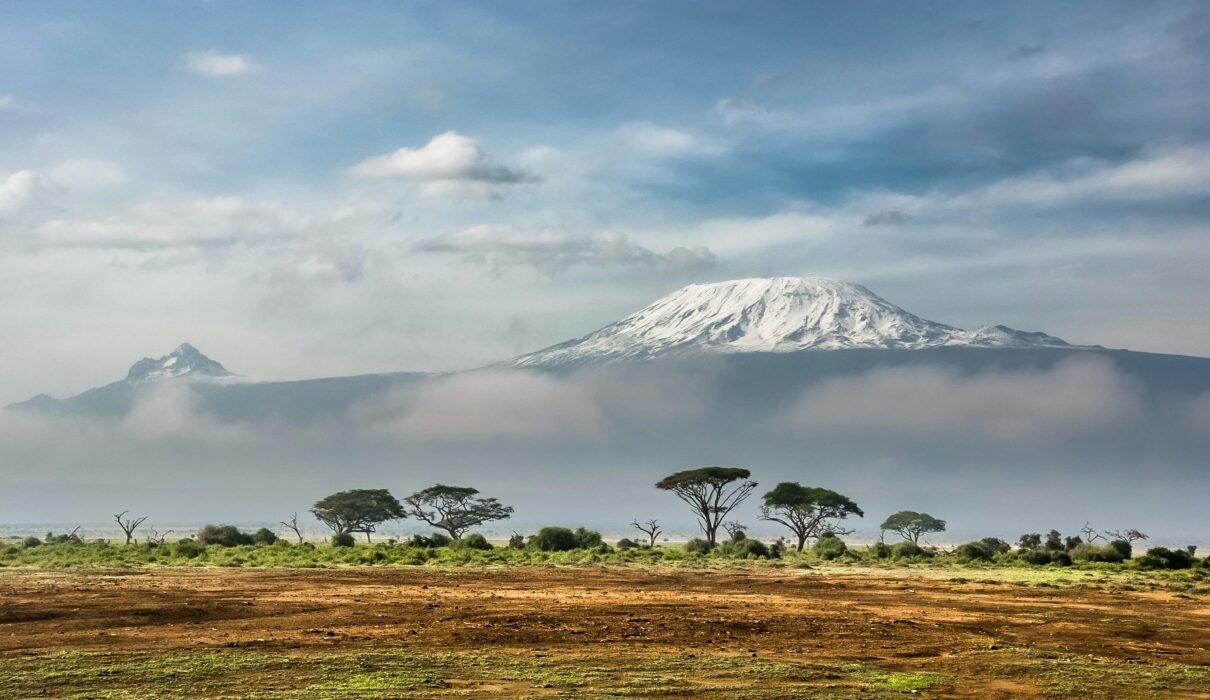
15 Interesting Facts About Tanzania opens a window into a country where wildlife protection, cultural diversity, natural beauty and community-based tourism come together in a way that few places on Earth can truly match, making Tanzania not only a place to visit, but a place to understand, respect and experience deeply.
Many people know Tanzania because of safaris or Mount Kilimanjaro, but the country holds far more stories beneath the surface. From rare ecosystems and global conservation leadership to powerful cultural traditions and modern community development, Tanzania quietly plays a very important role in protecting nature and supporting people across East Africa.
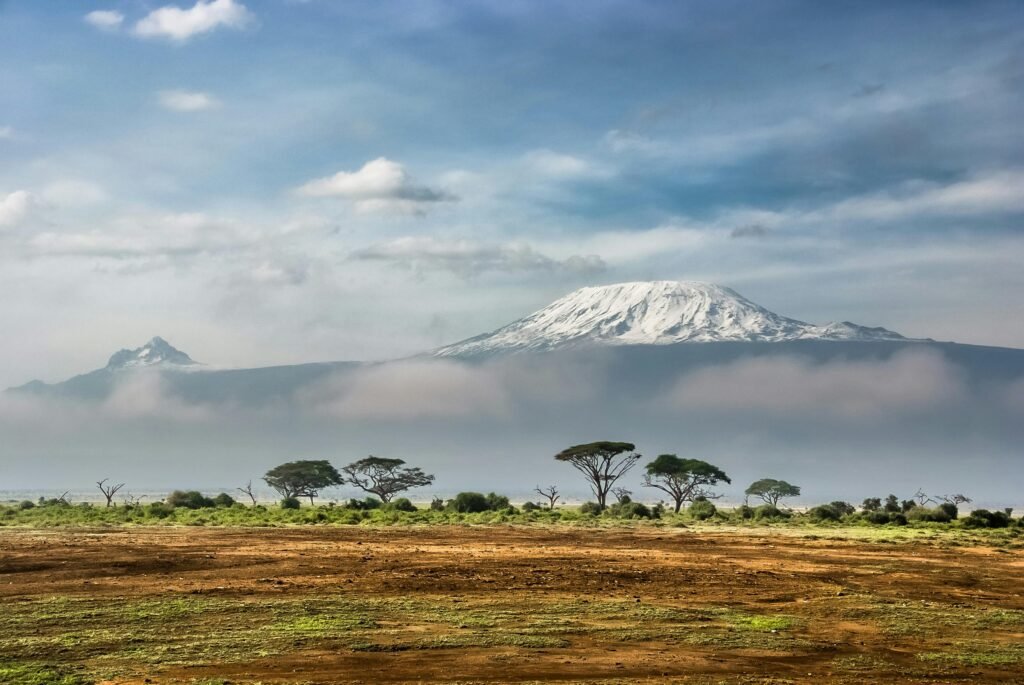
15 Interesting Facts About Tanzania and its global importance for wildlife protection
One of the most important facts about Tanzania is its global role in wildlife conservation. The country protects some of the largest remaining natural ecosystems in Africa, and this work is strongly guided by international conservation frameworks promoted by the International Union for Conservation of Nature and environmental coordination led by the United Nations Environment Programme. Long-term field research and wildlife monitoring carried out by the Wildlife Conservation Society, habitat connectivity initiatives supported by the African Wildlife Foundation, and global ecosystem protection programmes coordinated by Conservation International help protect large mammals, birds and fragile habitats across the country.
These efforts ensure that Tanzania continues to protect not only famous species such as elephants and lions, but also hundreds of lesser-known animals and plants that are essential for ecosystem balance.
15 Interesting Facts About Tanzania and one of the richest biodiversity records in Africa
Another important part of 15 Interesting Facts About Tanzania is the country’s exceptional biodiversity. Tanzania hosts thousands of plant and animal species that are carefully recorded through global scientific platforms such as the Global Biodiversity Information Facility, which allows scientists to track species distribution and habitat health across protected areas and community landscapes. Bird conservation programmes led by BirdLife International and predator protection initiatives supported by Panthera further strengthen scientific understanding of species survival and behaviour.
This scientific knowledge helps park authorities, communities and conservation partners make better decisions that protect wildlife for the long term.
15 Interesting Facts About Tanzania and climate resilience in protected landscapes
Climate change has become one of the most serious challenges facing Tanzania’s natural heritage. Scientific assessments published by the Intergovernmental Panel on Climate Change show that East African ecosystems are sensitive to rainfall change, drought and temperature shifts, while biodiversity risk assessments coordinated by the Intergovernmental Science-Policy Platform on Biodiversity and Ecosystem Services confirm that climate stress and habitat loss together increase extinction risks.
Forest and rangeland research by the Center for International Forestry Research and ecosystem monitoring coordinated by the UN Environment Programme World Conservation Monitoring Centre help Tanzania protect water sources, wildlife corridors and climate buffers that support both people and wildlife.
15 Interesting Facts About Tanzania and the power of community conservation
A very strong fact within 15 Interesting Facts About Tanzania is how local communities are becoming central partners in conservation. Development research published by the World Bank clearly shows that conservation-linked tourism improves livelihoods when communities are involved in guiding, cultural activities, accommodation and environmental education. Labour standards promoted by the International Labour Organization help improve working conditions for guides, drivers, porters and community tourism groups.
Cultural protection frameworks supported by UNESCO and community development research coordinated by the UN Department of Economic and Social Affairs further show how traditional knowledge and cultural identity strengthen conservation success.
15 Interesting Facts About Tanzania and its famous wildlife migration corridors
Tanzania plays a key role in protecting large wildlife movement corridors. Landscape connectivity research conducted by the Wildlife Conservation Society and corridor protection strategies supported by the African Wildlife Foundation demonstrate how elephants, buffalo and predators depend on connected landscapes far beyond park boundaries.
Scientific publications shared through ScienceDirect support planning that allows roads, farms and settlements to coexist with wildlife movement without destroying essential ecological links.
15 Interesting Facts About Tanzania and freshwater and wetland protection
Another important point among 15 Interesting Facts About Tanzania is how the country protects major rivers, wetlands and mountain water catchments. Freshwater and ecosystem protection programmes coordinated by UN Environment and food and water security strategies supported by the Food and Agriculture Organization help protect rivers and wetlands that support wildlife, agriculture and millions of people.
These natural water systems are critical for drought protection and long-term food security across the country.
15 Interesting Facts About Tanzania and strong biodiversity laws
Tanzania’s conservation success is supported by international environmental law and policy. Biodiversity planning guided by the Convention on Biological Diversity helps the country design protected areas, manage tourism pressure and support wildlife recovery programmes.
These legal frameworks provide a foundation that allows conservation to continue even during economic or political change.
15 Interesting Facts About Tanzania and safe, responsible nature tourism
Responsible travel plays a major role in protecting nature while supporting communities. Health and travel guidance published by the World Health Organization supports visitor safety and hygiene in remote destinations, while emergency preparedness frameworks promoted by the American Red Cross help strengthen safety standards for outdoor and wilderness tourism.
Many travellers who want to experience Tanzania responsibly begin their planning through Eddy Tours and Safaris, where trips are designed to respect wildlife behaviour, park rules and community guidelines.
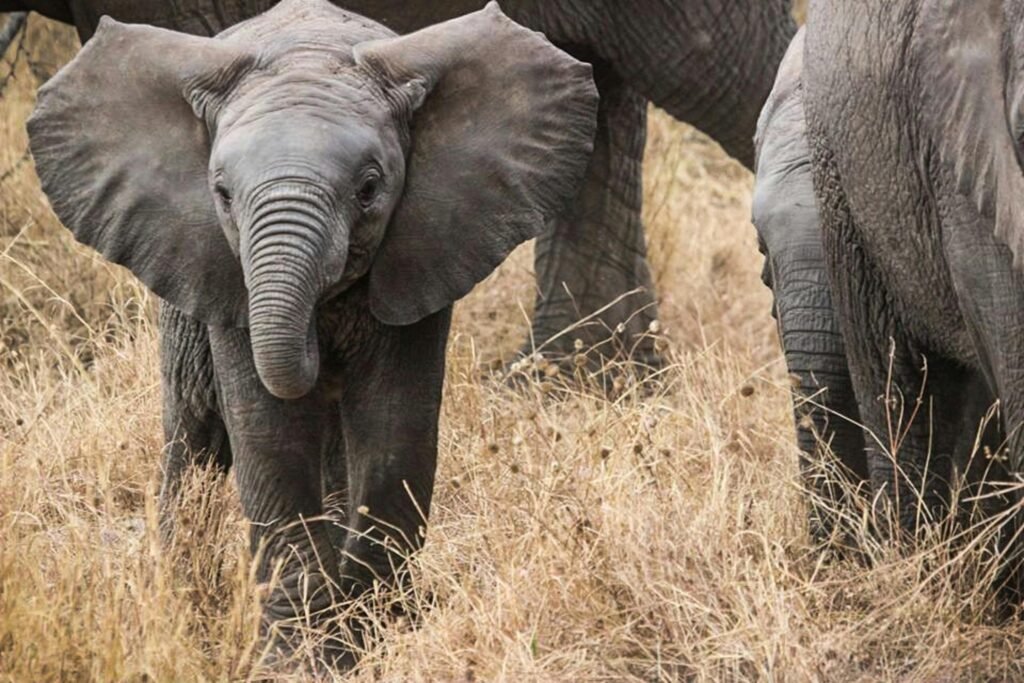
15 Interesting Facts About Tanzania and its growing role in ethical safari travel
Research from the Overseas Development Institute confirms that responsible tourism models create more stable long-term benefits for communities and conservation than mass tourism. Visitors who choose wildlife experiences through custom safari itineraries in Tanzania are increasingly interested in learning about conservation challenges and supporting local projects.
Carefully designed journeys also allow travellers to combine wildlife viewing with cultural visits and environmental education.
15 Interesting Facts About Tanzania and cultural diversity across the country
Tanzania is home to more than one hundred ethnic groups, each with unique languages, traditions and knowledge systems that shape how land and wildlife are managed. Cultural protection frameworks promoted by UNESCO help safeguard heritage sites, traditional practices and oral history that connect people with nature.
This cultural richness is one of the reasons visitors find Tanzania deeply meaningful beyond wildlife alone.
15 Interesting Facts About Tanzania and its role in protecting rare species
Some of Africa’s most vulnerable wildlife species find refuge in Tanzania. Conservation research coordinated by The Nature Conservancy and ecosystem protection programmes supported by Conservation International help protect rare habitats such as montane forests, wetlands and coastal ecosystems.
These areas are essential for maintaining genetic diversity and healthy ecosystems.
15 Interesting Facts About Tanzania and the future of sustainable tourism
Tanzania continues to develop tourism policies that balance growth with conservation. Landscape and environmental planning supported by international conservation organisations helps distribute tourism pressure away from only a few famous sites.
Travellers who wish to explore responsibly often use professional local safari planning services to include cultural experiences and lesser-known natural areas in their journeys.
15 Interesting Facts About Tanzania and why visitors keep returning
One of the most personal facts within 15 Interesting Facts About Tanzania is how deeply the country affects its visitors. Quiet savannahs, welcoming villages, rich wildlife and powerful landscapes create emotional connections that remain long after the journey ends.
Many travellers continue their exploration through responsible travel programmes in Tanzania, supporting conservation education, community development and wildlife protection.
15 Interesting Facts About Tanzania as a country shaping Africa’s conservation future
Tanzania stands as one of Africa’s strongest examples of how conservation, community partnership and responsible tourism can work together. By protecting ecosystems, strengthening community livelihoods and welcoming visitors who respect nature, Tanzania continues to shape the future of sustainable travel across the continent.
In simple words, 15 Interesting Facts About Tanzania show that this country is not only a beautiful place to visit. It is a living example of how nature, culture and people can grow together when protection, respect and responsible travel guide every decision.