
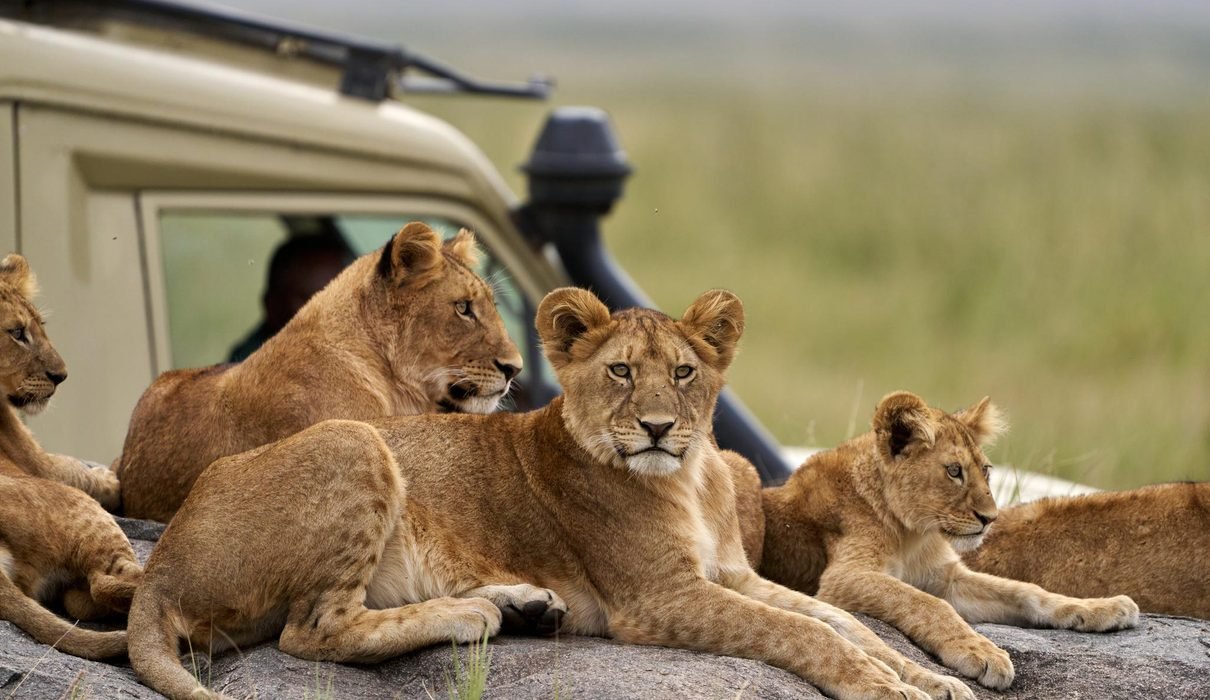
A 2 Days Tanzania Group Joining Safari is a good choice for travellers who want to see Tanzania’s wildlife without spending several days or a large amount of money on safari. This short trip takes you from Arusha to Tarangire National Park and Ngorongoro Crater, two of the country’s most popular wildlife destinations. Over two days, you will travel with other visitors in a shared safari vehicle, enjoy guided game drives, and spend one night at a campsite or lodge before returning to Arusha. It is a suitable option for solo travellers, couples, students, friends, and anyone visiting Tanzania with limited time.
One of the main advantages of a Tanzania sharing safari is that you do not have to pay for an entire safari vehicle and guide on your own. Instead, you join other travellers who have booked the same departure, allowing the group to share transport and guiding expenses. You still visit the same national parks as private safari guests, use a proper 4×4 safari vehicle, and enjoy the assistance of a professional driver-guide. The main difference is that everyone follows the same itinerary, including departure times, meal stops, and game drives.
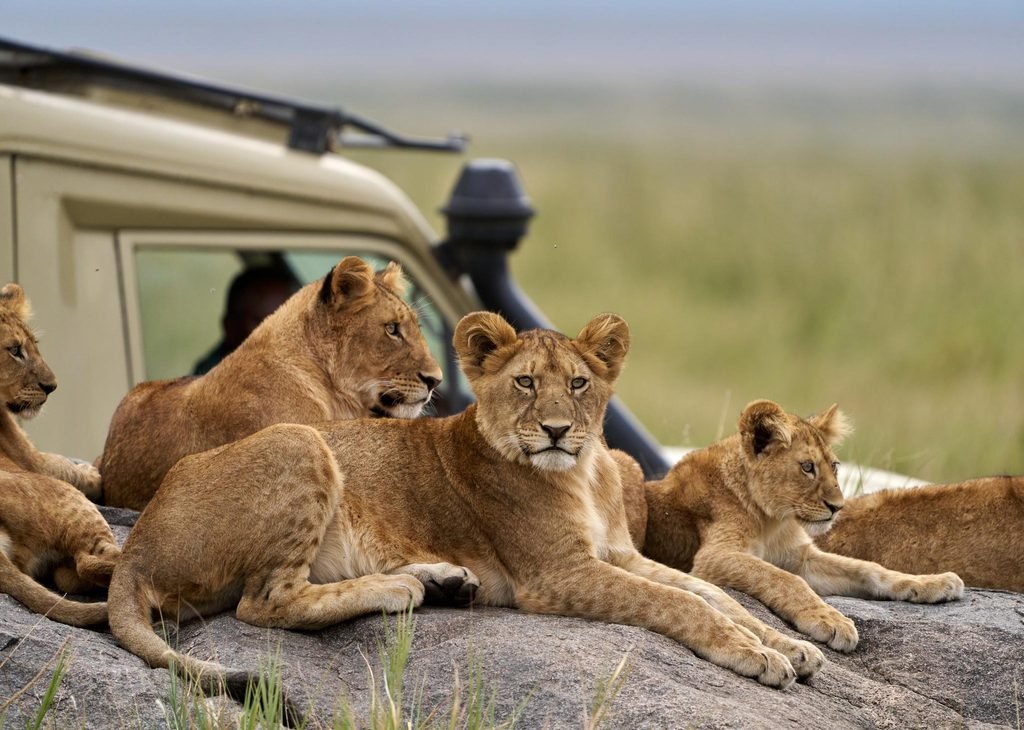
For visitors planning to travel in 2027, 2028, or 2029, this two-day safari offers a practical way to explore Tanzania’s northern safari circuit. Tarangire is known for its elephants, large baobab trees, and varied wildlife, while Ngorongoro Crater is home to lions, buffaloes, zebras, wildebeest, hippos, and the endangered black rhinoceros. Although no safari can guarantee sightings of particular animals, visiting these two areas provides good opportunities to observe wildlife in different habitats within a short period.
At Eddy Tours & Safaris, we arrange Tanzania wildlife safaris for travellers with different budgets and interests. Our existing 2 Days Tanzania Sharing Safari in Small Groups follows the Tarangire and Ngorongoro route, making it a suitable starting point for travellers looking for a short group safari. This guide explains the itinerary, accommodation, expected wildlife, costs, inclusions, and important booking information for 2027, 2028, and 2029.
2 Days Tanzania Group Joining Safari Overview
This safari starts and finishes in Arusha, the main departure point for wildlife tours visiting northern Tanzania. The first day is spent exploring Tarangire National Park before travelling to accommodation near Mto wa Mbu or Karatu. On the second day, the group visits Ngorongoro Crater for a game drive before returning to Arusha in the afternoon or evening. The exact departure and return times depend on the confirmed group schedule, accommodation location, traffic, and road conditions.
| Safari Information | Details |
|---|---|
| Safari name | 2 Days Tanzania Group Joining / Sharing Safari |
| Travel years | 2027, 2028 and 2029 |
| Duration | 2 days and 1 night |
| Starting location | Arusha, Tanzania |
| Ending location | Arusha, Tanzania |
| Destinations | Tarangire National Park and Ngorongoro Crater |
| Safari type | Budget group joining safari |
| Transport | Shared 4×4 safari Land Cruiser with pop-up roof |
| Accommodation | Budget lodge or campsite, depending on the package |
| Main activities | Game drives, wildlife viewing and photography |
| Safari guide | Professional English-speaking driver-guide |
| Meals | As specified in the confirmed quotation |
| Departure dates | Scheduled group departures, subject to availability |
| Suitable for | Solo travellers, couples, friends and small groups |
| Booking | Advance reservation recommended |
The safari is designed for travellers who want to spend their time observing wildlife rather than travelling long distances between several national parks. Tarangire and Ngorongoro can be combined within two days because both are accessible from Arusha, although the schedule still requires early departures and several hours of driving. If you have more time available, you can compare this trip with the 3 Days Tanzania Group Safari, which adds Lake Manyara National Park to the itinerary.

Why Choose a 2 Days Tanzania Group Joining Safari?
A two-day joining safari is mainly about keeping costs manageable while still visiting worthwhile wildlife destinations. On a private safari, the cost of the vehicle, fuel, and guide is usually covered by one booking, whether that booking is for one person or several people. On a group joining safari, these expenses are shared among travellers who book separately. This arrangement can make a considerable difference for solo visitors and couples who would otherwise have to cover most of the vehicle expenses themselves.
Another benefit is that the trip is already organised around a set route. You do not need to arrange park transport, search for a driver, or decide where to stay between the two national parks. The operator coordinates the vehicle, guide, park visits, accommodation, and meals according to the confirmed package. This makes a sharing safari especially useful for first-time visitors who want a straightforward way to see wildlife without planning every detail independently.
Travelling with other people can also make the experience more social. Group members may come from different countries and have different travel backgrounds, but everyone shares an interest in visiting Tanzania’s wildlife areas. During game drives, the guide explains animal behaviour, answers questions, and helps the group understand what they are seeing. However, travellers should remember that joining safaris follow a common schedule, so individual requests must be balanced with the interests of the other passengers.
The main reason to choose this trip is the combination of affordability, convenience, and wildlife viewing. You are not paying for luxury accommodation or a long itinerary, but you still have the opportunity to visit two well-known conservation areas. For travellers who want to compare other shared departures, the Tanzania Safari Group Joining Tours page provides additional information about safari options.
Detailed 2 Days Tanzania Group Joining Safari Itinerary
The following itinerary describes the usual Tarangire and Ngorongoro route. Exact timings, accommodation arrangements, and meeting points are confirmed when a group departure is booked. Because this is a shared safari, all participants are expected to follow the agreed schedule so that the group has enough time for both national parks.
Day 1: Arusha to Tarangire National Park – Wildlife Game Drive
Your safari begins in Arusha, where you will meet your driver-guide and the other travellers joining the trip. Departure is normally arranged in the morning, often around 7:00 a.m., depending on the group’s collection points and final schedule. After a short briefing, you will leave Arusha and travel towards Tarangire National Park. The drive usually takes around two to three hours, depending on traffic, road conditions, and stops along the way. As you travel, you will pass through towns, villages, and agricultural areas before reaching the park entrance.
After completing the park entry procedures, your guide will open the vehicle’s pop-up roof and begin the game drive. Tarangire is particularly well known for its elephants, which may be seen travelling in family groups, feeding among trees, or gathering near water sources. The park also supports giraffes, zebras, wildebeest, buffaloes, impalas, warthogs, and several predators. Lions may be seen resting in shaded areas or moving through the grasslands, while leopards and cheetahs are more difficult to find. Wildlife sightings depend on the season and animal movements, so your guide will use local knowledge to select suitable routes.
One of Tarangire’s most recognisable features is its landscape. Large baobab trees stand across the park, and the Tarangire River provides an important water source for animals, particularly during the dry season. In some areas, you may see elephants feeding beneath the trees, while other animals gather around riverbanks and seasonal pools. The combination of open grassland, woodland, and river habitats makes Tarangire a rewarding destination for photography and wildlife observation.
Lunch is normally arranged as a packed meal at a designated picnic area, depending on the confirmed package. After lunch, the game drive continues through other parts of the park before the group begins its journey towards the overnight accommodation. Your guide will plan the departure from Tarangire according to park regulations and the distance to the lodge or campsite.
In the late afternoon or early evening, you will arrive at your accommodation near Mto wa Mbu or Karatu. After checking in, you will have time to rest, take a shower, and prepare for dinner. The guide will also explain the following day’s departure arrangements because visiting Ngorongoro Crater normally requires an early start. Your overnight accommodation may be a budget lodge, tented camp, or campsite, depending on the group package you have booked.
Meals: Lunch and dinner, subject to the confirmed package.
Accommodation: Budget lodge or campsite near Mto wa Mbu or Karatu.
Main activity: Tarangire National Park game drive.
For official information about the park’s wildlife, landscape, and visitor activities, visit Tarangire National Park – Tanzania National Parks Authority.
Day 2: Ngorongoro Crater Game Drive – Return to Arusha
The second day begins with an early breakfast before travelling towards the Ngorongoro Conservation Area. The drive passes through the highlands, where the landscape becomes greener and temperatures are often cooler than in the lower areas around Tarangire. After completing the entry procedures, the group continues towards the crater rim, where visitors can appreciate the size of the volcanic caldera and the surrounding scenery. Weather permitting, there may be an opportunity to stop at a designated viewpoint before descending into the crater.
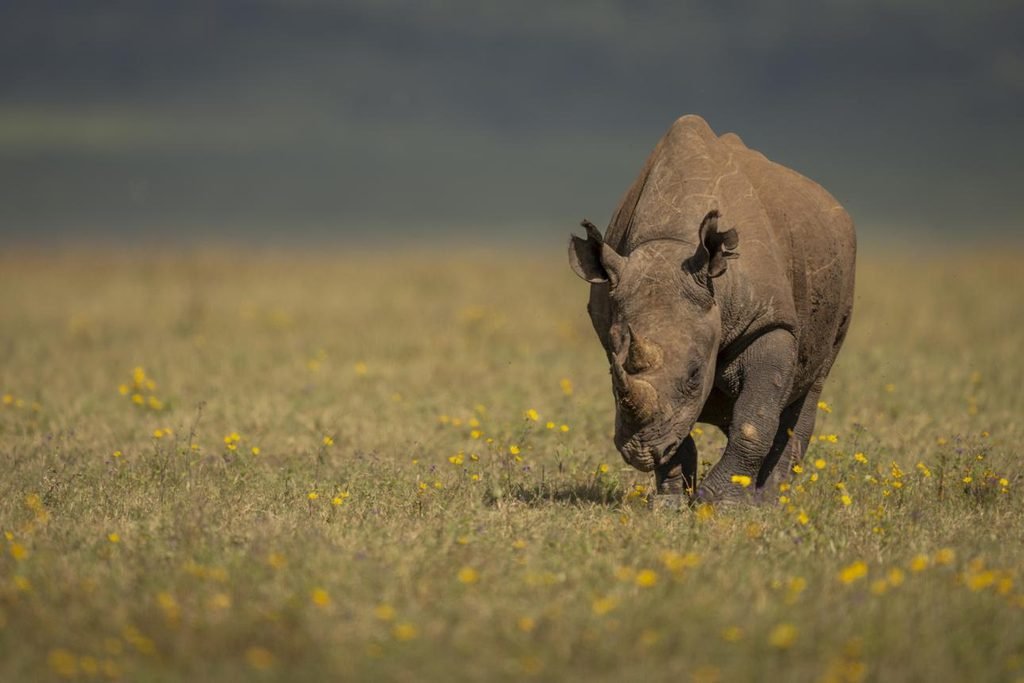
Ngorongoro Crater is one of Tanzania’s most important wildlife destinations because it contains a high concentration of animals within a relatively compact area. The crater floor includes grassland, woodland, swamps, and water sources that support different species throughout the year. During the game drive, you may encounter buffaloes, zebras, wildebeest, gazelles, hippos, elephants, and several predators. Lions are regularly observed in the crater, while spotted hyenas are also common. The endangered black rhinoceros is present, but sightings are not guaranteed because these animals can be difficult to locate.
Your guide will drive through suitable wildlife areas while explaining the animals, their behaviour, and the surrounding environment. One of the advantages of visiting Ngorongoro is that different habitats can be explored within a single game drive. You may see grazing animals in the open grasslands, hippos in wetland areas, and elephants near the forest. Birdwatchers may also observe flamingos when conditions are suitable, along with cranes, storks, herons, and other species.
Lunch is usually taken at a designated picnic site inside the crater. After lunch, the group may continue wildlife viewing for the remaining permitted time before ascending the crater road. The length of the game drive depends on park regulations, the group’s schedule, and the time needed to return to Arusha. Your guide will ensure that the group leaves the conservation area in time for the journey back.
The return drive to Arusha takes several hours, and arrival is generally expected in the late afternoon or evening. You will be dropped off at the agreed location, marking the end of your two-day Tanzania sharing safari. Travellers with onward flights should avoid booking departures that leave too little time for the return journey, as road conditions and park procedures can affect the schedule.
Meals: Breakfast and lunch, subject to the confirmed package.
Main activity: Ngorongoro Crater game drive.
End of safari: Return to Arusha.
For additional information about the conservation area and its visitor activities, see Ngorongoro Conservation Area Authority.
What Wildlife Can You See During This Two-Day Safari?
A two-day safari to Tarangire and Ngorongoro gives travellers opportunities to observe many of Tanzania’s well-known animals without travelling to the Serengeti. Tarangire is particularly suitable for elephant viewing, while Ngorongoro provides opportunities to see a wide range of grazing animals and predators. Because the two destinations have different habitats, visiting both can provide more variety than spending two days in one location.
In Tarangire, elephants are one of the main attractions. Visitors may see family groups with calves, adult males moving alone, or larger gatherings near water sources. Giraffes, zebras, buffaloes, wildebeest, impalas, and warthogs are also found in the park. During the dry season, wildlife may become more concentrated around the Tarangire River, although the exact number and location of animals change according to rainfall and available grazing.
Ngorongoro Crater is known for its large populations of grazing animals and the predators that depend on them. Lions, spotted hyenas, buffaloes, zebras, wildebeest, hippos, and several antelope species are among the animals visitors may encounter. The crater also supports black rhinoceroses, making it one of the places in northern Tanzania where travellers may have an opportunity to see this endangered species. However, the presence of an animal in a national park does not mean it will necessarily be seen during a particular game drive.
| Wildlife | Tarangire National Park | Ngorongoro Crater |
|---|---|---|
| Elephants | Commonly observed | Present |
| Lions | Possible | Regularly observed |
| Leopards | Present but difficult to find | Present but difficult to find |
| Buffaloes | Present | Common |
| Giraffes | Present | Generally absent from the crater floor |
| Zebras | Present | Common |
| Wildebeest | Present | Common |
| Hippos | Present in suitable water areas | Common in suitable water areas |
| Black rhinoceroses | Not a typical sighting | Possible but not guaranteed |
| Birdlife | Wide variety of species | Wide variety of species |
Wildlife sightings depend on weather, vegetation, time of day, and animal movements. Your guide will make reasonable efforts to locate animals while following park regulations, but no responsible operator should promise that every species will be seen.
How Much Does a 2 Days Tanzania Group Joining Safari Cost in 2027, 2028 and 2029?
The price of a two-day Tanzania sharing safari depends on the confirmed departure, accommodation category, group arrangements, and applicable park fees. Sharing the vehicle and guide normally makes the trip less expensive per person than booking a private safari for one or two travellers. However, there is no single fixed price that applies to every group departure, and the amount may change according to the season and services included.
A basic camping safari is generally the most affordable arrangement because accommodation costs are lower. A budget lodge package may cost more but provides additional comfort, such as a proper bed and private or shared bathroom facilities. Travellers should compare these options carefully because the difference in price may be worthwhile, especially if they prefer not to sleep in a tent.
For 2027, 2028, and 2029, the most reliable approach is to request an updated quotation showing the full price per person. National park fees, accommodation rates, vehicle operating costs, and government charges may change before your travel dates. Advertising an old price without checking the current arrangements can create confusion, particularly when a group departure has not yet been confirmed.
When requesting a quotation, ask whether the price includes both national parks, the Ngorongoro Crater descent, one night’s accommodation, meals, drinking water, transport, and guiding services. You should also confirm whether there are any additional charges for airport transfers, single accommodation, or services not listed in the package.
To request the price for your preferred dates, use the Eddy Tours & Safaris Contact Page and provide your travel dates, number of people, and preferred accommodation arrangement.
What Is Included in the 2 Days Tanzania Sharing Safari?
A standard group joining safari usually includes the main arrangements needed to visit Tarangire and Ngorongoro. The operator organises the shared safari vehicle, professional driver-guide, national park visits, accommodation, and meals according to the agreed itinerary. However, travellers should always review their individual quotation because inclusions can vary between camping and lodge packages.
The following table shows the services commonly included in this type of safari and the expenses that are normally excluded. The final quotation remains the document that determines exactly what is covered by your booking.
| Normally Included | Normally Excluded |
|---|---|
| Shared 4×4 safari vehicle | International and domestic flights |
| Professional English-speaking driver-guide | Tanzania visa fees |
| Tarangire National Park entry fees | Travel insurance |
| Ngorongoro conservation and crater fees | Tips for the guide and staff |
| One night’s accommodation | Personal shopping and souvenirs |
| Meals stated in the itinerary | Alcoholic and additional beverages |
| Drinking water during game drives | Optional activities |
| Game drives in both destinations | Extra accommodation before or after safari |
It is important to confirm the meal arrangements before travelling, particularly if you have dietary requirements. Vegetarian meals and other dietary preferences can often be arranged when the operator receives sufficient notice. Travellers should also confirm whether accommodation is shared or private and whether any single-room supplement applies.
Accommodation Options for a Two-Day Tanzania Group Safari
Accommodation on a two-day sharing safari is usually arranged near Mto wa Mbu or Karatu, depending on the departure and package category. These locations are practical because they allow travellers to visit Tarangire on the first day and continue towards Ngorongoro the following morning without returning to Arusha overnight.
Budget camping is often the least expensive option. Travellers may sleep in tents at a designated campsite, with shared bathroom facilities and meals prepared according to the camping arrangements. This type of accommodation suits visitors who are comfortable with basic facilities and want to keep their safari expenses low. However, it is important to ask whether sleeping bags, mattresses, tents, and other camping equipment are provided.
Budget lodges offer more comfort and may include proper beds, private bathrooms, and dining facilities. The exact standard depends on the property selected, so travellers should request the accommodation name before confirming their booking. A lodge-based sharing safari may cost more than camping, but it can be a practical choice for couples, older travellers, or visitors who prefer a private room after a full day of game drives.
The accommodation category should be agreed upon before payment. Travellers should not assume that every joining safari uses the same lodge or campsite, particularly when booking several months or years in advance.
Best Time for a 2 Days Tanzania Sharing Safari in 2027, 2028 and 2029
Tarangire and Ngorongoro can be visited throughout the year, making this itinerary suitable for travellers with different holiday schedules. However, the weather and wildlife viewing conditions change from season to season. Tarangire is particularly popular during the dry months, when animals often gather around permanent water sources, while Ngorongoro supports resident wildlife throughout the year.
From June to October, northern Tanzania generally experiences drier conditions. Tarangire’s vegetation may become less dense, and elephants, zebras, buffaloes, and other animals can be seen near water sources. This period is popular for safaris, so accommodation and group departures may be in higher demand.
January and February can also be suitable months for visiting both parks. The landscapes may be greener, and travellers can enjoy wildlife viewing under different seasonal conditions. March through May is generally associated with heavier rainfall in many parts of northern Tanzania. Although wildlife remains present, some roads may become muddy, and rain can affect travel schedules.
November and December often bring shorter rainy periods, although weather patterns vary. These months can offer green landscapes and good birdwatching opportunities. Travellers planning to visit during the rainy season should allow some flexibility in their travel arrangements.
| Travel Period | What to Expect |
|---|---|
| January–February | Green landscapes and year-round wildlife |
| March–May | Wetter conditions and fewer visitors in some areas |
| June–October | Generally drier weather and strong Tarangire wildlife viewing |
| November–December | Seasonal rains, green scenery and birdwatching |
The best month depends on your travel schedule and interests. If your main priority is seeing elephants in Tarangire, the dry season is often a good choice. If you are more interested in visiting Ngorongoro and seeing a variety of wildlife within a short period, the crater can be rewarding at different times of the year.
Is a 2 Days Tanzania Safari Enough to See Wildlife?
Two days can provide a worthwhile introduction to Tanzania’s wildlife, particularly when the itinerary includes Tarangire and Ngorongoro. Although a longer safari allows more time for game drives and additional destinations, a short trip can still provide opportunities to see elephants, lions, buffaloes, zebras, giraffes, and other animals. The important thing is to choose destinations that can realistically be visited within the available time rather than spending most of the safari travelling between distant parks.
Tarangire and Ngorongoro work well together because they offer different wildlife experiences. Tarangire is known for its elephants, baobab trees, and river habitats, while Ngorongoro provides opportunities to observe several species within a relatively compact area. Visitors who have never been on safari before can learn a great deal about Tanzania’s wildlife during these two days, especially when travelling with an experienced guide who explains animal behaviour and the natural environment.
However, this itinerary does not include Serengeti National Park. Travellers whose main interest is the Great Wildebeest Migration or the open plains of the Serengeti should consider a longer trip. The 4 Days Serengeti and Ngorongoro Crater Safari is an alternative for visitors who have additional time, while the 5 Days Tanzania Joining Safari allows travellers to explore Tarangire, Serengeti, and Ngorongoro on a shared itinerary.
Group Joining Safari vs Private Safari: What Is the Difference?
The main difference between a group joining safari and a private safari is how the vehicle, guide, and daily schedule are arranged. On a joining safari, travellers who have booked separately share the same vehicle and follow an agreed itinerary. This reduces the cost per person because transport and guiding expenses are divided among the group. It is particularly useful for solo travellers and couples who want to visit Tanzania’s national parks without paying for a private vehicle.
A private safari gives you more control over the arrangements. You can choose your preferred departure time, accommodation category, and game-drive schedule within park regulations. If you are interested in photography, you may prefer spending more time observing particular animals, while families with children may want a slower pace. These arrangements are generally easier to organise on a private safari because the vehicle is reserved for your booking.
Neither option guarantees better wildlife sightings. Both private and sharing safari vehicles visit the same protected areas and must follow the same park regulations. For a short two-day trip, a joining safari can provide good value because the route is already planned and the costs are shared. Travellers who prefer more privacy or flexibility can request a private quotation for the same Tarangire and Ngorongoro itinerary.
Who Should Book This Two-Day Tanzania Sharing Safari?
This safari is particularly suitable for solo travellers because joining an existing group removes the need to cover the full cost of a safari vehicle independently. It also provides an opportunity to meet other visitors during the trip. Couples travelling on a limited budget may find that sharing a vehicle allows them to visit both national parks while keeping more money available for accommodation, flights, or other activities during their holiday.
The itinerary also works well for travellers who have recently completed a Kilimanjaro climb and want to spend a short time observing wildlife before leaving Tanzania. Because the safari begins and ends in Arusha, it can be arranged around other travel plans, provided there is a confirmed group departure that matches your dates. Visitors who are already staying in Arusha or Moshi should confirm the meeting point and any additional transfer arrangements before booking.
Families and small groups can also join a shared safari, although the suitability depends on the ages of the children, the available vehicle space, and the group’s arrangements. Families travelling with young children may prefer a private safari because they can adjust stops and daily schedules more easily. Anyone considering a joining safari should confirm the number of passengers, seating arrangements, and accommodation details before making payment.
What to Pack for a 2 Days Tanzania Group Joining Safari
Packing for a two-day safari is relatively simple because you only need clothing and personal items for one night away from Arusha. Comfortable, lightweight clothing is suitable for daytime game drives, while a warm jacket or fleece is useful for early mornings and the cooler conditions around Ngorongoro. Neutral-coloured clothing is practical, although visitors do not need to purchase an entirely new wardrobe for a short safari.
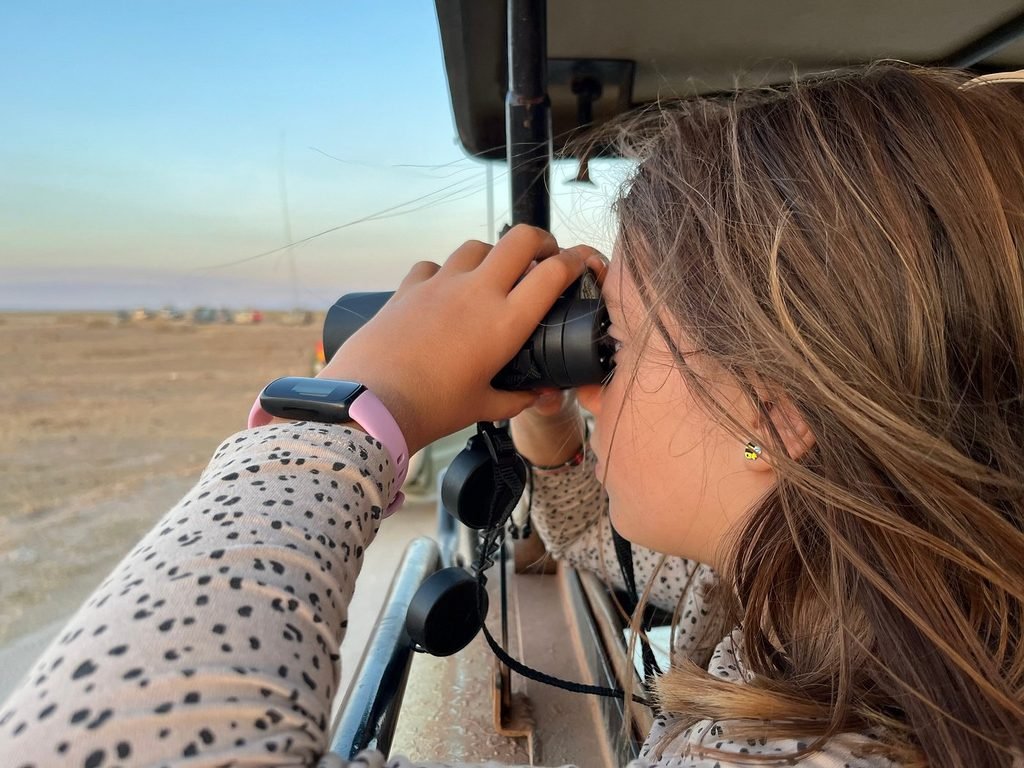
A camera or mobile phone with sufficient storage is useful for wildlife photography, and binoculars can help you observe animals that are far from the vehicle. Sunscreen, sunglasses, a hat, personal medication, and comfortable shoes are also recommended. Travellers should carry a small day bag for items needed during the game drives and keep important documents in a secure place.
Because this is a group safari, luggage space may be limited. Soft-sided bags are generally easier to arrange inside a safari vehicle than large, rigid suitcases. If you have additional luggage that you do not need during the trip, ask whether it can be stored securely in Arusha. Travellers choosing a camping package should also confirm whether sleeping bags and other camping equipment are included before departure.
Important Things to Know Before Booking Your Tanzania Sharing Safari
Before booking, it is important to confirm that a group departure is available for your preferred dates. Some joining safaris operate according to scheduled departures, while others require a minimum number of confirmed participants. Travellers should not assume that a group is available every day simply because the package is advertised online. Ask for confirmation of the departure date, meeting point, group size, accommodation, and total price before arranging flights or making non-refundable travel plans.
You should also review the payment and cancellation conditions carefully. A clear booking confirmation should explain the services included, the amount payable, the payment schedule, and the conditions that apply if you need to cancel or change your travel dates. This is particularly important for bookings made well in advance for 2027, 2028, or 2029 because accommodation rates and operating arrangements may change before the safari takes place.
International visitors must also check the entry requirements that apply to their nationality. Tanzania has an official electronic visa application system, although some travellers are visa-exempt and others may have different requirements. The Tanzania Immigration eVisa Portal provides official application information and guidance. Travellers should also arrange suitable travel insurance and check relevant health recommendations before departure.
Frequently Asked Questions About 2 Days Tanzania Group Joining Safaris
How Much Is a 2 Days Tanzania Group Joining Safari?
The price depends on the departure date, accommodation category, number of participants, and services included. Joining safaris are generally more affordable than private safaris for solo travellers and couples because vehicle and guiding costs are shared. Contact Eddy Tours & Safaris for a confirmed price per person for your preferred dates in 2027, 2028, or 2029.
Can I Join a Tanzania Safari Alone?
Yes. Solo travellers can join confirmed group departures without booking an entire safari vehicle. You will travel with other participants who have booked the same itinerary. Accommodation may be shared or arranged as a single room, depending on availability and the package selected.
Does the Two-Day Safari Include Serengeti National Park?
No. This particular two-day itinerary visits Tarangire National Park and Ngorongoro Crater. Serengeti National Park is farther from Arusha and is better suited to longer itineraries that allow sufficient time for travelling and wildlife viewing.
Are National Park Fees Included in the Safari Price?
The standard package is intended to include the applicable park and crater fees, but travellers should check their individual quotation before booking. The confirmed price should clearly state whether all required entry and conservation charges are covered.
What Type of Vehicle Is Used for a Sharing Safari?
The safari is normally conducted in a shared 4×4 Land Cruiser with a pop-up roof, allowing passengers to observe and photograph wildlife during game drives. The number of passengers and seating arrangements should be confirmed before booking.
Can I Choose My Own Departure Date?
Joining safaris operate according to confirmed group schedules. If your preferred date is not available, you may be offered another departure or a private safari. Contact the operator before making travel arrangements.
Is the Safari Suitable for Children?
Children can participate in suitable safari arrangements, but parents should confirm the minimum age requirements, vehicle arrangements, accommodation, and daily schedule before booking. A private safari may be more suitable for families travelling with very young children.
Will I See the Big Five During This Safari?
Tarangire and Ngorongoro provide opportunities to observe several members of the Big Five, including elephants, buffaloes, lions, and potentially black rhinoceroses and leopards. However, seeing all five animals within two days is not guaranteed.
What Time Does the Safari Start and Finish?
The safari normally begins in Arusha in the morning, often around 7:00 a.m., and finishes after returning from Ngorongoro on the second day. Exact times depend on the confirmed departure, collection points, traffic, and road conditions.
Is a Two-Day Tanzania Safari Worth Booking?
Yes. For travellers with limited time or a smaller budget, two days can provide a good introduction to Tanzania’s wildlife. Tarangire and Ngorongoro offer different habitats and opportunities to observe a wide variety of animals without the longer journey to Serengeti National Park.
Book Your 2 Days Tanzania Group Joining Safari for 2027, 2028 or 2029
A two-day Tanzania group joining safari is a practical option for travellers who want to visit Tarangire National Park and Ngorongoro Crater without paying for a longer or more expensive holiday. By sharing the safari vehicle and guide with other visitors, you can reduce the cost per person while still enjoying organised game drives, suitable accommodation, and the assistance of a professional driver-guide. The itinerary is particularly useful for solo travellers, couples, friends, and visitors who have only a few days available in northern Tanzania.
Eddy Tours & Safaris is a local tour company in Arusha, Tanzania, highly recommended by travellers who have explored Tanzania with us. We arrange wildlife safaris, Kilimanjaro climbing trips, and private holidays, including budget-friendly group joining safaris for visitors with different travel schedules. If you are planning to visit Tanzania in 2027, 2028, or 2029, our team can help you check available group departures and choose a suitable accommodation arrangement.
To receive a quotation, send us your preferred travel dates, number of travellers, and whether you prefer camping or lodge accommodation. We will provide information about available departures, the services included, and the total price before you confirm your booking.
Contact Eddy Tours & Safaris
Email: sales@eddytours-safaris.com
WhatsApp: +255 711 906 664
Website: Eddy Tours & Safaris
Booking enquiries: Request Your Tanzania Sharing Safari Quote