
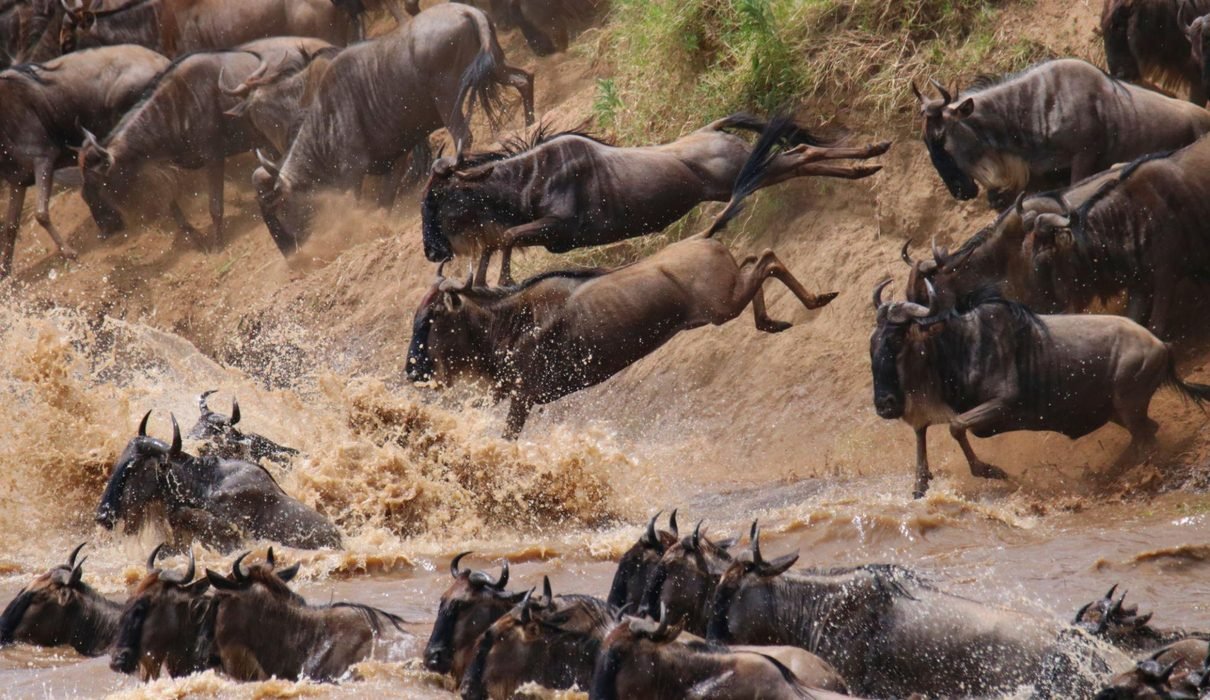
The 2027 Wildebeest Migration in Tanzania is expected to be one of the biggest attractions for travelers visiting Serengeti National Park. Every year, large herds of wildebeest, zebras and gazelles move across the Serengeti ecosystem in search of fresh grazing land and water. Their journey takes them through the southern plains, central Serengeti, Western Corridor and northern Serengeti, with some herds continuing into Kenya’s Maasai Mara.
For wildlife lovers, the Great Migration offers an opportunity to see thousands of animals moving across open grasslands, newborn wildebeest taking their first steps, and predators following the herds. One of the most popular attractions is the Mara River crossing, where wildebeest gather along the riverbanks before attempting to reach the opposite side. However, these crossings are unpredictable, and visitors should understand that the migration follows natural conditions rather than a fixed calendar.
If you are planning a Tanzania safari in 2027, knowing where the migration is likely to be during your travel month can help you choose the right itinerary. Some months are better for seeing the calving season in the southern Serengeti, while others are more suitable for visiting the northern Serengeti in search of river crossings. Understanding these seasonal differences can also help you decide how many days to spend in the park and which accommodation areas to consider.
At Eddy Tours & Safaris, we help travelers plan Tanzania wildlife safaris based on their preferred travel dates, budget and interests. This guide explains ten important facts about the 2027 Wildebeest Migration, including the best months to visit, the main migration areas, wildlife experiences, safari costs and practical travel tips.
2027 Wildebeest Migration in Tanzania: Quick Overview
| Safari information | Details |
|---|---|
| Destination | Serengeti National Park, Tanzania |
| Travel year | 2027 |
| Main attraction | Great Wildebeest Migration |
| Wildlife | Wildebeest, zebras, gazelles, lions, cheetahs, hyenas and other animals |
| Calving season | Generally January to March, with peak activity often in February |
| Western migration | Generally May to July |
| Mara River crossing season | Commonly July to October |
| Northern migration area | Kogatende and the Mara River region |
| Southern migration area | Ndutu and the southern Serengeti plains |
| Recommended safari duration | Approximately 5–8 days for a broader northern Tanzania safari |
| Safari accommodation | Budget camping, mid-range lodges and luxury tented camps |
| Departure points | Arusha or other agreed locations |
| Tour arrangements | Private or group safaris, depending on availability |
The dates shown are seasonal estimates based on the usual migration pattern. Actual herd movements in 2027 will depend on rainfall, vegetation and other environmental conditions.
1. The Great Wildebeest Migration Happens Throughout the Year
One of the most important facts about the Great Wildebeest Migration is that it is not a single event that takes place during one particular month. The migration is a continuous movement of animals across the Serengeti–Mara ecosystem. Wildebeest travel in search of fresh grass and water, moving between different regions as seasonal rainfall changes the availability of food.
Many travelers associate the migration only with the famous Mara River crossings. Although these crossings are an important part of the journey, they represent just one stage of the annual cycle. During other months, visitors can see large herds grazing across the southern plains, moving through the central Serengeti or gathering in the Western Corridor.
This means you can plan a migration-focused safari during different parts of 2027. The experience will depend on the month you choose and the region you visit. Travelers interested in newborn animals may prefer the calving season, while those hoping to witness river crossings should consider the northern Serengeti during the usual crossing months.
The key is to choose your safari location according to the expected seasonal movement rather than assuming that the migration remains in one place throughout the year.
2. More Than One Million Wildebeest Take Part in the Migration
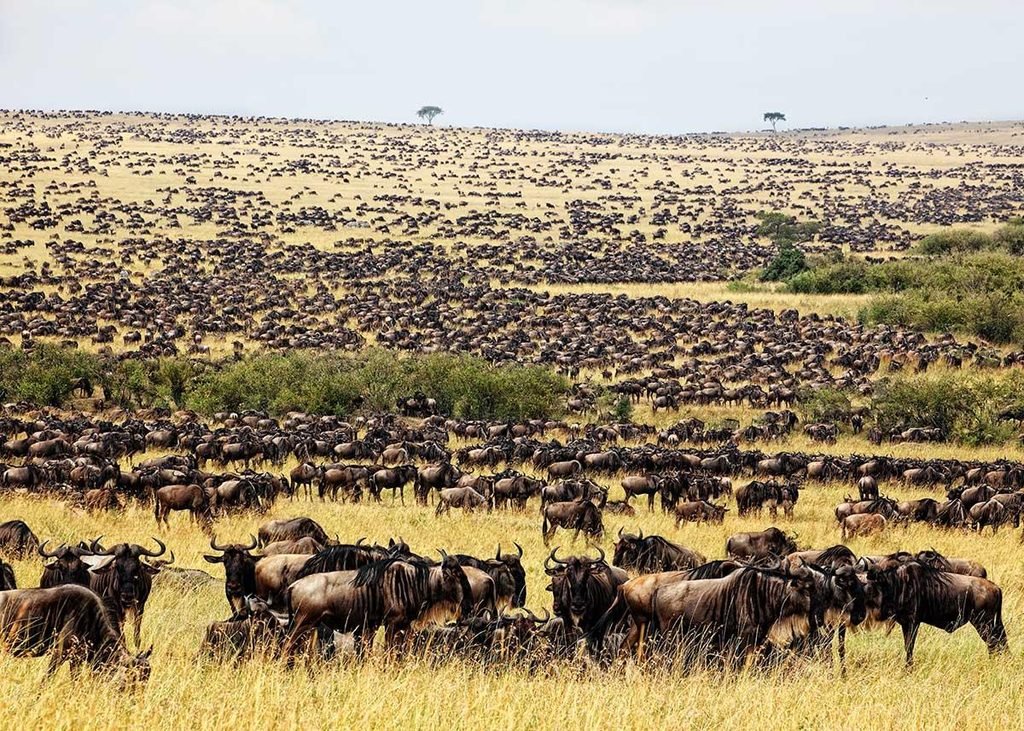
The Great Migration involves an enormous number of animals moving across the Serengeti ecosystem. More than one million wildebeest are joined by hundreds of thousands of zebras and gazelles, creating one of the world’s largest remaining land-animal migrations. The movement of these herds also supports predators and scavengers throughout the ecosystem.
Seeing large numbers of wildebeest spread across the plains is one of the most impressive experiences visitors can have during a Serengeti safari. In some areas, the animals gather into dense groups, while in others they spread across the grasslands in long lines. The exact size and location of these groups change as the herds respond to grazing conditions.
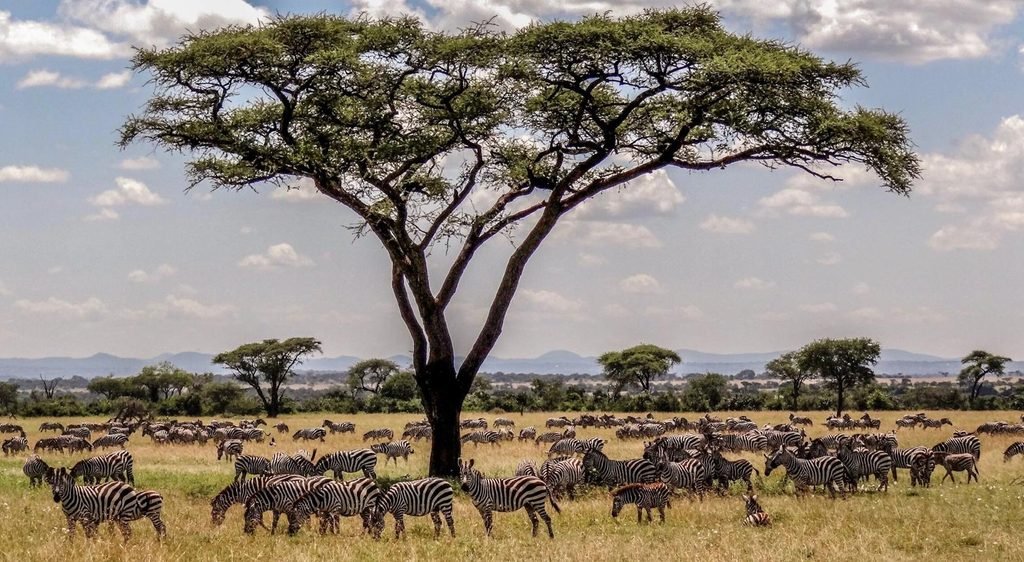
Zebras are often seen moving alongside wildebeest because both animals depend on grassland habitats. However, they do not always feed on exactly the same parts of the vegetation. Their different grazing habits allow them to share many areas of the ecosystem.
For travelers planning a wildlife photography safari in 2027, these large animal gatherings provide opportunities to capture the scale of the Serengeti landscape. Even when river crossings are not taking place, watching herds move across the open plains can be a memorable part of the safari.
3. January and February Are Excellent Months for the Calving Season
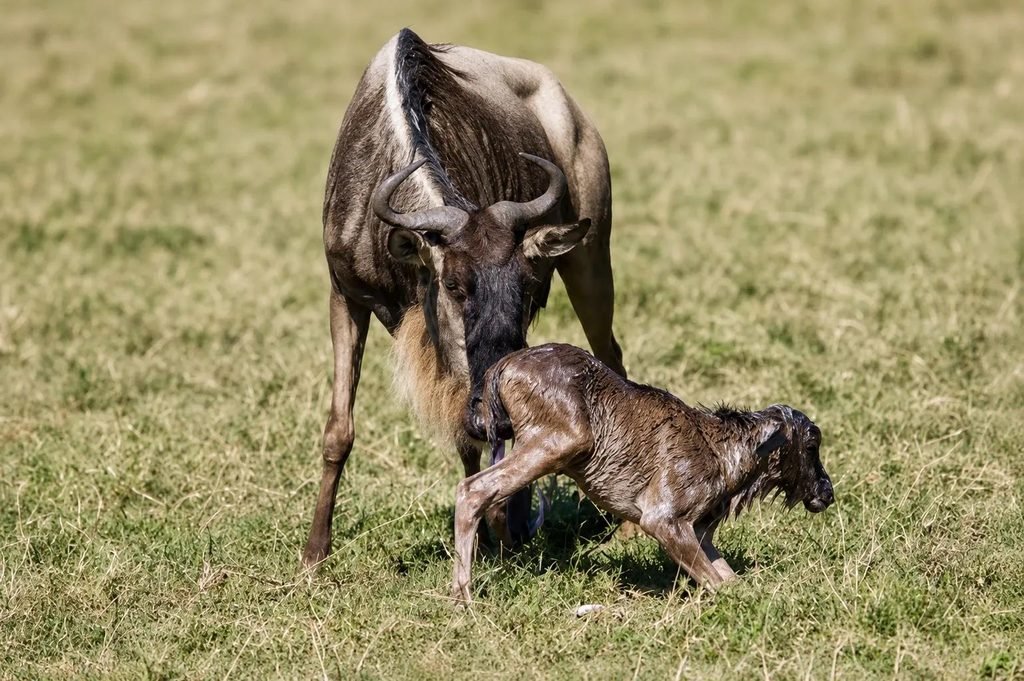
The southern Serengeti and Ndutu area are especially important during the wildebeest calving season. Following seasonal rainfall, the short-grass plains provide nutritious grazing that attracts large numbers of pregnant wildebeest. Many females give birth within a relatively short period, creating one of the most active wildlife seasons in the Serengeti ecosystem.
February is commonly associated with the peak of the calving season, although births can begin earlier or continue later depending on environmental conditions. During this period, visitors may see newborn wildebeest standing, walking and following their mothers across the plains. The presence of young animals also attracts predators, including lions, cheetahs and hyenas.
For travelers who enjoy wildlife photography, the calving season provides a different experience from the dramatic river crossings. The southern plains are often green after the rains, and the combination of open landscapes, large herds and newborn animals creates excellent opportunities for observing wildlife behavior.
If you are considering a February 2027 Tanzania safari, the Ndutu region should be one of the main areas included in your itinerary. However, accommodation in popular wildlife areas can become busy during this season, so arranging your safari well in advance is advisable.
4. The Mara River Crossings Usually Take Place Between July and October
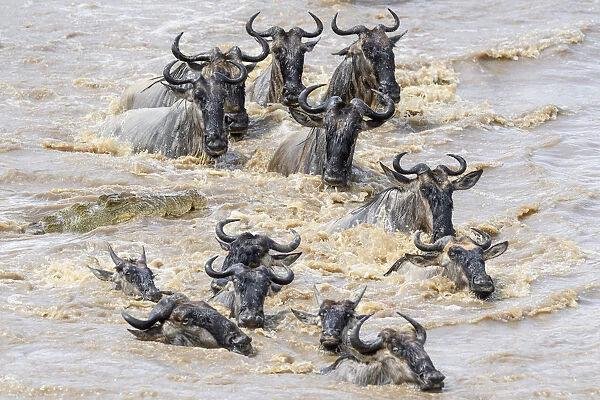
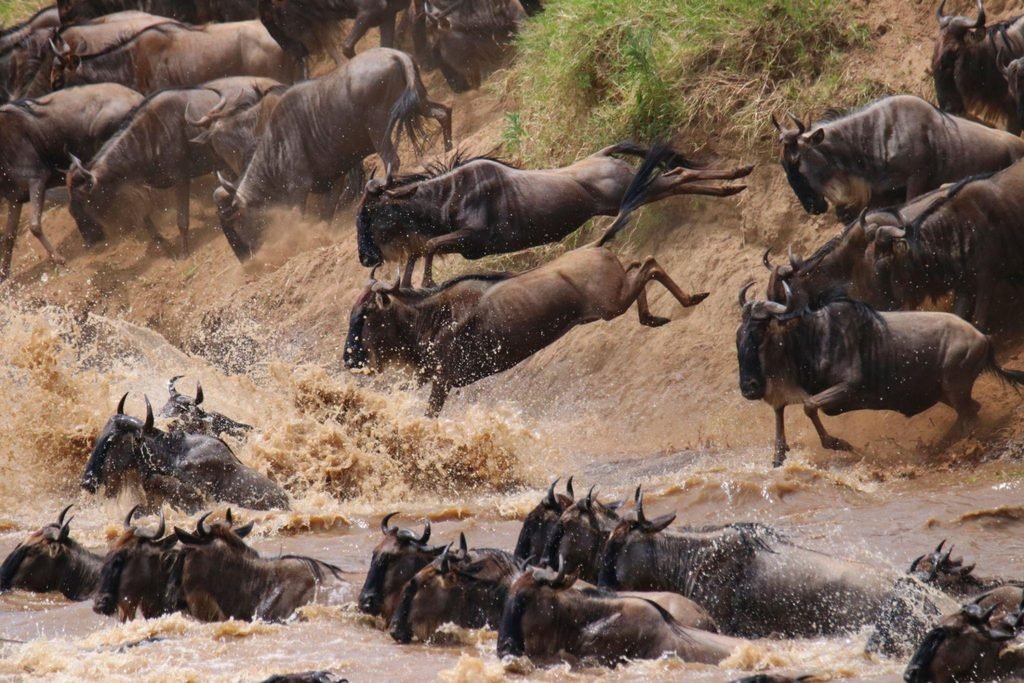
The Mara River crossings are among the most famous events associated with the Great Wildebeest Migration. During the northern movement, large herds may gather along the Mara River in the northern Serengeti before attempting to cross. The river contains strong currents and crocodiles, making the crossing dangerous for the animals.
The crossing season is commonly associated with July, August, September and October, although the exact timing varies each year. Some herds may arrive earlier, while others remain in the region longer depending on rainfall and grazing conditions. Animals may also cross the river more than once as they move between different feeding areas.
Travelers hoping to witness a crossing should understand that there is no guaranteed time or location. Wildebeest may gather along a riverbank for several hours without crossing, and they can suddenly change direction. A safari guide can take you to areas where crossings are possible, but nobody can control when the animals decide to enter the water.
For your 2027 migration safari, spending several nights in the northern Serengeti generally provides more opportunities than visiting the area for only one afternoon. The Kogatende region is one of the main areas travelers consider when planning a Mara River migration safari.
5. The Best Place to See the Migration Changes Throughout the Year
The Serengeti is a large ecosystem, and the migration moves between different regions depending on the season. Choosing accommodation in the correct area can make a major difference to your safari experience. Staying in the central Serengeti during the peak northern crossing season, for example, may mean spending many hours traveling to reach the Mara River region.
During January, February and March, the southern Serengeti and Ndutu plains are usually important migration areas. As the southern grasslands begin to dry, the herds generally move toward the central and western Serengeti. Later in the year, many animals continue north toward the Mara River before eventually returning south when seasonal rainfall provides fresh grazing.
Expected 2027 Wildebeest Migration Calendar
| Month | Expected migration area | Main wildlife experience |
|---|---|---|
| January | Southern Serengeti and Ndutu | Large herds and beginning of calving activity |
| February | Ndutu and southern plains | Peak calving season and predator activity |
| March | Southern and central Serengeti | Calving continues and some herds begin moving |
| April | Central Serengeti | Herd movement and green landscapes |
| May | Central and Western Corridor | Large herds moving toward western areas |
| June | Western Corridor and Grumeti | Migration movement and possible river crossings |
| July | Western and northern Serengeti | Northern movement and possible Mara River crossings |
| August | Northern Serengeti and Kogatende | Mara River crossing opportunities |
| September | Northern Serengeti | River crossings and large northern herds |
| October | Northern and eastern Serengeti | Late crossings and changing herd movements |
| November | Central and eastern Serengeti | Southward migration following rainfall |
| December | Southern Serengeti and Ndutu | Returning herds and renewed grazing |
This calendar is a planning guide, not a prediction of exact herd locations. The migration may arrive earlier or later than expected in any particular year.
6. The Great Migration Is Also an Excellent Time to See Predators
The Great Wildebeest Migration attracts predators because the large herds provide an important source of food. Lions, cheetahs, hyenas and other carnivores may be found in areas where wildebeest and zebras gather. However, predator sightings and hunting activity depend on local conditions, and no safari can guarantee that visitors will witness a hunt.
The calving season is particularly interesting because newborn wildebeest are vulnerable to predators. Lions and hyenas may follow the herds, while cheetahs hunt in suitable open grassland habitats. This makes the southern Serengeti and Ndutu area attractive to travelers who want to observe different wildlife interactions.
During the northern migration, crocodiles are another major attraction around the Mara River. They may wait in the water as animals approach crossing points. However, the presence of crocodiles does not mean that a dramatic crossing or attack will occur during every visit.
Travelers who want to see a wide variety of wildlife should also consider spending time in the central Serengeti. The Seronera region supports resident wildlife throughout the year, making it a useful addition to migration-focused itineraries.
7. You Do Not Need to Visit Kenya to Experience the Great Migration
Many travelers believe that the Great Migration can only be seen in Kenya’s Maasai Mara. In reality, much of the migration cycle takes place within Tanzania’s Serengeti ecosystem, including the southern calving grounds, central migration routes, Western Corridor and northern Mara River region.
The northern Serengeti provides opportunities to observe the famous river crossings from the Tanzanian side of the ecosystem. Travelers can therefore plan a complete migration safari within Tanzania without needing to cross an international border.
This is especially useful for visitors who want to combine the migration with other Tanzanian attractions. A safari can include the Serengeti alongside Ngorongoro Crater, Tarangire National Park or Lake Manyara National Park, depending on the number of travel days available.
For visitors planning a Tanzania-only holiday in 2027, Eddy Tours & Safaris can help organize an itinerary that combines migration viewing with other northern Tanzania wildlife destinations.
8. Spending More Days in the Serengeti Can Improve Your Safari Experience
The number of days you spend in the Serengeti is an important part of planning a migration safari. Because the herds move naturally and river crossings are unpredictable, a short visit may provide limited opportunities to find the main concentrations of animals. Spending additional time in the appropriate region allows your guide more flexibility to follow local wildlife information and adjust game drives.
For a general Serengeti safari, two or three nights can provide a useful introduction to the park. However, travelers specifically interested in the Great Migration may benefit from spending three or more nights in the region most relevant to their travel dates. Those planning a northern Serengeti river-crossing safari should consider allowing additional time because the animals may remain near the river without crossing.
A six- to eight-day Tanzania safari can combine the Serengeti with Ngorongoro Crater and other northern parks. The exact itinerary depends on whether you are traveling by road or using domestic flights, as well as the location of your accommodation.
If you have limited time, choosing the right region is usually more valuable than trying to visit every part of the Serengeti in a few days.
9. The Cost of a 2027 Migration Safari Depends on Several Factors
The price of a Serengeti migration safari depends on the number of days, accommodation standard, travel season, group size and transport arrangements. Budget camping safaris are generally more affordable than luxury lodge or tented camp itineraries, while private safaris often cost more per person than shared group departures.
Traveling during the popular northern migration season can also affect accommodation prices. Camps close to the Mara River may be in high demand during July, August and September, while the southern Serengeti and Ndutu area can attract considerable interest during the calving season.
Transport is another important cost consideration. A road safari from Arusha allows travelers to visit several parks along the way, while a fly-in safari can reduce driving time but generally increases the overall price. Park fees, accommodation arrangements and the number of travelers sharing the vehicle also influence the final quotation.
For 2027, it is important to request an updated written quotation rather than relying on prices published for previous years. Government fees, accommodation rates and other operating costs may change before your travel date.
10. Booking Early Can Help You Secure Better Safari Arrangements
Planning your 2027 migration safari in advance gives you more time to choose suitable accommodation and organize your travel arrangements. This is particularly important if you want to visit the northern Serengeti during the usual Mara River crossing season or stay in Ndutu during the calving period.
Some migration camps operate seasonally, while others are located in established wildlife areas throughout the year. Choosing accommodation near the expected herd movements can reduce unnecessary driving and provide more time for game viewing.
Early planning also allows you to compare different safari styles. Travelers can choose budget camping, mid-range lodges, luxury tented camps or customized private safaris depending on their preferences. Families, couples, photographers and small groups may have different requirements, so a personalized itinerary can help match the safari to the experience they want.
However, booking early does not guarantee wildlife sightings. The best safari plans allow flexibility because the migration is controlled by nature rather than a fixed schedule.
Best Time to Visit Tanzania for the 2027 Wildebeest Migration
The best time to visit depends on what you want to see. Travelers interested in the calving season should consider January and February, when the southern Serengeti and Ndutu area usually attract large numbers of wildebeest. Visitors hoping to witness the Mara River crossings should generally consider July through October, with August and September often popular choices.
June can be attractive for travelers interested in the western migration and Grumeti region, while November and December offer opportunities to observe the herds returning toward the southern plains. These periods may also appeal to travelers who prefer different scenery or want to avoid some of the busiest northern migration months.
There is no single perfect month for everyone. A wildlife photographer interested in newborn animals may prefer February, while a traveler whose main goal is to see a river crossing may choose August or September. The important thing is to match your travel dates with the wildlife experience you most want to have.
How Many Days Do You Need for a 2027 Serengeti Migration Safari?
A five-day safari can provide an introduction to the Serengeti and may include Ngorongoro Crater, depending on the travel arrangements. However, visitors who want to spend more time looking for the migration may prefer six or seven days, particularly when traveling to the northern Serengeti by road.
A seven-day itinerary can provide time for several game drives in the Serengeti while also allowing visits to other wildlife areas. An eight-day safari offers additional flexibility and may be especially useful for travelers who want a more relaxed pace or multiple nights near the expected migration route.
For travelers planning to witness Mara River crossings, the number of nights spent in the northern Serengeti is particularly important. It is better to allow several days in the right region than to spend most of the holiday driving between distant destinations.
What to Pack for a Serengeti Migration Safari in 2027
Packing for a Serengeti safari is relatively straightforward, but suitable clothing and personal equipment can make the experience more comfortable. Lightweight, breathable clothing is useful during warm afternoons, while a fleece or jacket is recommended for cooler mornings and evenings. Neutral-colored clothing is practical for game drives, and comfortable shoes are suitable for walking around camps and lodges.
A camera with a suitable zoom lens is useful for photographing animals at a distance. Binoculars can also improve wildlife viewing, especially when predators or large herds are far from the safari vehicle. Other useful items include sunscreen, sunglasses, a hat, insect repellent, personal medication and a reusable water bottle.
If you are traveling during the rainy season, bring a lightweight waterproof jacket and protect your camera equipment from moisture. During the dry season, dust can be common on safari roads, so a protective bag for electronics is helpful.
Frequently Asked Questions About the 2027 Wildebeest Migration
1. When is the Great Wildebeest Migration in Tanzania in 2027?
The migration takes place throughout the year. Different stages occur in different regions depending on rainfall and grazing conditions.
2. What is the best month to see the migration in 2027?
February is popular for calving, while August and September are commonly chosen for Mara River crossing opportunities.
3. Where can I see the wildebeest calving season?
The southern Serengeti and Ndutu area are the main places to consider.
4. When is the wildebeest calving season?
Calving generally occurs from January to March, with peak activity commonly in February.
5. When do the Mara River crossings happen?
They are commonly associated with July to October, although exact dates vary.
6. Where is the Mara River in Tanzania?
The Mara River passes through the northern Serengeti, including areas accessible from Kogatende.
7. Are Mara River crossings guaranteed?
No. Crossings are unpredictable natural events.
8. Can I see the migration in January?
Yes. Large herds are often found in the southern Serengeti and Ndutu region.
9. Can I see the migration in June?
Yes. The Western Corridor and Grumeti region are important areas to consider during this period.
10. Is July a good month for a migration safari?
Yes. Many herds are usually moving toward or gathering in the northern Serengeti.
11. Is August a good month for river crossings?
August is commonly one of the popular months for visiting the northern Serengeti in search of crossings.
12. Can I see the migration in October?
Yes. Herds may still be present in the northern Serengeti, although movements vary.
13. Can I see the migration in November?
Yes. Many herds begin moving south as seasonal rainfall changes grazing conditions.
14. How many wildebeest take part in the migration?
More than one million wildebeest participate, alongside large numbers of zebras and other grazing animals.
15. Do zebras migrate with wildebeest?
Yes. Zebras often move alongside wildebeest during the migration.
16. Are lions common during the migration?
Lions are among the predators that may be observed in areas where large herds gather.
17. Can I see cheetahs during the calving season?
Cheetahs may be seen in suitable open grassland areas, but sightings are not guaranteed.
18. How many days should I spend in the Serengeti?
Three or more nights in the relevant region can provide useful flexibility for a migration-focused safari.
19. Can I see the migration on a five-day safari?
It is possible to visit a migration area on a five-day safari, depending on your travel dates and itinerary.
20. Is a seven-day migration safari better?
A seven-day itinerary can provide more time for game drives and additional wildlife destinations.
21. Can I combine Serengeti with Ngorongoro Crater?
Yes. These destinations are commonly included in northern Tanzania safari itineraries.
22. Is the migration suitable for families?
Yes. Families can enjoy migration safaris with suitable accommodation, travel times and age-appropriate arrangements.
23. Can I book a private migration safari?
Yes. Private safaris can be arranged according to group size, dates and accommodation preferences.
24. How much does a 2027 migration safari cost?
Prices depend on duration, accommodation, season and group size. Request a quotation for accurate costs.
25. How can I book a 2027 Serengeti migration safari?
Contact Eddy Tours & Safaris with your preferred month, number of travelers, accommodation preference and approximate budget.
Book Your 2027 Wildebeest Migration Safari with Eddy Tours & Safaris
The 2027 Wildebeest Migration offers travelers an opportunity to experience one of Africa’s most important wildlife events. Whether you want to see newborn wildebeest in the southern Serengeti, follow large herds through the Western Corridor or spend time near the Mara River in search of crossings, choosing the right travel period and safari region is essential.
The migration is a natural journey, and its timing cannot be guaranteed. However, understanding the usual seasonal movement helps you plan an itinerary that matches your interests. Spending enough time in the Serengeti, choosing suitable accommodation and traveling with an experienced safari guide can make your holiday more enjoyable.
At Eddy Tours & Safaris, we organize Tanzania wildlife safaris for travelers who want to explore Serengeti National Park, Ngorongoro Crater, Tarangire and other destinations. Our team can help you plan a private or group migration safari based on your preferred travel dates, accommodation standard and budget.
Plan Your 2027 Serengeti Migration Safari
Chat with Our Safari Team on WhatsApp
Email: sales@eddytours-safaris.com
Contact Eddy Tours & Safaris to start planning your 2027 Wildebeest Migration safari in Tanzania.