
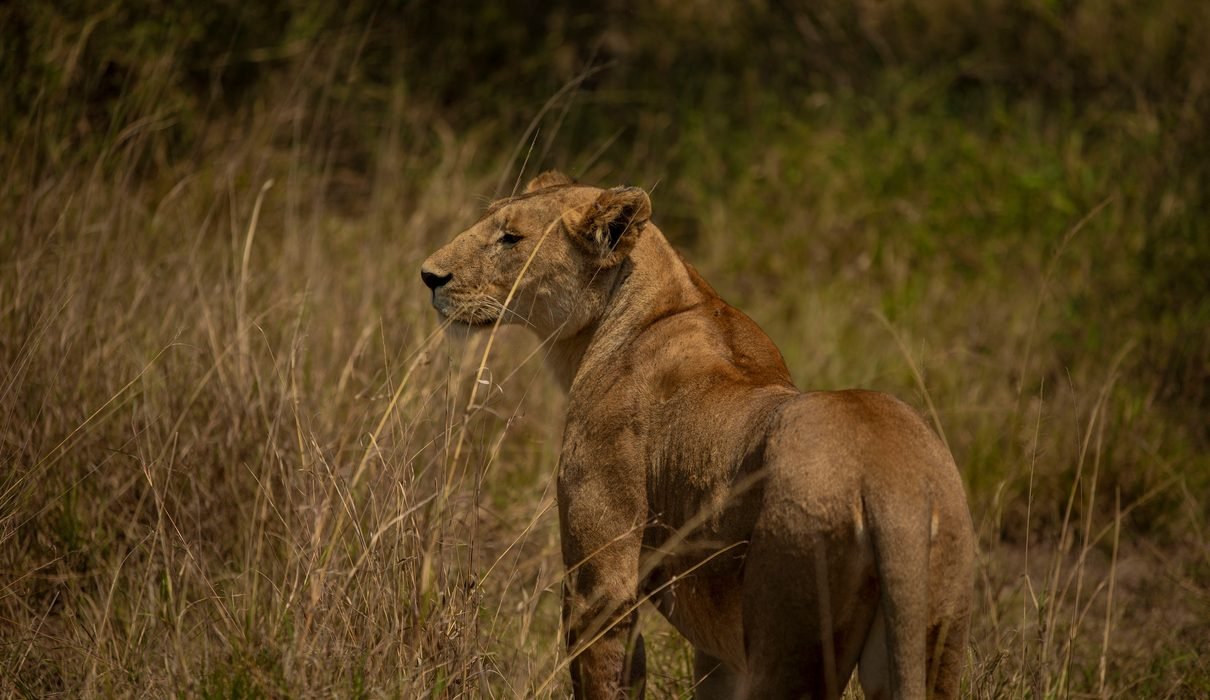
Experience two of Tanzania’s most famous wildlife destinations on this 3 Days Serengeti and Ngorongoro Group Camping Safari. This affordable adventure takes you from Arusha to the wide plains of Serengeti National Park and the wildlife-rich Ngorongoro Crater. It is a suitable choice for travelers who want to see Tanzania’s wildlife, enjoy outdoor camping, and share safari costs with other travelers without spending too many days away from home.
The safari combines game drives in the Serengeti with a visit to Ngorongoro Crater, one of the most remarkable wildlife areas in northern Tanzania. During the journey, you may encounter elephants, lions, giraffes, zebras, wildebeest, buffaloes, hippos, and many other animals. The Serengeti is particularly known for its large wildlife populations and the annual wildebeest migration, while Ngorongoro Crater offers an opportunity to observe different species within a relatively compact area.
Our group camping safari is designed for travelers who prefer an affordable and social travel experience. Instead of booking a private safari vehicle and expensive accommodation, you share a safari vehicle with other guests and spend your nights at designated public campsites. This helps reduce individual costs while allowing you to enjoy professionally guided game drives and meals prepared during the safari.
At Eddy Tours & Safaris, we organize Tanzania wildlife safaris for international travelers, couples, friends, students, and small groups. Our local team in Arusha can help you plan a three-day Serengeti and Ngorongoro camping safari for 2027, 2028, or 2029, with suitable travel arrangements and a detailed quotation before departure.
3 Days Serengeti and Ngorongoro Group Safari Overview
| Safari details | Information |
|---|---|
| Safari name | 3 Days Serengeti & Ngorongoro Group Camping Safari |
| Destination | Tanzania, East Africa |
| Duration | 3 days and 2 nights |
| Travel years | 2027, 2028 and 2029 |
| Starting point | Arusha |
| Ending point | Arusha |
| Safari type | Budget group joining safari |
| Accommodation | Public camping |
| Transportation | Shared 4×4 safari vehicle |
| Main destinations | Serengeti National Park and Ngorongoro Crater |
| Main activities | Wildlife game drives, photography and camping |
| Suitable for | Solo travelers, couples, friends and budget travelers |
| Meals | Prepared during the safari |
| Group departures | Subject to confirmed availability |
| Safari price | Available on request |
This is a road safari covering considerable distances in three days. It includes an early departure from Arusha and long periods of driving, particularly on the first and final days. Travelers who prefer a slower pace should consider a four- or five-day itinerary.
Why Choose a 3-Day Serengeti and Ngorongoro Group Camping Safari?
A three-day group camping safari offers an affordable way to visit two of Tanzania’s leading wildlife destinations. The biggest advantage of joining a group is that several travelers share the cost of the safari vehicle, driver-guide, fuel, and other operating expenses. This makes the experience more accessible to travelers who want to explore the Serengeti and Ngorongoro without booking a private luxury safari.
The itinerary also offers a good introduction to Tanzania’s northern safari circuit. The Serengeti is known for its open grasslands, resident wildlife, and seasonal movement of large herbivore herds. Ngorongoro Crater offers a different environment, with grassland, woodland, wetlands, and a soda lake supporting many animal species. Visiting both areas allows travelers to experience two contrasting wildlife landscapes within one short holiday.
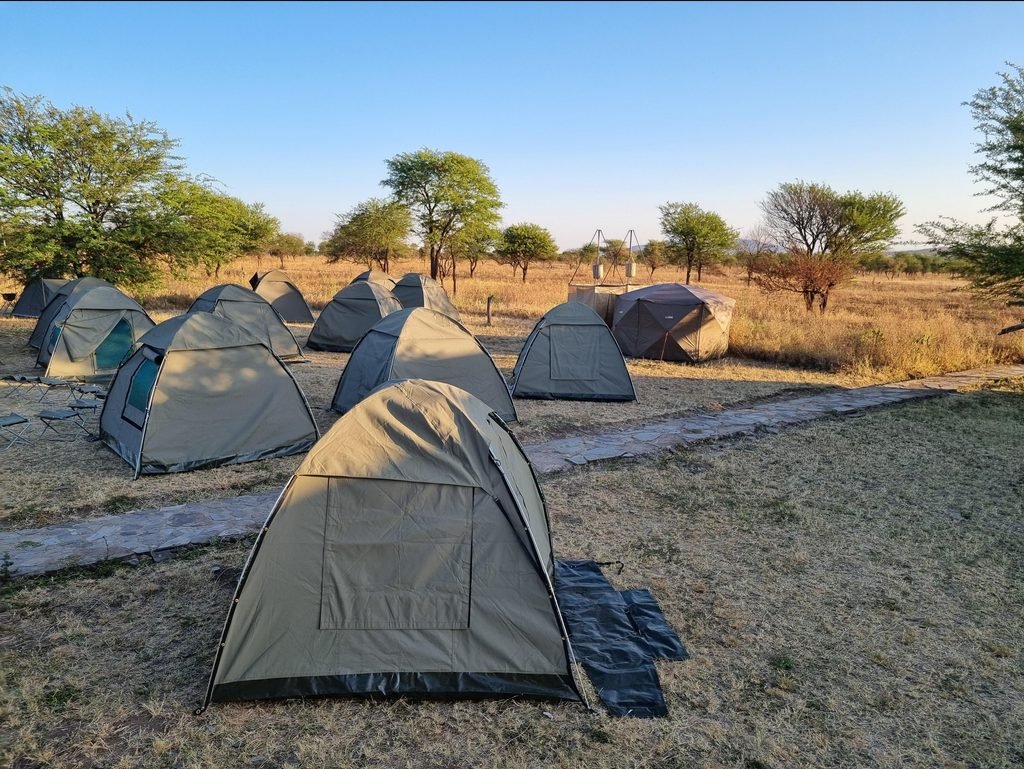
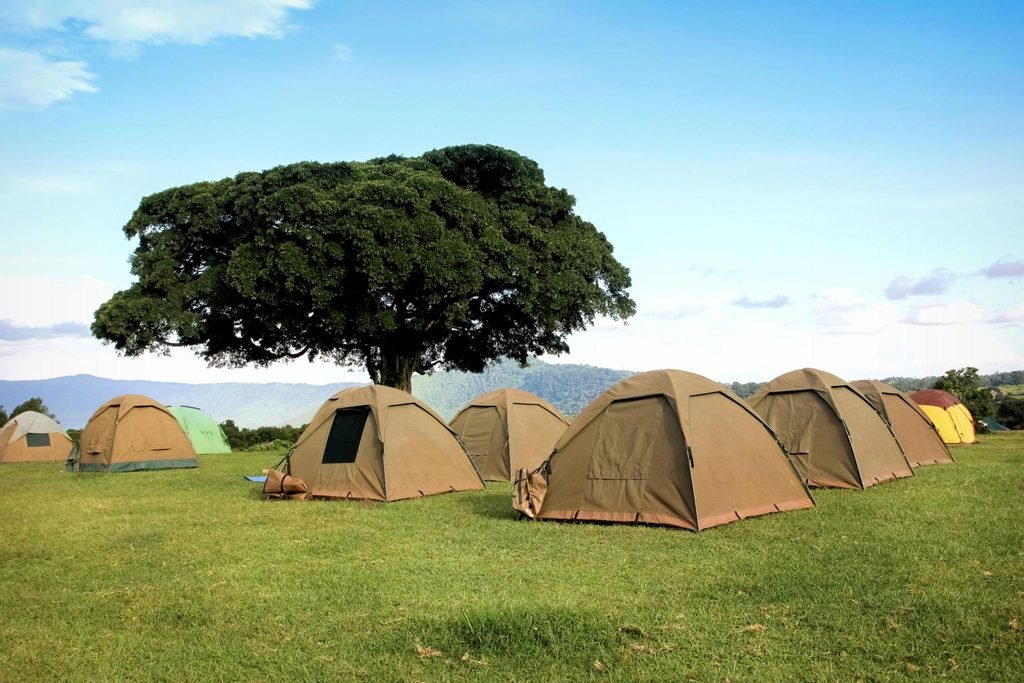
Camping adds another dimension to the safari. After spending the day exploring the parks, you return to a designated campsite where the safari team prepares dinner and organizes the overnight arrangements. You can enjoy the outdoor atmosphere, meet fellow travelers, and experience a simpler style of accommodation than traditional safari lodges. Public campsites provide basic facilities, so guests should be comfortable with shared amenities and changing weather conditions.
The main limitation is time. Three days is enough for a short introduction to the Serengeti and Ngorongoro, but it does not allow extensive exploration of the Serengeti’s distant regions. For this reason, the itinerary generally focuses on the central Serengeti and the Ngorongoro Crater rather than attempting to reach remote migration locations.
Detailed 3-Day Serengeti and Ngorongoro Group Camping Safari Itinerary
Day 1: Arusha to Serengeti National Park – Afternoon Game Drive
Destination: Serengeti National Park
Accommodation: Public campsite in central Serengeti
Meals: Lunch and dinner
Travel: Approximately 7–9 hours or longer, including stops and park procedures
Your safari begins early in the morning in Arusha, where you meet your professional safari driver-guide and the other travelers joining your group. After a short introduction and confirmation of the day’s arrangements, you begin the journey toward Serengeti National Park. The drive takes you through the countryside of northern Tanzania, passing local villages, farmland, and the changing landscapes of the Great Rift Valley region. As you continue toward the Ngorongoro Conservation Area, the scenery becomes increasingly rural, with rolling hills and open grasslands along the route.
The journey continues through the Ngorongoro highlands toward the Serengeti. Depending on the route, weather, and road conditions, you may enjoy views of the surrounding countryside and encounter wildlife along the way. Your driver-guide will explain the areas you pass through and provide information about the animals, landscapes, and conservation areas that make northern Tanzania an important safari destination. A packed lunch is normally provided during the journey, with stops arranged according to the group’s schedule and the available facilities.
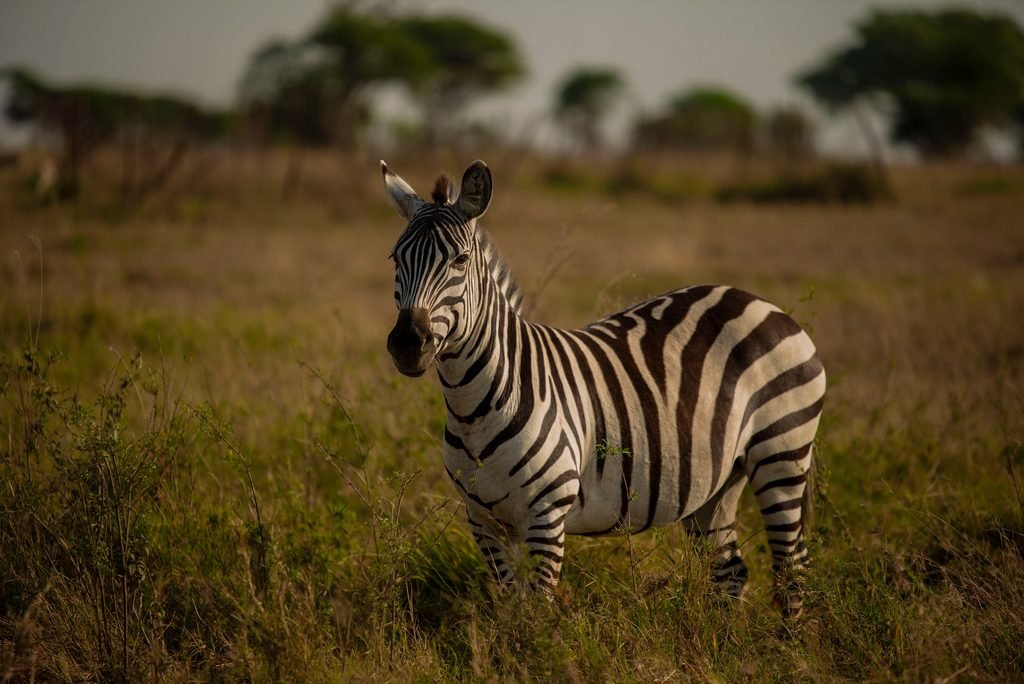
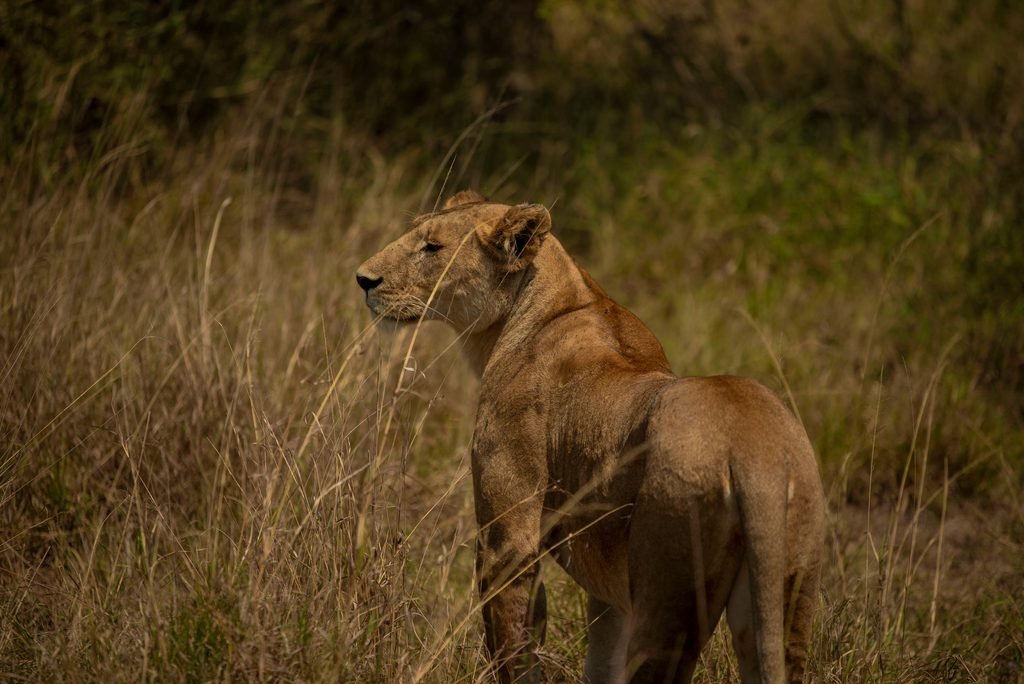
After entering Serengeti National Park, you begin your first wildlife viewing experience as you travel toward the central Serengeti. The landscape gradually opens into wide grasslands, with scattered acacia trees and rocky outcrops known as kopjes. This part of the park supports many resident animals, including zebras, wildebeest, giraffes, elephants, buffaloes, and several antelope species. Lions are also found in the area, and your guide will look for wildlife along the permitted game-drive tracks.
Because the drive from Arusha is long, the amount of time available for wildlife viewing on the first day depends on the departure time, road conditions, and park entry procedures. Your guide will make the best use of the available daylight while ensuring that the group reaches the campsite within the permitted operating hours. Wildlife sightings cannot be guaranteed, but even the drive through the Serengeti provides opportunities to appreciate the park’s landscape and natural environment.
In the late afternoon, you arrive at your designated public campsite in the central Serengeti, such as a campsite in the Seronera area, subject to availability. The safari team prepares dinner while you settle into your tent and relax after the long journey. The campsite provides a simple outdoor experience, with basic shared facilities and the surrounding atmosphere of the national park. Your guide will explain the campsite safety rules, including the importance of remaining within permitted areas and never approaching wildlife.
Overnight: Public campsite, central Serengeti.
Day 2: Serengeti Morning Game Drive – Transfer to Ngorongoro Conservation Area
Destination: Serengeti National Park and Ngorongoro Conservation Area
Accommodation: Public campsite near Ngorongoro Crater
Meals: Breakfast, lunch and dinner
Activities: Morning game drive and transfer to Ngorongoro
You begin the second day with breakfast at the campsite before setting out for a morning game drive in the central Serengeti. The early hours can provide good opportunities for wildlife observation because temperatures are generally cooler and some animals are more active before the heat of the day. Your driver-guide will explore suitable game-drive routes, looking for wildlife in the grasslands, near water sources, and around the rocky kopjes that provide shelter for different species.
The central Serengeti is an important wildlife area throughout the year, making it a practical destination for a short safari. Depending on the season and animal movements, you may encounter herds of wildebeest, zebras, gazelles, and buffaloes, along with giraffes, elephants, and other mammals. Predators such as lions, cheetahs, and leopards also inhabit the Serengeti, although sightings depend on their location and behavior. Your guide will help you identify animals and explain their feeding habits, social behavior, and relationship with the surrounding environment.
After the morning game drive, you begin traveling toward the Ngorongoro Conservation Area. The drive provides additional opportunities to observe wildlife while leaving the Serengeti, although the main purpose of the afternoon is to reach the next campsite. The landscape changes as you move from the open plains toward the higher elevations of Ngorongoro, where the air is often cooler and the vegetation becomes different from that of the Serengeti.
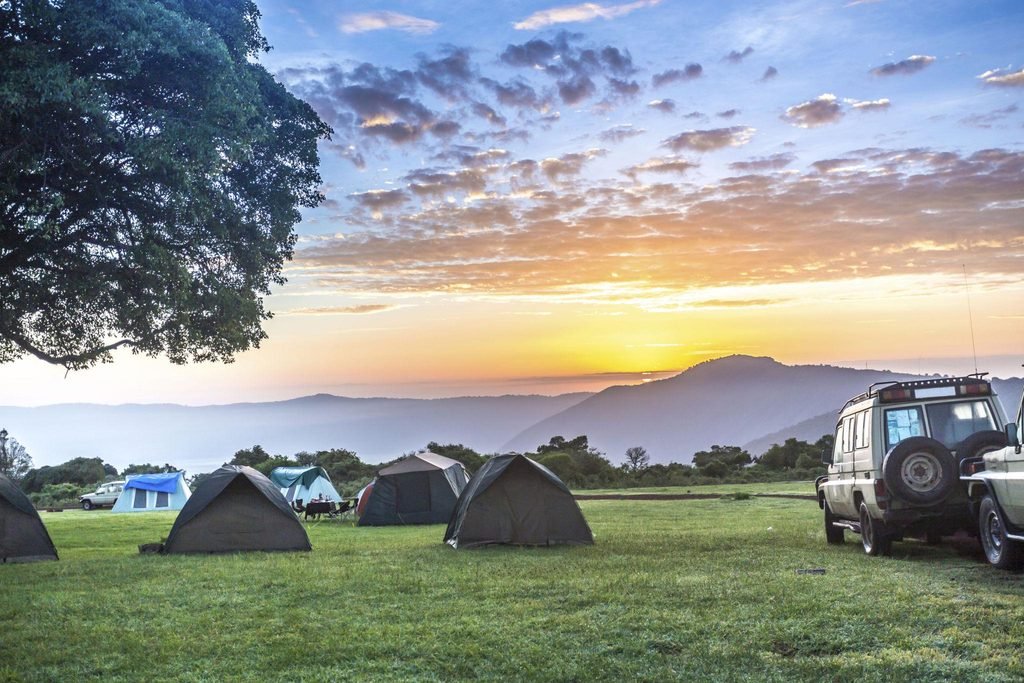
By late afternoon, you arrive at a designated public campsite near the Ngorongoro Crater rim, commonly Simba Campsite when available. The campsite is situated at a higher elevation than the Serengeti plains, so evenings and early mornings can be cold. Warm clothing is recommended, particularly during the cooler months. After settling into camp, the safari team prepares dinner while your guide explains the following day’s early departure for the crater game drive.
Spending the night near the crater allows the group to begin the final day’s wildlife viewing without traveling all the way from the Serengeti in the morning. However, the campsite is in a wildlife area, and guests must follow the guide’s instructions at all times. Food should be stored appropriately, and visitors should never walk away from designated areas without permission.
Overnight: Public campsite near Ngorongoro Crater.
Day 3: Ngorongoro Crater Game Drive – Return to Arusha
Destination: Ngorongoro Crater
Accommodation: Not included
Meals: Breakfast and lunch
Activities: Crater game drive and return to Arusha
The final day begins early with breakfast at the campsite before preparing for the descent into Ngorongoro Crater. The crater is one of Tanzania’s best-known wildlife destinations and forms part of the wider Ngorongoro Conservation Area. Its grasslands, wetlands, woodland, and lake environments support a remarkable variety of animals, making it possible to observe several species during a relatively short game drive.
After completing the required entry procedures, your driver-guide descends into the crater using the designated access road. As you reach the crater floor, the landscape opens into broad grasslands surrounded by the steep crater walls. Depending on the day’s conditions, you may encounter wildebeest, zebras, buffaloes, elephants, hippos, and several antelope species. Lions and spotted hyenas are also present, while black rhinoceroses inhabit the crater but can be difficult to locate. Although Ngorongoro offers good wildlife viewing opportunities, sightings of particular animals cannot be guaranteed.
Your guide will explore the permitted roads and wildlife viewing areas while explaining the crater’s ecosystem and the behavior of the animals you encounter. Wetland areas may attract hippos and waterbirds, while the open grasslands are important feeding grounds for large herbivores. The crater’s relatively compact size makes it suitable for a morning wildlife excursion, but the exact game-drive duration depends on the permitted access period, road conditions, and the group’s schedule.
A picnic lunch is normally arranged at an authorized location before you begin the ascent out of the crater. After leaving the conservation area, you continue the return journey to Arusha, passing through the highlands and the surrounding countryside. Arrival is generally expected in the late afternoon or evening, depending on traffic, weather, and the time spent inside the crater.
Your three-day Serengeti and Ngorongoro group camping safari ends upon arrival in Arusha. If you have an onward flight or another activity planned, we recommend allowing sufficient time for possible road delays. Travelers who would like to continue exploring Tanzania can arrange an additional safari, a Kilimanjaro trip, or a Zanzibar beach holiday through Eddy Tours & Safaris.
End of safari: Arusha.
3-Day Serengeti and Ngorongoro Safari Itinerary Summary
| Day | Destination | Main activities | Accommodation |
|---|---|---|---|
| Day 1 | Arusha to Serengeti | Road transfer and afternoon wildlife viewing | Serengeti public campsite |
| Day 2 | Serengeti to Ngorongoro | Morning game drive and transfer to crater rim | Ngorongoro public campsite |
| Day 3 | Ngorongoro Crater to Arusha | Crater game drive and return journey | End of safari |
What Animals Can You See During This Safari?
The Serengeti and Ngorongoro Crater are among Tanzania’s most important wildlife areas, but they offer different viewing experiences. The Serengeti is known for its large grassland ecosystems, resident predators, and seasonal movement of wildebeest and zebras. Ngorongoro Crater supports a concentrated variety of wildlife within a smaller area, making it an attractive destination for travelers with limited time.
During your Serengeti game drives, you may encounter lions resting near rocky outcrops, giraffes feeding on acacia trees, elephants moving across the plains, and herds of wildebeest or zebras grazing in open grassland. Cheetahs are sometimes observed in suitable open habitats, while leopards may be found resting in trees or moving through areas with sufficient cover. Wildlife activity varies throughout the day, so patience and careful observation are important.
Ngorongoro Crater provides opportunities to see buffaloes, zebras, wildebeest, hippos, elephants, lions, and numerous bird species. The crater is also one of the areas in Tanzania where visitors may have an opportunity to observe black rhinoceroses, although sightings are never guaranteed. Your guide will explain the animals you encounter and help you understand the different habitats within the crater.
Can You See the Great Wildebeest Migration on a 3-Day Safari?
The Great Wildebeest Migration is one of the main reasons travelers visit the Serengeti. Large numbers of wildebeest, accompanied by zebras and other grazing animals, move through the Serengeti–Mara ecosystem in response to seasonal rainfall and the availability of fresh grazing. The movement is not controlled by fixed dates, and the herds may be spread across different areas at any given time.
A three-day safari focused on central Serengeti can offer opportunities to see wildebeest and other resident wildlife throughout the year. However, it is not the best itinerary for travelers whose main goal is to follow the migration into remote parts of the park. During some periods, the largest concentrations of migrating animals may be in the southern Serengeti, Ndutu area, western corridor, or northern Serengeti, which require additional travel time.
If your main interest is witnessing the migration or possible river crossings, a longer itinerary is generally more suitable. You can discuss a customized migration safari with Eddy Tours & Safaris so that the route can be planned around the expected seasonal movements rather than assuming the animals will be in central Serengeti during your visit.
Why Is a Group Camping Safari More Affordable?
The main reason a group camping safari costs less than a private safari is that travelers share several major expenses. A private safari requires one person or one small party to cover the cost of the vehicle, guide, fuel, and related arrangements. On a group joining safari, these expenses are divided among the travelers in the vehicle, reducing the individual cost.
Camping also helps control accommodation expenses. Instead of staying in expensive safari lodges or permanent luxury tented camps, travelers use designated public campsites with basic facilities. Meals are prepared during the safari, and guests share the same general travel schedule. This makes the experience practical for solo travelers, students, couples, and friends who prefer to spend less on accommodation while still visiting Tanzania’s major wildlife destinations.
However, a budget safari does not mean that park fees, conservation charges, and vehicle operating expenses disappear. These remain important parts of the overall price. The final cost depends on the travel season, number of confirmed participants, applicable visitor fees, campsite arrangements, and services included in the package.
Group Camping Safari Versus Private Safari
| Feature | Group camping safari | Private safari |
|---|---|---|
| Safari vehicle | Shared with other travelers | Reserved for your party |
| Accommodation | Public camping | Camping or lodges |
| Cost per traveler | Generally lower | Depends on group size and accommodation |
| Daily schedule | Shared itinerary | More flexible |
| Wildlife viewing | Guided game drives | Guided game drives |
| Meals | Prepared for the group | Based on selected package |
| Best for | Budget travelers and solo visitors | Families, couples and private groups |
A group safari is ideal for travelers who enjoy meeting new people and are comfortable following a shared schedule. A private safari is more suitable for travelers who want additional flexibility, a particular travel pace, or accommodation selected according to personal preferences.
What Is Included in the 3-Day Group Camping Safari?
The exact package inclusions will be confirmed in your quotation. A standard group camping safari commonly includes shared transport in a 4×4 safari vehicle, a professional driver-guide, park entry arrangements, camping accommodation, meals during the safari, drinking water, and camping equipment.
The safari vehicle is normally designed for wildlife viewing, with suitable windows and a roof arrangement that allows passengers to observe animals and take photographs. Your guide manages the driving, explains the wildlife, and follows the relevant park regulations throughout the journey.
Typical Safari Inclusions
- Shared 4×4 safari vehicle and fuel.
- Professional English-speaking driver-guide.
- Serengeti National Park entry fees.
- Applicable Ngorongoro Conservation Area and crater access fees.
- Two nights at designated public campsites.
- Camping tents and basic camping equipment.
- Meals specified in the itinerary.
- Drinking water during the safari.
- Game drives described in the itinerary.
- Pickup and drop-off arrangements in Arusha, as confirmed.
Typical Safari Exclusions
- International and domestic flights.
- Tanzania visa fees.
- Travel insurance.
- Alcoholic beverages and additional drinks.
- Tips for the driver-guide and camping crew.
- Personal expenses and shopping.
- Accommodation in Arusha before or after the safari.
- Airport transfers unless included in the quotation.
- Optional activities not mentioned in the itinerary.
All inclusions and exclusions should be checked against the final booking confirmation.
How Much Does a 3-Day Serengeti and Ngorongoro Group Safari Cost in 2027–2029?
The price of a three-day Serengeti and Ngorongoro group camping safari depends on several factors, including the travel season, number of participants, accommodation arrangements, park fees, and applicable conservation charges. Group safaris are generally more affordable than private tours because travelers share the vehicle and guide expenses.
Prices for 2027, 2028, and 2029 should be confirmed before booking because park fees and operating costs may change. A quotation should clearly show whether the advertised amount includes all required park and crater charges, camping fees, meals, and transportation. Travelers should also check whether the price is based on a confirmed group departure or requires a minimum number of participants.
At Eddy Tours & Safaris, you can request a personalized quotation by providing your preferred travel dates, number of travelers, and accommodation preferences. We can explain the available group arrangements and provide the package details before you make a booking.
Safari price: Available on request.
Request Your Budget Safari Quotation
Best Time for a Serengeti and Ngorongoro Camping Safari
The Serengeti and Ngorongoro Crater can be visited throughout the year, although weather and wildlife movements vary by season. From June to October, conditions are generally drier in many parts of northern Tanzania, and animals may be easier to observe in areas where vegetation is shorter or where water is available. This is a popular period for wildlife safaris, although the parks can also receive more visitors.
From November to December, seasonal rainfall can bring greener landscapes and fresh grazing. January and February are also attractive months for wildlife viewing, particularly in areas associated with the southern Serengeti migration and calving season. However, a short central Serengeti itinerary does not guarantee access to the main migrating herds during these months.
March to May is generally associated with heavier rainfall in northern Tanzania. The landscape can be green and attractive for photography, but some roads may become muddy, and travel times can increase. Ngorongoro Crater remains an important wildlife destination throughout the year, although weather conditions may affect visibility and access.
For travelers planning a safari in 2027, 2028, or 2029, the best time depends on the type of wildlife experience you prefer, your travel dates, and your budget. A short group safari can be enjoyable in different seasons, provided you understand that wildlife sightings and weather conditions cannot be guaranteed.
What Should You Pack for a Group Camping Safari?
A three-day camping safari does not require a large amount of luggage, but bringing the right items will make the journey more comfortable. Lightweight clothing in neutral colors is suitable for most game drives, while a warm jacket or fleece is important for early mornings and evenings, particularly at the Ngorongoro Crater rim. Comfortable shoes, a sun hat, sunglasses, and sunscreen are also useful during the safari.
Because you will be staying at public campsites, bring personal toiletries, a towel, a small flashlight or headlamp, and any medication you require. A power bank can be helpful because charging facilities may be limited or shared. If you enjoy wildlife photography, bring a camera with a suitable zoom lens, spare batteries, and enough storage space for your photographs.
It is also advisable to travel with a small, manageable bag rather than a large suitcase, especially when sharing a vehicle with other travelers. Ask your safari operator whether sleeping bags, pillows, and other personal camping items are provided or need to be brought separately.
Is a 3-Day Serengeti and Ngorongoro Safari Worth It?
A three-day safari is worth considering if you have limited time and want to visit both Serengeti National Park and Ngorongoro Crater. It offers an introduction to Tanzania’s wildlife, two nights of camping, and guided game drives in two well-known destinations. The shared group arrangement also makes the trip more affordable than many private safari options.
However, travelers should understand that the itinerary involves considerable driving. The journey from Arusha to Serengeti takes most of the first day, and the final day combines a crater game drive with the return to Arusha. This means there is less time for relaxed wildlife viewing than on longer itineraries.
If your schedule allows, a four- or five-day safari can provide additional time in the Serengeti and a more comfortable travel pace. Nevertheless, for travelers with only three days available, a well-organized group camping safari can be a practical way to experience both destinations.
Frequently Asked Questions About the 3-Day Serengeti and Ngorongoro Group Safari
1. Is three days enough for Serengeti and Ngorongoro?
Three days is enough for a short visit to both destinations, although the itinerary involves long driving distances and limited game-drive time.
2. Is this safari suitable for solo travelers?
Yes. Group joining safaris are particularly suitable for solo travelers because they can share transport and other costs with fellow guests.
3. Where does the safari start?
The safari normally starts in Arusha, Tanzania.
4. Where does the safari end?
The itinerary finishes in Arusha after the Ngorongoro Crater game drive.
5. How many nights are included?
The safari includes two nights of camping.
6. Where will we sleep in the Serengeti?
Accommodation is normally arranged at a designated public campsite in the central Serengeti, subject to availability.
7. Where will we sleep near Ngorongoro?
The second night is normally spent at a designated public campsite near the crater rim, such as Simba Campsite when available.
8. Are camping tents provided?
Camping equipment is commonly included in organized group camping safaris, but the exact arrangements should be confirmed before booking.
9. Are meals included?
Meals described in the itinerary are normally included, subject to the final quotation.
10. Can I see lions during this safari?
Lions live in both Serengeti National Park and Ngorongoro Crater, but sightings cannot be guaranteed.
11. Can I see the Big Five?
The parks support several Big Five species, but seeing all five during a short safari is not guaranteed.
12. Are rhinoceroses found in Ngorongoro Crater?
Yes. Black rhinoceroses inhabit the crater, although they can be difficult to locate.
13. Can I see the wildebeest migration?
It depends on the season and the location of the herds. A short central Serengeti safari does not guarantee sightings of the main migration.
14. Is this safari suitable for couples?
Yes. Couples who are comfortable sharing a safari vehicle and camping facilities can join a group safari.
15. Are group camping safaris safe?
They can be organized safely when operated by experienced guides who follow park and campsite regulations. Guests must follow all safety instructions.
16. Can I walk around the campsite at night?
Movement may be restricted because campsites are located in wildlife areas. Always follow your guide’s instructions.
17. What type of vehicle is used?
Group safaris commonly use a 4×4 safari vehicle suitable for wildlife viewing and the park’s road conditions.
18. How many people share the vehicle?
Group size depends on the vehicle configuration and confirmed booking arrangements. Ask for the maximum number of passengers before booking.
19. Is the safari suitable for children?
Families may be able to join, but suitability depends on the children’s ages, group arrangements, and ability to manage long driving days.
20. What is the best month for this safari?
The safari can be arranged throughout the year. June to October is generally popular for drier conditions, while other months offer different scenery and wildlife experiences.
21. Is Ngorongoro Crater included in the price?
The applicable crater fees should be included in a fully quoted package, but always confirm this in writing.
22. Can I book a safari for 2027?
Yes. You can request a quotation and enquire about available group departures for 2027.
23. Can I book for 2028 or 2029?
You can enquire about future safari arrangements, although prices and departures must be confirmed.
24. Can I upgrade to lodge accommodation?
A lodge-based itinerary may be available as a separate package, depending on your budget and travel dates.
25. How do I book this safari?
Contact Eddy Tours & Safaris with your travel dates, number of guests, and preferred departure arrangements to receive a quotation.
Book Your 3-Day Serengeti and Ngorongoro Group Camping Safari for 2027, 2028 or 2029
A three-day Serengeti and Ngorongoro group camping safari is a practical option for travelers who want to experience Tanzania’s wildlife while keeping their holiday costs manageable. The itinerary combines the open plains of the Serengeti with the wildlife-rich Ngorongoro Crater, offering opportunities to observe different animals and landscapes during a short trip.
Although the safari involves long driving distances, the group camping arrangement provides an affordable introduction to Tanzania’s northern safari circuit. Sharing a vehicle with other travelers helps reduce costs, while the camping experience allows you to spend your evenings in designated wildlife-area campsites.
Eddy Tours & Safaris is a local tour company based in Arusha, Tanzania. We arrange guided wildlife safaris, Kilimanjaro climbing trips, and private holidays for travelers visiting the country. Our team can help you compare group safari arrangements, understand the package inclusions, and plan a suitable departure for 2027, 2028, or 2029.
Contact Eddy Tours & Safaris
Website: Eddy Tours & Safaris
Safari enquiries: Contact our team
WhatsApp: +255 711 906 664
Email: sales@eddytours-safaris.com
Send us your preferred travel dates and number of travelers to request a detailed quotation for the 3 Days Serengeti and Ngorongoro Group Camping Safari.