
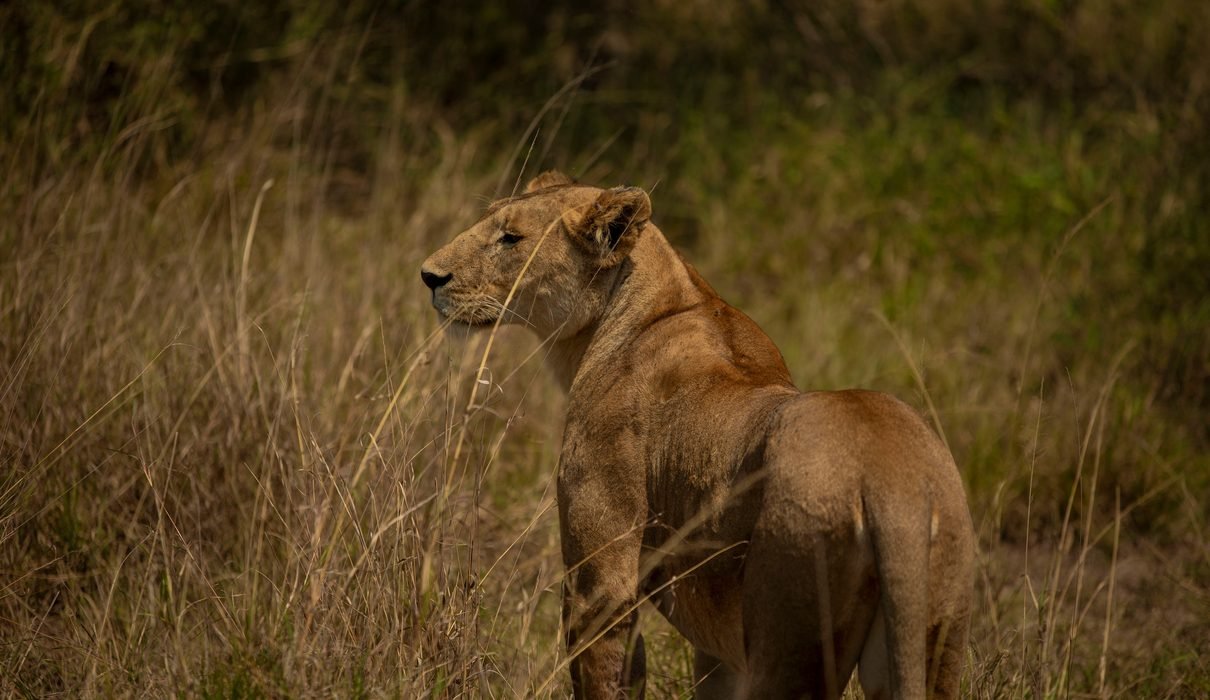
A 3 Days Serengeti Safari from Arusha is one of the best ways to experience Tanzania’s wildlife when you have limited time but still want to visit the famous Serengeti National Park. This three-day journey takes you from Arusha through the beautiful landscapes of northern Tanzania and into the wide grasslands of the Serengeti, where lions, leopards, cheetahs, elephants, giraffes, zebras and wildebeest live in their natural surroundings. With two nights in the Serengeti and a full day dedicated to wildlife viewing, the trip gives you a good opportunity to explore the central plains, follow animal movements and enjoy the experience of being in one of Africa’s most famous wildlife areas.
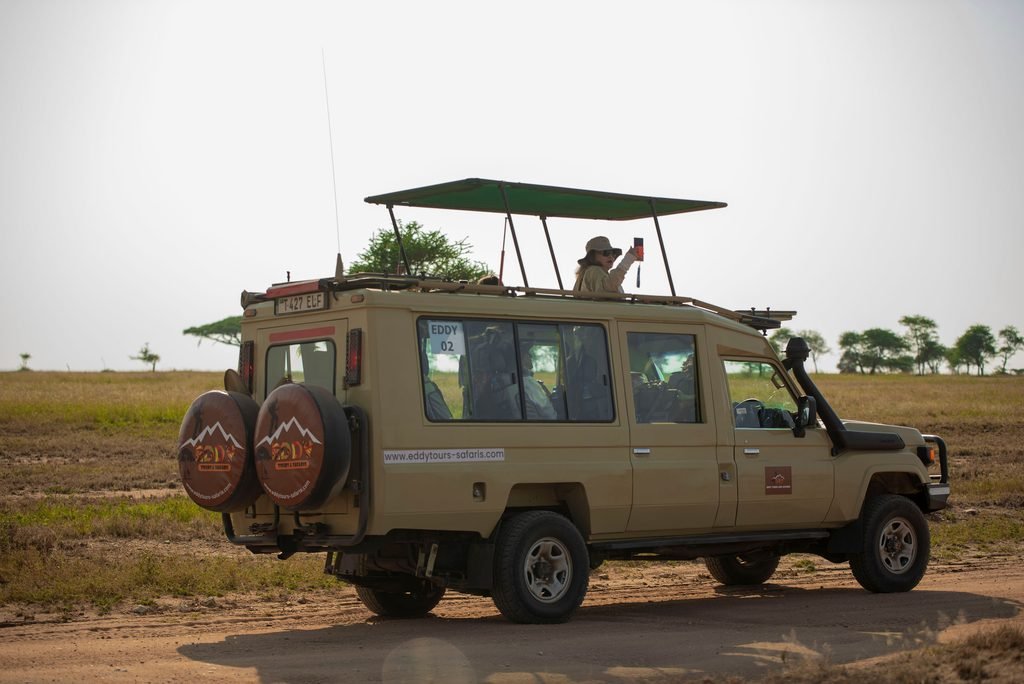
Organized by Eddy Tours & Safaris, this safari is suitable for couples, families, photographers, small groups and travelers looking for a short wildlife holiday from Arusha. The journey is planned around game drives, comfortable accommodation and the knowledge of a local safari guide who understands where animals are commonly found. Whether you are visiting Tanzania for the first time or returning to explore more of its national parks, the Serengeti offers something different on every visit. You may find a pride of lions resting beside a rocky outcrop, a leopard sleeping in an acacia tree or a cheetah watching a herd of gazelles across the open plains.
3 Days Serengeti Safari from Arusha – Package Overview
| Safari Details | Information |
|---|---|
| Safari duration | 3 Days / 2 Nights |
| Starting point | Arusha, Tanzania |
| Ending point | Arusha, Tanzania |
| Main destination | Serengeti National Park |
| Safari type | Private wildlife safari |
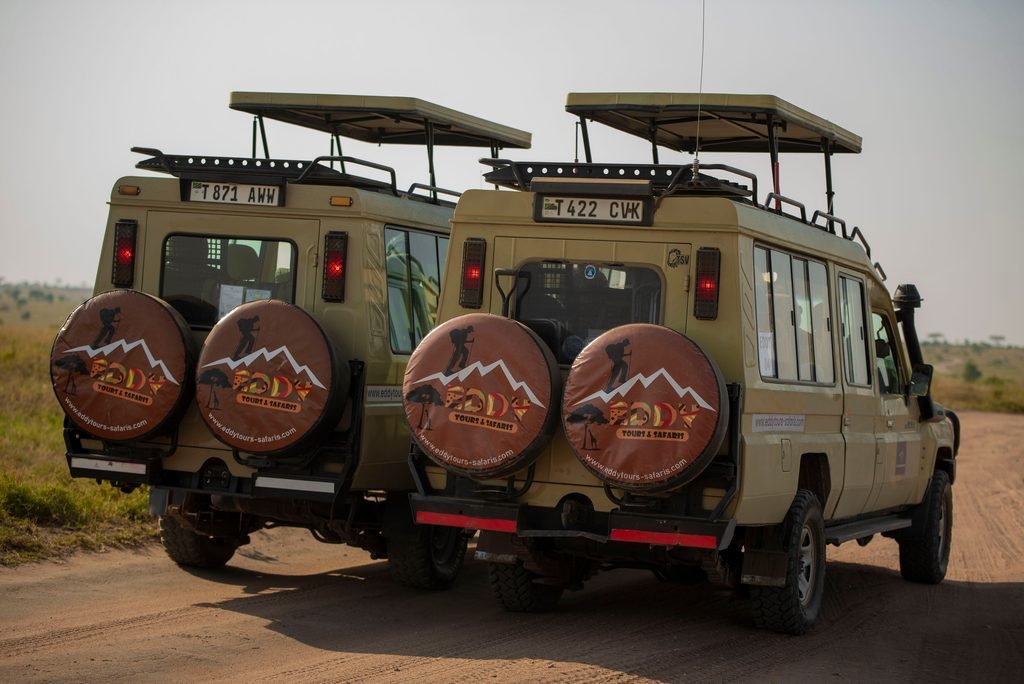
| Transport | 4×4 safari Land Cruiser with pop-up roof |
| Accommodation | Budget camping, mid-range or luxury lodge |
| Main activities | Game drives, wildlife photography and sightseeing |
| Best time to visit | Throughout the year |
| Suitable for | Couples, families, friends and small groups |
| Departure | On request, subject to availability |
| Price | Personalized quotation based on dates, group size and accommodation |
This package concentrates on Serengeti National Park rather than trying to include several destinations within three days. The road journey from Arusha is long, so spending both nights in or near the central Serengeti allows you to make better use of your time. Travelers who prefer a safari that also includes Ngorongoro Crater can consider the 3 Days Tanzania Safari to Serengeti and Ngorongoro, although the time available in each destination will be more limited.
Detailed 3 Days Serengeti Safari from Arusha Itinerary
Day 1: Arusha to Serengeti National Park – Journey Through the Northern Tanzania Highlands
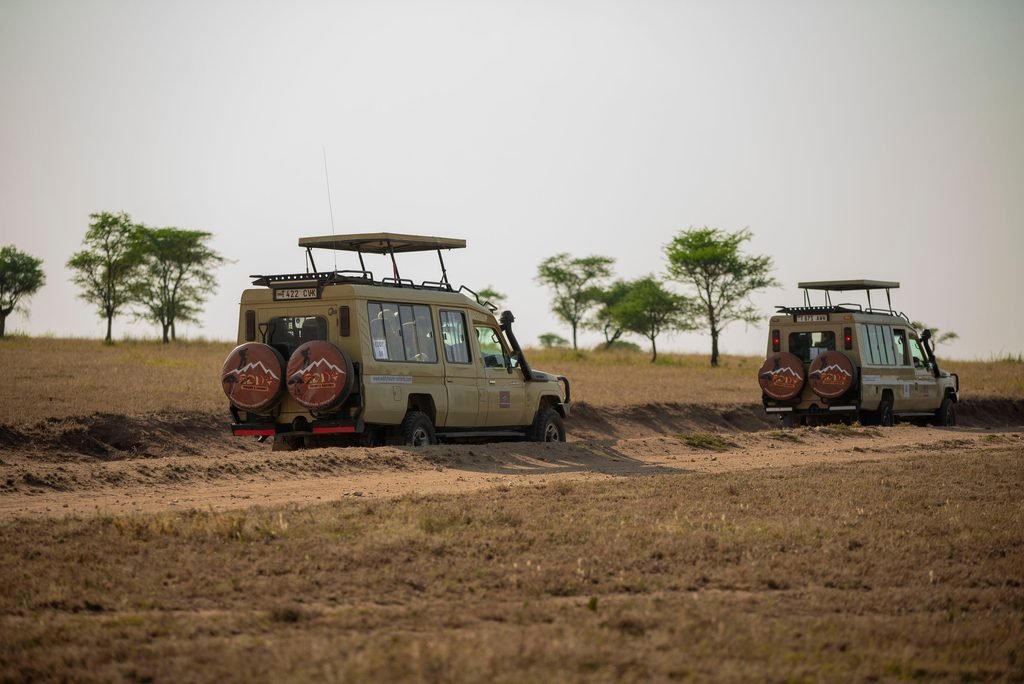
Your safari begins early in the morning when your professional driver-guide collects you from your hotel in Arusha, usually around 6:00 AM, depending on your accommodation and the final travel arrangements. After a short briefing, you leave the town and travel west towards Karatu and the Ngorongoro Conservation Area. Along the way, you pass small villages, farmland, roadside markets and the changing landscapes of northern Tanzania. The journey provides a chance to see everyday life outside the busy town of Arusha, while the scenery gradually changes from cultivated land to wooded highlands and eventually the open grasslands leading towards the Serengeti.
The drive continues through the Ngorongoro highlands, where the cooler temperatures and green surroundings provide a pleasant contrast to the dry plains further west. Depending on the weather, road conditions and available time, there may be an opportunity for a short scenic stop before continuing towards Naabi Hill Gate, one of the main entry points into Serengeti National Park. The road journey generally takes around six to eight hours or longer, including stops and park formalities. Your guide will arrange a packed lunch so that you can continue towards the park without spending too much time at restaurants along the way.
Once you enter Serengeti National Park, the afternoon becomes your first opportunity to enjoy wildlife viewing. The grasslands stretch towards the horizon, interrupted by scattered acacia trees, rocky kopjes and seasonal watercourses. Zebras and wildebeest are often among the first animals encountered, while giraffes, elephants, buffaloes and different antelope species may also be seen. Your guide will pay particular attention to places where lions are known to rest and hunt, especially around rocky areas and grasslands with good concentrations of prey. As the afternoon progresses, you continue towards your selected lodge or tented camp, arriving in time for dinner and an overnight stay.
Meals: Lunch and dinner
Accommodation: Selected Serengeti lodge or tented camp
Main activity: Scenic road transfer and afternoon game drive
Day 2: Full-Day Serengeti Safari – Exploring Lion, Leopard and Cheetah Territory
After an early breakfast, you leave your accommodation for a full day of wildlife viewing in the central Serengeti. This is the main game-drive day of your safari and provides the best opportunity to spend time looking for the park’s famous big cats. The Seronera region is particularly well known for its varied habitats, including open grasslands, riverine vegetation, rocky kopjes and seasonal water sources. These different environments attract a wide range of animals and provide suitable hunting and resting areas for predators. Your guide will plan the day’s route according to recent wildlife activity, road conditions and the areas where animals are most likely to be encountered.
The morning hours can be especially rewarding because temperatures are generally cooler and predators may still be active after the night. Lions are often seen resting together in small groups, although you may also find individuals walking through the grasslands or watching nearby herds. Leopards are more difficult to locate because they spend much of their time hidden in trees, bushes and thick vegetation. Your guide may spend time checking suitable trees and riverine areas for signs of leopard activity. Cheetahs, on the other hand, are more closely associated with open plains, where their speed gives them an advantage when hunting smaller antelopes such as Thomson’s gazelles.
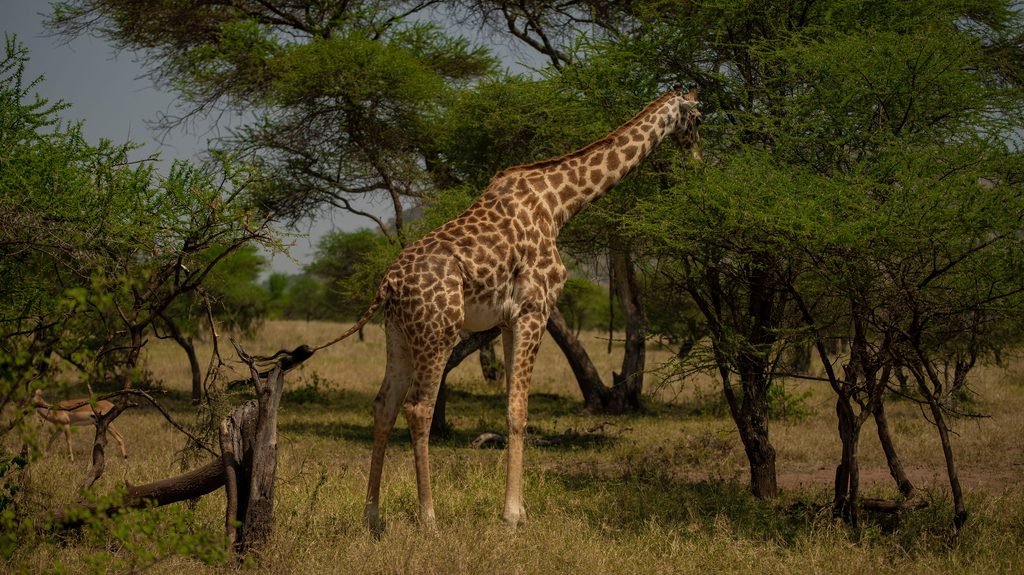
As the day continues, you explore different parts of the central Serengeti, stopping for a picnic lunch at an approved picnic area. Wildlife viewing is not limited to predators, and you may encounter large elephant families, giraffes feeding on acacia trees, buffalo herds, hyenas, jackals, hippos and numerous bird species. Your guide will explain the behavior of the animals and the relationship between predators, grazing animals and the environment. Rather than rushing from one sighting to another, the aim is to spend enough time observing wildlife naturally, whether that means watching a lion pride interacting or following the movements of a cheetah across the plains.
Later in the afternoon, you continue your game drive before returning to your accommodation. The evening provides time to relax, enjoy dinner and talk about the day’s sightings. For many travelers, this full day in the Serengeti becomes the most rewarding part of the entire trip because it offers enough time to appreciate both the animals and the landscape without constantly moving between destinations.
Meals: Breakfast, lunch and dinner
Accommodation: Selected Serengeti lodge or tented camp
Main activity: Full-day game drive in Serengeti National Park
Day 3: Morning Serengeti Game Drive and Return to Arusha
Your final day begins with an early breakfast and check-out before leaving for a morning game drive, subject to the location of your accommodation and the required departure time. The cooler morning hours offer another opportunity to look for wildlife that may have been difficult to find during the previous day. Lions may still be active around their hunting areas, while cheetahs can sometimes be seen moving through the grasslands in search of prey. Leopards are less predictable, but a patient search around suitable trees and riverine vegetation may produce a sighting. Even when the big cats remain hidden, the early morning light and wide plains provide excellent conditions for wildlife photography.
After the game drive, you begin the return journey towards Arusha, traveling through the Ngorongoro Conservation Area and the surrounding highlands. A packed lunch will be provided along the way, with short stops arranged where practical. The journey back is long, and arrival in Arusha is generally expected in the evening, depending on road conditions, park formalities and the time spent viewing wildlife. Your guide will drop you at your hotel or another agreed location in Arusha, marking the end of your three-day safari.
Travelers planning to continue to Zanzibar, Kilimanjaro International Airport or another destination should allow sufficient time between the safari and their next departure. We generally recommend avoiding tight international flight connections on the final day because road travel from the Serengeti can be affected by weather, traffic and unexpected delays. If you would like to spend more time exploring northern Tanzania, Eddy Tours & Safaris can arrange an extended itinerary with additional national parks and accommodation.
Meals: Breakfast and lunch
Accommodation: Not included after the safari unless requested
Main activity: Morning game drive and return transfer to Arusha
7 Powerful Big-Cat Moments to Look Forward to in Serengeti
1. Watching a Lion Pride Resting on the Serengeti Plains
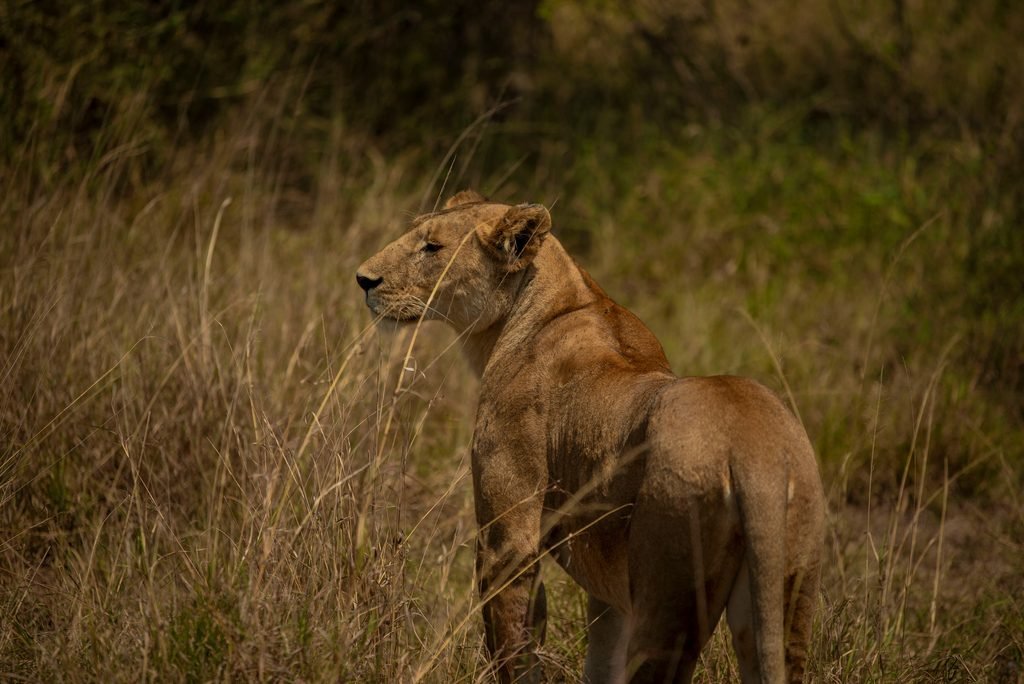
Lions are among the most sought-after animals on a Serengeti safari, and the central part of the park offers good opportunities to find them. A pride may consist of several related females, their cubs and one or more adult males. During the warmer hours, lions often rest in the shade of trees or around rocky kopjes, sometimes remaining in the same place for several hours. Watching their interactions can be just as interesting as seeing them hunt, particularly when cubs are playing or adults are grooming one another. Although lions are relatively common in suitable areas of the Serengeti, sightings depend on their movements and cannot be guaranteed.
2. Finding a Leopard Resting in an Acacia Tree
Leopards are generally more difficult to find than lions because of their solitary nature and ability to remain hidden. In the central Serengeti, they are often associated with riverine woodland, thick vegetation and large trees that provide suitable resting places. A leopard may spend hours lying on a branch, occasionally lifting its head to observe the surrounding area. Finding one requires patience and careful observation, and your guide will look for signs such as alarm calls from other animals or movement among the branches. A good leopard sighting is often one of the highlights of a short Serengeti safari.
3. Seeing a Cheetah Scanning the Open Grasslands
The Serengeti’s open plains provide suitable hunting grounds for cheetahs, which rely on speed and good visibility when pursuing prey. Unlike leopards, cheetahs are frequently found in open areas where they can watch grazing antelopes from a distance. You may see a cheetah standing on a termite mound, walking slowly through the grass or resting beneath a small tree. Watching one study its surroundings can be a memorable experience, even when no hunt takes place. The best sightings often come from allowing the animal to behave naturally without disturbing its movement.
4. Observing Lions Around the Rocky Kopjes
Kopjes are rocky formations scattered across parts of the Serengeti, and they provide important resting and observation areas for several wildlife species. Lions frequently use these elevated rocks to rest, escape the heat and observe nearby grasslands. The combination of large granite boulders, open savannah and wildlife creates some of the most recognizable scenes in the Serengeti. Your guide may visit suitable kopje areas during the game drive, where there is a possibility of finding lions resting on the rocks or moving through the surrounding vegetation.
5. Watching Predator and Prey Behavior
One of the most interesting parts of a Serengeti safari is understanding how predators and grazing animals respond to one another. A herd of gazelles may suddenly become alert when a cheetah appears nearby, while zebras and wildebeest may change direction after noticing lions in the grass. These encounters do not always lead to hunting, but they reveal how animals survive in the wild. Your guide can explain the warning calls, defensive behavior and movement patterns that help different species avoid danger. Observing these interactions provides a deeper understanding of the Serengeti ecosystem.
6. Seeing Young Lions and Their Family Interactions
When conditions are suitable, lion prides may be accompanied by cubs of different ages. Young lions are often playful, chasing one another, climbing over resting adults and practicing behaviors that later become important for hunting and survival. These family interactions provide excellent opportunities for wildlife photography and allow visitors to observe a different side of lion behavior. Cubs are not present at every sighting, and their locations change as prides move between hunting and resting areas.
7. Experiencing the Quiet Moments Between Big-Cat Sightings
Not every memorable moment in the Serengeti involves a predator chasing prey. Sometimes the most enjoyable experiences happen when the vehicle is parked at a safe distance and you simply watch the animals going about their day. A lion resting beneath a tree, a cheetah walking slowly across the plains or a leopard looking down from a branch can provide a remarkable experience without dramatic action. These quieter moments allow you to appreciate the sounds, space and natural beauty of the Serengeti, making the safari feel more personal and less rushed.
3 Days Serengeti Safari from Arusha – Package Inclusions
The following services are included in the standard private safari arrangement, subject to the final confirmed quotation:
- Private 4×4 safari Land Cruiser with a pop-up roof.
- Professional English-speaking safari driver-guide.
- Pick-up and drop-off in Arusha.
- Two nights’ accommodation in the selected lodge, tented camp or campsite.
- Meals as indicated in the daily itinerary.
- Serengeti National Park entry fees for the planned visit.
- Ngorongoro Conservation Area transit fees for the agreed route.
- Applicable accommodation concession or camping fees.
- Game drives as described in the itinerary.
- Drinking water during game drives.
- Vehicle fuel and driver-guide expenses.
- Applicable government taxes included in the confirmed package price.
- Assistance from Eddy Tours & Safaris during the safari.
3 Days Serengeti Safari from Arusha – Package Exclusions
The following services are not included unless specifically stated in your booking confirmation:
- International and domestic flights.
- Tanzania visa fees.
- Travel insurance and medical insurance.
- Accommodation before and after the safari.
- Airport transfers not specified in the confirmed itinerary.
- Alcoholic drinks, premium beverages and additional refreshments.
- Tips for the safari driver-guide and lodge staff.
- Laundry services, souvenirs and personal shopping.
- Optional hot-air balloon safari.
- Maasai village visits or other cultural activities.
- Additional park fees caused by itinerary changes requested by guests.
- Any service or activity not mentioned under package inclusions.
Best Time to Book a 3 Days Serengeti Safari from Arusha
Serengeti National Park can be visited throughout the year, although the wildlife experience changes with rainfall, grass conditions and seasonal animal movements. From June to October, much of northern Tanzania experiences relatively dry conditions, which can make animals easier to observe around permanent water sources and areas with shorter vegetation. The months from November to May bring varying amounts of rainfall, greener landscapes and different wildlife movements. The central Serengeti remains an important wildlife area throughout the year because many animals, including resident lion prides, do not depend entirely on the seasonal migration.
Travelers interested in the Great Wildebeest Migration should understand that the herds move across a large ecosystem and do not remain in one location throughout the year. The southern Serengeti and Ndutu region are often associated with calving during the early months of the year, while the western and northern areas become important during other parts of the migration cycle. A three-day safari focused on central Serengeti is primarily designed for general wildlife viewing and big-cat encounters rather than following the migration across distant regions. If migration viewing is your main priority, consider the 4 Days Serengeti Great Wildebeest Migration Safari, which allows more time to reach areas where the herds may be concentrated.
For official park information, wildlife details and travel guidance, visitors can consult Tanzania National Parks Authority. The authority provides information about the park, its conservation work and visitor requirements.
Accommodation Options During Your Serengeti Safari
Accommodation is an important part of planning a three-day Serengeti safari because the location of your camp or lodge affects the amount of time available for game drives. Budget travelers may choose public campsites with basic facilities, while those looking for additional comfort can stay in permanent tented camps or safari lodges. Mid-range camps generally provide comfortable beds, private bathrooms and meals in a dining area, while luxury properties may offer larger rooms, additional services and more private surroundings.
For a short safari, accommodation in the central Serengeti or around the Seronera area is often a practical choice because it provides access to several wildlife habitats without requiring long daily transfers. The exact property will depend on your travel dates, preferred comfort level and availability. When booking with Eddy Tours & Safaris, you can request budget, mid-range or luxury options, and the proposed accommodation will be identified in your quotation before you confirm the trip.
How Much Does a 3 Days Serengeti Safari from Arusha Cost?
The cost of a three-day Serengeti safari depends on several factors, including the number of travelers, accommodation category, travel season and whether you prefer a private or shared safari. A private safari for two travelers normally costs more per person than a safari for four or six people because the vehicle, fuel and guide expenses are shared among fewer guests. Accommodation also makes a considerable difference, particularly when comparing public camping with comfortable tented camps or luxury lodges inside the park.
The final price should clearly identify the services included, especially park entry fees, accommodation charges, transport, meals and applicable government fees. These costs can change, so it is better to request a quotation based on your actual travel dates rather than relying on an old advertised rate. You can review official visitor information and fee guidance through Tanzania National Parks Authority before booking.
To receive a personalized quotation, contact Eddy Tours & Safaris with your preferred departure date, number of travelers and accommodation choice.
Can You Combine a Serengeti Safari with Kilimanjaro Climbing?
Yes. Many travelers visiting northern Tanzania combine a wildlife safari with a Mount Kilimanjaro climbing trip. Arusha and Moshi are useful starting points for these activities, making it possible to plan a longer holiday that includes both the Serengeti plains and Africa’s highest mountain. However, climbing Kilimanjaro requires several days of hiking, proper preparation and enough time for acclimatization, so it should be planned separately from the three-day safari.
Travelers interested in climbing can explore route information and mountain preparation through Kilimanjaro Climb Specialist. Popular climbing routes include Machame, Lemosho, Marangu and Rongai, each offering different walking conditions, scenery and trip durations. A common approach is to complete the mountain climb first, spend some time resting and then enjoy a Serengeti safari before returning home. The order can also be reversed depending on your schedule and personal preferences.
What to Pack for Your 3 Days Serengeti Safari
Packing for a short Serengeti safari is fairly straightforward because most of your time will be spent inside the safari vehicle or at your accommodation. Comfortable clothing in neutral colors is suitable for game drives, while a light jacket or sweater is useful for cooler mornings and evenings. Sunglasses, sunscreen, a wide-brimmed hat and comfortable shoes are also recommended. Travelers interested in photography should carry a camera with a suitable zoom lens, spare batteries and enough storage space for wildlife photographs.
Binoculars can make a significant difference when watching animals at a distance, particularly leopards resting in trees or cheetahs moving across open grasslands. You should also carry personal medication, insect repellent, a small day bag and any necessary travel documents. The Serengeti is a protected wildlife area, so visitors should follow their guide’s instructions, remain inside the vehicle during game drives unless stopping at an approved location, and avoid feeding or disturbing animals.
Frequently Asked Questions About the 3 Days Serengeti Safari from Arusha
Is three days enough to visit Serengeti National Park?
Three days can provide a rewarding introduction to Serengeti National Park, especially when both nights are spent in the central Serengeti. You will have an afternoon game drive on arrival, a full day of wildlife viewing and a shorter morning game drive before returning to Arusha. However, the road journey is long, so travelers who want a slower pace or more time for photography may prefer a four-day or five-day safari.
Can I see lions, leopards and cheetahs during this safari?
Serengeti National Park is one of Tanzania’s best-known destinations for big-cat viewing, and all three species are found in the park. Lions are often easier to locate than leopards, while cheetahs are commonly associated with open grasslands. Sightings depend on animal movements, weather and other natural conditions, so no responsible safari operator can guarantee that you will see every species during a short visit.
Is the safari suitable for children and families?
Yes, the safari can be arranged for families with children, although parents should consider the long road transfers between Arusha and the Serengeti. A private safari is often a good choice because it allows greater flexibility with stops, meal arrangements and game-drive duration. Families traveling with younger children can also request suitable accommodation and discuss alternative travel arrangements before booking.
Can I book a private 3 Days Serengeti Safari?
Yes. This itinerary is designed as a private safari, with a dedicated vehicle and driver-guide for your group. A private arrangement allows you to spend more time at sightings that interest you, whether you enjoy photography, birdwatching or observing big cats. Shared departures may also be available on selected dates, subject to confirmation.
Is a hot-air balloon safari included?
No. A hot-air balloon safari is an optional activity and is not included in the standard three-day package. It can sometimes be arranged at an additional cost, depending on availability, the location of your accommodation and the operator’s departure arrangements. Because the three-day itinerary already includes substantial road travel, any balloon activity should be discussed before the itinerary is confirmed.
What happens if it rains during the safari?
Game drives generally continue during periods of light or moderate rain, provided that road and weather conditions remain safe. Heavy rainfall may affect certain tracks or require your guide to adjust the route. Wildlife viewing remains possible during the rainy season, and the greener landscapes can be particularly attractive for photography. Your guide will make practical decisions based on safety, park regulations and local conditions.
Why Book Your Serengeti Safari with Eddy Tours & Safaris?
Booking with a local Tanzania safari company makes it easier to discuss your itinerary directly with people familiar with the destinations you want to visit. Eddy Tours & Safaris is based in Arusha and arranges wildlife safaris, Kilimanjaro climbing trips and other travel experiences across Tanzania. The team can help you choose accommodation, understand the driving distances and prepare a safari that matches your travel dates and budget.
For a three-day Serengeti safari, careful planning is particularly important because you have limited time in the park. Choosing suitable accommodation, leaving Arusha early and concentrating on the central Serengeti can help you enjoy more wildlife viewing without unnecessary travel between distant destinations. Whether you are interested in photographing lions, watching cheetahs on the plains or simply spending time in the African bush, the itinerary can be adjusted to suit your interests.
Book Your Updated 3 Days Serengeti Safari from Arusha
The 3 Days Serengeti Safari from Arusha is a good choice for travelers who want to experience the famous Serengeti plains without committing to a longer holiday. From the first views of the open grasslands to the excitement of finding lions, leopards and cheetahs in their natural habitat, the journey offers a close look at Tanzania’s wildlife and landscapes. With two nights in the park and guided game drives, you have the opportunity to enjoy the Serengeti at a comfortable pace while making the most of your available time.
To plan your safari, contact Eddy Tours & Safaris and share your preferred travel dates, number of travelers and accommodation requirements. Our team will help you arrange a suitable itinerary and provide a detailed quotation before you confirm your booking.
Email: sales@eddytours-safaris.com
WhatsApp: +255 711 906 664
Website: https://eddytours-safaris.com/
Contact and Booking: https://eddytours-safaris.com/contact/
Explore the Serengeti with Eddy Tours & Safaris – Your Local Safari Company in Arusha, Tanzania.