
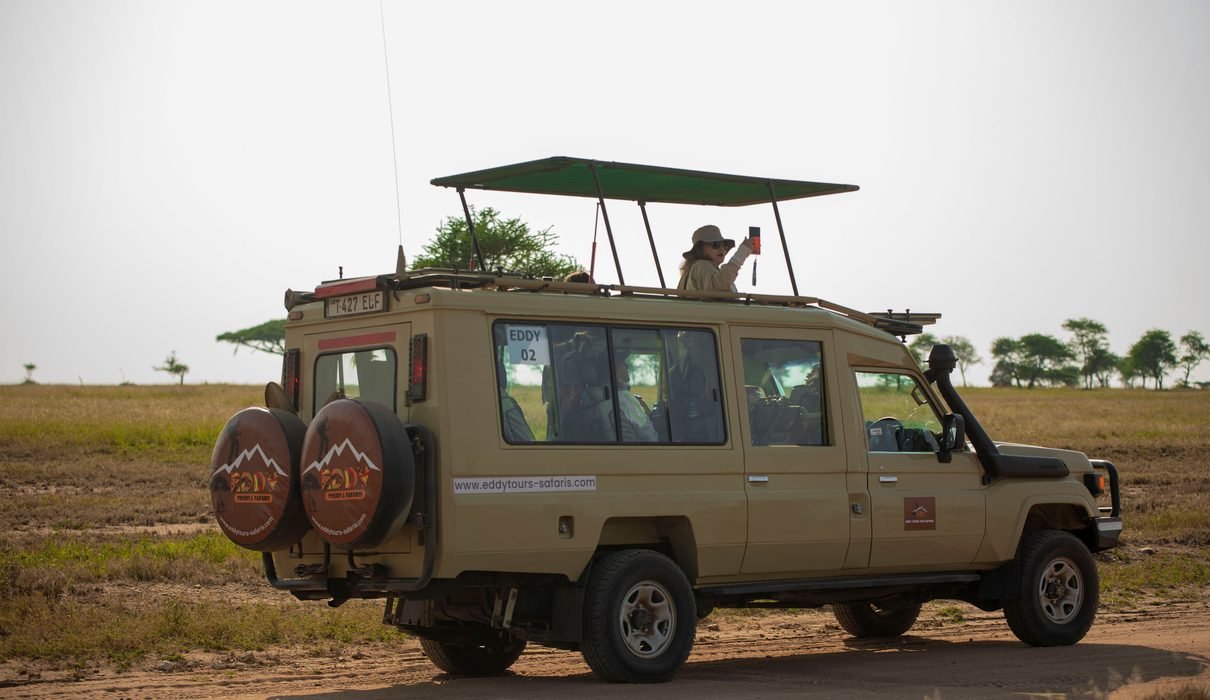
A 3-day Tanzania safari tour from Arusha is one of the easiest ways to explore northern Tanzania’s wildlife without spending a full week on safari. In just three days, you can visit Tarangire National Park, Ngorongoro Crater and Lake Manyara National Park, three beautiful wildlife destinations that offer different landscapes and animal-viewing experiences. From large elephant herds walking among baobab trees to lions resting in the grasslands of Ngorongoro, this short safari gives you a good introduction to Tanzania’s wildlife.
Arusha is the main starting point for safaris in northern Tanzania. Its location makes it convenient for travelers who want to visit several national parks within a few days. Whether you are arriving at Kilimanjaro International Airport, staying in Arusha, or finishing a Mount Kilimanjaro climb, a three-day safari can fit comfortably into a longer Tanzania holiday.
This safari is suitable for couples, families, solo travelers and small groups. It can be arranged as a private tour or a group-joining safari, depending on your budget and preferred travel style. Accommodation options range from simple campsites and budget lodges to comfortable mid-range and luxury lodges.
At Eddy Tours & Safaris, we organize Tanzania wildlife safaris starting from Arusha and Moshi. Our three-day itinerary focuses on giving travelers enough time to enjoy the parks while keeping driving distances manageable. If you have more time, you can also explore our Tanzania safari packages and choose a longer journey that includes Serengeti National Park.
3-Day Tanzania Safari from Arusha – Tour Overview
| Safari details | Information |
|---|---|
| Safari package | Best 3-Day Tanzania Safari from Arusha |
| Starting point | Arusha, Tanzania |
| Ending point | Arusha, Tanzania |
| Duration | 3 days and 2 nights |
| Destinations | Tarangire, Ngorongoro Crater and Lake Manyara |
| Safari activities | Wildlife game drives and photography |
| Accommodation | Budget, mid-range or luxury |
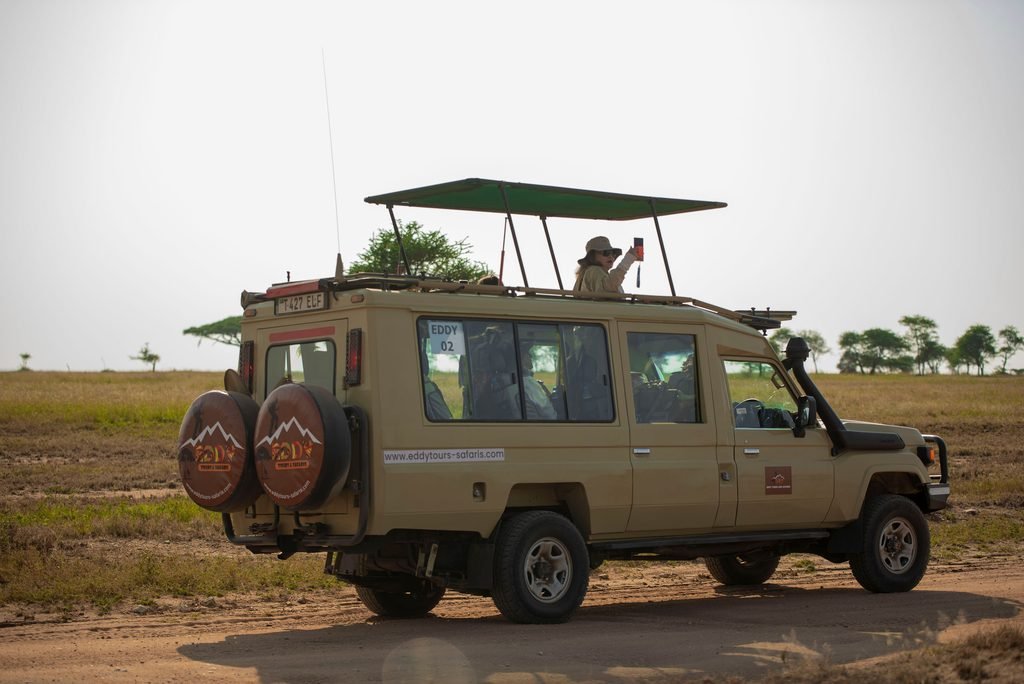
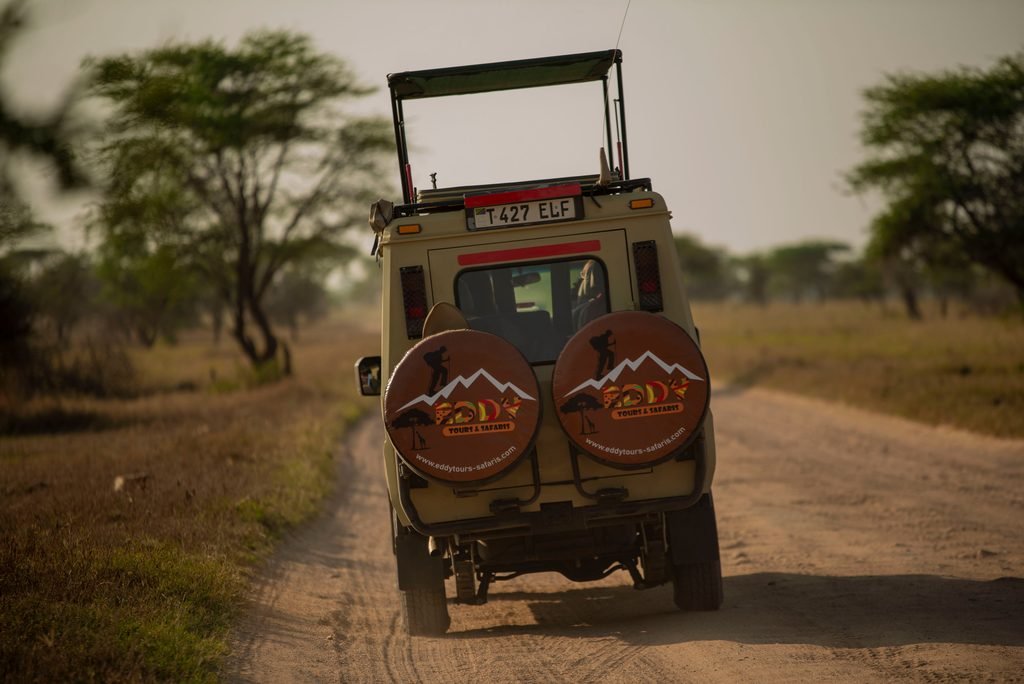
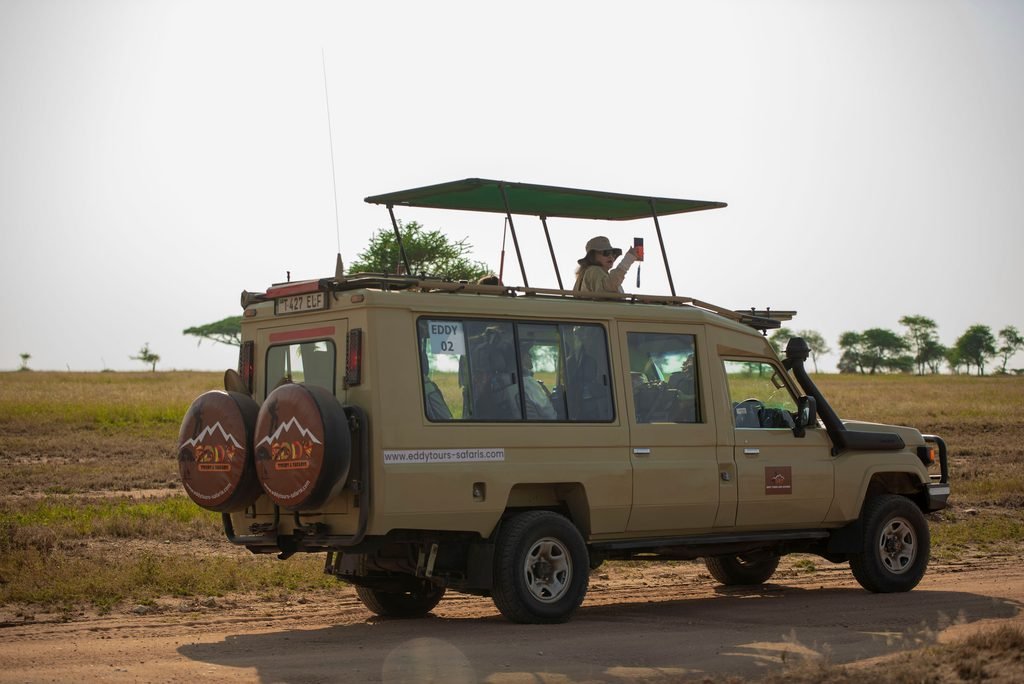
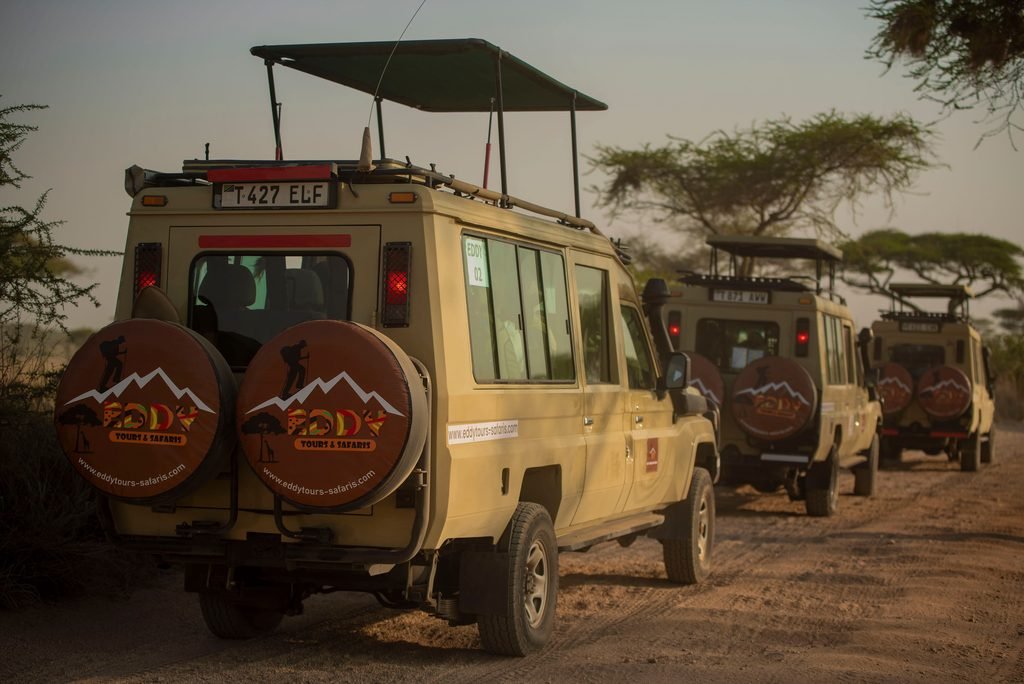
| Transport | 4×4 safari vehicle with a pop-up roof, subject to booking |
| Tour type | Private safari or group joining |
| Best travel period | Year-round |
| Travel years | 2027 and 2028 |
| Price | Available on request |
| Guide | Professional safari driver-guide |
This safari begins and ends in Arusha. Travelers arriving from other destinations can request additional transfers and accommodation when booking.
Why Choose a 3-Day Tanzania Safari from Arusha?
A three-day safari is a practical option for travelers who want to experience Tanzania’s wildlife but have limited holiday time. Instead of spending several days traveling to distant parks, this itinerary focuses on three destinations within the northern safari circuit. The route allows you to explore different habitats, including Tarangire’s open savannah, the grasslands of Ngorongoro Crater and the forests surrounding Lake Manyara.
Another advantage is the variety of wildlife. Tarangire is especially famous for elephants, while Ngorongoro Crater supports large populations of grazing animals and several predators. Lake Manyara adds a different environment, with groundwater forests, wetlands, lakeside scenery and a wide range of birds. Visiting these destinations gives travelers an opportunity to understand how wildlife changes across northern Tanzania’s different landscapes.
The itinerary also works well for travelers who have completed a mountain expedition. If you are planning to climb Kilimanjaro before your safari, you can explore the available routes through Kilimanjaro Climb Specialist and then arrange a wildlife safari after allowing suitable recovery time.
For travelers who prefer a longer wildlife experience, Eddy Tours & Safaris also offers Tanzania safari itineraries that include Serengeti National Park and other destinations.
Complete 3-Day Tanzania Safari Itinerary from Arusha
The following itinerary covers three days of wildlife viewing, with two nights spent near the national parks. The order of destinations can be adjusted according to accommodation availability, road conditions and the final arrangements confirmed before departure.
Day 1: Arusha to Tarangire National Park – Elephant Safari and Baobab Landscapes
Destination: Tarangire National Park
Driving time from Arusha: Approximately 2.5–3 hours
Main activities: Game drive, wildlife photography and picnic lunch
Accommodation: Lodge or campsite near Tarangire, Mto wa Mbu or Karatu
Meals: Lunch and dinner, subject to package arrangements
Your safari begins in Arusha, where your driver-guide collects you from your hotel in the morning. After a short introduction to the itinerary, you leave the city and travel southwest toward Tarangire National Park. The journey passes through local settlements, farmland and open countryside, giving you an opportunity to see everyday life outside Arusha before reaching the national park.
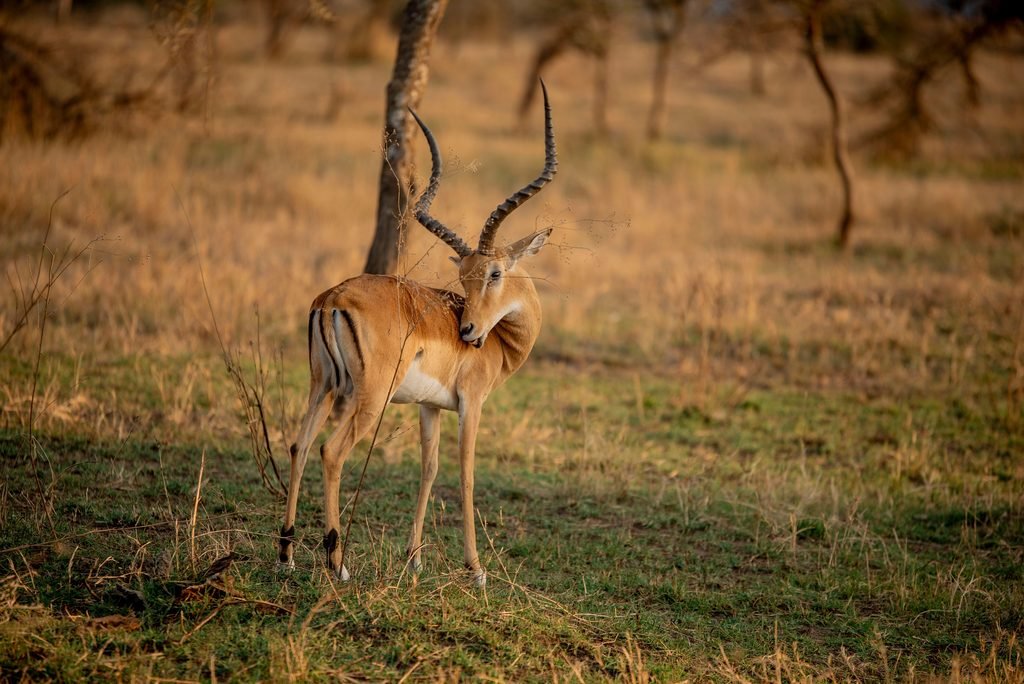
After arriving at Tarangire, your guide completes the park entrance procedures and begins the first game drive. The park is known for its large elephant population, old baobab trees and open savannah landscapes. During the drive, you may encounter elephants feeding beneath trees, giraffes moving across the plains, zebras, wildebeest, impalas and buffaloes. Lions are also present in the park, although their location and visibility depend on wildlife movements and the day’s conditions.
One of Tarangire’s most interesting features is the Tarangire River, which becomes especially important during the dry season. As water becomes less available in the surrounding areas, animals may gather near the river and other remaining water sources. Your guide will explore suitable wildlife-viewing areas, stopping whenever there is an interesting animal sighting or a good opportunity for photography.
Around midday, you stop at an appropriate picnic area for lunch before continuing with the afternoon game drive. Tarangire’s landscape changes throughout the park, with wooded areas, open grassland, riverine vegetation and large baobab trees creating different settings for wildlife viewing. Travelers interested in birds may also enjoy seeing hornbills, rollers, eagles and other species that live in the park.
In the late afternoon, you leave Tarangire and travel to your accommodation. Depending on the selected package, you may stay near Tarangire, in Mto wa Mbu or around Karatu. After checking in, you can relax, enjoy dinner and prepare for the following day’s visit to Ngorongoro Crater.
For more information about the park’s wildlife, access and visitor arrangements, see the official Tarangire National Park visitor guide.
Day 2: Ngorongoro Crater – Full Wildlife Safari Experience
Destination: Ngorongoro Crater
Main activities: Crater game drive, wildlife viewing and photography
Accommodation: Lodge or campsite in Karatu or the surrounding area
Meals: Breakfast, lunch and dinner, subject to package arrangements
After an early breakfast, you leave your accommodation and travel toward the Ngorongoro Conservation Area. As the road climbs into the highlands, the landscape becomes greener and cooler, with beautiful views across the surrounding hills and valleys. Depending on weather conditions, your guide may stop at a designated viewpoint where you can see the enormous Ngorongoro Crater stretching across the landscape below.
Ngorongoro Crater is one of Tanzania’s most famous wildlife destinations. It is a large volcanic caldera containing grasslands, wetlands, woodland and freshwater areas that support many different animals. The crater is particularly attractive for short safaris because its relatively compact wildlife-viewing area provides opportunities to see several species during a single visit.
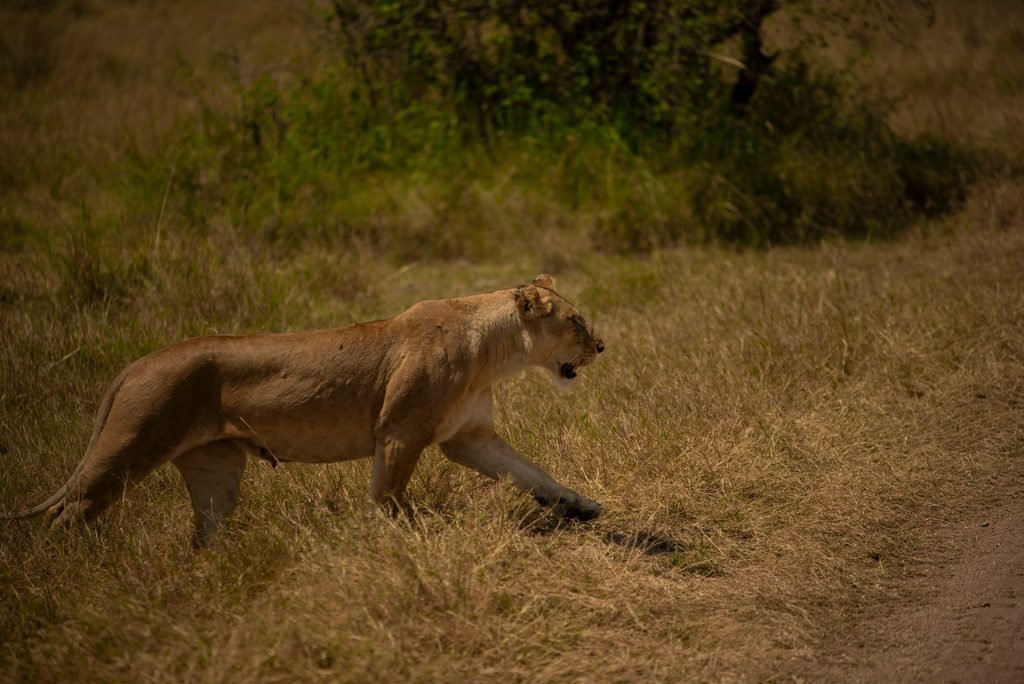
After completing the required entry procedures, your guide drives down the crater access road toward the floor. Once inside, the game drive begins across the open grasslands, where you may see wildebeest, zebras, buffaloes, gazelles and other grazing animals. Lions and spotted hyenas are also found in the crater, while elephants are sometimes seen in wooded sections and other suitable habitats.
Ngorongoro is also one of the places in Tanzania where visitors may have an opportunity to see black rhinoceroses. However, these animals are not always easy to locate, and sightings cannot be guaranteed. Your guide will use knowledge of the area and current wildlife movements to explore suitable locations while following the conservation area’s regulations.
During the day, you stop for a picnic lunch at a designated area before continuing the game drive. The crater’s wetlands and freshwater areas may attract hippos and different bird species, while its open plains provide excellent opportunities for observing grazing animals and predators. The variety of habitats makes Ngorongoro an interesting destination for both first-time safari visitors and experienced wildlife photographers.
After completing the permitted crater visit, you ascend from the crater floor and return to your accommodation. The evening is free for dinner and rest before the final safari day at Lake Manyara National Park.
You can learn more about wildlife activities and visitor experiences through the official Ngorongoro Conservation Area Authority.
Day 3: Lake Manyara National Park – Wildlife Safari and Return to Arusha
Destination: Lake Manyara National Park
Main activities: Game drive, birdwatching and scenic photography
Final destination: Arusha
Meals: Breakfast and lunch, subject to package arrangements
After breakfast, you leave your accommodation and travel toward Lake Manyara National Park. The park lies at the base of the Great Rift Valley escarpment and is known for its mixture of forest, open grassland, wetlands and lakeside habitats. Although it is smaller than some of Tanzania’s other northern wildlife destinations, Lake Manyara offers a different safari environment and is a good place to complete a three-day itinerary.
Your game drive begins in the forested sections near the park entrance, where tall trees and thick vegetation create a cooler environment. These forests support monkeys, baboons and a variety of bird species. As you continue through the park, the scenery opens toward grassland and wetland areas, where you may encounter elephants, buffaloes, giraffes, zebras and antelopes.
Lake Manyara is also known for its tree-climbing lions. While lions have been observed resting in trees within the park, sightings are uncommon and depend on their movements. Visitors should therefore enjoy the full range of wildlife and landscapes rather than planning the day around seeing one particular animal.
Birdwatching is another highlight of Lake Manyara. The park supports many bird species, including waterbirds, raptors and forest birds. Depending on seasonal water levels and local conditions, visitors may see flamingos and other birds around suitable lakeside areas. Your guide will explore the accessible wildlife-viewing roads while allowing time for photography and observation.
After the game drive, you stop for lunch according to the day’s arrangements and begin the return journey to Arusha. The drive takes you through the northern Tanzania countryside, passing villages and agricultural areas before reaching the city in the late afternoon. Your guide drops you at your hotel or another agreed location, marking the end of your three-day Tanzania safari.
Travelers who want to learn more about the park can visit the official Lake Manyara National Park visitor guide.
3-Day Tanzania Safari Itinerary Summary
| Day | Destination | Main experience | Overnight |
|---|---|---|---|
| Day 1 | Arusha – Tarangire | Elephant viewing, baobab trees and game drives | Near Tarangire, Mto wa Mbu or Karatu |
| Day 2 | Ngorongoro Crater | Crater wildlife safari and photography | Karatu or nearby |
| Day 3 | Lake Manyara – Arusha | Forest wildlife, birdwatching and return transfer | End of safari |
Wildlife You May See During Your Three-Day Safari
One of the main reasons travelers choose a three-day Tanzania safari is the opportunity to see many different animals within a short period. Tarangire, Ngorongoro Crater and Lake Manyara support a wide variety of wildlife, although sightings depend on the season, weather, habitat conditions and animal movements.
Elephants are among the main attractions in Tarangire, particularly when herds move through the park’s open landscapes and river areas. Ngorongoro Crater provides opportunities to see large grazing animals, lions, hyenas and possibly black rhinoceroses. Lake Manyara adds forest wildlife, birds and animals that use the park’s wetland and grassland habitats.
Wildlife photography is possible throughout the itinerary, especially when animals are close enough to observe safely from the safari vehicle. Your guide will position the vehicle where permitted and allow reasonable time for photography. However, no tour operator can guarantee sightings of specific animals, including the Big Five.
Best Time for a 3-Day Tanzania Safari from Arusha
This safari can be arranged throughout the year, but the experience changes with the seasons. From June to October, northern Tanzania generally experiences drier conditions, and wildlife may become easier to observe in some areas as animals gather near available water sources. Tarangire is particularly popular during this period because of its elephant herds and seasonal wildlife movements.
From November to May, the landscape is generally greener, although rainfall varies between months and locations. The wet season can be attractive for travelers interested in birds, photography and green scenery. Some roads may become muddy during heavy rain, and your guide may need to adjust the game drive according to local conditions.
January and February can also be pleasant months for wildlife viewing, with a mixture of green landscapes and warm weather. However, no month guarantees a particular animal sighting, and conditions should always be considered when choosing travel dates.
For travelers planning a safari in 2027 or 2028, it is advisable to confirm the itinerary, accommodation and park fees before booking. Seasonal differences may also affect lodge availability and the total safari price.
How Much Does a 3-Day Tanzania Safari from Arusha Cost?
The cost of a three-day Tanzania safari depends on the number of travelers, accommodation category, vehicle arrangements, park fees and whether the tour is private or shared. A group-joining safari may cost less per person because travelers share transport and guiding expenses. Private safaris generally offer more flexibility but may cost more, particularly for solo travelers or couples.
Accommodation is another important factor. Budget safaris may use campsites or simple lodges, while mid-range packages usually include comfortable lodge accommodation. Luxury packages can include higher-end properties with additional services, depending on availability and the confirmed itinerary.
For 2027 and 2028, exact prices should be requested through a written quotation because accommodation rates, park charges and operating costs may change. You can review other available options on the Eddy Tours & Safaris Tanzania safari page or contact our team for a personalized quotation.
Private Safari or Group-Joining Safari: Which Is Better?
A private safari is suitable for couples, families and travelers who want greater flexibility over their daily schedule. You travel with your own safari driver-guide and can discuss photography stops, departure times and other arrangements within the park regulations. This option is particularly useful for families with children or travelers who prefer a quieter experience.
A group-joining safari is a practical choice for solo travelers and visitors who want to share the main safari costs. Guests travel together in a safari vehicle and follow a planned itinerary. Although there is less flexibility than on a private safari, joining tours can provide good value and an opportunity to meet other travelers.
If you are interested in a shared departure, you can explore our 3-day Tanzania joining safari and request availability for your preferred dates.
Accommodation Options During the Safari
Accommodation for this itinerary can be arranged according to your budget and preferred level of comfort. Budget options may include public campsites or simple guesthouses, while mid-range accommodation generally provides private rooms, comfortable beds and meals at the property. Luxury lodges offer additional comfort and services, although the exact facilities vary between properties.
For a three-day itinerary, the location of your accommodation matters because it affects the amount of time spent driving between destinations. Staying around Mto wa Mbu or Karatu can be convenient for visiting Ngorongoro Crater and Lake Manyara, while accommodation near Tarangire may be suitable after the first day’s game drive.
Eddy Tours & Safaris can recommend accommodation according to your travel dates and budget. The final lodge or campsite names will be provided in your quotation, subject to availability.
What Is Included in the 3-Day Tanzania Safari Package?
A typical three-day safari package includes transport in a suitable safari vehicle, the services of a professional driver-guide, the required park entrance arrangements, game drives, accommodation and meals specified in the itinerary. Drinking water may also be provided during the safari, depending on the confirmed package.
Before booking, ask for a written quotation that clearly explains the included services. This is especially important when comparing budget, mid-range and luxury options because accommodation standards and meal arrangements can differ considerably.
Common Package Inclusions
- Safari transport in a 4×4 vehicle, as specified in the quotation.
- Professional safari driver-guide.
- Park entrance and crater-related fees included in the confirmed price.
- Two nights of accommodation.
- Meals specified in the itinerary.
- Scheduled game drives.
- Drinking water, where included.
- Pick-up and drop-off in Arusha.
Common Package Exclusions
International flights, Tanzania visa fees, travel insurance, personal expenses, alcoholic drinks, guide tips, optional activities and accommodation before or after the safari are generally excluded unless the quotation states otherwise.
What Should You Pack for a Three-Day Tanzania Safari?
Packing for a short safari is straightforward, but a few useful items can make the experience more comfortable. Lightweight clothing in neutral colors is practical for daytime game drives, while a warm jacket or sweater is useful during cool mornings, particularly around the Ngorongoro Highlands. Comfortable shoes are recommended for traveling between the vehicle, accommodation and designated visitor areas.
A camera or smartphone with sufficient storage is useful for wildlife photography, while binoculars can help you observe animals and birds at a distance. Sunscreen, sunglasses, a hat and personal medication should also be included in your day bag. During the rainy season, a lightweight waterproof jacket can be helpful.
Travelers should carry a valid passport or other required identification and keep important booking documents accessible. Your guide will explain the relevant park regulations, including the importance of remaining inside the vehicle in wildlife areas unless stopping at a designated location.
Can You Combine a Three-Day Safari with Kilimanjaro Climbing?
Yes. A three-day safari is a popular addition to a Mount Kilimanjaro climbing holiday. Many travelers spend six to nine days climbing Kilimanjaro before continuing to Tarangire, Ngorongoro Crater and Lake Manyara. This combination allows visitors to experience both Tanzania’s mountain scenery and wildlife destinations during the same trip.
If you are planning a climb, you can explore route information and climbing arrangements through Kilimanjaro Climb Specialist. After the mountain, Eddy Tours & Safaris can help arrange your wildlife safari from Arusha or Moshi, allowing suitable recovery time between activities.
Travelers with additional days may prefer a longer safari that includes Serengeti National Park. You can compare options through our Tanzania safari collection.
Frequently Asked Questions About the 3-Day Tanzania Safari from Arusha
1. Is three days enough for a Tanzania safari?
Yes. Three days is enough to visit Tarangire, Ngorongoro Crater and Lake Manyara, although a longer safari allows more time for wildlife viewing.
2. Where does the safari start?
The safari starts in Arusha, Tanzania.
3. Where does the safari end?
The tour ends in Arusha after the Lake Manyara game drive.
4. Which parks are included?
Tarangire National Park, Ngorongoro Crater and Lake Manyara National Park.
5. Can I see the Big Five?
You may see several Big Five species, but sightings of all five are not guaranteed.
6. Is the safari suitable for families?
Yes. The itinerary can be arranged for families, subject to suitable accommodation and travel arrangements.
7. Can solo travelers join the safari?
Yes. Group-joining options may be available for solo travelers.
8. Is a private safari available?
Yes. Private safari arrangements can be requested.
9. How far is Tarangire from Arusha?
The drive commonly takes approximately 2.5–3 hours, depending on traffic and road conditions.
10. Can I see elephants in Tarangire?
Tarangire is well known for elephants, although sightings depend on their movements.
11. Are lions found in Ngorongoro Crater?
Yes. Lions live in the Ngorongoro Crater, but individual sightings are not guaranteed.
12. Can I see rhinos in Ngorongoro?
Black rhinoceroses occur in the crater, but they can be difficult to locate.
13. Are there tree-climbing lions in Lake Manyara?
Yes. Lake Manyara is known for this behavior, although sightings are uncommon.
14. What is the best time for this safari?
The safari is available year-round, with June to October commonly popular for drier conditions.
15. Is the safari available during the rainy season?
Yes. Game drives can be arranged during the rainy season, although weather may affect road conditions.
16. What accommodation is available?
Budget campsites, mid-range lodges and luxury accommodation can be arranged according to availability.
17. Are meals included?
Meals are normally included according to the confirmed itinerary and quotation.
18. Is airport pick-up included?
Airport transfers can be arranged, but inclusion depends on the package purchased.
19. Can I start the safari from Moshi?
Yes. A departure from Moshi can be requested, although transfer arrangements and costs may differ.
20. Can I add Serengeti National Park?
Yes, but adding Serengeti is generally better suited to a longer itinerary.
21. Do I need travel insurance?
Travel insurance is strongly recommended for international travel and safari activities.
22. What should I wear on safari?
Comfortable, lightweight clothing, practical shoes, a hat and a warm layer for cooler mornings are recommended.
23. Can I book this safari for 2027?
Yes. You can request a quotation and discuss suitable travel dates for 2027.
24. Can I book the safari for 2028?
Yes. Future travel arrangements can be discussed, subject to confirmed prices and availability.
25. How do I book with Eddy Tours & Safaris?
You can contact the company through its website, email or WhatsApp and provide your travel dates, group size and accommodation preference.
Book Your 3-Day Tanzania Safari from Arusha with Eddy Tours & Safaris
A three-day Tanzania safari from Arusha is an excellent option for travelers who want to see different wildlife destinations without spending too much time on the road. Tarangire offers large elephant herds and baobab landscapes, Ngorongoro Crater provides opportunities to observe many animals within a remarkable volcanic setting, and Lake Manyara adds forests, birds and beautiful views of the Great Rift Valley.
Whether you are planning a budget safari, a private family holiday or a comfortable lodge safari, Eddy Tours & Safaris can help you organize a trip that matches your available time and preferred travel style. Our team can discuss accommodation options, safari transport, park arrangements and the final itinerary before providing a detailed quotation.
Plan your 3-day Tanzania safari for 2027 or 2028 today.
Contact: Eddy Tours & Safaris
WhatsApp: +255 711 906 664
Email: sales@eddytours-safaris.com