
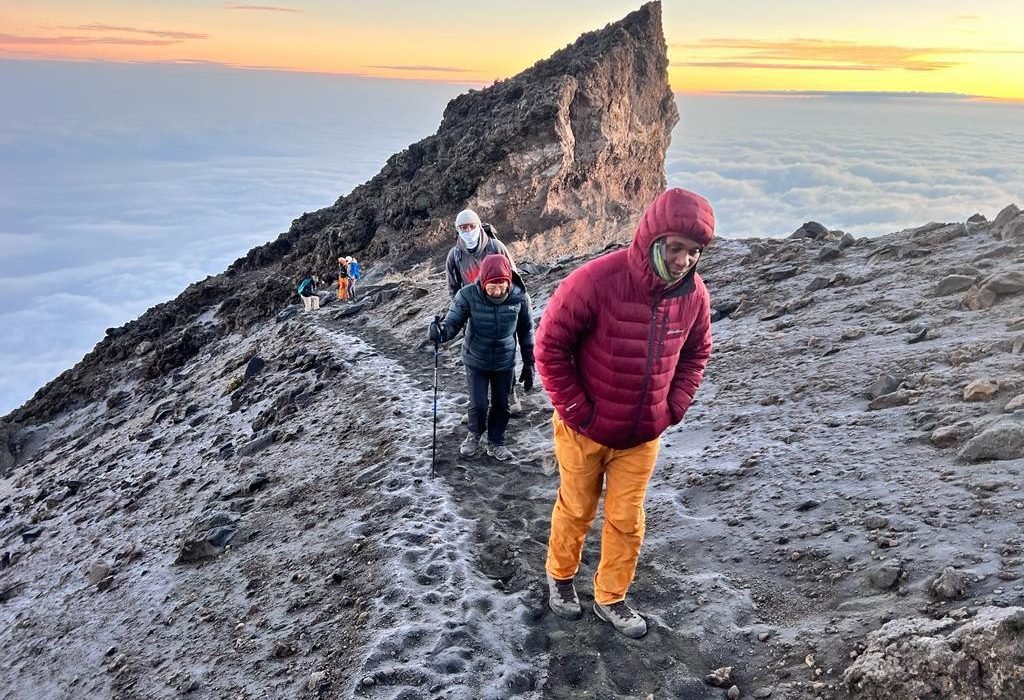
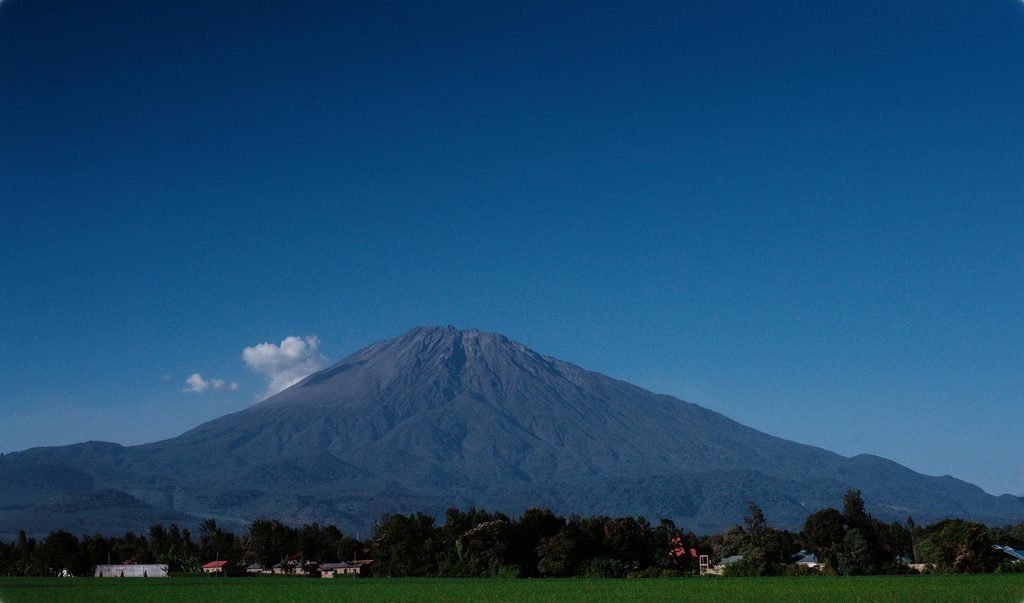
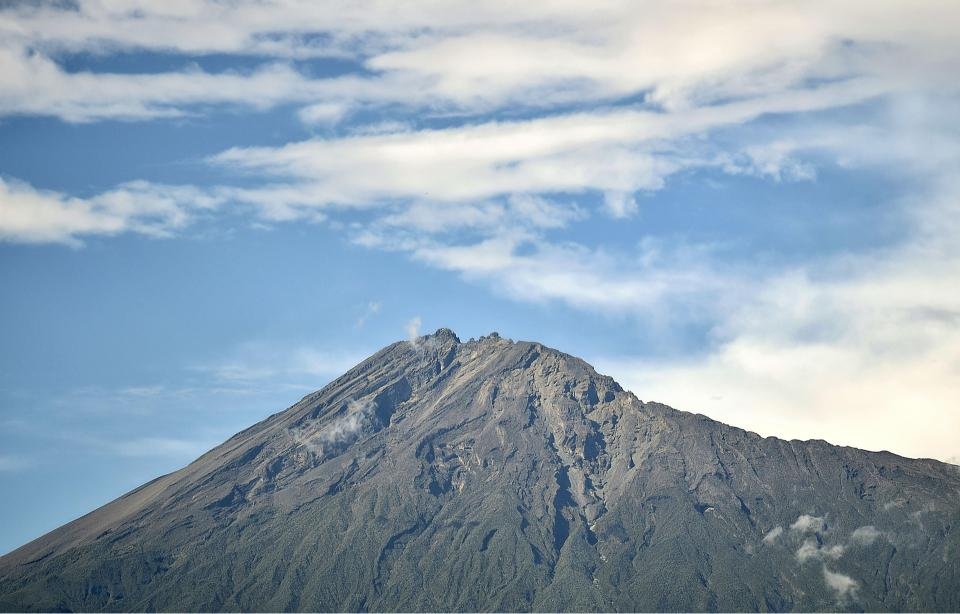
Mount Meru is one of Tanzania’s most impressive mountain climbing destinations, offering a combination of wildlife, mountain forests, volcanic landscapes, and challenging high-altitude trekking. Standing at approximately 4,566 metres (14,980 feet) above sea level, Mount Meru is Tanzania’s second-highest mountain after Mount Kilimanjaro. The mountain is located inside Arusha National Park, a short drive from Arusha town, making it an excellent choice for travellers who want to experience mountain climbing without travelling far from northern Tanzania’s main tourism centre.
The 4 Days Mount Meru Climb follows the established Momella Route, taking climbers through open grasslands, thick forests, mountain vegetation, and rocky volcanic ridges before reaching Socialist Peak. Unlike many mountain climbing routes in Tanzania, Mount Meru offers opportunities to encounter wildlife during the lower sections of the trek. Giraffes, buffaloes, monkeys, and several bird species inhabit the surrounding national park, making the first part of the journey particularly interesting for nature lovers.
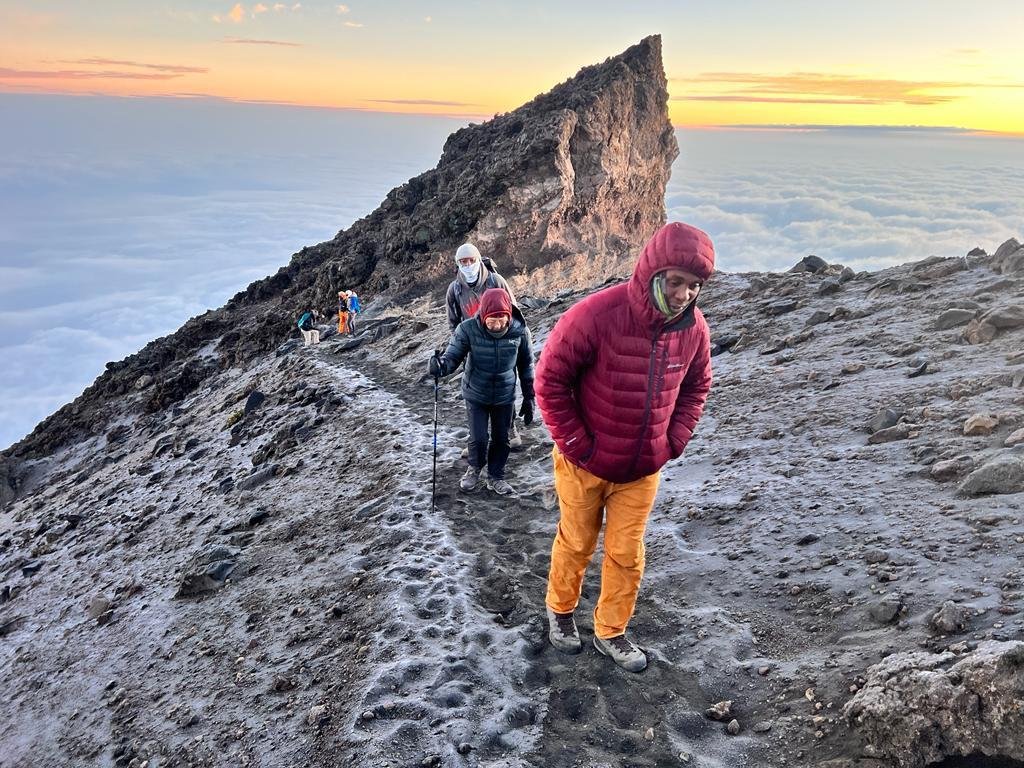
At Eddy Tours & Safaris, we arrange guided Mount Meru climbing expeditions for individuals, couples, families with suitably aged children, and small groups. Our four-day itinerary includes experienced mountain guides, an armed national park ranger, mountain hut accommodation, meals, and the necessary support team. The additional day compared with the three-day climbing option allows travellers to complete the summit attempt without having to descend all the way to the park gate on the same day.
For travellers planning to climb Mount Kilimanjaro, Mount Meru can also provide valuable experience with mountain conditions, altitude, and long trekking days. However, the mountain deserves recognition as a climbing destination in its own right, particularly for visitors who appreciate quieter trails, varied scenery, and a physically demanding summit experience.
4 Days Mount Meru Climbing Package Overview
- Destination: Mount Meru, Arusha National Park, Tanzania
- Duration: 4 days and 3 nights
- Mountain height: Approximately 4,566 metres (14,980 feet)
- Summit: Socialist Peak
- Climbing route: Momella Route
- Starting point: Arusha, Tanzania
- Starting gate: Momella Gate
- Accommodation: Miriakamba Hut and Saddle Hut
- Difficulty: Moderate to challenging
- Trekking type: Guided mountain climbing
- Best climbing seasons: Generally June to October and December to February
- Recommended for: Physically prepared beginners, experienced hikers, and travellers preparing for Kilimanjaro
- Tour operator: Eddy Tours & Safaris
The four-day Mount Meru itinerary includes three nights in designated mountain huts. Climbers spend their first night at Miriakamba Hut, the second at Saddle Hut, and the third back at Miriakamba Hut after attempting the summit. This arrangement follows the four-day climbing schedule recommended by Tanzania National Parks, which provides a more manageable approach than completing the summit and the entire descent on the third day.
Detailed 4 Days Mount Meru Climbing Itinerary
Day 1: Arusha to Momella Gate and Miriakamba Hut
Starting elevation: Approximately 1,500 metres
Ending elevation: Approximately 2,514 metres
Hiking distance: Approximately 10 kilometres
Walking time: 4–6 hours
Accommodation: Miriakamba Hut
Meals: Lunch and dinner
Your Mount Meru climbing adventure begins in Arusha, where our driver and mountain guide will meet you at your hotel for a briefing before departure. After checking your equipment and confirming that everything required for the climb is ready, you will travel to Arusha National Park. The drive passes through the countryside surrounding Arusha, with views of farmland, local villages, and the mountain on clear mornings. Upon arrival at the park, the guide will complete the necessary registration procedures before continuing to Momella Gate, where the walking section of the expedition begins.
The first day’s trek takes you through open grasslands and woodland before entering the mountain forest. This section is particularly interesting because Mount Meru is located within a protected wildlife area. Depending on animal movements and weather conditions, you may encounter giraffes, buffaloes, warthogs, monkeys, and various bird species. An armed national park ranger accompanies the trekking group, and visitors must follow the ranger’s instructions whenever wildlife is encountered. The combination of wildlife viewing and mountain trekking makes the opening day different from a typical high-altitude climb.
As the trail gains elevation, the vegetation becomes thicker, and the surrounding environment gradually changes into montane forest. Your guide will maintain a comfortable walking pace, allowing time for short breaks, drinking water, and photographs. After approximately four to six hours of trekking, you will arrive at Miriakamba Hut, situated at around 2,514 metres above sea level. The mountain crew will prepare dinner while you rest and enjoy the peaceful forest surroundings. You will spend your first night in the hut, preparing for the steeper ascent to Saddle Hut the following morning.
Day 2: Miriakamba Hut to Saddle Hut and Optional Little Meru Hike
Starting elevation: Approximately 2,514 metres
Ending elevation: Approximately 3,570 metres
Hiking distance: Approximately 6–8 kilometres
Walking time: 3–5 hours, excluding the optional Little Meru hike
Accommodation: Saddle Hut
Meals: Breakfast, lunch and dinner
After breakfast at Miriakamba Hut, you will begin the second stage of the Mount Meru climb. Today’s trail is generally steeper than the previous day’s route, with sections passing through forest, mountain vegetation, and exposed ridges. As you continue gaining elevation, the air becomes cooler, and the vegetation changes noticeably. The guide will encourage a steady pace because climbing too quickly can increase fatigue and make altitude adjustment more difficult.
During the ascent, you will pass viewpoints overlooking parts of Arusha National Park and the surrounding landscape. On clear days, the mountain scenery becomes increasingly impressive as the forest gives way to more open vegetation. After approximately three to five hours of walking, you will reach Saddle Hut at around 3,570 metres. Lunch will be served, followed by time to rest and recover from the morning’s climb.
In the afternoon, travellers who feel comfortable and have sufficient energy may choose to hike toward Little Meru, which rises to approximately 3,820 metres. This optional excursion provides additional mountain views and an opportunity to experience a slightly higher elevation before returning to Saddle Hut. The walk is subject to weather conditions, the guide’s assessment, and each climber’s physical condition. Although the excursion can provide useful altitude exposure, it does not eliminate the possibility of altitude sickness.
Dinner will be served early because the summit attempt normally begins shortly after midnight. Before going to sleep, your guide will explain the route, expected walking conditions, suitable clothing, and equipment required for the night ascent. Temperatures can be very cold at this elevation, so warm layers, gloves, a suitable jacket, and a reliable headlamp are essential. You will spend the night at Saddle Hut before beginning the most demanding section of the expedition.
Day 3: Saddle Hut to Socialist Peak and Descent to Miriakamba Hut
Starting elevation: Approximately 3,570 metres
Summit elevation: Approximately 4,566 metres
Ending elevation: Approximately 2,514 metres
Hiking distance: Approximately 16–19 kilometres
Walking time: 10–12 hours or longer, depending on conditions
Accommodation: Miriakamba Hut
Meals: Breakfast, lunch and dinner
Summit day begins very early, usually between midnight and 2:00 a.m., depending on the group’s progress and the guide’s assessment of the conditions. After a light snack and warm drink, you will leave Saddle Hut wearing warm clothing and carrying your headlamp. The first section climbs toward Rhino Point, where the trail becomes increasingly rocky and exposed. From here, the route continues along the volcanic crater rim, with steep sections that require careful footing and attention to the guide’s instructions.
As you continue toward Socialist Peak, the route becomes more physically demanding because of the altitude, cold temperatures, and uneven terrain. Some sections involve scrambling over rocks, and the exposed ridge can be difficult for travellers who are uncomfortable with heights. Your guide will monitor the group’s progress and make decisions based on weather, visibility, physical condition, and safety. Reaching the summit is never guaranteed, and turning back may be necessary when conditions become unsuitable.
When weather and walking conditions allow, climbers may reach Socialist Peak around sunrise. The summit stands approximately 4,566 metres above sea level and provides extensive views of Mount Meru’s volcanic crater, the surrounding plains, and Mount Kilimanjaro in the distance. The mountain’s dramatic ridges and volcanic features are particularly striking in the early morning light. After spending a short time at the summit for photographs and rest, you will begin descending toward Saddle Hut.
The descent requires concentration because tired legs and loose rocks can make the trail challenging. After returning to Saddle Hut, you will have an opportunity to rest, eat, and collect your belongings before continuing down to Miriakamba Hut. This final section takes you back through the mountain vegetation and forest. By late afternoon or evening, depending on your pace, you will arrive at Miriakamba Hut for dinner and your final night on the mountain. The four-day itinerary allows you to stop here rather than continuing all the way to Momella Gate after the demanding summit attempt.
Day 4: Miriakamba Hut to Momella Gate and Return to Arusha
Starting elevation: Approximately 2,514 metres
Ending elevation: Approximately 1,500 metres
Hiking distance: Approximately 10 kilometres
Walking time: 2–4 hours
Accommodation: Not included after the climb unless arranged
Meals: Breakfast and lunch
The final day of your Mount Meru climbing expedition begins with breakfast at Miriakamba Hut. After packing your belongings and saying goodbye to the mountain hut staff, you will begin descending toward Momella Gate. The route passes through forest and lower mountain vegetation, offering another opportunity to appreciate the natural environment of Arusha National Park. Although the descent is less demanding than summit day, the trail still requires careful walking, especially when the ground is wet or slippery.
During the walk, your guide and the accompanying ranger may point out wildlife, bird species, and interesting features of the forest. Giraffes, monkeys, buffaloes, and other animals may be seen in suitable areas, although sightings cannot be guaranteed. The lower slopes of Mount Meru are particularly attractive because they combine mountain scenery with the wildlife habitat for which Arusha National Park is known.
Upon reaching Momella Gate, you will complete the necessary exit procedures and meet your driver for the return journey to Arusha. Eligible climbers may receive a climbing certificate according to park procedures. You will then be transferred to your hotel or another agreed location in Arusha, marking the end of your four-day Mount Meru climbing package. Travellers who wish to continue their holiday can arrange additional activities, including a Tanzania wildlife safari, a Kilimanjaro climbing expedition, or a relaxing beach holiday in Zanzibar.
9 Reasons to Choose the 4 Days Mount Meru Climbing Route
1. Mount Meru Offers a Genuine High-Altitude Climbing Experience
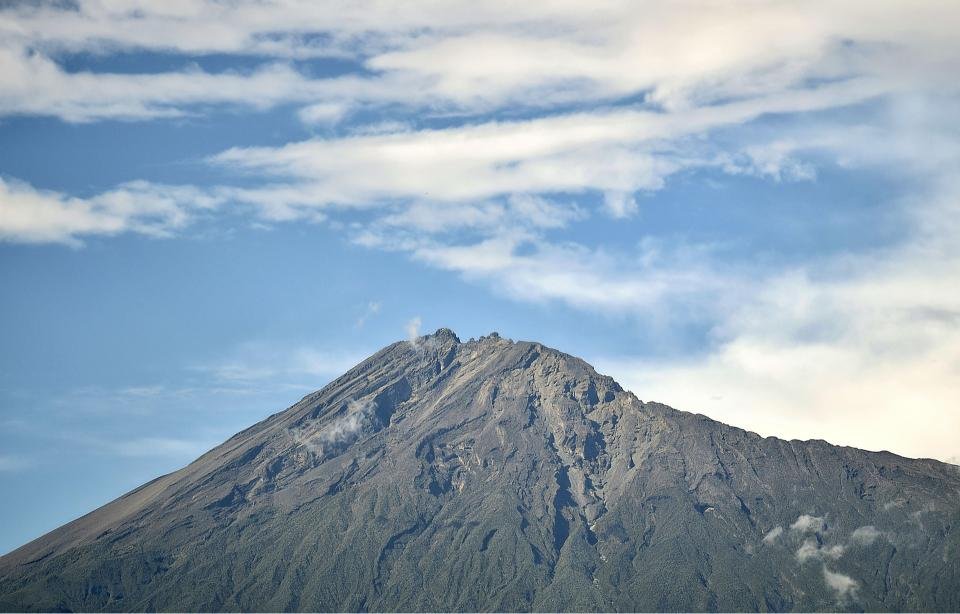
Mount Meru reaches approximately 4,566 metres, making it one of Africa’s major trekking mountains. Although it is lower than Mount Kilimanjaro, the climb should not be underestimated. The route includes steep ascents, rocky sections, exposed ridges, and a demanding summit day that requires physical preparation and determination. Travellers who want to experience a substantial mountain climb without committing to a longer Kilimanjaro itinerary may find Mount Meru particularly appealing.
2. The Climb Takes Place Inside Arusha National Park
One of the most distinctive features of Mount Meru is its location inside Arusha National Park. The lower slopes support a variety of wildlife, and the first day’s walk passes through areas where giraffes, buffaloes, monkeys, and other animals may be encountered. This creates an interesting combination of mountain trekking and wildlife observation that is not typical of most high-altitude climbing routes. The presence of wildlife also explains why an armed national park ranger accompanies climbing groups.
3. The Four-Day Schedule Provides a More Manageable Descent
The four-day itinerary is generally preferable to the three-day option for travellers who want to avoid completing the entire descent immediately after reaching the summit. On the third day, climbers return to Miriakamba Hut rather than continuing directly to Momella Gate. This allows an additional overnight stop and divides the descent into two stages. Tanzania National Parks recommends the four-day schedule, partly because it provides more time for altitude adjustment.
4. Mount Meru Has Quieter Trails Than Many Kilimanjaro Routes
Mount Meru generally attracts fewer climbers than Mount Kilimanjaro, making it appealing to travellers who prefer a quieter mountain environment. Although other groups may share the trail and mountain huts, the experience can feel less crowded than some of Kilimanjaro’s popular trekking routes. The forest sections, mountain ridges, and volcanic scenery provide opportunities to enjoy the surroundings without the same level of trekking traffic associated with Tanzania’s highest mountain.
5. The Summit Provides Impressive Views of Mount Kilimanjaro
On clear mornings, Socialist Peak offers outstanding views of Mount Kilimanjaro rising above the surrounding landscape. The summit also provides a close perspective of Mount Meru’s volcanic crater, Ash Cone, and steep mountain ridges. These geological features make the summit particularly interesting for travellers who appreciate dramatic natural scenery. Visibility depends on cloud cover and weather conditions, so the best views cannot be guaranteed.
6. Mountain Huts Provide Accommodation Throughout the Trek
Unlike most Kilimanjaro routes, which use tents, the standard Mount Meru climb uses designated mountain huts. Climbers stay at Miriakamba Hut and Saddle Hut, where basic sleeping facilities are provided. This arrangement removes the need to sleep in tents and can make the overnight experience more convenient for travellers who prefer fixed accommodation. However, the huts remain simple mountain facilities rather than hotels, and climbers should bring suitable sleeping bags and personal equipment.
7. Mount Meru Can Help Travellers Prepare for Kilimanjaro
Mount Meru is frequently climbed before Mount Kilimanjaro because it provides experience with high altitude, mountain weather, and demanding trekking conditions. Reaching elevations above 4,000 metres can help climbers understand how their bodies respond to thinner air and long walking days. However, a successful Mount Meru climb does not guarantee successful acclimatization or prevent altitude sickness on Kilimanjaro. Travellers should still choose an appropriate Kilimanjaro itinerary and follow professional mountain safety advice.
Visitors planning to climb both mountains can explore additional trekking information through Kilimanjaro Climbing Specialist, including available routes, preparation advice, and climbing itineraries.
8. The Route Passes Through Several Different Natural Environments
The Mount Meru climbing route begins in grassland and woodland before entering montane forest, higher mountain vegetation, and exposed volcanic terrain. Each section offers a different landscape, making the climb interesting from beginning to end. The changes in vegetation, temperature, and terrain become increasingly noticeable as climbers gain elevation. For nature lovers and photographers, these changing environments are among the main attractions of the mountain.
9. Mount Meru Is Easy to Combine With Other Tanzania Holidays
Mount Meru’s location near Arusha makes it convenient for travellers planning a longer holiday in northern Tanzania. After completing the climb, visitors can continue to destinations such as Tarangire National Park, the Serengeti, and the Ngorongoro Crater. Those interested in another mountain challenge can arrange a Kilimanjaro expedition, while travellers seeking relaxation can continue to Zanzibar. Eddy Tours & Safaris can help organise combined climbing and safari itineraries based on available travel days, interests, and budget.
What Is Included in the 4 Days Mount Meru Climbing Package?
The standard Mount Meru climbing package arranged by Eddy Tours & Safaris is designed to cover the main services required during the four-day expedition. The final inclusions will be confirmed in your personalised quotation before booking.
Package Inclusions
- Return transportation between Arusha and Arusha National Park.
- Arusha National Park entrance fees.
- Applicable mountain hut accommodation fees.
- Professional English-speaking mountain guide.
- Mandatory armed national park ranger.
- Mountain porters for permitted luggage and equipment.
- Mountain cook and meal preparation services.
- Three nights of accommodation in designated mountain huts.
- Breakfast, lunch, and dinner during the trek as specified in the itinerary.
- Drinking water during the mountain expedition.
- Mountain rescue fees required by the park.
- Government taxes applicable to the included services.
- Assistance with park registration and climbing arrangements.
- Basic emergency support and coordination by the mountain team.
What Is Not Included in the Mount Meru Climbing Package?
Package Exclusions
- International and domestic flights.
- Tanzania visa fees.
- Travel and medical insurance, including suitable mountain evacuation coverage.
- Hotel accommodation before and after the climb unless specifically included.
- Personal trekking clothing and equipment.
- Sleeping bags and other personal mountain accessories.
- Tips for mountain guides, porters, cooks, and support staff.
- Alcoholic beverages and personal refreshments.
- Personal expenses such as laundry, telephone calls, and souvenirs.
- Additional activities or excursions outside the agreed itinerary.
- Extra accommodation or transportation resulting from personal itinerary changes.
- Costs arising from travel delays or circumstances outside the agreed package.
- Optional equipment rental unless included in the quotation.
Best Time to Climb Mount Meru in Tanzania
Mount Meru can be climbed during different periods of the year, but weather conditions play an important role in determining the quality and safety of the trekking experience. The generally drier months from June to October are popular because trails are often less muddy and conditions may be more suitable for walking. December to February can also offer favourable climbing opportunities, although rain and cloud cover remain possible at any time.
The wetter periods, particularly during the long rains around March to May, can make some sections slippery and reduce visibility. The summit ridge requires particular care during strong winds, rain, ice, or poor visibility. Because mountain weather can change quickly, climbers should always follow the advice of their guide and be prepared for cold conditions regardless of the season.
Travellers planning a Mount Meru climb should select their dates according to their preferred weather conditions, physical preparation, and overall Tanzania travel itinerary. Our team at Eddy Tours & Safaris can help discuss suitable departure periods and coordinate the mountain expedition with other planned activities.
How Difficult Is the 4 Days Mount Meru Climb?
The four-day Mount Meru climb is considered moderate to challenging, with the summit section presenting the greatest physical and technical demands. The first two days involve sustained uphill walking, while summit day includes a night ascent, rocky scrambling, exposed terrain, and a long descent. Travellers should be comfortable walking for several hours on uneven ground and should prepare for significant changes in altitude and temperature.
Previous mountain climbing experience is helpful but is not always essential for physically prepared beginners. Regular hiking, walking uphill, stair climbing, and cardiovascular exercise can help improve endurance before the trip. Travellers should also practise walking with a daypack and wearing the footwear they intend to use on the mountain.
Altitude sickness is another important consideration. Symptoms may include headaches, nausea, dizziness, fatigue, and difficulty sleeping. Climbers must report symptoms promptly to their guide and should never continue ascending when serious altitude-related symptoms are suspected. A guide may recommend descending or ending the summit attempt when necessary. Fitness alone does not prevent altitude sickness, and the safety of the climbing group must always take priority over reaching the summit.
Essential Packing List for Mount Meru Climbing
Preparing suitable clothing and equipment is important because Mount Meru passes through several temperature zones. The lower slopes may be relatively warm, while the upper mountain can be extremely cold, particularly during the night summit attempt. Travellers should use a layered clothing system that allows them to adjust to changing weather conditions throughout the climb.
Recommended equipment includes:
- Waterproof hiking boots with good ankle support.
- Comfortable hiking trousers and moisture-wicking shirts.
- Thermal base layers for cold conditions.
- Warm fleece or insulated jacket.
- Waterproof and windproof outer jacket.
- Warm gloves and a hat.
- Sun hat, sunglasses, and sunscreen.
- Headlamp with spare batteries.
- Suitable sleeping bag for cold mountain temperatures.
- Daypack for water, snacks, clothing, and personal items.
- Reusable water bottles or hydration system.
- Trekking poles for steep ascents and descents.
- Personal toiletries and necessary medication.
- Small first-aid supplies and personal hygiene items.
- Energy snacks for long walking sections.
- Passport or other identification required for park registration.
Travellers who do not own all the necessary mountain equipment can ask Eddy Tours & Safaris about available rental arrangements before arrival. It is advisable to confirm equipment sizes and availability in advance rather than waiting until the morning of the climb.
Mount Meru Climbing Compared With Mount Kilimanjaro
Mount Meru and Mount Kilimanjaro offer different mountain climbing experiences, even though both are located in northern Tanzania. Kilimanjaro is Africa’s highest mountain, reaching approximately 5,895 metres, and generally requires a longer trekking itinerary. Mount Meru is lower and can be completed in three or four days, but its summit ridge includes steeper and more exposed terrain than many of Kilimanjaro’s established trekking trails.
Mount Meru is particularly attractive for visitors interested in wildlife, volcanic scenery, and a shorter mountain expedition. Kilimanjaro, on the other hand, is better suited to travellers whose main objective is reaching Africa’s highest summit. Both mountains require physical preparation, suitable equipment, professional guidance, and respect for altitude-related risks.
Travellers with enough time may choose to climb Mount Meru before attempting Kilimanjaro. However, the two climbs should be planned carefully, allowing appropriate recovery time and a suitable acclimatization schedule. You can review additional Mount Meru trekking packages or explore Kilimanjaro climbing information when comparing available options.
Frequently Asked Questions About the 4 Days Mount Meru Climb
Can Beginners Climb Mount Meru in Four Days?
Yes, physically prepared beginners may be able to complete the four-day Mount Meru climb, particularly if they have experience with long walks and uneven terrain. However, the mountain is not an easy walk, and the summit section involves exposed rocky ground, cold temperatures, and significant altitude. Travellers should assess their fitness, prepare properly, and discuss any relevant health concerns with a qualified medical professional before booking.
Is Mount Meru Higher Than Mount Kilimanjaro?
No. Mount Meru reaches approximately 4,566 metres, while Mount Kilimanjaro reaches approximately 5,895 metres. Mount Meru is Tanzania’s second-highest mountain, and both mountains offer different climbing challenges and natural environments.
Do You Need an Armed Ranger to Climb Mount Meru?
Yes. Mount Meru is located inside Arusha National Park, where large wildlife may be encountered on the lower mountain slopes. Climbing groups must follow park requirements, including ranger accompaniment. The ranger helps manage wildlife-related risks and guides the group through areas where animals may be present.
Where Do Climbers Sleep During the Four-Day Trek?
Climbers stay in designated mountain huts rather than tents. The standard four-day itinerary includes the first night at Miriakamba Hut, the second at Saddle Hut, and the third back at Miriakamba Hut. The huts provide basic accommodation, and visitors should not expect hotel-style facilities.
Is the Four-Day Mount Meru Climb Better Than the Three-Day Option?
For many travellers, the four-day itinerary is the more manageable choice because it divides the descent after the summit into two days. The three-day option requires climbers to descend to the park gate on the same day as the summit attempt, making that day considerably longer. Tanzania National Parks recommends the four-day schedule.
Can I Combine Mount Meru With a Tanzania Safari?
Yes. Mount Meru is located close to Arusha, making it convenient to combine the climb with a safari to Tarangire National Park, Serengeti National Park, Lake Manyara National Park, or the Ngorongoro Crater. Eddy Tours & Safaris can prepare a combined itinerary based on your travel dates and preferred destinations.
How Much Does the 4 Days Mount Meru Climb Cost?
The cost depends on the number of climbers, travel dates, applicable park fees, transportation arrangements, and services included in the package. Private climbs and group arrangements may have different costs. Contact Eddy Tours & Safaris for an updated quotation based on your preferred departure date and group size.
Book Your 4 Days Mount Meru Climb With Eddy Tours & Safaris
The four-day Mount Meru climb is an excellent option for travellers who want to explore Tanzania’s second-highest mountain while experiencing the forests, wildlife, and volcanic scenery of Arusha National Park. From the opening walk through the park’s lower slopes to the demanding ascent along the crater rim, the expedition offers a varied trekking experience that rewards careful preparation and a steady approach to the mountain.
At Eddy Tours & Safaris, we organise guided Mount Meru climbing packages with experienced local mountain teams, transport arrangements, mountain hut accommodation, meals, and the necessary park services. Whether you are planning a private climb, travelling with friends, or preparing for a future Kilimanjaro expedition, our team can help you choose suitable travel dates and arrange the required climbing services.
Contact Eddy Tours & Safaris
Location: Arusha, Tanzania
Website: www.eddytours-safaris.com
Email: sales@eddytours-safaris.com
Alternative email: eddytoursandsafaris@gmail.com
Contact our team to request a personalised quotation for the 4 Days Mount Meru Climb in Tanzania, including available departure dates, package arrangements, and optional Tanzania safari extensions.