
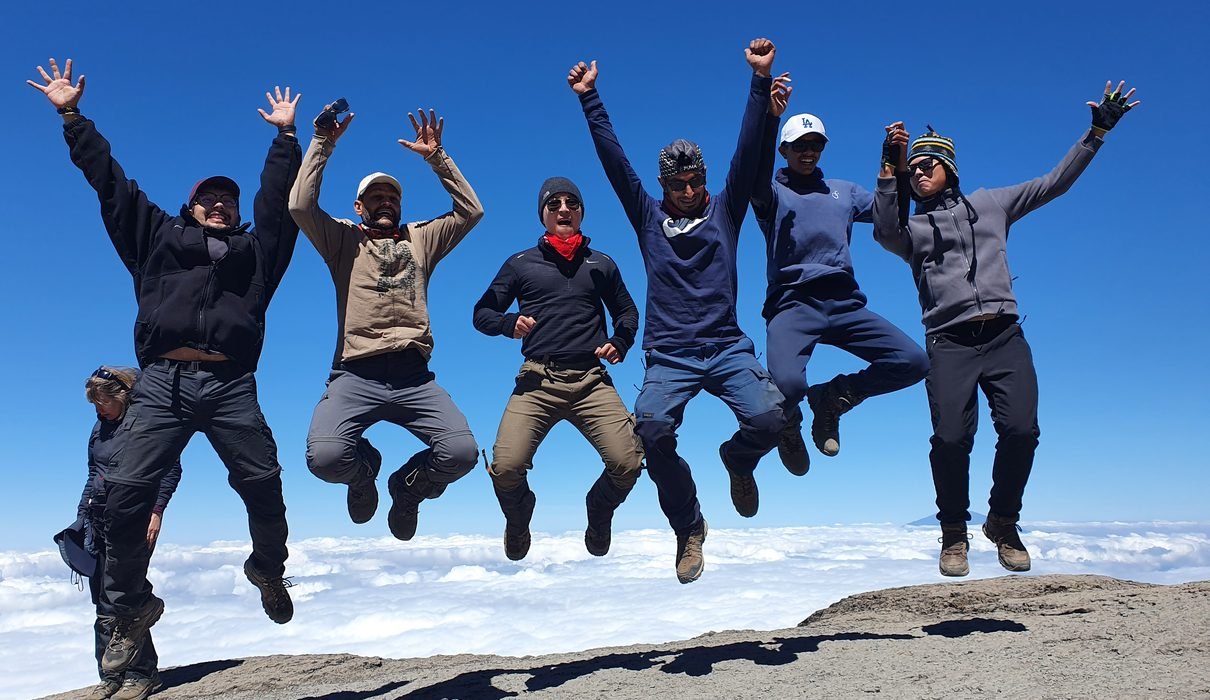
The 5-day Kilimanjaro Rongai Route climb is a guided trekking package for travellers who want to approach Mount Kilimanjaro from its quieter northern slopes. Beginning near the Tanzania–Kenya border, the Rongai Route takes climbers through mountain forest, open moorland, alpine desert, and the high-altitude landscape surrounding Kibo before reaching Uhuru Peak at 5,895 metres above sea level. The route offers wide views across the northern plains and a different perspective of Kilimanjaro compared with the more frequently used Machame and Marangu routes.
Organised by Eddy Tours & Safaris, this five-day climbing package includes professional mountain guides, porters, camping equipment, meals, park arrangements, and transport between your hotel and the mountain. Our local climbing team helps with the practical details of the expedition, including equipment checks, daily trekking schedules, campsite arrangements, and monitoring how climbers respond to altitude. The aim is to provide a properly organised mountain experience with clear information about the physical demands of the route.
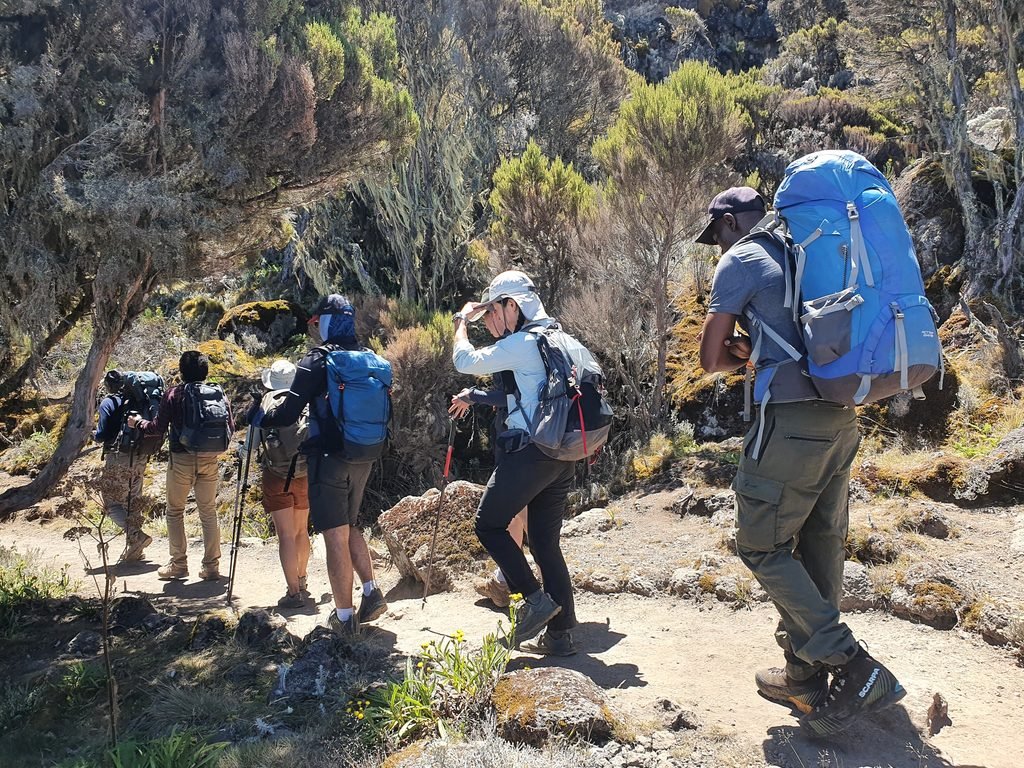
Although the Rongai Route is known for its relatively gradual lower slopes, completing it in five days is physically demanding and allows very little time for acclimatisation. This shorter itinerary is more suitable for experienced trekkers who have already spent time at altitude and understand the risks of ascending quickly. For most first-time Kilimanjaro climbers, we recommend considering a six- or seven-day itinerary instead. Reaching the summit depends on weather, individual fitness, altitude adaptation, and the guide’s assessment of each climber’s condition.
Overview of the 5-Day Kilimanjaro Rongai Route Package
The Rongai Route approaches Kilimanjaro from the north, close to the Kenyan border, and follows a different trail for the descent. Climbers begin at the Rongai or Nalemuru Gate area and gradually move from cultivated land and forest into open moorland. Higher on the mountain, the landscape becomes increasingly dry and exposed, with views towards Mawenzi and Kibo, Kilimanjaro’s two prominent volcanic peaks.
For this five-day programme, the ascent follows the shorter northern approach through Simba Camp and Third Cave before continuing towards the high camp at School Hut. The summit attempt begins during the night, with climbers ascending towards Gilman’s Point and continuing along the crater rim to Uhuru Peak if conditions permit. The descent follows the Marangu side of the mountain through Horombo before finishing at Marangu Gate.
This is a condensed trekking schedule, not the standard longer Rongai itinerary. It omits the additional acclimatisation time and camps used in many six- and seven-day programmes.
Package information
- Tour name: 5-Day Kilimanjaro Rongai Route Climb
- Travel years: 2027 and 2028
- Duration: 5 trekking days and 4 nights on the mountain
- Mountain: Mount Kilimanjaro, Tanzania
- Highest point: Uhuru Peak, 5,895 metres
- Starting point: Rongai/Nalemuru Gate
- Finishing point: Marangu Gate
- Accommodation: Mountain camping
- Tour style: Private or scheduled group climbing
- Difficulty: Challenging, with a rapid altitude gain
- Guiding: Professional mountain guide and supporting crew
- Departure location: Moshi or Arusha
- Recommended for: Experienced and previously acclimatised trekkers
- Meals: Full board during the mountain expedition
The five-day itinerary can be arranged for eligible climbers following a review of their previous trekking experience, fitness, acclimatisation, and the current operating conditions. Visitors who prefer a slower ascent can explore other Kilimanjaro climbing packages with Eddy Tours & Safaris.
Detailed 5-Day Kilimanjaro Rongai Route Itinerary
Day 1: Moshi or Arusha to Rongai Gate – Trek to Simba Camp
Starting altitude: Approximately 1,950 metres
Sleeping altitude: Approximately 2,625 metres
Walking distance: Approximately 8 km
Trekking time: 3–5 hours
Accommodation: Simba Camp
Meals: Lunch and dinner
Your Kilimanjaro climbing expedition begins with an early morning collection from your hotel in Moshi or Arusha. After meeting your mountain guide and the supporting team, you travel towards the northern side of Mount Kilimanjaro, passing through local villages, agricultural areas, and countryside near the Tanzania–Kenya border. The drive to the Rongai or Nalemuru Gate area generally takes several hours, depending on your departure point and road conditions. Upon arrival, the guide completes the necessary registration procedures, confirms the climbing permits, and organises the equipment and supplies with the porters before the trek begins.
The first section of the trail passes through farmland and forest, where the walking conditions are generally manageable and the gradient rises steadily rather than sharply. As you continue uphill, the vegetation gradually changes and the forest begins to give way to heathland and open moorland. On clear days, the northern plains and distant countryside can be seen from sections of the route. Wildlife sightings are possible in the lower forest, particularly birds and monkeys, although this is primarily a mountain trekking experience rather than a wildlife safari.
After approximately three to five hours of walking, you reach Simba Camp, situated at around 2,625 metres. The porters will normally have prepared the tents and organised the campsite before your arrival. You can rest, enjoy a warm meal, and spend the afternoon adjusting to the mountain environment. Your guide will explain the following day’s schedule, check your general condition, and encourage a steady pace. The first night is spent in tents, with temperatures usually becoming noticeably cooler after sunset.
Day 2: Simba Camp to Third Cave Camp – Trek Through Open Moorland
Starting altitude: Approximately 2,625 metres
Sleeping altitude: Approximately 3,900 metres
Walking distance: Approximately 12–14 km
Trekking time: 6–8 hours
Accommodation: Third Cave Camp
Meals: Breakfast, lunch and dinner
After breakfast at Simba Camp, you begin a longer and more demanding day of trekking towards Third Cave Camp. The trail continues across open moorland, with increasingly wide views of the northern slopes and the upper sections of Kilimanjaro. As the vegetation becomes shorter and more scattered, the surrounding landscape begins to feel more remote. The mountain’s volcanic formations become more prominent, and on clear days you may enjoy views towards Kibo and the rugged slopes of Mawenzi.
The walking pace remains slow and controlled, allowing the guide to observe how each climber responds to the increasing altitude. Along the way, you pass through the Second Cave area before continuing towards Third Cave. The terrain is generally less technical than some of Kilimanjaro’s steeper routes, but the distance and altitude gain make this a challenging day. Climbers should concentrate on maintaining a comfortable pace, eating regularly, and drinking enough water without forcing excessive amounts.
By the time you reach Third Cave Camp, you will be sleeping at approximately 3,900 metres, a substantial increase from the previous night. This rapid gain is one of the main concerns with the five-day Rongai itinerary. Your guide will check for symptoms such as headache, nausea, dizziness, unusual fatigue, and loss of appetite. These symptoms must be taken seriously rather than dismissed as normal tiredness. After dinner, the evening is reserved for rest, and the guide will decide whether continuing the ascent is appropriate based on each climber’s condition.
Day 3: Third Cave Camp to School Hut – Crossing the Alpine Desert
Starting altitude: Approximately 3,900 metres
Sleeping altitude: Approximately 4,750 metres
Walking distance: Approximately 5–7 km
Trekking time: 4–6 hours
Accommodation: School Hut campsite
Meals: Breakfast, lunch and dinner
The third day takes you from Third Cave towards School Hut, the high camp used for the summit attempt on this condensed Rongai itinerary. After breakfast, the trail climbs steadily into the alpine desert zone, where vegetation becomes sparse and the landscape is dominated by rock, gravel, and volcanic material. The route approaches the broad Saddle between Mawenzi and Kibo, providing impressive views of Kilimanjaro’s upper mountain landscape when the weather is clear.
Although the walking distance is shorter than the previous day, the altitude makes physical activity noticeably more demanding. Breathing may feel harder, walking speed naturally decreases, and even small uphill sections can require frequent pauses. The guide will maintain a controlled pace and monitor the group closely. This is not a day for rushing or competing with other climbers, because the body is already under considerable stress from the rapid ascent.
Upon reaching School Hut, at approximately 4,750 metres, the team prepares for the summit attempt. Climbers are encouraged to rest, eat an early meal, organise warm clothing, and prepare headlamps, gloves, water, and other essential equipment. The summit departure is normally scheduled around midnight, depending on weather and the guide’s assessment. Because the five-day itinerary provides limited acclimatisation, any concerning altitude symptoms may require stopping the ascent or descending rather than attempting the summit.
Day 4: School Hut to Uhuru Peak – Summit Attempt and Descent to Horombo
Starting altitude: Approximately 4,750 metres
Summit altitude: 5,895 metres
Sleeping altitude: Approximately 3,720 metres
Walking distance: Approximately 16–19 km
Trekking time: 12–16 hours, depending on conditions
Accommodation: Horombo area
Meals: Breakfast, lunch and dinner
The fourth day is the most physically demanding part of the expedition. Your summit attempt normally begins around midnight, when the mountain is dark and temperatures can be extremely cold. After putting on your warm clothing and checking your equipment, you begin ascending the steep upper slopes of Kibo. The trail consists of volcanic scree, loose stones, and rocky sections that require careful footing, particularly when visibility is limited to the beam of your headlamp.
The climb towards Gilman’s Point, situated at approximately 5,685 metres on the crater rim, is slow and strenuous. At this altitude, the reduced oxygen availability can make every step feel demanding, even for physically fit climbers. Your guide will set a steady pace and assess the group’s condition throughout the ascent. Reaching Gilman’s Point is an important milestone, but it is not the highest summit of Kilimanjaro. Climbers who are medically fit to continue may follow the crater rim towards Uhuru Peak, passing through exposed high-altitude terrain where strong winds, freezing temperatures, and snow or ice may be encountered.
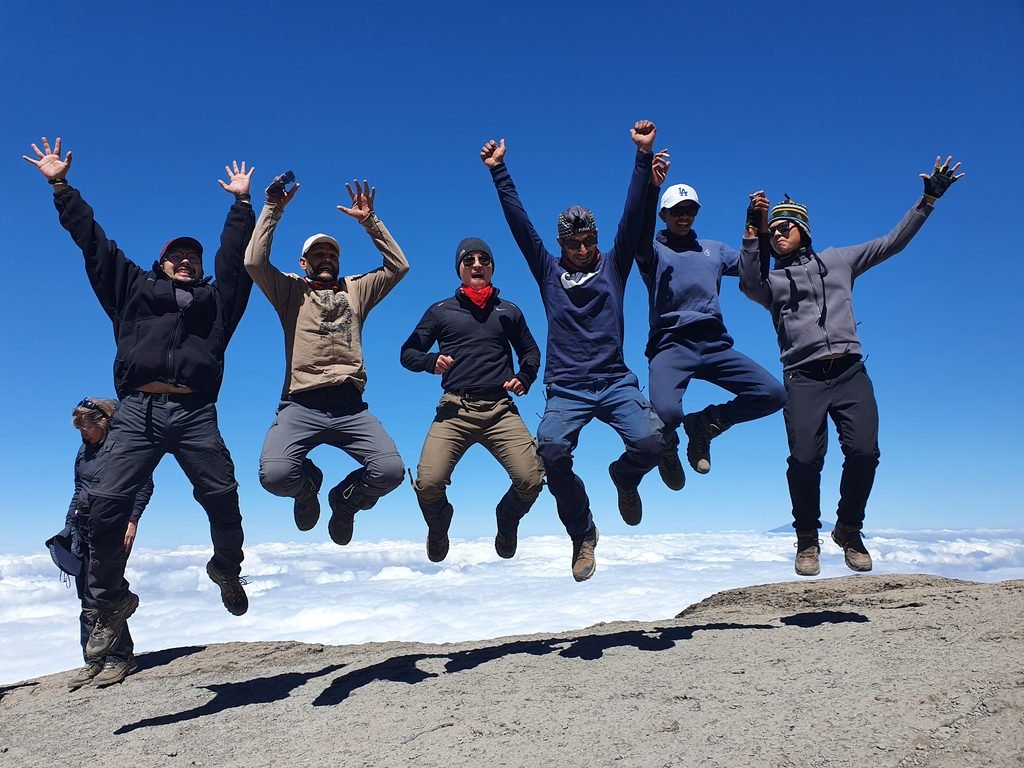
Uhuru Peak, at 5,895 metres above sea level, is the highest point in Africa. On clear mornings, climbers can see the surrounding volcanic landscape, sections of the remaining summit ice, and distant plains below the mountain. Time at the summit is usually limited because of the altitude, cold, and the long descent ahead. Reaching Uhuru Peak is never guaranteed, and the guide may require a climber to turn back if weather conditions or symptoms make continuing unsafe.
After the summit attempt, you descend towards the Kibo area and continue down the Marangu side of the mountain towards Horombo. The descent is long and can be tiring, especially after many hours of walking with limited sleep. At Horombo, the team arranges the overnight accommodation according to the confirmed itinerary and park arrangements. You will have dinner and an opportunity to rest before completing the final descent the following day.
Day 5: Horombo to Marangu Gate – Completion of the Kilimanjaro Trek
Starting altitude: Approximately 3,720 metres
Finishing altitude: Approximately 1,860 metres
Walking distance: Approximately 20 km
Trekking time: 5–7 hours
Accommodation: Not included after the climb unless arranged
Meals: Breakfast and lunch
After breakfast, you begin the final descent from Horombo towards Marangu Gate. The trail passes through the moorland and gradually enters the greener lower slopes of Kilimanjaro. As the altitude decreases, the air becomes warmer and the vegetation becomes thicker, offering a noticeable contrast to the rocky alpine desert and cold summit environment experienced during the previous days.
The route continues through the Mandara area and into the mountain forest, where you may hear birds and occasionally encounter monkeys among the trees. Although the descent is less demanding on breathing than the upper mountain, it can still place considerable pressure on the knees and legs, especially after the long summit day. Walking poles can be particularly useful during this section, and your guide will maintain a sensible pace until the group reaches Marangu Gate.
At the gate, the team completes the required exit procedures and confirms the completion of the climb. Eligible climbers receive the appropriate summit certificate based on the highest recognised point reached. Your driver then transfers you back to your hotel in Moshi or Arusha, where you can rest, shower, and prepare for your onward journey. Travellers who want to continue their holiday can arrange a Tanzania wildlife safari or another excursion after allowing suitable recovery time.
What Is Included in the 5-Day Kilimanjaro Rongai Route Package?
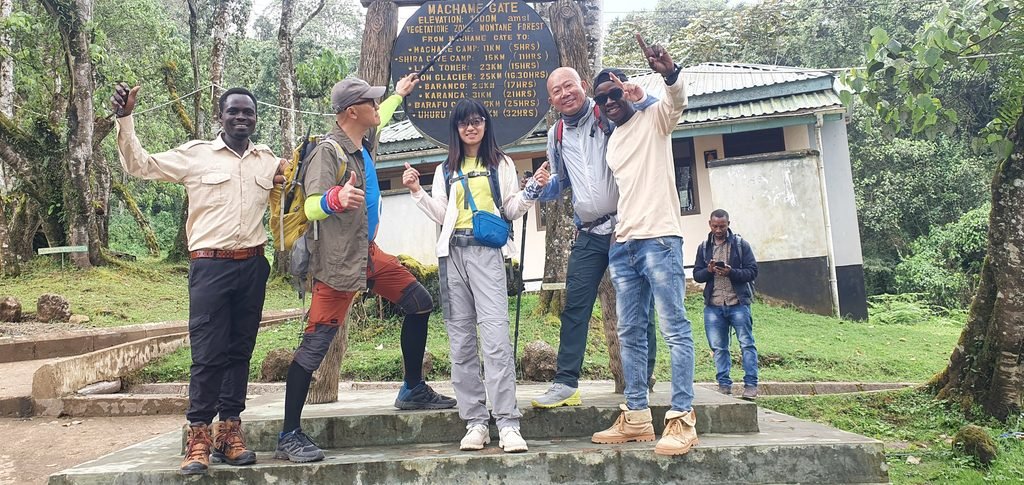
The proposed fully guided Kilimanjaro Rongai Route package includes the essential services needed for the five-day mountain expedition. The final inclusions will be confirmed in your quotation before booking.
- Professional, licensed Kilimanjaro mountain guide.
- Assistant guides according to the group size and applicable requirements.
- Experienced mountain porters for group equipment and permitted personal luggage.
- Professional mountain cook and meal preparation services.
- Kilimanjaro National Park entrance fees.
- Applicable camping, rescue and other mandatory park fees.
- Five days of guided mountain trekking.
- Four nights of mountain accommodation as arranged in the itinerary.
- Quality camping tents and sleeping mattresses.
- Mountain meals, including breakfast, lunch and dinner as specified.
- Drinking water prepared or treated during the climb.
- Transport from Moshi or Arusha to Rongai Gate.
- Return transport from Marangu Gate to Moshi or Arusha.
- Pre-climb briefing and equipment inspection.
- Routine altitude and health monitoring by the mountain guides.
- Group emergency equipment, including a first-aid kit and emergency oxygen, as specified in the final safety plan.
- Assistance with mountain registration and permits.
- Applicable government taxes on the included services.
What Is Not Included in the 5-Day Kilimanjaro Rongai Route Package?
The following services and expenses are normally excluded unless specifically included in your confirmed booking arrangements.
- International and domestic flight tickets.
- Tanzania tourist visa fees.
- Travel insurance covering high-altitude trekking and emergency evacuation.
- Personal trekking equipment and clothing.
- Sleeping bags and personal sleeping accessories.
- Trekking boots, jackets, gloves, and walking poles.
- Accommodation before and after the mountain expedition.
- Airport transfers unless specifically included in the quotation.
- Tips for mountain guides, assistant guides, porters, and cooks.
- Alcoholic drinks, soft drinks, and personal refreshments.
- Laundry, telephone calls, and personal shopping expenses.
- Medical examinations and personal medication.
- Optional excursions, safaris, and sightseeing activities.
- Additional accommodation or transport caused by changes to the agreed itinerary.
- Any service not expressly mentioned in the confirmed package inclusions.
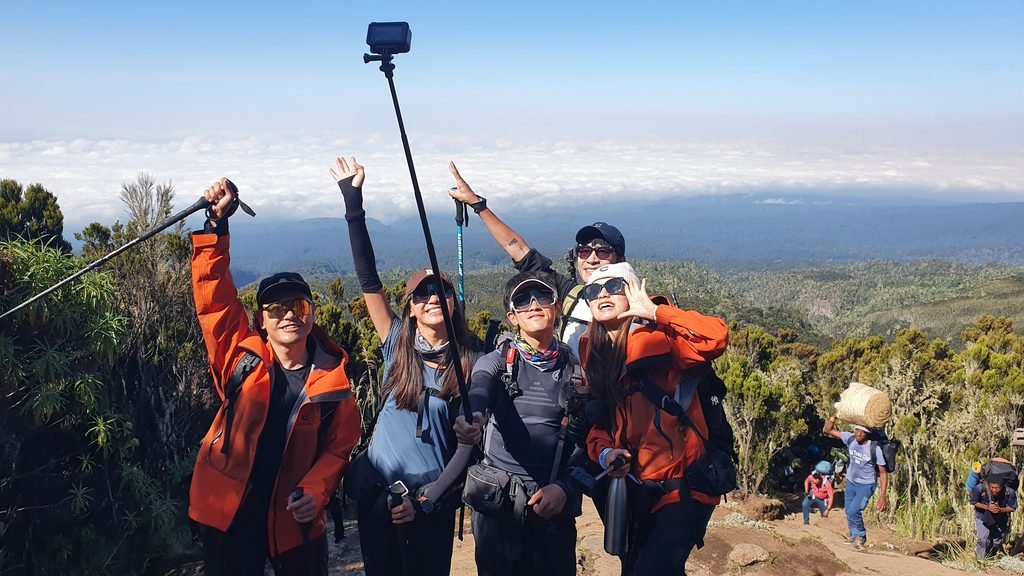
Why Choose the Rongai Route for Climbing Kilimanjaro?
A Quieter Approach From the Northern Side
The Rongai Route is the main established approach to Kilimanjaro from the north and is generally less crowded than the popular Machame and Marangu routes. This makes it attractive to travellers who prefer quieter trails and a more peaceful mountain environment. The journey begins near the Kenyan border, passing through countryside and mountain landscapes that differ from the rainforest-dominated approaches on the southern side.
The lower sections of Rongai are known for their steady gradients, which can make the walking feel manageable during the early stages. However, this should not be confused with an easy summit climb. The upper mountain remains physically demanding, and the shorter five-day itinerary creates additional challenges because of the rapid altitude gain.
A Route With Generally Drier Conditions
The northern slopes of Kilimanjaro often receive less rainfall than the southern slopes because of the mountain’s geographical position and prevailing weather patterns. For this reason, Rongai is sometimes considered by climbers travelling during the wetter months. Nevertheless, weather conditions can change quickly, and rainfall, strong winds, freezing temperatures, and poor visibility are possible at different times of the year.
Travellers planning to climb in 2027 or 2028 should choose their departure dates based on expected seasonal conditions rather than assuming the route will remain dry throughout the expedition.
Different Landscapes During the Ascent and Descent
Another interesting feature of Rongai is that the ascent and descent use different sides of Kilimanjaro. Climbers approach from the northern slopes and finish through the Marangu route on the southeastern side, experiencing different vegetation zones and views during the journey. The lower northern trail passes through farmland, forest, and moorland, while the higher sections offer views of Mawenzi, Kibo, and the mountain’s broad volcanic Saddle.
During the descent, the route passes through Horombo and the greener lower slopes towards Marangu Gate. This gives climbers an opportunity to see more of the mountain’s changing environment rather than returning along exactly the same trail used during the ascent.
Is the 5-Day Rongai Route Suitable for Beginners?
The five-day Rongai Route is not our preferred option for first-time high-altitude trekkers. Although the trail itself is generally considered less technically demanding than some other Kilimanjaro approaches, the short duration creates a difficult acclimatisation schedule. Climbers gain substantial altitude over a limited number of days and must attempt the summit after only three nights on the mountain.
Physical fitness is important, but being able to walk long distances or exercise regularly does not guarantee that someone will adapt well to high altitude. Even experienced hikers can develop altitude sickness if they ascend too quickly. For this reason, we encourage first-time climbers to consider longer itineraries that provide more time for their bodies to adjust.
Visitors comparing different Kilimanjaro routes can review the climbing information available through Kilimanjaro Climb Specialist or explore additional Kilimanjaro climbing tours from Eddy Tours & Safaris.
Altitude Sickness and Acclimatisation on the Rongai Route
Altitude sickness is one of the most important considerations when planning a Kilimanjaro climb. As climbers ascend, atmospheric pressure decreases and the amount of oxygen available to the body becomes lower. Common symptoms of acute mountain sickness include headache, nausea, dizziness, fatigue, loss of appetite, and difficulty sleeping. These symptoms may appear even in people who are physically fit and have previous hiking experience.
The five-day Rongai itinerary involves a rapid increase in sleeping altitude, particularly between Simba Camp, Third Cave, and School Hut. This leaves limited time for acclimatisation and increases the risk of altitude-related illness. Serious complications, including high-altitude pulmonary oedema and high-altitude cerebral oedema, can become life-threatening if not recognised and treated promptly.
During the expedition, the guide should assess each climber’s condition regularly and make decisions based on safety rather than pressure to reach the summit. Climbers experiencing worsening altitude symptoms must not continue ascending. Descent and appropriate medical attention may be necessary, and medication should never be treated as a substitute for proper acclimatisation.
For most travellers, extending the climb to six or seven days is a better choice. Additional time on the mountain can improve acclimatisation opportunities, although no itinerary completely removes the risk of altitude sickness.
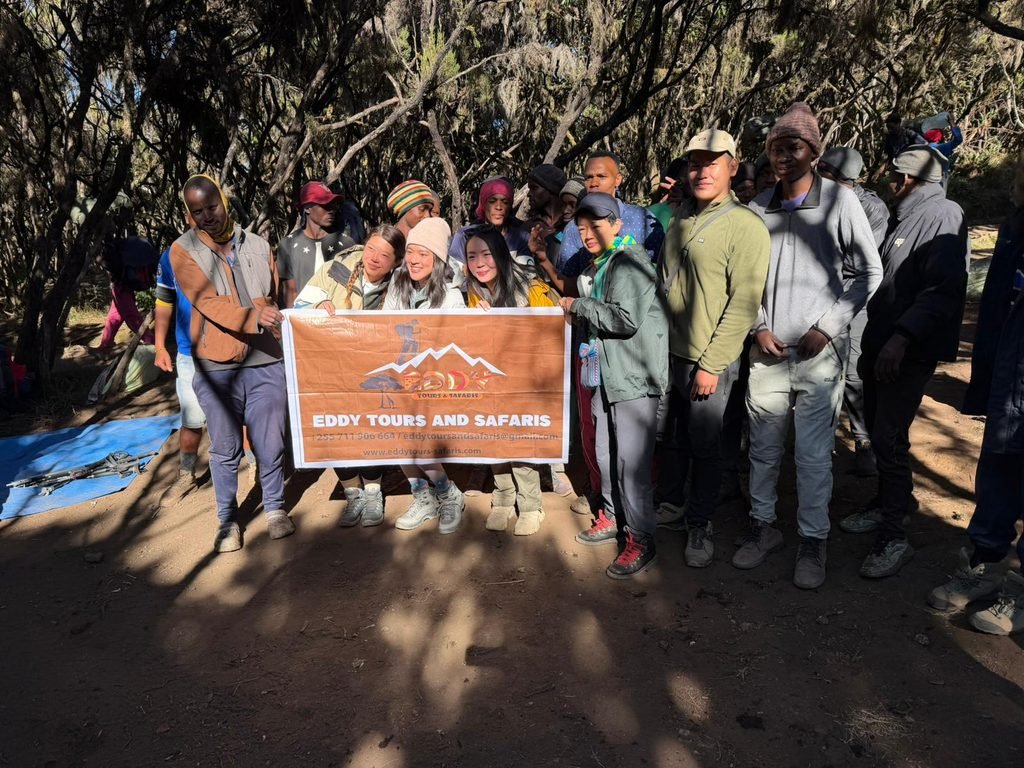
Best Time to Climb Kilimanjaro via Rongai in 2027 and 2028
Mount Kilimanjaro can be climbed throughout the year, but certain months generally offer more favourable trekking conditions. January to early March and June to October are commonly considered popular climbing periods because of their relatively favourable weather patterns. However, conditions vary between years, and climbers should be prepared for cold temperatures, rain, wind, and changing visibility regardless of their departure month.
January to March
The first three months of the year can provide good climbing opportunities, particularly during periods of relatively clear weather. Temperatures on the lower slopes may be comfortable during the day, while the summit area remains extremely cold. Clouds and occasional rainfall are still possible, and February is often a popular month for climbers visiting Tanzania.
June to October
June through October is another popular period for Kilimanjaro trekking. These months generally coincide with Tanzania’s drier season, although mountain weather remains unpredictable. Trails may be relatively dry at lower elevations, but cold conditions and strong winds can occur higher up. July, August, and September are particularly popular, so booking accommodation, guides, and transport well in advance is advisable.
April, May and November
April and May are commonly associated with heavier rainfall on Kilimanjaro, while November can bring shorter seasonal rains. Rongai’s northern location may offer somewhat drier conditions than some southern routes, but this does not eliminate the possibility of wet trails, cloud cover, and difficult weather. Travellers considering these months should discuss their plans with an experienced local operator and prepare suitable waterproof equipment.
What to Pack for a 5-Day Kilimanjaro Rongai Route Climb
Preparing suitable clothing and equipment is essential for a comfortable and safe mountain expedition. Kilimanjaro has several climatic zones, and climbers may experience warm conditions near the trailhead, cool temperatures at the campsites, and freezing weather during the summit attempt. Clothing should be arranged in layers so that it can be adjusted as conditions change throughout the day.
Recommended packing list
- Waterproof trekking boots that have already been worn and tested.
- Comfortable hiking socks and spare pairs.
- Thermal base layers for cold conditions.
- Fleece jacket or warm mid-layer.
- Insulated down or synthetic jacket.
- Waterproof and windproof outer jacket.
- Waterproof trekking trousers.
- Lightweight trekking trousers for lower elevations.
- Warm gloves and waterproof outer gloves.
- Warm hat, neck gaiter, and sun hat.
- Sunglasses with suitable UV protection.
- Headlamp with spare batteries.
- Trekking poles for ascending and descending.
- Sleeping bag suitable for freezing mountain temperatures.
- Daypack with a waterproof cover.
- Reusable water bottles or hydration system.
- Sunscreen and lip balm.
- Personal medication and basic toiletries.
- High-energy snacks for long trekking days.
- Passport and necessary travel documents.
- Power bank and camera if required.
Your guide will conduct an equipment check before departure to identify any important items that may be missing. Some trekking equipment may be available for rental in Moshi or Arusha, subject to availability and the condition of the equipment.
How Much Does a 5-Day Kilimanjaro Rongai Route Climb Cost in 2027 and 2028?
The cost of a fully guided five-day Rongai Route climb depends on the number of climbers, departure dates, park fees, transport arrangements, camping equipment, and the size of the mountain support team. Private expeditions for one or two climbers generally cost more per person because guiding, transport, and equipment expenses are shared among fewer participants. Larger private groups and scheduled group departures may offer lower individual costs.
A realistic quotation should include the essential services required for the climb, particularly park fees, qualified guides, porters, meals, camping arrangements, and safety equipment. Travellers should be cautious about choosing a package solely because it is the cheapest option. Mountain crew welfare, proper equipment, adequate food, and responsible safety arrangements are important considerations when comparing operators.
For 2027 and 2028 departures, Eddy Tours & Safaris can prepare an updated quotation based on your preferred travel dates and group size. Prices should be confirmed before booking because national park tariffs, transport expenses, and other operating costs may change.
Can You Combine the Rongai Route With a Tanzania Wildlife Safari?
Many travellers visiting Tanzania choose to combine a Kilimanjaro climbing expedition with a wildlife safari in the northern national parks. After completing the mountain trek, visitors can travel from Moshi or Arusha to destinations such as Tarangire National Park, Serengeti National Park, Lake Manyara National Park, and the Ngorongoro Crater.
A wildlife safari provides a different experience from mountain trekking, with most activities taking place in a four-wheel-drive safari vehicle rather than on foot. Travellers can spend their days watching elephants, lions, giraffes, zebras, buffaloes, and other animals while enjoying the landscapes of northern Tanzania. The length of the safari can be adjusted according to the time available, with options ranging from short two-day trips to longer journeys through several national parks.
For travellers interested in combining both experiences, our Tanzania safari and Kilimanjaro travel packages provide a starting point for planning a longer holiday. We recommend allowing sufficient time to recover after the mountain expedition before beginning additional activities, especially following a demanding summit attempt.
Why Book Your Kilimanjaro Rongai Route Climb With Eddy Tours & Safaris?
Eddy Tours & Safaris is a locally based tour company in Arusha, Tanzania, offering Kilimanjaro climbing expeditions, wildlife safaris, and other travel experiences. Our team helps visitors organise their holidays by providing information about routes, accommodation, transport, equipment, and the practical requirements of travelling in Tanzania.
For Kilimanjaro climbing, proper preparation and experienced guiding are particularly important. Our approach is to explain the demands of each route clearly, including the advantages and limitations of shorter itineraries. While the five-day Rongai Route may suit some experienced and previously acclimatised trekkers, we do not consider it the best choice for everyone. Travellers who would benefit from a longer acclimatisation schedule can request a six- or seven-day alternative.
We also assist visitors who want to combine their mountain expedition with a Tanzania safari, Zanzibar holiday, or other activities. By arranging the different parts of the trip through a local company, travellers can receive guidance on transport connections, suitable travel dates, and the amount of time required for each activity.
Frequently Asked Questions About the 5-Day Kilimanjaro Rongai Route
Can You Climb Kilimanjaro via Rongai in Five Days?
A five-day Rongai itinerary is offered by some operators, but it is a condensed schedule that provides limited time for altitude acclimatisation. The climb involves three nights before the summit attempt and a long descent after reaching the upper mountain. It is physically demanding and is not generally recommended for first-time high-altitude trekkers. A longer route is usually a better choice for climbers who have not already acclimatised.
Is the Rongai Route Easier Than Machame?
The Rongai Route generally has a more gradual gradient on its lower sections and avoids some of the steeper features associated with the Machame Route. However, the difficulty of a Kilimanjaro climb depends on more than the steepness of the trail. Altitude, trekking duration, weather, fitness, and acclimatisation all influence the experience. A five-day Rongai climb may be more demanding from an altitude perspective than a longer Machame itinerary.
What Is the Highest Point Reached During the Rongai Route?
The highest point is Uhuru Peak, situated at 5,895 metres above sea level. Climbers normally approach the summit from the Kibo side, reaching Gilman’s Point on the crater rim before continuing towards Uhuru Peak if conditions permit. Reaching the summit is not guaranteed, and guides may require climbers to turn back because of altitude symptoms, exhaustion, or unsafe weather.
Do Climbers Sleep in Tents on the Rongai Route?
Yes, Rongai is primarily a camping route. Climbers normally sleep in mountain tents at designated campsites during the ascent. The supporting crew transports group camping equipment and prepares meals during the expedition. The descent may involve accommodation arrangements in the Horombo area, which should be confirmed with the operator before departure.
Is the Rongai Route Suitable During the Rainy Season?
Rongai is often considered a useful option during wetter periods because the northern side of Kilimanjaro generally receives less rainfall than the southern slopes. However, rain, wind, cold temperatures, and poor visibility remain possible. Climbers should carry suitable waterproof clothing and discuss seasonal conditions with their guide before selecting departure dates.
How Fit Do You Need to Be for a Five-Day Rongai Climb?
Climbers should be comfortable walking for several hours on consecutive days while carrying a small daypack. Regular hiking, cardiovascular exercise, and strength training can help prepare the body for the physical demands of the expedition. However, fitness does not prevent altitude sickness, and the five-day schedule is especially challenging because of the limited acclimatisation period.
What Happens If I Develop Altitude Sickness?
If you develop symptoms of altitude sickness, you must inform your guide immediately. The guide will assess your condition and determine whether you need to stop ascending or descend. Severe symptoms require urgent descent and appropriate medical attention. Reaching the summit must never take priority over health and safety.
Can I Book a Private Rongai Route Climb for 2027 or 2028?
Private Kilimanjaro climbing arrangements can be requested for individuals, couples, families, and groups, subject to the operator’s assessment and available arrangements. A private climb provides more flexibility over departure dates and group organisation, although the itinerary must still follow park regulations and safe mountain practices. Travellers should provide their preferred dates, group size, and previous high-altitude experience when requesting a quotation.
Book Your 5-Day Kilimanjaro Rongai Route Climb for 2027 or 2028
Climbing Mount Kilimanjaro through the Rongai Route offers an opportunity to explore the mountain from its quieter northern side, passing through forest, moorland, alpine desert, and the high-altitude landscape surrounding Kibo. The journey includes views of Mawenzi, the volcanic Saddle, and the summit area before descending through the Marangu side of the mountain.
The five-day programme is a demanding option that should be considered carefully because of its rapid ascent and limited acclimatisation time. For experienced climbers who have already spent time at altitude, it may be possible to arrange this shorter itinerary following an appropriate assessment. For most visitors, however, a six- or seven-day Rongai climb provides a more sensible balance between trekking time and acclimatisation.
Contact Eddy Tours & Safaris to discuss your preferred departure dates, climbing experience, group size, and the most suitable Kilimanjaro itinerary for your 2027 or 2028 holiday.
Company: Eddy Tours & Safaris
Location: Arusha, Tanzania
Website: Eddy Tours and Safari
Email: sales@eddytours-safaris.com
Alternative email: eddytoursandsafaris@gmail.com
Our team can assist with your climbing arrangements, equipment requirements, mountain transport, and optional Tanzania safari extensions.