
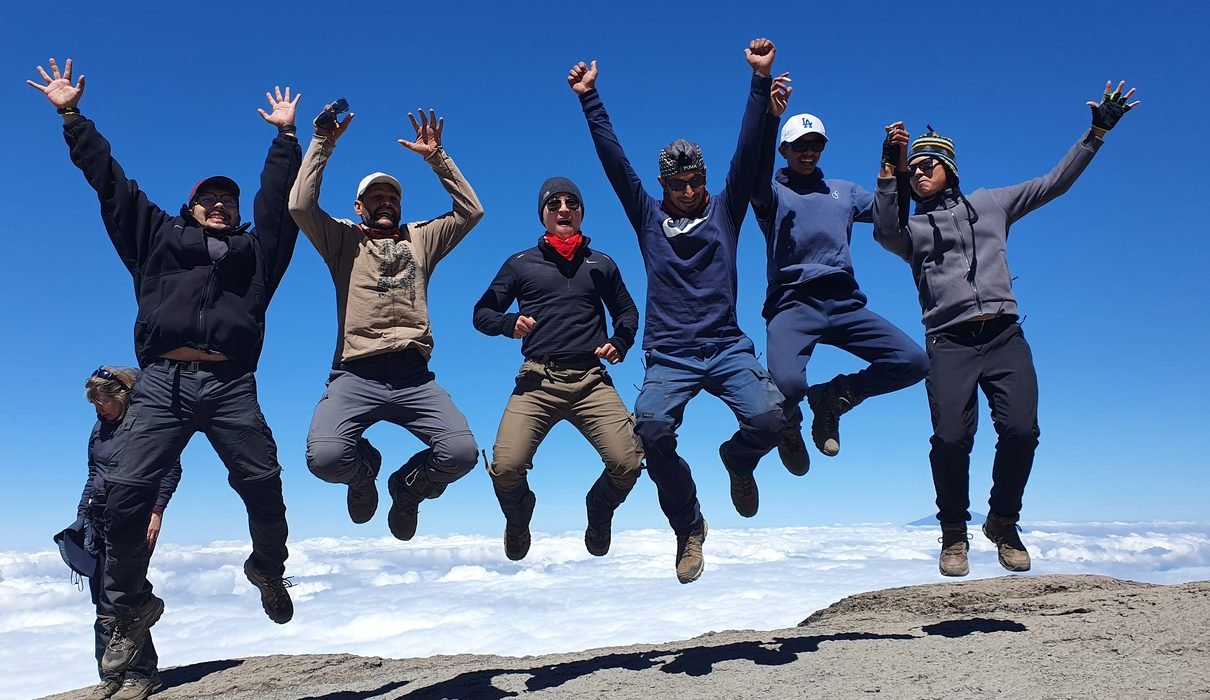
Mount Kilimanjaro is one of the most popular trekking destinations in Africa, attracting travellers who want to reach the highest point on the continent without needing technical mountaineering skills. Standing at 5,895 metres above sea level, Kilimanjaro offers several established climbing routes, but the Marangu Route remains a practical choice for those who prefer sleeping in mountain huts rather than tents.
This updated 5-day Kilimanjaro Marangu Route package is designed for travellers who have limited time in Tanzania and are prepared for a demanding mountain trek with a relatively short acclimatization period.
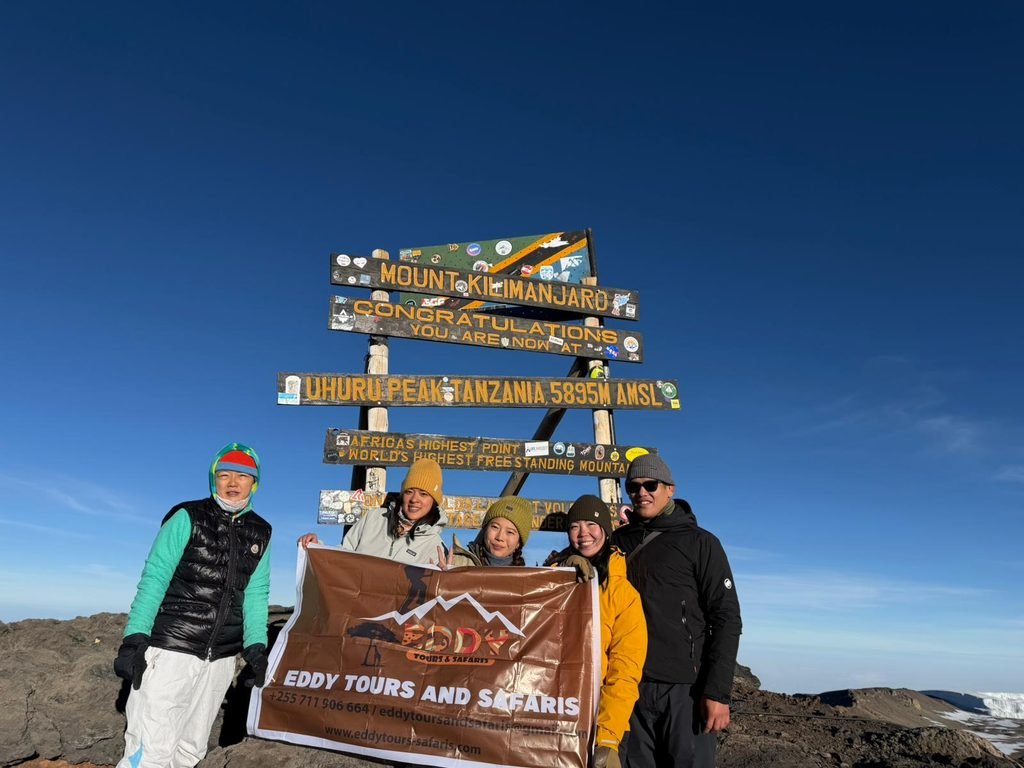
The Marangu Route is sometimes called the Coca-Cola Route because of its established facilities and long history of use by mountain climbers. However, the availability of sleeping huts should not be confused with an easy climb. Reaching Uhuru Peak requires physical preparation, patience and the ability to walk for several hours in cold conditions at high altitude. With Eddy Tours & Safaris, travellers can arrange a guided Kilimanjaro climbing package with mountain crew support, meals, accommodation in designated huts and transport between their hotel and the national park.
The standard Marangu itinerary follows the same main trail during ascent and descent, making it different from routes such as Machame and Lemosho. Climbers pass through tropical rainforest, open moorland, alpine desert and the cold summit environment before returning through the same mountain zones. Travellers comparing the different climbing options can also read the five-day Kilimanjaro Marangu Route guide by Kilimanjaro Climb Specialist for further information about the route and its overnight stops.
5-Day Kilimanjaro Marangu Route Package Overview
| Package details | Information |
|---|---|
| Destination | Mount Kilimanjaro, Tanzania |
| Route | Marangu Route |
| Duration | 5 days, 4 nights on the mountain |
| Highest point | Uhuru Peak, 5,895 metres |
| Starting point | Marangu Gate |
| Finishing point | Marangu Gate |
| Accommodation | Mandara, Horombo and Kibo mountain huts |
| Difficulty | Challenging, particularly because of altitude |
| Recommended experience | Good fitness and previous hiking experience |
| Best travel periods | January–March and June–October generally offer more favourable trekking conditions |
| Tour arrangement | Private guided trek; group options subject to availability |
| Departure location | Moshi or Arusha |
| Price | Available upon request |
Detailed 5-Day Kilimanjaro Marangu Route Itinerary
Day 1: Marangu Gate to Mandara Hut – Beginning the Kilimanjaro Trek
Elevation: Approximately 1,860 m to 2,700 m
Distance: Approximately 8 km
Walking time: 4–5 hours
Accommodation: Mandara Hut
Meals: Lunch and dinner
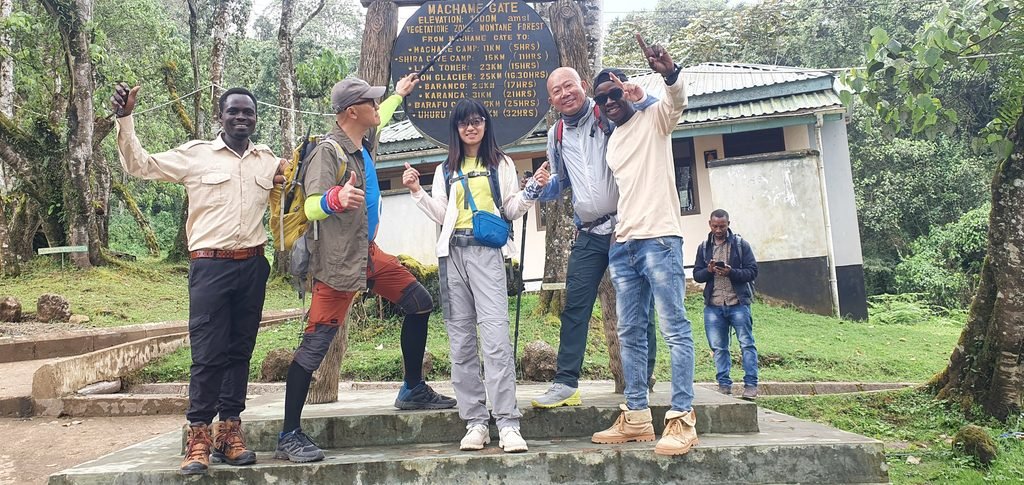
Your Kilimanjaro climbing trip begins with breakfast at your hotel in Moshi or Arusha, followed by a transfer to Marangu Gate on the southeastern side of Mount Kilimanjaro. On arrival, your mountain guide will complete the necessary registration procedures while the porters organize luggage, food supplies and other equipment for the journey. Once the park formalities have been completed, you will meet the rest of the climbing team and receive a short briefing before beginning the walk towards Mandara Hut.
The first section passes through dense mountain rainforest, where the trail is surrounded by tall trees, ferns and thick vegetation. Depending on the weather, the ground may be muddy or slippery, particularly during the rainy months. Your guide will maintain a comfortable walking pace and explain some of the plants and wildlife found in this part of Kilimanjaro National Park. Blue monkeys and black-and-white colobus monkeys may occasionally be seen in the forest, although wildlife sightings cannot be guaranteed.
After several hours of walking, you will arrive at Mandara Hut, where the mountain crew will prepare your evening meal. If there is sufficient time and the weather is suitable, your guide may arrange a short walk towards Maundi Crater. The first evening provides an opportunity to settle into the mountain routine, prepare your clothing for the following day and rest before moving into higher elevations.
Day 2: Mandara Hut to Horombo Hut – Walking into the Moorland
Elevation: Approximately 2,700 m to 3,720 m
Distance: Approximately 12 km
Walking time: 5–7 hours
Accommodation: Horombo Hut
Meals: Breakfast, lunch and dinner
After breakfast, the second day begins with a gradual climb away from Mandara Hut. As the trail gains elevation, the thick rainforest begins to disappear and the landscape changes into open heathland and moorland. This transition is one of the interesting parts of the Marangu Route because climbers can see how vegetation changes with altitude. Giant groundsels, lobelias and smaller mountain plants become more common, while the views of Mawenzi and Kibo become clearer when the clouds lift.
The walk towards Horombo Hut is longer than the first day’s trek, and the effects of altitude may become more noticeable. Your guide will encourage a steady pace, regular water intake and short breaks where necessary. Reaching Horombo Hut is an important stage because it is situated at an elevation where some climbers begin experiencing headaches, reduced appetite or difficulty sleeping. Any symptoms should be reported immediately to the mountain guide rather than ignored.
Horombo Hut offers views across the surrounding slopes and towards the upper mountain. After arrival, you will have time to rest, eat and prepare for the next day’s climb to Kibo Hut. Unlike the six-day Marangu itinerary, this five-day package does not include an additional acclimatization day at Horombo, which makes the schedule more demanding. Travellers who are concerned about altitude adjustment should consider extending the climb to six days before confirming their booking.
Day 3: Horombo Hut to Kibo Hut – Crossing the Alpine Desert
Elevation: Approximately 3,720 m to 4,700 m
Distance: Approximately 10 km
Walking time: 5–7 hours
Accommodation: Kibo Hut
Meals: Breakfast, lunch and dinner
The third day takes you towards Kibo Hut, the final overnight stop before the summit attempt. After leaving Horombo, the trail crosses increasingly dry and exposed terrain towards the broad saddle between Mawenzi and Kibo. The landscape becomes rocky, with very little vegetation, and the temperature can change considerably depending on cloud cover and wind conditions. Although the trail does not require technical climbing equipment under normal conditions, walking at this elevation demands more effort because the air contains less oxygen.
As you approach Kibo Hut, the summit slopes become more prominent and the scale of the final ascent becomes easier to appreciate. Your mountain guide will explain the summit schedule, check your equipment and discuss the expected weather conditions. You should prepare warm clothing, gloves, a headlamp, drinking water and suitable snacks before going to bed. Dinner is normally served early because the summit attempt usually begins around midnight, leaving only a few hours available for rest.
This is also an important point for monitoring altitude-related illness. The guide will assess whether climbers are fit to continue, and reaching the summit must never take priority over safety. Anyone planning the five-day itinerary should understand that the limited acclimatization time increases the difficulty of the climb, regardless of their general fitness.
Day 4: Kibo Hut to Uhuru Peak and Descent to Horombo Hut
Starting elevation: Approximately 4,700 m
Summit elevation: 5,895 m
Descent elevation: Approximately 3,720 m
Total walking time: Approximately 12–16 hours
Accommodation: Horombo Hut
Meals: Breakfast, lunch and dinner
Summit day begins very early, usually around midnight, when the mountain guide and climbing team prepare for the final ascent towards Uhuru Peak. The first section involves a slow climb over loose volcanic material and steep slopes towards Gilman’s Point, situated on the crater rim at approximately 5,685 metres. The cold, darkness and high altitude make this section physically demanding, and progress is normally much slower than during the previous trekking days.
After reaching Gilman’s Point, climbers who are fit to continue follow the crater rim towards Stella Point and then Uhuru Peak. The final section may involve snow, ice or strong winds depending on the season. Reaching Uhuru Peak at 5,895 metres is the highest point of the Kilimanjaro climb, with views across the surrounding mountain landscape when conditions are clear. Your guide will allow a short period for photographs and rest before beginning the descent, as prolonged exposure at this elevation is not advisable.
The descent follows the Marangu summit trail back towards Kibo Hut, where climbers can collect their belongings and take a break before continuing to Horombo Hut. This makes the fourth day the longest and most demanding part of the itinerary. After reaching Horombo, the climbing team will prepare dinner and allow time for recovery. Climbers should continue drinking water and report any unusual symptoms, even after descending from the summit.
Day 5: Horombo Hut to Marangu Gate – Completion of the Kilimanjaro Climb
Elevation: Approximately 3,720 m to 1,860 m
Distance: Approximately 18–20 km
Walking time: 5–7 hours
Destination: Moshi or Arusha
Meals: Breakfast and lunch
The final day begins with breakfast at Horombo Hut before descending towards Mandara Hut and eventually Marangu Gate. Although the trail is mostly downhill, the distance is considerable and the legs may feel tired after the previous day’s summit attempt. The route passes through the moorland and rainforest zones once again, offering another opportunity to observe the changing vegetation and enjoy the warmer temperatures at lower elevations.
On reaching Marangu Gate, your guide will complete the park exit procedures and arrange the appropriate climbing certificate for eligible trekkers. Climbers who reach Uhuru Peak receive the relevant summit certificate, while those who reach other recognized points may receive certificates corresponding to their achievement under the park’s procedures. The climbing team will then meet the transfer vehicle for the journey back to your hotel in Moshi or Arusha.
After completing the trek, many travellers choose to spend an additional night in Tanzania before flying home or continuing with another holiday. Eddy Tours & Safaris can also help arrange a wildlife safari or a relaxing extension to Zanzibar for those who want to explore more of the country after climbing Kilimanjaro.
What Is Included in the 5-Day Kilimanjaro Marangu Route Package?
The following services are included in the standard proposed trekking arrangement:
- Professional, licensed mountain guide throughout the climb.
- Assistant guide support according to group size and operational requirements.
- Mountain porters and cook for the trekking expedition.
- Kilimanjaro National Park entrance and conservation fees.
- Applicable mountain hut accommodation fees.
- Required park rescue fees.
- Four nights of shared accommodation in designated mountain huts.
- Breakfast, lunch and dinner during the trek, as indicated in the itinerary.
- Treated drinking water during the mountain expedition.
- Transport from the agreed hotel to Marangu Gate.
- Return transfer from Marangu Gate to the agreed hotel.
- Mountain crew wages and applicable crew park fees.
- Emergency oxygen carried by the mountain team.
- Basic first-aid equipment and mountain safety arrangements.
- Pre-climb briefing and equipment inspection.
- Applicable government taxes on the included services.
What Is Excluded from the Kilimanjaro Climbing Package?
The following expenses are not included unless specifically confirmed in your booking quotation:
- International and domestic flights.
- Tanzania tourist visa fees.
- Travel, medical and high-altitude evacuation insurance.
- Hotel accommodation before and after the climb.
- Airport transfers unless included in the confirmed quotation.
- Personal climbing equipment, including boots, jackets, gloves and sleeping bags.
- Equipment rental charges.
- Tips for mountain guides, porters and cooks.
- Personal expenses, including laundry, telephone calls and souvenirs.
- Alcoholic drinks, soft drinks and other personal beverages.
- Additional meals outside the stated itinerary.
- Extra hotel nights resulting from itinerary changes or early descent.
- Optional safaris, excursions and Zanzibar holiday extensions.
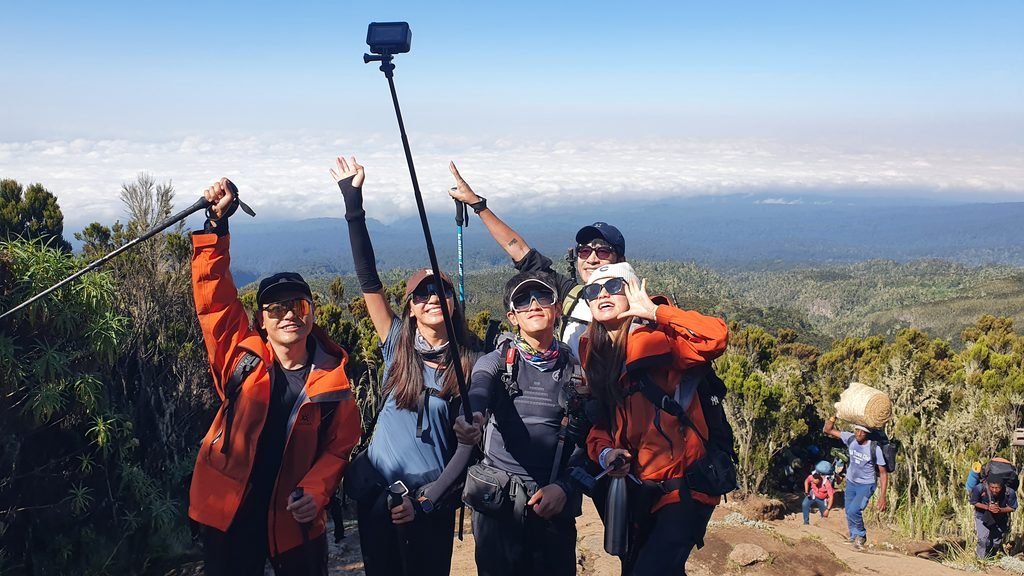
Why Choose the Marangu Route for a Five-Day Kilimanjaro Climb?
The main advantage of the Marangu Route is its permanent mountain hut accommodation. Unlike the Machame and Lemosho routes, where climbers sleep in tents, Marangu provides designated huts at Mandara, Horombo and Kibo. These facilities offer basic sleeping arrangements and shared dining areas, which can be particularly appealing to travellers who prefer not to camp. However, the accommodation remains simple, and climbers should not expect hotel-style facilities or private bathrooms.
Another advantage is the relatively short duration. Travellers with limited holiday time can complete the standard Marangu trek in five days, provided they are physically prepared and understand the challenges of altitude. The route also begins and finishes at Marangu Gate, simplifying transport arrangements. Nevertheless, the shorter itinerary offers less time for acclimatization than longer Kilimanjaro climbing routes. For this reason, the six-day Marangu climb is generally a better choice for travellers who can spare an additional day.
Before choosing a route, it is worth comparing the different climbing options and understanding the conditions on each trail. The Kilimanjaro climbing information available from Kilimanjaro Climb Specialist provides another useful reference for travellers researching mountain itineraries, while Tanzania National Parks provides official information about park access, regulations and visitor safety.
Best Time to Climb Kilimanjaro via the Marangu Route in 2027, 2028 and 2029
Mount Kilimanjaro can be climbed throughout the year, but weather conditions vary considerably between seasons. January to early March and June to October are generally preferred by many climbers because these periods often provide more favourable trekking conditions. However, mountain weather is never completely predictable, and rain, strong winds, freezing temperatures or snow can occur even during the traditionally drier months.
The months of April and May are generally associated with heavier rainfall, which can make the lower rainforest sections wet and muddy. November also commonly experiences short rains, although conditions vary from year to year. Travellers planning a climb in 2027, 2028 or 2029 should choose their dates based on personal availability, expected weather patterns and the amount of time they can spend on the mountain rather than assuming that any particular month guarantees clear conditions.
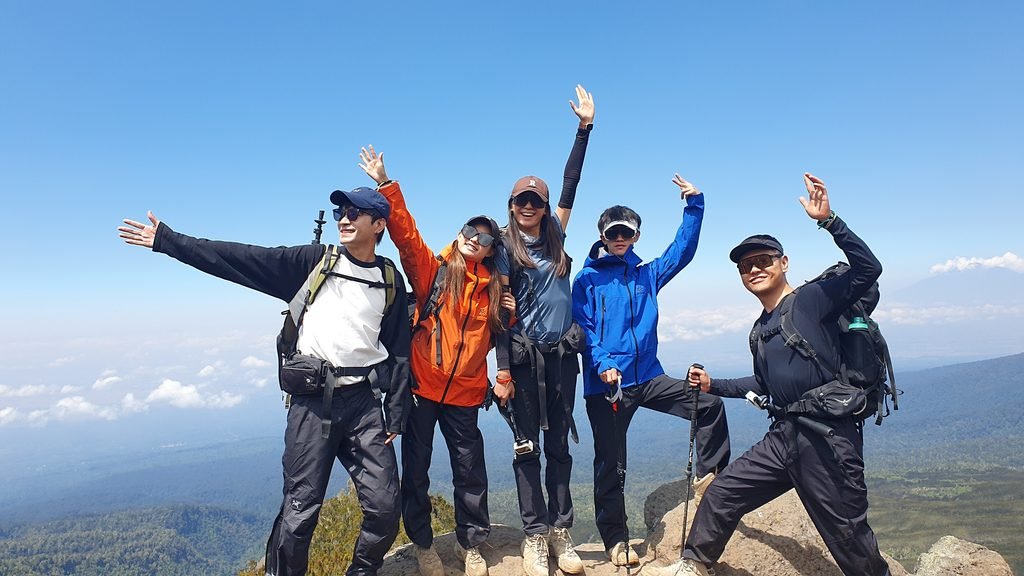
How to Prepare for the Five-Day Marangu Route Trek
Preparation should begin several weeks or preferably months before travelling to Tanzania. Regular walking, hill climbing, cycling and other endurance activities can help improve the fitness required for long trekking days. Practising with the hiking boots and daypack you intend to use on Kilimanjaro is also worthwhile, as poorly fitted footwear can cause blisters and discomfort during the descent. Travellers should prepare for cold weather by bringing suitable thermal layers, waterproof clothing, warm gloves, a hat and a sleeping bag appropriate for mountain conditions.
Altitude preparation is equally important, although fitness alone does not prevent altitude sickness. The five-day Marangu itinerary gains elevation quickly and does not include a separate acclimatization day. Climbers should discuss their health and suitability for high-altitude trekking with a qualified medical professional before departure. During the climb, it is important to walk slowly, remain hydrated, eat regularly and follow the guide’s instructions. Severe or worsening altitude symptoms require prompt assessment and may require descent rather than continuing towards the summit.
Frequently Asked Questions About the 5-Day Kilimanjaro Marangu Route
Is the five-day Marangu Route suitable for beginners?
The route can be attempted by beginners who have good fitness and adequate preparation, but the five-day schedule is demanding because it provides limited time for acclimatization. Travellers without previous high-altitude hiking experience should seriously consider the six-day option.
Do climbers sleep in tents on the Marangu Route?
No. The standard Marangu Route uses permanent mountain huts at Mandara, Horombo and Kibo. Accommodation is shared, and facilities become more basic at higher elevations.
Is it possible to reach Uhuru Peak in five days?
Yes, the five-day Marangu itinerary includes a summit attempt on the fourth day. However, reaching Uhuru Peak depends on weather conditions, altitude adjustment, personal health and the mountain guide’s safety assessment. Summit success cannot be guaranteed.
How much does the five-day Kilimanjaro Marangu Route cost?
The final price depends on the number of climbers, travel dates, accommodation arrangements, included transfers and any additional services. Travellers should request a written quotation from Eddy Tours & Safaris to confirm the current package price and payment terms before booking.
Can I combine Kilimanjaro climbing with a Tanzania safari?
Yes. Many travellers combine a Kilimanjaro climb with visits to Tarangire National Park, the Serengeti or Ngorongoro Crater. After completing the mountain trek, you can arrange a separate safari through Eddy Tours & Safaris, depending on your available travel days and budget.
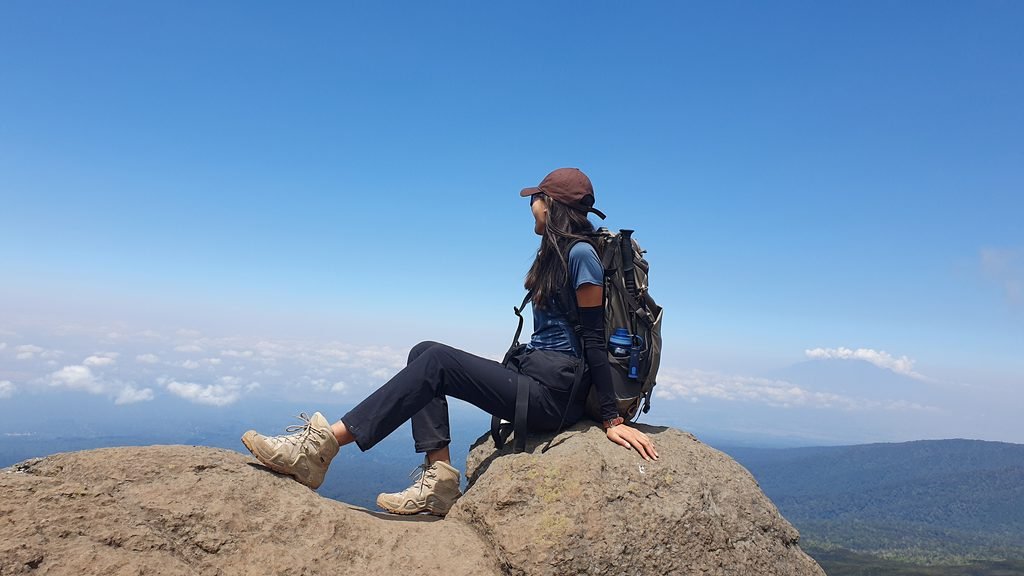
Book Your 5-Day Kilimanjaro Marangu Route Trek with Eddy Tours & Safaris
Planning a Kilimanjaro climb involves more than choosing a route and departure date. It requires suitable equipment, reliable mountain support, appropriate transport arrangements and a clear understanding of the physical demands involved. The five-day Marangu Route provides a shorter climbing option with mountain hut accommodation and a direct approach towards Kibo, but travellers should be prepared for a challenging summit day and limited acclimatization time.
Eddy Tours & Safaris assists travellers with planning guided Kilimanjaro climbing trips, arranging the necessary mountain services and coordinating travel arrangements before and after the trek. Whether you are travelling alone, with friends or as part of a private group, the itinerary can be discussed according to your available time and climbing experience. If you have an extra day available, the six-day Marangu option is worth considering for improved acclimatization.
For departure dates, package prices, private climbing arrangements and additional Tanzania travel services, visit the Eddy Tours & Safaris contact page and request your Kilimanjaro climbing quotation for 2027, 2028 or 2029.