
5 Days Mount Kilimanjaro Marangu Route Guide 2026, 2027 & 2028 is designed for travelers who want a clear understanding of one of Africa’s most famous trekking routes before beginning their climb to the summit of Mount Kilimanjaro. Unlike technical mountain expeditions that require ropes and climbing experience, the Marangu Route is known for being one of the most approachable and structured ways to reach Uhuru Peak, making it especially attractive for beginners and first-time high-altitude trekkers. The route combines scenic rainforest trails, comfortable mountain huts, steady altitude progression, and a direct path toward the summit while maintaining the unique atmosphere that has made Kilimanjaro one of the world’s most iconic trekking destinations.
The 5 Days Mount Kilimanjaro Marangu Route Guide is not simply about climbing a mountain but about understanding the full journey before you arrive in Tanzania. Many trekkers underestimate how much preparation, pacing, and mental readiness contribute to summit success. This guide explains how the Marangu Route works, what travelers should expect each day, the accommodation style, weather conditions, altitude challenges, and why thousands of climbers continue choosing this route every year. Travelers researching their trek through Mount Kilimanjaro climbing packages often discover that the Marangu Route remains popular because it combines simplicity, accessibility, and relatively comfortable hut accommodation compared to camping routes.
One of the defining features of the 5 Days Mount Kilimanjaro Marangu Route Guide is the hut system. Unlike Machame or Lemosho where climbers sleep in tents, Marangu offers shared mountain huts equipped with beds and communal dining spaces. For many trekkers, especially beginners, this creates a more manageable and reassuring trekking environment. Reports from National Geographic continue to recognize Mount Kilimanjaro as one of the most achievable high-altitude trekking mountains in the world because no technical climbing skills are required, even though physical and mental preparation remain extremely important.
The Marangu Route is often called the “Coca-Cola Route” because of its popularity and relatively straightforward trail design. However, this nickname sometimes creates the false impression that the climb is easy. Reaching Uhuru Peak at 5,895 meters still requires determination, proper acclimatization, and careful pacing. Organizations such as World Health Organization and NCBI continue emphasizing the importance of altitude awareness and hydration for high-elevation trekking, especially for travelers who have never experienced thin air before.
Travelers choosing the 5 Days Mount Kilimanjaro Marangu Route Guide are often motivated by a mixture of adventure, personal achievement, and curiosity about one of Africa’s most famous landscapes. The experience changes dramatically each day as trekkers move from dense rainforest filled with birds and monkeys into moorland, alpine desert, and finally icy summit conditions near Uhuru Peak. Every stage introduces a completely different atmosphere, making the climb feel like multiple journeys combined into one unforgettable experience.
Introduction to the 5 Days Mount Kilimanjaro Marangu Route Guide
The 5 Days Mount Kilimanjaro Marangu Route Guide focuses specifically on helping trekkers understand how this route operates and whether it matches their climbing goals. Because the Marangu Route follows the same trail for both ascent and descent, it remains one of Kilimanjaro’s most direct routes to the summit. The route begins at Marangu Gate on the southeastern side of the mountain and gradually ascends through several ecological zones before reaching Uhuru Peak.
Many climbers searching through Kilimanjaro route comparisons often choose Marangu because the daily trekking distances are relatively manageable and hut accommodation removes the need for tent camping. For travelers uncomfortable with sleeping outdoors in cold mountain conditions, this can significantly improve overall comfort and confidence during the trek.
However, the shorter five-day version of the route also comes with challenges. Because acclimatization time is limited compared to six or seven-day routes, altitude sickness risks can become higher if climbers move too quickly or arrive unprepared. Experts from Britannica and UNEP continue to emphasize that slower altitude gain usually improves summit success rates. Despite this, many trekkers still successfully complete the five-day itinerary by maintaining steady pacing and following guide instructions carefully.
Why the 5 Days Mount Kilimanjaro Marangu Route Guide is Popular
The popularity of the 5 Days Mount Kilimanjaro Marangu Route Guide comes from its simplicity and accessibility. The route is straightforward, easy to follow, and supported by permanent mountain huts, creating a trekking environment that feels more structured than wilderness camping routes. Travelers who value comfort after long trekking days often appreciate having dining huts, bunk beds, and communal resting spaces instead of temporary campsites exposed to wind and rain.
Another reason many climbers choose the Marangu Route is the scenic progression through multiple climate zones. The journey begins in tropical rainforest where thick vegetation and humid air create a completely different atmosphere from the icy summit conditions reached later in the trek. As altitude increases, the landscape transforms dramatically into giant heather moorland, rocky alpine desert, and eventually glacial summit terrain. Organizations like WWF continue highlighting Kilimanjaro’s ecological diversity because the mountain supports several distinct ecosystems within a relatively small geographical area.
For first-time trekkers, the 5 Days Mount Kilimanjaro Marangu Route Guide also feels psychologically manageable because the path is less physically demanding than some steeper western routes. While summit night remains extremely challenging due to altitude and cold temperatures, the earlier trekking days allow climbers to build confidence gradually. Additional trekking preparation ideas can also be explored through Kilimanjaro Climb Specialist, where travelers compare routes, gear requirements, and altitude strategies.
Detailed Itinerary ( 5 Days Mount Kilimanjaro Marangu Route Guide )
Day 1: Marangu Gate to Mandara Hut
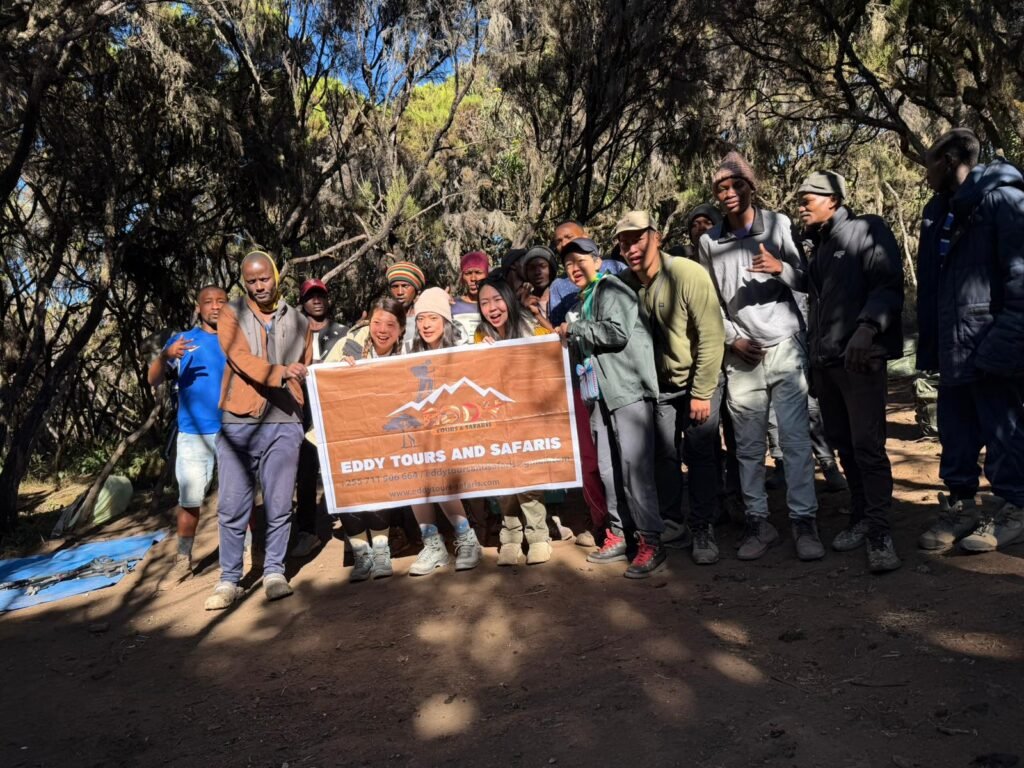
The first trekking day begins at Marangu Gate where registration takes place before entering the rainforest zone. Dense forest surrounds the trail, creating cool and humid trekking conditions while birds and monkeys occasionally appear among the trees. The route on this day is relatively gentle and allows climbers to adjust gradually to mountain hiking while enjoying beautiful scenery. Many trekkers describe this first stage as relaxing because the altitude remains moderate and the environment feels lush and alive.
Mandara Hut becomes the first overnight stop, providing shared sleeping huts and dining facilities where climbers begin connecting with fellow trekkers from around the world. Conservation organizations like IUCN emphasize the importance of protecting Kilimanjaro’s rainforest ecosystems because they support diverse wildlife and water systems critical for surrounding communities.
Day 2: Mandara Hut to Horombo Hut
The second day introduces climbers to the moorland zone where vegetation begins thinning and giant groundsels appear across open landscapes. The trail becomes steeper in sections, but the pace remains steady as guides encourage the famous Kilimanjaro principle of “pole pole,” meaning slowly and carefully. Weather conditions also begin changing noticeably as temperatures become cooler and the air thinner.
Horombo Hut sits at higher altitude and offers dramatic views across the surrounding landscape. Many trekkers experience their first mild altitude symptoms here, including headaches or reduced appetite, which is why hydration and pacing become increasingly important. According to ScienceDaily, proper acclimatization remains one of the most important factors influencing high-altitude trekking success.
Day 3: Horombo Hut to Kibo Hut
The trek toward Kibo Hut enters the alpine desert zone where vegetation becomes sparse and the environment feels more exposed and rugged. The landscape now resembles a volcanic wilderness with wide open views and dry terrain stretching toward the summit cone of Kilimanjaro. Climbers usually notice slower walking pace due to increasing altitude and thinner oxygen levels.
Kibo Hut serves as the final resting point before summit night. During the afternoon, guides provide detailed instructions about summit strategy, clothing layers, hydration, and mental preparation for the long overnight ascent. The atmosphere inside the hut often feels both nervous and exciting because everyone understands that the most difficult part of the climb is about to begin.
Day 4: Summit Attempt and Descent to Horombo Hut
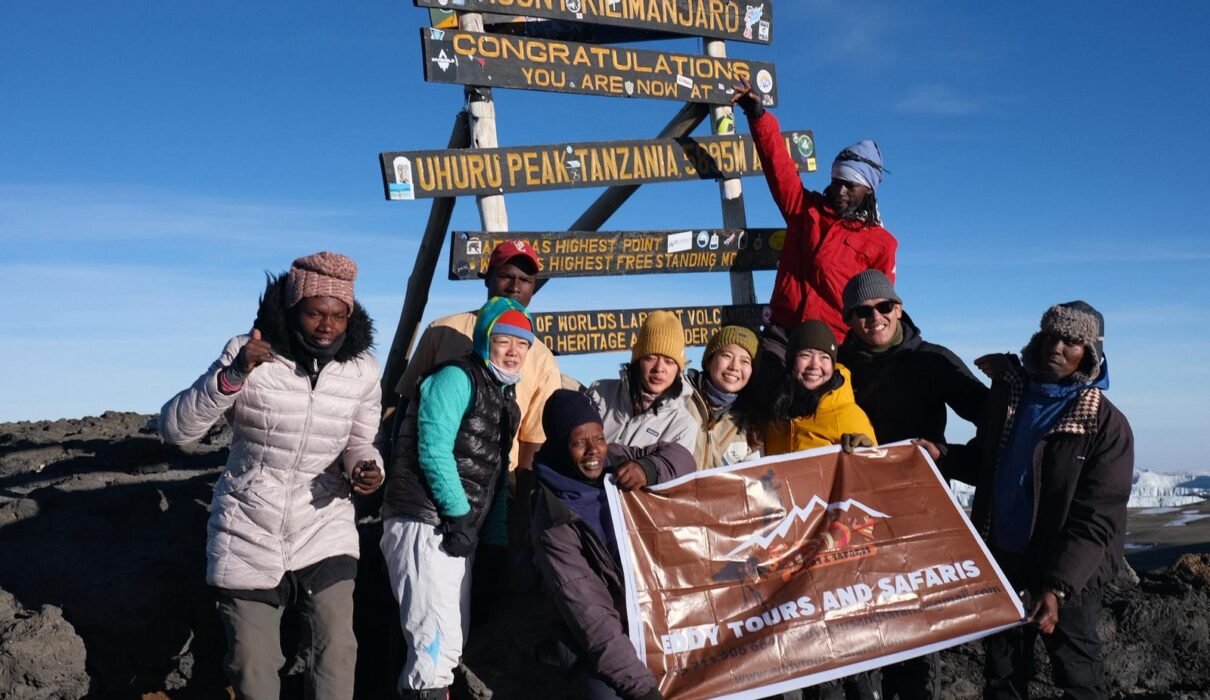
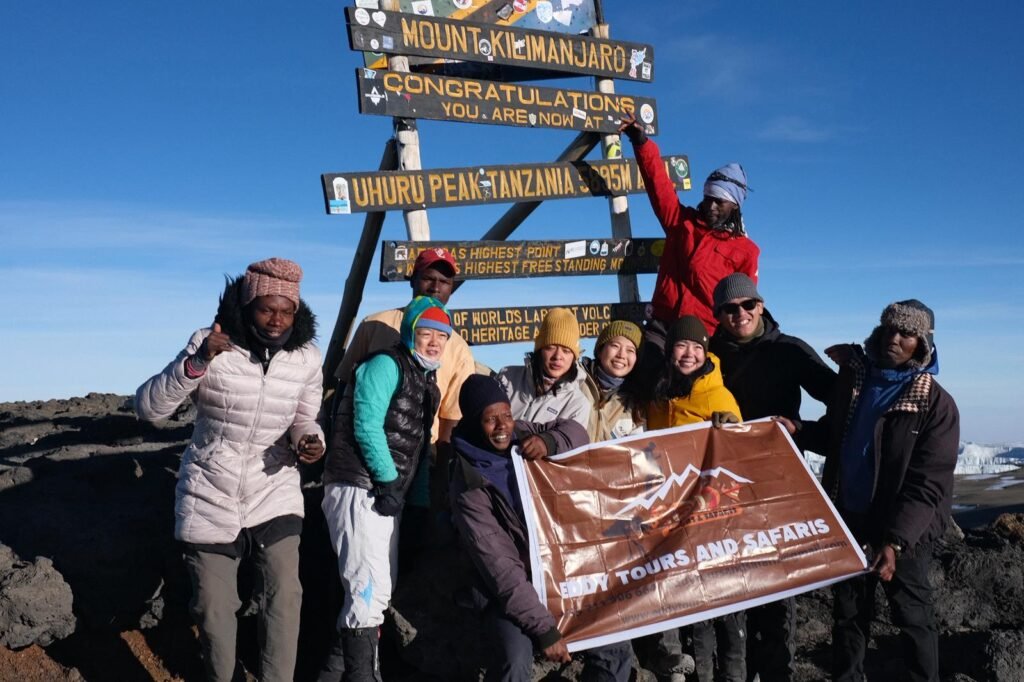
The summit push begins shortly after midnight under freezing temperatures and dark skies illuminated by headlamps. This stage is physically and mentally demanding because altitude makes every step feel heavier and slower. Climbers move gradually upward toward Gilman’s Point before continuing along the crater rim to Uhuru Peak, the highest point in Africa.
Reaching the summit during sunrise creates one of the most emotional moments of the entire journey. The glaciers, clouds, and endless African landscapes below create views that feel almost unreal after hours of climbing through darkness and cold. Reports from Lonely Planet continue describing Kilimanjaro as one of the world’s most rewarding trekking achievements because it combines accessibility with extraordinary scenery.
After celebrating at the summit, climbers descend back toward Horombo Hut where exhaustion and relief often mix together after one of the longest trekking days of the expedition.
Day 5: Horombo Hut to Marangu Gate
The final day of the 5 Days Mount Kilimanjaro Marangu Route Guide follows the same descending trail back through moorland and rainforest until reaching Marangu Gate. Oxygen levels increase steadily during descent, allowing most trekkers to feel physically stronger again. At the gate, climbers receive summit certificates and celebrate completing one of Africa’s most iconic adventures.
Many travelers extending their Tanzanian adventures after the climb often explore Tanzania safari experiences to combine mountain trekking with wildlife safaris or Zanzibar beach holidays.
Best Time for the 5 Days Mount Kilimanjaro Marangu Route Guide
The best climbing seasons for the 5 Days Mount Kilimanjaro Marangu Route Guide are generally January to March and June to October because these periods provide more stable weather and clearer summit conditions. June through October tends to attract larger numbers of climbers because rainfall decreases significantly, creating drier trails and better visibility. January through March offers quieter conditions with occasional snow near the summit, creating beautiful mountain scenery for photographers.
Weather on Kilimanjaro remains unpredictable regardless of season because climate conditions change rapidly with altitude. Climbers should prepare for warm rainforest temperatures, freezing summit conditions, rain, wind, and strong sun exposure all within the same expedition. Research from The Nature Conservancy continues emphasizing how climate patterns are gradually affecting glacier systems and ecological zones on Mount Kilimanjaro.
Essential Trekking Tips for the 5 Days Mount Kilimanjaro Marangu Route Guide
Preparation remains one of the most important factors influencing summit success. Trekkers should focus on cardio fitness, hiking practice, hydration habits, and mental readiness before arriving in Tanzania. While the Marangu Route does not require technical climbing skills, the altitude challenge should never be underestimated.
Proper clothing layers are equally important because temperatures vary dramatically between rainforest and summit zones. Waterproof jackets, thermal clothing, gloves, and quality hiking boots become essential during summit night when temperatures can fall well below freezing. Additional gear preparation guidance can also be researched through Google before purchasing equipment for the climb.
The 5 Days Mount Kilimanjaro Marangu Route Guide also strongly encourages climbers to listen carefully to guides throughout the expedition. Guides monitor pace, hydration, altitude symptoms, and general physical condition to improve safety and maximize summit success. Organizations like Conservation International continue supporting sustainable tourism practices that improve both climber safety and mountain conservation.
FAQ’S OF THE 5 Days Mount Kilimanjaro Marangu Route Guide
- Is the Marangu Route suitable for beginners? Yes, many first-time trekkers choose Marangu because of hut accommodation and relatively gradual trails.
- How difficult is the summit night? Summit night is physically demanding due to altitude and cold temperatures.
- Do I need technical climbing skills? No technical mountaineering skills are required for Kilimanjaro.
- Can I climb Kilimanjaro without prior trekking experience? Yes, though basic fitness preparation is strongly recommended.
- What makes Marangu different from other routes? Marangu is the only Kilimanjaro route with permanent sleeping huts instead of camping tents.
Conclusion – 5 Days Mount Kilimanjaro Marangu Route Guide
The 5 Days Mount Kilimanjaro Marangu Route Guide continues attracting climbers from around the world because it combines accessibility, structure, and unforgettable mountain scenery within one of Africa’s greatest trekking experiences. While the route remains challenging due to altitude, proper preparation and steady pacing allow many first-time trekkers to successfully reach Uhuru Peak each year.
Whether your goal is personal achievement, adventure travel, or experiencing the beauty of Mount Kilimanjaro for the first time, the Marangu Route provides a memorable and rewarding journey through diverse ecological zones and extraordinary landscapes. Travelers planning their climb for 2026, 2027, or 2028 can begin organizing their adventure through professional Kilimanjaro trekking experts who help climbers prepare properly for one of Africa’s most iconic mountain experiences.