
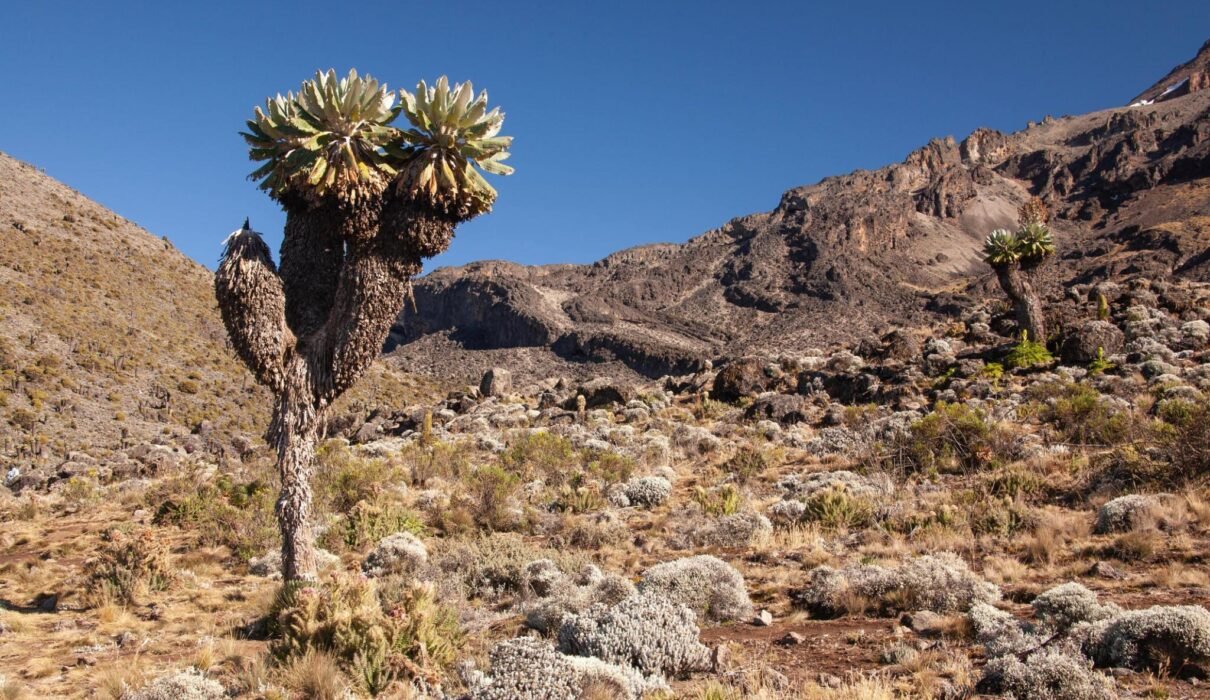
6-Day Marangu Route Kilimanjaro Adventure with Eddy Tours & Safaris. Walk through mountain forest, cross open moorland, and continue towards Kibo before attempting Uhuru Peak, Africa’s highest summit at 5,895 metres.
Marangu appeals to travelers who prefer mountain huts to tents. The route uses Mandara, Horombo, and Kibo huts, with shared sleeping facilities along the way. TANAPA identifies these as the route’s mountain accommodation.
This six-day itinerary includes an additional night at Horombo, giving you more time on the mountain than the five-day version. A guided acclimatization walk is planned before returning to the same hut for the night.
Although Marangu is sometimes described as an easy route, reaching Kilimanjaro’s summit remains a demanding undertaking. Hut accommodation provides shelter; it does not reduce the elevation, cold, or effort involved.
The package suits travelers seeking a structured mountain expedition who are willing to prepare carefully and accept that the summit depends on health and conditions.
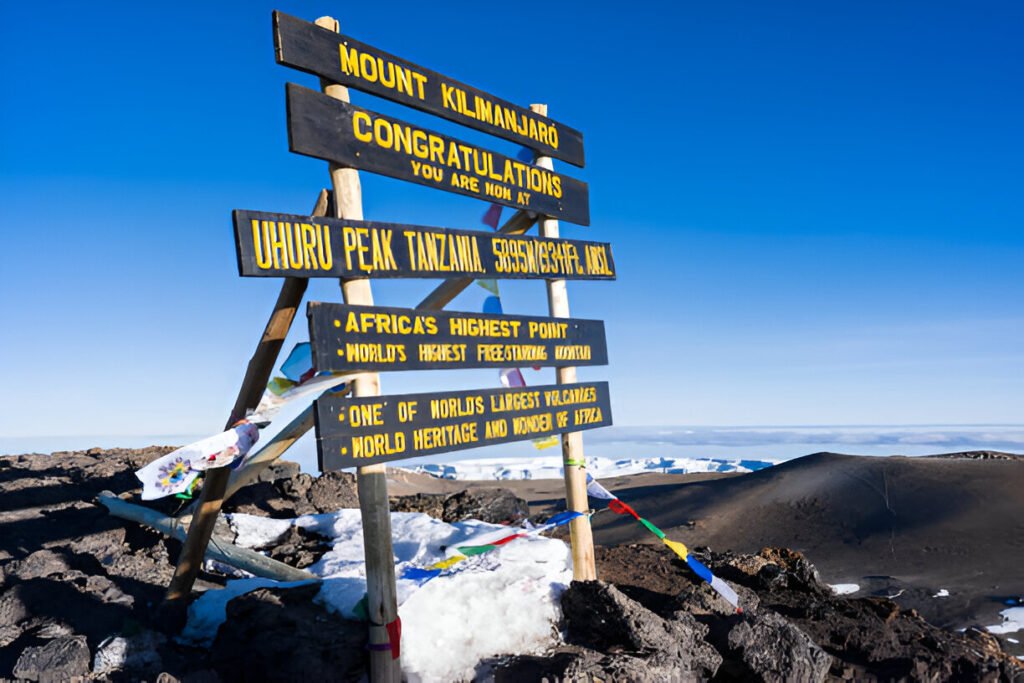
Climbing Package Overview
| Detail | Proposed arrangement |
|---|---|
| Destination | Mount Kilimanjaro, Tanzania |
| Route | Marangu |
| Duration | Six trekking days and five mountain nights |
| Summit objective | Uhuru Peak, 5,895 metres |
| Starting and finishing gate | Marangu Gate |
| Mountain accommodation | Shared huts |
| Additional acclimatization time | Second night at Horombo |
| Summit approach | Kibo Hut to Gillman’s Point, then Uhuru Peak |
| Descent | Return along the Marangu Route |
| Departure format | Private climb; ask about group availability |
| Price | Quoted according to dates, group size, and services |
Hotel nights, airport transfers, and arrival arrangements are separate from the six trekking days unless included in your quotation.
Why Choose the Six-Day Marangu Route?
Mountain huts instead of tents
Marangu’s hut accommodation is its clearest distinction. You sleep in basic shared facilities rather than a portable tent.
This can appeal to travelers who prefer a solid shelter at night, but it should not be confused with lodge comfort. Sleeping bags, warm clothing, and practical expectations remain essential.
An extra night at Horombo
The six-day version adds time at Horombo before continuing to Kibo.
The day can include a guided walk towards Zebra Rocks or the Mawenzi Ridge area, followed by a return to Horombo. The final distance and turnaround point depend on the agreed itinerary, conditions, and your wellbeing.
A clearly structured route
The ascent progresses through Mandara, Horombo, and Kibo. After the summit attempt, you return to Horombo and then descend to Marangu Gate.
This gives the journey a familiar sequence of overnight stops, although the terrain and walking demands change considerably.
Varied scenery
The walk begins in forest and continues into more open mountain landscapes. Higher up, vegetation becomes sparse, and the route crosses the exposed Saddle between Mawenzi and Kibo.
Clear weather may reveal broad views, but cloud cover can change quickly.
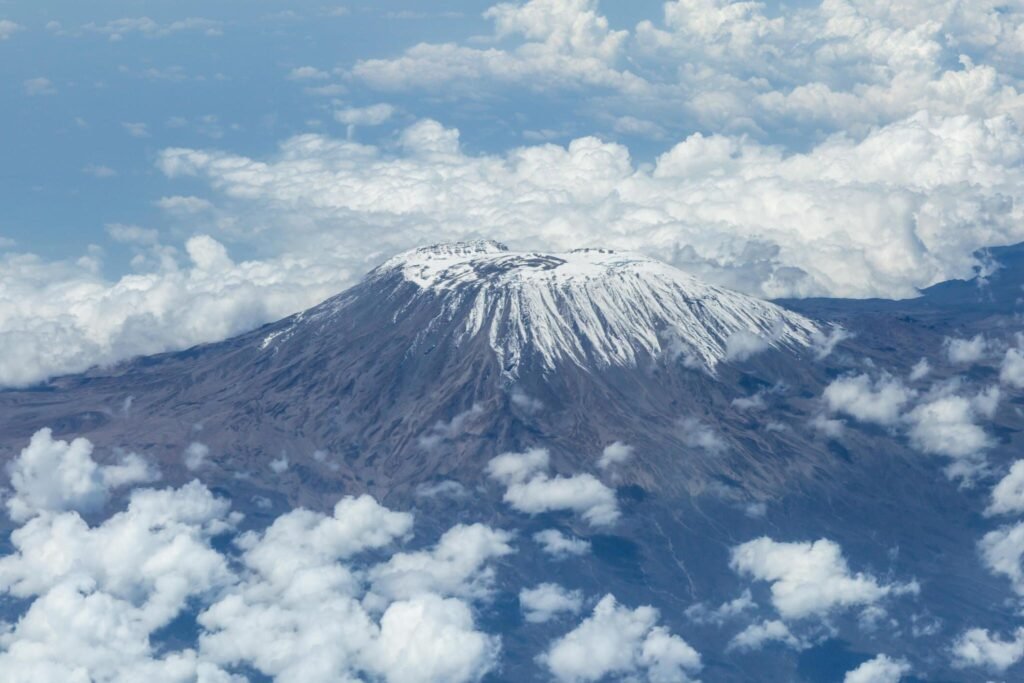
Detailed 6-Day Marangu Route Itinerary
Day 1: Marangu Gate to Mandara Hut
After breakfast, transfer from your hotel to Marangu Gate.
Complete registration and entry procedures before beginning the walk through the forest. Keep rain protection, water, and personal essentials in your daypack.
The trail climbs steadily, with roots, steps, and muddy sections possible depending on conditions. Walk at a comfortable pace and take time to adjust to the expedition routine.
Continue towards Mandara Hut, your first overnight stop.
Where time, conditions, and your energy allow, the guide may arrange a short walk near Maundi Crater. This is an optional addition rather than a reason to rush the main ascent.
Settle into the shared hut, change into dry clothing where necessary, and enjoy dinner.
Start: Marangu Gate, approximately 1,860 metres
Finish: Mandara Hut, approximately 2,700 metres
Walking time: Approximately 4–6 hours
Accommodation: Shared mountain hut
Meals: Breakfast, lunch, and dinner
Day 2: Mandara Hut to Horombo Hut
Leave Mandara after breakfast and continue uphill.
As the forest gives way to more open vegetation, the walk offers a different perspective on the mountain. When visibility allows, you may see Mawenzi and Kibo ahead.
This is a longer trekking day with a substantial increase in overnight elevation. Maintain a steady pace and tell your guide about any symptoms or unusual discomfort.
Stop for lunch at a suitable location before continuing towards Horombo.
After arrival, organize your equipment and rest. The air and evening temperatures will feel different from the lower forest.
Enjoy dinner and discuss the following day’s acclimatization walk.
Start: Mandara Hut, approximately 2,700 metres
Finish: Horombo Hut, approximately 3,720 metres
Walking time: Approximately 6–8 hours
Accommodation: Shared mountain hut
Meals: Breakfast, lunch, and dinner
Day 3: Acclimatization Walk and Second Night at Horombo
Today provides additional time at Horombo before moving higher.
After breakfast, take a guided walk towards Zebra Rocks or the Mawenzi Ridge area, depending on the confirmed plan. The guide chooses an appropriate turnaround point according to conditions and your wellbeing.
You return to Horombo for the night rather than moving to Kibo.
The purpose is to spend additional time adjusting to the mountain while keeping the same sleeping elevation. It is not an attempt to summit Mawenzi.
Spend the remaining time resting, checking equipment, and preparing for the next stage. Report concerns clearly rather than assuming they will disappear overnight.
Start and finish: Horombo Hut, approximately 3,720 metres
Activity: Guided acclimatization walk
Walking time: Approximately 3–5 hours, depending on the route
Accommodation: Shared mountain hut
Meals: Breakfast, lunch, and dinner
Day 4: Horombo Hut to Kibo Hut
After breakfast, continue towards Kibo.
The route crosses the Saddle between Mawenzi and Kibo. Vegetation becomes sparse, and the exposed landscape highlights the scale of the upper mountain.
Keep warm layers and weather protection accessible. Wind and cloud can alter conditions during the walk.
Maintain the guide’s recommended pace and take planned breaks. Arrive at Kibo Hut, the base for your summit attempt.
The team explains the intended departure time, clothing, refreshments, and decisions that may require you to turn around.
Prepare your headlamp and summit equipment, eat, and rest as the schedule allows.
Start: Horombo Hut, approximately 3,720 metres
Finish: Kibo Hut, approximately 4,700 metres
Walking time: Approximately 6–8 hours
Accommodation: Shared mountain hut
Meals: Breakfast, lunch, and dinner
Day 5: Kibo Hut to Uhuru Peak, Then Descend to Horombo
The summit attempt usually begins around midnight, with the exact time determined by the guides.
Climb slowly through darkness towards Gillman’s Point on the crater rim. Loose ground, cold, elevation, and sustained uphill effort make this the most demanding stage.
If your condition and circumstances permit, continue along the rim towards Uhuru Peak.
Reaching Gillman’s Point is not the same as reaching Uhuru. Your guides assess whether continuing is appropriate, and the decision must prioritize your condition over the destination.
After the summit attempt, descend to Kibo for food and a rest before continuing to Horombo.
The descent is lengthy and requires concentration. Keep drinking water and essential layers accessible, and tell your guide if you are struggling.
Start: Kibo Hut, approximately 4,700 metres
Summit objective: Uhuru Peak, 5,895 metres
Finish: Horombo Hut, approximately 3,720 metres
Walking time: Often around 12–16 hours overall; conditions and pace vary
Accommodation: Shared mountain hut
Meals: Meals and summit refreshments according to the expedition schedule
Summit arrival at sunrise cannot be guaranteed. Some climbers need to descend before reaching the crater rim or summit.
Day 6: Horombo Hut to Marangu Gate
After breakfast, begin the final descent.
Return through the moorland towards Mandara, then continue into the forest. The changing landscape marks your return to the lower mountain.
This remains a substantial walking day. Take care on slippery or uneven sections, particularly when your legs are tired from the summit attempt.
At Marangu Gate, complete exit procedures and meet the return transfer.
Travel to your booked hotel to rest and reorganize your luggage. Confirm the hotel night and evening meal arrangements before departure.
Start: Horombo Hut, approximately 3,720 metres
Finish: Marangu Gate, approximately 1,860 metres
Walking time: Approximately 6–8 hours
Accommodation: Hotel if booked
Meals: Breakfast and lunch; dinner according to the package
What Are the Marangu Huts Like?
Marangu huts provide basic shared mountain accommodation.
Expect communal sleeping arrangements and shared facilities rather than private hotel rooms. You may share with climbers outside your own booking party.
Ask about sleeping-bag requirements, bedding provision, and personal storage. Do not assume that charging, hot showers, or reliable internet will be available.
Bring a headlamp and keep valuables organized. Earplugs may be useful if you find shared sleeping spaces difficult.
The huts provide shelter from the weather, but suitable cold-weather equipment is still necessary.
How Difficult Is the Six-Day Marangu Route?
The main challenges are repeated walking days, increasing altitude, cold conditions, and the long summit ascent and descent.
A straightforward trail does not make the expedition suitable for everyone. Physical preparation helps you manage the walking, while medical suitability and altitude response need separate consideration.
The extra Horombo night makes this schedule less compressed than a five-day Marangu climb. It still cannot guarantee successful acclimatization.
Review the proposed itinerary with a qualified clinician if you have a medical condition, concerns about exercise, or previous serious altitude illness. Consult the CDC’s high-altitude travel guidance when preparing questions for your appointment.
Proposed Package Inclusions
Your written quotation should confirm:
- Mountain guides, cooks, and porters.
- Park charges for the agreed itinerary.
- Five nights of mountain hut accommodation.
- Applicable park rescue levy.
- Mountain meals and drinking-water arrangements.
- Cooking equipment and supporting services.
- Transfers between the agreed hotel and Marangu Gate.
- Pre-climb briefing and equipment review.
Confirm airport transfers, hotel nights, sleeping bags, equipment rentals, and emergency equipment separately.
A rescue levy does not replace personal travel insurance or guarantee helicopter evacuation.
Usually Excluded Unless Confirmed
- International flights.
- Visa costs.
- Personal insurance.
- Tips.
- Personal trekking clothing and footwear.
- Rentals not listed in the quotation.
- Hotel nights and airport transfers omitted from the package.
- Personal purchases.
- Optional safari or Zanzibar extensions.
- Additional services following itinerary changes.
Ask how early descent, cancellation, and future government-fee changes are handled.
Preparing for Your Marangu Climb
Build walking endurance gradually before departure.
Practise uphill and downhill walking, consecutive hiking days, and carrying your expected daypack. Wear your boots during training so you can identify fit problems early.
Check that your layers work together and that you can operate your headlamp comfortably. Test drinking-water containers and waterproof luggage protection.
Important equipment includes:
- Trekking boots and suitable socks.
- Base layers and walking clothing.
- Insulating layers.
- Waterproof jacket and trousers.
- Warm hat and gloves.
- Sleeping bag suitable for mountain conditions.
- Daypack.
- Headlamp and spare batteries.
- Sunglasses and sunscreen.
- Water containers.
- Personal medication.
- Trekking poles if you use them.
Follow the operator’s complete equipment list and confirm rental items in advance.
Frequently Asked Questions
Is this six days including arrival?
No. It includes six trekking days. Arrival and post-climb hotel arrangements sit outside that mountain schedule.
Do we sleep in tents?
The proposed Marangu itinerary uses shared huts at Mandara, Horombo, and Kibo.
Is Day 3 a complete rest day?
It includes a planned acclimatization walk, adjusted according to conditions and your wellbeing, followed by another night at Horombo.
Is Marangu the easiest way to summit?
It is often perceived that way because of its huts and established trail. The altitude and summit-day effort remain demanding.
Can beginners join?
Suitability depends on preparation, health, and the itinerary. Discuss your experience honestly before booking.
Is reaching Uhuru Peak guaranteed?
No. The guides may require descent if continuing is inappropriate.
Can I combine the climb with a safari?
Yes. Ask for a combined itinerary with time to recover after the mountain.
Plan Your Marangu Adventure With Eddy Tours & Safaris
Contact Eddy Tours & Safaris to request your 6-day Marangu Route Kilimanjaro climb.
Share your preferred dates, number of climbers, hiking experience, and transfer requirements. Request the full itinerary, hut arrangements, inclusions, price, and booking terms.
Website: eddytours-safaris.com
Email: sales@eddytours-safaris.com
Alternative email: eddytoursandsafaris@gmail.com
Phone and WhatsApp: +255 711 906 664
For official park information, visit TANAPA’s Kilimanjaro visitor guide.