
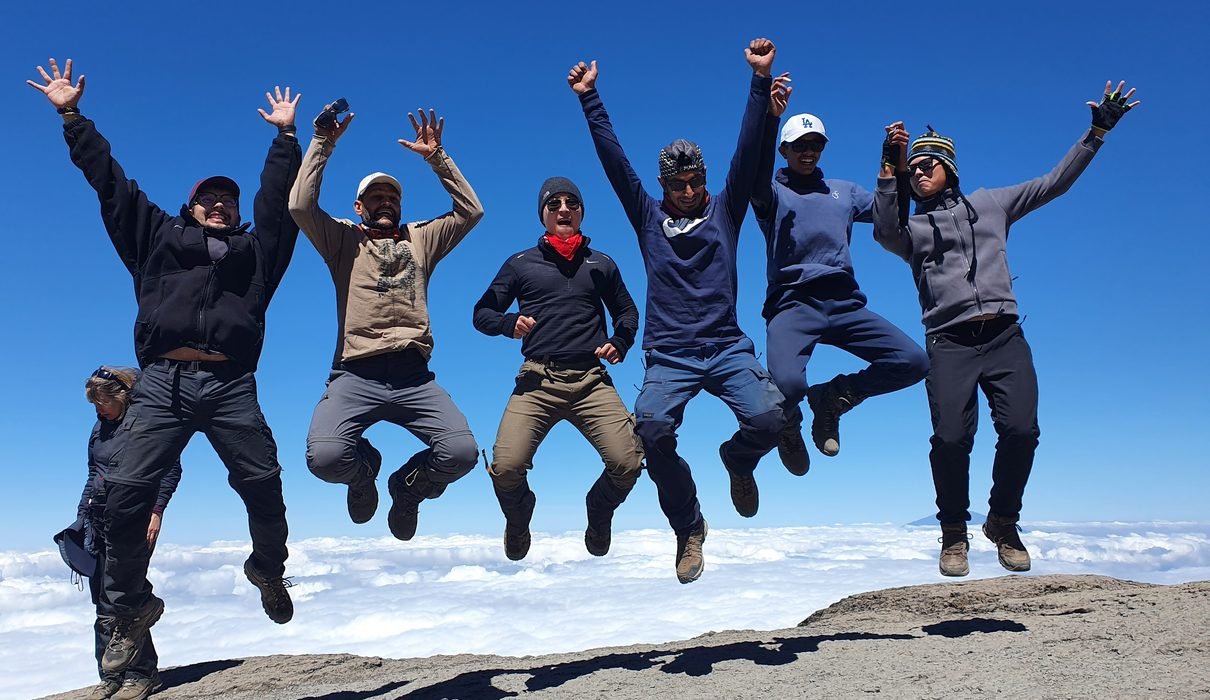
Climbing Mount Kilimanjaro through the Marangu Route is one of the most established ways to reach the highest mountain summit in Africa. The 6-day Marangu Route Kilimanjaro climbing itinerary for 2027 takes travellers through tropical rainforest, open moorland and alpine desert before reaching Uhuru Peak at 5,895 metres above sea level. The route is particularly suitable for climbers who prefer staying in permanent mountain huts instead of sleeping in camping tents. With an additional day for acclimatisation at Horombo Hut, this six-day itinerary offers more time to adjust to the mountain environment than the shorter five-day programme.
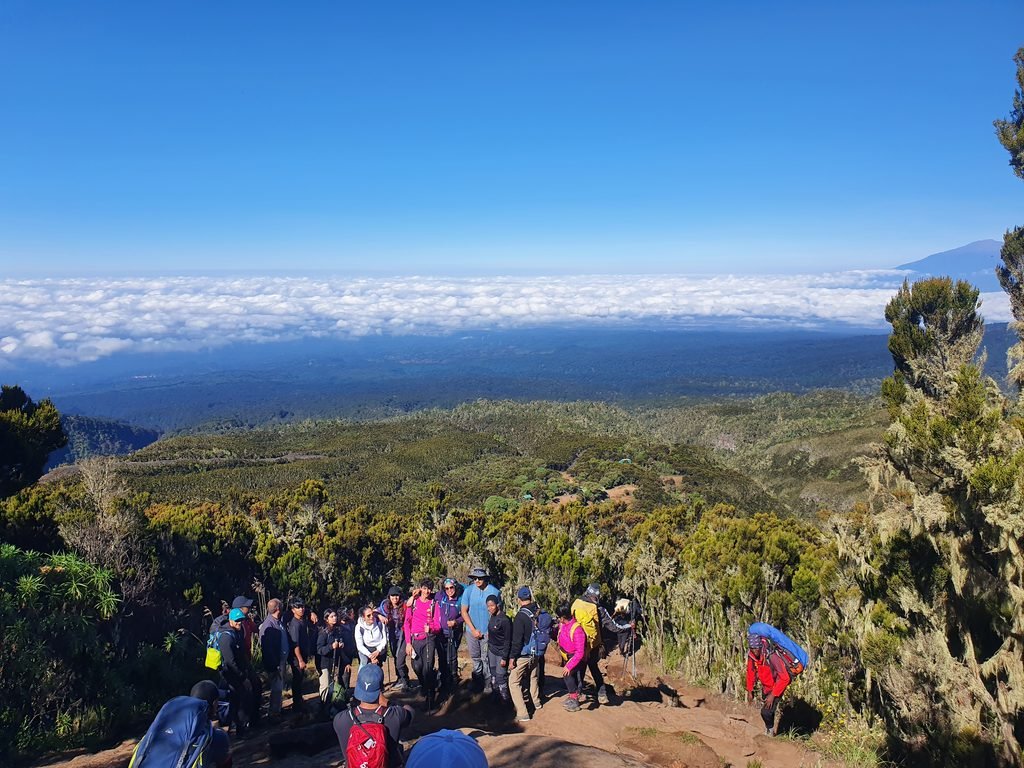
The Marangu Route begins and ends at Marangu Gate, on the southeastern side of Mount Kilimanjaro. Climbers follow an established trail through several different landscapes, spending their nights at Mandara Hut, Horombo Hut and Kibo Hut. Although the route does not require technical mountaineering skills under normal conditions, reaching the summit remains physically demanding because of the altitude, cold temperatures and long hours of walking. Travellers planning their climb with Eddy Tours & Safaris can arrange a guided mountain expedition with experienced local crews, meals, mountain accommodation and transport arrangements suited to their travel plans.
6-Day Marangu Route Kilimanjaro Climbing Overview
| Package details | Information |
|---|---|
| Tour name | 6-Day Marangu Route Kilimanjaro Climb |
| Destination | Mount Kilimanjaro, Tanzania |
| Travel year | 2027 |
| Duration | 6 days and 5 nights |
| Starting point | Marangu Gate |
| Finishing point | Marangu Gate |
| Highest elevation | Uhuru Peak – 5,895 metres |
| Accommodation | Shared mountain huts |
| Difficulty | Challenging high-altitude trekking |
| Acclimatisation | Extra day at Horombo Hut |
| Main attractions | Rainforest, Mawenzi Peak, Kibo Saddle, Uhuru Peak |
| Tour arrangements | Private climbs; joining options on request |
Why Choose the 6-Day Marangu Route in 2027?
The Marangu Route is sometimes called the Coca-Cola Route, a name associated with its long history as one of Kilimanjaro’s best-known climbing trails. Unlike the Machame, Lemosho and Rongai routes, Marangu offers permanent hut accommodation throughout the trek. These huts provide basic shared sleeping facilities and communal dining areas, which can make the experience more convenient for travellers who do not want to sleep in tents. However, the huts are not hotels, and climbers still need warm sleeping bags, suitable clothing and proper preparation for mountain conditions.
Another important reason to choose the six-day itinerary is the additional acclimatisation day at Horombo Hut. During this day, climbers normally take a shorter walk towards Zebra Rocks before returning to Horombo for another night. Walking to a higher elevation and returning to sleep lower can help the body adjust to reduced oxygen levels. This does not eliminate the risk of altitude sickness or guarantee that every climber will reach the summit, but it gives the team more time to assess how everyone is responding to the altitude before continuing towards Kibo Hut.
Travellers who are comparing different routes can also explore other Kilimanjaro climbing programmes or read the detailed Marangu Route information available through Kilimanjaro Climbing Specialist. Choosing the right route should depend on the number of days available, previous hiking experience, accommodation preferences and the time needed for acclimatisation.
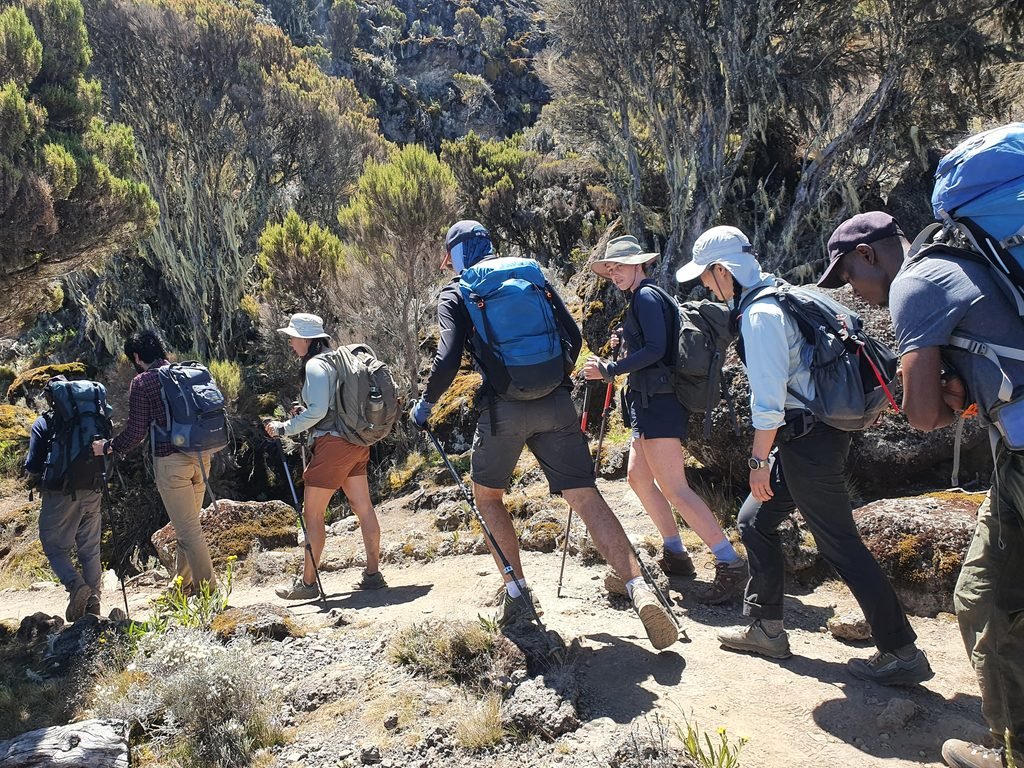
Complete 6-Day Marangu Route Kilimanjaro Climbing Itinerary
Day 1: Marangu Gate to Mandara Hut – Entering the Kilimanjaro Rainforest
- Starting elevation: Approximately 1,860 metres
- Ending elevation: Approximately 2,720 metres
- Hiking distance: 8 kilometres
- Walking time: 4–5 hours
- Accommodation: Mandara Hut
- Meals: Lunch and dinner
Your Kilimanjaro climbing adventure begins with a morning transfer from your hotel in Moshi or Arusha to Marangu Gate. Upon arrival, your mountain guide will assist with national park registration, luggage arrangements and the necessary preparations before the trek begins. This is also an opportunity to meet the mountain crew, including the guides, porters and cook who will support you during the expedition. Once registration is completed, you will begin walking along the established trail through Kilimanjaro’s tropical rainforest, where tall trees, thick vegetation and cool mountain air provide a pleasant introduction to the climb.
The first day’s trail follows a gradual ascent through the forest, with occasional steeper sections and muddy ground depending on recent rainfall. Black-and-white colobus monkeys and various forest birds may be seen along the way, although wildlife sightings are never guaranteed. Your guide will encourage a comfortable walking pace, allowing the group to become familiar with the mountain conditions without using too much energy. After approximately four to five hours of hiking, you will arrive at Mandara Hut, where the crew will prepare dinner and help you settle into your accommodation. If time and weather permit, a short walk towards Maundi Crater may be arranged before returning to the hut for the night.
Day 2: Mandara Hut to Horombo Hut – From Rainforest to Open Moorland
- Starting elevation: Approximately 2,720 metres
- Ending elevation: Approximately 3,720 metres
- Hiking distance: 12 kilometres
- Walking time: 5–7 hours
- Accommodation: Horombo Hut
- Meals: Breakfast, lunch and dinner
After breakfast at Mandara Hut, the second day begins with a gradual climb through the remaining rainforest before the landscape opens into heath and moorland. The vegetation becomes shorter as you gain altitude, and the trail offers wider views of the surrounding mountain slopes. On a clear day, you may begin to see the impressive peaks of Kibo and Mawenzi, which dominate the upper sections of Mount Kilimanjaro. The changing scenery makes this part of the climb particularly interesting, as the thick forest gives way to open terrain with giant groundsels, lobelias and other plants adapted to the mountain environment.
The walk to Horombo Hut takes approximately five to seven hours, depending on the group’s pace and weather conditions. At this elevation, some climbers may begin experiencing mild effects of altitude, including headaches, tiredness or reduced appetite. Your guide will monitor the group’s condition and encourage everyone to maintain a slow, steady pace. Upon reaching Horombo Hut, you will have time to rest, enjoy a warm meal and take in the mountain views. Horombo is one of the main accommodation points along the Marangu Route and will also serve as your base for the following day’s acclimatisation walk.
Day 3: Horombo Hut to Zebra Rocks and Return – Acclimatisation Day
- Starting elevation: Approximately 3,720 metres
- Highest walking elevation: Approximately 4,000 metres
- Returning elevation: 3,720 metres
- Hiking distance: Approximately 5–6 kilometres return
- Walking time: 3–4 hours
- Accommodation: Horombo Hut
- Meals: Breakfast, lunch and dinner
The third day is reserved for acclimatisation, an important part of the six-day Marangu Route itinerary. Rather than continuing directly towards Kibo Hut, you will spend another night at Horombo while taking a guided walk to a higher elevation. The usual destination is Zebra Rocks, a group of distinctive rock formations with dark and light mineral markings. The walk offers an opportunity to explore the upper moorland, enjoy views towards Mawenzi and become more familiar with the thinner air at higher elevations. Your guide will determine the appropriate walking distance according to the group’s physical condition and the weather.
After visiting Zebra Rocks, you will descend to Horombo Hut for lunch and an afternoon of rest. This additional time at altitude is one of the main advantages of choosing the six-day Marangu Route instead of the five-day alternative. You should continue drinking water regularly, eating properly and informing your guide of any symptoms you experience. The afternoon also provides an opportunity to check your equipment and prepare for the more demanding stages ahead. Travellers who prefer a longer acclimatisation programme may wish to compare this itinerary with other Kilimanjaro trekking options offered by Eddy Tours & Safaris.
Day 4: Horombo Hut to Kibo Hut – Crossing the Alpine Desert
- Starting elevation: Approximately 3,720 metres
- Ending elevation: Approximately 4,700 metres
- Hiking distance: 9–10 kilometres
- Walking time: 5–7 hours
- Accommodation: Kibo Hut
- Meals: Breakfast, lunch and dinner
The fourth day takes you from Horombo Hut towards Kibo Hut, passing through increasingly dry and exposed mountain terrain. After breakfast, you will begin a gradual ascent across the upper moorland before reaching the broad Saddle between Mawenzi and Kibo. This section of the mountain has very little vegetation, and the landscape becomes rocky, open and almost desert-like. The views are impressive, particularly when the weather is clear enough to see the steep slopes of Kibo ahead and the rugged formations of Mawenzi behind you. The route is exposed to wind and changing temperatures, so carrying suitable warm clothing and rain protection is important.
You will arrive at Kibo Hut in the afternoon, where the crew will prepare a meal and your guide will explain the arrangements for the summit attempt. At approximately 4,700 metres, Kibo Hut is the highest overnight accommodation point on this itinerary. The rest of the day should be spent conserving energy, organising warm clothing, checking your headlamp and preparing essential items for the night climb. Climbers normally have an early dinner and attempt to sleep before waking late in the evening for the final ascent. Although it may be difficult to rest properly at this altitude, avoiding unnecessary physical activity will help you prepare for the demanding hours ahead.
Day 5: Kibo Hut to Uhuru Peak, Descending to Horombo Hut – Summit Day
- Starting elevation: Approximately 4,700 metres
- Summit elevation: 5,895 metres
- Ending elevation: Approximately 3,720 metres
- Hiking distance: Approximately 21–22 kilometres
- Walking time: 12–16 hours
- Accommodation: Horombo Hut
- Meals: Breakfast, lunch and dinner
Summit day is the most demanding part of the six-day Marangu Route Kilimanjaro climbing itinerary. The ascent normally begins around midnight, although your guide may adjust the departure time according to the weather and the group’s condition. Wearing warm clothing and using headlamps, you will begin climbing the steep slopes above Kibo Hut. The trail follows rocky ground and loose volcanic scree, making progress slow and physically tiring. Temperatures can fall well below freezing, particularly when strong winds are present. Your guide will maintain a careful pace, allowing regular opportunities to assess the group’s condition while continuing towards Gilman’s Point on the crater rim.
Reaching Gilman’s Point at approximately 5,685 metres is a major achievement, but the journey to Uhuru Peak continues along the crater rim. Depending on your physical condition, weather and the guide’s assessment, you will continue towards the highest point of Mount Kilimanjaro at 5,895 metres. From the summit, climbers may enjoy views of the surrounding glaciers, volcanic landscape and clouds stretching across the plains below. Time at the summit is normally limited because of the altitude and cold conditions. After taking photographs, you will begin descending towards Kibo Hut, where there is usually an opportunity to rest and eat before continuing down to Horombo Hut. The long descent can be tiring, but returning to a lower elevation generally makes breathing easier. You will spend the night at Horombo Hut after completing the most challenging day of the expedition.
Day 6: Horombo Hut to Marangu Gate – Completing the Kilimanjaro Climb
- Starting elevation: Approximately 3,720 metres
- Ending elevation: Approximately 1,860 metres
- Hiking distance: 20 kilometres
- Walking time: 5–7 hours
- Accommodation: Return to Moshi or Arusha
- Meals: Breakfast and lunch
The final day begins with breakfast at Horombo Hut before starting the descent towards Marangu Gate. You will follow the familiar trail through moorland and heath, gradually returning to the rainforest as the altitude decreases. The lower sections of the mountain may be wet and slippery, especially after rainfall, so trekking poles and suitable hiking boots remain useful throughout the descent. Although the summit attempt is already behind you, the final walk still requires several hours of steady movement, and your legs may feel tired from the previous day’s long climb.
After passing Mandara Hut, you will continue through the forest until you reach Marangu Gate, where the necessary park exit procedures will be completed. Eligible climbers will receive their official summit or achievement certificates according to the highest recognised point reached. Your driver will then transfer you back to your hotel in Moshi or Arusha, bringing the six-day Kilimanjaro climbing programme to an end. Travellers who would like to continue exploring Tanzania can arrange a wildlife safari or a relaxing beach holiday through Eddy Tours & Safaris, allowing them to combine their mountain experience with other destinations in the country.
What Is Included in the 6-Day Marangu Route Kilimanjaro Package?
The standard mountain-climbing package can be arranged with the following services. Your final quotation will confirm the exact inclusions before booking.
Package Inclusions
- Kilimanjaro National Park conservation and entrance fees.
- Mountain hut accommodation fees for five nights.
- Professional, licensed mountain guides.
- Experienced mountain porters and cook.
- Salaries and operational expenses for the mountain crew.
- Breakfast, lunch and dinner during the mountain expedition, as specified in the itinerary.
- Clean, treated drinking water during the climb.
- Transfers between the agreed Moshi or Arusha collection point and Marangu Gate.
- Return transfer from Marangu Gate after completing the climb.
- Applicable national park rescue fees.
- Emergency oxygen and basic mountain safety equipment carried by the crew.
- Government taxes applicable to the confirmed package.
- Official Kilimanjaro climbing certificate for eligible climbers.
- Mountain expedition organisation and assistance from Eddy Tours & Safaris.
Package Exclusions
- International and domestic flight tickets.
- Tanzania tourist visa fees.
- Personal travel and medical evacuation insurance.
- Tips and gratuities for guides, porters and cooks.
- Personal trekking equipment, including hiking boots, sleeping bags and warm clothing.
- Accommodation before and after the mountain climb, unless included in the quotation.
- Airport transfers, unless specifically included in the booking.
- Personal expenses such as laundry, telephone calls and souvenirs.
- Alcoholic beverages, soft drinks and other personal refreshments.
- Meals outside the stated mountain itinerary.
- Additional activities or excursions not mentioned in the confirmed package.
- Costs arising from personal itinerary changes or additional services requested during the trip.
Best Time to Climb the Marangu Route in 2027
Mount Kilimanjaro can be climbed throughout the year, but weather conditions vary considerably between seasons. January to early March and June to October are generally popular periods because they often offer relatively favourable trekking conditions. The months from June to October usually bring drier weather, although summit temperatures remain cold and strong winds can occur at any time. January and February can also provide suitable climbing conditions, with clear mornings and occasional cloud cover developing later in the day. Travellers should remember that mountain weather is unpredictable, and even during the drier months, rain, snow and freezing temperatures are possible.
April and May are commonly associated with heavier rainfall in northern Tanzania, while November can bring shorter periods of rain. These months may offer quieter trails, but wet ground and reduced visibility can make the experience more difficult. When planning a 2027 departure, it is sensible to consider both the expected weather and your available preparation time. Eddy Tours & Safaris can help travellers discuss suitable travel dates and coordinate their climb with other activities in Tanzania. The Tanzania National Parks visitor guide is another useful resource for understanding mountain regulations, accommodation and visitor safety requirements.
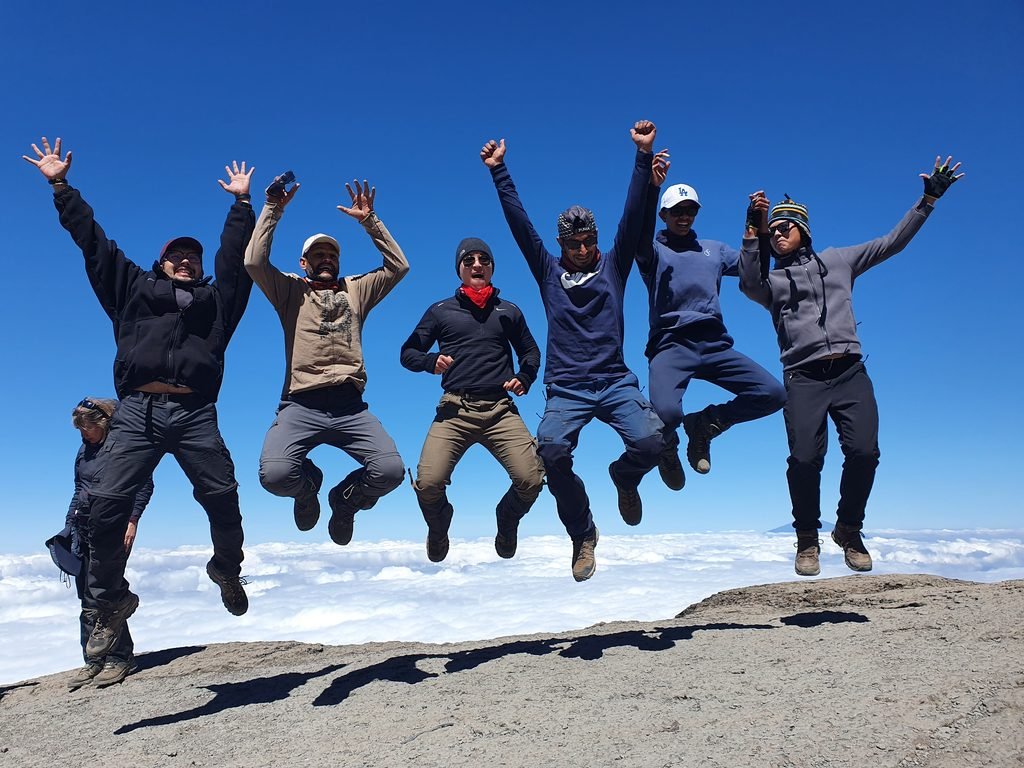
How Difficult Is the 6-Day Marangu Route?
The Marangu Route is sometimes described as one of the easier Kilimanjaro routes because it follows an established trail and offers hut accommodation. However, this description can be misleading. The route reaches the same summit elevation as every other Kilimanjaro climbing route, and the final ascent involves steep terrain, cold temperatures and reduced oxygen levels. Climbers must also be prepared for several consecutive days of walking, including a long summit day that may last more than twelve hours. A good level of physical fitness, suitable equipment and the ability to maintain a steady walking pace are important for completing the expedition.
Altitude sickness is one of the main concerns on Kilimanjaro, regardless of a climber’s age or fitness level. Symptoms may include headache, nausea, dizziness, unusual tiredness and difficulty sleeping. More serious symptoms require immediate attention, and the guide may decide that descending is necessary. The additional acclimatisation day at Horombo Hut provides more time to adjust, but it does not remove the risks associated with high altitude. Travellers should discuss relevant health concerns with a qualified medical professional before departure and follow their mountain guide’s instructions throughout the climb.
What to Pack for the Marangu Route Kilimanjaro Climb
Packing correctly is essential because temperatures and weather conditions change significantly between the lower rainforest and the summit. During the first day, lightweight hiking clothing and rain protection may be sufficient, while the upper mountain requires insulated jackets, thermal layers, gloves and warm headwear. A comfortable pair of waterproof hiking boots should be worn during training before travelling to Tanzania. You will also need a suitable sleeping bag for cold mountain temperatures, as the huts provide basic sleeping facilities rather than fully equipped hotel bedrooms.
Other useful items include a headlamp with spare batteries, trekking poles, a waterproof daypack, reusable water bottles, sunscreen, sunglasses and personal hygiene supplies. A porter will normally carry your main mountain bag within the applicable weight limit, while you carry a smaller daypack containing drinking water, snacks, extra clothing and items needed during the walk. Before departure, the climbing team should provide a packing checklist and explain which equipment can be rented locally. You can also review additional preparation information through Kilimanjaro Climbing Specialist, particularly when comparing route conditions and equipment requirements.
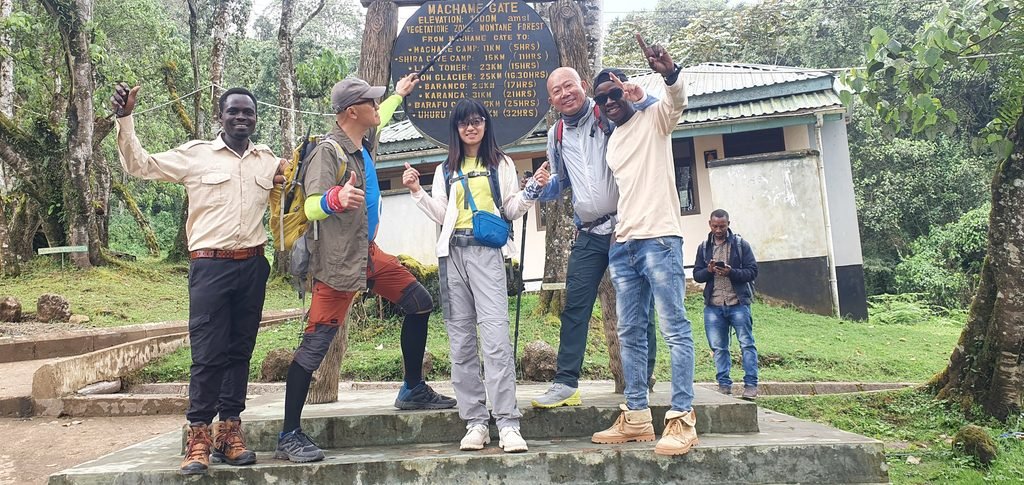
Can Beginners Climb Kilimanjaro Using the Marangu Route?
The six-day Marangu Route can be suitable for first-time high-altitude trekkers who are physically prepared and understand the challenges involved. Previous mountaineering experience is not normally required because the standard trail does not involve technical climbing with ropes or specialist rock-climbing equipment. Nevertheless, beginners should not underestimate the effects of altitude or the physical demands of summit night. Regular walking, hill hiking, stair climbing and cardiovascular exercise in the months before departure can help improve endurance and make the experience more manageable.
For travellers who have never completed a multi-day trek, it is useful to begin training several months before travelling. Longer weekend walks with a loaded daypack can help prepare the legs and shoulders for consecutive days of hiking. Proper rest, hydration and realistic expectations are equally important. Climbers who have additional time may benefit from choosing a longer Kilimanjaro itinerary with more gradual acclimatisation. The team at Eddy Tours & Safaris can discuss the differences between available climbing routes and help travellers choose a programme that matches their experience and travel schedule.
Booking Your 6-Day Marangu Route Kilimanjaro Climb for 2027
Booking a Kilimanjaro climbing expedition in advance allows enough time to organise flights, accommodation, trekking equipment and personal preparation. The cost of the six-day Marangu Route depends on the number of climbers, whether the expedition is private or shared, the services included and the applicable national park fees. Travellers should request a detailed quotation rather than relying on a general advertised price, particularly when comparing packages that may include different hotel arrangements, transfers or equipment services.
At Eddy Tours & Safaris, we help visitors arrange guided Kilimanjaro climbing expeditions from northern Tanzania. Whether you are travelling alone, as a couple, with friends or in a larger group, the six-day Marangu Route can be organised around your preferred travel dates, subject to availability and park arrangements. Our team can also assist with additional safari activities after the climb, giving you the opportunity to explore Tanzania beyond Mount Kilimanjaro.
Plan your 2027 Kilimanjaro climb with Eddy Tours & Safaris. Visit our contact and booking page to request a quotation, confirm your preferred departure date and discuss the arrangements for your six-day Marangu Route expedition.