
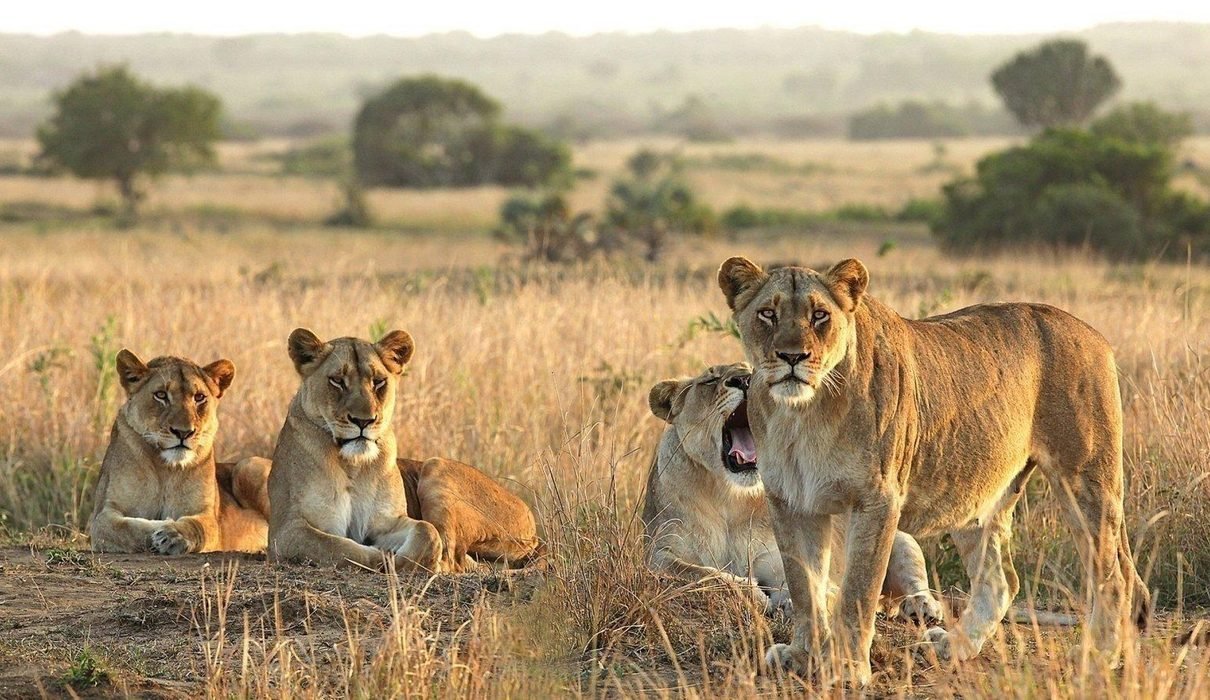
A 6 Days Tanzania Big Cats Photography Safari is designed for travellers who want more than ordinary wildlife sightings. This six-day journey takes you through some of northern Tanzania’s most productive wildlife areas, with particular attention to photographing lions, leopards, cheetahs and other animals in their natural habitats. From the open grasslands of Serengeti National Park to the wildlife-rich floor of Ngorongoro Crater, the safari provides opportunities to photograph predators, observe their behaviour and capture the changing colours of the African landscape.
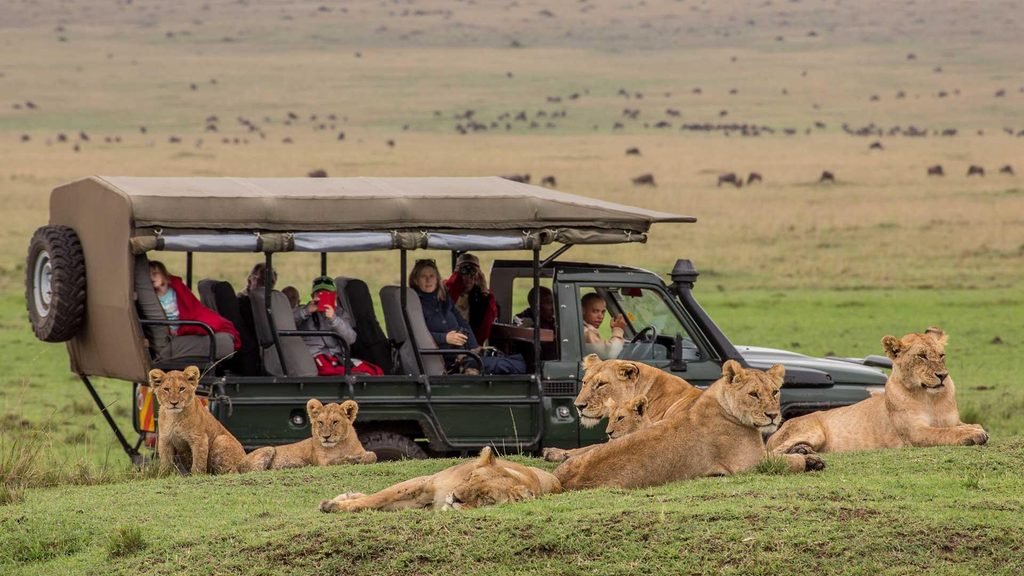
Organised by Eddy Tours & Safaris, this photography-focused safari combines carefully planned game drives, comfortable accommodation and the services of an experienced local safari guide. Unlike a standard sightseeing itinerary that concentrates on visiting as many attractions as possible, this trip allows photographers to spend more time observing wildlife, waiting for suitable lighting conditions and photographing animals without unnecessary rushing. Whether you are an experienced wildlife photographer or a traveller who enjoys taking high-quality nature photographs, the itinerary can be adjusted to suit your interests, equipment and preferred travel dates.
The safari begins and ends in Arusha, Tanzania, and follows a route through Tarangire National Park, Serengeti National Park and Ngorongoro Crater. These destinations offer different photographic environments, including wooded savannah, rocky outcrops, river valleys, open plains and volcanic landscapes. Although the main focus is on Africa’s big cats, photographers can also expect opportunities to photograph elephants, giraffes, zebras, wildebeest, buffaloes, birds of prey and many other species encountered during the journey.
Overview of the 6 Days Tanzania Big Cats Photography Safari
This six-day photography safari is planned around wildlife viewing and the practical needs of photographers. Travelling in a private 4×4 safari vehicle with a pop-up roof provides space for camera equipment and opportunities to photograph animals from different positions. Game drives are arranged to make good use of available daylight, particularly the early morning and late afternoon periods when temperatures are generally cooler and the light is often more suitable for wildlife photography.
The itinerary places particular importance on Serengeti National Park because of its extensive habitats and resident predator populations. Time is also allocated to Tarangire and Ngorongoro, giving photographers opportunities to capture different wildlife species and landscapes. The programme can be customised for travellers who prefer additional Serengeti game drives, upgraded accommodation or a safari vehicle with fewer passengers and more space for photographic equipment.
7 Reasons Serious Photographers Choose This Tanzania Big Cats Safari
1. Excellent Opportunities to Photograph Lions, Leopards and Cheetahs
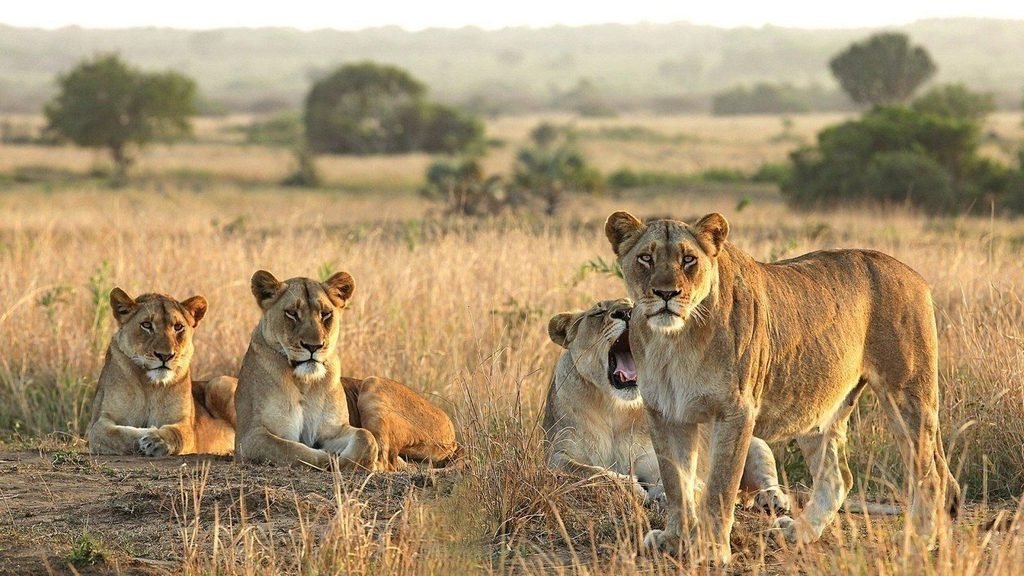
The main attraction of this Tanzania photography safari is the opportunity to observe Africa’s three most recognised big cats in their natural environment. Serengeti National Park is particularly important for predator photography because its grasslands, woodlands and river systems provide habitats for lions, leopards and cheetahs. Each species behaves differently, giving photographers opportunities to practise different techniques and capture a wide range of wildlife images.
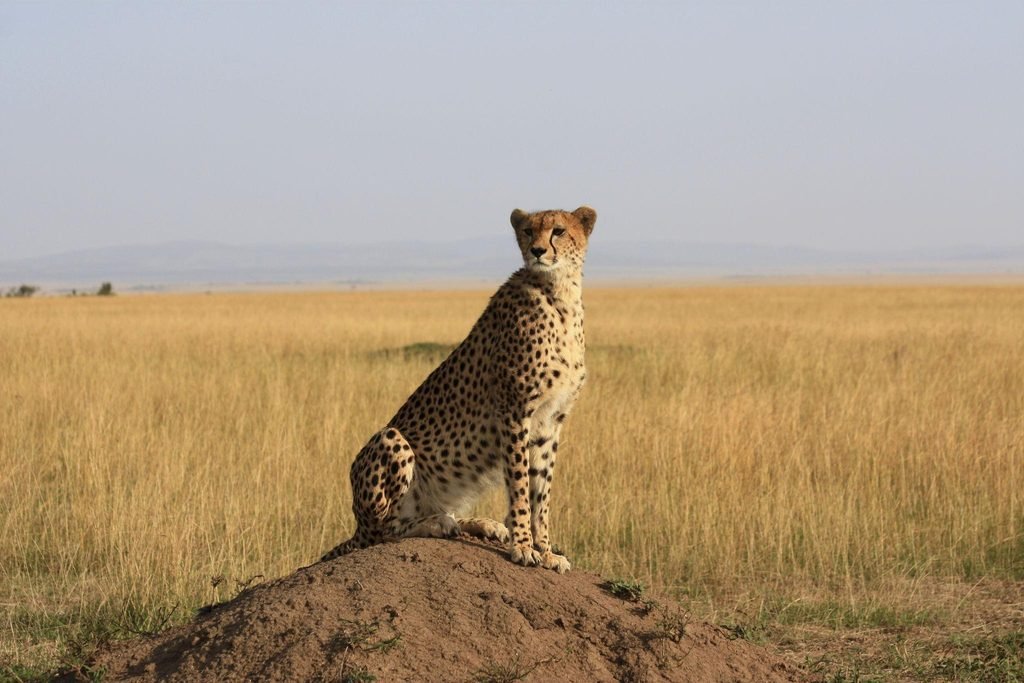
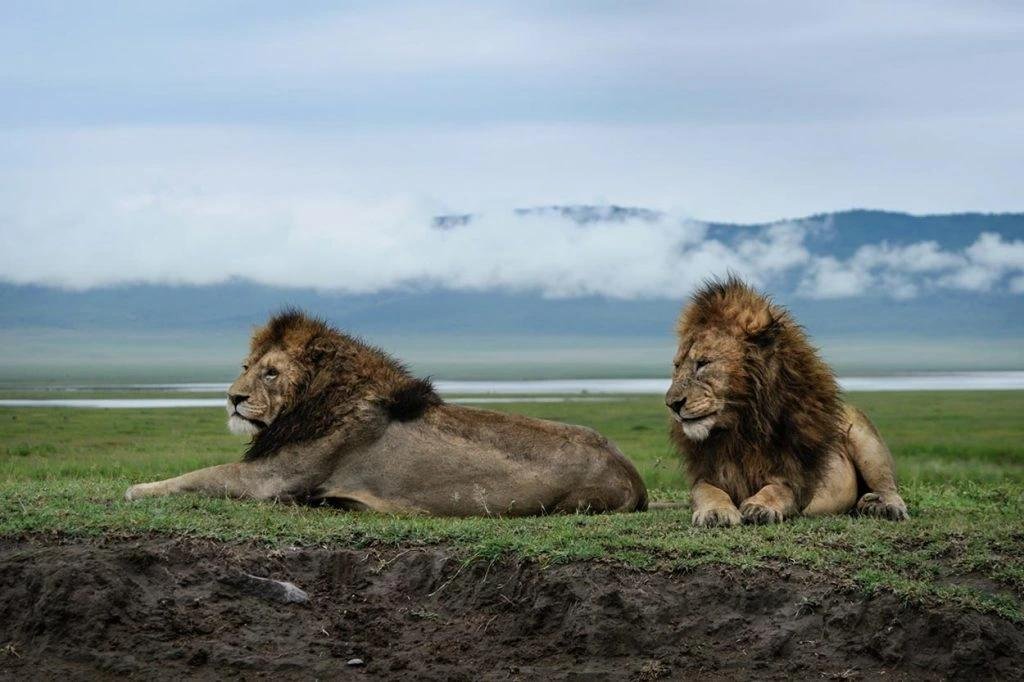
Lions are often photographed resting in the grass, moving between territories, interacting with their prides or watching herds of grazing animals. Leopards are generally more difficult to locate because they spend considerable time in trees, dense vegetation and sheltered areas. Cheetahs prefer more open environments where they can scan the surrounding plains and pursue prey. Photographing these animals requires patience, suitable positioning and an understanding of their natural behaviour.
During the safari, your guide will help identify areas where predators are frequently observed while respecting park regulations and animal welfare. Sightings cannot be guaranteed because wildlife moves freely, but spending several days in productive habitats improves the opportunity to encounter different species and observe their behaviour.
2. More Time for Photography Instead of Rushed Game Drives
One of the most important differences between a general wildlife safari and a photography safari is the amount of time spent at individual sightings. A standard safari may involve moving quickly between different animals, while photographers often need additional time to adjust camera settings, study movement, select backgrounds and wait for the right moment.
This six-day itinerary allows for a more considered approach to game viewing, particularly during the full days spent in Serengeti National Park. If a lion pride is resting beneath an acacia tree, there may be an opportunity to wait for movement or interaction rather than immediately continuing to another sighting. Similarly, photographers observing a cheetah on the plains may benefit from watching its behaviour before deciding which images to capture.
The guide will work with guests to balance photographic priorities, travel distances and park operating requirements. Some sightings may last only a few minutes, while others may justify spending longer in one location. This flexibility is especially useful for photographers interested in animal behaviour rather than simply collecting photographs of different species.
3. Beautiful Morning and Afternoon Lighting Conditions
Lighting plays an important role in wildlife photography, and Tanzania’s northern safari destinations provide opportunities to work with different natural lighting conditions. Early morning sunlight can produce warm colours across the grasslands, while late afternoon light often creates attractive backgrounds for animal portraits and landscape photographs.
In Serengeti National Park, photographers may encounter lions moving through golden grass, giraffes standing against distant horizons or cheetahs resting on open plains. These scenes can be photographed using natural light, with camera settings adjusted according to the position of the sun, movement of the animal and surrounding vegetation.
Morning and afternoon game drives are therefore an important part of the safari programme. However, good photographs are not limited to these periods. Overcast skies can provide soft, even lighting for animal portraits, while changing weather conditions may create interesting landscape compositions. Your guide will help make practical decisions about game-drive timing, taking into account wildlife activity, travel distances and park regulations.
4. Different Wildlife Habitats Within One Safari
Another advantage of this six-day itinerary is the opportunity to photograph wildlife in several distinct environments. Tarangire National Park is known for its baobab trees, seasonal river system and elephant populations, making it suitable for wider wildlife compositions and environmental portraits. The Serengeti offers expansive grasslands, scattered trees, rocky kopjes and riverine habitats, while Ngorongoro Crater provides a dramatic volcanic landscape with a variety of resident animals.
These changing environments allow photographers to build a more varied collection of images. A lion photographed among the rocky outcrops of the Serengeti will look different from one photographed on the open floor of Ngorongoro Crater. Similarly, elephants moving beneath Tarangire’s baobab trees provide opportunities for compositions that show both the animal and its surroundings.
Photographers who enjoy landscape photography will also find plenty of subjects beyond wildlife. Wide horizons, distant hills, acacia trees, changing cloud formations and the steep walls of Ngorongoro Crater can all contribute to a photographic record of northern Tanzania.
5. Private Safari Transport With Space for Camera Equipment
Wildlife photographers often travel with more equipment than ordinary safari guests. Camera bodies, telephoto lenses, binoculars, batteries, memory cards and protective bags all require suitable storage and careful handling during game drives. Having sufficient space inside the vehicle can make a considerable difference to comfort and convenience.
This safari is arranged using a private 4×4 safari vehicle with a pop-up roof, allowing guests to photograph wildlife from within the vehicle while travelling through the national parks. Private transport also gives the group more control over the pace of the journey, subject to park regulations, road conditions and the guide’s safety decisions.
Photographers travelling with large lenses can request a vehicle arrangement that provides additional space for equipment. Beanbags or other camera supports may also be arranged upon request, depending on availability. Travellers should discuss their equipment requirements before confirming the booking so that the safari vehicle can be prepared appropriately.
6. Opportunities to Photograph Natural Predator Behaviour
For many wildlife photographers, observing animal behaviour is more rewarding than photographing an animal standing still. Tanzania’s national parks provide opportunities to witness interactions between predators, prey and other wildlife species, although these events are unpredictable and cannot be scheduled.
Lions may be seen interacting within their prides, protecting cubs or moving through their territories. Cheetahs may spend time scanning the plains for potential prey, while leopards may rest in trees or move through vegetation. Photographers may also encounter hyenas, jackals and vultures, which contribute to the wider ecological relationships of the savannah.
Capturing these moments requires patience and responsible wildlife viewing. The guide will maintain appropriate distances, avoid disturbing animals and follow the regulations of each protected area. Wildlife photography should never involve chasing predators, blocking their movements or interfering with hunting behaviour. The aim is to observe natural activity while allowing the animals to behave normally.
7. A Photography Safari That Can Be Adjusted to Your Interests
Every photographer approaches wildlife differently. Some travellers prefer close-up animal portraits, while others concentrate on landscapes, action photography, birds or storytelling through a series of images. A private safari allows the itinerary to be adjusted according to these interests, provided that changes remain practical within the available travel time.
Travellers particularly interested in big cats may choose to spend more time in Serengeti National Park and reduce the number of other destinations. Those who want a broader collection of wildlife photographs may prefer to retain Tarangire and Ngorongoro Crater in the programme. Accommodation choices can also be considered according to location, comfort and access to productive game-viewing areas.
At Eddy Tours & Safaris, guests can discuss their preferred photography subjects, accommodation category and travel dates before receiving a customised itinerary. This approach helps ensure that the safari is planned around realistic photographic opportunities rather than following an unsuitable fixed schedule.
Detailed 6 Days Tanzania Big Cats Photography Safari Itinerary
Day 1: Arusha to Tarangire National Park – Wildlife and Landscape Photography
Your photography safari begins in Arusha, where you will meet your professional safari driver-guide for a short briefing before travelling towards Tarangire National Park. The drive takes you through the countryside of northern Tanzania, passing local settlements, farmland and open landscapes before reaching the park entrance. After completing the necessary registration procedures, you will begin your first game drive.
Tarangire is particularly well known for its elephant populations and large baobab trees. These features provide excellent subjects for wildlife and landscape photography, especially when animals are moving through open areas or feeding beneath the trees. During the game drive, you may also encounter giraffes, zebras, wildebeest, impalas, buffaloes and several bird species. Lions are present in the park, although their movements and visibility vary according to conditions.
Your guide will allow suitable time at wildlife sightings where possible, giving you opportunities to practise camera settings and become familiar with photographing animals from the safari vehicle. After enjoying a picnic lunch at a designated area, you will continue exploring the park before travelling to your accommodation in the Tarangire or Karatu area.
Accommodation: Mid-range Safari Lodge or Tented Camp
Meals: Lunch and Dinner
Photography Focus: Elephants, Lions, Baobab Trees, Birds and Savannah Landscapes
Day 2: Tarangire to Serengeti National Park – Entering Big Cat Territory
After breakfast, you will depart for Serengeti National Park, travelling through the Ngorongoro highlands and towards the vast plains of the Serengeti. The journey offers beautiful views of northern Tanzania’s changing landscapes, from cultivated highlands to open grasslands and scattered acacia trees. Depending on the selected route and travel schedule, there may be opportunities to stop at designated viewpoints.
Upon entering Serengeti National Park, you will begin an afternoon game drive while travelling towards your accommodation. The central Serengeti, particularly the Seronera region, is known for its resident wildlife and varied habitats, including grasslands, rocky outcrops and river valleys. Lions, leopards and cheetahs may be encountered in suitable areas, along with giraffes, elephants, zebras, gazelles and other wildlife.
Your guide will concentrate on productive game-viewing areas while allowing reasonable time for photography. Because this is also a transfer day, the amount of time available for extended sightings will depend on road conditions, departure time and the location of your accommodation. You will arrive at your lodge or tented camp in time to settle in and prepare your camera equipment for the following day’s activities.
Accommodation: Mid-range Lodge or Tented Camp in Central Serengeti
Meals: Breakfast, Lunch and Dinner
Photography Focus: Serengeti Landscapes, Lions, Cheetahs, Leopards and General Wildlife
Day 3: Full-Day Serengeti National Park – Big Cats Photography
Today is dedicated to exploring Serengeti National Park, with particular attention to the habitats used by lions, leopards and cheetahs. After an early breakfast, you will depart for a morning game drive when wildlife activity and natural lighting conditions may provide rewarding photographic opportunities.
The Seronera region contains a mixture of open plains, riverine vegetation and rocky areas, allowing the guide to search for different predator species. Lions may be observed resting near kopjes or moving across the grasslands, while leopards are sometimes found in trees or sheltered vegetation along river systems. Cheetahs are more commonly associated with open plains where visibility allows them to locate prey.
Throughout the day, your guide will work with you to make the most of wildlife encounters. There may be opportunities to photograph animal portraits, interactions between pride members or wider scenes showing predators within their environment. A picnic lunch will be enjoyed at a designated location, allowing you to remain in the park rather than returning to camp during the middle of the day.
The afternoon will be spent exploring additional areas according to wildlife movements and conditions. You will return to your accommodation after the day’s game drive, with time to review photographs, charge batteries and prepare equipment for another day in the Serengeti.
Accommodation: Mid-range Lodge or Tented Camp in Central Serengeti
Meals: Breakfast, Lunch and Dinner
Photography Focus: Lions, Leopards, Cheetahs, Animal Behaviour and Wildlife Portraits
Day 4: Serengeti National Park – Extended Predator and Wildlife Photography
Your fourth day provides another opportunity to explore the Serengeti without the pressure of a long transfer between destinations. Having a second full day in the park is particularly valuable for wildlife photographers because animal movements, weather and lighting conditions can change considerably from one day to another.
After an early breakfast, you will head out to search for wildlife in areas selected by your guide. Depending on recent observations and seasonal conditions, the game drive may focus on open grasslands where cheetahs are sometimes encountered, rocky areas used by lions or riverine habitats where leopards may be present. You may also photograph elephants, giraffes, buffaloes, hyenas, jackals and different bird species.
Photographers interested in animal behaviour can use this additional time to observe wildlife more carefully. Rather than moving immediately from one sighting to another, the group can spend longer at suitable locations when conditions allow. This may provide opportunities to capture changing expressions, movement, interaction between animals or interesting compositions against the surrounding landscape.
Following a picnic lunch, you will continue with an afternoon game drive before returning to camp. The day’s activities will be adjusted according to wildlife activity, weather conditions and the interests of the group. This extended Serengeti experience is one of the main reasons the itinerary is suitable for photographers who want more than a brief introduction to Tanzania’s wildlife.
Accommodation: Mid-range Lodge or Tented Camp in Central Serengeti
Meals: Breakfast, Lunch and Dinner
Photography Focus: Predator Behaviour, Action Photography, Wildlife Portraits and Landscape Compositions
Day 5: Serengeti to Ngorongoro Highlands – Morning Photography and Scenic Drive
After breakfast, you will enjoy a final morning game drive in Serengeti National Park before beginning the journey towards the Ngorongoro Conservation Area. The morning provides another opportunity to photograph wildlife encountered along the route, particularly in areas where lions, giraffes, zebras and other animals are frequently observed.
As you leave the Serengeti, the landscape gradually changes from open plains to the greener highlands surrounding Ngorongoro. The journey offers opportunities to appreciate the scale and diversity of northern Tanzania’s protected areas. Depending on the route, weather and available time, your guide may arrange stops at designated viewpoints where photography is permitted.
You will continue towards your accommodation in the Ngorongoro highlands or Karatu area. The cooler highland environment provides a different atmosphere from the Serengeti plains, and the evening offers time to rest after the journey. Your guide will also explain the arrangements for the following day’s Ngorongoro Crater visit, including the early departure and the time available for game viewing before returning to Arusha.
Accommodation: Mid-range Lodge in Karatu or Ngorongoro Highlands
Meals: Breakfast, Lunch and Dinner
Photography Focus: Morning Serengeti Wildlife, Highland Landscapes and Scenic Views
Day 6: Ngorongoro Crater Photography Safari – Return to Arusha
Your final safari day begins with an early breakfast before travelling to Ngorongoro Crater for a game drive. The crater is one of Tanzania’s most distinctive wildlife destinations, offering a combination of grasslands, wetlands, woodland areas and a dramatic volcanic backdrop. Its relatively compact wildlife-viewing area provides opportunities to photograph several species during a single visit.
After descending into the crater, you will explore different habitats with your guide. Lions, buffaloes, zebras, wildebeest, hyenas and various antelope species may be encountered, while elephants and black rhinoceroses are also present. Rhinoceros sightings are particularly unpredictable and often occur at considerable distances, so suitable camera equipment and realistic expectations are important.
Photographers may enjoy capturing animals against the crater walls, photographing wildlife near water sources or taking wider landscape images that show the surrounding environment. Your guide will follow the permitted routes and time limits while helping you make the most of the available photographic opportunities.
After a picnic lunch and completion of the crater game drive, you will ascend to the crater rim and begin the journey back to Arusha. Arrival is generally expected later in the afternoon or evening, depending on road conditions and the day’s schedule. This marks the end of your six-day Tanzania Big Cats Photography Safari with Eddy Tours & Safaris.
Accommodation: Not Included After Safari Unless Requested
Meals: Breakfast and Lunch
Photography Focus: Lions, Buffaloes, Elephants, Rhinos, Birds and Ngorongoro Landscapes
What Is Included in the 6 Days Tanzania Big Cats Photography Safari?
The proposed safari package includes the main services required for a comfortable six-day wildlife photography experience. Final arrangements will be confirmed in your personalised quotation, particularly where accommodation categories or special photographic equipment requirements differ from the standard programme.
Safari Inclusions
- Private 4×4 safari vehicle with pop-up roof for wildlife viewing and photography.
- Professional English-speaking safari driver-guide.
- Five nights of accommodation in selected mid-range safari lodges or tented camps.
- Meals as specified in the day-by-day itinerary.
- National park entrance fees for Tarangire and Serengeti.
- Ngorongoro Conservation Area entrance and crater service fees.
- Scheduled game drives in all destinations included in the itinerary.
- Bottled drinking water during safari activities.
- Airport transfers when specifically included in the confirmed booking.
- Government taxes applicable to the included safari services.
- Assistance with safari planning and itinerary arrangements.
- Pick-up and drop-off in Arusha according to the confirmed programme.
What Is Excluded from the Safari Package?
The following expenses are not included in the standard package unless specifically stated in your confirmed quotation. Travellers are encouraged to review these items before booking so that they can prepare a suitable budget for personal expenses and optional services.
Safari Exclusions
- International flights to and from Tanzania.
- Tanzania visa fees and passport-related expenses.
- Comprehensive travel and medical insurance.
- Personal camera equipment, lenses, memory cards and batteries.
- Specialised photographic equipment or camera supports unless arranged in advance.
- Professional photography instructor or workshop fees.
- Alcoholic beverages, soft drinks and personal purchases.
- Tips for the safari guide, lodge staff and other service providers.
- Optional hot-air balloon safari in Serengeti National Park.
- Additional accommodation before or after the safari.
- Laundry services, telephone calls and other personal expenses.
- Any activity or service not specifically mentioned in the confirmed itinerary.
Best Time for a Tanzania Big Cats Photography Safari
Tanzania offers wildlife photography opportunities throughout the year, but the appearance of the landscape, movement of animals and prevailing weather conditions vary between seasons. Choosing the best travel period depends on the type of photographs you want to capture, the destinations included in your itinerary and your preference for dry or green landscapes.
June to October – Dry Season Wildlife Photography
The dry season is a popular period for Tanzania wildlife safaris because vegetation is often shorter in many areas and animals may gather around reliable water sources. These conditions can make wildlife easier to observe in certain habitats, particularly where visibility improves as grasses become less dense.
Photographers visiting during this period may enjoy clear views across the plains, dry-season landscapes and opportunities to observe predators around areas used by grazing animals. However, the season also attracts many visitors, especially in popular parts of the Serengeti, so some wildlife sightings may involve several safari vehicles.
November to March – Green Landscapes and Predator Photography
The greener months can provide attractive conditions for photographers who enjoy fresh vegetation, dramatic skies and contrasting colours. Seasonal rainfall transforms parts of the Serengeti, while wildlife movements change according to grazing conditions and water availability.
The southern Serengeti and Ndutu region can be particularly interesting during the wildebeest calving period, generally associated with January through March, with February often being an important month. The presence of large herbivore herds can attract predators, creating opportunities to observe natural wildlife interactions. Photographers specifically interested in this seasonal activity should request an itinerary that includes the appropriate region rather than relying only on central Serengeti.
April and May – Quieter Travel Periods and Changing Weather
April and May are generally associated with the main rainy season in much of northern Tanzania. The landscape can become green and attractive for photography, but heavy rainfall may affect road conditions, visibility and access to some areas.
These months may appeal to photographers who prefer quieter travel periods and are comfortable working around changing weather. However, travellers should understand that rainfall can interrupt game drives, and accommodation availability may differ from other seasons. A flexible itinerary and suitable protection for camera equipment are especially important.
Camera Equipment Recommended for the Photography Safari
Preparing suitable camera equipment can help photographers make better use of wildlife sightings. Although professional equipment is not essential, having a combination of lenses and reliable accessories makes it easier to photograph animals at different distances and under changing lighting conditions.
A telephoto lens in the 100–400mm or 150–600mm range is useful for wildlife portraits and distant animals, while a shorter zoom lens can be valuable for elephants, larger groups of animals and landscape compositions. Photographers using crop-sensor cameras may achieve additional apparent reach, although image quality and performance will depend on the equipment being used.
A wide-angle lens can also be useful for photographing the Serengeti landscape, Ngorongoro Crater and environmental wildlife scenes. Extra batteries, memory cards, cleaning materials and protective camera bags are recommended because safari conditions can involve dust, heat and occasional rainfall.
A camera beanbag can provide support when photographing from a safari vehicle, particularly when using a long telephoto lens. Travellers should confirm in advance whether any specialised support equipment can be supplied. A lightweight laptop or portable storage device may also be useful for backing up photographs after each day’s game drive.
Why Choose Eddy Tours & Safaris for Your Tanzania Photography Safari?
Choosing a safari operator is an important part of planning a successful wildlife photography trip. A suitable itinerary should consider not only the destinations being visited but also the amount of time available for game drives, the location of accommodation and the practical requirements of photographing wildlife.
Eddy Tours & Safaris is a locally based Tanzania safari company offering private wildlife safaris and customised travel arrangements across northern Tanzania. Guests can discuss their photography interests before travelling, allowing the company to recommend suitable destinations, accommodation options and a realistic daily schedule.
The company also arranges other Tanzania safari packages for travellers interested in general wildlife viewing, family holidays, honeymoon safaris and longer journeys through Tanzania’s national parks. Visitors who want to explore different safari durations can also read the Tanzania Safari Guide for practical information about planning their trip.
For travellers who want to combine wildlife photography with mountain trekking, Tanzania also offers opportunities to climb Mount Kilimanjaro. Those interested in extending their holiday can explore routes, trekking arrangements and climbing information through Kilimanjaro Climb Specialist. A mountain trekking extension requires separate planning, appropriate physical preparation and additional travel days.
Frequently Asked Questions About the 6 Days Tanzania Big Cats Photography Safari
Is Six Days Enough for a Big Cats Photography Safari in Tanzania?
Six days can provide a worthwhile introduction to Tanzania’s big cats, especially when the itinerary includes several game drives in Serengeti National Park. The programme described here allows two full days in the Serengeti, along with additional wildlife viewing during arrival and departure from the park. This gives photographers opportunities to search for different predator species and observe wildlife under changing conditions. However, travellers seeking extended behavioural photography or specific rare encounters may benefit from adding more days in the Serengeti.
Can I Photograph Lions, Leopards and Cheetahs on This Safari?
All three species are found in Serengeti National Park, and the itinerary includes areas where they may be encountered. Lions are generally more visible than leopards, while cheetah sightings depend on habitat, seasonal conditions and animal movements. Your guide will use local knowledge to identify productive wildlife-viewing areas, but no particular sighting or behaviour can be guaranteed. Wildlife photography is most rewarding when travellers remain flexible and appreciate the opportunities that arise naturally.
Is This Safari Suitable for Beginner Photographers?
Yes. The safari can accommodate travellers who are new to wildlife photography as well as those with more experience. Beginners can use the journey to practise photographing moving animals, adjusting camera settings and working with natural light. The safari guide can assist with locating wildlife and positioning the vehicle safely, but a dedicated photography instructor is not included unless specifically arranged. Travellers who require technical photography lessons should request this service when booking.
Can I Book a Private Vehicle for Wildlife Photography?
Yes. The proposed itinerary is based on a private safari vehicle, allowing greater flexibility for photographers travelling individually, as a couple or in a small group. A private arrangement makes it easier to manage camera equipment, adjust the pace of game drives and spend additional time at suitable wildlife sightings. The number of passengers and the amount of available equipment space should be discussed before confirming the booking.
Can the Safari Be Extended to Zanzibar or Mount Kilimanjaro?
Yes. Travellers can request additional days in Tanzania after completing the wildlife photography safari. Zanzibar is a popular option for visitors who want to relax on the coast, photograph beaches and explore Stone Town. Travellers interested in mountain scenery may prefer a Kilimanjaro trekking extension, which requires separate planning and sufficient time for acclimatisation. Information about trekking routes and mountain preparation is available through Kilimanjaro Climb Specialist.
How Much Does a 6 Days Tanzania Big Cats Photography Safari Cost?
The cost depends on the number of travellers, travel dates, accommodation category, vehicle arrangements and any additional photography services requested. A private safari for two people will generally have a different per-person cost from a safari shared by four or more travellers. Luxury accommodation, specialised photography vehicles and professional photography instructors may increase the total price. Eddy Tours & Safaris can prepare a personalised quotation once your travel dates, group size and preferred accommodation standard are confirmed.
Book Your 6 Days Tanzania Big Cats Photography Safari
A six-day Tanzania Big Cats Photography Safari offers an opportunity to spend meaningful time in some of East Africa’s most important wildlife habitats. With several days in Serengeti National Park, additional game drives in Tarangire and Ngorongoro Crater, and a private safari arrangement, the itinerary is suitable for travellers who want to photograph wildlife while enjoying the wider experience of a Tanzania safari.
Whether your main interest is photographing lions in the early morning light, searching for leopards in the Serengeti’s riverine habitats or observing cheetahs on the open plains, careful planning can help you make better use of your time in the field. The most rewarding photographs often come from patience, observation and allowing wildlife to behave naturally.
Contact Eddy Tours & Safaris to discuss your preferred travel dates, number of travellers, accommodation requirements and photography interests. Our team can prepare a customised six-day itinerary and quotation based on your requirements.
Website: www.eddytours-safaris.com
Email: sales@eddytours-safaris.com
Alternative Email: eddytoursandsafaris@gmail.com
Location: Arusha, Tanzania
Plan your Tanzania photography safari with Eddy Tours & Safaris and discover the wildlife, landscapes and natural encounters that make northern Tanzania such an important destination for nature photographers.