
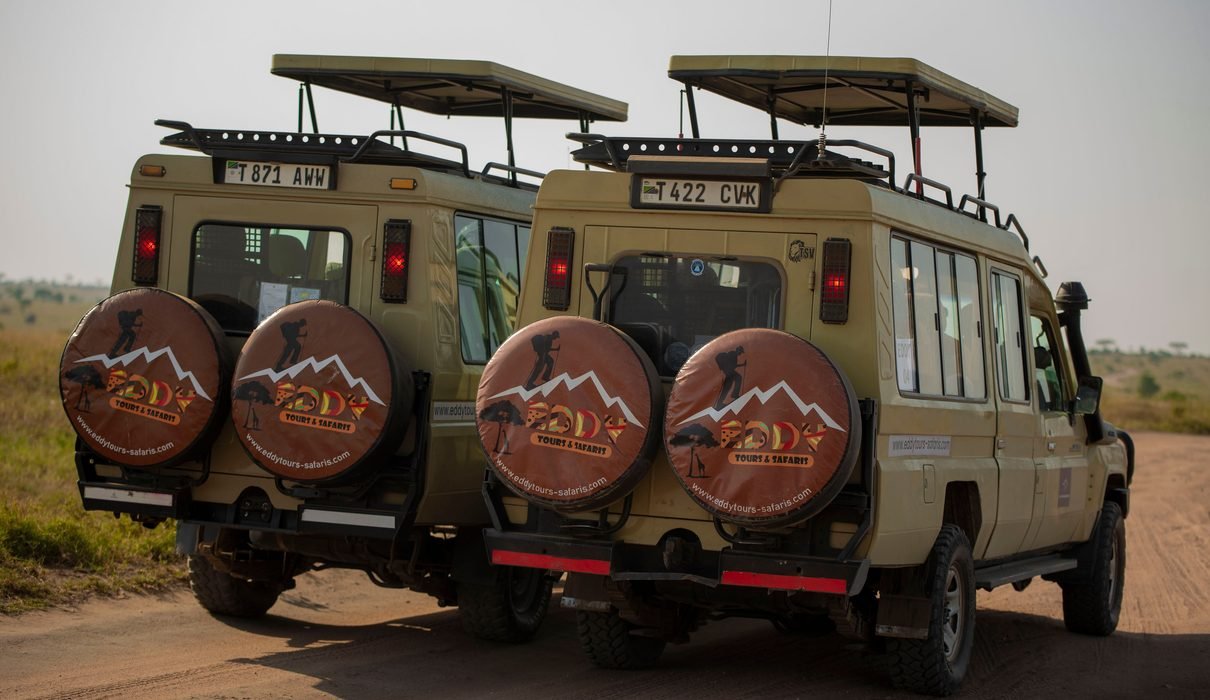
Six (6) Days Tanzania Safari Itinerary : is one of the best ways to explore the country’s famous wildlife destinations without spending several weeks traveling. This itinerary combines Tarangire National Park, Serengeti National Park, Ngorongoro Crater, and Lake Manyara National Park, giving travelers opportunities to see elephants, lions, giraffes, zebras, buffaloes, hippos, and many other animals in their natural habitats. With six days available, you can enjoy different landscapes, comfortable accommodation, professional guiding, and enough time to appreciate some of northern Tanzania’s most important wildlife areas.
Our 6 Days Tanzania Safari Itinerary for 2027–2028 begins in Arusha and follows a carefully planned route through the northern safari circuit. The journey starts in Tarangire, known for its large elephant herds and ancient baobab trees, before continuing to the endless grasslands of Serengeti. You will spend two nights in Serengeti, visit the wildlife-rich Ngorongoro Crater, and finish your safari in Lake Manyara, a beautiful park located beneath the Great Rift Valley escarpment.
This itinerary is suitable for couples, families, friends, honeymooners, and first-time visitors to Tanzania. It can be arranged as a private safari with your own 4×4 vehicle and professional driver-guide, allowing you to travel at a comfortable pace and enjoy wildlife viewing without sharing your vehicle with unrelated travelers. Accommodation can be selected according to your budget, from affordable camping and midrange lodges to luxury tented camps.
At Eddy Tours & Safaris, we organize Tanzania wildlife safaris with detailed travel arrangements, experienced guides, and accommodation selected to suit your travel preferences. Whether you are planning your first African safari or returning to explore more of Tanzania, this six-day itinerary provides a practical introduction to the country’s northern national parks.
Six Days Tanzania Safari Tour Overview
| Safari details | Information |
|---|---|
| Safari name | 6 Days Tanzania Safari Itinerary |
| Travel period | 2027 and 2028 |
| Duration | 6 days / 5 nights |
| Starting point | Arusha, Tanzania |
| Ending point | Arusha, Tanzania |
| Destinations | Tarangire, Serengeti, Ngorongoro Crater and Lake Manyara |
| Safari type | Private Tanzania wildlife safari |
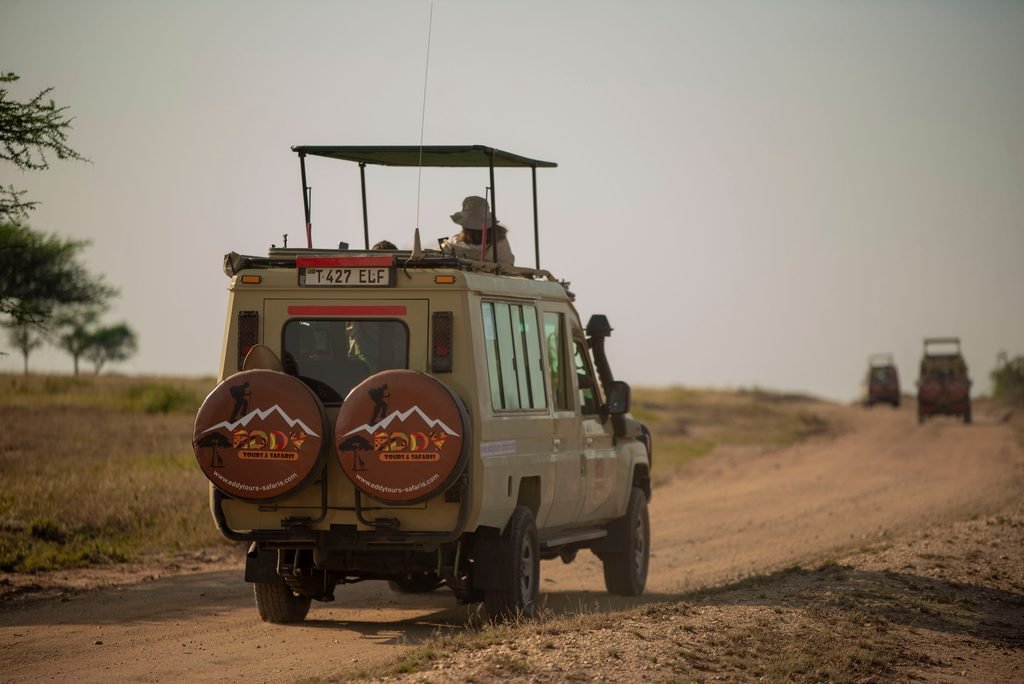
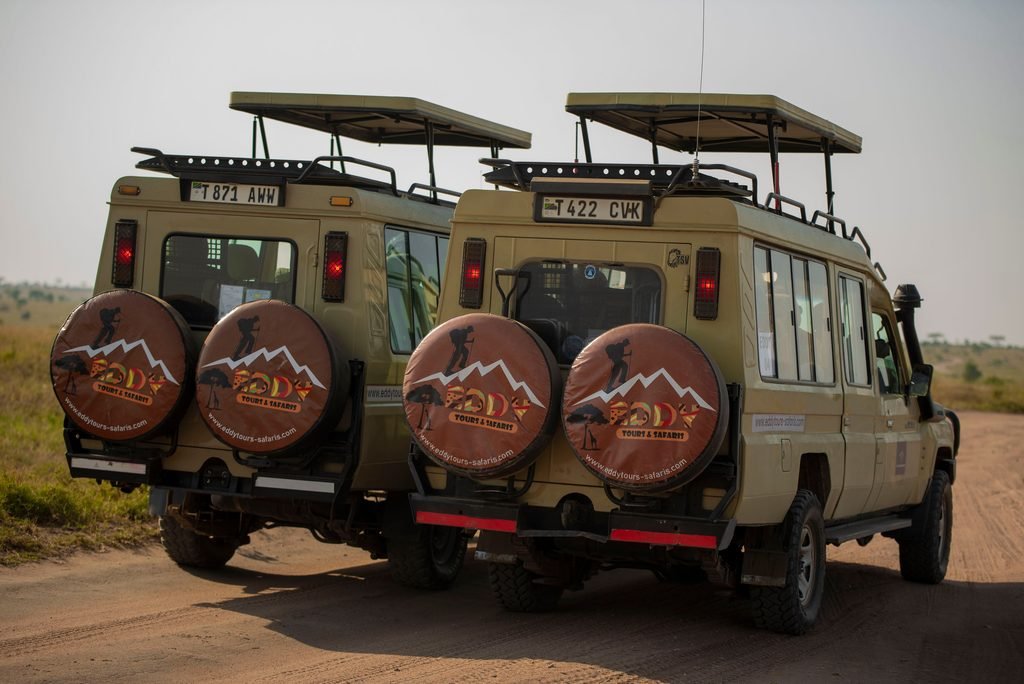
| Transportation | Private 4×4 safari vehicle with pop-up roof |
| Accommodation | Budget, midrange or luxury |
| Main activities | Wildlife game drives, photography and birdwatching |
| Guide | Professional English-speaking safari guide |
| Best travel season | Throughout the year |
| Suitable for | Families, couples, honeymooners and small groups |
| Departure dates | Flexible, subject to availability |
Why Choose a Six-Day Tanzania Safari?
Six days gives travelers enough time to visit several important national parks while experiencing the differences between their landscapes and wildlife habitats. Tarangire is particularly interesting for elephants and baobab trees, Serengeti offers extensive savannah grasslands and large predator populations, Ngorongoro Crater provides opportunities to observe wildlife within an ancient volcanic caldera, and Lake Manyara introduces visitors to forest, woodland, and wetland environments.
Another advantage is the opportunity to spend two nights in Serengeti National Park. Instead of visiting the park briefly before continuing elsewhere, you can enjoy a full day of wildlife viewing in addition to game drives during arrival and departure. This is especially valuable for travelers interested in lions, leopards, cheetahs, elephants, and the seasonal movements of wildebeest and zebras.
The itinerary also follows a logical route through northern Tanzania, helping reduce unnecessary travel between destinations. Some days involve several hours of driving, particularly when traveling to and from Serengeti, but these journeys provide opportunities to appreciate the changing scenery of the northern safari circuit.
Complete Six (6) Days Tanzania Safari Itinerary 2027–2028
Day 1: Arusha to Tarangire National Park – Elephant Herds and Baobab Landscapes
Starting location: Arusha
Destination: Tarangire National Park
Main activity: Afternoon wildlife game drive
Accommodation: Lodge or campsite near Tarangire, Mto wa Mbu or Karatu
Meals: Lunch and dinner
Your six-day Tanzania safari begins in the morning when your professional driver-guide meets you at your hotel in Arusha. After a short introduction and briefing, you will begin the journey toward Tarangire National Park, traveling through local communities, agricultural areas, and open countryside. The drive normally takes approximately two to three hours, depending on traffic, road conditions, and your departure location.
Tarangire is one of Tanzania’s most important destinations for elephant viewing. The park is famous for its large elephant populations and enormous baobab trees, which create a distinctive landscape across the savannah. During the dry season, the Tarangire River becomes an important water source, attracting elephants, buffaloes, zebras, wildebeest, and other animals from surrounding areas.
After completing the park entrance procedures, your guide will begin a game drive along established wildlife-viewing tracks. You may encounter elephants feeding among the trees, giraffes browsing on vegetation, zebras grazing across open plains, and buffaloes moving through woodland areas. Lions, leopards, and spotted hyenas also inhabit the park, although predator sightings depend on their movements and the time available.
Tarangire is also an interesting destination for birdwatching, with many species occupying its grassland, woodland, and wetland habitats. Your guide may help you identify hornbills, eagles, ostriches, and other birds encountered during the drive. Around lunchtime, you will stop at an approved picnic area before continuing your wildlife exploration.
Later in the afternoon, you will leave Tarangire and travel to your selected accommodation. After checking in, you will have time to relax, enjoy dinner, and prepare for the following day’s journey toward Serengeti National Park.
Day 2: Tarangire Area to Serengeti National Park – Journey Through Ngorongoro Highlands
Starting location: Tarangire area, Mto wa Mbu or Karatu
Destination: Central Serengeti National Park
Main activity: Scenic transfer and afternoon wildlife viewing
Accommodation: Lodge or tented camp in Serengeti
Meals: Breakfast, lunch and dinner
After breakfast, you will depart for Serengeti National Park, traveling through the beautiful highland countryside around Karatu and the Ngorongoro Conservation Area. The road passes farmland, forested slopes, and open landscapes before reaching the extensive plains associated with Serengeti. This is one of the longer driving days of the safari, but the changing scenery provides an interesting introduction to northern Tanzania’s geography.
Depending on weather conditions and the agreed schedule, your guide may stop at an approved viewpoint overlooking Ngorongoro Crater. From the crater rim, visitors can appreciate the enormous volcanic caldera and the surrounding highland landscape. After the stop, you will continue through the conservation area toward Serengeti, passing open plains and areas where wildlife may be encountered along the route.
As you approach Serengeti National Park, the landscape gradually opens into broad grasslands stretching toward the horizon. Serengeti is internationally known for its large populations of grazing animals and predators, as well as the seasonal Great Wildebeest Migration. The park contains different habitats, including grasslands, woodland, rocky outcrops, and riverine areas that support a wide variety of wildlife.
After entering the park, your guide will begin wildlife viewing while traveling toward your accommodation in the central Serengeti. Depending on the time available, you may encounter zebras, wildebeest, giraffes, elephants, buffaloes, lions, or other animals. Your guide will stop at suitable locations for observation and photography before continuing toward the lodge or tented camp.
You will arrive at your accommodation later in the afternoon or evening, where dinner will be served. Spending the night inside Serengeti allows you to begin the next day’s wildlife activities without making another long journey from outside the park.
Day 3: Full-Day Serengeti National Park Safari – Lions, Leopards and the Great Migration
Destination: Central Serengeti
Main activity: Full-day wildlife game drive
Accommodation: Lodge or tented camp in Serengeti
Meals: Breakfast, lunch and dinner
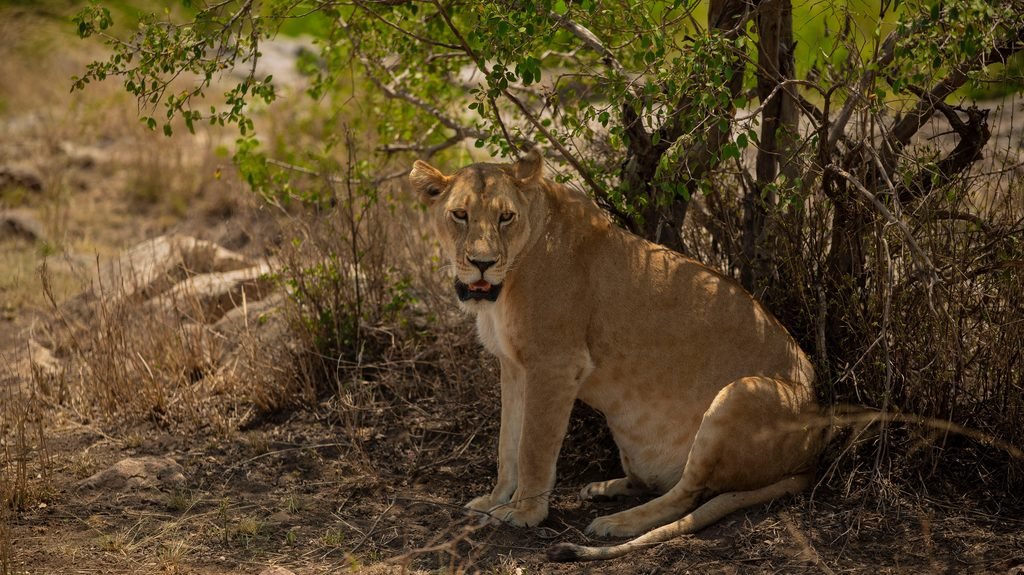
Today is dedicated to exploring Serengeti National Park, one of Africa’s most famous wildlife destinations. After an early breakfast, you will leave your accommodation with your driver-guide and begin a game drive through the central Serengeti, particularly the Seronera region. This area is known for its resident wildlife and provides opportunities to observe predators and grazing animals throughout the year.
Your guide will search for lions resting in the grass, leopards occupying trees near riverine habitats, and cheetahs moving across open plains. Other animals commonly associated with Serengeti include elephants, giraffes, buffaloes, zebras, wildebeest, gazelles, hyenas, and various antelope species. Wildlife sightings depend on natural animal movements, weather, and the areas visited, so no particular species can be guaranteed.
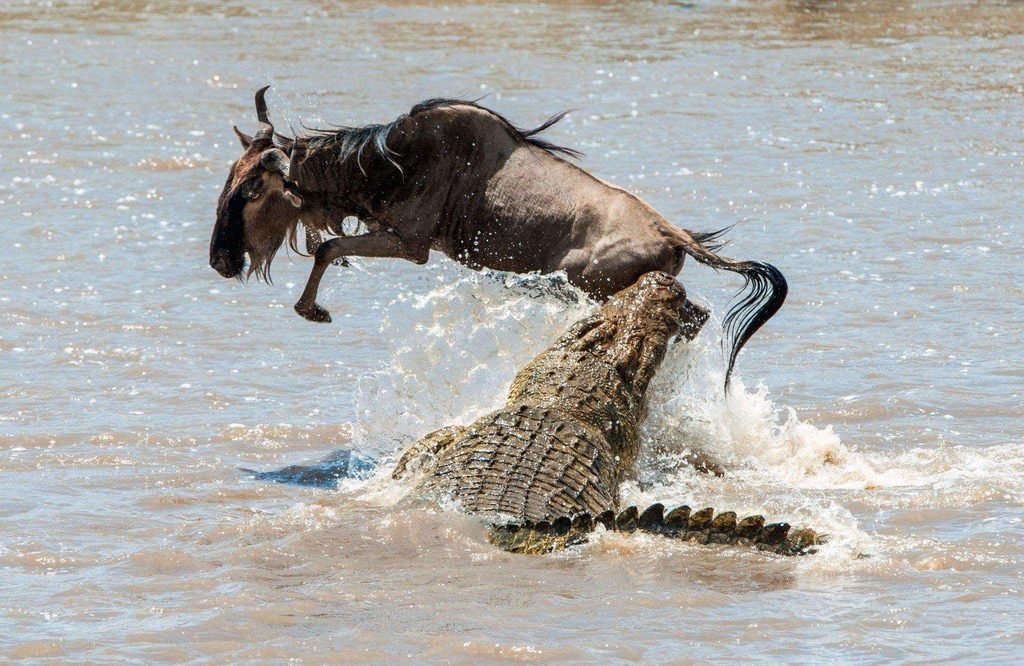
Serengeti is also famous for the Great Wildebeest Migration, during which large numbers of wildebeest and zebras move through the wider Serengeti-Mara ecosystem in response to rainfall and grazing conditions. The migration’s location changes throughout the year, meaning the herds are not always concentrated in central Serengeti. Travelers who specifically want to see calving activity or Mara River crossings may require a seasonal itinerary focused on another part of the ecosystem.
During the day, you will stop at an approved picnic area for lunch before continuing your game drive. Your guide will choose suitable routes according to wildlife activity, road conditions, and your interests. The full day provides opportunities to observe animal behavior, photograph different species, and appreciate the extensive landscapes that make Serengeti an important conservation area.
Later in the afternoon, you will return to your accommodation for dinner and your second night in Serengeti. The evening provides time to relax and discuss the day’s wildlife encounters before preparing for the next stage of the journey.
Day 4: Serengeti Morning Game Drive – Return to Ngorongoro Highlands
Starting location: Central Serengeti
Destination: Karatu or Ngorongoro Highlands
Main activity: Morning game drive and scenic transfer
Accommodation: Lodge near Karatu or Ngorongoro
Meals: Breakfast, lunch and dinner
Your fourth safari day begins with breakfast before departing for another wildlife-viewing drive through Serengeti National Park. Early morning can be an interesting time for observing animal activity, particularly when temperatures are cooler. Your guide will explore suitable areas while gradually making your way toward the park exit.
This final Serengeti game drive provides another opportunity to encounter animals that may not have appeared during the previous day. You may see giraffes feeding near woodland, elephants moving through open landscapes, or predators resting after nighttime activity. Birdwatchers may also observe ostriches, eagles, vultures, and other species associated with the savannah.
After leaving Serengeti, you will travel through the Ngorongoro Conservation Area toward your accommodation near Karatu or the crater highlands. The journey takes several hours, and much of the afternoon will be spent traveling through changing landscapes. Depending on the confirmed itinerary, there may be opportunities for short stops at designated viewpoints or rest areas.
Upon arrival, you will check in at your lodge, enjoy dinner, and rest before the following day’s Ngorongoro Crater safari. Staying near the crater allows an early departure and helps reduce unnecessary travel on the morning of the visit.
Day 5: Ngorongoro Crater Safari – Big Five Wildlife Viewing
Destination: Ngorongoro Crater
Main activity: Crater wildlife game drive
Accommodation: Lodge near Karatu or Mto wa Mbu
Meals: Breakfast, lunch and dinner
After an early breakfast, you will depart for Ngorongoro Crater, one of Tanzania’s most remarkable natural destinations. The crater is a large volcanic caldera surrounded by steep walls, with grasslands, woodland, wetlands, and freshwater habitats covering its floor. These different environments support many wildlife species, making Ngorongoro an important destination for observing large mammals.
After completing the necessary entrance procedures, your guide will descend the crater wall and begin the game drive. You may encounter buffaloes, zebras, wildebeest, gazelles, lions, elephants, spotted hyenas, and hippos. The endangered black rhinoceros also inhabits the crater, although sightings depend on its location and visibility.
Ngorongoro is particularly interesting because several large mammal species can be found within a relatively concentrated area. Your guide will explore different habitats, looking for animals feeding, resting, or moving across the grasslands. Lions may be observed near grazing herds, while large bull elephants sometimes occupy suitable woodland and open areas.
The crater’s wetlands also support different bird species, including flamingos when water conditions are favorable. Around lunchtime, you will stop at an approved picnic area before continuing wildlife viewing within the permitted operating period. Your guide will follow designated tracks and conservation regulations throughout the visit.
After completing the game drive, you will ascend the crater wall and travel toward your accommodation near Karatu or Mto wa Mbu. Dinner and your final overnight stay will be arranged at the selected lodge or campsite.
Day 6: Lake Manyara National Park – Forest Wildlife and Return to Arusha
Destination: Lake Manyara National Park
Main activity: Wildlife game drive
Ending location: Arusha
Meals: Breakfast and lunch
Your final safari day begins with breakfast before departing for Lake Manyara National Park, located beneath the Great Rift Valley escarpment. The park is known for its groundwater forests, woodland, wetlands, and lake habitats, which provide an interesting contrast to the open plains of Serengeti and the grasslands of Ngorongoro Crater.
The game drive begins through forested areas where large troops of baboons and blue monkeys may be encountered. As you explore the park, you may also see elephants, buffaloes, giraffes, zebras, and different antelope species. Lake Manyara is associated with tree-climbing lions, although sightings are unpredictable and should never be guaranteed.
Birdwatching is another important part of the Lake Manyara experience. Depending on water levels and seasonal conditions, visitors may observe pelicans, storks, herons, flamingos, and other birds. The Great Rift Valley escarpment provides an impressive background to the landscape, creating opportunities for photography throughout the game drive.
After lunch and the remaining wildlife activities, you will leave Lake Manyara and return to Arusha. Your driver-guide will drop you at your hotel or another agreed location, marking the end of your six-day Tanzania safari.
Best Time for a Six-Day Tanzania Safari in 2027–2028
A six-day Tanzania safari can be arranged throughout the year, although the wildlife experience changes according to rainfall, vegetation, and seasonal animal movements. June to October is generally a popular period for wildlife viewing because drier conditions can make animals easier to observe around permanent water sources. Tarangire is particularly interesting during this season, while Serengeti and Ngorongoro continue to offer varied wildlife experiences.
January to March often brings green landscapes to parts of northern Tanzania, with the southern Serengeti and Ndutu region associated with the wildebeest calving season. April and May are generally wetter, which can affect road conditions and visibility. November and December bring seasonal changes as the short rains influence vegetation and wildlife movements.
Travelers interested in the Great Migration should understand that its location varies throughout the year. The standard itinerary focuses on central Serengeti, so migration-focused departures may require changes to the route, accommodation, or number of days.
Accommodation Options for Your Six-Day Tanzania Safari
Accommodation can be arranged according to your budget and preferred comfort level. Budget safaris may use campsites or simple lodges, while midrange packages generally include comfortable rooms or permanent tented camps with private facilities. Luxury safaris can feature higher-end lodges and tented properties in suitable locations along the route.
The selected accommodation influences the total safari price, travel distances, and overall experience. At Eddy Tours & Safaris, we can discuss different options and provide the names of available properties before confirming your booking. Accommodation availability is particularly important during popular travel periods in 2027 and 2028.
How Much Does a Six-Day Tanzania Safari Cost?
The cost depends on the number of travelers, accommodation standard, travel season, national park fees, and services included. Because the safari vehicle and driver-guide are reserved for your group, the cost per person generally decreases when more travelers share the same private vehicle.
Luxury accommodation, domestic flights, and optional activities can increase the price, while budget camping arrangements may reduce accommodation expenses. For accurate 2027 and 2028 prices, travelers should request a personalized quotation based on their actual travel dates and requirements.
Read our Tanzania Safari Cost Guide for more information about safari expenses.
Safari Package Inclusions and Exclusions
A standard private safari can include a dedicated 4×4 safari vehicle, professional English-speaking driver-guide, scheduled game drives, applicable national park and conservation fees, five nights of accommodation, meals according to the confirmed itinerary, and drinking water during game drives. Pickup and drop-off in Arusha can also be included.
International flights, visa fees, travel insurance, personal purchases, tips, alcoholic drinks, and optional activities are generally excluded unless stated otherwise. Airport transfers and additional hotel nights should be confirmed separately when necessary.
What Should You Pack for a Six-Day Tanzania Safari?
Pack comfortable clothing in neutral colors, lightweight shirts, trousers, a warm jacket, comfortable shoes, sunscreen, sunglasses, and a hat. Early mornings around Ngorongoro can be cool, while afternoons in lower areas may be warm. A camera, binoculars, insect repellent, personal medication, and travel documents are also useful.
Soft-sided luggage is generally easier to arrange in safari vehicles, particularly when traveling with several people. Travelers should also bring charging equipment and a small daypack for items needed during game drives.
Frequently Asked Questions About the Six Days Tanzania Safari
1. Is six days enough for a Tanzania safari?
Yes. Six days allows you to visit Tarangire, Serengeti, Ngorongoro Crater, and Lake Manyara, including two nights in Serengeti.
2. Is this a private safari?
Yes. The proposed itinerary uses a dedicated safari vehicle with its own driver-guide.
3. Where does the safari begin?
The itinerary begins in Arusha, Tanzania.
4. Where does the safari end?
The safari ends in Arusha after visiting Lake Manyara.
5. How many nights are spent in Serengeti?
The itinerary includes two nights in central Serengeti.
6. Can I see the Big Five?
All five species occur across the wider destinations, but sightings of every species cannot be guaranteed.
7. Can I see the Great Migration?
It depends on the season and the migration’s location. A specialized itinerary may be required.
8. Is Ngorongoro Crater included?
Yes. Day five is dedicated to visiting Ngorongoro Crater.
9. Can I see black rhinos?
Ngorongoro provides an opportunity to observe black rhinos, although sightings are unpredictable.
10. Is the safari suitable for families?
Yes. The itinerary can be arranged for families, with accommodation and travel arrangements discussed according to their needs.
11. Can couples book this safari?
Yes. Private safaris are suitable for couples and honeymooners.
12. Are national park fees included?
They can be included in the package, with exact details confirmed in the quotation.
13. Are meals provided?
Meals are arranged according to the confirmed accommodation and itinerary.
14. Can I choose luxury accommodation?
Yes. Luxury lodges and tented camps can be requested, subject to availability.
15. Is budget accommodation available?
Yes. Budget camping and suitable budget lodge arrangements can be discussed.
16. What is the best month to travel?
June to October is popular for dry-season wildlife viewing, although safaris operate throughout the year.
17. Can I add a balloon safari?
A Serengeti hot-air balloon safari may be arranged as an optional activity, subject to availability and additional cost.
18. Can I start from Moshi?
Yes. Pickup from Moshi may be arranged with appropriate transfer planning.
19. Can I book for 2027?
Yes. You can request private departures for your preferred 2027 dates.
20. Can I book for 2028?
Yes. You can request 2028 travel dates, subject to accommodation and operating availability.
21. How much does the safari cost?
The final price depends on group size, accommodation, travel dates, and included services.
22. How do I book?
Contact Eddy Tours & Safaris with your travel dates, number of travelers, and preferred accommodation standard.
Book Your Six Days Tanzania Safari Itinerary 2027–2028
A six-day Tanzania safari provides an opportunity to explore some of northern Tanzania’s most important wildlife destinations within one carefully planned journey. From Tarangire’s elephant herds and Serengeti’s extensive grasslands to Ngorongoro Crater’s wildlife habitats and Lake Manyara’s forest scenery, the itinerary offers a varied introduction to Tanzania’s natural environment.
At Eddy Tours & Safaris, we arrange private safari experiences for couples, families, friends, and small groups. Our team can help you select suitable accommodation, confirm travel arrangements, and prepare a detailed quotation based on your preferred dates in 2027 or 2028.
Request Your Tanzania Safari Quotation
Email: sales@eddytours-safaris.com
Explore additional Tanzania safari packages and travel information at Eddy Tours & Safaris.
Plan your six-day Tanzania safari with Eddy Tours & Safaris and experience the wildlife of northern Tanzania.