
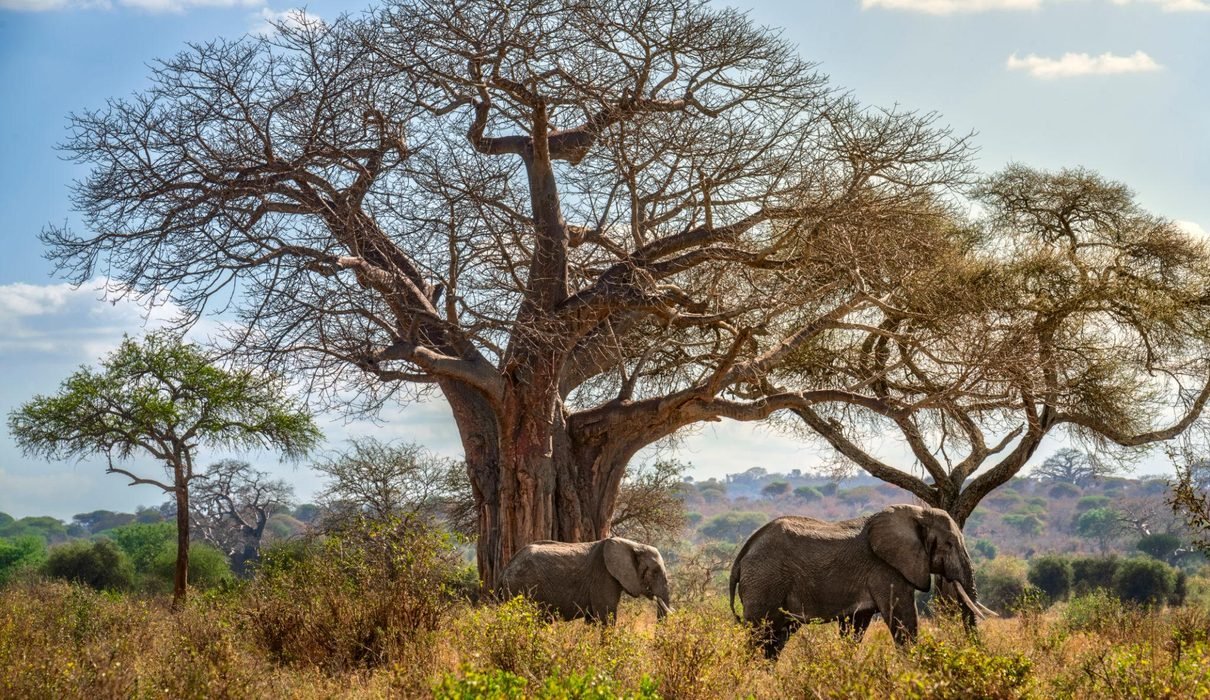
If you are planning a Tanzania safari in 2027, 2028, or 2029, Tarangire National Park is one destination worth including in your itinerary. Located in northern Tanzania, approximately 120 kilometres southwest of Arusha, the park is known for its large elephant populations, ancient baobab trees, open grasslands, and excellent opportunities to see wildlife in a natural environment.
Although the Serengeti and Ngorongoro Crater often receive more attention, Tarangire offers a different safari experience. Its landscape combines seasonal swamps, wooded areas, river valleys, and wide plains where animals move freely in search of food and water. During the dry season, the Tarangire River becomes particularly important, attracting wildlife from surrounding areas.
Whether you are visiting Tanzania for the first time or returning for another safari, here are six reasons why Tarangire National Park deserves a place in your travel plans.
1. See Large Herds of Elephants in Their Natural Habitat
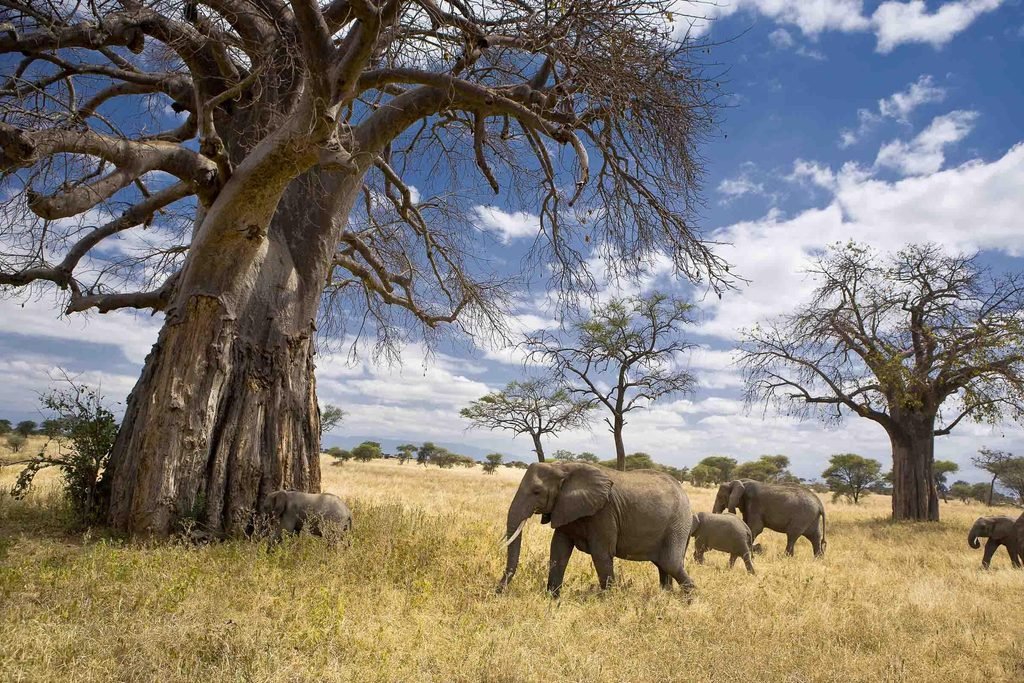
One of the biggest reasons to visit Tarangire National Park is its impressive elephant population. The park is particularly well known for its large family groups, which can sometimes include dozens of elephants travelling together across the savannah.
During a game drive, you may see elephants feeding on vegetation, crossing the road, drinking from waterholes, or resting beneath large trees. Young elephants often remain close to their mothers, while older animals move slowly through the surrounding bush. Watching their behaviour provides a fascinating opportunity to understand how elephant families live and interact.
The dry season, generally from June to October, is an especially rewarding time for elephant viewing because animals gather around reliable water sources. However, elephants can be seen in Tarangire throughout the year, although their distribution changes with rainfall and vegetation conditions.
For travellers interested in wildlife photography, the park provides excellent opportunities to capture elephants against a background of baobab trees, golden grass, and distant hills.
2. Discover the Famous Baobab Trees of Tarangire
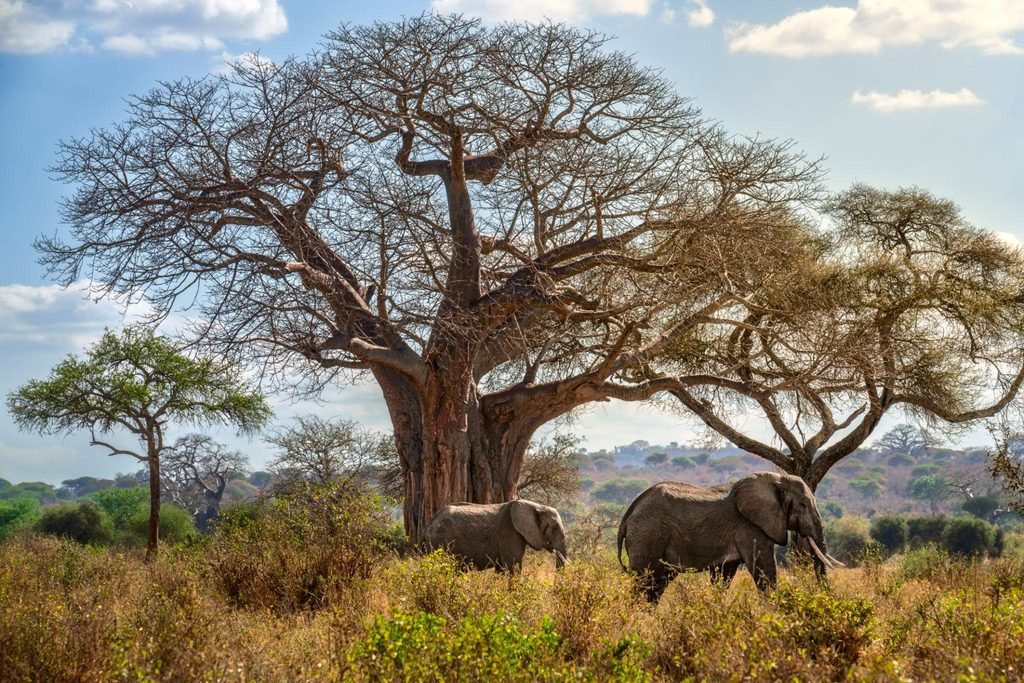
Tarangire National Park is home to some of northern Tanzania’s most recognisable baobab landscapes. These enormous trees, with their thick trunks and unusual branches, are an important part of the park’s natural character.
Baobab trees can survive for hundreds of years, and some may live considerably longer. Their trunks store water, helping them survive extended dry periods. The trees also provide food and shelter for different animals, birds, and insects.
Elephants sometimes strip bark from baobab trees to obtain moisture and nutrients, particularly when conditions are dry. You may notice trees with visible marks or damaged sections where elephants have been feeding.
For photographers, the combination of elephants and baobabs creates some of Tarangire’s most distinctive scenes. Early morning and late afternoon are particularly attractive times for photography because the softer sunlight highlights the trees and surrounding landscape.
These trees are more than just beautiful scenery. They are part of the wider ecosystem and contribute to the unique experience of exploring Tarangire National Park.
3. Enjoy Excellent Wildlife Viewing Beyond Elephants
Although elephants are the park’s best-known attraction, Tarangire supports many other wildlife species. Its varied habitats make it possible to see a wide range of animals during a single game drive.
Commonly encountered animals include giraffes, zebras, wildebeest, impalas, waterbucks, buffaloes, and warthogs. Depending on the location and season, visitors may also encounter elands, hartebeests, and other antelope species.
Predators are another attraction. Lions live in the park, and leopards and cheetahs are also present, although sightings are less predictable. Spotted hyenas may be encountered, particularly in areas with concentrations of grazing animals.
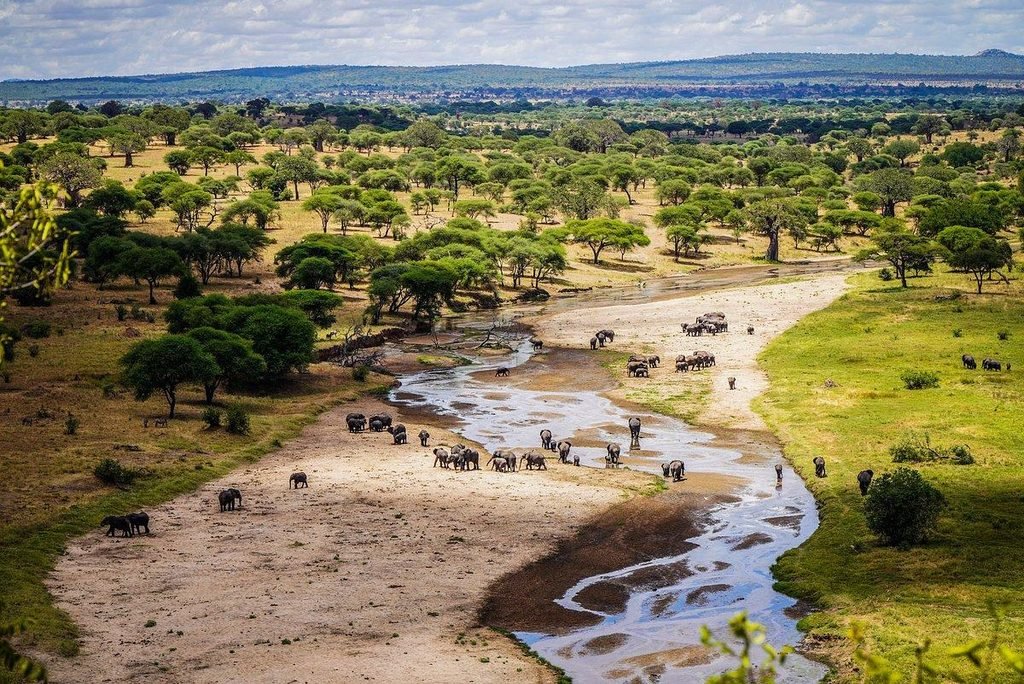
During the dry season, many animals move towards the Tarangire River and remaining waterholes. This concentration can make wildlife easier to locate, particularly around riverbanks and open areas.
It is important to remember that wildlife sightings are never guaranteed. Animals move naturally, and every game drive is different. Travelling with an experienced local safari guide can help you understand animal behaviour, identify tracks, and explore areas where wildlife is likely to be found.
4. Experience One of Tanzania’s Most Interesting Birdwatching Destinations
Tarangire National Park is an excellent destination for birdwatchers, with more than 500 bird species recorded in the wider park area. Its combination of wetlands, grasslands, woodlands, and riverine vegetation supports a remarkable variety of birdlife.
Bird species associated with Tarangire include yellow-collared lovebirds, lilac-breasted rollers, hornbills, ostriches, kori bustards, and various eagles and vultures. Wetland areas can also attract herons, storks, and other water-associated birds.
The wetter months are particularly interesting for birdwatching because migratory birds may be present, and many resident species become more active during breeding periods. The green vegetation also creates an attractive setting for bird photography.
Birdwatching in Tarangire does not require you to be an expert. Even visitors with little previous experience can enjoy observing colourful birds while travelling between wildlife sightings.
If birdwatching is one of your main interests, tell your safari operator before booking. A guide with strong bird identification skills and an itinerary allowing additional observation time can make a significant difference.
5. Explore Beautiful Landscapes and Enjoy a Different Safari Atmosphere
Another reason to explore Tarangire is its scenery. Unlike the extensive open plains commonly associated with the Serengeti, Tarangire contains a mixture of rolling hills, woodland, seasonal wetlands, river valleys, and grassland.
The Tarangire River runs through the park and plays a major role in supporting wildlife during dry periods. Seasonal swamps and surrounding vegetation provide additional habitats for different animal species.
These varied landscapes make each section of a game drive feel different. One moment you may be watching elephants beneath baobab trees, and later you may encounter giraffes feeding among acacia trees or buffaloes moving across open grassland.
Tarangire is sometimes described as a quieter alternative to Tanzania’s more famous safari destinations. While certain routes and wildlife sightings can become busy during peak travel periods, parts of the park offer opportunities for a more relaxed game drive.
For travellers who enjoy nature, scenery, and wildlife photography, this variety is one of Tarangire’s strongest attractions.
6. Easily Combine Tarangire with Serengeti, Ngorongoro and Lake Manyara
Tarangire’s location along Tanzania’s northern safari circuit makes it a convenient destination to include in a longer safari itinerary.
From Arusha, the drive to Tarangire generally takes around two to three hours, depending on road conditions, the departure point, and the park entrance used. This makes the park suitable for both day trips and overnight safaris.
Travellers can combine Tarangire with other popular destinations, including:
- Lake Manyara National Park: Known for its groundwater forest, birdlife, and varied habitats.
- Ngorongoro Crater: A famous wildlife destination where visitors can observe many animal species within a volcanic caldera.
- Serengeti National Park: Known for its extensive savannah landscapes, predators, and seasonal wildebeest migration.
- Arusha National Park: A smaller northern Tanzania park with forest scenery, Mount Meru views, and opportunities for walking safaris.
For travellers with limited time, a two- or three-day safari combining Tarangire with Lake Manyara or Ngorongoro can be a practical option. Those with five to seven days can include the Serengeti for a more extensive northern Tanzania safari.

Best Time to Visit Tarangire National Park in 2027, 2028 and 2029
Tarangire can be visited throughout the year, but the experience changes with the seasons. Choosing when to travel depends on your interests, particularly whether you prefer concentrated wildlife viewing, green landscapes, or birdwatching.
| Travel period | What to expect |
|---|---|
| June–October | Generally dry conditions, with wildlife often gathering near permanent water |
| November–December | Short rains may bring greener landscapes and more dispersed wildlife |
| January–February | Often warm, with a mixture of green and drier areas depending on rainfall |
| March–May | Main rainy season, lush vegetation, excellent birdlife, and potentially difficult road conditions |
For travellers mainly interested in elephants and larger wildlife concentrations, July through October is often a particularly good choice. For birdwatching, green landscapes, and photography, the wetter months can also be rewarding.
Rainfall varies from year to year, so conditions in 2027, 2028, and 2029 may not follow exactly the same pattern.
How Many Days Do You Need in Tarangire National Park?
The number of days you should spend in Tarangire depends on your available time and the type of safari you want.
One day: Suitable for travellers staying in Arusha who want to experience Tarangire on a day trip. You can enjoy a game drive and picnic lunch before returning to Arusha, although travel time reduces the hours available inside the park.
Two days: A good choice for visitors who want more time to explore different habitats. Staying overnight near or inside the park allows you to enjoy additional game drives without rushing.
Three days: Suitable for wildlife photographers, birdwatchers, and travellers who prefer a slower safari. Additional time provides more opportunities to observe animal behaviour and explore different sections of the park.
For most first-time visitors combining Tarangire with other northern Tanzania destinations, one or two days is a practical starting point.
Suggested 5-Day Tanzania Safari Including Tarangire
If you are planning a safari in 2027, 2028, or 2029, the following itinerary offers a good combination of Tanzania’s most popular northern wildlife destinations.
Day 1: Arusha to Tarangire National Park
Depart Arusha in the morning and drive to Tarangire National Park. After entering the park, begin your game drive through areas known for elephants, baobab trees, and other wildlife. Enjoy a picnic lunch before continuing your afternoon game drive. Overnight in or near Tarangire or Karatu, depending on your accommodation arrangements.
Day 2: Tarangire Area to Serengeti National Park
After breakfast, travel towards the Serengeti through the Ngorongoro Conservation Area. The journey offers beautiful views of the highlands before descending towards the Serengeti plains. Depending on travel time and park entry arrangements, enjoy an afternoon game drive before heading to your accommodation.
Day 3: Full-Day Serengeti Safari
Spend the day exploring Serengeti National Park. Your guide will plan the game drive according to wildlife movements, road conditions, and your interests. The Serengeti is home to lions, elephants, giraffes, zebras, buffaloes, and many other species. Depending on the season and location, you may also encounter migrating wildebeest.
Day 4: Serengeti to Ngorongoro Highlands
Enjoy a morning game drive before leaving the Serengeti and travelling towards the Ngorongoro highlands. Along the way, observe the changing scenery and stop at permitted viewpoints where time allows. Continue to your lodge or campsite for dinner and overnight.
Day 5: Ngorongoro Crater Safari and Return to Arusha
After an early breakfast, descend into Ngorongoro Crater for a game drive. The crater supports a wide variety of wildlife, including buffaloes, zebras, wildebeest, lions, hippos, and, occasionally, black rhinos. After your visit, return to Arusha, arriving later in the day.
This itinerary can be arranged as a private safari or adapted to different accommodation budgets, including camping, mid-range lodges, and luxury properties.
How Much Does a Tarangire Safari Cost in 2027, 2028 and 2029?
The cost of visiting Tarangire National Park depends on several factors, including the number of travellers, safari duration, accommodation category, transport arrangements, and park fees.
A one-day safari from Arusha will generally cost less than a multi-day private safari involving several national parks. However, private vehicle expenses are shared among the travellers in your group, so the per-person cost can decrease when more people travel together.
When comparing safari quotations, check whether the package includes national park entrance fees, a professional guide, a safari vehicle, meals, drinking water, accommodation, and transfers.
For 2027, 2028, and 2029, it is advisable to request an updated quotation rather than rely on prices published several years earlier. Park fees, accommodation rates, and other operating expenses may change.
What to Pack for Your Tarangire Safari
You do not need complicated equipment for a safari in Tarangire, but packing suitable items will make your trip more comfortable.
- Lightweight clothing in neutral colours
- A light jacket for cooler mornings
- Comfortable closed shoes
- A wide-brimmed hat and sunglasses
- Sunscreen and insect repellent
- Binoculars for wildlife and birdwatching
- A camera or smartphone with sufficient storage
- A reusable water bottle
- Personal medication and travel documents
If you are visiting during the rainy season, include a lightweight waterproof jacket. Travellers staying in lodges or camps should also check baggage restrictions, especially when domestic flights are part of the itinerary.
Frequently Asked Questions About Tarangire National Park
Is Tarangire National Park worth visiting in 2027, 2028 or 2029?
Yes. Tarangire is an excellent destination for travellers interested in elephants, baobab landscapes, birdlife, and wildlife photography. It is also conveniently located for safaris starting in Arusha and can be combined with the Serengeti and Ngorongoro Crater.
Is Tarangire better than Serengeti?
The two parks offer different experiences. Tarangire is particularly known for elephants, baobab trees, and seasonal wildlife concentrations, while the Serengeti is famous for its vast plains, predators, and the Great Migration. Visiting both provides a more varied safari.
Can you see the Big Five in Tarangire?
Tarangire is home to elephants, lions, buffaloes, and leopards, although leopard sightings are not guaranteed. Rhinos are not a regular wildlife-viewing attraction in Tarangire, so visitors hoping to see all five species should consider combining their safari with Ngorongoro Crater.
Can I visit Tarangire on a day trip from Arusha?
Yes. Tarangire is one of the most practical national parks for a day safari from Arusha. An early departure is recommended to allow sufficient time for wildlife viewing before the return journey.
Are there lions in Tarangire National Park?
Yes. Lions are resident in Tarangire and may be seen resting, walking, or hunting. However, sightings depend on animal movements, weather conditions, and the areas visited during your game drive.
Can I combine Tarangire with Zanzibar?
Yes. Many travellers combine a northern Tanzania safari with a beach holiday in Zanzibar. A common arrangement is to complete the safari from Arusha, then take a domestic flight to Zanzibar for several days of relaxation.
Plan Your Tarangire National Park Safari with Eddy Tours & Safaris
Tarangire National Park offers much more than a short wildlife stop. Its elephant herds, ancient baobab trees, varied habitats, and convenient location make it an excellent destination for a Tanzania safari in 2027, 2028, or 2029.
Whether you want a one-day Tarangire safari, a private family holiday, a wildlife photography trip, or a longer journey combining Tarangire, Serengeti, and Ngorongoro, Eddy Tours & Safaris can help you arrange an itinerary based on your travel dates, budget, and interests.
Eddy Tours & Safaris – Local Tour Company in Arusha, Tanzania
Website: Eddy Tours and Safaris
Email: sales@eddytours-safaris.com
For safari enquiries and personalised quotations, visit our contact page and share your preferred travel dates, number of travellers, and the destinations you would like to visit.