
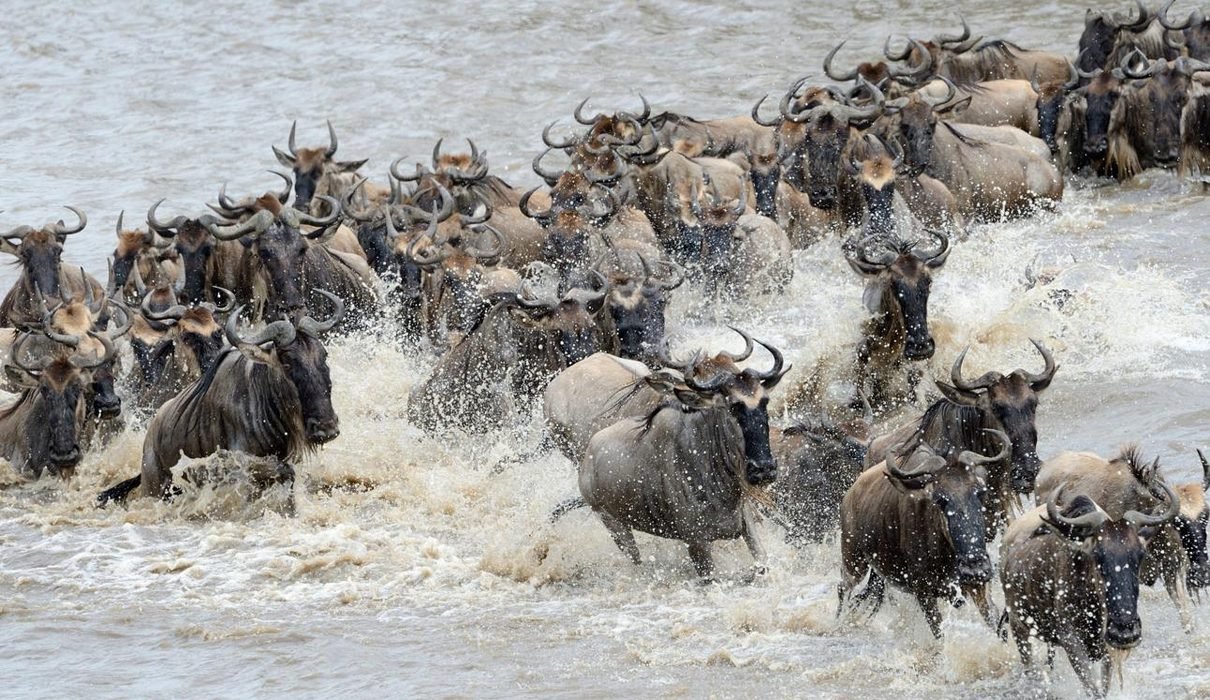
A safari in Tanzania is one of the best ways to see African wildlife in its natural environment. Most travelers picture a safari vehicle crossing the Serengeti plains, elephants walking beneath the baobab trees of Tarangire, or lions resting in the grass near Ngorongoro Crater. These are all wonderful experiences, but there is much more to a Tanzania safari than spending every day inside a vehicle.
If you are planning your first Tanzania safari or returning for another holiday, adding a few different activities can make your trip more interesting. You can walk through the bush with a professional guide, watch the sunrise from a hot-air balloon, learn about nocturnal wildlife during a night game drive, or spend time with local communities. Tanzania also offers excellent birdwatching and photography opportunities for travelers who want to explore the country’s wildlife and landscapes at a slower pace.
The best activities depend on which parks you visit, the time of year, your budget, and the number of days available. Some experiences are available only in designated areas and require advance arrangements, while others can be included in a normal safari itinerary without major changes. Understanding these differences helps you plan a trip that suits your interests rather than simply following the same schedule every day.
At Eddy Tours & Safaris, we help visitors organize private and group safaris across Tanzania, including Serengeti, Tarangire, Lake Manyara, Ngorongoro Crater, and other wildlife destinations. Whether you are interested in a short safari from Arusha or a longer wildlife holiday, these six activities are worth considering when planning your journey.
What Makes a Tanzania Safari Different?
Tanzania has a wide range of landscapes, from the open grasslands of Serengeti to the wooded valleys of Lake Manyara and the baobab-covered plains of Tarangire. These different environments support a large variety of animals and birds, and they also create opportunities for different types of safari activities. While game drives remain the main attraction, visitors can experience the natural environment in other ways depending on park regulations and available services.
A traditional game drive is excellent for covering large distances and searching for wildlife such as lions, elephants, giraffes, zebras, and buffaloes. However, walking safaris help visitors understand smaller details that are easy to miss from a vehicle, while balloon safaris provide a completely different view of the landscape. Cultural visits offer opportunities to meet local people, and night drives introduce visitors to animals that are more active after sunset.
Choosing two or three additional activities can be enough to create a varied safari without making the itinerary too busy. Travelers with limited time may prefer activities near their existing route, while those planning a longer holiday can include destinations that offer a wider selection of experiences.
1. Take a Guided Walking Safari and Experience the Bush on Foot
<AsyncImage query=”Tanzania guided walking safari ranger tourists African savanna Arusha National Park” aspectRatio=”16:9″/>
A walking safari is one of the most interesting ways to experience Tanzania’s wildlife areas because it allows you to explore the natural environment at a slower pace. Instead of watching everything from a safari vehicle, you walk along approved trails with a trained guide and, where required, an armed ranger. The focus is not necessarily on getting close to large animals. It is about understanding the smaller details of the bush, including animal tracks, droppings, insects, plants, and the signs that wildlife leaves behind.
During a walking safari, your guide may explain how to recognize different footprints, identify animal feeding signs, or understand the relationship between plants and wildlife. You may learn how termites influence the soil, why certain trees attract animals, and how guides use tracks to interpret recent wildlife activity. These are details that visitors often overlook during a normal game drive, especially when their attention is focused on finding large mammals.
Walking safaris are available in selected areas of Tanzania, including Arusha National Park and designated parts of other parks. Arusha National Park is particularly suitable for travelers who want to include a walking experience near the beginning or end of their northern Tanzania safari. The park contains forest, open grassland, lakes, and views of Mount Meru, providing an interesting environment for guided nature walks.
The duration and difficulty of a walking safari depend on the location and the approved activity. Some walks are relatively short, while others involve several hours on foot. Visitors should wear comfortable closed shoes, carry drinking water, and follow the guide’s instructions throughout the activity. Walking independently in wildlife areas is not permitted simply because a trail looks safe.
Best places to consider: Arusha National Park, designated walking areas in Serengeti, and Nyerere National Park.
Best for: Nature lovers, active travelers, photographers, and visitors who want to learn more about wildlife behavior.
If you are planning a northern Tanzania holiday, you can combine a guided walk with a longer Tanzania safari arranged through Eddy Tours & Safaris. Your itinerary can be adjusted to include an authorized walking activity where it is available.
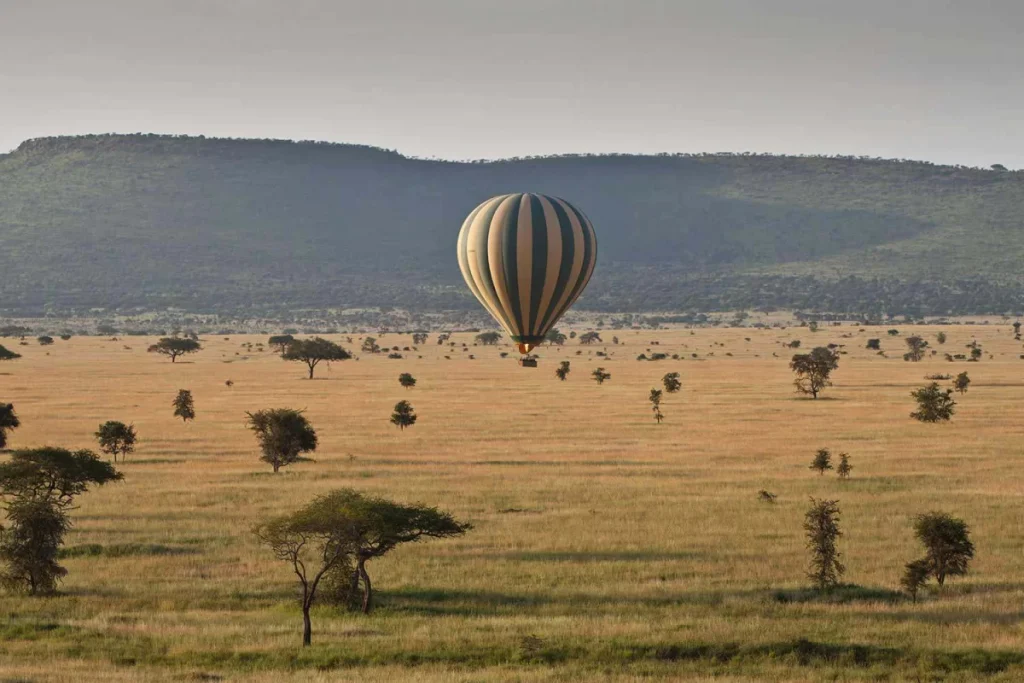
2. Enjoy a Hot-Air Balloon Safari Over the Serengeti
A hot-air balloon safari offers a completely different way to see Tanzania’s wildlife landscapes. Instead of following the roads in a safari vehicle, you rise above the plains as the sun begins to appear over the horizon. From the air, the grasslands, rivers, rocky hills, and scattered trees become part of a much wider landscape. On some flights, passengers may also see animals moving below, although the type and number of sightings depend on the location and wildlife activity.
The Serengeti is one of the best-known places in Tanzania for balloon safaris. Flights are generally organized early in the morning when conditions are more suitable, and passengers usually travel to the launch area before sunrise. Once the balloon is ready, the pilot gives a safety briefing before the flight begins. The experience typically lasts around an hour, although the actual flight time depends on weather and operating conditions.
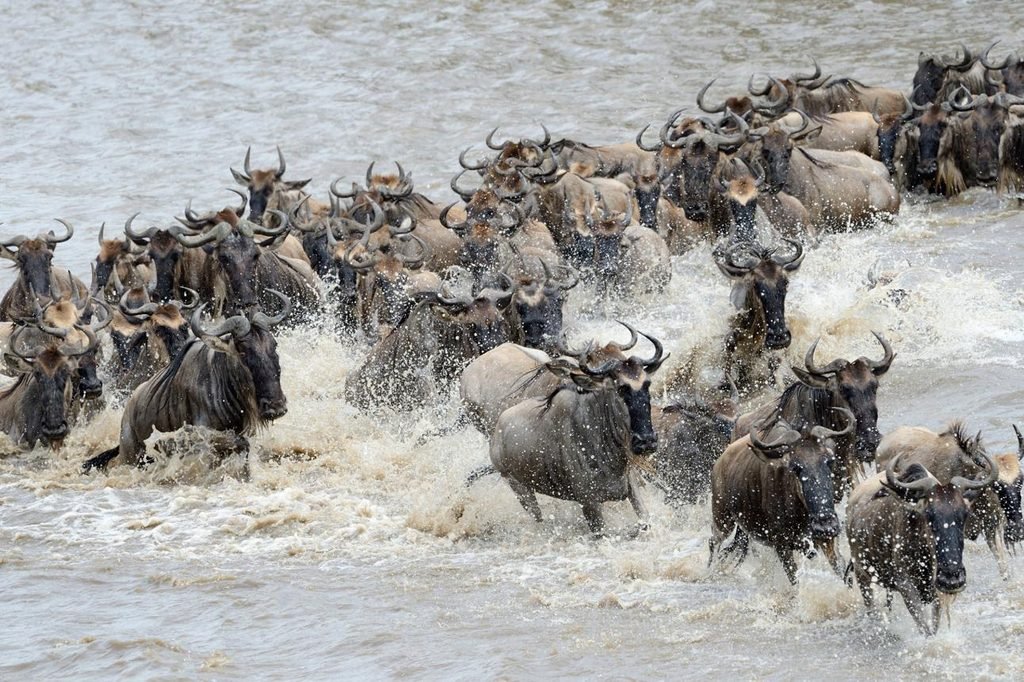
One of the main attractions is seeing the Serengeti from above. During certain times of the year, large herds of wildebeest and zebras may be present in the wider area, but the Great Migration is constantly moving in response to rainfall and grazing conditions. A balloon flight should therefore be booked for the experience of flying over the landscape rather than with the expectation of seeing a particular river crossing or wildlife event.
Balloon safaris are normally an additional activity rather than part of a standard budget safari package. Prices can be relatively high because of the equipment, specialized crew, operating requirements, and limited passenger capacity. Travelers interested in this experience should ask about the current price, operating area, age restrictions, cancellation terms, and whether the flight includes transfers or breakfast arrangements.
Best place to consider: Serengeti National Park, subject to the operating areas and available balloon services.
Best for: Couples, honeymoon travelers, photographers, and visitors looking for a special experience during their safari.
For travelers interested in the migration, read more about Serengeti wildlife and the Great Migration before choosing your travel dates. You can also review the official Serengeti National Park information from Tanzania National Parks.
3. Go on a Night Game Drive and Look for Nocturnal Wildlife
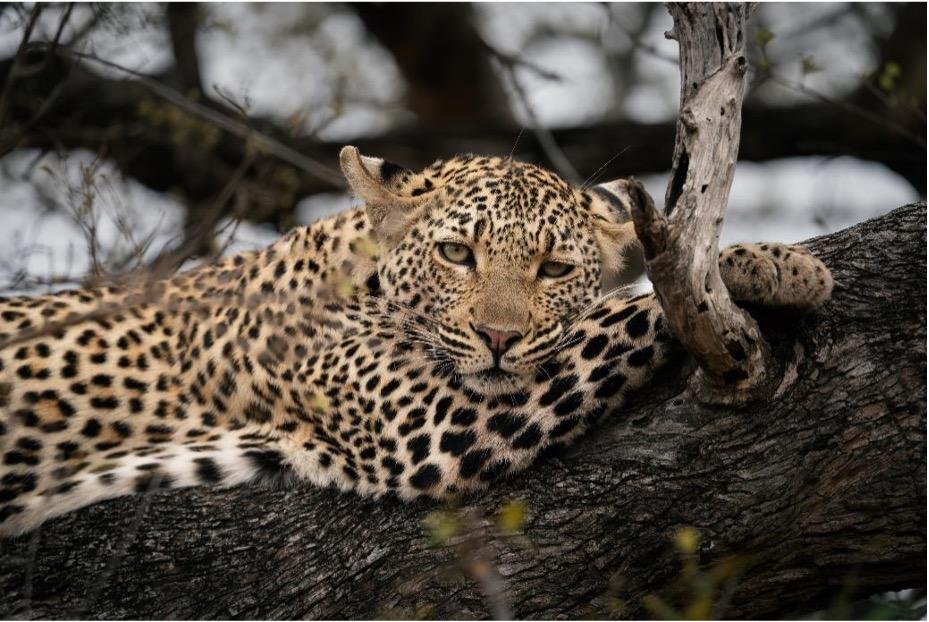
Most Tanzania safaris take place during daylight hours, but the bush changes considerably after sunset. Some animals become more active as temperatures fall, while others begin searching for food or moving through areas where they are less visible during the day. A night game drive gives visitors an opportunity to observe this different side of wildlife behavior in locations where the activity is officially permitted.
Depending on the destination, visitors may have opportunities to look for animals such as bushbabies, genets, civets, porcupines, and nocturnal predators. Leopards and hyenas may also be active after dark, although sightings are never guaranteed. Guides use approved lighting equipment and follow park regulations to search for wildlife while reducing unnecessary disturbance to the animals.
Tarangire National Park is one destination where night game drives are offered under specific park arrangements. The park is already known for its elephants, baobab trees, and wildlife concentrations around the Tarangire River, but a night drive provides a different experience from a daytime visit. Nyerere National Park is another destination where night wildlife activities may be available under applicable regulations and operator arrangements.
It is important to understand that night game drives are not automatically permitted in every national park. Travelers should not assume that a safari company can simply continue driving after normal park hours. Activities must follow the relevant park rules, approved times, guide requirements, and fee arrangements. Because night drives may involve additional costs and special bookings, they should be discussed before the itinerary is confirmed.
Best places to consider: Tarangire National Park and other authorized night-drive locations.
Best for: Wildlife enthusiasts, returning safari visitors, and travelers interested in animal behavior.
If you are including Tarangire in your trip, ask Eddy Tours & Safaris whether a permitted night drive can be arranged for your travel dates. For official activity information, consult Tanzania National Parks.
4. Visit a Local Community and Learn About Tanzanian Culture
A Tanzania safari is not only about wildlife. The country is home to many communities with different traditions, languages, food, and ways of life. Including a cultural visit in your itinerary gives you an opportunity to learn about the people who live near Tanzania’s wildlife areas and understand how local communities interact with the surrounding environment.
One of the most convenient places for a cultural experience on the northern safari circuit is Mto wa Mbu, located near Lake Manyara National Park. The town is known for its lively local markets, farms, small businesses, and mix of communities. Depending on the arrangements, visitors may take a guided village walk, explore farming areas, learn about local food, or visit workshops where residents produce traditional crafts and everyday household items.
Travelers visiting the Ngorongoro area may also be interested in learning about Maasai culture. A properly organized visit can introduce guests to aspects of pastoral life, traditional housing, livestock keeping, and community customs. However, it is important to choose visits that are respectful and provide a genuine benefit to the host community rather than treating people’s daily lives as a performance.
A good cultural experience should involve local guides, clear visitor expectations, and appropriate arrangements for photography. Always ask permission before photographing people, homes, or ceremonies. Visitors should also understand whether entrance fees or contributions are included in the tour price and how the activity supports the community.
Best places to consider: Mto wa Mbu, Karatu-area community experiences, and properly organized Maasai cultural visits.
Best for: Families, cultural travelers, students, and visitors who want to understand more about life in Tanzania.
Cultural activities fit particularly well into itineraries that include Lake Manyara, Ngorongoro Crater, and other northern Tanzania destinations. A short community visit can be arranged between wildlife activities without requiring an entirely separate holiday.
5. Spend Time Birdwatching in Tanzania’s National Parks
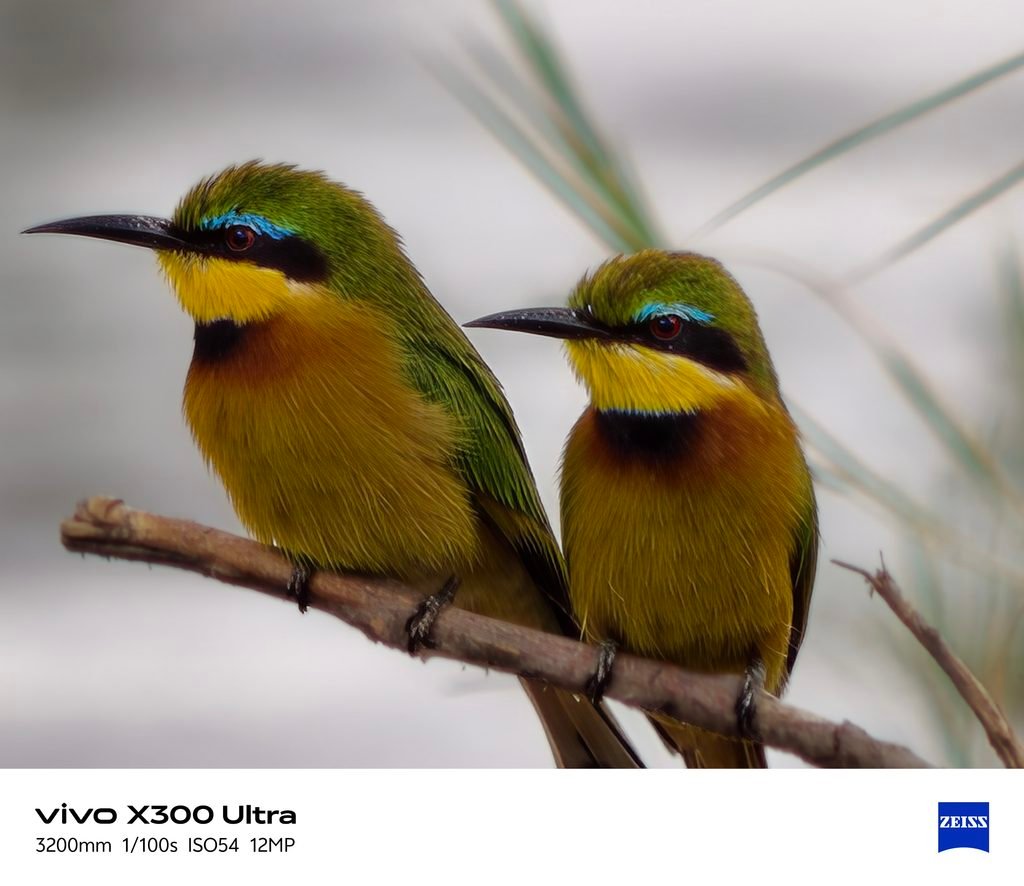
Birdwatching is one of the most enjoyable activities to add to a Tanzania safari, even for visitors who have never considered themselves bird enthusiasts. Tanzania has a rich variety of birdlife, from large ostriches and powerful eagles to colorful rollers, bee-eaters, kingfishers, and waterbirds. Many species are easy to observe during ordinary game drives, while others are more likely to be found around lakes, rivers, forests, and wetlands.
Lake Manyara National Park is particularly interesting because of its mix of habitats, including groundwater forest, woodland, open areas, and the lake environment. Depending on water levels and seasonal conditions, visitors may observe different waterbirds along with species associated with the forest and surrounding vegetation. Flamingos are sometimes present, but their numbers and locations change with environmental conditions, so they should not be promised as a guaranteed sighting.
Tarangire is another excellent destination for birdwatching. Its riverine habitats, open woodland, and seasonal wetlands support many different species, including birds of prey and colorful savanna birds. The Serengeti also offers rewarding birdwatching opportunities, particularly for travelers who take time to look beyond the large mammals. Ostriches, secretary birds, vultures, eagles, and numerous smaller species may be encountered during game drives.
One advantage of birdwatching is that it can make quieter wildlife periods more interesting. When lions are resting or large mammals are difficult to find, your guide can help identify birds along the route. Carrying binoculars and a simple bird identification guide can make the experience more enjoyable, especially if you want to learn how different species behave and where they are commonly found.
Best places to consider: Lake Manyara National Park, Tarangire National Park, Serengeti National Park, and Arusha National Park.
Best for: Nature lovers, photographers, families, and travelers who enjoy observing wildlife at a relaxed pace.
You can ask Eddy Tours & Safaris to include more time for birdwatching when preparing your safari itinerary. The official Tanzania National Parks tourism activities page also provides information about birdwatching and other park experiences.
6. Plan a Wildlife Photography Safari with More Time at Each Sighting
A photographic safari is an excellent choice for travelers who want more than quick photographs through the window of a moving vehicle. Unlike a standard game drive that may focus on visiting several locations and seeing as many animals as possible, a photography-focused safari allows more time to observe wildlife behavior, wait for suitable lighting, and choose better positions for photographs where park rules permit.
The Serengeti is one of the strongest destinations for wildlife photography because of its open landscapes and variety of animals. Lions resting on rocky kopjes, giraffes moving across the plains, elephants feeding in the grass, and large herds of wildebeest can provide excellent photographic opportunities. The changing light during early morning and late afternoon can also make the landscape particularly attractive, especially when animals are moving through open areas.
Ngorongoro Crater offers a different photographic environment, with grasslands, wetlands, and crater walls creating varied backgrounds. Tarangire is especially interesting for photographing elephants among large baobab trees, while Lake Manyara provides opportunities for forest, bird, and landscape photography. Choosing the right destination depends on whether you are most interested in large mammals, birds, animal behavior, or scenery.
A private safari vehicle can be particularly useful for photography because it gives your group more flexibility over how long to remain at a sighting. You can discuss preferred subjects and camera needs with your guide before departure, allowing the itinerary to place more emphasis on suitable wildlife areas. However, all photography must follow park regulations, including rules about staying on authorized tracks, respecting wildlife, and avoiding disturbance.
You do not need an expensive professional camera to enjoy a photographic safari. Modern smartphones can produce excellent landscape and wildlife photographs, although a camera with a telephoto lens may be more useful for animals at a distance. Binoculars, spare batteries, memory cards, dust protection, and a stable camera support can also be helpful during longer drives.
Best places to consider: Serengeti National Park, Ngorongoro Crater, Tarangire National Park, and Lake Manyara National Park.
Best for: Wildlife photographers, content creators, couples, and travelers who prefer a slower, more flexible safari schedule.
For a photography-focused itinerary, contact Eddy Tours & Safaris and explain which animals or landscapes interest you most. Our team can discuss private safari arrangements that allow more time for photography.
Which Unique Safari Activity Is Best for You?
Each activity offers a different experience, and the best choice depends on what you enjoy most during a holiday. Travelers who like walking and learning about nature may prefer a guided bush walk, while couples looking for a special occasion may be more interested in a sunrise balloon flight. Families may enjoy a cultural visit or birdwatching, while experienced safari travelers might want to add a night game drive or a photography-focused day.
| Safari activity | Suggested destination | Best suited for | Planning considerations |
|---|---|---|---|
| Guided walking safari | Arusha National Park | Active travelers and nature lovers | Approved guide, ranger and designated route |
| Hot-air balloon safari | Serengeti | Couples and special occasions | Advance booking, extra cost and suitable weather |
| Night game drive | Tarangire | Nocturnal wildlife enthusiasts | Park permission and approved arrangements |
| Cultural experience | Mto wa Mbu | Families and cultural travelers | Local guide and respectful community arrangements |
| Birdwatching | Lake Manyara | Bird lovers and photographers | Binoculars and time for slower observation |
| Wildlife photography | Serengeti | Photographers and wildlife enthusiasts | Flexible itinerary and suitable vehicle arrangements |
You do not need to include all six activities in one safari. A well-planned trip usually works better when you choose a few experiences that fit naturally with your route and allow enough time for wildlife viewing.
How Many Days Do You Need for These Safari Experiences?
A three- or four-day safari can include one additional activity alongside traditional game drives. For example, visitors traveling through Tarangire, Lake Manyara, and Ngorongoro may have time for a cultural visit in Mto wa Mbu or a birdwatching-focused game drive. However, trying to include too many activities within a short itinerary can create long travel days and reduce the time available for wildlife viewing.
A five- to seven-day safari offers greater flexibility. Travelers visiting the Serengeti can consider a balloon flight, while those staying near Tarangire may be able to arrange a night game drive if permitted. Longer trips also allow more time to enjoy wildlife without feeling pressured to move between destinations every day.
For an eight-day safari or longer, it becomes easier to combine several experiences, particularly when the itinerary includes both northern Tanzania parks and destinations with different activities. Travelers interested in walking and boat safaris may also consider Nyerere National Park as part of a separate southern Tanzania itinerary.
Best Time to Enjoy Different Safari Activities in Tanzania
Tanzania offers safari opportunities throughout the year, but the conditions for individual activities can vary by season. The dry season, generally from June to October, is popular because vegetation is often less dense and wildlife may gather around remaining water sources. These conditions can be useful for game viewing and photography, although visitor numbers may also be higher in popular parks.
The greener months provide different advantages. After seasonal rainfall, landscapes become more colorful, and many birds are active. The southern Serengeti and neighboring plains are especially interesting during the wildebeest calving period, generally around January and February, although the exact timing varies with rainfall and animal movements.
For balloon safaris, walking activities, and night drives, availability also depends on weather, operating schedules, and park regulations. Travelers planning for 2027 or 2028 should confirm their chosen activities before departure rather than assuming they will be available every day of the year.
Tips for Planning a Tanzania Safari with Different Activities
The first step is to decide which experiences matter most to you. If your main interest is seeing lions, elephants, and other large mammals, traditional game drives should remain the foundation of the itinerary. Additional activities can then be included around the parks you already plan to visit. This approach helps reduce unnecessary driving and keeps the holiday focused on your interests.
It is also important to discuss your budget before confirming optional activities. Balloon flights, private photography arrangements, and certain specialized activities can involve extra costs beyond normal park entrance fees and accommodation. Ask for a written quotation showing which experiences are included and which require additional payment.
Finally, choose an operator who understands the applicable park rules. Walking safaris, night drives, and other specialized activities must be conducted only where authorized and with the required guides or rangers. Responsible tourism also means respecting wildlife, keeping a safe distance from animals, and supporting community visits that are organized with local participation.
Frequently Asked Questions About Unique Safari Activities in Tanzania
1. What are the most unique things to do on safari in Tanzania?
Some of the most interesting activities include walking safaris, hot-air balloon flights, night game drives, cultural visits, birdwatching, and wildlife photography safaris.
2. Can I go on a walking safari in Tanzania?
Yes. Guided walking safaris are available in selected national parks and approved wildlife areas, subject to the relevant safety arrangements.
3. Is a walking safari safe?
Walking safaris are conducted with trained guides and appropriate ranger arrangements, but they involve wildlife-related risks. Visitors must follow instructions at all times.
4. Where is the best place for a balloon safari?
Serengeti National Park is one of Tanzania’s best-known destinations for hot-air balloon safaris.
5. Can I see the Great Migration from a balloon?
It may be possible when herds are present in the flight area, but migration sightings are not guaranteed.
6. Are balloon safaris expensive?
They are generally a premium activity and usually cost more than a standard game drive. Current prices should be confirmed before booking.
7. Can I do a night game drive in Serengeti?
Night game drives are not generally part of standard Serengeti National Park visits. Always check the rules for the specific park or wildlife area.
8. Where can I enjoy a night game drive in Tanzania?
Tarangire and certain other authorized wildlife destinations may offer night drives under approved arrangements.
9. What animals can I see during a night game drive?
Possible sightings include genets, civets, porcupines, bushbabies, hyenas, and other nocturnal animals, depending on the location.
10. Can I visit a Maasai community during my safari?
Yes. Properly organized community visits may be available in areas near the northern safari circuit.
11. Where can I experience local culture near Lake Manyara?
Mto wa Mbu is a popular location for guided community and cultural activities.
12. Is Tanzania good for birdwatching?
Yes. Tanzania has a wide variety of birds across its forests, grasslands, lakes, wetlands, and mountain environments.
13. Which national park is best for birdwatching?
Lake Manyara, Tarangire, Serengeti, and Arusha National Parks all provide interesting birdwatching opportunities.
14. Can I photograph wildlife using my smartphone?
Yes. Smartphones can capture good safari photographs, particularly landscapes and animals at reasonable distances.
15. Is a private safari better for photography?
A private safari can provide more flexibility over the pace and time spent at wildlife sightings.
16. Can children join these activities?
Some activities are suitable for families, but age restrictions may apply to walking safaris, balloon flights, and night drives.
17. Are special activities included in a standard safari package?
Not always. Many activities require separate arrangements and additional fees.
18. Do I need to book activities in advance?
Advance booking is advisable, especially for balloon flights and activities requiring park approval or specialized guides.
19. What is the best time for wildlife photography?
Early morning and late afternoon often provide softer natural light, although wildlife can be photographed throughout the day.
20. Can I combine several activities in one safari?
Yes. The activities can be combined when the itinerary allows sufficient time and the necessary arrangements are available.
21. Is Tarangire suitable for more than a normal game drive?
Yes. Tarangire offers opportunities for specialized activities, including authorized night drives and other park experiences.
22. Can I do a boat safari in Tanzania?
Yes. Boat safaris are available in certain destinations, including Nyerere National Park, under approved arrangements.
23. How many days should I spend on a Tanzania safari?
Five to seven days can provide a good balance of wildlife viewing and additional activities, although shorter and longer itineraries are also possible.
24. Can I plan these activities for 2027 or 2028?
Yes. You can request an itinerary for future travel dates, subject to park regulations, availability, and confirmed prices.
25. How do I book a customized Tanzania safari?
Contact Eddy Tours & Safaris with your preferred travel dates, number of travelers, budget, and activities you would like to include.
Plan Your Tanzania Safari with Eddy Tours & Safaris
A Tanzania safari does not have to follow the same routine every day. Traditional game drives are still one of the best ways to see wildlife, but adding a walking safari, balloon flight, cultural visit, night drive, birdwatching session, or photography-focused experience can help you discover more of the country.
The most important thing is to choose activities that suit your interests and fit naturally into your itinerary. A family visiting Tanzania for the first time may enjoy a cultural visit and birdwatching, while a couple planning a special holiday may prefer a balloon safari over the Serengeti. Experienced travelers may want to spend more time on foot or explore wildlife behavior after dark.
At Eddy Tours & Safaris, we help travelers organize customized Tanzania safaris for 2027, 2028, and beyond. Whether you are planning a private safari, family holiday, honeymoon, wildlife photography trip, or a combination of several national parks, our team can help you explore suitable activities and prepare a detailed quotation.
Request Your Tanzania Safari Quotation
Chat with Eddy Tours & Safaris on WhatsApp
Email: sales@eddytours-safaris.com
Website: www.eddytours-safaris.com
Tell us the experiences you would like to include, and we can help you plan a Tanzania safari with enough time to enjoy