
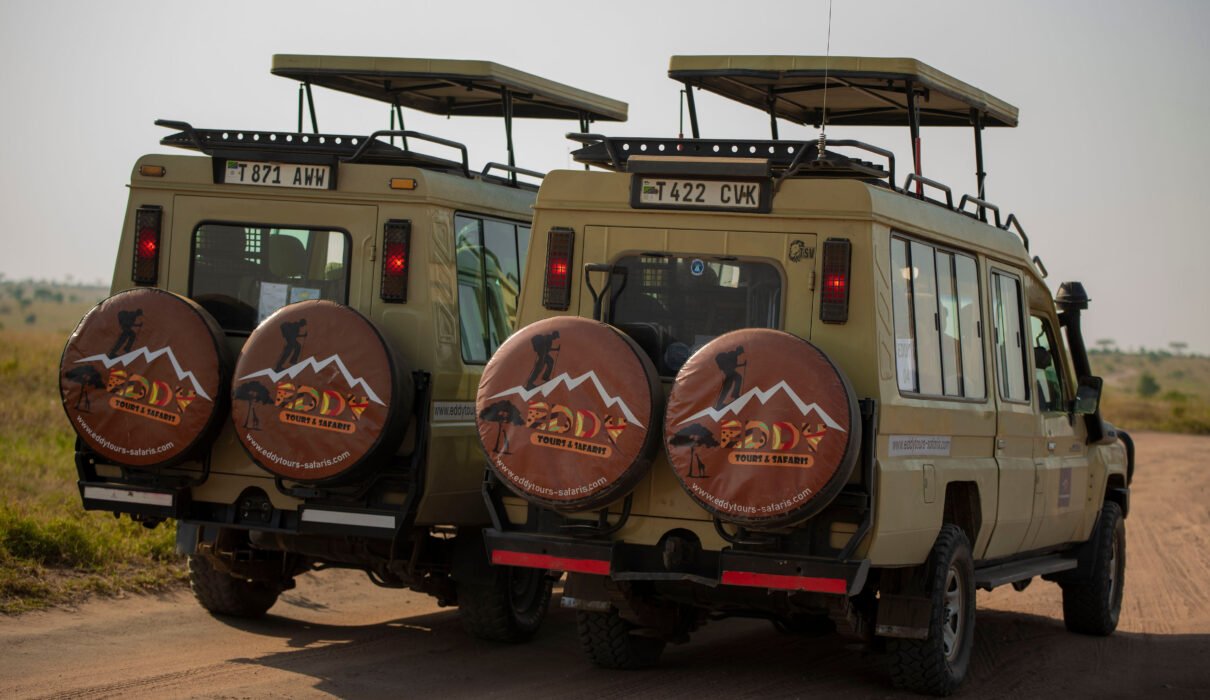
Planning a 7–10 day Tanzania safari in 2027, 2028 or 2029 is an excellent way to explore some of Africa’s most remarkable wildlife destinations without spending your entire holiday travelling between national parks. With seven to ten days, you can visit Serengeti National Park, Ngorongoro Crater, Tarangire National Park and other destinations while enjoying comfortable accommodation, guided game drives and opportunities to experience Tanzania’s local culture. Whether you are travelling as a couple, family, solo traveller or group of friends, this safari duration provides enough flexibility to organise a holiday that suits your interests and budget.
Understanding the itinerary, accommodation options, seasonal wildlife movements and expected travel costs is important before making a reservation. At Eddy Tours & Safaris, travellers can arrange private wildlife safaris, affordable camping adventures, mid-range lodge safaris and luxury holidays designed around their preferred travel dates. This guide explains how to spend seven to ten days in Tanzania, what you should expect to pay and how to get the best value from your safari.
1. Why Choose a 7–10 Day Tanzania Safari?
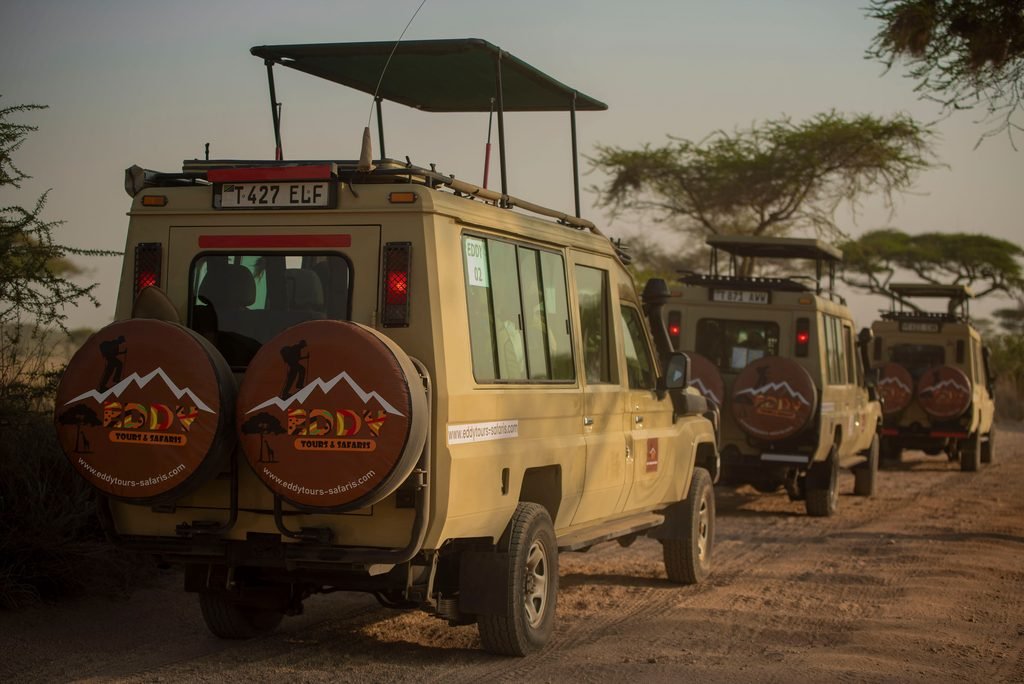
A seven to ten-day safari gives you enough time to explore Tanzania’s northern wildlife circuit at a comfortable pace. Unlike shorter safaris, which often involve long driving hours and limited time in individual parks, an extended itinerary allows you to spend several nights in the Serengeti, enjoy early morning game drives and explore different wildlife habitats. You also have greater flexibility to follow the Great Wildebeest Migration, visit cultural communities and enjoy additional activities without disrupting your main safari programme.
This safari duration is particularly suitable for first-time visitors who want to experience Tanzania’s major wildlife destinations in one holiday. Wildlife photographers and returning visitors can also benefit from spending additional days in specific areas where animal activity is particularly interesting.
Travellers comparing different holiday arrangements can explore our Tanzania Safari Packages That Offer the Best Value for Money before selecting their preferred itinerary.
2. Best 7–10 Day Tanzania Safari Packages at a Glance
| Safari Duration | Main Destinations | Recommended For |
|---|---|---|
| 7 Days | Tarangire, Serengeti, Ngorongoro and Lake Manyara | First-time visitors |
| 8 Days | Tarangire, Serengeti, Ngorongoro and cultural experiences | Couples and families |
| 9 Days | Tarangire, Lake Manyara, Serengeti and migration areas | Wildlife photographers |
| 10 Days | Extended northern circuit and seasonal migration areas | Extended wildlife holidays |
Each itinerary can be adjusted according to the season, accommodation availability and wildlife movements. Travellers who prefer fewer road transfers can also consider domestic flights between Arusha and the Serengeti, although these arrangements will increase the overall safari cost.
3. Ultimate 7-Day Tanzania Safari Itinerary
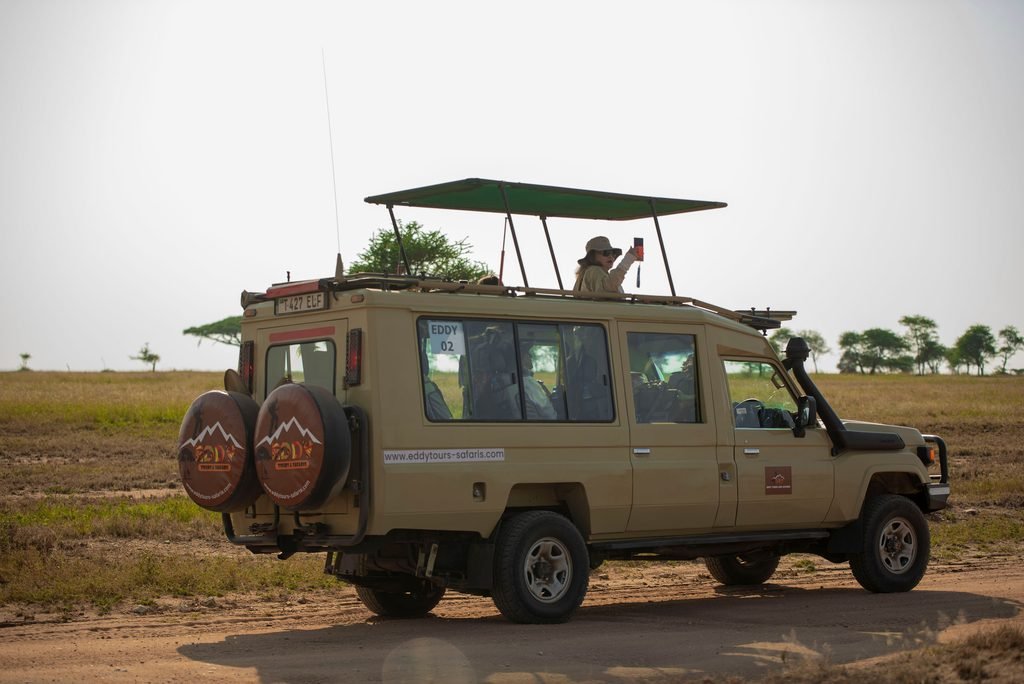
The seven-day Tanzania safari is among the most practical options for visitors who want to explore the country’s major northern national parks within one week. This suggested itinerary starts and finishes in Arusha, combining elephant viewing in Tarangire, several days in the Serengeti, a game drive inside Ngorongoro Crater and a visit to Lake Manyara National Park.
Day 1: Arrival at Kilimanjaro International Airport – Arusha
Upon arrival at Kilimanjaro International Airport, your driver will meet you and transfer you to your accommodation in Arusha. Depending on your arrival time, you can relax at your hotel, explore the surroundings or meet your safari guide for a briefing about the upcoming journey. Arusha is the main starting point for northern Tanzania safaris and provides a convenient place to rest before travelling to the national parks.
Day 2: Arusha to Tarangire National Park
After breakfast, depart from Arusha towards Tarangire National Park, a destination known for its large elephant herds, ancient baobab trees and seasonal wildlife concentrations. During your game drive, you may encounter giraffes, zebras, buffaloes, lions, wildebeest and numerous bird species. The Tarangire River attracts many animals, particularly during the dry season, making it an excellent introduction to Tanzania’s wildlife. After the game drive, continue to your lodge or tented camp for dinner and overnight accommodation.
Day 3: Tarangire to Serengeti National Park
Following an early breakfast, travel towards Serengeti National Park through the Ngorongoro Conservation Area. The journey offers views of the highlands, Maasai settlements and extensive grasslands. Once inside the Serengeti, begin your afternoon game drive while travelling towards your accommodation. The central Serengeti is particularly well known for its resident lions, leopards, cheetahs and large populations of grazing animals.
Day 4: Full-Day Serengeti Safari
Spend the entire day exploring the Serengeti with your professional safari guide. Early morning game drives offer opportunities to observe predators before temperatures rise, while afternoon drives allow you to explore rivers, rocky outcrops and open grasslands. Depending on the season, you may encounter large herds of wildebeest and zebras moving through the park. Travellers interested in an additional experience can arrange an optional hot-air balloon safari, subject to availability.
Day 5: Serengeti to Ngorongoro Conservation Area
Enjoy another morning game drive in the Serengeti before continuing towards the Ngorongoro Conservation Area. This additional morning provides more time to search for wildlife that may have been missed during previous game drives. Depending on your accommodation and route, you may also arrange an optional visit to Olduvai Gorge or a Maasai cultural community before reaching your lodge near the crater or in the surrounding highlands.
Day 6: Ngorongoro Crater Safari
After an early breakfast, descend into Ngorongoro Crater for a wildlife viewing experience across its grasslands, freshwater areas and woodland habitats. The crater supports populations of lions, elephants, buffaloes, hippos, hyenas and black rhinos, although sightings of particular animals cannot be guaranteed. Enjoy a picnic lunch at a designated location before continuing your game drive and travelling towards Karatu for overnight accommodation.
Day 7: Lake Manyara National Park – Arusha
On your final safari day, visit Lake Manyara National Park, where groundwater forests, open woodland and lakeside habitats support a variety of wildlife. Baboons, monkeys, elephants and numerous bird species are possible sightings, while the park’s famous tree-climbing lions are occasionally encountered. After the game drive, return to Arusha or proceed to the airport, depending on your onward travel arrangements and flight schedule.
For additional itinerary options, explore our dedicated 7-Day Tanzania Wildlife Safari Itinerary and Prices.
4. Recommended 8-Day Tanzania Safari Itinerary
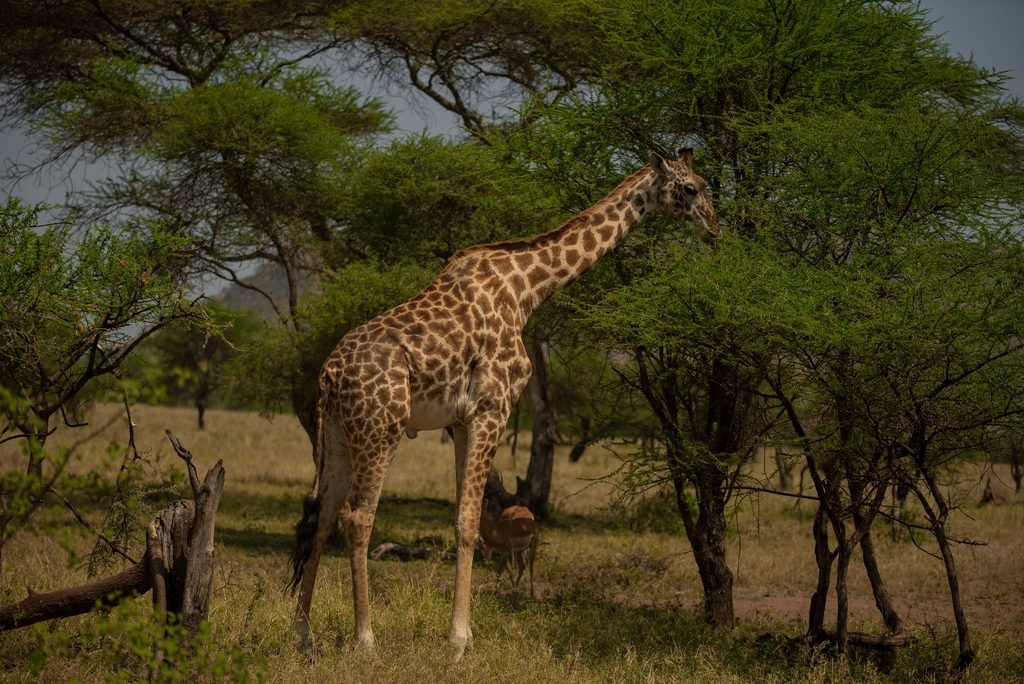
An eight-day Tanzania safari provides more flexibility than the standard seven-day programme. The additional day can be used to explore Lake Manyara before travelling to the Serengeti, spend more time observing wildlife or include a cultural experience around Mto wa Mbu. This itinerary is particularly suitable for families and couples who prefer a more comfortable travelling schedule with fewer consecutive long-distance transfers.
| Day | Safari Destination and Activity |
|---|---|
| Day 1 | Airport arrival and overnight in Arusha |
| Day 2 | Tarangire National Park game drive |
| Day 3 | Lake Manyara National Park and Mto wa Mbu |
| Day 4 | Transfer to Serengeti National Park |
| Day 5 | Full-day Serengeti wildlife safari |
| Day 6 | Additional Serengeti game drives |
| Day 7 | Ngorongoro Crater safari |
| Day 8 | Return to Arusha and departure |
The extra time in the Serengeti allows your guide to explore different wildlife areas and adjust daily game drives according to animal activity. Depending on your travel dates, the itinerary can also be modified to include the southern Serengeti or northern migration areas.
5. Recommended 9-Day Tanzania Safari Itinerary
A nine-day Tanzania safari is an excellent choice for travellers interested in wildlife photography and the Great Wildebeest Migration. Rather than visiting too many national parks within a limited period, this itinerary dedicates additional time to the Serengeti, allowing visitors to explore both central wildlife areas and another region selected according to seasonal migration movements.
| Day | Safari Destination and Activity |
|---|---|
| Day 1 | Arrival and accommodation in Arusha |
| Day 2 | Tarangire National Park |
| Day 3 | Lake Manyara National Park |
| Day 4 | Central Serengeti National Park |
| Day 5 | Full-day central Serengeti safari |
| Day 6 | Transfer to a seasonal migration area |
| Day 7 | Full-day migration safari |
| Day 8 | Ngorongoro Conservation Area transfer |
| Day 9 | Ngorongoro Crater and return to Arusha |
The exact Serengeti regions included will depend on your travel month. Between January and March, the southern Serengeti and Ndutu areas are often preferred for the calving season, while the northern Serengeti generally becomes more attractive between July and October for possible Mara River crossings. Additional nights or domestic flights may be recommended when travelling between distant areas.
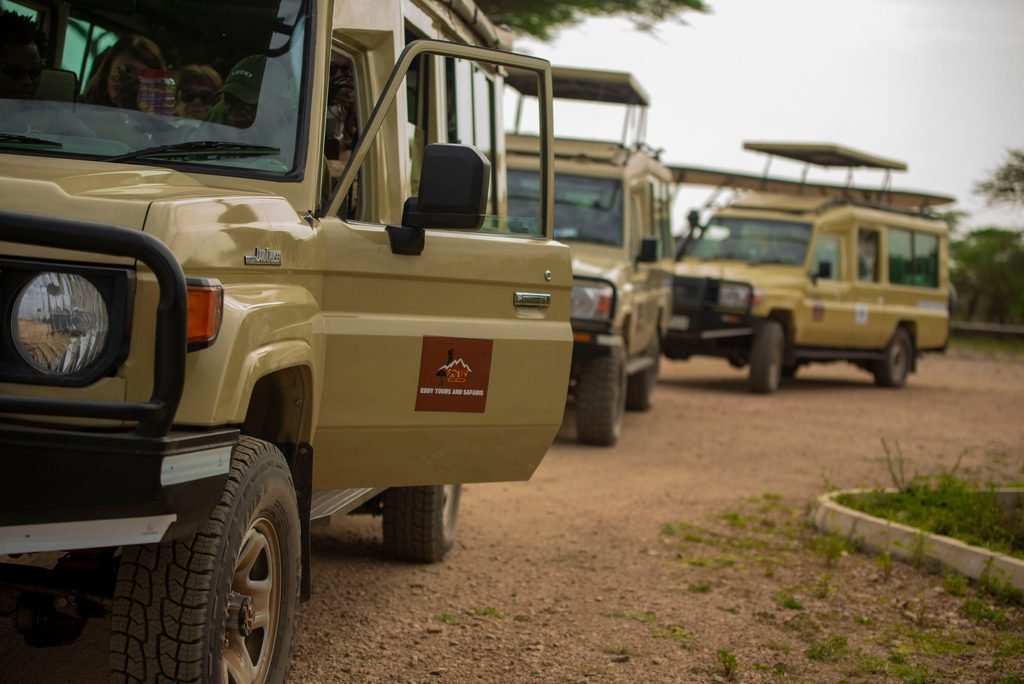
6. Ultimate 10-Day Tanzania Safari Itinerary
A ten-day Tanzania safari offers more freedom to explore wildlife destinations without following an unnecessarily demanding schedule. Visitors can enjoy several nights in different parts of the Serengeti, visit additional national parks and include cultural activities. This programme is particularly attractive for honeymooners, wildlife enthusiasts, families and travellers visiting Tanzania for a special occasion.
| Day | Safari Destination and Activity |
|---|---|
| Day 1 | Airport arrival and overnight in Arusha |
| Day 2 | Tarangire National Park |
| Day 3 | Additional Tarangire game drives |
| Day 4 | Lake Manyara and transfer to Karatu |
| Day 5 | Central Serengeti National Park |
| Day 6 | Full-day central Serengeti safari |
| Day 7 | Transfer to a seasonal migration area |
| Day 8 | Full-day migration wildlife safari |
| Day 9 | Transfer to Ngorongoro Conservation Area |
| Day 10 | Ngorongoro Crater and return to Arusha |
Depending on the season, this itinerary can be adjusted to include Lake Natron, Lake Eyasi, Hadzabe and Datoga cultural experiences or additional nights in the Serengeti. For travellers visiting the northern Serengeti, a revised route or domestic flight may be necessary to avoid excessive driving.
Explore our All-Inclusive Tanzania Safari Packages for 2027, 2028 and 2029 to compare different accommodation and itinerary arrangements.
7. How Much Does a 7–10 Day Tanzania Safari Cost in 2027, 2028 & 2029?
The cost of a Tanzania safari depends on the number of travellers, accommodation category, travel season, national parks visited and transport arrangements. Travelling as part of a shared group generally reduces individual expenses because vehicle, fuel and guiding costs are shared among participants. Private safaris offer greater flexibility but may cost considerably more per person, particularly for solo travellers and couples.
Estimated Tanzania Safari Prices Per Person
| Safari Duration | Budget Safari | Mid-Range Safari | Luxury Safari |
|---|---|---|---|
| 7 Days | $1,750–$3,150 | $2,800–$4,900 | $4,900–$10,500+ |
| 8 Days | $2,000–$3,600 | $3,200–$5,600 | $5,600–$12,000+ |
| 9 Days | $2,250–$4,050 | $3,600–$6,300 | $6,300–$13,500+ |
| 10 Days | $2,500–$4,500 | $4,000–$7,000 | $7,000–$15,000+ |
All prices are in US dollars per person and represent general planning estimates based on accommodation category and safari duration. These are not confirmed package prices for 2027, 2028 or 2029. Government park fees, accommodation rates, fuel costs, seasonal demand and group size may affect the final quotation.
For a more detailed breakdown of travel expenses, read our Tanzania Safari Cost Guide for 2027, 2028 and 2029.
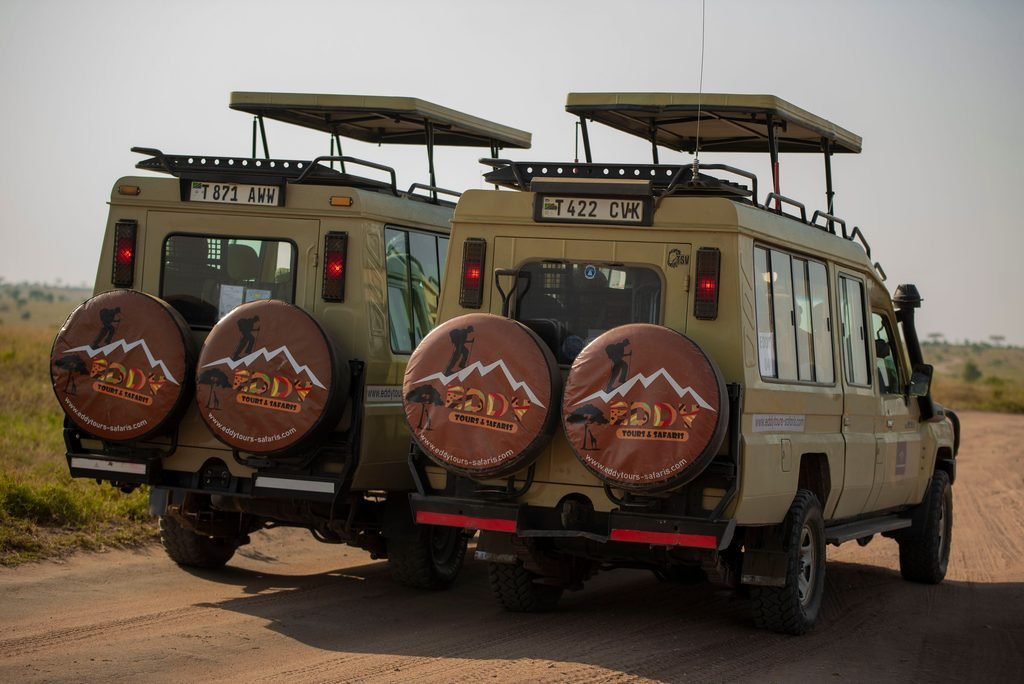
8. Understanding Tanzania Safari Accommodation Options
Budget Camping Safari
Budget camping safaris are suitable for travellers who want to experience Tanzania’s wildlife while keeping accommodation expenses manageable. These programmes commonly use public campsites, basic camping equipment or affordable accommodation outside national parks. Meals are generally prepared by a safari cook or provided at selected accommodation facilities. Although camping offers fewer luxuries, visitors still enjoy guided game drives and access to the same major wildlife destinations.
Mid-Range Lodge Safari
A mid-range Tanzania safari provides a comfortable balance between accommodation quality and overall travel cost. Visitors normally stay in lodges or permanent tented camps with private bathrooms, comfortable beds, dining facilities and other essential services. Many mid-range properties are located inside national parks or close to park entrances, making them practical for early morning wildlife viewing. This category is particularly popular among couples, families and small private groups.
Luxury Tanzania Safari
Luxury safaris focus on high-quality accommodation, personal service and convenient access to important wildlife areas. Visitors may stay in exclusive tented camps, premium lodges or smaller properties offering greater privacy. Some luxury programmes include domestic flights, private dining, specialised guiding and additional activities. However, expensive accommodation does not guarantee better wildlife sightings, so choosing the right location and travel season remains equally important.
9. Best Time for a 7–10 Day Tanzania Safari
Tanzania offers wildlife viewing throughout the year, but seasonal changes influence animal movements, road conditions, accommodation availability and safari prices. Choosing the right travel month becomes particularly important when planning a migration-focused safari, as wildebeest movements depend heavily on rainfall and the availability of fresh grazing.
| Travel Period | Recommended Experience |
|---|---|
| January–March | Ndutu and southern Serengeti calving season |
| April–May | Green landscapes, birdwatching and potentially lower accommodation rates |
| June–July | Dry-season wildlife viewing and migration movements |
| August–October | Northern Serengeti and possible Mara River crossings |
| November–December | Short rains and seasonal migration movements |
June to October is generally preferred for classic wildlife safaris because vegetation is thinner and animals frequently gather around permanent water sources. January and February are particularly attractive for visitors interested in newborn wildebeest and predator activity in the southern Serengeti and Ndutu region. Travellers seeking lower accommodation prices and quieter parks may consider the green season, although some camps close and certain roads become difficult to access.
Visitors planning to combine wildlife viewing with mountain trekking can also consult Kilimanjaro Climb Specialist for climbing routes and seasonal travel advice.
10. Best National Parks to Visit During a 7–10 Day Tanzania Safari
Serengeti National Park
Serengeti National Park is the main attraction for many travellers visiting Tanzania. Its extensive grasslands, river systems and rocky hills support large populations of lions, leopards, cheetahs, elephants, giraffes, wildebeest and zebras. The park is also internationally recognised for the Great Wildebeest Migration. Spending at least two or three nights in the Serengeti is recommended for visitors who want sufficient time to explore different wildlife habitats.
Ngorongoro Crater
Ngorongoro Crater offers a distinctive wildlife experience within a large volcanic caldera. Its relatively compact wildlife viewing area supports numerous large mammals, including buffaloes, lions, hippos, elephants and black rhinos. The crater is one of the most promising locations in northern Tanzania for attempting to see all members of the Big Five, although wildlife sightings remain unpredictable.
Tarangire National Park
Tarangire National Park is particularly famous for its elephants, baobab trees and varied landscapes. During the dry season, many animals gather around the Tarangire River, creating excellent conditions for wildlife observation. Spending an additional night in Tarangire can allow visitors to explore quieter sections of the park and enjoy game drives without rushing towards the next destination.
Lake Manyara National Park
Lake Manyara provides a different wildlife experience from the open plains of the Serengeti. Its forests, woodland and lakeside habitats support monkeys, baboons, elephants and many bird species. Although smaller than several other northern Tanzania parks, it provides an interesting addition to a longer safari itinerary, particularly for travellers interested in birdwatching and varied scenery.
11. Wildlife You Can Expect to See
A seven to ten-day Tanzania safari provides opportunities to observe a wide range of wildlife across several protected areas. Travellers often hope to see the Big Five, but Tanzania’s wildlife experience extends far beyond these five animals. Spending several days in different habitats improves your opportunities to encounter both common and less frequently observed species.
Animals commonly sought during a Tanzania safari include:
- African elephants
- Lions
- Leopards
- African buffaloes
- Black rhinos
- Cheetahs
- Giraffes
- Wildebeest
- Zebras
- Spotted hyenas
- Hippopotamuses
- Nile crocodiles
- Ostriches and other bird species
Wildlife sightings depend on animal movements, weather, habitat conditions and the experience of your guide. No responsible safari operator can guarantee sightings of every animal or a particular wildlife event.
12. What Is Included in a 7–10 Day Tanzania Safari Package?
A professionally organised Tanzania safari package generally covers the main services required throughout the wildlife holiday. However, travellers should always review their written quotation to confirm which services are included, especially when comparing offers from different tour operators.
Safari Package Inclusions
- Airport pick-up and drop-off as specified
- Accommodation according to the selected itinerary
- Professional English-speaking safari guide
- Safari transport in a suitable 4×4 vehicle
- Game drives as specified in the itinerary
- National park entrance fees
- Ngorongoro Crater service fees
- Meals according to the safari programme
- Drinking water during game drives
- Vehicle fuel and safari transport expenses
- Applicable government taxes and levies
- Camping equipment and safari cook for applicable camping packages
Safari Package Exclusions
- International flights
- Domestic flights unless specified
- Tanzania visa fees
- Travel and medical insurance
- Tips for safari guides, cooks and accommodation staff
- Optional hot-air balloon safari
- Optional cultural experiences unless included
- Alcoholic beverages and additional drinks
- Laundry and personal expenses
- Additional accommodation outside the confirmed itinerary
- Zanzibar beach holidays and Kilimanjaro climbing unless included
Travellers should request a detailed quotation from Eddy Tours & Safaris before confirming their reservation.
13. How to Reduce the Cost of Your Tanzania Safari
Planning carefully can help you save money without unnecessarily compromising your wildlife experience. Accommodation location, group size and travel season are among the most important factors affecting safari prices. Instead of simply choosing the cheapest quotation, compare the number of game drives, accommodation locations, transport arrangements and included services.
Practical ways to reduce your safari expenses include:
- Joining an available group safari departure.
- Travelling with friends or family to share vehicle costs.
- Selecting mid-range lodges instead of premium luxury camps.
- Considering travel outside the busiest months.
- Booking accommodation well in advance.
- Avoiding unnecessary domestic flights.
- Choosing a practical route with fewer long-distance transfers.
- Requesting a complete quotation covering essential safari expenses.
For additional budgeting advice, read our guide on How to Plan a Tanzania Safari That Matches Your Budget.
14. Combining a Tanzania Safari with Kilimanjaro Climbing
Many international visitors choose to combine a wildlife safari with climbing Mount Kilimanjaro. This combination allows travellers to experience Tanzania’s mountain landscapes and national parks during the same holiday. A seven to ten-day safari can be arranged before or after the climb, although many travellers prefer completing their mountain trek first and enjoying a more relaxed wildlife holiday afterwards.
Popular Kilimanjaro climbing routes include the Machame, Lemosho, Marangu, Rongai and Northern Circuit routes. Each route differs in duration, difficulty, accommodation arrangements and acclimatisation opportunities. Visitors considering this combination can explore the Kilimanjaro Climb Specialist website or review the 7-Day Kilimanjaro Lemosho Route to understand typical mountain trekking arrangements before requesting an updated quotation.
Allow approximately 14–20 days or more for a combined safari and Kilimanjaro holiday, depending on the chosen trekking route, rest days and international flight schedules.
15. Combining a Tanzania Safari with Zanzibar Beach Holidays
After spending several days exploring Tanzania’s national parks, Zanzibar offers an opportunity to relax beside the Indian Ocean. Visitors can arrange flights from Arusha, Kilimanjaro or selected Serengeti airstrips to Zanzibar, depending on available flight schedules and their safari arrangements. Popular beach areas include Nungwi, Kendwa, Paje and Jambiani, each offering different accommodation styles and recreational activities.
A seven-day safari followed by four days in Zanzibar is suitable for travellers with approximately two weeks of holiday time. Those choosing a ten-day safari may prefer an additional four or five nights on the island. Optional activities include Stone Town tours, spice farm visits, snorkelling, sailing and diving. Eddy Tours & Safaris can prepare a combined itinerary covering wildlife destinations, domestic flights and beach accommodation according to your travel preferences.
16. What to Pack for a 7–10 Day Tanzania Safari
Packing appropriately helps you remain comfortable during long game drives, changing weather conditions and transfers between national parks. Mornings in the Ngorongoro highlands can be cold, while afternoons in the Serengeti and Tarangire may become considerably warmer. Lightweight clothing in neutral colours, comfortable footwear and a warm layer are generally recommended.
Essential safari packing items include:
- Lightweight shirts and trousers
- Warm fleece or jacket
- Comfortable walking shoes
- Sun hat and sunglasses
- Sunscreen and insect repellent
- Binoculars
- Camera and spare batteries
- Reusable water bottle
- Personal medication
- Passport and travel documents
- Travel insurance documentation
- Power bank and travel adapter
- Soft-sided travel bag, particularly for domestic safari flights
Travellers combining their safari with a mountain trek should prepare separate climbing equipment according to the requirements of their chosen Kilimanjaro route.
17. Private Safari vs Group Safari: Which Is Better?
| Feature | Private Safari | Group Safari |
|---|---|---|
| Safari vehicle | Reserved for your travelling party | Shared with other travellers |
| Departure dates | Generally flexible | Usually scheduled |
| Game drive flexibility | Greater flexibility | Shared group decisions |
| Individual cost | Often higher for small groups | Often more affordable |
| Accommodation | Customisable | Usually predetermined |
| Best suited for | Families, couples and photographers | Solo and budget travellers |
Private safaris are particularly suitable for travellers who want greater control over their daily schedule, accommodation and wildlife viewing preferences. Group safaris are attractive to solo travellers and visitors who want to reduce costs while meeting other people. Both arrangements can provide rewarding wildlife experiences when organised professionally, so the decision should depend on your budget and preferred travel style.
18. Frequently Asked Questions About 7–10 Day Tanzania Safaris
Is seven days enough for a Tanzania safari?
Yes. Seven days is sufficient to explore several important northern Tanzania wildlife destinations, including Tarangire, Serengeti and Ngorongoro Crater. However, visitors interested in detailed wildlife photography or following the Great Migration may benefit from an eight to ten-day itinerary.
How much does a 10-day Tanzania safari cost?
A ten-day Tanzania safari may cost approximately $2,500–$4,500 per person for budget arrangements, $4,000–$7,000 for mid-range accommodation and $7,000–$15,000 or more for luxury travel. Actual prices depend on the season, group size, accommodation and included services.
Can I see the Big Five during a seven-day safari?
Yes, it is possible to encounter all members of the Big Five during a seven-day safari, particularly when visiting the Serengeti and Ngorongoro Crater. However, black rhinos and leopards can be difficult to locate, and sightings cannot be guaranteed.
Is a Tanzania safari suitable for families with children?
Yes. Tanzania offers family-friendly safari accommodation and private itineraries that can be adjusted to suit children. Families should consider shorter driving periods, suitable room arrangements and accommodation with appropriate facilities. Some optional activities and lodges have minimum age requirements.
Can I book a Tanzania safari for 2029 now?
Travellers can begin planning and discussing itineraries for 2029 in advance. However, accommodation availability, supplier rates and government park fees may not yet be fully confirmed. It is advisable to obtain an updated written quotation before committing to a reservation.
How far in advance should I book my Tanzania safari?
Booking six to twelve months in advance is generally advisable, especially for travel between June and October or during the wildebeest calving season. Premium migration camps and popular family accommodation may require earlier reservations because availability is limited.
Can I combine a Tanzania safari with Mount Kilimanjaro?
Yes. A Tanzania safari can be combined with several Kilimanjaro climbing routes, including Machame, Lemosho and Marangu. Travellers can consult Kilimanjaro Climb Specialist for mountain trekking arrangements and coordinate their safari around the climbing dates.
Is travel insurance necessary for a Tanzania safari?
Comprehensive travel insurance is strongly recommended. Your policy should cover medical treatment, emergency evacuation, trip cancellation and planned activities. Travellers climbing Kilimanjaro should also confirm that their insurance covers trekking at the intended altitude.
19. Book Your 7–10 Day Tanzania Safari for 2027, 2028 & 2029
Whether you are planning your first African wildlife holiday, following the Great Wildebeest Migration or organising a family adventure, a seven to ten-day Tanzania safari provides enough time to experience the country’s major wildlife destinations comfortably. Choosing the right itinerary, travel season and accommodation category will help you make better use of your holiday budget while enjoying sufficient time inside the national parks.
At Eddy Tours & Safaris, we arrange personalised Tanzania safari packages for budget travellers, families, honeymooners, wildlife photographers and luxury holidaymakers. Our team can help you select suitable destinations, organise accommodation and prepare a detailed itinerary based on your preferred travel dates and budget.
Contact us today to request your personalised 7, 8, 9 or 10-day Tanzania safari quotation for 2027, 2028 or 2029.
Eddy Tours & Safaris
Local Tour Company in Arusha, Tanzania
Email: sales@eddytours-safaris.com
Website: Eddy Tours and Safaris
Kilimanjaro Climbing: www.kilimanjaroclimbspecialist.com