
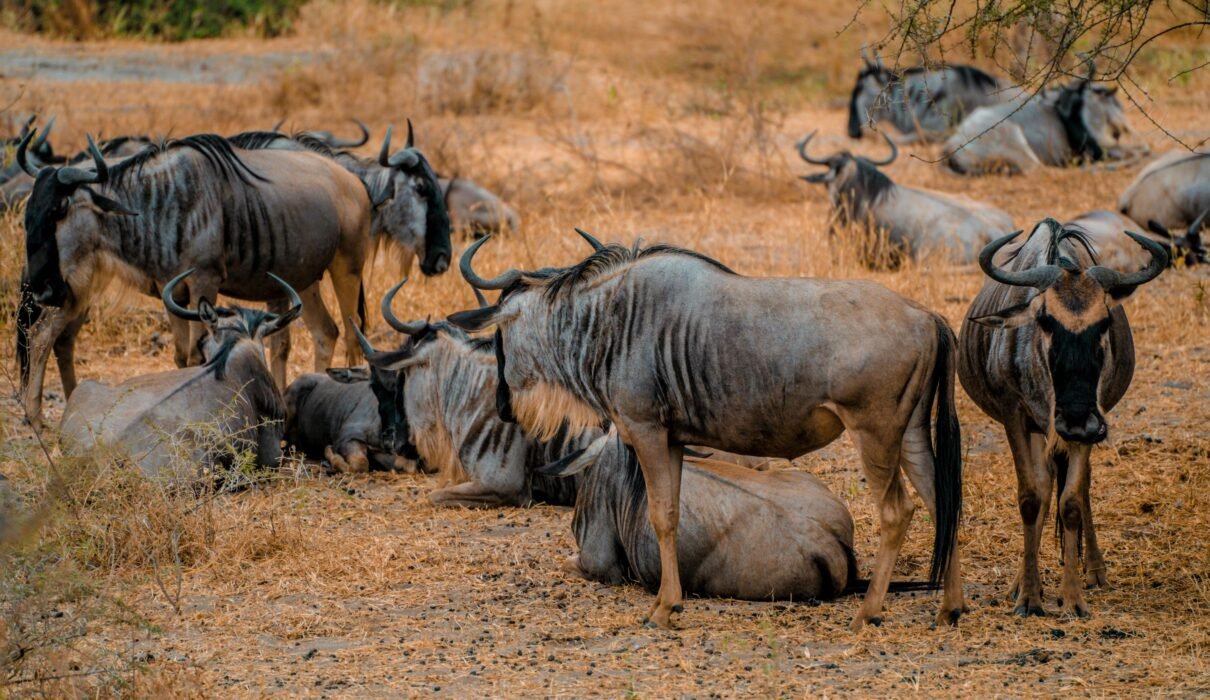
Imagine standing inside a safari vehicle in the Northern Serengeti, watching thousands of wildebeest gather along the banks of the Mara River. Some animals move toward the water while others hesitate, turning back toward the grasslands. Zebras gather nearby, and crocodiles remain in the river. Nobody knows exactly when the first wildebeest will attempt to cross.
This is one of the most fascinating moments of the Great Wildebeest Migration, and it is the main reason travelers visit the Northern Serengeti between July and October.
The 7-Day Great Migration Safari July to October Adventure takes you into the northern part of Tanzania’s Serengeti National Park, where migrating wildebeest and zebras often gather during the dry season. The journey also includes the wildlife-rich Central Serengeti and a visit to Ngorongoro Crater.
Unlike a safari that spends only a few hours near the Mara River, this itinerary includes three nights in Northern Serengeti. That gives your guide more opportunities to search for migration herds, explore different wildlife areas, and wait at permitted viewing points when animals gather near the river.
A river crossing is never guaranteed. Wildebeest may wait for hours or days before entering the water, and some herds move away without crossing. However, even without a crossing, Northern Serengeti offers excellent opportunities to observe elephants, lions, giraffes, buffaloes, zebras, and many other animals.
For travelers planning to visit Tanzania in 2027, 2028, or 2029, July through October is an important period to consider for a Northern Serengeti migration safari.
At Eddy Tours and Safaris, we help travelers plan private wildlife safaris according to their travel dates, preferred accommodation, and budget. Our seven-day migration itinerary is designed to balance time near the Mara River with wildlife viewing in the Central Serengeti and Ngorongoro Crater.
Whether you are a couple planning a special holiday, a family interested in African wildlife, or a photographer hoping to capture the Great Migration, this safari offers a memorable journey through northern Tanzania.
7-Day Great Migration Safari Overview
| Safari information | Details |
|---|---|
| Safari name | 7-Day Great Migration Safari July to October |
| Destination | Northern Tanzania |
| Duration | 7 days / 6 nights |
| Starting point | Arusha |
| Ending point | Arusha |
| Main destinations | Central Serengeti, Northern Serengeti and Ngorongoro Crater |
| Main attraction | Great Wildebeest Migration and possible Mara River crossings |
| Best travel period | July–October |
| Main migration area | Kogatende, Lamai and Mara River region |
| Safari type | Private guided safari |
| Transport | 4×4 safari vehicle with pop-up roof |
| Accommodation | Lodges and tented camps |
| Suitable for | Couples, families, photographers and wildlife enthusiasts |
| Travel years | 2027, 2028 and 2029 |
| Accommodation nights | 1 in Arusha, 1 in Central Serengeti, 3 in Northern Serengeti, 1 near Ngorongoro |
| Customization | Available according to travel dates and budget |
Why July to October Is a Special Time for the Great Migration
The Great Wildebeest Migration is a year-round movement of animals across the Serengeti-Mara ecosystem.
The herds follow seasonal rainfall and the growth of fresh grass. Their journey takes them through different parts of Tanzania’s Serengeti National Park and into Kenya’s Maasai Mara.
Between approximately July and October, many migrating wildebeest and zebras can be found in the Northern Serengeti.
During this period, the Mara River becomes one of the most important features of the migration landscape.
Wildebeest moving between grazing areas may need to cross the river, where they face steep banks, strong currents, and crocodiles.
The sight of large herds gathering beside the river is remarkable even before a crossing begins.
Sometimes, a few wildebeest approach the water and turn away. At other times, a large number of animals suddenly enter the river.
These movements are unpredictable and depend on conditions that change throughout the season.
For this reason, the best approach is to spend several days in Northern Serengeti rather than expecting a crossing to happen during a short visit.
Understanding the Mara River Crossing Experience
The Mara River flows through the northern part of the Serengeti ecosystem and into Kenya.
It is one of the most famous locations associated with the Great Wildebeest Migration.
During the migration season, wildebeest may gather along different sections of the river.
Some herds cross from Tanzania toward Kenya, while others may cross back into Tanzania.
The direction of movement is not always the same, and animals may cross the river more than once.
The main attraction is observing this natural behavior without disturbing the animals.
Safari vehicles must remain in permitted areas and follow the instructions of national park authorities.
A responsible guide will avoid blocking the animals’ access to the river or approaching them during a crossing.
This helps protect the wildlife and provides a better experience for everyone visiting the area.
Where Is the Best Place to See the Migration from July to October?
The Northern Serengeti is the main focus of this safari.
Important wildlife areas include Kogatende, the Mara River region, and the Lamai area.
Kogatende – The Heart of Northern Serengeti
Kogatende is one of the main safari areas in Northern Serengeti.
It provides access to sections of the Mara River and surrounding grasslands where migrating wildebeest and zebras may gather.
Several seasonal and permanent safari camps operate in the wider northern region.
Staying in this area reduces the amount of time needed to reach potential migration viewing locations compared with accommodation in Central Serengeti.
Mara River – The Famous Crossing Area
The Mara River is the main attraction for travelers interested in dramatic migration movements.
During the season, wildebeest may gather near different crossing points.
A professional guide will use local wildlife information and permitted viewing locations to plan game drives.
Crossings cannot be guaranteed, even when large herds are nearby.
Lamai – Beautiful Northern Serengeti Landscapes
The Lamai area is known for its rolling grasslands, rocky hills, and wildlife habitats.
Depending on the camp location, route access, and wildlife movements, it may form part of a Northern Serengeti game-drive plan.
The wider region supports both migrating animals and resident wildlife.
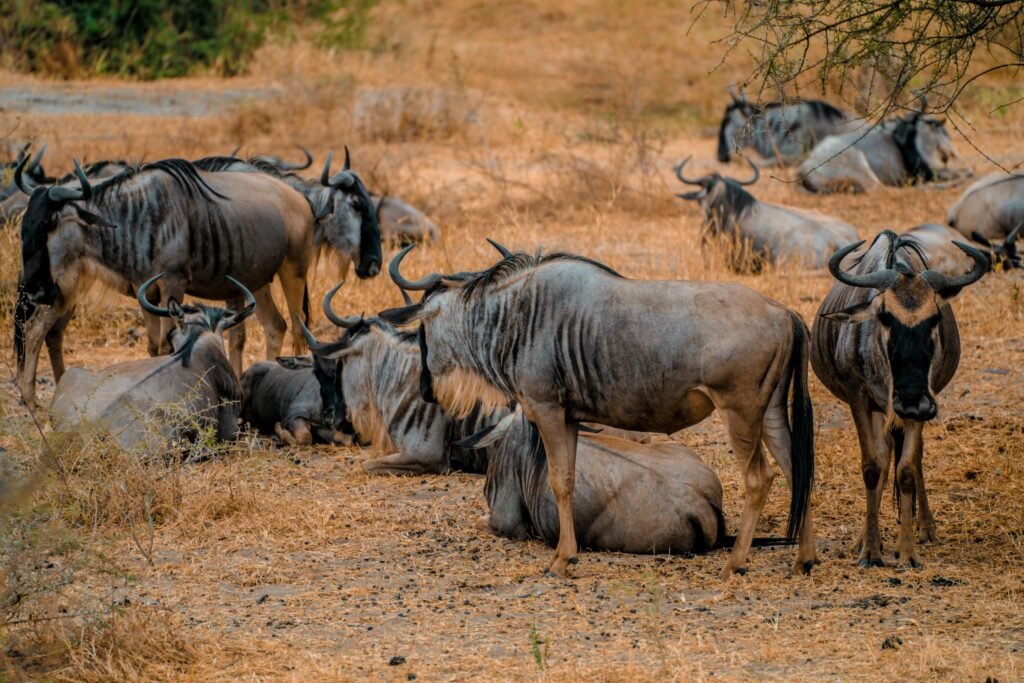
Complete 7-Day Great Migration Safari July to October Itinerary
This itinerary is designed for travelers who want to explore Northern Serengeti during the migration season while also visiting Central Serengeti and Ngorongoro Crater.
The journey begins in Arusha and includes a long but scenic overland transfer to the Serengeti.
Three nights are spent in Northern Serengeti to provide more time near the migration areas.
Actual driving times, camp locations, and game-drive arrangements will depend on road conditions and accommodation availability.
Day 1: Arrival at Kilimanjaro International Airport – Transfer to Arusha
Destination: Arusha
Activities: Airport pickup, hotel check-in and safari briefing
Accommodation: Hotel or lodge in Arusha
Meals: According to arrival arrangements
Your seven-day Great Migration safari begins when you arrive at Kilimanjaro International Airport or Arusha Airport.
A representative from Eddy Tours and Safaris meets you at the agreed arrival point and arranges your transfer to your hotel in Arusha.
Arusha is one of the main starting points for wildlife safaris in northern Tanzania.
The city lies near Mount Meru, and on a clear day, you may enjoy beautiful views of the mountain.
After checking in at your hotel, you have time to relax after your journey.
Depending on your arrival time, you may enjoy the hotel gardens, have a meal, or simply rest before the safari begins.
Later, your safari guide meets you for a briefing about the coming days.
Your guide explains the route, travel times, national park rules, accommodation arrangements, and the wildlife experiences you may encounter.
You can also discuss your photography interests and any special requests.
Dinner and overnight accommodation are arranged according to your confirmed package.
Overnight: Arusha
Day 2: Arusha to Central Serengeti – Scenic Journey and Afternoon Game Drive
Destination: Central Serengeti National Park
Activities: Scenic drive and wildlife viewing
Accommodation: Lodge or tented camp in Central Serengeti
Meals: Breakfast, lunch and dinner
After an early breakfast, you leave Arusha and begin the journey toward Serengeti National Park.
The drive takes you through the countryside of northern Tanzania, passing farms, villages, and the highlands surrounding the Ngorongoro Conservation Area.
As you continue toward Serengeti, the landscape gradually changes from green highlands to open grasslands.
Depending on the route and weather, you may stop at designated viewpoints for photographs.
The drive to Central Serengeti is long, but it provides an opportunity to experience the changing scenery of northern Tanzania.
After entering Serengeti National Park, you begin a game drive while traveling toward your accommodation.
The Central Serengeti, particularly the wider Seronera area, supports a wide variety of resident wildlife.
You may encounter lions, elephants, giraffes, buffaloes, zebras, wildebeest, and different antelope species.
Leopards and cheetahs also live in the park, although sightings are never guaranteed.
Your guide searches for wildlife along the permitted game-drive routes.
Later in the afternoon, you arrive at your lodge or tented camp.
After dinner, you spend your first night in Serengeti National Park.
Overnight: Central Serengeti
Day 3: Central Serengeti to Northern Serengeti – Enter the Mara River Migration Region
Destination: Northern Serengeti, Kogatende area
Activities: Scenic transfer and migration game drive
Accommodation: Lodge or tented camp in Northern Serengeti
Meals: Breakfast, lunch and dinner
After breakfast, you begin traveling north through Serengeti National Park.
The journey takes you through beautiful grasslands, rocky hills, and woodland areas.
As you move farther north, the landscape becomes increasingly remote.
Depending on the season, you may begin encountering large herds of wildebeest and zebras moving through the northern plains.
Your guide searches for wildlife along the way and stops at suitable viewing locations.
The Northern Serengeti is known for its rolling hills, open grasslands, and the Mara River.
During the July–October migration period, many wildebeest gather in this region.
After arriving in the Kogatende area, your guide may explore nearby wildlife routes or visit permitted Mara River viewing areas, depending on the time available.
You may see herds grazing, gathering near the river, or moving across the plains.
Predators such as lions, cheetahs, and hyenas may also be found in the area.
Later, you travel to your accommodation.
After checking in, you enjoy dinner and spend your first night in Northern Serengeti.
Overnight: Northern Serengeti
Day 4: Full-Day Northern Serengeti Safari – Searching for Mara River Crossings
Destination: Northern Serengeti and Mara River
Activities: Full-day migration game drive
Accommodation: Lodge or tented camp in Northern Serengeti
Meals: Breakfast, lunch and dinner
Today is one of the main highlights of your Great Migration safari.
After an early breakfast, you depart with your professional guide to explore the Mara River region.
The main goal is to search for wildebeest herds and observe their movements around the river.
During the migration season, thousands of wildebeest and zebras may gather near potential crossing areas.
Some animals approach the water before moving away again.
Others may remain on the riverbanks for long periods.
A crossing may begin suddenly, but it is impossible to predict exactly when it will happen.
Your guide will use current wildlife information to decide which permitted viewing areas are worth visiting.
If the herds are gathering near the river, you may spend time observing their behavior from an appropriate distance.
Should a crossing occur, you may witness wildebeest entering the water and attempting to reach the opposite bank.
Crocodiles live in the river, and the crossing can be dangerous for the migrating animals.
However, even if no crossing takes place, the surrounding region provides opportunities to see lions, elephants, giraffes, buffaloes, and other wildlife.
You enjoy a picnic lunch at an appropriate designated or permitted location away from restricted riverbank areas.
The afternoon is spent exploring the northern plains or continuing to observe migration activity.
Later, you return to your accommodation for dinner and overnight rest.
Overnight: Northern Serengeti
Day 5: Northern Serengeti – Second Full Day of Migration and Predator Viewing
Destination: Northern Serengeti
Activities: Full-day game drive and wildlife photography
Accommodation: Lodge or tented camp in Northern Serengeti
Meals: Breakfast, lunch and dinner
After breakfast, you begin another full day exploring Northern Serengeti.
Spending a second full day in the area is particularly valuable because the migration herds do not follow a fixed schedule.
If the wildebeest were gathering near the river on the previous day, your guide may revisit a suitable viewing area.
Alternatively, you may explore other parts of the northern plains where herds are moving or feeding.
The Northern Serengeti supports a wide variety of resident wildlife in addition to the migrating animals.
You may encounter elephants, giraffes, buffaloes, zebras, antelopes, and different bird species.
Lions and hyenas may be found near areas where large herds gather.
Cheetahs may also be seen in suitable open grassland habitats.
The landscape offers excellent photographic opportunities, particularly during the cooler morning and late afternoon hours.
Your guide will help plan the day around wildlife activity and permitted access routes.
You enjoy lunch during the safari before continuing your afternoon game drive.
If no river crossing has occurred during your stay, this additional day provides another opportunity to search for suitable conditions.
However, wildlife movements remain unpredictable.
Later, you return to your accommodation for your final night in Northern Serengeti.
Overnight: Northern Serengeti
Day 6: Northern Serengeti to Ngorongoro Highlands – Scenic Transfer via Central Serengeti
Destination: Ngorongoro highlands or Karatu
Activities: Early departure, wildlife viewing en route and long scenic transfer
Accommodation: Lodge near Karatu or Ngorongoro
Meals: Breakfast, lunch and dinner
Today begins with an early breakfast and departure from Northern Serengeti.
You travel south through the Serengeti, passing beautiful grasslands and woodland areas.
The journey from Northern Serengeti toward Ngorongoro is long and requires much of the day.
Your guide may stop for wildlife sightings when practical, but the main purpose of the day is to reach the Ngorongoro highlands before evening.
As you travel through the Serengeti, you may encounter giraffes, zebras, wildebeest, elephants, or other wildlife along the route.
You stop for lunch at a suitable location before continuing toward the Ngorongoro Conservation Area.
The landscape gradually changes as you approach the highlands.
Depending on weather and road conditions, you may enjoy views of the surrounding hills and valleys.
Later, you arrive at your accommodation near Karatu or Ngorongoro.
After checking in, you have time to relax and prepare for the following day’s crater game drive.
Dinner and overnight accommodation are provided at your lodge.
Overnight: Karatu or Ngorongoro area
Day 7: Ngorongoro Crater Game Drive – Return to Arusha
Destination: Ngorongoro Crater
Activities: Crater game drive and return transfer
Accommodation: Not included unless arranged separately
Meals: Breakfast and lunch
After an early breakfast, you depart for Ngorongoro Crater.
Ngorongoro is one of Tanzania’s most remarkable wildlife destinations.
The crater is a large volcanic caldera surrounded by high walls and contains grasslands, wetlands, woodland, and permanent water sources.
After reaching the crater entrance and completing the necessary procedures, you descend to the crater floor for a game drive.
The crater supports a wide variety of animals, including buffaloes, zebras, wildebeest, hippos, elephants, lions, and spotted hyenas.
Black rhinos also occur in the crater, although sightings are never guaranteed.
Your guide explores the permitted game-drive routes, stopping to observe wildlife and take photographs.
You enjoy a picnic lunch during the visit.
After completing your crater game drive, you ascend from the crater floor and begin the return journey to Arusha.
The drive passes through the Ngorongoro highlands and the countryside of northern Tanzania.
You arrive in Arusha later in the afternoon or evening, depending on road conditions and the time spent in the crater.
Your guide transfers you to your hotel or another agreed drop-off location.
This marks the end of your seven-day Great Migration safari.
End of the 7-Day Great Migration Safari July to October Adventure.
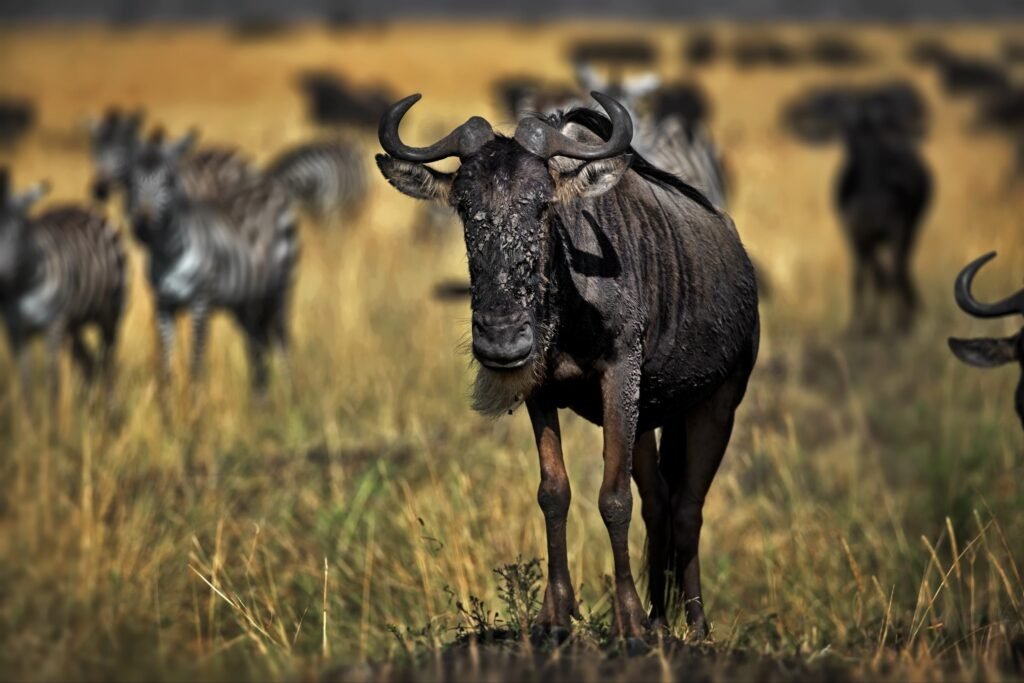
Seven-Day Great Migration Safari Itinerary Summary
| Day | Destination | Main experience | Overnight |
|---|---|---|---|
| Day 1 | Arusha | Arrival and safari briefing | Arusha |
| Day 2 | Central Serengeti | Scenic drive and afternoon game viewing | Central Serengeti |
| Day 3 | Northern Serengeti | Travel toward Kogatende and migration viewing | Northern Serengeti |
| Day 4 | Mara River region | Full-day river crossing search | Northern Serengeti |
| Day 5 | Northern Serengeti | Migration herds and predator viewing | Northern Serengeti |
| Day 6 | Ngorongoro highlands | Long transfer through Serengeti | Karatu or Ngorongoro |
| Day 7 | Ngorongoro Crater | Crater game drive and return to Arusha | End of safari |
Month-by-Month Great Migration Safari Guide: July to October
Although July through October is generally associated with the northern migration season, each month offers a slightly different experience.
July: The Migration Moves Toward Northern Serengeti
July is an important transition month.
During early July, some herds may still be moving through the Western Corridor or other parts of the Serengeti.
As the month progresses, more wildebeest may arrive in the northern areas around Kogatende and the Mara River.
Travelers visiting in July should consider the timing of their safari carefully.
Late July is often more suitable for a dedicated Mara River itinerary than the beginning of the month, although actual conditions vary.
August: A Popular Month for Mara River Migration Safaris
August is one of the most popular months for Northern Serengeti migration safaris.
Large herds may gather in the region, and river crossings are possible.
However, crossings remain unpredictable and cannot be guaranteed.
Because August is a busy travel month, accommodation near the Mara River can be in high demand.
Early booking is advisable.
September: Extended Migration Activity in Northern Serengeti
September can be an excellent month to explore the Northern Serengeti.
Wildebeest may continue moving between Tanzania and Kenya, sometimes crossing the Mara River in different directions.
The dry-season landscape also provides opportunities to observe resident wildlife.
Travelers interested in photography may appreciate the open grasslands and opportunities to observe large herds.
October: The Migration Begins Responding to Seasonal Changes
October can still provide rewarding migration viewing in Northern Serengeti.
However, the location of the herds becomes increasingly dependent on rainfall and the availability of fresh grazing.
As seasonal conditions change, some wildebeest may begin moving southward.
For late October departures, the safari route should be reviewed carefully before confirming accommodation.
Why Three Nights in Northern Serengeti Matter
One of the biggest mistakes travelers can make when planning a Mara River safari is allowing too little time in the northern migration area.
The journey from Central Serengeti to Kogatende can take several hours, depending on road conditions and wildlife stops.
A safari that includes only one night in the north may leave very little time to explore the river area.
Three nights provide two full days dedicated to migration viewing, in addition to the arrival day.
This gives your guide greater flexibility to search for herds and visit different permitted viewing locations.
However, spending more time in Northern Serengeti does not guarantee a river crossing.
The purpose of the additional time is to improve the opportunity for observation while allowing you to enjoy the wider wildlife experience.
7-Day Great Migration Safari Prices 2027, 2028 and 2029
The price of a Northern Serengeti migration safari depends on the number of travelers, accommodation category, travel dates, park fees, and transport arrangements.
The July–October period is popular, and camps close to the Mara River may charge higher rates than accommodation in other parts of Serengeti National Park.
The following figures are illustrative planning estimates, not confirmed Eddy Tours and Safaris prices.
| Safari category | Estimated price per person |
|---|---|
| Budget camping and basic accommodation | US$2,000–$2,900 |
| Mid-range lodges and tented camps | US$2,900–$4,300 |
| Luxury migration safari | US$4,500–$7,500+ |
These estimates assume a small group sharing a private safari vehicle. Prices for solo travelers, two-person bookings, and luxury seasonal camps may be higher.
The final price should be confirmed in an official quotation using the exact travel dates and accommodation selections.
What Makes a Northern Serengeti Safari More Expensive?
The main factor is the location.
Northern Serengeti is remote, and reaching the Mara River area requires significant driving or a domestic flight.
Accommodation close to the migration areas can also be expensive during peak season.
Other important factors include the number of travelers, length of stay, national park fees, vehicle arrangements, and lodge category.
Is a Fly-In Migration Safari Available?
A fly-in safari can be arranged as an alternative to long road transfers.
Travelers may fly between Arusha and an airstrip serving Northern Serengeti, subject to available routes and schedules.
A fly-in itinerary can reduce time spent driving, but it normally costs more and requires a different travel plan.
For travelers who want to prioritize Northern Serengeti and minimize long road journeys, a fly-in option may be worth considering.
What Is Included in the 7-Day Great Migration Safari?
A typical professionally organized private safari may include:
- Private 4×4 safari vehicle with a pop-up roof.
- Professional English-speaking safari guide.
- National park and conservation fees specified in the itinerary.
- Ngorongoro Crater vehicle descent fee.
- Six nights of accommodation.
- Meals according to the confirmed itinerary.
- Drinking water during game drives.
- Scheduled game drives in Central and Northern Serengeti.
- Mara River area wildlife viewing from permitted locations.
- Ngorongoro Crater game drive.
- Ground transfers beginning and ending in Arusha.
The exact inclusions will be confirmed in your official Eddy Tours and Safaris quotation.
What Is Not Included?
Common exclusions include international flights, Tanzania visa fees, travel insurance, personal expenses, tips, alcoholic beverages, optional activities, and additional accommodation after the safari.
Domestic flights and hot-air balloon safaris are generally priced separately unless specifically included in the package.
Accommodation During the Northern Serengeti Migration Safari
Accommodation can be arranged according to your preferred comfort level and budget.
Budget Safari Accommodation
Budget arrangements may include public camping or basic accommodation where available and suitable for the itinerary.
However, budget options in Northern Serengeti are more limited than in some other safari areas.
Travelers should confirm the exact campsite or accommodation location before booking.
Mid-Range Tented Camps
Mid-range tented camps often provide comfortable beds, private bathrooms, meals, and a close connection to the surrounding wilderness.
They are popular with travelers who want comfort without choosing the most expensive properties.
Luxury Migration Camps
Luxury camps may offer spacious tents or suites, personalized services, and attractive locations near migration areas.
Some seasonal camps operate close to the northern migration region during the dry season.
Accommodation availability should be confirmed before booking.
Wildlife You May See During the Great Migration Safari
The Northern Serengeti supports a wide variety of wildlife.
Wildebeest and Zebras
Wildebeest are the main attraction of the Great Migration.
They travel across the Serengeti ecosystem in search of suitable grazing and water.
Zebras often move through similar areas, and large mixed herds may be seen during the migration season.
Lions and Cheetahs
Lions and cheetahs are among the most sought-after predators in Serengeti National Park.
Lions may be seen resting near rocky outcrops or moving through grasslands.
Cheetahs are particularly associated with open habitats where they can use their speed while hunting.
Leopards and Hyenas
Leopards are more elusive and may be found in suitable woodland and riverine habitats.
Spotted hyenas are important predators and scavengers in the Serengeti ecosystem.
Crocodiles in the Mara River
Nile crocodiles inhabit the Mara River.
During wildebeest crossings, crocodiles may attempt to catch animals entering the water.
However, crocodile attacks and river crossings are unpredictable natural events.
Elephants, Giraffes and Buffaloes
The Serengeti also supports elephants, giraffes, buffaloes, and many other resident animals.
These species provide rewarding wildlife viewing even when the main migration herds are elsewhere.
Is the July–October Migration Safari Suitable for Families?
Yes. A seven-day Northern Serengeti safari can be suitable for families with children.
However, the itinerary includes long driving days, particularly between Arusha, Serengeti, and Ngorongoro.
Families with younger children may prefer a fly-in arrangement or a longer itinerary with additional overnight stops.
A private safari provides greater flexibility for rest breaks and daily schedules.
Accommodation should be selected according to the children’s ages, room requirements, and any applicable property restrictions.
Photography Tips for the Mara River Migration
The Mara River migration season can provide excellent opportunities for wildlife photography.
A camera with a telephoto lens is useful for photographing animals from an appropriate distance.
Binoculars can also help you observe herd movements.
Early morning and late afternoon light can create beautiful photographs of the grasslands and wildlife.
However, river crossings may happen at any time during permitted viewing hours.
Photographers should remain patient and follow the guide’s instructions.
Never ask your guide to move too close to wildlife or block the animals’ route toward the river.
Responsible wildlife viewing is essential for protecting the migration experience.
What Should You Pack for a July–October Serengeti Safari?
Recommended items include:
- Comfortable lightweight clothing.
- Warm jacket for early morning game drives.
- Comfortable walking shoes.
- Sun hat and sunglasses.
- Sunscreen.
- Camera and telephoto lens.
- Binoculars.
- Spare camera batteries and memory cards.
- Insect repellent.
- Personal medication.
- Small daypack.
- Reusable water bottle.
- Travel documents and insurance details.
July and August mornings can be cool, particularly in the Ngorongoro highlands.
A warm layer is useful even during the dry season.
Can You Combine the Migration Safari with Mount Kilimanjaro?
Yes. Many travelers combine a Northern Serengeti migration safari with a Kilimanjaro climbing expedition.
July through October is also a popular period for climbing Mount Kilimanjaro.
After completing the climb, you can continue to Serengeti National Park and Ngorongoro Crater.
Allowing some recovery time after the mountain expedition is advisable.
Can You Visit Zanzibar After the Migration Safari?
Yes. Zanzibar is a popular destination for travelers who want to relax after a wildlife safari.
The island offers beautiful beaches, comfortable resorts, historical attractions, and opportunities for snorkeling and other coastal activities.
A Zanzibar extension can provide a relaxing conclusion to your Tanzania adventure.
Frequently Asked Questions About the July–October Great Migration Safari
When is the best time to see Mara River crossings?
July through October is generally the main northern migration period, with August and September often being popular months for river crossing safaris.
Are Mara River crossings guaranteed?
No. River crossings are natural events and cannot be guaranteed on any particular day.
Is seven days enough for a Mara River migration safari?
Yes. A well-planned seven-day itinerary can include several nights in Northern Serengeti and a visit to Ngorongoro Crater.
How many nights should I spend in Northern Serengeti?
Three or more nights are commonly recommended for travelers whose main interest is the Mara River migration.
Is July a good month for the Great Migration?
Yes. July can be rewarding, although some herds may still be moving north during the early part of the month.
Is August the best month for Mara River crossings?
August is one of the most popular months, but the exact timing of crossings varies.
Can I see the migration in September?
Yes. September can provide excellent opportunities to observe herds in Northern Serengeti.
Is October too late for the migration?
Not necessarily. Crossings and large herds may still be present, particularly earlier in the month, but conditions become more variable as the season progresses.
Where should I stay for the Mara River migration?
Accommodation in the Kogatende or wider Northern Serengeti area is generally suitable for travelers interested in Mara River wildlife viewing.
Does the safari include Ngorongoro Crater?
Yes. The final day includes a game drive inside Ngorongoro Crater.
Can I see lions and cheetahs during the migration?
Both species live in Serengeti National Park, although sightings are never guaranteed.
How much does a seven-day Great Migration safari cost?
Illustrative prices may range from approximately US$2,000 to US$7,500 or more per person, depending on accommodation, group size, and services.
Is the safari private or shared?
This itinerary is designed as a private safari, although suitable group arrangements may be discussed on request.
Can I fly directly to Northern Serengeti?
Domestic flights to airstrips serving Northern Serengeti may be available, subject to schedules and booking arrangements.
Can I combine the safari with Zanzibar?
Yes. Zanzibar can be added as a beach holiday extension.
Can the itinerary be customized?
Yes. The itinerary can be adjusted according to travel dates, accommodation preferences, and wildlife interests.
Final Thoughts: Why Choose a Seven-Day Great Migration Safari from July to October?
A seven-day Great Migration safari from July to October offers an opportunity to explore one of Africa’s most remarkable wildlife regions.
The journey combines the famous Mara River migration area with the beautiful landscapes of Central Serengeti and the wildlife-rich Ngorongoro Crater.
Spending three nights in Northern Serengeti provides more time to search for wildebeest herds and observe their movements near the river.
Although river crossings cannot be guaranteed, the experience of exploring the Serengeti during the migration season can be unforgettable.
For travelers planning a Tanzania safari in 2027, 2028, or 2029, early planning is important because accommodation near the Mara River can be in high demand during the main migration months.
With suitable accommodation, an experienced guide, and a carefully planned itinerary, this safari offers an extraordinary opportunity to experience Tanzania’s wildlife.
Book Your 7-Day Great Migration Safari July to October with Eddy Tours and Safaris
Are you planning to experience the Great Wildebeest Migration in Tanzania between July and October in 2027, 2028, or 2029?
Eddy Tours and Safaris can help you organize a seven-day safari covering Central Serengeti, Northern Serengeti, the Mara River region, and Ngorongoro Crater.
Our team can discuss your preferred travel dates, number of travelers, accommodation category, and whether a road safari or fly-in arrangement is more suitable.
Website: www.eddytours-safaris.com
Contact page: Plan Your Great Migration Safari
Email: sales@eddytours-safaris.com
WhatsApp: +255 711 906 664
Request your personalized seven-day Northern Serengeti migration safari quotation and begin planning your Tanzania wildlife adventure with Eddy Tours and Safaris.