

A family safari in Tanzania is an opportunity to spend quality time together while discovering some of Africa’s most remarkable wildlife destinations. From watching elephants walking beside their young to seeing lions resting in the grasslands, every day offers something different for parents and children.
The 7-Day Tanzania Family-Friendly Migration Safari is designed for families who want to experience the Serengeti, search for the Great Wildebeest Migration, and explore the beautiful landscapes of northern Tanzania at a comfortable pace.
This journey takes you through Tarangire National Park, the Serengeti plains, and Ngorongoro Crater. Along the way, your family can enjoy guided game drives, wildlife photography, beautiful scenery, and relaxing evenings at family-friendly safari lodges or tented camps.
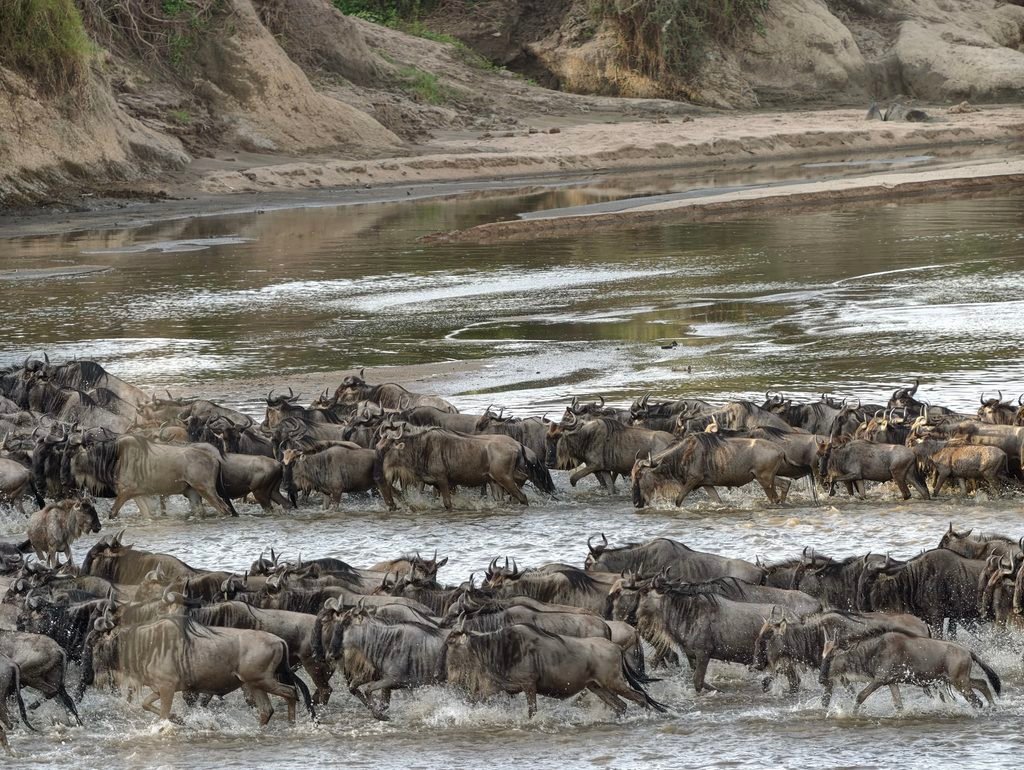
One of the main attractions is the Great Wildebeest Migration, an extraordinary movement of wildebeest, zebras, and other grazing animals across the Serengeti ecosystem.
The migration follows seasonal rainfall and fresh grazing. This means the herds do not remain in one location throughout the year. Depending on your travel month, they may be found in the southern, central, western, or northern Serengeti.
For families visiting between January and March, the Southern Serengeti and Ndutu area can provide opportunities to see wildebeest calves and predator activity. Between July and October, the northern Serengeti may offer opportunities to observe herds gathering near the Mara River, although crossings cannot be guaranteed.
At Eddy Tours and Safaris, we help families plan private Tanzania safari holidays according to their travel dates, children’s ages, accommodation preferences, and wildlife interests.
This seven-day itinerary offers a balanced combination of wildlife viewing, comfortable accommodation, and family time. It can also be adjusted to include a specific migration area based on the season.
Whether you are planning your family safari in 2027, 2028, or 2029, this guide explains the complete itinerary, wildlife experiences, estimated costs, accommodation options, and everything you should know before traveling.
7-Day Tanzania Family-Friendly Migration Safari Overview
| Safari information | Details |
|---|---|
| Safari name | 7-Day Tanzania Family-Friendly Migration Safari |
| Destination | Northern Tanzania |
| Duration | 7 days / 6 nights |
| Starting point | Arusha |
| Ending point | Arusha |
| Main destinations | Tarangire, Serengeti and Ngorongoro Crater |
| Main attraction | Great Wildebeest Migration and resident wildlife |
| Safari type | Private family safari |
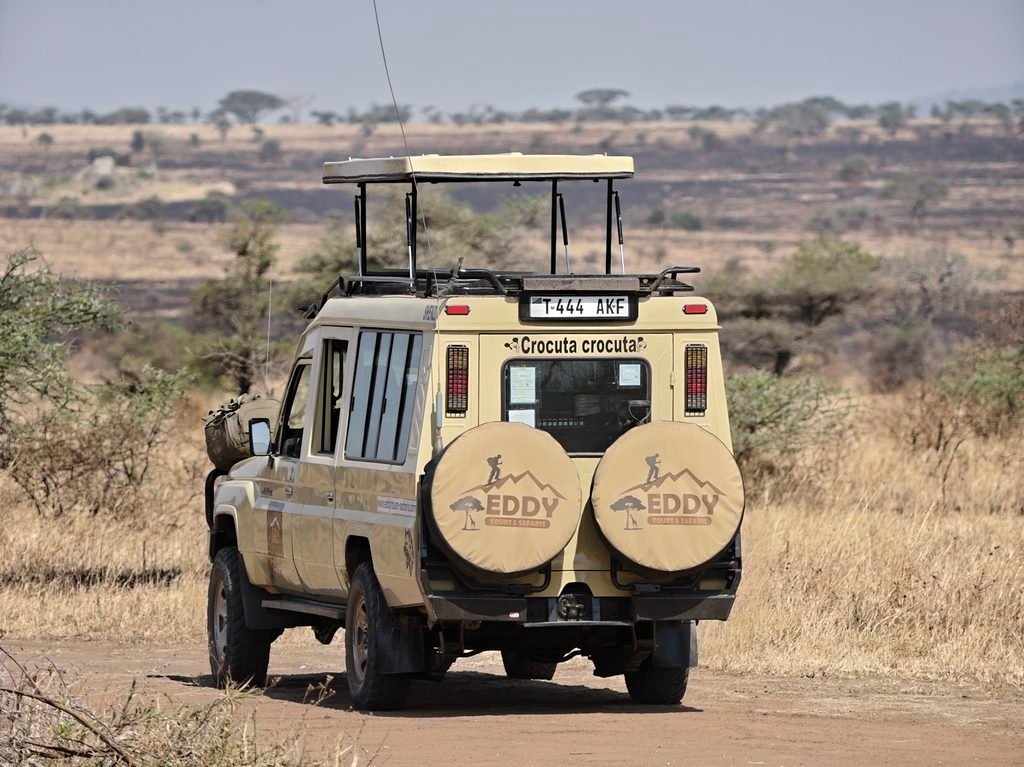
| Transport | Private 4×4 safari vehicle with pop-up roof |
| Accommodation | Family-friendly lodges and tented camps |
| Suitable for | Families with children, teenagers and multigenerational groups |
| Best travel period | Year-round, depending on migration location |
| Travel years | 2027, 2028 and 2029 |
| Safari pace | Moderate, with flexible game drives |
| Customization | Available according to family needs |
Why Choose Tanzania for a Family Wildlife Safari?
Tanzania is one of Africa’s most rewarding destinations for a family safari.
The country has large national parks, beautiful landscapes, and an extraordinary variety of wildlife.
For children, a safari offers the chance to see animals they may have previously encountered only in books, documentaries, or wildlife programs.
Seeing elephants moving through the bush, giraffes feeding on acacia trees, or zebras gathering on the plains can become a memorable part of a family holiday.
Tanzania also offers different wildlife environments within relatively short travel itineraries.
Tarangire is known for its elephants and baobab trees, while Serengeti is famous for its open plains, predators, and the Great Wildebeest Migration.
Ngorongoro Crater provides another unique experience, with a concentration of wildlife living within a large volcanic caldera.
A private safari is particularly suitable for families because it allows more flexibility than a shared group tour.
Parents can arrange suitable departure times, request rest stops, and spend longer watching animals that interest their children.
The itinerary can also be adjusted to include comfortable lodges with family rooms, swimming pools, or other suitable facilities.
What Makes This Safari Family-Friendly?
A successful family safari should provide more than wildlife sightings. It should also consider the comfort, safety, and interests of everyone traveling.
This itinerary is designed around private transport, flexible game drives, and accommodation that can be selected according to the family’s needs.
Private Safari Vehicle
Your family travels in a private 4×4 safari vehicle with an experienced guide.
This provides flexibility for game drives, photography stops, and breaks during the journey.
Children can enjoy looking for wildlife from the vehicle while parents have more control over the daily schedule.
Comfortable Family Accommodation
Accommodation can be arranged in lodges or tented camps with suitable family rooms, connecting rooms, or other approved family arrangements.
Some properties may offer swimming pools, gardens, or comfortable communal areas.
Facilities vary by property, so accommodation should be selected according to the children’s ages and the family’s preferences.
Flexible Game Drives
Long game drives can be tiring for younger children.
A private safari allows your guide to adjust the schedule where park rules, distances, and the overall itinerary permit.
Families may prefer an early morning game drive followed by a relaxed lunch and an afternoon wildlife drive.
Learning About Wildlife
An experienced safari guide can explain animal behavior, habitats, conservation, and the importance of protecting Tanzania’s national parks.
Children can learn about the relationship between predators and prey, the Great Migration, and the different environments visited during the safari.
Understanding the Great Wildebeest Migration
The Great Wildebeest Migration is a continuous movement of wildebeest and other grazing animals across the Serengeti-Mara ecosystem.
The herds travel in search of fresh grass and water, following seasonal rainfall patterns.
The migration is not a single event that happens at one fixed location.
During different months, the herds may gather in the Southern Serengeti, move through the western and central areas, or travel toward the northern Serengeti and Kenya’s Maasai Mara.
The migration is especially famous for two experiences: the calving season in the south and the river crossing period in the north.
However, the exact timing of these events changes from year to year.
A well-planned migration safari should therefore consider your travel dates before deciding which part of the Serengeti to visit.
Complete 7-Day Tanzania Family-Friendly Migration Safari Itinerary
This itinerary follows a comfortable private safari arrangement with Tarangire, Serengeti, and Ngorongoro Crater.
The Serengeti accommodation and game-drive area should be selected according to the expected migration location during your travel dates.
The standard itinerary below uses the central Serengeti as a practical base. Families specifically interested in the Ndutu calving season or northern Mara River area should request a seasonal variation, because those locations require different driving arrangements.
Day 1: Arrival in Arusha – Welcome to Tanzania
Destination: Arusha
Activities: Airport transfer, hotel check-in and safari briefing
Accommodation: Family-friendly hotel or lodge in Arusha
Meals: According to arrival arrangements
Your family safari begins when you arrive at Kilimanjaro International Airport or Arusha Airport.
A representative from Eddy Tours and Safaris meets you at the agreed arrival point and arranges your transfer to your accommodation in Arusha.
The drive introduces you to the beautiful landscapes of northern Tanzania.
Depending on your arrival time, you may see Mount Meru in the distance when the weather is clear.
After arriving at your hotel, you check in and have time to relax.
For families traveling with younger children, this first day is particularly useful because it provides an opportunity to rest after international flights.
Later, your safari guide meets the family for a briefing about the journey.
The guide explains the planned destinations, wildlife viewing arrangements, vehicle safety, and daily schedule.
Parents can also discuss the children’s interests, preferred meal times, and any special requirements.
You spend the evening enjoying dinner and preparing for the adventure ahead.
Overnight: Arusha
Day 2: Arusha to Tarangire National Park – Elephants and Baobab Trees
Destination: Tarangire National Park
Activities: Game drive and wildlife photography
Accommodation: Family-friendly lodge near Tarangire or Karatu
Meals: Breakfast, lunch and dinner
After breakfast, your family meets the safari guide and begins the journey to Tarangire National Park.
The drive takes you through northern Tanzania’s countryside, passing local villages, farmland, and open landscapes.
Tarangire is famous for its large baobab trees and elephant populations.
After entering the park, you begin your first major game drive.
Children may enjoy searching for elephants, giraffes, zebras, wildebeest, and different antelope species.
Elephants are particularly interesting to observe because they often move in family groups.
You may see young elephants walking close to their mothers or older animals feeding on vegetation.
Tarangire also supports lions, leopards, buffaloes, and many bird species, although sightings depend on the season and natural conditions.
Your guide will explain interesting facts about the animals and answer questions from family members.
You stop for a picnic lunch at an appropriate location.
After lunch, you continue exploring the park.
In the late afternoon, you leave Tarangire and travel to your lodge.
After checking in, the family can relax before dinner.
Overnight: Tarangire or Karatu area
Day 3: Tarangire or Karatu to Serengeti National Park – Journey to the Endless Plains
Destination: Serengeti National Park
Activities: Scenic drive and afternoon game viewing
Accommodation: Family-friendly lodge or tented camp in Serengeti
Meals: Breakfast, lunch and dinner
After breakfast, you begin the journey toward Serengeti National Park.
The drive passes through the Ngorongoro highlands, where the scenery changes from farmland and forest to open grasslands.
Depending on the route and weather, your guide may stop at designated viewpoints for photographs.
As you continue westward, the landscape gradually opens into the famous Serengeti plains.
The journey is long, so your guide will plan suitable breaks where possible.
After entering Serengeti National Park, you begin a game drive while traveling toward your accommodation.
Serengeti is home to a wide variety of wildlife, including lions, elephants, giraffes, buffaloes, zebras, wildebeest, cheetahs, and leopards.
The park is also famous for the Great Wildebeest Migration.
Depending on the time of year, the migration herds may be in the central Serengeti or another part of the ecosystem.
Your guide will use current wildlife information to search for suitable viewing areas along the planned route.
Later in the afternoon, you arrive at your lodge or tented camp.
After dinner, your family can relax and enjoy the sounds of the surrounding wilderness from the safety of the accommodation.
Overnight: Serengeti National Park
Day 4: Full-Day Serengeti Safari – Wildlife and Great Migration Experience
Destination: Serengeti National Park
Activities: Full-day game drive and migration viewing where possible
Accommodation: Family-friendly lodge or tented camp in Serengeti
Meals: Breakfast, lunch and dinner
Today is dedicated to exploring Serengeti National Park.
After breakfast, your family departs for a full-day game drive.
Serengeti is one of Africa’s most famous wildlife destinations, with wide grasslands, rocky outcrops, woodland, and river valleys.
Your guide searches for animals according to the season and the areas accessible from your accommodation.
Lions may be found resting near rocky outcrops, while giraffes browse on trees and shrubs.
Elephants may move through woodland areas, and zebras and wildebeest may gather in open grassland.
For children, the day provides opportunities to learn how different animals live and interact.
Your guide can explain why zebras often gather in herds, how giraffes use their long necks to feed, and why predators spend much of the day resting.
If the migration herds are within the planned game-drive area, you may see large numbers of wildebeest moving across the plains.
However, migration sightings depend on the animals’ location and cannot be guaranteed.
You enjoy a picnic lunch during the day before continuing your wildlife viewing.
For families with younger children, the guide may adjust the pace to include suitable rest breaks.
Later, you return to your accommodation for dinner.
Overnight: Serengeti National Park
Day 5: Serengeti National Park – Another Day of Family Wildlife Adventure
Destination: Serengeti National Park
Activities: Morning and afternoon game drives
Accommodation: Family-friendly lodge or tented camp in Serengeti
Meals: Breakfast, lunch and dinner
After breakfast, you begin another day exploring the Serengeti.
Spending an additional day in the park provides more opportunities to observe wildlife without rushing to another destination.
The guide may explore areas that were not visited the previous day or return to locations where interesting wildlife activity was observed.
Early morning can be rewarding because many animals are active during the cooler hours.
Depending on the season, you may see wildebeest herds, zebras, gazelles, elephants, giraffes, or predators.
The Serengeti’s rocky outcrops, known as kopjes, can provide interesting opportunities to observe lions and other wildlife.
Your guide will also explain the importance of conservation and the role of national parks in protecting wildlife habitats.
Families interested in photography can spend time capturing images of the landscape and animals.
You enjoy lunch during the day and continue with an afternoon game drive.
If the family prefers a more relaxed schedule, the day can be arranged with a longer break at the lodge, subject to the location and travel distances.
Later, you return to your accommodation for dinner and overnight rest.
Overnight: Serengeti National Park
Day 6: Serengeti to Ngorongoro Highlands – Morning Game Drive and Scenic Transfer
Destination: Serengeti and Ngorongoro highlands
Activities: Morning wildlife viewing and scenic transfer
Accommodation: Family-friendly lodge near Karatu or Ngorongoro
Meals: Breakfast, lunch and dinner
After breakfast, your family enjoys a final morning game drive in Serengeti National Park.
This provides another opportunity to observe wildlife before leaving the park.
Your guide may explore nearby plains or woodland areas while traveling toward the park exit.
After leaving Serengeti, you continue toward the Ngorongoro Conservation Area.
The landscape gradually changes as you travel through open plains and into the highlands.
The cooler temperatures and green scenery provide a contrast to the Serengeti grasslands.
You stop for lunch along the way.
Later in the afternoon, you arrive at your accommodation near Karatu or Ngorongoro.
After checking in, the family can relax and prepare for the following day’s crater game drive.
Some lodges may offer gardens, swimming pools, or comfortable areas where children can rest after the journey.
Your guide explains the schedule for visiting Ngorongoro Crater.
Overnight: Karatu or Ngorongoro area
Day 7: Ngorongoro Crater Game Drive – Return to Arusha
Destination: Ngorongoro Crater
Activities: Crater game drive and return transfer
Accommodation: Not included unless arranged separately
Meals: Breakfast and lunch
After an early breakfast, your family departs for Ngorongoro Crater.
Ngorongoro is one of Tanzania’s most remarkable wildlife destinations.
The crater is a large volcanic caldera surrounded by high walls and contains grasslands, wetlands, woodland, and permanent water sources.
After completing the necessary entry procedures, you descend to the crater floor for a game drive.
The crater supports a wide variety of animals, including buffaloes, zebras, wildebeest, hippos, elephants, lions, and spotted hyenas.
Black rhinos also occur in the crater, although sightings are not guaranteed.
Your guide explores the permitted roads, stopping to observe wildlife and take photographs.
Children may enjoy comparing the different animals they have seen during the safari and learning about their habitats.
You enjoy a picnic lunch during the visit.
After completing your crater game drive, you ascend from the crater floor and begin the return journey to Arusha.
The drive passes through the Ngorongoro highlands and the countryside of northern Tanzania.
You arrive in Arusha later in the afternoon or evening, depending on road conditions and the time spent in the crater.
Your guide transfers the family to your hotel or another agreed drop-off location.
This marks the end of your seven-day Tanzania family-friendly migration safari.
End of the 7-Day Tanzania Family-Friendly Migration Safari.
Seven-Day Tanzania Family Safari Itinerary Summary
| Day | Destination | Main experience | Overnight |
|---|---|---|---|
| Day 1 | Arusha | Arrival, relaxation and safari briefing | Arusha |
| Day 2 | Tarangire | Elephants, baobab trees and game drives | Tarangire or Karatu |
| Day 3 | Serengeti | Scenic transfer and afternoon wildlife viewing | Serengeti |
| Day 4 | Serengeti | Full-day wildlife and migration safari | Serengeti |
| Day 5 | Serengeti | Extended wildlife viewing | Serengeti |
| Day 6 | Ngorongoro highlands | Morning game drive and scenic transfer | Karatu or Ngorongoro |
| Day 7 | Ngorongoro Crater | Crater game drive and return to Arusha | End of safari |
Best Time for a Family Migration Safari in 2027, 2028 and 2029
The Great Wildebeest Migration takes place throughout the year, but its location changes according to rainfall and grazing conditions.
For families who want to focus on the migration, choosing the correct region of the Serengeti is important.
| Travel period | Typical migration area | Main experience |
|---|---|---|
| January–March | Southern Serengeti and Ndutu | Calving season and newborn wildebeest |
| April–May | Southern and central Serengeti | Herd movements following rainfall |
| May–July | Central and western Serengeti | Migration movements and possible Grumeti crossings |
| July–October | Northern Serengeti | Herds near the Mara River and possible crossings |
| November–December | Central and southern Serengeti | Herds moving toward seasonal grazing areas |
These are general seasonal patterns rather than fixed dates.
For a dedicated migration safari, accommodation and driving routes should be selected according to the expected herd location.
Best Time for Families with Younger Children
Families with younger children may prefer travel periods with generally drier conditions, such as June through October.
However, July and August can be busy months in popular safari destinations.
January and February can also provide excellent wildlife experiences, particularly in the Southern Serengeti during the calving season.
The best choice depends on the children’s ages, school holidays, preferred wildlife experiences, and accommodation requirements.
Family-Friendly Safari Accommodation
Choosing suitable accommodation is an important part of planning a family safari.
The right lodge should provide comfortable sleeping arrangements, suitable meals, and a safe environment for children.
Budget Family Safari Accommodation
Budget accommodation may include simple lodges, guesthouses, or camping arrangements.
These options can help families manage their travel costs while enjoying guided wildlife experiences.
However, parents should check the facilities and sleeping arrangements carefully.
Mid-Range Family Lodges
Mid-range lodges often provide comfortable rooms, private bathrooms, restaurants, and family-friendly communal areas.
Some properties offer family rooms or connecting rooms, subject to availability.
These are popular choices for families who want comfort without booking the most expensive safari properties.
Luxury Family Safari Camps
Luxury lodges and tented camps may provide spacious accommodation, personalized services, and attractive locations.
Some properties offer family suites, private dining arrangements, or activities designed for children.
However, age restrictions and family facilities vary by property.
Accommodation should always be confirmed before booking.
7-Day Tanzania Family-Friendly Migration Safari Prices 2027–2029
The cost of a family safari depends on the number of travelers, children’s ages, accommodation category, travel dates, and services included.
The following prices are illustrative planning estimates, not confirmed Eddy Tours and Safaris rates.
| Safari category | Estimated adult price per person |
|---|---|
| Budget family safari | US$1,600–$2,300 |
| Mid-range family safari | US$2,300–$3,500 |
| Luxury family safari | US$3,800–$6,000+ |
These ranges assume a family or small group sharing a private safari vehicle and accommodation according to the package.
Children’s prices may differ depending on age, park fee rules, room sharing, and the policies of individual lodges.
The final quotation for 2027, 2028, or 2029 should be calculated using the family’s exact details.
What Affects the Price of a Family Safari?
Several factors influence the final safari price.
The number of travelers is important because the cost of a private vehicle and guide can be shared among family members.
Accommodation is another major factor. Family rooms, connecting rooms, and larger suites may have different prices.
National park fees and children’s age categories also affect the total.
The season matters as well, because some lodges charge higher rates during popular travel periods.
The location of the migration herds may also influence the itinerary and accommodation costs.
What Is Included in the Family Safari Package?
A typical professionally organized private family safari may include:
- Private 4×4 safari vehicle with a pop-up roof.
- Professional English-speaking safari guide.
- Park and conservation entry fees specified in the itinerary.
- Ngorongoro Crater vehicle descent fee.
- Six nights of accommodation.
- Meals according to the confirmed itinerary.
- Drinking water during game drives.
- Scheduled wildlife viewing in Tarangire, Serengeti, and Ngorongoro Crater.
- Airport or hotel transfers as specified in the quotation.
- Ground transport beginning and ending in Arusha.
The exact inclusions will be confirmed in your official Eddy Tours and Safaris quotation.
What Is Not Included?
Common exclusions include international flights, Tanzania visa fees, travel insurance, personal expenses, tips, alcoholic beverages, optional activities, and additional accommodation after the safari.
Some family activities, special meals, or room upgrades may also involve additional charges.
Wildlife Your Family May See During the Safari
A Tanzania family safari offers opportunities to observe many different animals in their natural habitats.
Elephants in Tarangire National Park
Tarangire is particularly well known for its elephants.
Families may see elephants feeding, walking in groups, or gathering near water sources.
Watching young elephants interact with their mothers can be especially memorable for children.
Lions and Other Predators in Serengeti
Serengeti is home to lions, cheetahs, leopards, hyenas, and other predators.
Your guide may search for lions resting near rocky outcrops or cheetahs moving across open grassland.
However, predator sightings and hunting behavior are never guaranteed.
Wildebeest and Zebras During the Migration
The Great Wildebeest Migration involves large numbers of wildebeest moving across the Serengeti ecosystem.
Zebras and other grazing animals often travel through similar areas.
Depending on the season, families may observe large herds, newborn calves, or migration movements.
Wildlife in Ngorongoro Crater
Ngorongoro Crater supports buffaloes, zebras, wildebeest, hippos, elephants, lions, and other wildlife.
Black rhinos also occur in the crater, although sightings are never guaranteed.
Is a Tanzania Safari Safe for Children?
A family safari can be enjoyable and well organized when appropriate precautions are followed.
Parents should choose accommodation suitable for their children’s ages and follow the instructions of the safari guide.
Children should remain inside the vehicle during game drives unless the guide confirms that stopping or leaving the vehicle is permitted and safe.
At lodges and tented camps, children should not walk around wildlife areas without appropriate supervision.
Parents should also discuss travel vaccinations, malaria prevention, and other health considerations with a qualified healthcare professional before departure.
Some camps and activities have minimum age requirements, so these should be checked before booking.
How to Make a Family Safari More Enjoyable
A successful family safari balances wildlife viewing with enough time for rest.
Younger children may become tired during long drives, so parents should discuss suitable breaks and daily schedules with their guide.
Bringing binoculars, wildlife identification books, or a small notebook can make game drives more engaging.
Children may enjoy keeping a list of the animals they see or taking photographs during the journey.
Parents should also pack snacks, drinking water, sun protection, and suitable clothing.
Most importantly, allow the family to enjoy the experience without feeling that every animal must be seen.
Wildlife viewing is unpredictable, and some of the best safari memories come from unexpected encounters.
What Should Families Pack for a Tanzania Safari?
Recommended items include:
- Comfortable lightweight clothing.
- Warm jackets for early morning game drives.
- Waterproof jackets or light raincoats.
- Comfortable walking shoes.
- Sun hats and sunglasses.
- Sunscreen suitable for children.
- Binoculars.
- Cameras and spare batteries.
- Insect repellent.
- Personal medication.
- Small daypacks.
- Snacks for children.
- Travel documents and insurance details.
Families with younger children should also bring any essential items that may be difficult to find while traveling between national parks.
Can You Combine a Family Safari with Zanzibar?
Yes. Zanzibar is a popular destination for families who want to relax after a wildlife safari.
The island offers beautiful beaches, comfortable resorts, and opportunities for swimming and coastal activities.
Some hotels provide family rooms, swimming pools, and activities suitable for children.
A Zanzibar extension can provide a relaxing conclusion to your Tanzania holiday.
Frequently Asked Questions About the Tanzania Family Migration Safari
Is Tanzania a good destination for a family safari?
Yes. Tanzania offers beautiful national parks, a wide variety of wildlife, and accommodation options suitable for different family needs.
Is seven days enough for a family safari in Tanzania?
Yes. A well-planned seven-day itinerary can include Tarangire, Serengeti, and Ngorongoro Crater.
What is the best age for children to go on safari?
There is no single ideal age. Suitability depends on the child’s interests, ability to manage long drives, and the accommodation and activity restrictions.
Is this safari suitable for young children?
It can be adapted for younger children, although families should consider driving times and choose suitable accommodation.
Does the safari include the Great Wildebeest Migration?
The itinerary visits Serengeti National Park, where the migration moves through different regions throughout the year. The route should be adjusted according to the expected herd location.
Can we see wildebeest river crossings?
River crossings may be possible during the northern migration season, but they cannot be guaranteed. A dedicated northern Serengeti itinerary is usually needed.
Can we see newborn wildebeest calves?
Yes, during the calving season in the Southern Serengeti and Ndutu area, although the exact timing and location depend on rainfall.
Is the safari private or shared?
This itinerary is designed as a private family safari, providing greater flexibility.
Can children share rooms with their parents?
Some lodges offer family rooms, connecting rooms, or other shared arrangements. Availability and age policies vary.
How much does a seven-day Tanzania family safari cost?
Illustrative adult prices may range from approximately US$1,600 to US$6,000 or more per person, depending on accommodation and services. Children’s prices require a personalized quotation.
What is the best month for a family migration safari?
The best month depends on the wildlife experience you want. January and February are popular for calving, while July through October is associated with northern migration movements.
Are game drives safe for children?
Game drives can be organized with appropriate safety precautions. Children should follow guide instructions and remain supervised.
Can we combine the safari with Zanzibar?
Yes. Zanzibar can be added as a family beach holiday extension.
Can we request special meals for children?
Many lodges can accommodate dietary requests with advance notice, although arrangements should be confirmed before booking.
Can the itinerary be customized?
Yes. A private safari can be adjusted according to family size, children’s ages, travel dates, and accommodation preferences.
Final Thoughts: Why Choose a Seven-Day Family Migration Safari?
A seven-day Tanzania family migration safari offers an opportunity to explore some of Africa’s most remarkable wildlife destinations while spending quality time together.
The journey combines Tarangire’s elephants and baobab landscapes, the famous Serengeti plains, and the wildlife-rich Ngorongoro Crater.
For children, the safari provides an opportunity to learn about wildlife, conservation, and the natural world through direct experience.
For parents, it offers the chance to enjoy beautiful scenery and create lasting family memories.
The most important part of planning a migration safari is choosing the right Serengeti region for your travel dates.
With suitable accommodation, a private safari vehicle, and an experienced guide, families can enjoy a comfortable and rewarding Tanzania adventure.
Book Your 7-Day Tanzania Family-Friendly Migration Safari with Eddy Tours and Safaris
Are you planning a family safari in Tanzania in 2027, 2028, or 2029?
Eddy Tours and Safaris can help you organize a seven-day wildlife adventure covering Tarangire National Park, Serengeti National Park, and Ngorongoro Crater.
Our team can discuss your preferred travel dates, children’s ages, accommodation requirements, and the best Serengeti region for your migration interests.
Website: www.eddytours-safaris.com
Contact page: Plan Your Family Safari
Email: sales@eddytours-safaris.com
WhatsApp: +255 711 906 664
Request your personalized seven-day Tanzania family migration safari quotation and start planning an unforgettable wildlife holiday with Eddy Tours and Safaris.