
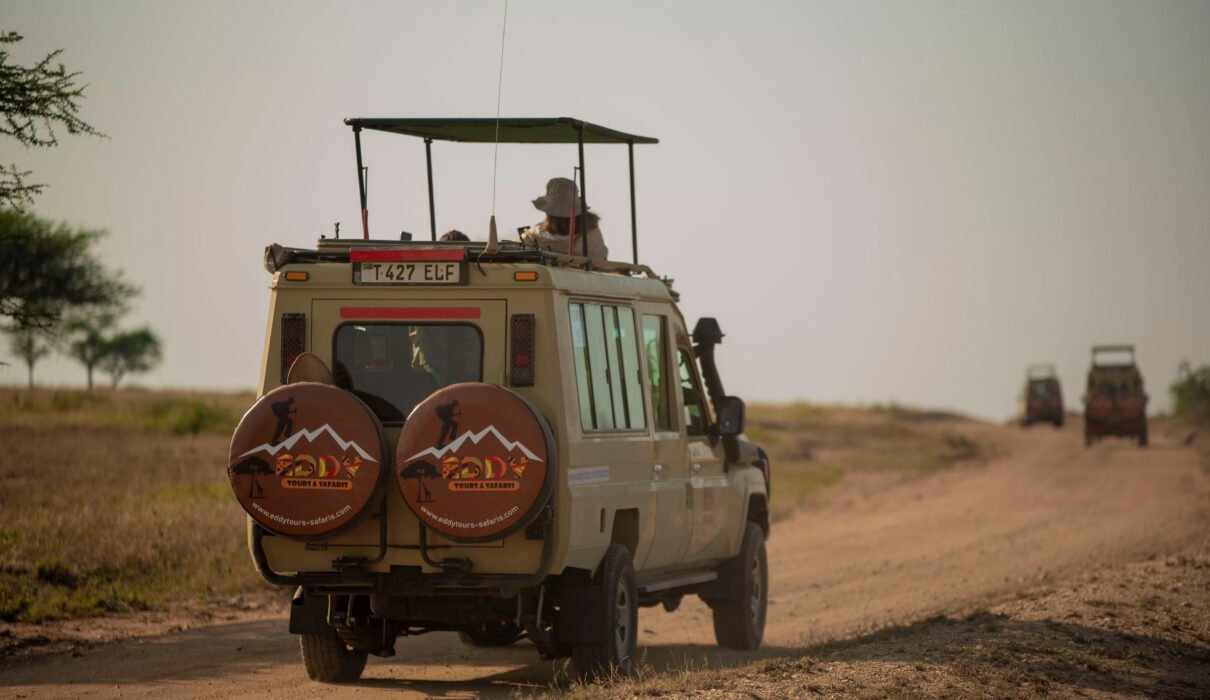
7 Days Arusha, Manyara, Serengeti, Ngorongoro, Tarangire safari is one of the most powerful and rewarding wildlife journeys you can experience in Tanzania. This carefully designed 7-day safari connects five extraordinary destinations that reveal the heart of East Africa’s wildlife, landscapes, and culture. In just one week, travelers explore lush forests, vast savannahs, volcanic craters, and ancient ecosystems that support some of the richest biodiversity on Earth.
This safari begins in Arusha, the gateway to Tanzania’s northern safari circuit, and then moves through Lake Manyara, the legendary Serengeti plains, the spectacular Ngorongoro Crater, and the elephant paradise of Tarangire National Park. Each location adds a different ecological story, making this journey perfect for travelers who want diversity, wildlife encounters, and breathtaking scenery in a single itinerary.
Travelers choosing this itinerary gain access to some of Africa’s most scientifically important ecosystems studied by conservation organizations such as WWF, IUCN, and African Wildlife Foundation. These parks are globally recognized for their ecological value and wildlife protection efforts.
For travelers planning additional Tanzania adventures, you can explore other Tanzania itineraries at Eddy Tours Safaris, which provides detailed travel guidance for safaris and wildlife experiences across the country.
Overview – 7 Days Arusha, Manyara, Serengeti, Ngorongoro, Tarangire
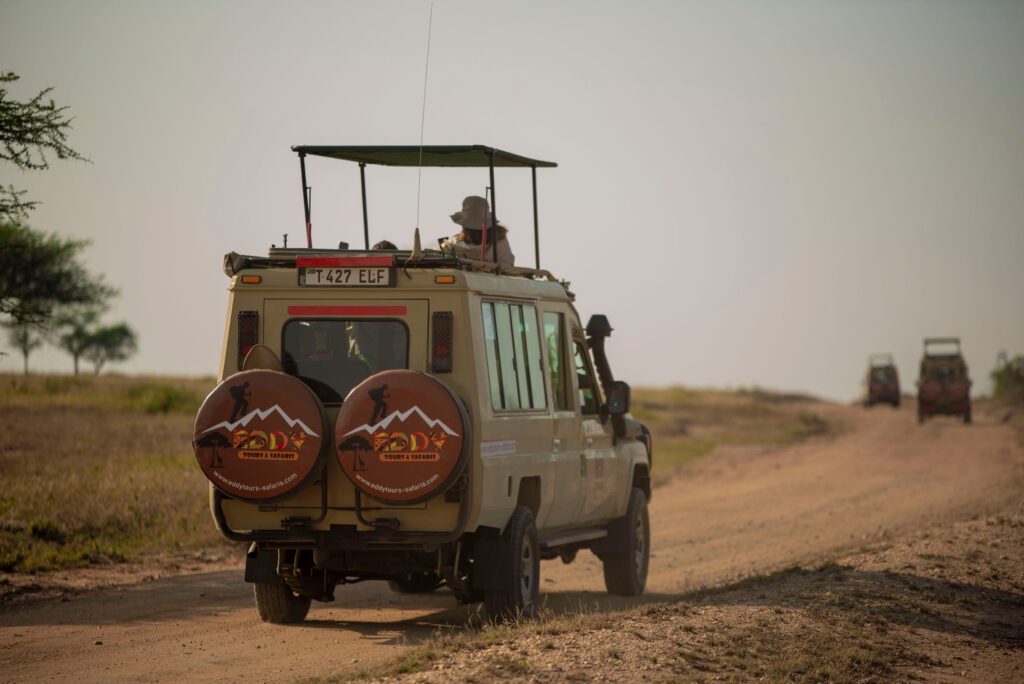
The 7 Days Arusha, Manyara, Serengeti, Ngorongoro, Tarangire safari package combines five of Tanzania’s most famous national parks into one unforgettable wildlife circuit. The journey begins with arrival in Arusha, where travelers prepare for safari before entering Lake Manyara National Park, known for its tree-climbing lions and beautiful alkaline lake.
The adventure continues into the Serengeti ecosystem, a globally celebrated wildlife sanctuary recognized by UNESCO for its ecological importance. The Serengeti plains support the Great Migration and a complex predator–prey system studied by scientists from institutions like National Geographic Society and Smithsonian Institution.
After exploring the Serengeti, the safari descends into the Ngorongoro Crater, one of the largest intact volcanic calderas on Earth. The crater acts as a natural wildlife enclosure, hosting dense populations of lions, rhinos, elephants, and buffalo. The final destination, Tarangire National Park, is famous for ancient baobab trees and some of the largest elephant herds in East Africa.
Travelers seeking additional Kilimanjaro adventures after their safari can also explore trekking opportunities through Kilimanjaro Climb Specialist, which organizes mountain expeditions in the region.
7 Days Arusha, Manyara, Serengeti, Ngorongoro, Tarangire Itinerary
Day 1 – Arrival in Arusha
Your safari begins upon arrival at Kilimanjaro International Airport or Arusha Airport. A professional safari guide welcomes you and transfers you to your hotel in Arusha for briefing and relaxation before the adventure begins. Arusha sits at the base of Mount Meru and serves as the starting point for most northern Tanzania safaris.
During the evening briefing, your guide explains the journey ahead, wildlife expectations, and conservation efforts supported by organizations such as Conservation International and World Animal Protection.
Day 2 – Arusha to Lake Manyara National Park
The journey continues toward Lake Manyara National Park, a compact yet ecologically diverse park located along the Great Rift Valley escarpment. The park contains groundwater forests, acacia woodlands, and the alkaline Lake Manyara itself, which attracts flamingos and numerous bird species monitored by BirdLife International.
Wildlife sightings often include elephants, giraffes, zebras, hippos, and the famous tree-climbing lions. Scientific wildlife monitoring in Manyara has been supported by groups such as Re:wild and Save the Elephants.
Day 3 – Lake Manyara to Serengeti National Park
Today the safari continues toward the Serengeti, one of the most iconic wildlife destinations in the world. The drive passes through scenic landscapes and Maasai communities before reaching the vast Serengeti plains.
The Serengeti ecosystem supports millions of animals and has been studied extensively by researchers from NASA Earth Observatory and USGS to understand migration patterns, climate influence, and ecological dynamics.
Evening game drives reveal lions, leopards, cheetahs, hyenas, and massive herds of wildebeest.
Day 4 – Full Day Serengeti Game Drive
A full day in the Serengeti offers deeper exploration of this extraordinary ecosystem. The plains host one of the planet’s most complex food webs, where predators and herbivores interact in a natural balance.
Researchers from Wildlife Conservation Society, Panthera, and Jane Goodall Institute continue to study carnivore populations and primate behavior across Africa’s ecosystems.
Depending on the season, travelers may witness the Great Migration, one of Earth’s most dramatic wildlife events.
Day 5 – Serengeti to Ngorongoro Conservation Area
The journey continues toward the Ngorongoro Conservation Area, a unique region where wildlife conservation and human communities coexist. The area is internationally recognized for its biodiversity and geological significance.
Global conservation authorities such as UNEP and UNEP-WCMC highlight Ngorongoro as one of the most valuable ecological landscapes in Africa.
You will overnight on the crater rim with breathtaking views over the caldera.
Day 6 – Ngorongoro Crater to Tarangire National Park
Morning descent into the Ngorongoro Crater provides one of the best wildlife viewing experiences in Africa. The crater floor hosts lions, elephants, zebras, wildebeest, hippos, and rare black rhinos.
Wildlife monitoring programs supported by IFAW and TRAFFIC help protect species from illegal trade and poaching.
Later the journey continues to Tarangire National Park, famous for ancient baobab trees and large elephant herds.
Day 7 – Tarangire to Arusha
The final day of the 7 Days Arusha, Manyara, Serengeti, Ngorongoro, Tarangire safari includes a morning game drive through Tarangire National Park. The park’s river system attracts wildlife throughout the dry season and has been studied by researchers from FAO and Oxford Wildlife Conservation Research Unit.
After the game drive, you return to Arusha for airport transfer and departure.
Safari Inclusions
- Professional English-speaking safari guide
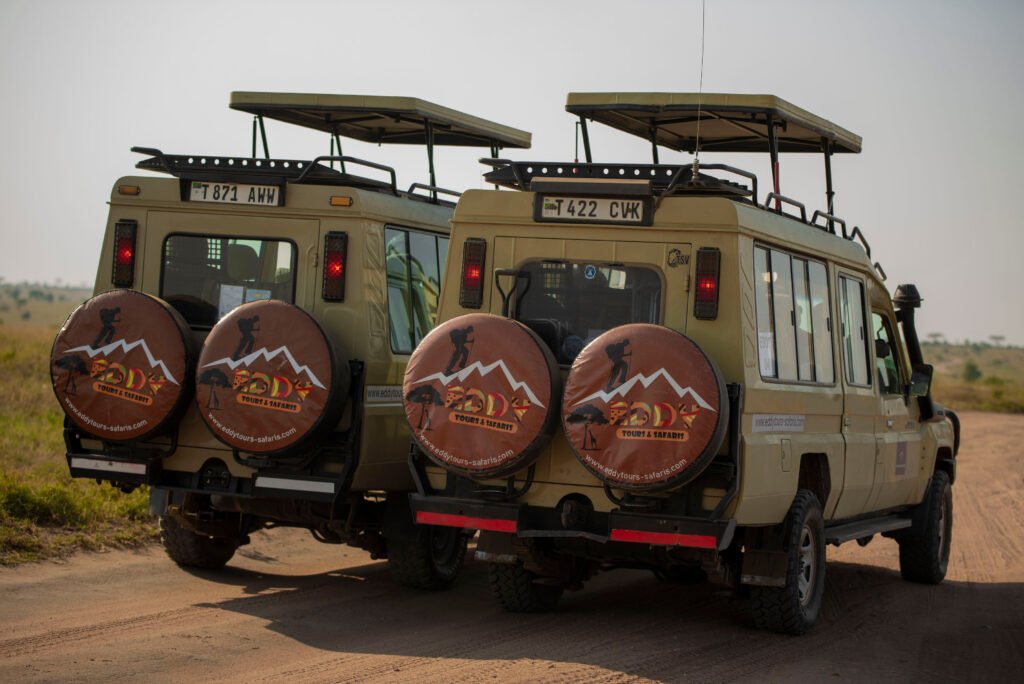
- Private 4×4 safari vehicle with pop-up roof
- Accommodation during the safari
- All park entry fees
- Game drives according to itinerary
- Airport transfers
- All meals during safari
- Drinking water during game drives
Safari Exclusions
- International flights
- Travel insurance
- Visa fees
- Personal expenses
- Alcoholic drinks
- Tips for guides and staff
Why Choose the 7 Days Arusha, Manyara, Serengeti, Ngorongoro, Tarangire Safari
The 7 Days Arusha, Manyara, Serengeti, Ngorongoro, Tarangire itinerary offers one of the most balanced safari experiences in Tanzania. It connects the major ecosystems of the northern safari circuit while keeping travel time efficient and comfortable.
This itinerary is ideal for travelers who want to see the Big Five, experience the Serengeti plains, explore the Ngorongoro Crater, and encounter large elephant herds in Tarangire. Each destination contributes unique landscapes and wildlife encounters that create a complete safari experience.
Travelers looking for additional safari options can also explore more itineraries through Tanzania safari packages, private safari experiences, northern circuit safaris, and custom Tanzania itineraries.
Wildlife conservation efforts across these parks are supported globally by institutions such as Stanford Center for Conservation Biology, Rainforest Trust, and NOAA, demonstrating the global importance of protecting these ecosystems.
If you want to research Tanzania wildlife further, you can also explore scientific resources through Google research tools to understand migration patterns, conservation science, and biodiversity studies.
This safari is not just a vacation. It is a journey into one of the last great wildlife landscapes on Earth.