
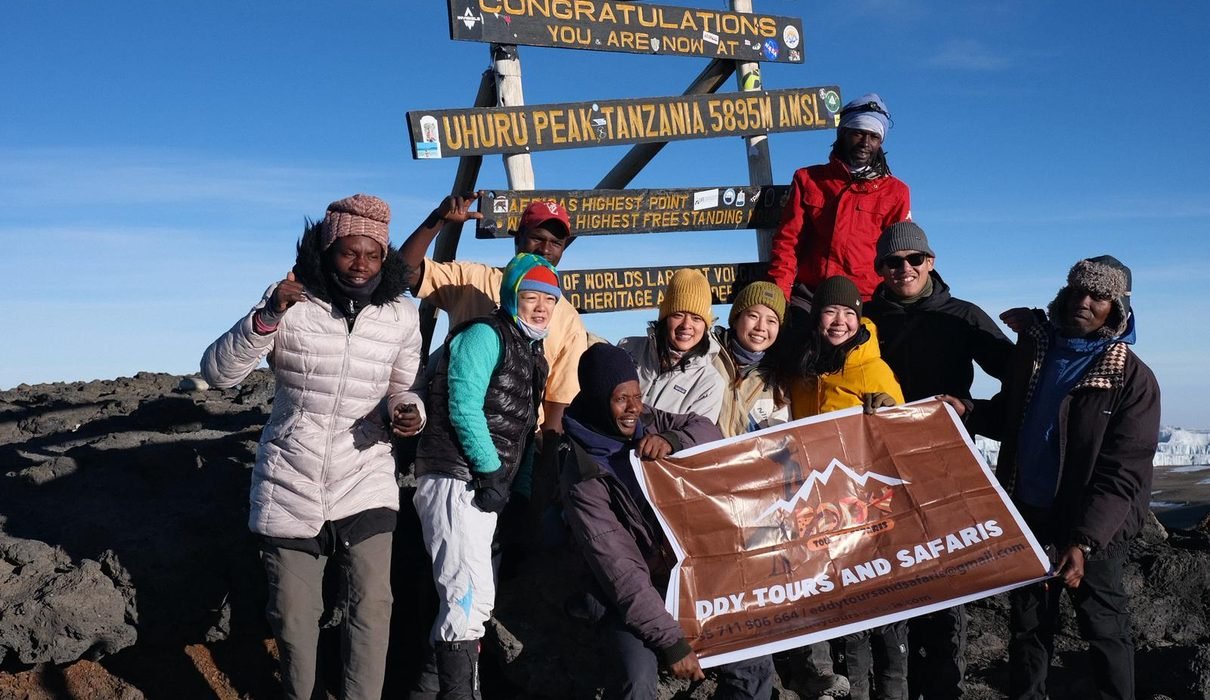
The 7 Days Lemosho Route Kilimanjaro Climb is one of the most scenic ways to reach Uhuru Peak, the highest point in Africa at 5,895 metres above sea level. Starting on the western side of Mount Kilimanjaro, this route takes climbers through beautiful rainforest, open moorland, the wide Shira Plateau, and the rocky alpine desert before reaching the mountain’s summit. It is a rewarding choice for travellers who want a proper mountain adventure with varied scenery, experienced guides, and time to adjust to the changing altitude.
At Eddy Tours & Safaris, we organise guided Kilimanjaro climbing trips for individuals, couples, families, and groups visiting Tanzania. Our 7-day Lemosho itinerary follows a carefully planned route through the mountain’s different ecological zones, with overnight camping, meals, mountain support, and guidance throughout the climb. Although reaching the summit requires determination and good physical preparation, the Lemosho Route provides several advantages that make it worth considering for your Kilimanjaro adventure.
Overview of the 7 Days Lemosho Route Kilimanjaro Climb
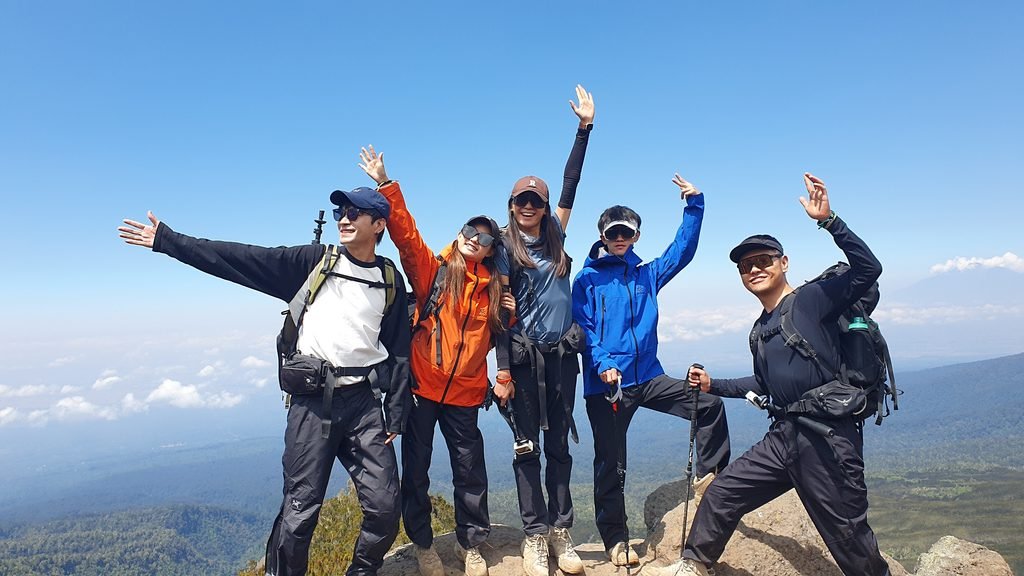
The Lemosho Route approaches Mount Kilimanjaro from the west, beginning near Londorossi Gate before continuing through the forest towards Mti Mkubwa Camp. The trail gradually opens onto the Shira Plateau, where climbers enjoy wide views of the mountain and its surrounding landscape. From there, the route passes Lava Tower, Barranco Valley, Karanga Camp, and Barafu Camp before the final ascent towards Stella Point and Uhuru Peak.
The seven-day itinerary provides a balance between walking time, rest, and altitude adjustment, although it remains physically demanding. Compared with shorter climbing programmes, the additional days allow more time on the mountain, while the route’s varied elevation profile offers opportunities to walk higher during the day and sleep at a lower altitude. For travellers who can spare another day, the eight-day Lemosho itinerary provides a more gradual schedule and additional acclimatisation time.
Kilimanjaro Lemosho Route Package Details
- Destination: Mount Kilimanjaro, Tanzania
- Route: Lemosho Route
- Duration: 7 days and 6 nights on the mountain
- Highest point: Uhuru Peak, 5,895 metres
- Starting point: Londorossi Gate and Lemosho trailhead
- Finishing point: Mweka Gate
- Accommodation: Mountain camping tents
- Difficulty: Challenging
- Best for: Fit beginners, experienced hikers, couples, and private groups
- Main attractions: Rainforest, Shira Plateau, Lava Tower, Barranco Wall, and Uhuru Peak
- Departure: Private departures arranged according to availability
7 Powerful Reasons to Choose the Lemosho Route for Kilimanjaro Climbing
1. The Route Provides Valuable Opportunities for Acclimatisation
One of the main advantages of the Lemosho Route is its altitude profile, which provides useful opportunities for acclimatisation during the climb. As climbers move from the forest to the Shira Plateau and towards Lava Tower, they experience gradually increasing elevations before descending to lower sleeping camps. This pattern gives the body opportunities to adjust to reduced oxygen levels, although it does not eliminate the risk of altitude sickness.
The journey towards Lava Tower is particularly important because climbers may reach approximately 4,600 metres before descending to Barranco Camp at around 3,950 metres. This is a practical example of the climb-high, sleep-low approach commonly used on Kilimanjaro. Our mountain guides encourage a steady walking pace, adequate hydration, and regular communication about physical symptoms. Climbers should understand that even well-prepared people can develop altitude sickness and that descending when medically necessary is more important than reaching the summit.
2. The Western Approach Offers a Quieter Beginning
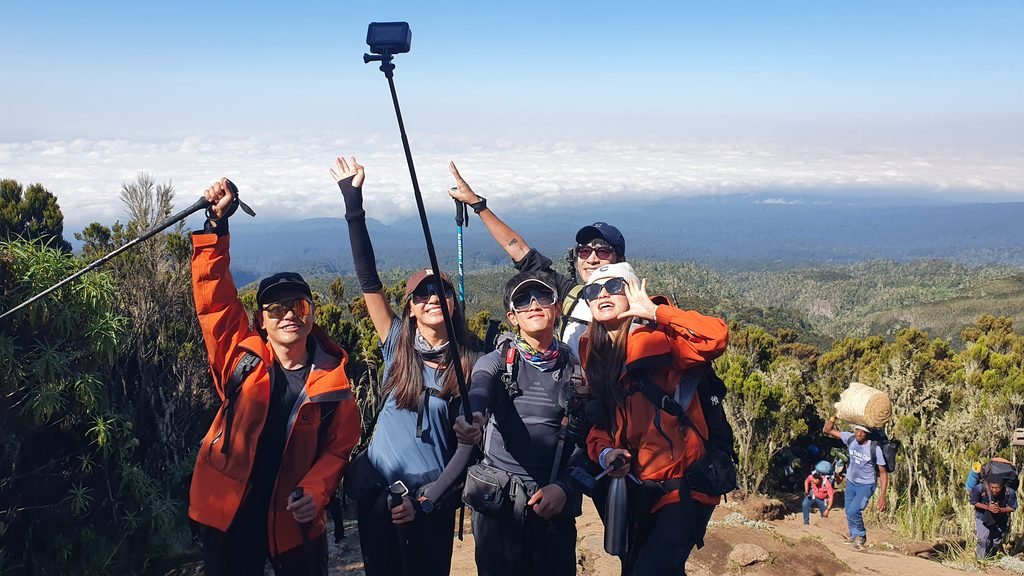
Unlike some of Kilimanjaro’s busier approaches, the Lemosho Route begins in a relatively remote section of the mountain. The first part of the trek passes through rainforest, where climbers may encounter fewer groups and have more opportunities to appreciate the natural surroundings. The forest is home to several bird species and wildlife, including monkeys, although animal sightings are never guaranteed.
This quieter beginning is especially appealing to travellers who enjoy nature walks and prefer a peaceful atmosphere during the first days of their mountain adventure. As the route continues towards the Shira Plateau and eventually joins trails used by climbers from other routes, the number of people generally increases. Nevertheless, the western approach remains one of the main reasons many visitors choose Lemosho over other Kilimanjaro climbing routes.
3. You Experience Several Different Landscapes
The Lemosho Route crosses some of Mount Kilimanjaro’s most interesting natural environments, making the climb more than a journey towards the summit. During the first days, the trail passes through dense rainforest with tall trees, moss-covered vegetation, and a humid atmosphere. Higher up, the landscape changes to heath and moorland, where open views replace the forest canopy and the mountain becomes increasingly visible.
Beyond the Shira Plateau, vegetation becomes sparse as climbers enter the alpine desert. Rocky trails, volcanic formations, and changing weather conditions create a completely different walking experience. Near the summit, freezing temperatures, exposed rock, and remaining ice formations reveal the mountain’s high-altitude environment. These changes make each day visually different and give climbers an opportunity to understand the remarkable natural diversity of Kilimanjaro National Park.
4. The Shira Plateau Provides Excellent Mountain Views
Crossing the Shira Plateau is one of the most memorable parts of the Lemosho Route. This broad, high-altitude landscape lies on the western side of Kilimanjaro and offers impressive views towards Kibo, the mountain’s highest volcanic cone. On clear days, climbers can see across the plateau and appreciate the enormous scale of the mountain before continuing towards the southern circuit.
The plateau also gives climbers time to settle into the rhythm of mountain walking. The terrain includes open sections and gradual climbs, although the altitude can make even moderate walking feel demanding. Guides encourage a comfortable pace rather than rushing between camps. The combination of open scenery, mountain views, and changing vegetation makes this section particularly attractive to travellers interested in photography and landscape exploration.
5. The Barranco Wall Adds an Interesting Climbing Challenge
The Barranco Wall is one of the best-known features of the southern Kilimanjaro climbing circuit. This steep rocky section requires climbers to use their hands for balance in several places while following a winding path upwards. Despite its appearance, the normal route is generally considered a scramble rather than technical rock climbing, and ropes are not normally required in suitable conditions.
Experienced mountain guides help climbers choose secure footholds and maintain a comfortable pace. The climb can feel intimidating for people who are uncomfortable with heights, but many trekkers find it manageable with proper guidance and patience. After reaching the upper section, the trail continues through the mountain’s southern landscape towards Karanga Camp, where climbers can rest and prepare for the higher elevations ahead.
6. Seven Days Allow Time for a Structured Mountain Journey
A seven-day climbing programme allows the journey to be divided into manageable stages, with dedicated days for reaching higher camps, adjusting to the mountain environment, and preparing for the summit attempt. Rather than attempting to complete the mountain in a very short period, climbers spend several nights at different elevations and gain experience walking under changing weather and terrain conditions.
However, seven days should not be confused with an easy or risk-free climb. The schedule still includes long walking days, considerable altitude gain, and a demanding summit night. Travellers who have limited hiking experience, are concerned about altitude, or simply prefer shorter daily stages may benefit from considering an eight-day Lemosho programme. Choosing the right duration should depend on fitness, medical considerations, previous hiking experience, and available travel time.
7. The Route Offers a Rewarding Approach to Uhuru Peak
The final reason to choose Lemosho is the experience of approaching Kilimanjaro’s summit after travelling through several different parts of the mountain. By the time climbers reach Barafu Camp, they have crossed forests, moorland, volcanic landscapes, and high-altitude valleys. The summit attempt normally begins late at night, allowing climbers to move slowly towards Stella Point and, if conditions permit, continue to Uhuru Peak.
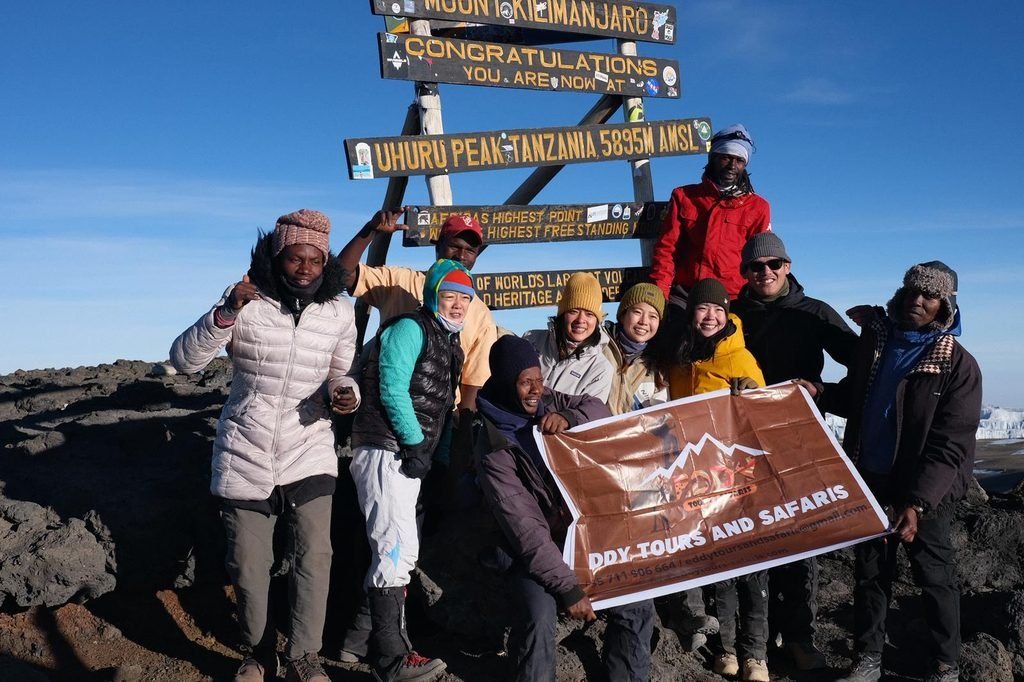
Standing at Uhuru Peak is a major achievement, but reaching the summit is never guaranteed. Weather, altitude sickness, fatigue, and individual health can affect the outcome. At Eddy Tours & Safaris, we encourage climbers to prepare properly, follow their guides’ instructions, and place safety ahead of summit ambitions. A successful Kilimanjaro experience is not measured only by reaching the highest point but also by completing the journey responsibly.
Detailed 7 Days Lemosho Route Kilimanjaro Climbing Itinerary
Day 1: Londorossi Gate to Mti Mkubwa Camp
Elevation: Approximately 2,100–2,400 m at the trailhead to 2,800 m
Hiking distance: Approximately 6 km
Walking time: 3–4 hours
Accommodation: Mti Mkubwa Camp
Your Kilimanjaro adventure begins with a morning pickup from your hotel in Moshi or Arusha, followed by a drive towards Londorossi Gate on the western side of the mountain. Upon arrival, your guide will assist with park registration while the mountain crew prepares the equipment, food supplies, and camping materials needed for the trek. After completing the necessary arrangements, you will continue towards the Lemosho trailhead, where the walking portion of the journey begins.
The first day’s hike passes through beautiful montane rainforest, where the trail is surrounded by tall trees, ferns, and thick vegetation. Depending on the weather, some sections may be muddy or slippery, so comfortable waterproof hiking boots are important. Your guide will maintain a relaxed walking pace as you become familiar with the mountain environment. After approximately three to four hours, you will arrive at Mti Mkubwa Camp, where your tents will be prepared and dinner served before your first night on Kilimanjaro.
Day 2: Mti Mkubwa Camp to Shira 2 Camp
Elevation: Approximately 2,800 m to 3,850 m
Hiking distance: Approximately 15–17 km
Walking time: 7–9 hours
Accommodation: Shira 2 Camp
After breakfast, you will leave Mti Mkubwa Camp and continue uphill through the remaining forest before entering the heath and moorland zone. The vegetation gradually becomes shorter, and the trail opens towards the Shira Plateau, revealing wide mountain views when the weather is clear. This is one of the longer walking days of the seven-day itinerary, so maintaining a steady pace and taking regular breaks is important.
As you cross the plateau, the landscape becomes increasingly open, with volcanic formations and distant views of Kibo. The altitude gain is considerable, and some climbers may begin to notice the effects of thinner air. Your guide will monitor your condition and encourage you to walk slowly rather than attempting to reach camp quickly. By late afternoon, you will arrive at Shira 2 Camp, where you can rest, enjoy a warm meal, and prepare for the next day’s important acclimatisation hike.
Day 3: Shira 2 Camp to Lava Tower and Barranco Camp
Elevation: Approximately 3,850 m to 4,600 m, descending to 3,950 m
Hiking distance: Approximately 10 km
Walking time: 6–8 hours
Accommodation: Barranco Camp
Today’s hike is one of the most important stages for altitude adjustment. After breakfast, you will leave Shira 2 Camp and follow the trail towards Lava Tower, a prominent volcanic rock formation standing at approximately 4,600 metres. The surrounding environment is mostly alpine desert, with limited vegetation and wide views across the mountain’s rocky slopes. As you climb higher, walking may become slower because of the reduced oxygen available at altitude.
After reaching the Lava Tower area, you will stop for lunch or a rest before descending towards Barranco Valley. Although the route reaches a considerably higher elevation during the day, the overnight camp is located lower, helping provide an opportunity for acclimatisation. The descent passes through an unusual landscape with giant groundsels and rocky formations before reaching Barranco Camp. From the campsite, climbers can enjoy impressive views of the Barranco Wall, which forms the next major challenge of the journey.
Day 4: Barranco Camp to Karanga Camp
Elevation: Approximately 3,950 m to 4,000 m
Hiking distance: Approximately 5 km
Walking time: 4–5 hours
Accommodation: Karanga Camp
After an early breakfast, you will begin climbing the Barranco Wall, one of the most recognisable sections of the Kilimanjaro southern circuit. The trail follows a steep rocky slope where you will occasionally use your hands for support while stepping between natural rock ledges. Your mountain guide will show you the safest available route and help maintain enough space between climbers. Although this section can appear difficult from below, it is generally manageable for hikers who are comfortable with steep terrain and follow their guides carefully.
Once you reach the top of the wall, the trail continues across a series of ridges and valleys towards Karanga Camp. The surrounding landscape provides excellent views of the mountain’s southern slopes and the distant plains below. After arriving at camp, you will have time to rest, eat, and recover before continuing towards Barafu Camp the following day. Spending the night at Karanga provides another opportunity to adjust to the altitude before moving higher.
Day 5: Karanga Camp to Barafu Camp
Elevation: Approximately 4,000 m to 4,670 m
Hiking distance: Approximately 4 km
Walking time: 3–5 hours
Accommodation: Barafu Camp
The fifth day takes you from Karanga Camp to Barafu Camp, the main base for the summit attempt on this itinerary. The trail climbs through a rocky alpine desert where vegetation is scarce and temperatures can change quickly. Although the walking distance is relatively short, the altitude makes the ascent physically demanding, and your guide will encourage a slow, controlled pace throughout the morning.
Upon reaching Barafu Camp, you will settle into your tent and receive a detailed briefing about the summit attempt. Your guide will explain the expected walking conditions, clothing requirements, departure time, and important safety instructions. You will normally have an early dinner before resting for several hours, as the summit climb begins late at night. Preparing warm clothing, headlamps, water, and personal equipment in advance will make the departure easier when temperatures are at their lowest.
Day 6: Barafu Camp to Uhuru Peak and Descent to Mweka Camp
Elevation: Approximately 4,670 m to 5,895 m, descending to 3,100 m
Hiking distance: Approximately 17 km
Walking time: 12–15 hours
Accommodation: Mweka Camp
Summit day is the most physically demanding stage of the entire Kilimanjaro climb. You will normally wake around midnight, have a light meal or hot drink, and begin walking towards Stella Point under the guidance of your mountain team. The trail is steep, cold, and exposed, with loose volcanic material in some sections. Progress is deliberately slow because of the altitude, and your guide will monitor your physical condition throughout the ascent. Depending on weather and walking speed, you may reach Stella Point near sunrise, where views across the crater rim can be remarkable.
From Stella Point, climbers who are fit to continue will follow the crater rim towards Uhuru Peak, the highest point in Africa at 5,895 metres. After reaching the summit, you will have a short opportunity for photographs before beginning the long descent. Returning to a lower altitude is important because prolonged exposure to extreme elevation increases physical strain. You will descend through Barafu Camp and continue towards Mweka Camp, where the mountain crew will provide dinner and a well-earned overnight rest. If serious altitude symptoms develop at any stage, your guide may require an earlier descent rather than continuing to the summit.
Day 7: Mweka Camp to Mweka Gate and Return to Moshi or Arusha
Elevation: Approximately 3,100 m to 1,640 m
Hiking distance: Approximately 10 km
Walking time: 3–4 hours
Accommodation: End of mountain trek
After breakfast at Mweka Camp, you will begin the final descent through Kilimanjaro’s rainforest towards Mweka Gate. The trail gradually becomes greener as you lose altitude, with tall trees and dense vegetation replacing the rocky landscapes experienced during the previous days. The path can be muddy after rainfall, so walking carefully remains important even though the most demanding part of the climb is complete.
Upon reaching Mweka Gate, your guide will assist with the necessary park departure arrangements, and eligible climbers will receive their official climbing certificates. You will then meet your transfer vehicle for the journey back to Moshi or Arusha, where you can enjoy a shower, rest, and celebrate completing your Kilimanjaro adventure. Travellers who wish to continue exploring Tanzania can also arrange a wildlife safari or Zanzibar beach holiday with Eddy Tours & Safaris.
What Is Included in the 7 Days Lemosho Route Kilimanjaro Package?
Our standard Kilimanjaro climbing package is designed to provide the essential services required for a guided mountain expedition. The final inclusions will be confirmed in your quotation and booking itinerary.
Package Inclusions
- Kilimanjaro National Park entrance fees
- Camping fees and applicable mountain rescue fees
- Professional English-speaking mountain guide
- Assistant guides according to group size and applicable requirements
- Mountain porters and a cook
- Three meals per day during the climb
- Drinking water prepared for use on the mountain
- Mountain camping tents and sleeping mattresses
- Group cooking and dining equipment
- Transportation from Moshi or Arusha to the starting point
- Return transportation from Mweka Gate to Moshi or Arusha
- Mountain crew wages
- Basic first-aid support and emergency coordination
- Pre-climb briefing and equipment check
- Official summit certificate for eligible climbers
Package Exclusions
- International and domestic flights
- Tanzania tourist visa fees
- Travel and medical insurance, including appropriate high-altitude evacuation coverage
- Personal climbing equipment and clothing
- Sleeping bags and other personal camping items
- Hotel accommodation before and after the climb unless included in the quotation
- Airport transfers unless specifically arranged
- Tips for mountain guides, cooks, and porters
- Personal expenses and additional drinks
- Optional equipment rental
- Additional accommodation caused by changes to travel arrangements
- Optional Tanzania wildlife safaris and Zanzibar beach holidays
- Any services not specifically mentioned in the confirmed itinerary
How Difficult Is the 7 Days Lemosho Route?
The seven-day Lemosho Route is considered a challenging trek because of its altitude, changing weather conditions, long walking days, and demanding summit attempt. Climbers do not normally need technical mountaineering skills, but they should be physically prepared to walk for several hours each day while carrying a small daypack. The Barranco Wall also requires basic scrambling, and the final summit ascent involves walking at night in cold conditions.
Good preparation should begin several weeks or months before departure, depending on your current fitness. Regular hiking, hill walking, stair climbing, and cardiovascular exercise can help improve endurance, while training with a backpack and hiking boots can make the actual trek more comfortable. Physical fitness does not prevent altitude sickness, so travellers should also seek appropriate medical advice before climbing, particularly if they have existing health concerns or have never travelled to high altitude.
Best Time to Climb Kilimanjaro via the Lemosho Route
Mount Kilimanjaro can be climbed throughout the year, but weather conditions vary considerably between seasons. Many climbers prefer January to early March and June to October because these periods generally offer more favourable trekking conditions. However, rainfall, strong winds, cloud cover, and freezing temperatures can occur at any time, particularly at higher elevations.
The long rainy season usually occurs around March to May, while a shorter rainy period commonly falls around November. During wetter months, forest trails may become slippery, and visibility can be reduced by clouds. Travellers planning their climb should consider weather patterns, personal schedules, and the availability of suitable departure dates rather than assuming any month guarantees clear conditions.
What Should You Pack for the Lemosho Route?
Packing the correct equipment is essential for comfort and safety during a Kilimanjaro climb. The mountain has several climatic zones, meaning climbers may experience warm conditions in the lower forest, strong sunshine on the Shira Plateau, and temperatures well below freezing during the summit attempt. Layered clothing is particularly important because it allows you to adjust to changing temperatures without carrying unnecessary items.
Recommended equipment includes waterproof hiking boots, thermal base layers, a fleece or insulated jacket, a waterproof outer jacket, trekking trousers, warm gloves, a hat, sunglasses, a headlamp, trekking poles, and a sleeping bag suitable for freezing mountain conditions. You should also bring a comfortable daypack, reusable water containers, personal medication, sunscreen, and basic hygiene supplies. Our team can advise you on suitable clothing and equipment before departure, and some items may be available for rental in Moshi or Arusha.
For additional climbing information and route preparation, you can also visit Kilimanjaro Climb Specialist, which provides resources for travellers researching Mount Kilimanjaro expeditions.
Can Beginners Climb the 7 Days Lemosho Route?
Yes, beginners with good physical fitness and appropriate preparation can attempt the seven-day Lemosho Route. Previous mountain climbing experience is helpful but not always necessary, provided the climber understands the physical demands of the journey and is comfortable spending several days hiking and camping in remote mountain conditions. The most important considerations include endurance, preparation, a suitable itinerary, and willingness to follow the guidance of experienced mountain professionals.
First-time climbers should also consider whether the eight-day itinerary would be more appropriate. An additional day can reduce the pressure of the schedule and provide more time for acclimatisation, although no route duration can guarantee summit success or prevent altitude-related illness. At Eddy Tours & Safaris, we help travellers understand the differences between climbing programmes before choosing a suitable itinerary.
Combine Your Kilimanjaro Climb with a Tanzania Wildlife Safari
After completing the seven-day Lemosho Route, many travellers choose to spend a few additional days exploring Tanzania’s national parks. A wildlife safari provides a completely different experience from mountain trekking, allowing visitors to observe animals in their natural habitats while travelling through some of East Africa’s best-known conservation areas.
With Eddy Tours & Safaris, you can arrange a safari to Tarangire National Park, Serengeti National Park, Lake Manyara National Park, or the Ngorongoro Crater. Depending on your available time, we can help organise a short wildlife safari or a longer itinerary combining several destinations. Travellers who prefer relaxation after the climb can also include Zanzibar, where beaches and coastal accommodation provide an opportunity to recover before returning home.
Frequently Asked Questions About the 7 Days Lemosho Route
Is the Lemosho Route Better Than the Machame Route?
Both Lemosho and Machame are established Kilimanjaro climbing routes, and each offers advantages. Lemosho begins on the western side of the mountain and provides a relatively quiet approach through rainforest and the Shira Plateau, while Machame starts from the southern side and follows a different trail during the early stages. Both eventually join the southern circuit and use similar routes towards the summit. The best choice depends on your preferred scenery, available time, physical preparation, and the exact itinerary offered.
What Is the Success Rate of the 7 Days Lemosho Route?
Summit success varies between operators, groups, and individual climbers, and there is no single reliable success percentage that applies to every seven-day Lemosho expedition. Factors such as altitude response, weather, fitness, itinerary design, and guide decisions can affect whether a climber reaches Uhuru Peak. Rather than relying on advertised success percentages, travellers should focus on selecting an appropriate itinerary, preparing properly, and choosing a responsible climbing operator.
How Many Hours Do You Walk Each Day?
Most walking days on the seven-day Lemosho Route take approximately three to nine hours, depending on the section of trail, weather conditions, and group pace. Summit day is considerably longer and may require twelve to fifteen hours of walking, including the ascent to Uhuru Peak and descent to Mweka Camp. Guides generally maintain a slow and steady pace to help climbers manage their energy and reduce unnecessary physical strain.
Do You Sleep in Hotels During the Lemosho Climb?
No, the Lemosho Route is a camping route, and climbers normally sleep in mountain tents at designated campsites throughout the expedition. The mountain crew carries and prepares group camping equipment, while meals are served at camp. Hotel accommodation in Moshi or Arusha can be arranged before and after the climb, depending on the package selected and your travel arrangements.
Can I Book a Private 7 Days Lemosho Route Climb?
Yes, private Kilimanjaro climbs can be arranged for solo travellers, couples, families, and groups who prefer to travel together. A private climb allows the departure date and some logistical arrangements to be organised around your travel schedule, subject to park regulations and availability. Our team can prepare a quotation based on the number of climbers, requested services, accommodation arrangements, and any additional Tanzania safari or Zanzibar holiday plans.
Book Your 7 Days Lemosho Route Kilimanjaro Climb with Eddy Tours & Safaris
The 7 Days Lemosho Route Kilimanjaro Climb is an excellent choice for travellers who want to experience Mount Kilimanjaro’s western approach, the wide Shira Plateau, the challenging Barranco Wall, and the final ascent towards Uhuru Peak. Its varied landscapes and opportunities for altitude adjustment make it an appealing route, although climbers must still prepare carefully for the physical demands of reaching Africa’s highest mountain.
At Eddy Tours & Safaris, we help travellers plan guided Kilimanjaro expeditions with clear itineraries, experienced mountain crews, and practical advice before departure. Whether you are travelling alone, with friends, or as part of a private group, our team can help you choose a suitable climbing programme and arrange additional travel services in Tanzania.
Contact Eddy Tours & Safaris
Website: Eddy Tours and Safaris
Email: sales@eddytours-safaris.com
Alternative Email: eddytoursandsafaris@gmail.com
Location: Arusha, Tanzania
Contact our team to request a detailed quotation, discuss available departure dates, and begin planning your seven-day Lemosho Route Kilimanjaro climb.