
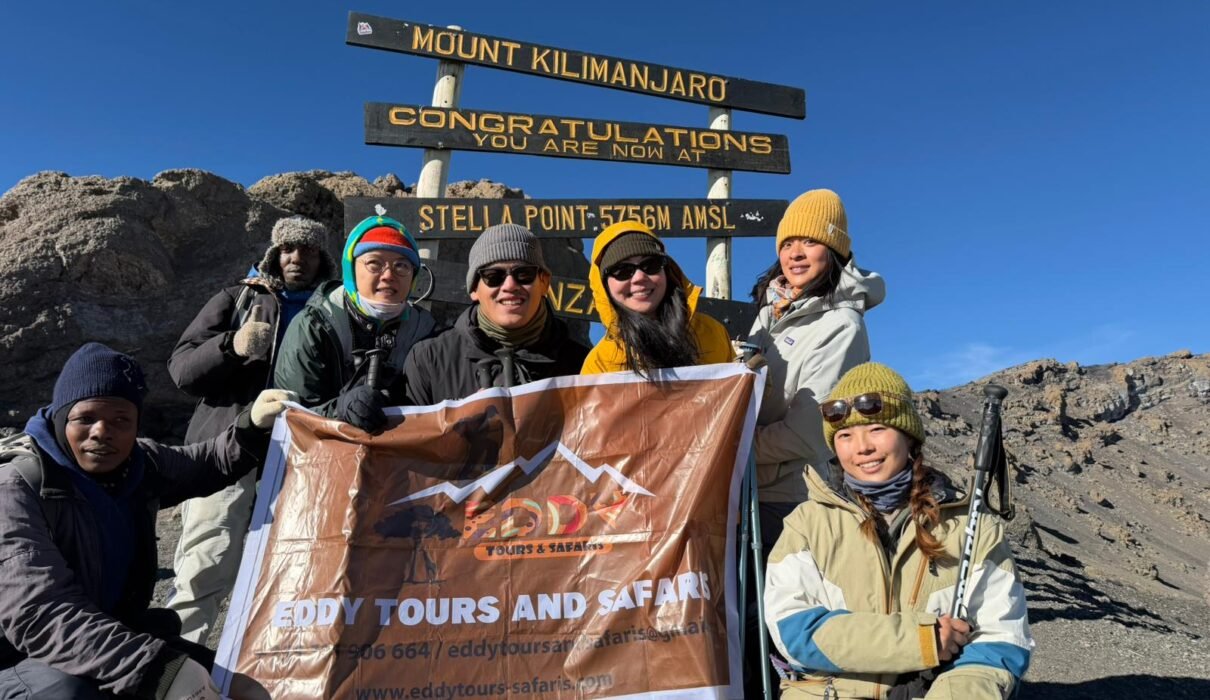
7 Days Northern Circuit Kilimanjaro Climbing Package – Ultimate Scenic Route is designed for trekkers who value wide landscapes, quieter trails, and a slower, more balanced approach to altitude.
The route circles the remote northern side of the mountain, offering views rarely seen on busier paths.
This experience is built around scenery, environmental protection, and strong operational planning.
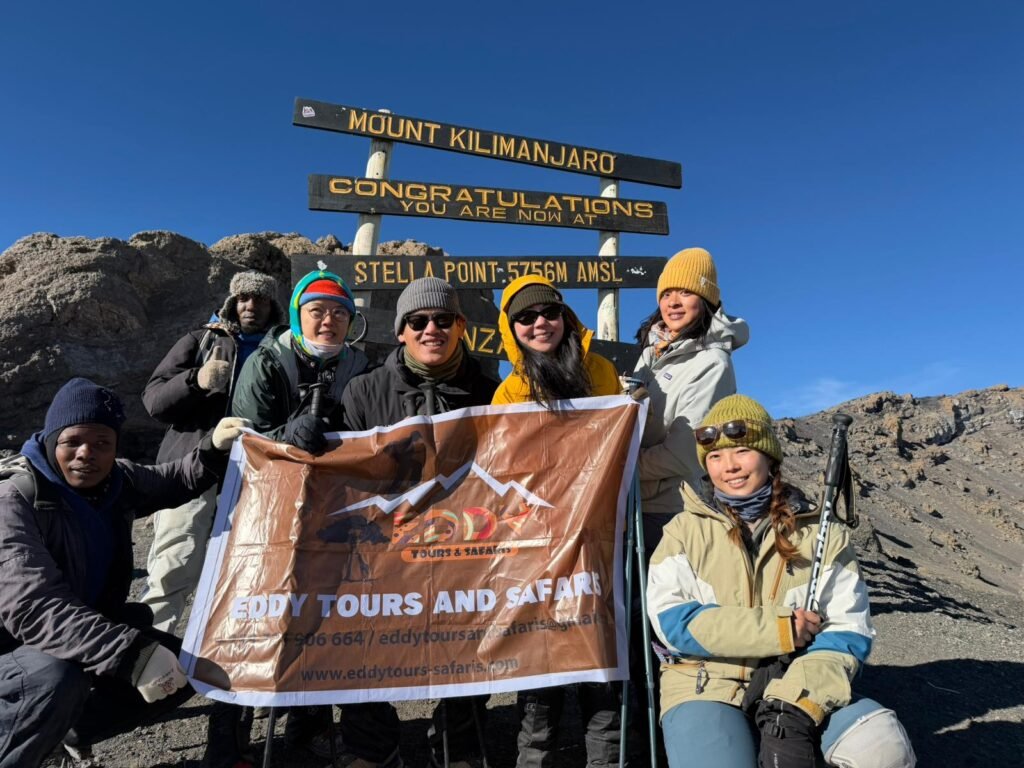
7 Days Northern Circuit Kilimanjaro Climbing Package – Ultimate Scenic Route and gradual acclimatization
The longer traverse across the northern slopes allows steady elevation gain.
Medical guidance from the World Health Organization highlights slow ascent as one of the most effective ways to reduce altitude-related illness.
High-altitude physiology research published through the National Center for Biotechnology Information supports staged exposure to thinner air.
This design helps many trekkers remain comfortable and confident throughout the climb.
7 Days Northern Circuit Kilimanjaro Climbing Package – Ultimate Scenic Route and health monitoring
Daily checks allow guides to detect early warning signs.
Preventive travel health recommendations from the Centers for Disease Control and Prevention emphasize hydration, pacing, and rest at altitude.
Careful observation improves both safety and group coordination.
7 Days Northern Circuit Kilimanjaro Climbing Package – Ultimate Scenic Route and environmental protection
The northern side of Kilimanjaro contains fragile alpine grasslands and volcanic soils.
Global conservation standards promoted by the International Union for Conservation of Nature guide low-impact trekking in sensitive mountain landscapes.
Environmental management frameworks developed by the United Nations Environment Programme support waste control and campsite management.
These practices protect vegetation and reduce long-term trail degradation.
7 Days Northern Circuit Kilimanjaro Climbing Package – Ultimate Scenic Route and biodiversity awareness
The route crosses several ecological zones with distinct plant and bird communities.
Mountain biodiversity data initiatives coordinated by the Global Biodiversity Information Facility strengthen global monitoring systems.
Visitor education programs promoted by World Wide Fund for Nature encourage responsible behavior in protected areas.
Similar research and habitat programs are supported by BirdLife International and the Wildlife Conservation Society.
Operational standards along the Northern Circuit
Longer daily traverses require precise logistics and team coordination.
Outdoor safety and field preparedness guidelines supported by the American Red Cross inform risk management practices.
Operational research published through ScienceDirect shows that clear task allocation improves accident prevention in remote terrain.
This approach supports consistent performance in demanding conditions.
Food and water safety on extended traverses
Extended routes require careful hygiene and storage systems.
Field catering standards published by the Food and Agriculture Organization guide safe food preparation.
Water safety frameworks developed by UN-Water reduce contamination risks in mountain camps.
Reliable nutrition supports endurance during long hiking days.
Community livelihoods and ethical working practices
Local employment is central to sustainable mountain tourism.
Socio-economic studies by the World Bank show how community-based tourism supports household income.
Labour protection standards promoted by the International Labour Organization encourage fair working conditions.
Responsible operators help strengthen long-term social stability.
Many travelers arrange this route through Eddy Tours & Safaris because of their focus on local staffing and training.
Climate and ecosystem learning along the northern slopes
High-altitude environments respond quickly to climate variation.
Scientific assessments by the Intergovernmental Panel on Climate Change highlight the sensitivity of mountain ecosystems.
Global ecosystem research coordinated by the Intergovernmental Science-Policy Platform on Biodiversity and Ecosystem Services strengthens environmental planning.
Trekkers gain valuable perspective on environmental change.
Cultural heritage and mountain communities
Communities on the northern slopes maintain strong connections to the land.
Cultural heritage protection frameworks promoted by UNESCO recognize the role of traditional knowledge in sustainable development.
Social development research coordinated by the UN Department of Economic and Social Affairs links cultural inclusion to community resilience.
Meaningful exchanges create deeper respect between visitors and residents.
Many climbers combine their trek with village experiences arranged through local cultural programs around the mountain.
Protected-area governance and scientific monitoring
The Northern Circuit passes through a tightly regulated conservation zone.
Governance frameworks published by the Convention on Biological Diversity emphasize science-based management and community participation.
Long-term ecosystem monitoring coordinated by the UN Environment Programme World Conservation Monitoring Centre strengthens national conservation planning.
Responsible trekking supports these management systems.
Wildlife and landscape connectivity
The northern side of Kilimanjaro forms part of wider wildlife movement corridors.
Large-landscape conservation programs supported by The Nature Conservancy promote habitat protection and connectivity.
Big-cat and ecosystem research coordinated by Panthera helps protect vulnerable species across East Africa.
Scientific documentation initiatives from the Smithsonian Institution further support environmental knowledge sharing.
7 Days Northern Circuit Kilimanjaro Climbing Package – Ultimate Scenic Route as a low-crowd experience
This itinerary is well known for its quiet sections and wide open views.
The extended traverse reduces congestion and limits pressure on popular camps.
Lower crowd density supports better visitor experience and improved environmental control.
7 Days Northern Circuit Kilimanjaro Climbing Package – Ultimate Scenic Route and responsible travel choices
Ethical adventure travel improves both conservation outcomes and community wellbeing.
Responsible tourism principles promoted by the Responsible Tourism Partnership encourage fair labour practices and environmental care.
Development research from the Overseas Development Institute confirms that responsible tourism strengthens rural economies.
Many guests reserve this route through responsible booking services that prioritize safety and sustainability.
7 Days Northern Circuit Kilimanjaro Climbing Package – Ultimate Scenic Route as a balanced mountain journey
This route offers a carefully structured combination of scenery, distance, and recovery time.
Human performance and resilience research published by the American Psychological Association shows that structured pacing improves endurance in challenging environments.
Many travelers extend their experience with nature and learning programs through local conservation activities around Kilimanjaro.
For trekkers seeking wide landscapes, steady acclimatization, and strong conservation values, this route remains one of the most rewarding ways to experience the mountain.