
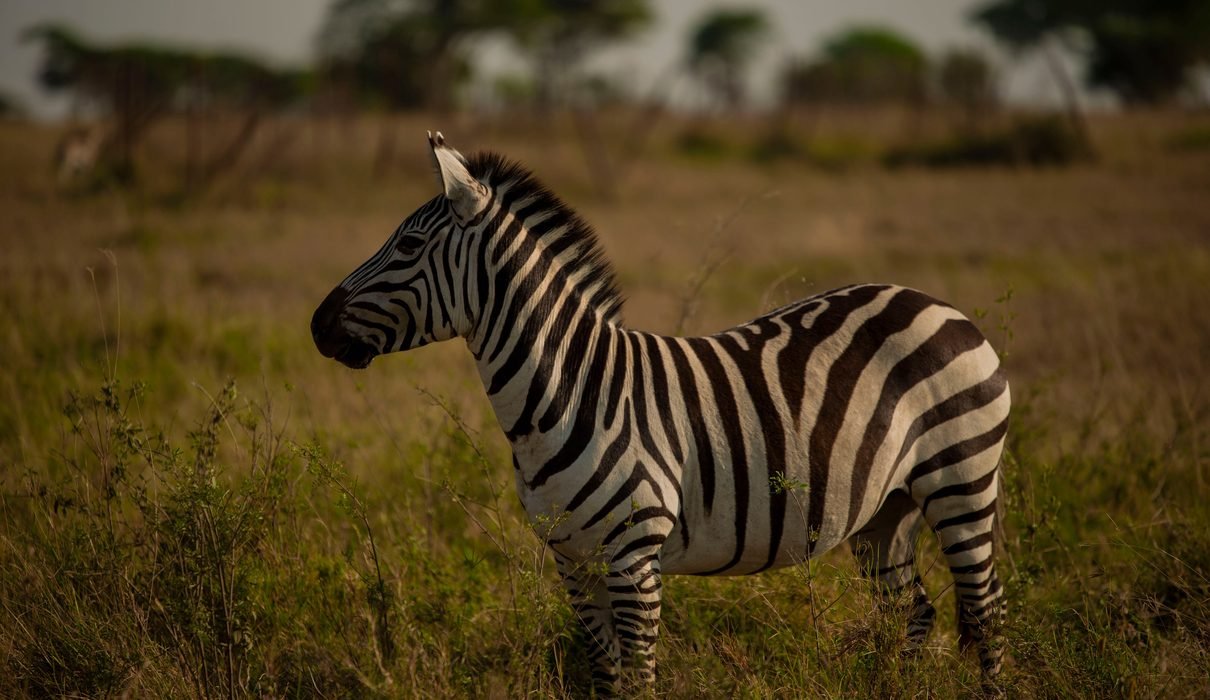
An 8-day budget Tanzania safari is an excellent way to explore some of Africa’s most famous wildlife destinations without choosing an expensive luxury holiday. Tanzania offers remarkable opportunities to see elephants, lions, giraffes, zebras, wildebeest, buffaloes and many other animals living in their natural habitats. With a carefully planned itinerary, affordable accommodation and a professional safari guide, travelers can experience the country’s northern safari circuit while keeping unnecessary expenses under control.
For visitors planning a Tanzania safari in 2027, an eight-day itinerary provides enough time to explore several important wildlife areas without rushing through every destination. This journey combines Tarangire National Park, Serengeti National Park, Ngorongoro Crater and Lake Manyara National Park, giving travelers opportunities to experience different landscapes, wildlife habitats and game-viewing conditions. From Tarangire’s elephant herds and ancient baobab trees to the wide plains of the Serengeti and the volcanic scenery of Ngorongoro, each destination offers something different.
Choosing a budget safari does not mean sacrificing the quality of the wildlife experience. The main difference between budget and luxury safaris is usually the accommodation category, level of comfort and additional services rather than access to the wildlife itself. Travelers on a budget can still enjoy professionally guided game drives in Tanzania’s protected areas, although the final cost depends on park fees, group size, travel dates, accommodation and transport arrangements.
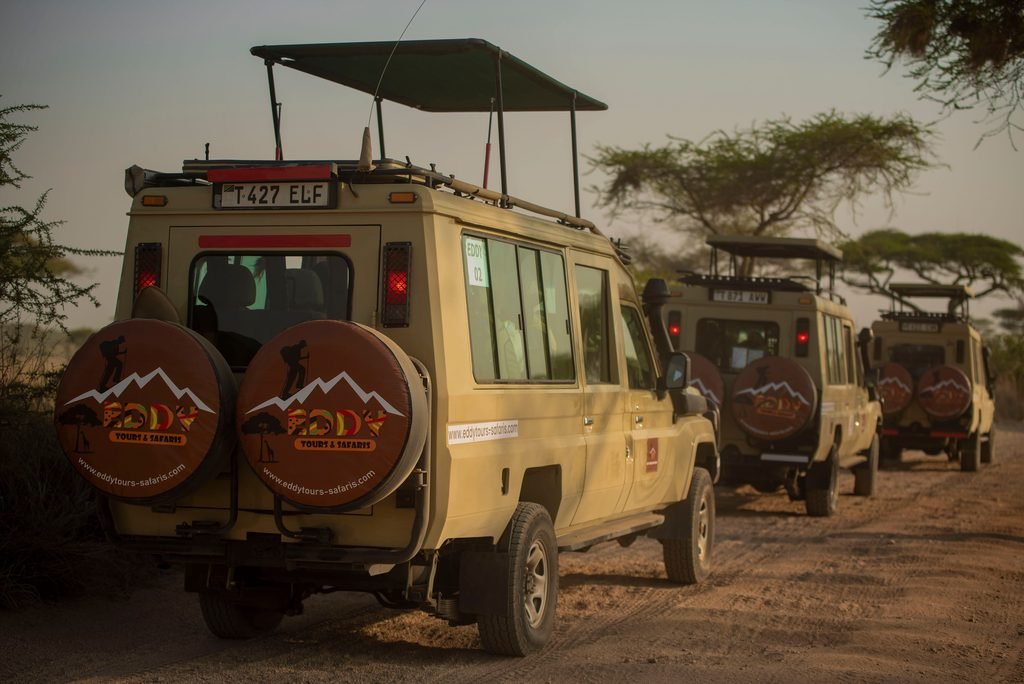
At Eddy Tours & Safaris, we help travelers organize affordable Tanzania wildlife safaris with practical itineraries, experienced driver-guides and accommodation options suited to different budgets. This complete eight-day safari guide explains the daily itinerary, wildlife highlights, budget accommodation choices, travel seasons, inclusions, exclusions and important considerations for planning your Tanzania adventure in 2027.
8-Day Budget Tanzania Safari Package Overview
| Safari information | Details |
|---|---|
| Safari package | 8-Day Budget Tanzania Wildlife Safari |
| Travel year | 2027 |
| Duration | 8 days / 7 nights |
| Starting location | Arusha, Tanzania |
| Ending location | Arusha, Tanzania |
| Main destinations | Tarangire, Serengeti, Ngorongoro Crater and Lake Manyara |
| Safari style | Budget camping or affordable lodge safari |
| Transport | Safari vehicle with professional driver-guide |
| Accommodation | Budget lodges, tented camps or designated campsites |
| Main activities | Wildlife game drives and scenic travel |
| Suitable for | Couples, friends, families and small groups |
| Price | Available on request |
| Departure dates | Subject to confirmation |
The following itinerary is designed as a road safari beginning and ending in Arusha. Travelers arriving through Kilimanjaro International Airport or Arusha Airport can request suitable transfer arrangements.
Why Choose an 8-Day Budget Safari in Tanzania?
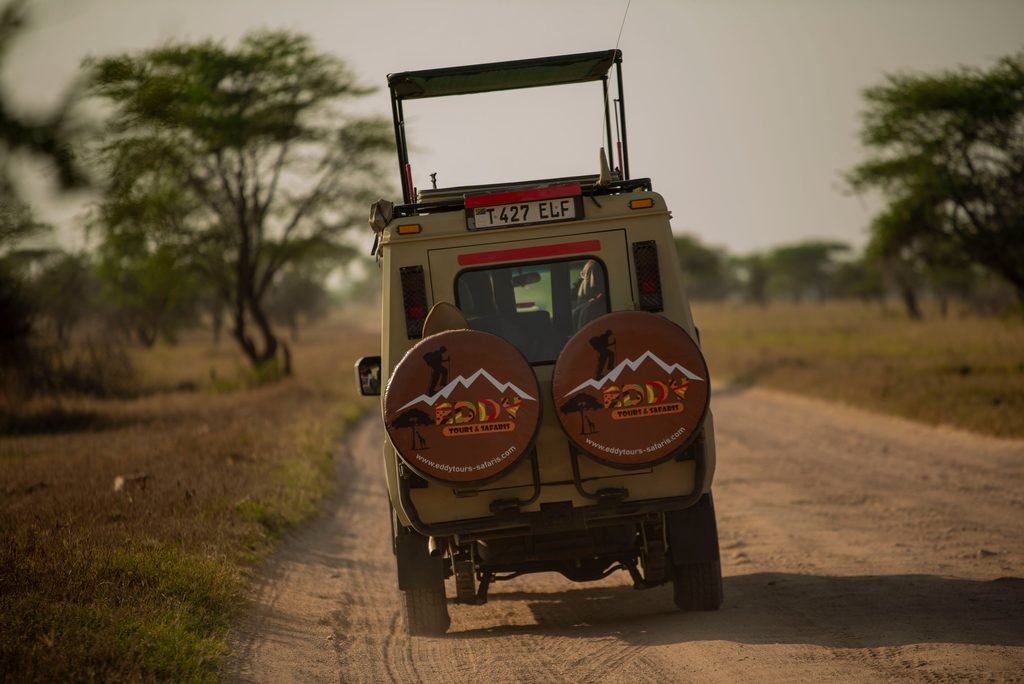
An eight-day safari offers a practical balance between travel time, wildlife viewing and affordability. Shorter itineraries can provide an introduction to Tanzania’s national parks, but they often involve considerable driving and limited time in each destination. With eight days available, travelers can spend several nights in the Serengeti, enjoy a game drive in Ngorongoro Crater and visit Tarangire and Lake Manyara without completing the entire journey in only a few days.
Another advantage is the variety of wildlife habitats included in the itinerary. Tarangire is known for its elephant populations and baobab landscapes, while the Serengeti contains extensive grasslands, river systems and woodland habitats. Ngorongoro Crater offers wildlife viewing within a large volcanic caldera, and Lake Manyara combines groundwater forest, lakeshore habitats and the dramatic scenery of the Great Rift Valley.
Budget travelers can reduce accommodation expenses by choosing public campsites or modest lodges rather than premium tented camps. Group-sharing arrangements may also reduce the cost per traveler because transport and guide expenses are shared. However, park fees and conservation charges remain important components of the safari price, so choosing inexpensive accommodation does not eliminate all major expenses.
Complete 8-Day Budget Tanzania Safari Itinerary 2027
Day 1: Arrival in Arusha – Welcome to Tanzania
Destination: Arusha
Accommodation: Budget hotel or guesthouse
Main activity: Arrival, transfer and safari briefing
Your Tanzania safari begins with arrival in Arusha, one of the main starting points for wildlife expeditions in northern Tanzania. Depending on your flight arrangements, you may arrive at Kilimanjaro International Airport or Arusha Airport, where a transfer can be organized according to your confirmed package. The journey to your accommodation provides an introduction to northern Tanzania, with views of local communities, agricultural areas and the surrounding highland landscape.
After checking into your budget hotel or guesthouse, you will have time to rest following your journey. Your safari representative or driver-guide will explain the planned itinerary, expected travel times, accommodation arrangements and important information about visiting Tanzania’s national parks. This is also an opportunity to ask questions about luggage, meals, park regulations and the wildlife experiences you can expect during the coming days.
Arusha has a lively atmosphere and serves as an important tourism centre for travelers visiting Serengeti, Tarangire and Ngorongoro. Depending on your arrival time, you may have an opportunity to explore a nearby market or enjoy a relaxed evening at your accommodation. However, additional activities should be arranged in advance and should not interfere with the following day’s departure.
Your first night is spent in affordable accommodation in Arusha, allowing you to begin the safari rested and prepared for the journey to Tarangire National Park.
Meals: According to the confirmed hotel arrangement
Overnight: Budget hotel in Arusha
Day 2: Arusha to Tarangire National Park – Elephants and Baobab Landscapes
Destination: Tarangire National Park
Main activity: Wildlife game drive
Accommodation: Budget campsite or lodge near Tarangire, Mto wa Mbu or Karatu
After breakfast, you depart Arusha and travel toward Tarangire National Park, one of northern Tanzania’s important wildlife destinations. The journey passes through villages, farmland and open countryside before reaching the park entrance. Once the required registration and entry procedures are complete, your driver-guide begins the day’s game drive through Tarangire’s woodland, grassland and riverine habitats.
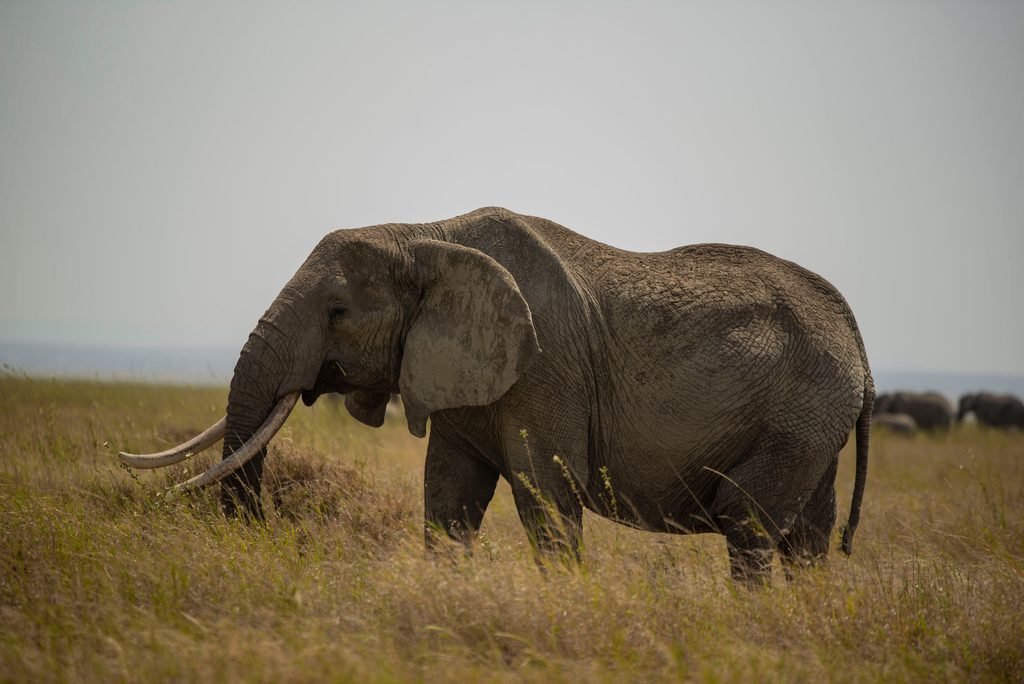
Tarangire is particularly well known for its elephants, which are frequently observed moving through the park’s open landscapes and near the Tarangire River. The park also supports giraffes, zebras, wildebeest, buffaloes, impalas and other wildlife species. Lions may be encountered in suitable areas, while leopards and other less frequently observed animals require patience and good fortune. Wildlife movements vary with rainfall, seasonal vegetation and water availability, so no particular sighting can be guaranteed.
One of the most distinctive features of Tarangire is its large baobab trees, which rise above the surrounding savannah and create excellent photographic opportunities. Your guide will explore appropriate game-viewing areas while explaining animal behaviour, vegetation and the importance of the park’s habitats. A picnic lunch can be enjoyed at a designated location, allowing you to remain inside the park for much of the day.
In the late afternoon, you leave Tarangire and continue to your budget accommodation. Depending on the selected package, this may be a public campsite, affordable lodge or modest tented accommodation outside the park. After dinner, you can rest and prepare for the journey toward Serengeti National Park.
Meals: Breakfast, lunch and dinner, subject to the confirmed package
Overnight: Budget campsite or lodge
Day 3: Tarangire Area to Serengeti National Park – Journey Across the Highlands
Destination: Serengeti National Park
Main activity: Scenic drive and afternoon game viewing
Accommodation: Budget campsite or affordable tented camp in central Serengeti
After breakfast, you depart your accommodation and begin the journey toward Serengeti National Park. The road passes through the highlands near Karatu and the Ngorongoro Conservation Area, where the landscape changes from cultivated hillsides to expansive grasslands. Weather permitting, there may be opportunities to appreciate views across the surrounding highlands before continuing toward the Serengeti plains.
The drive is relatively long, but it provides an introduction to the scale and diversity of northern Tanzania’s landscapes. As you approach Serengeti National Park, open grasslands become increasingly prominent, creating the scenery for which the region is widely known. Your driver-guide will complete the necessary park entry procedures and begin looking for wildlife along the permitted game-drive routes.
The Serengeti supports lions, cheetahs, leopards, elephants, giraffes, buffaloes, zebras, wildebeest and numerous antelope species. Depending on the season, you may encounter large herds of grazing animals or smaller groups moving between feeding areas. Predators are present throughout the ecosystem, although sightings depend on animal movements, vegetation and the amount of time available for observation.
By late afternoon, you arrive at your accommodation in central Serengeti. For a budget camping safari, this may be a designated public campsite, while a budget lodge package may use an affordable tented camp. After dinner, you can relax and prepare for a full day exploring the Serengeti.
Meals: Breakfast, lunch and dinner
Overnight: Budget campsite or tented camp in Serengeti
Day 4: Full-Day Serengeti Safari – Exploring the Central Plains
Destination: Central Serengeti
Main activity: Full-day wildlife game drive
Accommodation: Budget campsite or affordable tented camp
Today is dedicated to exploring Serengeti National Park, giving you more time to search for wildlife and experience its different habitats. After an early breakfast, you depart with your driver-guide for a morning game drive, when temperatures are often cooler and many animals are active. The central Serengeti, including the Seronera region, contains a mixture of grassland, rocky outcrops and riverine habitats that support a wide range of wildlife.
Your guide will explore suitable game-viewing areas based on recent animal activity, road conditions and park regulations. Lions may be seen resting near kopjes or moving through open grassland, while giraffes browse on trees and zebras gather in herds. Elephants and buffaloes may also be encountered, and the Serengeti’s birdlife provides additional interest for travelers who enjoy wildlife photography and nature observation.
The Great Wildebeest Migration is one of the Serengeti ecosystem’s best-known natural events, but the location of the migrating herds changes throughout the year in response to rainfall and grazing conditions. Travelers visiting central Serengeti may encounter migrating wildebeest during certain periods, although the exact movements cannot be predicted far in advance. Even when the main migration is elsewhere, resident wildlife can make central Serengeti an excellent safari destination.
A picnic lunch allows you to spend more time exploring the park before continuing with afternoon game viewing. As the day progresses, the light often becomes particularly attractive for photography, especially across the open grasslands and rocky landscapes. In the evening, you return to your campsite or tented accommodation for dinner and rest.
Meals: Breakfast, lunch and dinner
Overnight: Budget campsite or tented camp in Serengeti
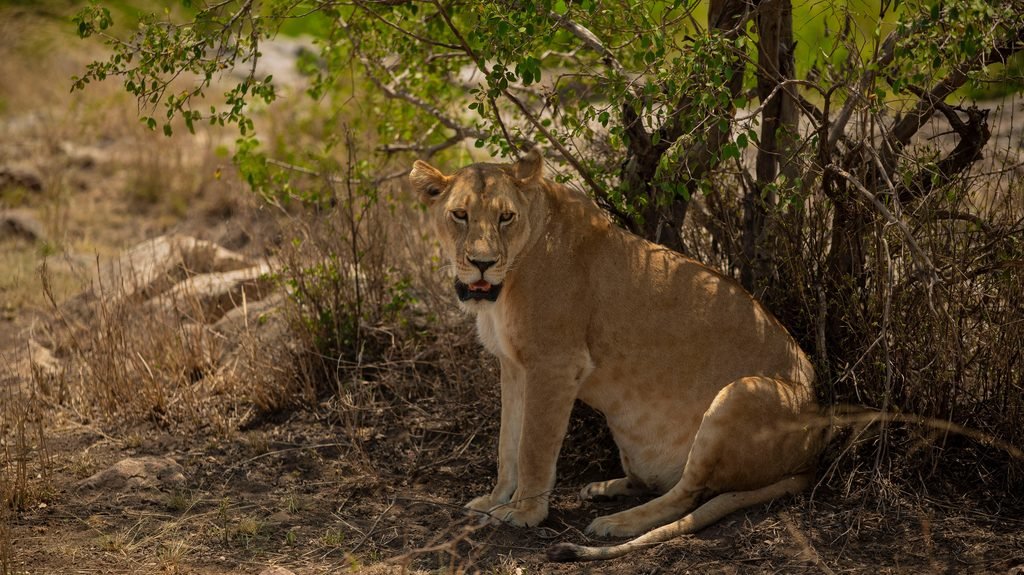
Day 5: Another Full Day in Serengeti – Wildlife Photography and Predator Tracking
Destination: Serengeti National Park
Main activity: Full-day game drive
Accommodation: Budget campsite or affordable tented camp
A second full day in Serengeti provides valuable flexibility because wildlife sightings can vary significantly from one day to another. Rather than rushing toward the next destination, you have more time to explore different sections of the park and return to areas where interesting animal activity has been observed. Your driver-guide will plan the day’s route according to current conditions and the wildlife species you are most interested in seeing.
The Serengeti’s open landscapes provide opportunities to observe the relationships between grazing animals and predators. Wildebeest and zebras may be seen feeding together, while lions, cheetahs and other carnivores occupy suitable hunting territories. Watching animal behaviour can be just as rewarding as seeing a particular species, especially when your guide explains how wildlife adapts to changing seasons, competition and environmental conditions.
For photography enthusiasts, the additional day provides opportunities to work with different lighting conditions and spend more time observing wildlife without constantly changing accommodation. Early morning and late afternoon often provide softer light, while midday can be useful for exploring woodland habitats or observing animals near water sources. The exact route will depend on park regulations and the guide’s assessment of road and wildlife conditions.
After a full day of game viewing, you return to your accommodation for dinner. This is your final planned night in Serengeti, so you can enjoy the evening atmosphere before beginning the journey toward Ngorongoro the following day.
Meals: Breakfast, lunch and dinner
Overnight: Budget campsite or tented camp in Serengeti
Day 6: Serengeti to Ngorongoro Highlands – Morning Wildlife Drive
Destination: Serengeti and Ngorongoro highlands
Main activity: Morning game drive and scenic transfer
Accommodation: Budget campsite or lodge near Karatu or Ngorongoro
After breakfast, you begin the day with a final game drive in Serengeti National Park before traveling toward the Ngorongoro Conservation Area. Depending on the location of your accommodation and the permitted route, there may be opportunities to observe wildlife along the way. The morning drive provides another chance to encounter species that were less visible during the previous days, although sightings remain dependent on natural animal movements.
As you leave the Serengeti plains, the landscape gradually changes toward the Ngorongoro highlands. The journey passes through areas of open grassland, rolling hills and higher-elevation vegetation. Your guide will explain the conservation importance of the region and how the Serengeti ecosystem connects with the wider landscapes of northern Tanzania.
The Ngorongoro Conservation Area is different from a conventional national park because it combines wildlife conservation with a landscape that also supports permitted human activities and communities. Depending on the route and available time, you may have opportunities to appreciate views of the highlands and the crater area from designated viewpoints. Additional cultural visits or museum stops can be arranged separately where appropriate, but they should not be assumed to be included in a budget package.
By late afternoon, you arrive at your accommodation near Karatu or the Ngorongoro area. Staying in affordable accommodation outside the most expensive safari properties can help reduce the total cost, although travel distances and crater access arrangements must be considered carefully. After dinner, you prepare for an early start and the following day’s Ngorongoro Crater game drive.
Meals: Breakfast, lunch and dinner
Overnight: Budget campsite or lodge
Day 7: Ngorongoro Crater Safari – Wildlife Inside a Volcanic Caldera
Destination: Ngorongoro Crater
Main activity: Crater game drive
Accommodation: Budget lodge or campsite near Karatu or Mto wa Mbu
After an early breakfast, you travel toward the Ngorongoro Crater entrance and complete the required conservation area and crater access procedures. The drive descends from the crater rim toward the floor of the volcanic caldera, revealing a landscape of grasslands, wetlands, woodland and open areas where wildlife can often be observed. Ngorongoro is one of Tanzania’s most recognizable safari destinations because of its scenery and concentration of wildlife within a relatively contained area.
During the game drive, you may encounter zebras, wildebeest, buffaloes, gazelles, elephants, lions and other species. The crater is also known as an important habitat for black rhinoceroses, although sightings are not guaranteed and the animals may be difficult to observe. Wetland areas support hippos and a variety of waterbirds, while the surrounding grasslands attract grazing animals and predators.
Your guide will follow designated tracks and select appropriate viewing areas according to animal activity and park regulations. A picnic lunch can be enjoyed at an authorized location during the excursion. Because crater access is regulated and the visit is subject to applicable permits and time limits, the day’s schedule must be planned carefully.
After completing the crater game drive, you ascend toward the rim and continue to your budget accommodation in the Karatu or Mto wa Mbu area. The evening provides an opportunity to rest and prepare for the final wildlife destination of the safari, Lake Manyara National Park.
Meals: Breakfast, lunch and dinner
Overnight: Budget lodge or campsite
Day 8: Lake Manyara National Park – Return to Arusha
Destination: Lake Manyara National Park and Arusha
Main activity: Morning or midday game drive and return transfer
Accommodation: Not included unless specified in the quotation
After breakfast, you travel to Lake Manyara National Park, located beneath the dramatic escarpment of the Great Rift Valley. Although the park is smaller than Serengeti or Tarangire, it contains a remarkable variety of habitats, including groundwater forest, acacia woodland, open floodplains and lakeshore environments. This diversity makes it an interesting final destination for an eight-day northern Tanzania safari.
During the game drive, you may observe elephants, buffaloes, giraffes, zebras, monkeys and numerous bird species. Lake Manyara is also known for its tree-climbing lions, although these animals are not guaranteed to be seen during every visit. Seasonal water levels influence the distribution of flamingos and other waterbirds, so the appearance of the lakeshore can change considerably throughout the year.
Your driver-guide will explore suitable game-viewing routes while explaining the park’s vegetation, wildlife habitats and relationship with the surrounding Rift Valley landscape. Depending on the departure schedule, you may enjoy a picnic lunch before leaving the park and beginning the journey back to Arusha. Travelers with evening flights should confirm the available transfer time carefully, as road conditions and park exit arrangements can affect the schedule.
Upon arrival in Arusha, your eight-day budget Tanzania safari comes to an end. Depending on your onward plans, you may continue to Kilimanjaro International Airport, spend another night in Arusha or extend your holiday to Zanzibar or another destination.
Meals: Breakfast and lunch, subject to confirmed arrangements
End of safari: Arusha
8-Day Tanzania Budget Safari Itinerary Summary
| Day | Destination | Overnight |
|---|---|---|
| 1 | Arrival in Arusha | Arusha |
| 2 | Tarangire National Park | Tarangire area / Mto wa Mbu / Karatu |
| 3 | Transfer to Serengeti and game viewing | Serengeti |
| 4 | Full-day Serengeti game drive | Serengeti |
| 5 | Second full-day Serengeti game drive | Serengeti |
| 6 | Serengeti to Ngorongoro highlands | Karatu / Ngorongoro area |
| 7 | Ngorongoro Crater game drive | Karatu / Mto wa Mbu |
| 8 | Lake Manyara National Park and Arusha | End of safari |
How Much Does an 8-Day Budget Tanzania Safari Cost in 2027?
The cost of an eight-day budget safari depends on several factors, including the number of travelers, accommodation category, park fees, travel season and whether the safari is private or shared. Public camping is generally more affordable than staying in luxury tented camps, while a group-sharing safari may reduce the transport and guiding cost per person.
However, Tanzania’s major wildlife destinations have mandatory park and conservation charges, and Ngorongoro Crater access involves additional regulated fees. These costs form a significant part of the safari budget, regardless of the accommodation selected. For this reason, travelers should be cautious about packages advertised at unusually low prices without clear explanations of what is included.
For 2027, exact package prices should be confirmed through a written quotation because future park tariffs, accommodation rates and operating expenses may change. Eddy Tours & Safaris can provide a quotation based on your group size, preferred travel dates and accommodation requirements.
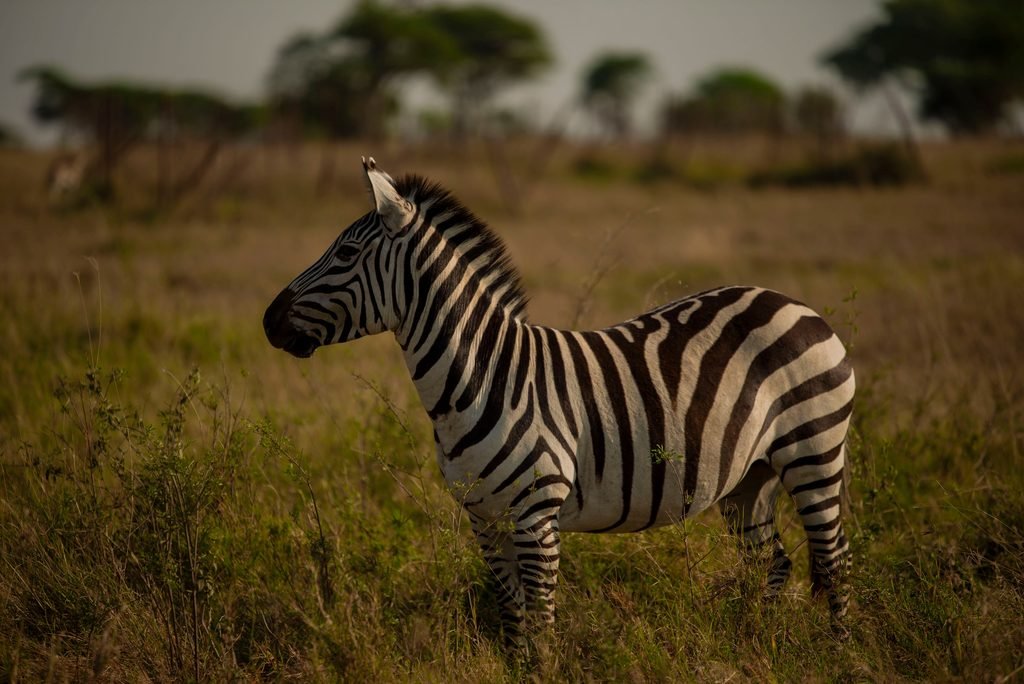
Budget Camping Safari Versus Affordable Lodge Safari
A budget camping safari is often the most economical way to visit Tanzania’s northern national parks. Travelers stay at designated campsites, usually in tents, while the safari team organizes meals and camping arrangements according to the selected package. This style of travel appeals to visitors who enjoy spending time outdoors and are comfortable with shared or basic facilities.
An affordable lodge safari provides a different level of comfort, with accommodation in modest lodges, guesthouses or lower-priced tented camps. These properties may offer private rooms, beds and additional facilities, although standards vary considerably. Staying outside premium wildlife areas can reduce accommodation costs, but it may also increase driving time between the lodge and the park entrance.
Neither option automatically provides better wildlife viewing. The quality of the safari depends on the guide, time available for game drives, location of accommodation, road conditions and natural wildlife activity. Travelers should compare the complete itinerary rather than choosing accommodation solely because it is described as budget-friendly.
What Is Included in an 8-Day Budget Tanzania Safari?
The exact package inclusions depend on the confirmed quotation. A typical organized budget safari may include transport in a suitable safari vehicle, a professional English-speaking driver-guide, scheduled game drives, required park entry fees, accommodation, meals during the safari and drinking water according to the package arrangements.
For camping safaris, the package may also include tents, mattresses, camping equipment and meal preparation by the safari team. Affordable lodge packages usually include accommodation and meals according to the selected board basis. Airport transfers, arrival accommodation and additional activities should be clearly identified in the quotation rather than assumed to be included.
Common exclusions may include international flights, Tanzania visa fees, travel insurance, alcoholic drinks, personal expenses, gratuities, optional cultural activities and accommodation after the safari. Travelers should review all inclusions and exclusions carefully before making a booking payment.
Best Time for a Budget Tanzania Safari in 2027
Tanzania’s northern wildlife parks can be visited throughout the year, but the safari experience changes with rainfall, vegetation and animal movements. June to October is generally associated with drier conditions in much of northern Tanzania, making it a popular period for wildlife viewing. Animals may concentrate around available water sources in some areas, while vegetation can become less dense in certain habitats.
January to March can also provide excellent wildlife experiences, particularly for travelers interested in the southern Serengeti ecosystem and the seasonal wildebeest calving period. However, an itinerary based in central Serengeti should not be presented as a guaranteed calving safari, because the main herds may be located elsewhere depending on rainfall and grazing conditions.
April and May are commonly associated with heavier rainfall, while November and December may experience shorter seasonal rains. These periods can sometimes offer more affordable accommodation options, although muddy roads and changing wildlife movements may affect travel plans. Travelers should choose their dates according to the wildlife experiences they prefer rather than assuming that one season is best for every destination.
How to Save Money on a Tanzania Safari Without Sacrificing the Experience
One of the most effective ways to reduce safari costs is to travel with a small group and share the vehicle and guiding expenses. Private safaris provide flexibility, but the per-person cost can be higher when only one or two travelers are participating. Group-sharing arrangements may offer better value, provided the itinerary, accommodation and departure dates match your preferences.
Choosing public camping or modest lodges is another practical way to control costs. Luxury accommodation can account for a substantial part of the total safari price, particularly in Serengeti and near Ngorongoro. Travelers who prioritize wildlife viewing over premium facilities may prefer to spend more of their budget on park visits and sufficient time in the field.
It is also worth comparing itineraries carefully. A package that appears cheaper may include fewer game drives, shorter park visits or accommodation located far from the main wildlife areas. Request a clear daily itinerary showing the planned destinations, overnight locations, meals and park access arrangements so that you understand the value of the package before booking.
Wildlife You May See During This Safari
An eight-day northern Tanzania safari offers opportunities to observe a wide variety of wildlife species. Tarangire is particularly associated with elephants, giraffes, zebras and antelopes, while Serengeti supports numerous grazing animals and predators. Ngorongoro Crater provides opportunities to see large mammals within its volcanic landscape, and Lake Manyara is known for its forest habitats, birdlife and seasonal lakeshore wildlife.
The Big Five—lion, leopard, elephant, buffalo and rhinoceros—are among the animals many visitors hope to encounter. However, sightings are never guaranteed, particularly for leopards and rhinoceroses, which can be difficult to locate. A good safari guide will focus on responsible wildlife observation rather than promising particular species or encouraging unsafe approaches to animals.
Birdwatchers can also enjoy the variety of habitats included in the itinerary. Waterbirds, raptors, hornbills, storks and many other species may be observed depending on the destination and season. Travelers interested in photography should bring suitable camera equipment and allow time to observe animal behaviour rather than focusing only on collecting photographs of famous species.
What to Pack for an 8-Day Budget Tanzania Safari
Packing for a Tanzania safari should focus on comfort, practicality and protection against changing weather conditions. Lightweight clothing in neutral colours is useful during warm days, while a warm jacket or fleece can be helpful during early morning game drives and evenings in the Ngorongoro highlands. Comfortable closed shoes, a sun hat, sunglasses and sunscreen are also important.
Travelers should bring personal medication, insect repellent, a reusable water bottle, a camera and suitable charging equipment. Binoculars can make wildlife observation more enjoyable, particularly when animals are resting at a distance or birds are difficult to identify. A small daypack is useful for keeping personal items organized inside the safari vehicle.
For camping safaris, confirm whether sleeping bags, towels and other personal camping items are included or must be supplied separately. Luggage restrictions may apply depending on the vehicle and accommodation arrangements, so travelers should request guidance before departure.
Frequently Asked Questions About an 8-Day Budget Tanzania Safari
1. Is eight days enough for a Tanzania safari?
Yes. Eight days can provide a well-balanced itinerary covering several major northern Tanzania wildlife destinations.
2. Is Tanzania suitable for budget travelers?
Yes. Budget camping and affordable lodge options can make a Tanzania safari more accessible, although park fees remain a significant cost.
3. Which parks are included in this itinerary?
Tarangire, Serengeti, Ngorongoro Crater and Lake Manyara.
4. How many nights are included?
The itinerary includes seven nights of accommodation.
5. Does the safari begin in Arusha?
Yes. This sample itinerary begins and ends in Arusha.
6. Can I start from Kilimanjaro International Airport?
Airport transfers can be arranged according to your confirmed travel plans.
7. Is Serengeti included in the budget safari?
Yes. The itinerary includes three nights in Serengeti.
8. Will I see the Great Wildebeest Migration?
You may encounter migrating herds depending on the season and their location, but sightings are not guaranteed.
9. Can I see the Big Five?
The itinerary visits areas where the Big Five occur, but seeing all five species cannot be guaranteed.
10. Is Ngorongoro Crater included?
Yes. A crater game drive is planned for day seven.
11. Is Tarangire good for elephants?
Yes. Tarangire is particularly well known for its elephant populations.
12. Can I see tree-climbing lions in Lake Manyara?
They occur in the park, but sightings depend on animal movements and conditions.
13. Is a camping safari cheaper than a lodge safari?
Camping is generally more affordable, although the exact difference depends on the package.
14. Are budget safaris safe?
A properly organized safari should use suitable vehicles, professional guides and appropriate safety procedures.
15. Can I book a private budget safari?
Yes. A private budget safari can be arranged, subject to quotation and availability.
16. Can solo travelers join a group safari?
Group-sharing options may be available for suitable dates, subject to confirmation.
17. What is the best time to visit Serengeti?
Serengeti offers wildlife viewing throughout the year, but the location of the migration changes seasonally.
18. Can I travel during the rainy season?
Yes, although weather and road conditions may affect the itinerary.
19. Are park fees included?
They can be included in the package, but this must be confirmed in writing.
20. Are meals included?
Meals are generally included during the main safari days, subject to the confirmed accommodation and package arrangements.
21. Is travel insurance necessary?
Travel insurance covering medical emergencies, trip interruptions and other relevant risks is strongly recommended.
22. Can families book this safari?
Yes. The itinerary can be adapted for families, depending on the children’s ages and accommodation preferences.
23. Can I extend the safari to Zanzibar?
Yes. Zanzibar beach holidays can be arranged after the wildlife safari.
24. How much does the safari cost in 2027?
The price depends on travel dates, group size, accommodation and applicable fees. Request a current quotation.
25. How do I book with Eddy Tours & Safaris?
Contact the team with your preferred travel dates, number of travelers and accommodation requirements.
Book Your 8-Day Budget Tanzania Safari for 2027 with Eddy Tours & Safaris
An eight-day budget Tanzania safari offers a practical opportunity to explore some of the country’s most important wildlife destinations without choosing a luxury-priced holiday. From Tarangire’s elephant habitats to the Serengeti plains, the Ngorongoro Crater and Lake Manyara’s diverse landscapes, the itinerary combines several different wildlife environments within one journey.
The key to a successful budget safari is careful planning. Choosing appropriate accommodation, allowing enough time for game drives and understanding the full package cost can make a substantial difference to the experience. Whether you prefer camping or affordable lodges, the itinerary should be designed around your travel dates, group size and expectations rather than simply offering the lowest advertised price.
At Eddy Tours & Safaris, we help travelers organize budget-friendly Tanzania wildlife safaris for 2027. Our team can discuss accommodation options, private or shared safari arrangements, park visits and suitable travel dates before providing a detailed quotation.
Request Your 8-Day Budget Tanzania Safari Quotation
Chat with Eddy Tours & Safaris on WhatsApp
Email: sales@eddytours-safaris.com
Contact Eddy Tours & Safaris to plan an affordable Tanzania safari with a practical itinerary, responsible wildlife viewing and clear travel arrangements.