
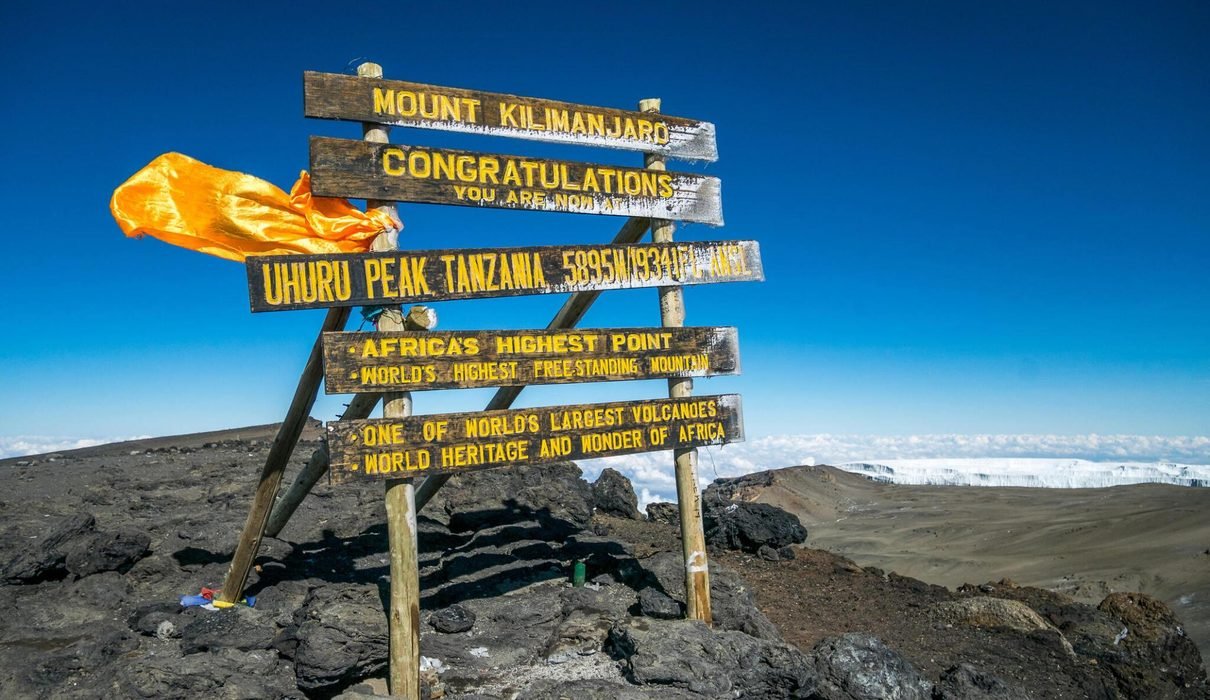
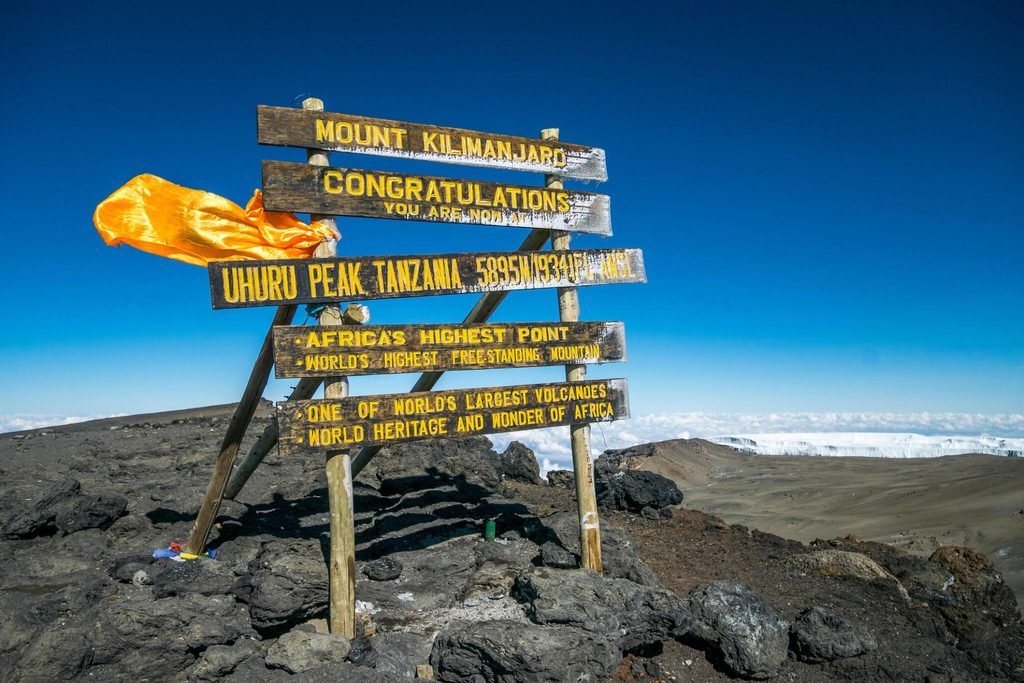
The 8-Day Lemosho Route Kilimanjaro Climb is one of the best options for travelers who want to reach Africa’s highest mountain while enjoying some of Tanzania’s most beautiful landscapes. Starting on the western side of Mount Kilimanjaro, the route takes climbers through thick rainforest, open moorland, the wide Shira Plateau, rocky mountain valleys, and the cold summit zone before reaching Uhuru Peak at 5,895 metres (19,341 feet) above sea level.
For anyone planning a Kilimanjaro climb in 2027 or 2028, the eight-day Lemosho itinerary offers a good balance between adventure, physical challenge, and time for acclimatization. Unlike shorter routes that require climbers to gain altitude quickly, this itinerary spreads the ascent across several days. You spend nights at Mti Mkubwa, Shira 1, Shira 2, Barranco, Karanga, and Barafu before making the final summit attempt and descending to Mweka Camp.
One of the reasons travelers choose Lemosho is the variety of scenery along the trail. The first two days pass through quieter western sections of the mountain, where forest and moorland gradually give way to the open Shira Plateau. Later, the route joins Kilimanjaro’s southern circuit, passing Lava Tower, Barranco Wall, and Karanga Valley before approaching the summit. Every stage offers a different view of the mountain and a new challenge.
At Eddy Tours & Safaris, we help travelers plan guided Kilimanjaro expeditions for 2027 and 2028, including route selection, mountain camping arrangements, transport, and preparation advice. This guide explains the full eight-day Lemosho itinerary, trekking distances, climbing difficulty, summit day, packing requirements, and everything you should consider before booking.
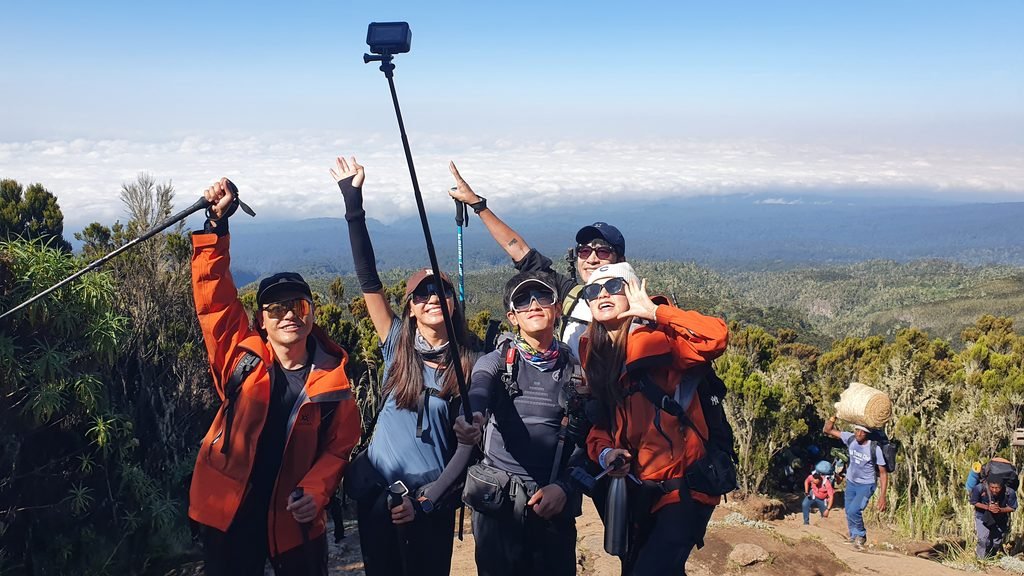
8-Day Lemosho Route Kilimanjaro Climb Overview
| Tour information | Details |
|---|---|
| Package name | 8-Day Lemosho Route Kilimanjaro Climb |
| Destination | Mount Kilimanjaro, Tanzania |
| Travel years | 2027 and 2028 |
| Duration | 8 trekking days and 7 mountain nights |
| Starting point | Lemosho trailhead via Londorossi Gate |
| Finishing point | Mweka Gate |
| Highest point | Uhuru Peak, 5,895 metres |
| Accommodation | Mountain camping in tents |
| Route difficulty | Challenging high-altitude trek |
| Approximate walking distance | 65–75 km, depending on trail variations |
| Main attractions | Rainforest, Shira Plateau, Lava Tower, Barranco Wall, Karanga Valley and Uhuru Peak |
| Summit approach | Barafu Camp via Stella Point |
| Descent route | Mweka Route |
| Departure town | Moshi, Tanzania |
| Price | Available on request |
The eight days refer to the time spent trekking on Kilimanjaro. Airport transfers and hotel accommodation before or after the climb can be included in a customized quotation.
Why Choose the 8-Day Lemosho Route?
The Lemosho Route is especially attractive because it begins on the western side of Kilimanjaro, away from some of the busier starting trails. During the early stages, climbers pass through forest and open mountain landscapes before reaching the Shira Plateau. This gives travelers an opportunity to enjoy the quieter side of the mountain before the route joins other popular trails higher up.
Another advantage is the eight-day climbing schedule. The itinerary includes separate nights at Shira 1 and Shira 2 Camps, allowing the journey across the plateau to be completed in shorter stages. It also includes an overnight stay at Karanga Camp before continuing to Barafu, rather than combining both stages into one long trekking day. These additional nights provide more time for acclimatization and rest, although they do not eliminate the risk of altitude sickness.
The route is also known for its changing scenery. Climbers experience rainforest, moorland, alpine desert, volcanic formations, and the high-altitude summit environment during the same expedition. The journey passes important landmarks such as Lava Tower and Barranco Wall, while the upper sections offer views toward Kibo and the surrounding mountain slopes when weather conditions are clear.
For physically prepared first-time climbers who have enough time available, eight-day Lemosho is one of the strongest routes to consider. It is also suitable for experienced hikers who prefer a longer mountain journey rather than a rushed ascent.
Complete 8-Day Lemosho Route Kilimanjaro Itinerary
The following itinerary follows the commonly used eight-day Lemosho schedule. Distances, elevations, and walking times are approximate and may vary according to the precise trail, campsite location, weather, and group pace.
Day 1: Moshi – Londorossi Gate – Lemosho Trailhead – Mti Mkubwa Camp
Starting elevation: Approximately 2,100–2,400 metres at the trailhead
Overnight elevation: Approximately 2,780 metres
Hiking distance: Approximately 6 km
Walking time: 3–4 hours
Habitat: Montane rainforest
Accommodation: Mti Mkubwa Camp
Your Kilimanjaro adventure begins in Moshi, where you meet your mountain guide and support crew before traveling toward Londorossi Gate on the western side of Mount Kilimanjaro. The drive passes through local villages, agricultural areas, and forested landscapes. At the gate, your guide completes the necessary park registration and entry procedures while the mountain crew organizes the food, camping equipment, and supplies needed for the expedition. After registration, you continue to the designated Lemosho trailhead, where the walking adventure begins.
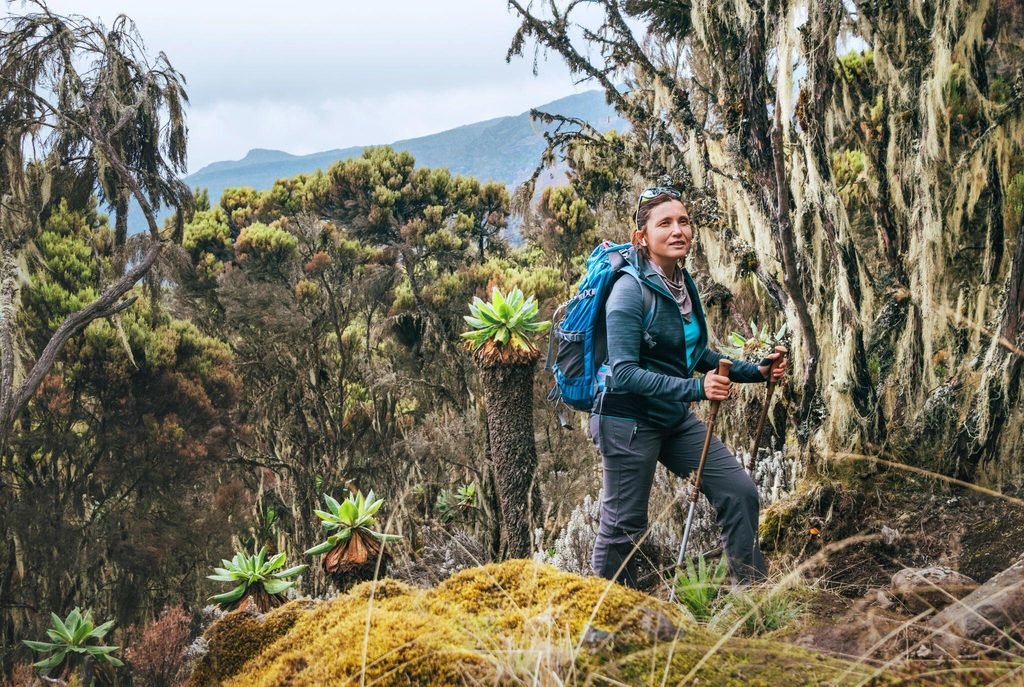
The first trekking stage takes you through beautiful montane rainforest, with tall trees, thick vegetation, and moss-covered branches surrounding the trail. This section of Kilimanjaro is known for its natural forest environment, and you may hear different bird calls or occasionally observe monkeys moving through the trees. Wildlife sightings are never guaranteed, but the forest offers an interesting introduction to the mountain’s biodiversity. The trail gradually climbs uphill, and some sections may become muddy after rainfall.
Because the first day’s walk is relatively short, it provides a useful opportunity to settle into the mountain routine. Your guide will encourage a slow, comfortable pace and explain the importance of conserving energy during the expedition. Even though you are still at a comparatively moderate elevation, it is important to begin drinking appropriately, eating regularly, and reporting any unusual symptoms.
By afternoon, you reach Mti Mkubwa Camp, also known as Big Tree Camp, where the support crew prepares the tents and evening meal. After settling into your accommodation, you can relax and enjoy the forest surroundings before dinner. Your guide will explain the following day’s climb toward Shira 1 Camp and discuss the gradual changes in altitude and terrain.
Meals: Lunch and dinner
Overnight: Mti Mkubwa Camp
Day 2: Mti Mkubwa Camp – Shira 1 Camp
Starting elevation: Approximately 2,780 metres
Overnight elevation: Approximately 3,500 metres
Hiking distance: Approximately 8 km
Walking time: 5–6 hours
Habitat: Rainforest transitioning to heath and moorland
Accommodation: Shira 1 Camp
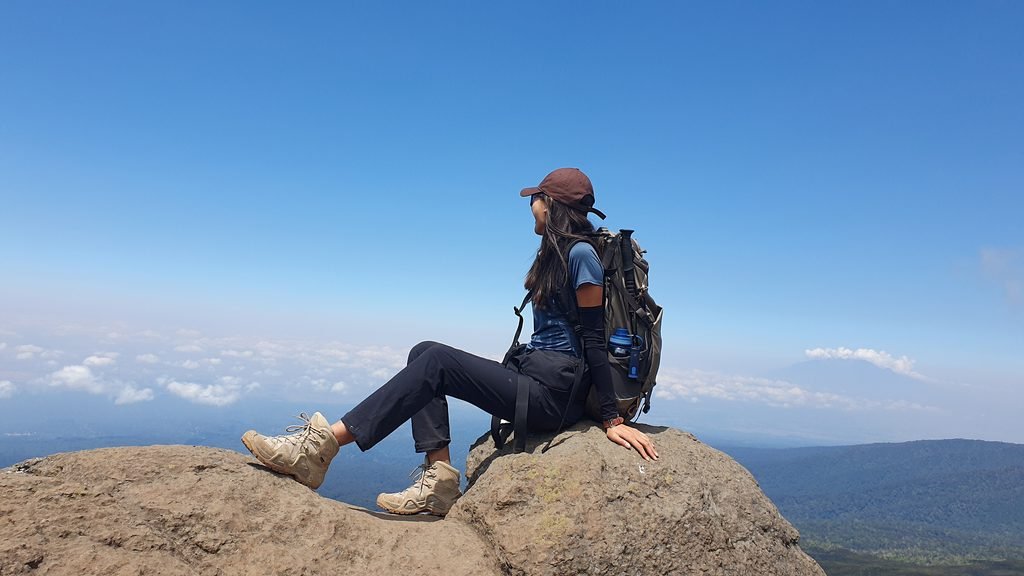
After breakfast at Mti Mkubwa Camp, you continue uphill through the remaining forest before gradually entering the heath and moorland zone. The tall trees become less common, and the surrounding vegetation changes to heather, shrubs, grasses, and other plants adapted to cooler mountain conditions. As you gain elevation, the trail becomes more open, allowing you to appreciate the changing landscape on Kilimanjaro’s western slopes.
The second day’s trek involves a steady ascent, with some steeper sections that require patience and controlled walking. You may begin to notice the effects of altitude as the trail rises above 3,000 metres. Walking can feel more demanding, especially during uphill sections, so your guide will encourage regular short breaks and a comfortable pace. There is no advantage in reaching camp quickly if doing so leaves you unnecessarily exhausted.
As you approach the Shira Plateau, the landscape becomes wider and more exposed. The plateau forms part of Kilimanjaro’s ancient volcanic structure and offers impressive views of the surrounding highland terrain. When the weather is clear, Kibo may be visible in the distance, providing a reminder of the summit you are gradually approaching.
You arrive at Shira 1 Camp in the afternoon, where the support team prepares the camping area and meals. This is an important stage because the sleeping elevation is now approximately 3,500 metres. Your guide will continue monitoring how you respond to the altitude, and you should report any headache, nausea, dizziness, or unusual fatigue rather than assuming such symptoms are normal.
Meals: Breakfast, lunch and dinner
Overnight: Shira 1 Camp
Day 3: Shira 1 Camp – Shira 2 Camp
Starting elevation: Approximately 3,500 metres
Overnight elevation: Approximately 3,840–3,850 metres
Hiking distance: Approximately 7 km
Walking time: 3–5 hours
Habitat: Moorland and high-altitude plateau
Accommodation: Shira 2 Camp
The third day takes you across the Shira Plateau toward Shira 2 Camp. Compared with some of the steeper sections experienced earlier, this stage is generally more gradual, allowing climbers to enjoy the open mountain landscape while continuing to gain elevation. The trail crosses broad volcanic terrain with low vegetation, rocky sections, and views of the surrounding slopes when visibility is good.
One of the main benefits of the eight-day Lemosho itinerary is the separate overnight stay at Shira 1 before continuing to Shira 2. Instead of completing the entire crossing in one long day, the journey is divided into shorter stages. This provides more time at intermediate elevations, although the climb still involves substantial altitude gain over the first three days and should not be considered risk-free.
Depending on your guide’s assessment, the weather, and the group’s condition, the day may include an optional short acclimatization walk. Some itineraries offer a detour toward the Shira Cathedral area, but this should only be undertaken when it fits the planned route and is appropriate for the group. The main objective is to reach Shira 2 Camp without unnecessary fatigue and allow time to rest before the following day’s higher-altitude trek.
By afternoon, you settle into Shira 2 Camp, where the mountain crew prepares meals and camping arrangements. The evening can be cold, and temperatures often fall quickly after sunset. Your guide will explain the next day’s journey toward Lava Tower and Barranco Camp, which is an important stage of the acclimatization schedule.
Meals: Breakfast, lunch and dinner
Overnight: Shira 2 Camp
Day 4: Shira 2 Camp – Lava Tower – Barranco Camp
Starting elevation: Approximately 3,840–3,850 metres
Highest point: Lava Tower, approximately 4,600–4,630 metres
Overnight elevation: Approximately 3,960 metres
Hiking distance: Approximately 10 km
Walking time: 6–8 hours
Habitat: Alpine desert and high-altitude valleys
Accommodation: Barranco Camp
Day four is one of the most important stages of the Lemosho Route because you climb to a higher elevation before descending to sleep at Barranco Camp. After breakfast, you leave Shira 2 and continue toward Lava Tower, following a trail that becomes increasingly rocky and exposed. Vegetation becomes sparse as the altitude increases, and the landscape begins to resemble a high mountain desert.
The ascent toward Lava Tower is demanding because you reach approximately 4,600 metres above sea level. At this altitude, reduced oxygen availability can make walking noticeably harder, even for climbers who have trained regularly before departure. Your guide will encourage a slow pace and observe how the group responds to the elevation. Any symptoms of altitude illness should be reported promptly, particularly if they become more severe during the ascent.
After reaching the Lava Tower area, you descend toward Barranco Valley. This section is often described as an opportunity to climb higher during the day and sleep lower at night. Such an elevation profile can support acclimatization, but it does not guarantee that your body will adjust successfully. The descent takes you through changing mountain scenery, with unusual vegetation appearing as you approach the lower valley.
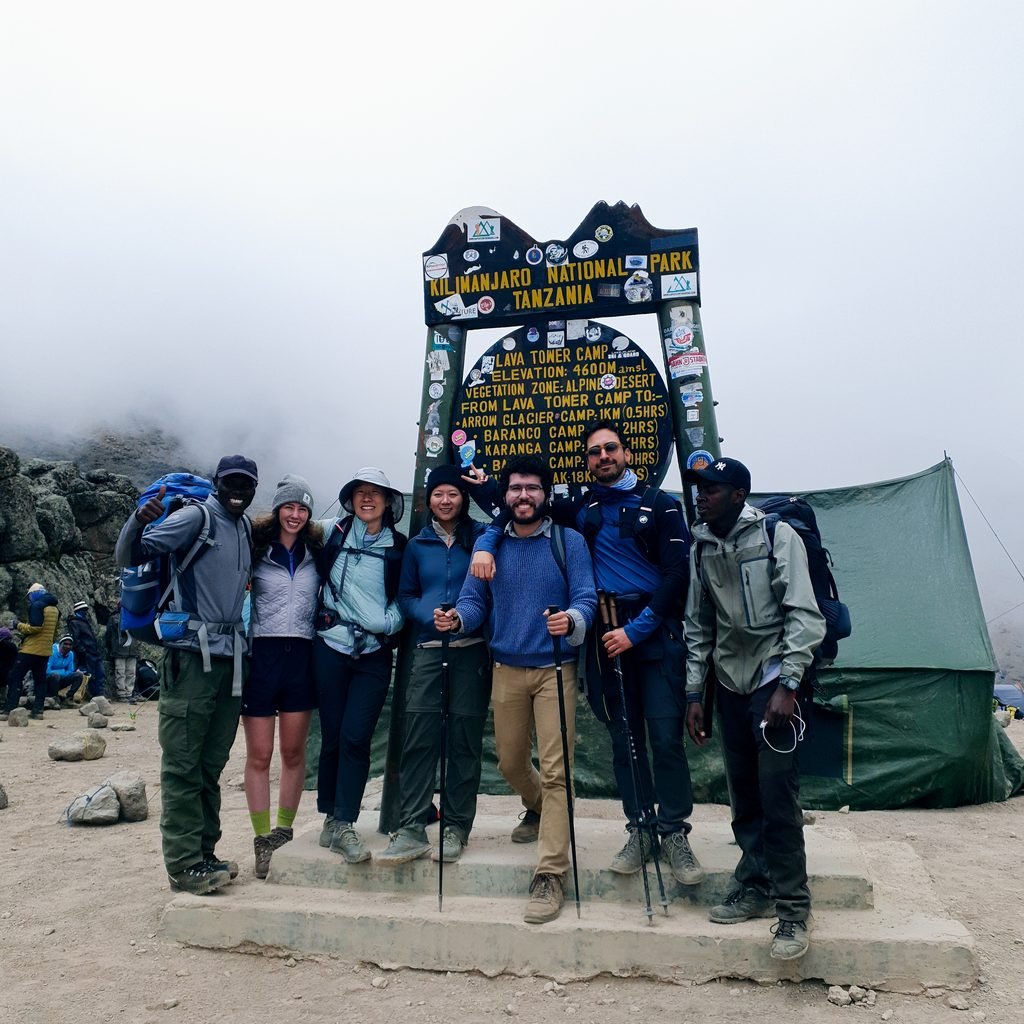
Barranco Camp sits beneath the impressive Barranco Wall, one of the most recognizable landmarks on Kilimanjaro’s southern circuit. The surrounding area contains dramatic volcanic formations and giant groundsels that thrive in the high-altitude environment. After dinner, your guide will explain the next day’s ascent of Barranco Wall and the route toward Karanga Camp.
Meals: Breakfast, lunch and dinner
Overnight: Barranco Camp
Day 5: Barranco Camp – Barranco Wall – Karanga Camp
Starting elevation: Approximately 3,960 metres
Overnight elevation: Approximately 3,995–4,035 metres
Hiking distance: Approximately 5 km
Walking time: 4–5 hours
Habitat: Alpine desert
Accommodation: Karanga Camp
After breakfast, you leave Barranco Camp and begin climbing the famous Barranco Wall. This steep rocky section is one of the most memorable parts of the Lemosho Route because it involves careful scrambling along an established mountain trail. At certain points, you may need to use your hands for balance while stepping over rocks or moving along narrow sections. Although technical rock-climbing equipment is not normally required, the ascent demands concentration and careful footing.
Your mountain guides will assist the group through the appropriate sections and help maintain a safe walking pace. Once you reach the top of Barranco Wall, the trail continues across a series of ridges and valleys, offering views of the surrounding mountain landscape when the weather is clear. The route then descends into Karanga Valley before climbing again toward Karanga Camp.
This is a relatively short trekking day compared with the longer stages of the expedition, and the overnight stay at Karanga is an important feature of the eight-day itinerary. Rather than continuing directly to Barafu Camp, you have additional time to rest and prepare for the final ascent. Your guide may also recommend a short acclimatization walk if conditions and your health permit.
By afternoon, you arrive at Karanga Camp, where the support crew prepares lunch or refreshments and the evening meal. The campsite provides an opportunity to relax, review your equipment, and discuss the following day’s walk toward Barafu. Because you are now approaching the final stages of the expedition, conserving energy and communicating honestly about your health are particularly important.
Meals: Breakfast, lunch and dinner
Overnight: Karanga Camp
Day 6: Karanga Camp – Barafu Camp
Starting elevation: Approximately 3,995–4,035 metres
Overnight elevation: Approximately 4,640–4,670 metres
Hiking distance: Approximately 4 km
Walking time: 3–5 hours
Habitat: Alpine desert
Accommodation: Barafu Camp
After breakfast at Karanga Camp, you begin the ascent toward Barafu Camp, the main summit base used by climbers approaching Uhuru Peak from Kilimanjaro’s southern circuit. The trail passes through exposed rocky terrain, where vegetation is extremely limited and the surrounding landscape is dominated by volcanic rock and steep mountain slopes. Although the distance is relatively short, the increasing altitude can make the walk physically demanding.
Your guide will maintain a slow pace and encourage regular breaks to avoid unnecessary exhaustion. The main objective is to reach Barafu Camp with enough energy remaining for the summit attempt. When the weather is clear, you may enjoy views toward Mawenzi and the upper slopes of Kibo, although visibility can change quickly as clouds move across the mountain.
Upon arrival at Barafu Camp, the mountain crew prepares the tents and an early meal. Your guide will explain the summit-night arrangements, including the expected departure time, suitable clothing, headlamp preparation, and safety procedures. You should organize your equipment carefully so that everything you need is easily accessible when the group prepares to leave during the night.
The afternoon and evening are generally reserved for rest because the summit attempt often begins around midnight. Sleep can be difficult at this elevation, but remaining relaxed and avoiding unnecessary physical activity is important. Your guide will assess your condition before departure, and any concerning altitude symptoms must be addressed rather than ignored.
Meals: Breakfast, lunch and dinner
Overnight: Barafu Camp
Day 7: Barafu Camp – Stella Point – Uhuru Peak – Mweka Camp
Starting elevation: Approximately 4,640–4,670 metres
Summit elevation: 5,895 metres
Overnight elevation: Approximately 3,100 metres
Hiking distance: Approximately 16–18 km
Walking time: Approximately 12–17 hours
Habitat: High-altitude summit zone and descending alpine terrain
Accommodation: Mweka Camp
Summit day begins during the night, usually around midnight, depending on the weather, group condition, and guide’s assessment. After putting on your warmest clothing and preparing your headlamp, gloves, water, and essential supplies, you leave Barafu Camp and begin ascending the steep slopes toward Stella Point. The trail becomes increasingly rocky, with loose volcanic scree in places, and the combination of darkness, cold temperatures, and high altitude makes the ascent particularly demanding.
At this elevation, walking slowly is essential because reduced oxygen availability makes even simple movements more tiring. Your guide will maintain a controlled pace and monitor the group’s condition throughout the ascent. Climbers may experience fatigue, headaches, nausea, or other altitude-related symptoms, and these must be reported immediately. Reaching the summit should never take priority over your health, and the guide may recommend stopping or descending if continuing would be unsafe.
After several hours of climbing, you approach Stella Point on the crater rim at approximately 5,756 metres. If the weather and your physical condition allow, you continue along the rim toward Uhuru Peak, the highest point on Mount Kilimanjaro. Reaching the summit is a major achievement, offering views of the surrounding high-altitude landscape when conditions are clear. Time at the summit is normally limited because of the extreme elevation, cold, and physical demands of the climb.
Following the summit attempt, you descend toward Barafu Camp, where you may have time to rest and eat before continuing down the Mweka Route. The descent is long and can be tiring after the demanding nighttime ascent, particularly on steep or loose terrain. By evening, you arrive at Mweka Camp at a much lower elevation, where the support crew prepares dinner and you spend your final night on the mountain.
Meals: Breakfast, lunch and dinner
Overnight: Mweka Camp
Day 8: Mweka Camp – Mweka Gate – Return to Moshi
Starting elevation: Approximately 3,100 metres
Finishing elevation: Approximately 1,640 metres
Hiking distance: Approximately 10 km
Walking time: 3–5 hours
Habitat: Montane rainforest
Accommodation: Not included unless specified in the quotation
After breakfast at Mweka Camp, you begin the final descent through Kilimanjaro’s rainforest. The trail leads downhill through dense vegetation, where tall trees and warmer temperatures replace the rocky alpine environment experienced during the previous days. Depending on the weather, the path may be wet or slippery, so it is important to continue walking carefully even though the most demanding part of the expedition is complete.
As you descend, the surrounding forest provides a noticeable contrast to the exposed upper mountain. The final walk gives you time to reflect on the journey, the changing landscapes, and the challenges you have faced throughout the eight days. Your guide will continue managing the group’s pace and ensuring that everyone reaches the park exit safely.
Upon arrival at Mweka Gate, your guide completes the required exit procedures. Climbers who meet the applicable summit requirements may receive the appropriate climbing certificate through the park’s established process. Your driver then transfers you back to Moshi, where you can rest, enjoy a shower, and prepare for your onward journey.
This marks the end of your eight-day Lemosho Route expedition. Depending on your travel arrangements, you may spend another night in Moshi, return home, or continue with a Tanzania wildlife safari or Zanzibar beach holiday arranged through Eddy Tours & Safaris.
Meals: Breakfast and lunch, subject to confirmed arrangements
End of expedition: Moshi
8-Day Lemosho Route Itinerary Summary
| Day | Trekking route | Approximate overnight elevation |
|---|---|---|
| 1 | Lemosho Trailhead – Mti Mkubwa Camp | 2,780 m |
| 2 | Mti Mkubwa – Shira 1 Camp | 3,500 m |
| 3 | Shira 1 – Shira 2 Camp | 3,850 m |
| 4 | Shira 2 – Lava Tower – Barranco Camp | 3,960 m |
| 5 | Barranco – Barranco Wall – Karanga Camp | 3,995–4,035 m |
| 6 | Karanga – Barafu Camp | 4,640–4,670 m |
| 7 | Barafu – Stella Point – Uhuru Peak – Mweka Camp | 3,100 m |
| 8 | Mweka Camp – Mweka Gate – Moshi | End of climb |
How Difficult Is the 8-Day Lemosho Route?
The eight-day Lemosho Route is a challenging high-altitude trek that requires physical endurance, suitable preparation, and the ability to walk for several consecutive days. Although technical mountaineering skills are not normally required on the standard trail, climbers must manage steep sections, rocky paths, cold temperatures, and the effects of reduced oxygen availability. The route includes several demanding stages, particularly the ascent toward Lava Tower, the Barranco Wall crossing, and the final summit attempt.
The eight-day schedule provides more time for acclimatization than shorter Lemosho itineraries, but it does not make the climb easy. Even experienced hikers may find the summit attempt exhausting because it combines extreme altitude, freezing conditions, and a long descent after reaching the crater rim or Uhuru Peak.
For many physically prepared beginners, eight-day Lemosho is a suitable route to consider because of its longer schedule and varied terrain. However, anyone planning to climb should prepare carefully, discuss relevant medical concerns with a qualified healthcare professional, and understand that altitude sickness can affect climbers regardless of fitness.
7-Day Versus 8-Day Lemosho Route: Which Is Better?
Both itineraries follow the same general western approach and southern circuit, but the eight-day version provides an additional day on the mountain. In the itinerary described here, climbers spend separate nights at Shira 1 and Shira 2 Camps, allowing the journey across the plateau to be completed in shorter stages. Some seven-day versions combine these early stages, while others remove the Karanga overnight stop, so it is important to compare the actual itinerary rather than relying only on the advertised duration.
For many first-time climbers, the eight-day version is generally preferable because it provides more time at intermediate elevations and avoids compressing the ascent unnecessarily. The additional day may also make the experience more comfortable by allowing shorter walking stages and more time for rest. However, neither itinerary guarantees reaching the summit, and the complete elevation profile remains important.
| Feature | 7-day Lemosho | 8-day Lemosho |
|---|---|---|
| Trekking days | 7 | 8 |
| Mountain nights | 6 | 7 |
| Acclimatization time | Less | More |
| Daily schedule | May combine some stages | More gradual |
| Shira Plateau | Often crossed more quickly | Separate Shira 1 and Shira 2 nights |
| General recommendation | Fit climbers with limited time | Preferable for many first-time climbers |
What Is the Summit Success Rate of the 8-Day Lemosho Route?
The eight-day Lemosho Route is often recommended because its longer itinerary provides additional opportunities for acclimatization. However, there is no single independently verified summit success percentage that applies to every climbing operator, season, or departure. Some companies advertise high success rates, but these figures should be supported by actual expedition records rather than treated as guaranteed results.
A meaningful summit success rate should explain how many climbers were included, the period covered, and whether reaching Uhuru Peak was required to count as a successful summit. Climbers should also understand that individual health, altitude response, weather, and guide decisions can influence the outcome of any expedition.
For 2027 and 2028, future summit success statistics cannot yet be calculated. Travelers should focus on selecting an appropriate itinerary and a responsible operator rather than relying on unsupported success guarantees.
Best Time to Climb the Lemosho Route in 2027 and 2028
Mount Kilimanjaro can be climbed throughout the year, although weather conditions vary by season. January to March and June to October are commonly popular climbing periods because they often experience relatively drier conditions. However, the mountain’s weather can change quickly, and climbers may encounter rain, strong winds, freezing temperatures, or poor visibility even during the most popular months.
April and May are generally associated with heavier rainfall, which can make rainforest trails muddy and slippery. November and December may also experience seasonal rainfall, although conditions vary between years. The western approach used by Lemosho can be particularly wet during rainy periods, so suitable waterproof clothing and footwear are important.
Travelers planning to climb in 2027 or 2028 should discuss their preferred departure dates with Eddy Tours & Safaris before booking international flights. Exact availability, package prices, and applicable park fees should be confirmed through a written quotation.
What Is Included in the 8-Day Lemosho Kilimanjaro Package?
The exact services included in a Kilimanjaro climbing package depend on the confirmed quotation. A professionally organized expedition commonly includes the required Kilimanjaro National Park fees, authorized mountain guides, porters, a mountain cook, camping arrangements, meals during the trek, and transfers between Moshi and the park gates.
The mountain crew normally transports the main camping equipment and supplies while climbers carry personal daypacks containing water, snacks, rain protection, and other essential items. Group equipment may include sleeping tents, cooking facilities, and dining arrangements, depending on the selected package. Your operator should also explain the procedures used for monitoring climbers’ health and responding to emergencies.
Services commonly excluded unless specifically stated include international flights, Tanzania visa fees, travel insurance, personal hiking clothing and equipment, tips for the mountain crew, equipment rental, and hotel accommodation before or after the expedition. Optional Tanzania safari and Zanzibar holiday arrangements are generally quoted separately.
Before making a payment, request a written package description that clearly identifies every included and excluded service.
Essential Packing List for the 8-Day Lemosho Route
Climbers need suitable clothing and equipment for several different mountain environments. The lower rainforest may be warm and wet, while the higher camps can experience freezing temperatures and strong winds. A layered clothing system is therefore important because it allows you to adjust to changing conditions throughout the expedition without carrying unnecessary items in your daypack.
Recommended equipment includes waterproof hiking boots, moisture-wicking shirts, trekking trousers, thermal base layers, a warm fleece or insulated mid-layer, a substantial insulated jacket, waterproof outerwear, warm gloves, a hat, sunglasses, and a reliable headlamp. Trekking poles are particularly useful during steep descents and on loose volcanic terrain, while a comfortable daypack allows you to carry water, snacks, and essential personal supplies.
A suitable sleeping bag is also important because mountain nights can be very cold. Test your boots and clothing before departure, and request a detailed packing list from your tour operator to ensure that your equipment is appropriate for your chosen travel dates.
How to Prepare Physically for the 8-Day Lemosho Route
Preparing for Kilimanjaro should focus on developing endurance, strengthening the legs, and becoming comfortable with several consecutive days of walking. Regular hill hiking, stair climbing, cardiovascular exercise, and strength training can help prepare your body for the demands of the Lemosho Route. Training on uneven terrain is especially valuable because the expedition includes rocky trails, steep ascents, and long downhill sections.
For many first-time climbers, three to six months of consistent preparation is a useful starting point, although the exact training period depends on current fitness and hiking experience. Gradually increasing walking distance and elevation gain is generally more sensible than attempting extremely demanding workouts without sufficient recovery. Long hikes with a daypack can also help you become familiar with the physical effort required during the expedition.
However, physical fitness does not prevent altitude sickness. Even highly trained climbers can experience serious symptoms when ascending too quickly. For this reason, route selection, acclimatization time, and honest communication with your mountain guide remain essential parts of preparation.
Altitude Sickness and Safety on the Lemosho Route
Altitude sickness is one of the main risks associated with climbing Kilimanjaro. Symptoms may include headache, nausea, dizziness, unusual tiredness, poor appetite, and difficulty sleeping. More serious warning signs can include confusion, loss of coordination, or breathlessness at rest, which require urgent attention and may indicate a need for immediate descent.
The eight-day Lemosho itinerary includes several features that provide acclimatization opportunities, including the gradual crossing of the Shira Plateau, the ascent toward Lava Tower before descending to Barranco, and the overnight stay at Karanga Camp. However, even this longer schedule involves substantial elevation gain, and climbers should never assume that additional days completely remove the risk of altitude illness.
Before traveling, consult a qualified healthcare professional about high-altitude trekking, particularly if you have an existing medical condition or previous altitude-related symptoms. Appropriate travel insurance should cover trekking at Kilimanjaro’s elevation and emergency evacuation. On the mountain, your guide’s health assessments and safety decisions must always take priority over the planned summit attempt.
Can You Combine the Lemosho Route with a Tanzania Safari?
Yes. Many travelers combine their Kilimanjaro expedition with a wildlife safari in northern Tanzania. After completing the eight-day Lemosho Route, you can visit destinations such as Tarangire National Park, Serengeti National Park, Ngorongoro Crater, and Lake Manyara National Park. This allows you to experience both Tanzania’s mountain landscapes and its wildlife areas during the same holiday.
A three- to five-day safari can be a practical addition for travelers who have limited time, while longer itineraries provide opportunities to explore several parks at a more relaxed pace. Some visitors also choose to continue to Zanzibar for a beach holiday after their mountain and safari experiences.
It is important to allow appropriate recovery time after the climb, especially if you experienced significant exhaustion, injury, or altitude-related symptoms. Your onward travel arrangements should be planned according to your health and overall schedule.
Frequently Asked Questions About the 8-Day Lemosho Route
1. Is the 8-day Lemosho Route difficult?
Yes. It is a challenging high-altitude trek involving steep trails, changing weather conditions, and a demanding summit attempt.
2. Is eight days enough to climb Kilimanjaro?
The eight-day Lemosho itinerary provides useful acclimatization opportunities, although reaching the summit is never guaranteed.
3. Is Lemosho suitable for beginners?
Yes. Eight-day Lemosho is a strong option for physically prepared beginners who want a longer climbing schedule.
4. Where does the Lemosho Route begin?
The route begins on Kilimanjaro’s western side, with registration commonly completed at Londorossi Gate before reaching the Lemosho trailhead.
5. Where does the Lemosho Route finish?
The expedition descends through Mweka Camp and finishes at Mweka Gate.
6. What is the highest point of the Lemosho Route?
Uhuru Peak, at 5,895 metres above sea level.
7. How many nights do climbers spend on the mountain?
The eight-day itinerary includes seven mountain nights.
8. Does Lemosho include the Shira Plateau?
Yes. Climbers cross the Shira Plateau and spend nights at Shira 1 and Shira 2 Camps on this itinerary.
9. Does the Lemosho Route include Barranco Wall?
Yes. Climbers cross Barranco Wall on the fifth trekking day.
10. Is Barranco Wall technical climbing?
It normally involves nontechnical scrambling, but careful movement and guide assistance are important.
11. Does the eight-day itinerary include Karanga Camp?
Yes. Climbers spend the fifth night at Karanga Camp before continuing to Barafu.
12. What is the hardest day on Lemosho?
Summit day is usually the most demanding because of the altitude, cold, darkness, and long descent.
13. What is the Lemosho Route summit success rate?
There is no single independently verified percentage that applies to every operator or departure.
14. Is eight-day Lemosho better than seven-day Lemosho?
The eight-day itinerary generally provides more time for acclimatization and recovery.
15. Where do climbers sleep?
Climbers sleep in tents at designated mountain campsites.
16. Do I need technical mountaineering experience?
Technical mountaineering experience is not normally required on the standard Lemosho Route.
17. How cold is summit night?
Temperatures can fall well below freezing, particularly when wind and adverse weather are present.
18. How long does summit day take?
The ascent and descent commonly involve 12–17 hours of trekking or longer.
19. Can physical fitness prevent altitude sickness?
No. Fitness improves endurance but does not guarantee successful acclimatization.
20. What is the best time to climb Lemosho?
January to March and June to October are generally popular climbing periods.
21. Can I climb Lemosho during the rainy season?
Yes, but wet conditions can make trails slippery and the expedition less comfortable.
22. Do I need a professional mountain guide?
Yes. Kilimanjaro climbs require appropriate authorized guiding arrangements.
23. Can I rent hiking equipment in Moshi?
Equipment rental may be available, subject to local supplier availability.
24. Can I book the Lemosho Route for 2027 or 2028?
You can request a quotation and discuss suitable travel dates, subject to confirmation of availability and prices.
25. Can I combine Lemosho with a Serengeti safari?
Yes. A wildlife safari can be arranged after the climb, allowing suitable recovery time.
Book Your 8-Day Lemosho Route Kilimanjaro Climb for 2027–2028
The eight-day Lemosho Route offers a challenging and rewarding journey through some of Mount Kilimanjaro’s most impressive landscapes. From the rainforest near the western trailhead to the Shira Plateau, Lava Tower, Barranco Wall, Karanga Valley, and the final ascent toward Uhuru Peak, the itinerary provides a varied mountain experience for travelers who enjoy active trekking adventures.
The longer schedule is an important advantage of this route. Separate overnight stays at Shira 1 and Shira 2 Camps, together with the night at Karanga Camp, provide additional time for acclimatization and help divide the expedition into more manageable stages. However, the mountain remains challenging, and careful preparation, appropriate equipment, and professional guiding are essential.
At Eddy Tours & Safaris, we help travelers organize guided Kilimanjaro expeditions for 2027 and 2028. Our team can discuss Lemosho Route options, mountain accommodation, preparation requirements, and suitable travel arrangements before providing a detailed quotation.
Request Your 8-Day Lemosho Route Kilimanjaro Quotation
Chat with Eddy Tours & Safaris on WhatsApp
Email: sales@eddytours-safaris.com
Contact our team to plan your eight-day Lemosho Route expedition with suitable preparation, realistic expectations, and mountain safety as the priority.