

Climbing Mount Kilimanjaro is one of the most exciting challenges you can take on during a trip to Tanzania. Standing at 5,895 metres (19,341 feet), Kilimanjaro is Africa’s highest mountain and attracts hikers from around the world. However, reaching the summit requires more than physical fitness. Your body needs enough time to adjust to the decreasing oxygen levels as you climb higher.
The 8 Days Kilimanjaro Climb with Extra Time for Altitude Adjustment in 2027, 2028 and 2029 is designed for travellers who want a more gradual ascent rather than rushing to the summit. This itinerary follows the popular Lemosho Route, which offers beautiful scenery, varied landscapes and opportunities to acclimatize before attempting Uhuru Peak.
With Eddy Tours & Safaris, you can arrange an eight-day mountain adventure supported by experienced local guides, porters and a mountain cook. The additional trekking days allow you to enjoy the journey while giving your body more time to adapt to high altitude.
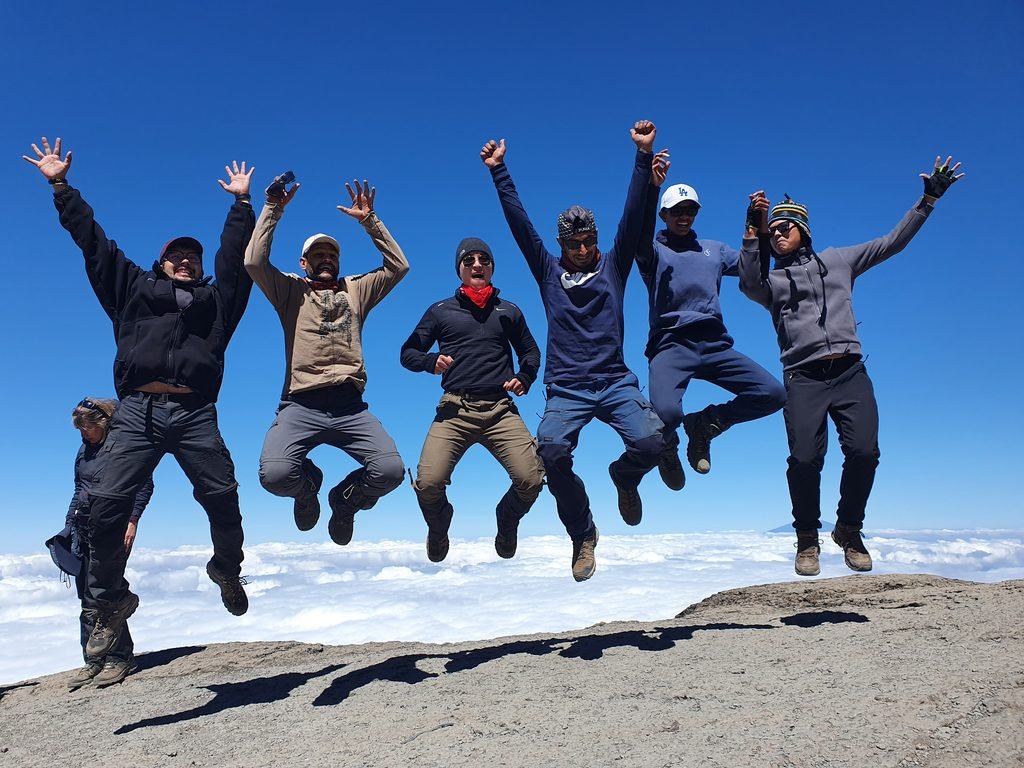
Why Choose an 8-Day Kilimanjaro Climb?
One of the biggest challenges when climbing Kilimanjaro is altitude sickness. As you ascend, the air pressure decreases, making less oxygen available to your body. Even strong and experienced hikers can experience altitude-related symptoms if they climb too quickly.
An eight-day itinerary provides more time for acclimatization than many shorter routes. The extra time also allows you to experience the mountain at a steadier pace, enjoy the scenery and recover between demanding sections.
The Lemosho Route is particularly suitable because it approaches Kilimanjaro from the western side and crosses several different ecological zones. Along the way, you will walk through rainforest, open moorland, volcanic landscapes and alpine desert before reaching the summit.
Although additional days can improve your chances of acclimatizing, they cannot guarantee a successful summit or prevent altitude sickness. Your guides will monitor your condition throughout the climb, and safety will always take priority over reaching the top.
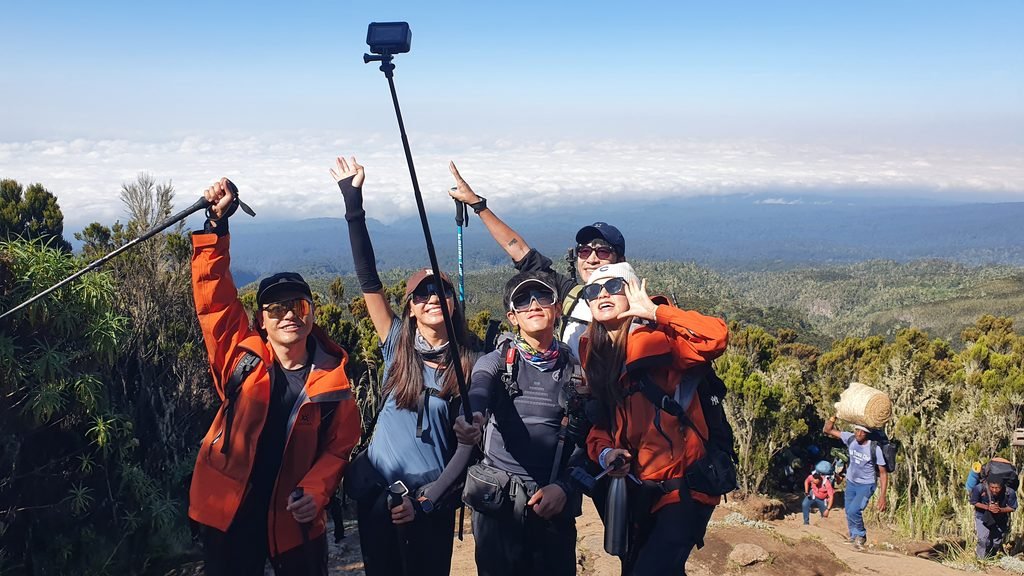
Overview of the 8 Days Kilimanjaro Climbing Itinerary
| Day | Route | Overnight altitude |
|---|---|---|
| Day 1 | Lemosho Gate to Mti Mkubwa Camp | 2,650 m |
| Day 2 | Mti Mkubwa to Shira 1 Camp | 3,610 m |
| Day 3 | Shira 1 to Shira 2 Camp | 3,850 m |
| Day 4 | Shira 2 via Lava Tower to Barranco Camp | 3,900 m |
| Day 5 | Barranco to Karanga Camp | 3,995 m |
| Day 6 | Karanga to Barafu Camp | 4,673 m |
| Day 7 | Barafu to Uhuru Peak, then Mweka Camp | 3,100 m |
| Day 8 | Mweka Camp to Mweka Gate | 1,640 m |
Altitudes are approximate and may vary slightly depending on the campsite measurements and trail arrangements.
Detailed 8 Days Kilimanjaro Climbing Itinerary for 2027–2029
Day 1: Lemosho Gate to Mti Mkubwa Camp
Your Kilimanjaro adventure begins with a transfer from your hotel in Moshi or Arusha to the western entrance of Kilimanjaro National Park. After registration and the necessary preparations, you will meet the mountain crew and begin walking through the rainforest.
This first section is surrounded by tall trees, thick vegetation and a variety of birds. You may also see black-and-white colobus monkeys in the forest. The walking pace is normally comfortable, allowing you to settle into the routine of mountain trekking.
You will arrive at Mti Mkubwa Camp in the afternoon, where your crew will prepare dinner and your overnight accommodation.
Trekking information: Approximately 6 km, 3–4 hours. Overnight at 2,650 metres.
Day 2: Mti Mkubwa Camp to Shira 1 Camp
After breakfast, you will leave the rainforest behind and gradually enter the moorland zone. The vegetation becomes shorter, and the trail begins to open up, offering impressive views of the surrounding mountains and valleys.
The route includes several uphill sections as you make your way towards the Shira Plateau. You will notice a significant change in the landscape, with giant heather, volcanic rock formations and wide mountain views replacing the dense forest of the previous day.
By the afternoon, you will reach Shira 1 Camp. This is one of the first places where the effects of higher altitude may become noticeable, so drinking enough water and maintaining a slow walking pace are important.
Trekking information: Approximately 8 km, 5–7 hours. Overnight at 3,610 metres.
Day 3: Shira 1 Camp to Shira 2 Camp
The third day is an important part of your acclimatization process. Instead of making a very large increase in sleeping altitude, you will walk across the Shira Plateau towards Shira 2 Camp.
The trail passes through open alpine moorland with views of Mount Meru in the distance on clear days. You will also enjoy a closer view of Kibo, the volcanic cone where Kilimanjaro’s highest summit is located.
The shorter distance gives you more time to rest after reaching camp. Your guide may recommend a gentle acclimatization walk depending on the weather, your condition and the group’s progress.
Trekking information: Approximately 10 km, 4–6 hours. Overnight at 3,850 metres.
Day 4: Shira 2 Camp to Lava Tower and Barranco Camp
This is one of the most valuable acclimatization days of the entire climb. You will leave Shira 2 Camp and gradually ascend towards Lava Tower, a prominent volcanic formation located at approximately 4,600 metres.
Reaching this altitude allows your body to experience thinner air before you descend to Barranco Camp for the night. This approach is often described as climb high, sleep low, an important principle in altitude acclimatization.
The scenery becomes more rugged as you pass through alpine desert terrain. After reaching the Lava Tower area, you will descend towards Barranco Valley, where giant groundsels and other unusual high-altitude plants grow.
You will spend the night at Barranco Camp, with views of the famous Barranco Wall and Kilimanjaro’s southern glaciers when conditions are clear.
Trekking information: Approximately 10 km, 6–8 hours. Highest point around 4,600 metres; overnight at 3,900 metres.
Day 5: Barranco Camp to Karanga Camp
The day begins with an ascent of the Barranco Wall, one of Kilimanjaro’s most recognizable trail sections. Although it looks steep from below, the route is generally a scramble rather than technical rock climbing. Your guide will help you navigate sections where using your hands is necessary.
After completing the wall, you will continue across ridges and valleys with excellent views of the mountain. The final section includes a descent into Karanga Valley followed by an uphill walk to Karanga Camp.
This is another relatively short trekking day, providing useful recovery time before the final approach to Barafu Camp. You will have the afternoon to rest, eat and prepare for the more demanding days ahead.
Trekking information: Approximately 5 km, 4–5 hours. Overnight at 3,995 metres.
Day 6: Karanga Camp to Barafu Camp
Today you will continue through the alpine desert towards Barafu Camp, the main summit base camp on this route. Vegetation becomes very limited, and the landscape is dominated by rocks, volcanic soil and exposed mountain slopes.
Although the walking distance is relatively short, the higher altitude makes the ascent more demanding. Your guide will encourage a slow pace to help conserve energy for the summit attempt.
After arriving at Barafu Camp, you will have lunch and receive a briefing about the summit climb. Your guide will explain the expected weather conditions, departure time, clothing requirements and safety procedures.
Most groups begin the summit attempt around midnight, although the exact schedule depends on conditions and the guide’s assessment. You will therefore have an early dinner and try to sleep before departure.
Trekking information: Approximately 4 km, 3–4 hours. Overnight/rest altitude around 4,673 metres.
Day 7: Barafu Camp to Uhuru Peak and Descent to Mweka Camp
This is the most challenging and rewarding day of the entire expedition. You will begin climbing in the darkness, following a steep trail towards Stella Point on the crater rim.
The ascent is physically demanding because of the cold temperatures, steep terrain and reduced oxygen availability. Your guide will maintain a slow and steady pace, with regular opportunities to assess how everyone is feeling.
After reaching Stella Point at approximately 5,756 metres, you will continue along the crater rim towards Uhuru Peak. At 5,895 metres, this is the highest point in Africa and the summit of Mount Kilimanjaro.
If conditions and your health allow, you will have time for photographs before beginning the long descent. You will return to Barafu Camp for a short rest and then continue down to Mweka Camp, where you will spend your final night on the mountain.
Trekking information: Approximately 17 km, 12–16 hours or more, depending on conditions. Summit altitude 5,895 metres; overnight at approximately 3,100 metres.
Day 8: Mweka Camp to Mweka Gate – Return to Moshi or Arusha
Your final day begins with breakfast at Mweka Camp before descending through the rainforest towards Mweka Gate. As you move to lower elevations, the air becomes warmer and the forest vegetation grows thicker.
At the gate, your mountain team will complete the necessary exit procedures. Climbers who have successfully reached the designated summit points may receive the appropriate climbing certificates.
After saying goodbye to the mountain crew, you will be transferred to your hotel in Moshi or Arusha. This marks the end of your eight-day Kilimanjaro climb, leaving you with the experience of crossing several mountain ecosystems and attempting one of the world’s most famous summits.
Trekking information: Approximately 10 km, 3–4 hours. Descent to approximately 1,640 metres.
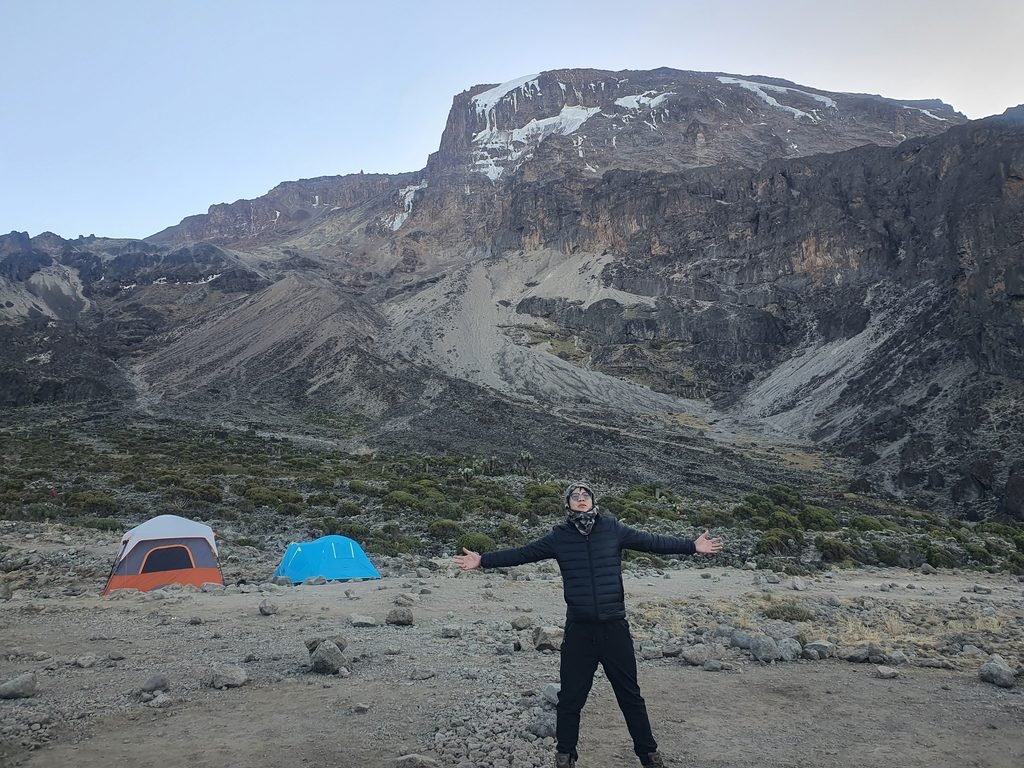
How Extra Acclimatization Time Helps on Kilimanjaro
Acclimatization is the process through which your body adjusts to lower oxygen availability at higher elevations. On Kilimanjaro, altitude becomes an important consideration because the summit is nearly 6,000 metres above sea level.
An eight-day Lemosho itinerary allows you to gain altitude gradually over several days. The route also includes an ascent to Lava Tower followed by a descent to a lower sleeping altitude, which provides a useful acclimatization opportunity.
However, it is important to understand that altitude sickness can affect anyone, regardless of age, fitness or previous hiking experience. Symptoms may include headache, nausea, dizziness, fatigue and loss of appetite. More serious symptoms, including confusion, difficulty walking straight or breathlessness at rest, require urgent attention.
Your guides should carry out regular health assessments and follow appropriate altitude-safety procedures. If serious symptoms develop, descending and obtaining medical care are more important than continuing towards the summit.
Best Time to Climb Kilimanjaro in 2027, 2028 and 2029
Choosing the right travel period can make a difference to your overall trekking experience. Kilimanjaro can be climbed throughout the year, but some months generally offer more favourable weather conditions than others.
| Travel period | Typical conditions |
|---|---|
| January–February | Often relatively dry, with good climbing opportunities |
| March–May | Long rainy season; wetter and potentially muddy trails |
| June–October | Generally drier conditions, with colder temperatures at altitude |
| November–December | Short rains are possible, with variable mountain conditions |
The most popular periods are generally January to February and June to October. However, Kilimanjaro’s weather can change quickly, and rain, snow, wind and freezing temperatures are possible at higher elevations at any time of year.
For 2027, 2028 or 2029 departures, it is advisable to arrange your preferred climbing dates early, particularly if you intend to travel during the busier months.
How Difficult Is the 8-Day Kilimanjaro Lemosho Route?
The eight-day Lemosho Route is a demanding high-altitude trek, but it does not normally require technical mountaineering skills. Most of the route involves walking on established mountain trails, with some steep and rocky sections.
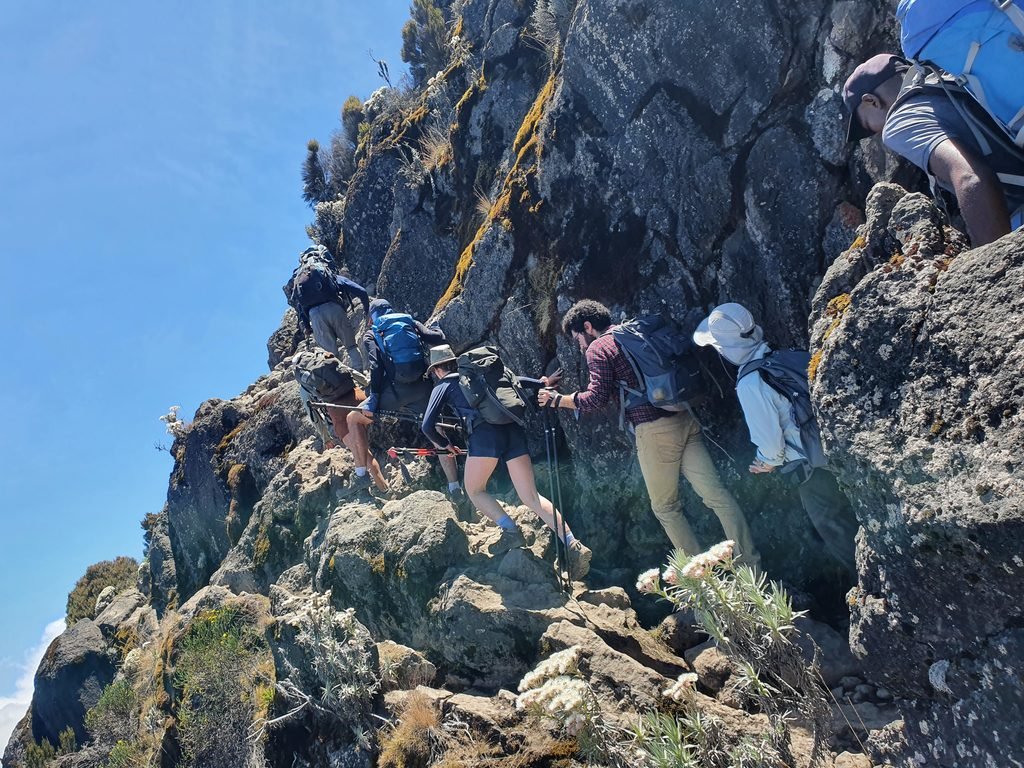
The Barranco Wall involves scrambling, while summit night requires a long ascent in cold conditions followed by an extended descent. These sections can be challenging even for hikers who have prepared well.
Good cardiovascular fitness, strong legs, endurance and mental preparation are important. Travellers who regularly hike, walk long distances or exercise may find it easier to manage the physical demands of the climb.
Before travelling, aim to build your fitness gradually through hill walking, stair climbing, longer hikes and other endurance activities. Practising with the boots and daypack you intend to use on Kilimanjaro is also helpful.
What Is Included in an 8-Day Kilimanjaro Climbing Package?
The exact inclusions depend on the quotation and arrangements confirmed with your tour operator. A typical fully supported eight-day Kilimanjaro package may include:
- Kilimanjaro National Park entry, camping and applicable rescue fees.
- Professional mountain guides, porters and a mountain cook.
- Camping accommodation and shared mountain equipment.
- Meals and drinking water during the climb.
- Transfers between the hotel and the mountain gates.
- Safety equipment and mountain health monitoring.
- Assistance with trip preparation and climbing arrangements.
International flights, Tanzania visas, travel insurance, personal climbing equipment, crew tips and hotel nights before or after the climb may be excluded unless specifically included in your quotation.
When booking with Eddy Tours & Safaris, request a written breakdown so you know exactly which services are covered.
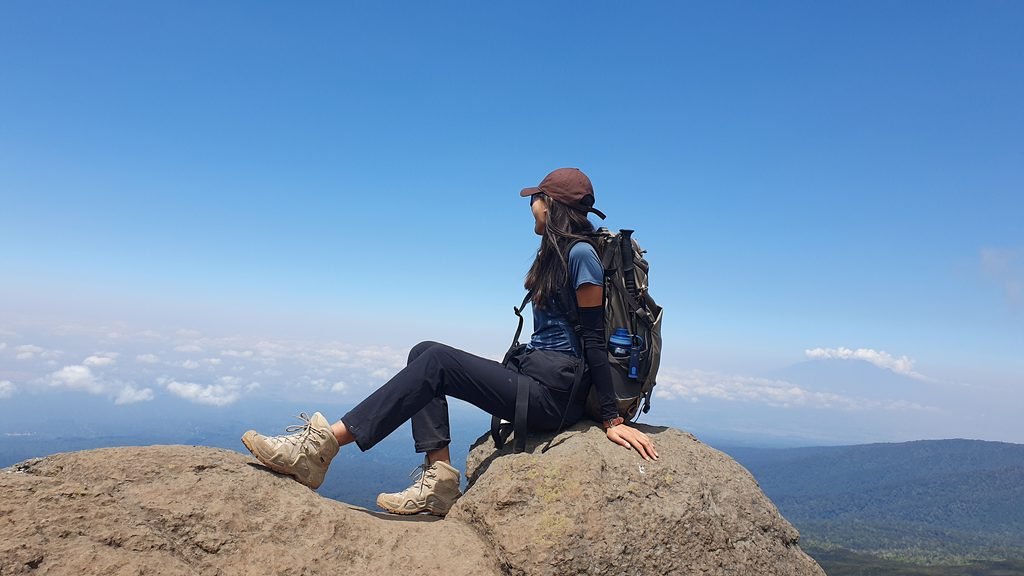
What to Pack for an 8-Day Kilimanjaro Climb
Packing correctly is essential because you will experience very different temperatures during the expedition. The lower slopes can be warm and humid, while summit night can be extremely cold.
You should bring insulated clothing, waterproof outer layers, thermal base layers, hiking trousers, warm gloves, a hat, comfortable waterproof hiking boots and suitable trekking socks. A warm sleeping bag, headlamp, sunglasses, sunscreen, reusable water bottles and a small daypack are also important.
Trekking poles can help reduce pressure on your knees, especially during the long descent from the summit. Your operator can advise which equipment may be available for rental in Moshi or Arusha.
Avoid carrying unnecessary items, and confirm the permitted luggage weight with your climbing company before departure.
How Much Does an 8-Day Kilimanjaro Climb Cost in 2027, 2028 and 2029?
The cost of an eight-day Kilimanjaro climb depends on several factors, including the number of climbers, the quality of equipment, crew arrangements, park fees, transport and accommodation before or after the climb.
A private climb for two people may cost more per person than a larger group departure because the expenses for guides, porters, equipment and transport are shared among fewer travellers.
Prices for 2027, 2028 and 2029 should be confirmed directly with your operator because park fees, supplier rates and other operating costs may change.
When comparing quotations, do not focus only on the lowest price. Check the number of guides and porters, safety arrangements, food provision, crew working conditions, equipment quality and exactly what is included.
Can Beginners Climb Kilimanjaro in Eight Days?
Yes, beginners with good fitness and proper preparation can attempt Kilimanjaro using the eight-day Lemosho Route. You do not need to be an experienced technical climber, but previous hiking experience is beneficial.
The longer itinerary offers a more gradual ascent than many shorter options. However, beginners should still prepare seriously, understand the risks of high altitude and be ready for long walking days.
If you have an existing medical condition or concerns about exercising at altitude, consult a qualified healthcare professional before booking. Travel insurance that covers high-altitude trekking and emergency evacuation is strongly recommended.
Frequently Asked Questions About the 8-Day Kilimanjaro Climb
Is eight days enough to climb Kilimanjaro?
Eight days is a well-established duration for the Lemosho Route and provides useful acclimatization opportunities. Nevertheless, individual responses to altitude vary, and reaching the summit cannot be guaranteed.
Which Kilimanjaro route is best for altitude adjustment?
The eight-day Lemosho Route is a strong option because of its gradual approach, scenic trail and acclimatization opportunities. Longer Northern Circuit itineraries may offer additional time at altitude.
Do I need oxygen to climb Kilimanjaro?
Supplemental oxygen is not routinely used by healthy trekkers on a standard Kilimanjaro ascent. However, guides should have appropriate emergency procedures and equipment. Oxygen is not a substitute for descending when serious altitude illness occurs.
What is the highest point of Mount Kilimanjaro?
Uhuru Peak is the highest point on Mount Kilimanjaro, standing at 5,895 metres (19,341 feet) above sea level.
Can I combine Kilimanjaro climbing with a Tanzania safari?
Yes. Many travellers add a safari to Serengeti National Park, Ngorongoro Crater or Tarangire National Park after their climb. Others choose to relax on Zanzibar’s beaches before returning home.
How early should I book my 2027, 2028 or 2029 climb?
Booking several months in advance is advisable, especially for popular travel periods. Early planning gives you more time to arrange flights, suitable equipment, travel insurance and physical preparation.
Book Your 8-Day Kilimanjaro Climb for 2027, 2028 or 2029
An eight-day Kilimanjaro climb offers an opportunity to experience Africa’s highest mountain without following an unnecessarily rushed schedule. From the rainforest of the western slopes to the wide Shira Plateau, Barranco Wall and final ascent towards Uhuru Peak, every stage presents a different challenge.
Choosing a route with extra acclimatization time is a sensible part of planning your expedition. Equally important are proper preparation, qualified mountain guides, suitable equipment and a willingness to adjust the itinerary when safety requires it.
Eddy Tours & Safaris is a local tour company based in Arusha, Tanzania, offering Kilimanjaro climbing arrangements and Tanzania safari experiences. Contact the team to discuss your preferred dates, group size and the type of climbing package you would like for 2027, 2028 or 2029.
Plan your Kilimanjaro climb with Eddy Tours & Safaris.
Website: https://eddytours-safaris.com/
Email: sales@eddytours-safaris.com