
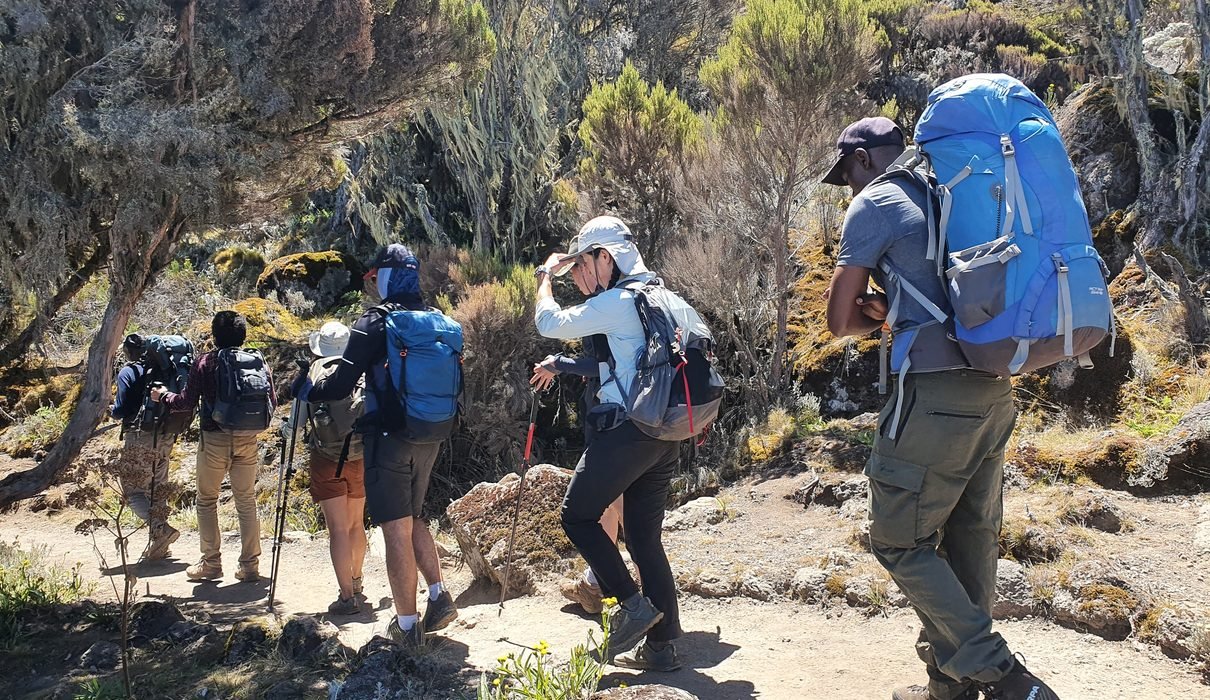
Climbing Mount Kilimanjaro through the Umbwe Route is one of the most demanding trekking experiences in Tanzania. Known for its steep forest trails, narrow mountain ridges, dramatic scenery, and direct approach towards the southern slopes of Kilimanjaro, the Umbwe Route attracts experienced hikers who want a quieter and more physically challenging way to reach Africa’s highest mountain. The 8-day Kilimanjaro Umbwe Route climbing package for 2027, 2028, and 2029 extends the traditional itinerary by adding time for acclimatisation, rest, and a more carefully planned ascent towards Uhuru Peak, which stands at 5,895 metres above sea level.
Unlike the popular Machame, Marangu, and Lemosho routes, Umbwe begins with a rapid climb through dense rainforest before reaching the higher mountain zones. Its steep terrain and considerable altitude gain make it unsuitable for many first-time climbers, particularly those without previous high-altitude trekking experience. However, experienced hikers who are physically prepared and understand the challenges of mountain altitude may find the route particularly rewarding. The quieter lower trails, impressive views towards Kibo, and changing mountain landscapes make Umbwe an interesting alternative to the busier Kilimanjaro climbing routes.
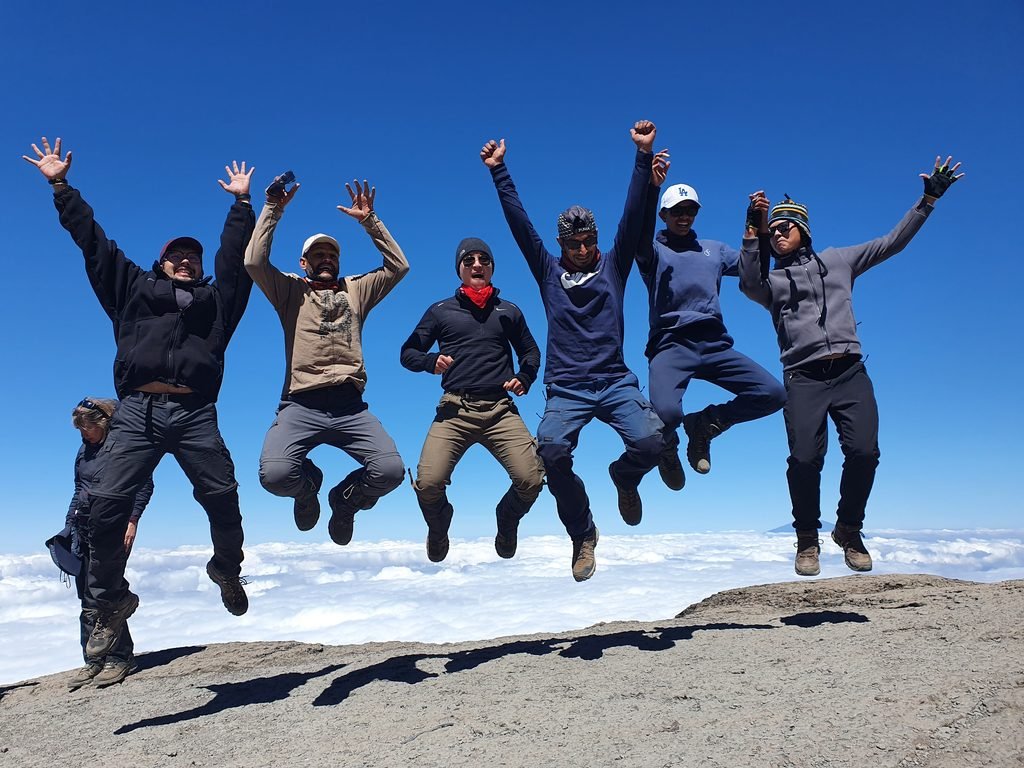
At Eddy Tours & Safaris, we help travellers plan Kilimanjaro climbing experiences with attention to route selection, trekking schedules, mountain crew arrangements, camping equipment, and the practical requirements of travelling in Tanzania. This proposed eight-day Umbwe itinerary includes additional acclimatisation time at Barranco and Karanga, followed by the southern circuit approach to Barafu Camp and the final summit attempt through Stella Point. Although the longer itinerary gives climbers more time on the mountain, Umbwe still involves a rapid initial ascent and should not be considered an easy or low-risk route.
Overview of the 8-Day Kilimanjaro Umbwe Route Climbing Package
The Umbwe Route approaches Mount Kilimanjaro from the south, beginning at Umbwe Gate and ascending through rainforest towards Umbwe Cave Camp. From there, the trail climbs steeply into the heath and moorland zones before reaching Barranco Camp, where it joins the southern circuit used by other climbing routes. The journey continues over the Barranco Wall towards Karanga and Barafu, followed by a summit attempt at Uhuru Peak and a descent through the Mweka Route.
The eight-day version described here includes two additional acclimatisation days compared with the common six-day itinerary. These days are intended to provide opportunities for rest, health monitoring, and controlled walking at altitude, although they cannot remove the risks created by the route’s rapid elevation gain during the first two days.
Package information
- Tour name: Ultimate 8-Day Kilimanjaro Umbwe Route Climbing
- Duration: 8 days and 7 nights on the mountain
- Travel years: 2027, 2028 and 2029
- Starting location: Moshi or Arusha, Tanzania
- Starting trailhead: Umbwe Gate
- Summit destination: Uhuru Peak, 5,895 metres
- Descending route: Mweka Route
- Accommodation: Mountain camping in designated campsites
- Difficulty: Very challenging
- Recommended for: Experienced hikers and physically prepared trekkers
- Main habitats: Rainforest, heath, moorland, alpine desert, and summit zone
- Meals: Breakfast, lunch, and dinner during the mountain expedition
- Trekking team: Professional mountain guide, assistant guides as required, cook, and porters
- Summit approach: Barafu Camp, Stella Point, and Uhuru Peak
Travellers interested in comparing the Umbwe Route with other Kilimanjaro options can explore the Kilimanjaro climbing experiences offered by Eddy Tours & Safaris or review the Umbwe Route climbing information from Kilimanjaro Climb Specialist.
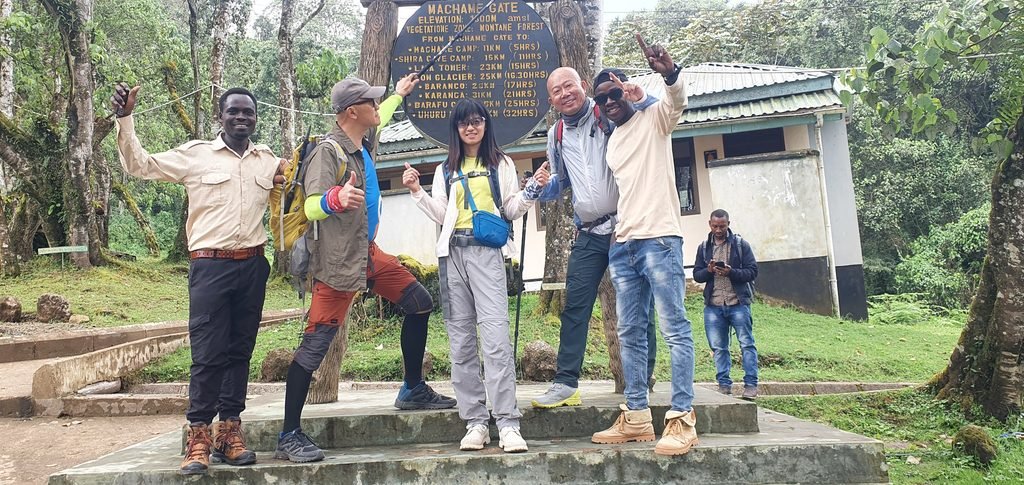
Detailed 8-Day Kilimanjaro Umbwe Route Climbing Itinerary
Day 1: Moshi or Arusha to Umbwe Gate – Trek to Umbwe Cave Camp
Starting elevation: Approximately 1,600–1,800 metres
Sleeping elevation: Approximately 2,850–2,950 metres
Trekking distance: Approximately 10–11 kilometres
Walking time: Approximately 5–7 hours
Habitat: Montane rainforest
Accommodation: Umbwe Cave Camp
Your Kilimanjaro climbing adventure begins with an early breakfast at your hotel in Moshi or Arusha, followed by a transfer to the Umbwe Route entrance. At the registration area, your mountain guide completes the required park procedures while the porters organise camping equipment, food supplies, and other materials needed for the expedition. Before beginning the climb, your guide will explain the day’s walking conditions, expected altitude gain, and the importance of maintaining a comfortable pace throughout the journey.
The first section of the Umbwe Route passes through dense mountain rainforest, where tall trees, moss-covered vegetation, and thick undergrowth create a shaded environment. The trail gradually becomes steeper as it follows a narrow ridge between forested valleys. Unlike some of Kilimanjaro’s more gradual approaches, Umbwe gains altitude quickly, and the combination of steep ground, tree roots, and potentially slippery surfaces makes careful walking essential. During wet conditions, parts of the forest trail can become muddy, increasing the physical effort required to reach camp.
Your guide will encourage a steady pace, with short breaks for drinking water and adjusting clothing. Although the rainforest provides some protection from direct sunlight, the humid conditions can make the ascent tiring. You may hear forest birds and occasionally encounter monkeys, although wildlife sightings are never guaranteed. As the day progresses, the trail becomes narrower and the vegetation begins to change with increasing altitude.
After several hours of trekking, you arrive at Umbwe Cave Camp, where the mountain crew prepares the tents and evening meal. This first night provides an opportunity to rest after a demanding introduction to the route. Your guide will check how you are feeling and discuss the following day’s ascent towards Barranco, which involves another substantial increase in elevation.
Meals: Lunch and dinner
Day 2: Umbwe Cave Camp to Barranco Camp – Climbing Towards the Moorland Zone
Starting elevation: Approximately 2,900 metres
Sleeping elevation: Approximately 3,950–3,980 metres
Trekking distance: Approximately 6 kilometres
Walking time: Approximately 4–6 hours
Habitat: Heath and moorland
Accommodation: Barranco Camp
The second day begins with breakfast at Umbwe Cave Camp before continuing uphill towards Barranco. This is one of the most important stages of the route because the trail gains considerable altitude over a relatively short distance. The forest gradually becomes less dense, giving way to shorter trees, shrubs, and more open vegetation as you move into the heath and moorland zones.
The trail continues along rocky sections and exposed ridges, offering increasingly wide views of Kilimanjaro’s southern slopes when the weather is clear. The scenery becomes more dramatic as the mountain’s upper sections come into view, with Kibo rising above the surrounding valleys. The route requires careful foot placement and a controlled walking pace, particularly where the terrain is steep or uneven.
As you approach Barranco, the landscape opens into a broad valley beneath the impressive Barranco Wall. This area is known for its distinctive mountain vegetation, including giant groundsels and other plants adapted to the cooler high-altitude environment. Barranco Camp is also an important meeting point for several Kilimanjaro routes, meaning the trail becomes busier after the quieter lower Umbwe sections.
The rapid increase in altitude during the first two days makes it essential to monitor for symptoms of altitude sickness. Headaches, nausea, dizziness, unusual fatigue, and difficulty sleeping should be reported to your guide. The mountain crew will assess your condition and determine whether it is appropriate to continue with the planned itinerary. Arriving at Barranco does not mean your body has fully adjusted to the altitude, which is why the following day is reserved for acclimatisation.
Meals: Breakfast, lunch, and dinner
Day 3: Barranco Camp Acclimatisation Day – Rest and Controlled Altitude Adjustment
Sleeping elevation: Approximately 3,950–3,980 metres
Activity: Optional short acclimatisation walk, subject to the guide’s assessment
Walking time: Approximately 1–3 hours if appropriate
Habitat: Moorland and alpine transition
Accommodation: Barranco Camp
The third day is dedicated to acclimatisation at Barranco Camp, giving climbers additional time at approximately 4,000 metres before continuing towards the higher mountain camps. This day is an important part of the proposed eight-day itinerary because the Umbwe Route reaches high altitude much faster than several other Kilimanjaro routes. Spending another night at Barranco may help some climbers adjust, although it does not guarantee that altitude-related illness will be prevented.
After breakfast, your mountain guide will assess the group’s condition and discuss the day’s activities. Depending on how everyone is feeling, the schedule may include a short, controlled walk around suitable sections near camp, followed by a return to the same sleeping altitude. The aim is not to cover a long distance or complete a difficult climb, but to maintain gentle activity while allowing time for rest and observation.
Barranco is one of the most scenic campsites on Mount Kilimanjaro. The large Barranco Wall rises above the valley, while the surrounding landscape contains unusual high-altitude plants and views towards the upper mountain. On clear days, the scenery offers excellent opportunities for photography, particularly in the morning before clouds begin to build around the slopes.
During the afternoon, climbers can rest, organise equipment, and prepare for the next day’s climb over the Barranco Wall. Drinking sufficient fluids, eating regular meals, and avoiding unnecessary physical effort are useful parts of mountain preparation. Your guide will continue monitoring the group for altitude-related symptoms, and anyone whose condition is deteriorating may need to stop ascending or descend rather than continue according to the planned schedule.
Meals: Breakfast, lunch, and dinner
Day 4: Barranco Camp to Karanga Camp – Climbing the Barranco Wall
Starting elevation: Approximately 3,960 metres
Sleeping elevation: Approximately 3,995–4,035 metres
Trekking distance: Approximately 5 kilometres
Walking time: Approximately 4–5 hours
Habitat: Alpine desert and rocky mountain terrain
Accommodation: Karanga Camp
After breakfast, the fourth day begins with the ascent of the Barranco Wall, one of the most recognised sections of the southern Kilimanjaro climbing routes. Although the wall looks intimidating when viewed from the campsite, the standard trail is generally considered a steep scrambling section rather than a technical rock-climbing route. Nevertheless, it requires balance, careful movement, and occasional use of the hands to negotiate rocky steps.
Your guide will lead the group along the established route, helping climbers navigate the narrower sections and advising where to place their feet. Some areas may feel exposed, particularly for travellers who are uncomfortable with heights, but the mountain crew will manage the pace and allow suitable space between climbers. Weather conditions can affect the difficulty of the ascent, especially when rocks are wet or visibility is reduced.
After reaching the upper section of the wall, the route continues across a series of ridges and valleys. The scenery changes from the broad Barranco basin to more open and rocky terrain, with views of the southern glaciers and surrounding mountain slopes when conditions permit. The trail eventually descends towards Karanga Valley before climbing again to Karanga Camp.
Karanga is an important staging point on the approach to Barafu. Although the net elevation gain from Barranco is relatively small, the day’s repeated ascents and descents can be tiring. The shorter overall distance allows climbers to reach camp with time to rest, eat, and prepare for the following day’s acclimatisation activities.
Meals: Breakfast, lunch, and dinner
Day 5: Karanga Camp Acclimatisation Day – Preparing for the Higher Mountain
Sleeping elevation: Approximately 4,000 metres
Activity: Rest, health assessment, and optional controlled acclimatisation walk
Walking time: Approximately 1–3 hours if appropriate
Habitat: Alpine desert
Accommodation: Karanga Camp
The fifth day provides another planned acclimatisation period before moving towards Barafu Camp. Karanga sits at approximately 4,000 metres, where the air contains substantially less available oxygen than at sea level. Even climbers who feel physically strong may experience reduced appetite, headaches, disturbed sleep, or unusual fatigue as their bodies respond to altitude.
The day begins with breakfast and a discussion with your guide about the group’s health and progress. If conditions are suitable, the guide may arrange a short walk towards a higher point on the established trail before returning to Karanga Camp. This activity should be adapted to each climber’s condition rather than treated as a compulsory exercise. Anyone showing signs of altitude illness requires appropriate assessment, and continuing uphill is not a suitable response to worsening symptoms.
The surrounding alpine desert landscape is very different from the rainforest encountered during the first day. Vegetation is sparse, the ground is predominantly rocky, and the weather can change quickly. Strong sunshine during the day may be followed by cold temperatures in the evening, making suitable clothing and protection against the elements particularly important.
The afternoon is reserved for rest, equipment checks, and preparation for the remaining ascent. Climbers should ensure that warm clothing, gloves, headlamps, trekking poles, and other essential items are available and in good condition. Your guide will also explain the summit schedule and discuss how the group will manage the final climb from Barafu to Uhuru Peak.
Meals: Breakfast, lunch, and dinner
Day 6: Karanga Camp to Barafu Camp – Final Approach to the Summit Base
Starting elevation: Approximately 4,000 metres
Sleeping elevation: Approximately 4,600–4,670 metres
Trekking distance: Approximately 4–5 kilometres
Walking time: Approximately 3–5 hours
Habitat: Alpine desert
Accommodation: Barafu Camp
The sixth day involves the ascent from Karanga Camp to Barafu Camp, the main staging point for the summit attempt. The trail follows rocky mountain terrain with limited vegetation, and the landscape becomes increasingly exposed as you approach the higher sections of Kilimanjaro. Although the distance is relatively short, the altitude makes walking more demanding, and even moderate slopes may require frequent breaks.
As you climb, the views across the mountain become wider, with opportunities to see Mawenzi Peak, Kibo, and the surrounding high-altitude landscape when visibility is good. The route eventually joins the main trail leading towards Barafu, where several Kilimanjaro climbing routes prepare for their final summit attempts.
Upon reaching Barafu Camp, the mountain crew will organise the tents and prepare a meal while your guide conducts another assessment of the group’s condition. Barafu is a high, exposed campsite where temperatures can fall well below freezing, especially during the night. Wind and cold conditions may make rest difficult, so warm clothing and properly arranged sleeping equipment are essential.
The afternoon is generally spent resting and preparing for the summit attempt, which often begins late at night. Your guide will explain the expected walking schedule, required equipment, and procedures for responding to fatigue or altitude-related symptoms. Reaching Barafu does not automatically mean a climber is fit to continue to the summit; the decision must depend on the individual’s health and prevailing mountain conditions.
Meals: Breakfast, lunch, and dinner
Day 7: Barafu Camp to Uhuru Peak – Summit Day and Descent to Mweka Camp
Starting elevation: Approximately 4,600–4,670 metres
Summit elevation: 5,895 metres
Final sleeping elevation: Approximately 3,100 metres
Trekking distance: Approximately 16–18 kilometres
Walking time: Approximately 11–16 hours, depending on conditions
Habitat: Arctic summit zone and descending mountain habitats
Accommodation: Mweka Camp
Summit day is the longest and most physically demanding stage of the eight-day Umbwe Route itinerary. Climbers normally begin preparing late at night, with the ascent starting around midnight or earlier depending on the guide’s assessment, weather conditions, and group progress. Wearing warm layers, gloves, headlamps, and suitable mountain boots, the group begins the slow climb towards Stella Point.
The trail above Barafu is steep and consists of loose volcanic material, rocky sections, and exposed slopes. Walking becomes increasingly difficult as the altitude rises, and the cold night temperatures can add to the physical challenge. Your guide will maintain a controlled pace, with short breaks when appropriate, while monitoring the group’s condition throughout the ascent.
After several hours of climbing, the route reaches Stella Point at approximately 5,756 metres on the crater rim. From there, the final section follows the rim towards Uhuru Peak, the highest point on Mount Kilimanjaro and the African continent. The final distance may appear relatively short, but the extreme altitude can make every step demanding. Reaching the summit depends on weather, physical condition, acclimatisation, and the guide’s assessment of whether it is safe to continue.
At Uhuru Peak, successful climbers may have time for photographs and a brief rest before beginning the descent. The summit area is not suitable for an extended stay because of the altitude and potentially severe weather. The group descends towards Barafu Camp, where a short break and meal may be arranged before continuing down to Mweka Camp.
The descent is long and can place considerable strain on the knees and leg muscles, particularly after the overnight summit attempt. Trekking poles are useful on loose or uneven surfaces, and climbers should continue following their guide’s instructions even after leaving the highest sections of the mountain.
Meals: Breakfast, lunch, and dinner
Day 8: Mweka Camp to Mweka Gate – Final Descent and Return to Moshi or Arusha
Starting elevation: Approximately 3,100 metres
Finishing elevation: Approximately 1,640 metres
Trekking distance: Approximately 10 kilometres
Walking time: Approximately 3–5 hours
Habitat: Montane rainforest
Accommodation: Not included after the climb unless arranged separately
The final day begins with breakfast at Mweka Camp before descending through the lower slopes of Mount Kilimanjaro. After several days of rocky high-altitude terrain, the return to the rainforest brings warmer temperatures, thicker vegetation, and a noticeable increase in available oxygen. The trail passes through forested sections where the ground may be wet or slippery, particularly after rainfall.
Although the descent is generally less physically demanding than summit day, climbers may still feel tired from the previous day’s long walk. Your guide will maintain a comfortable pace and allow breaks where necessary. The changing vegetation provides a final opportunity to appreciate the mountain’s different ecological zones before reaching the park exit.
At Mweka Gate, the group completes the necessary exit procedures, and eligible climbers receive their summit certificates according to the park’s procedures. The mountain crew and climbers then meet the arranged transport for the return journey to Moshi or Arusha.
The eight-day Kilimanjaro Umbwe Route expedition officially ends after the transfer to the agreed drop-off location. Travellers who wish to continue exploring Tanzania can arrange a wildlife safari to Tarangire, Serengeti, or Ngorongoro, or extend their holiday with a visit to Zanzibar.
Meals: Breakfast and lunch, depending on the confirmed departure arrangement

Why Choose the 8-Day Umbwe Route Instead of the Standard 6-Day Climb?
The traditional Umbwe Route is commonly completed in approximately six days, but its steep ascent and limited early acclimatisation opportunities make it one of Kilimanjaro’s more difficult routes. Extending the itinerary to eight days allows additional time for rest and acclimatisation before the final summit attempt, although it does not change the steep nature of the first two days.
The proposed eight-day schedule includes an extra night at Barranco and another at Karanga. These additional days provide opportunities for controlled activity, health monitoring, and recovery between the more demanding sections of the climb. However, remaining at altitude is not always beneficial for a climber who has developed altitude illness, and an extra day should never be used to delay necessary descent or medical treatment.
For climbers whose main priority is a gradual acclimatisation profile, the longer Lemosho or Northern Circuit routes may be more appropriate. Umbwe is best selected because the climber specifically wants its steep and quieter approach and has suitable previous trekking experience.
What Is Included in the 8-Day Kilimanjaro Umbwe Route Package?
The following services are proposed inclusions for a fully organised eight-day camping expedition, subject to confirmation in the final quotation:
- Professional, licensed Kilimanjaro mountain guide.
- Assistant mountain guides according to the group size and applicable requirements.
- Experienced mountain cook.
- Mountain porters for camping equipment, food supplies, and permitted personal luggage.
- Kilimanjaro National Park entrance and applicable camping fees for the eight-day itinerary.
- Applicable mountain rescue fees.
- Seven nights of mountain camping accommodation.
- Quality mountain tents and sleeping mattresses.
- Dining tent and basic camping furniture where specified.
- Breakfast, lunch, and dinner during the mountain expedition.
- Drinking water prepared or treated for consumption during the climb.
- Transport from Moshi or Arusha to Umbwe Gate.
- Return transfer from Mweka Gate to Moshi or Arusha.
- Required mountain registration and park arrangements.
- Basic first-aid equipment carried by the mountain crew.
- Guide-led altitude and health monitoring.
- Emergency communication and evacuation coordination according to the operator’s confirmed procedures.
- Applicable government taxes on included services.
- Pre-climb briefing and equipment review.
What Is Excluded From the 8-Day Kilimanjaro Umbwe Route Package?
The following services and expenses are normally excluded unless they are specifically included in the final booking:
- International and domestic flights.
- Tanzania visa fees.
- Travel insurance, medical insurance, and high-altitude evacuation coverage.
- Hotel accommodation before and after the mountain expedition.
- Personal climbing equipment and clothing.
- Sleeping bags unless specifically included.
- Trekking poles, waterproof clothing, gloves, and personal accessories.
- Tips for mountain guides, cooks, and porters.
- Alcoholic beverages and additional personal refreshments.
- Personal medication and medical consultations.
- Optional equipment rental.
- Additional accommodation or transport caused by changes outside the confirmed itinerary.
- Wildlife safaris, Zanzibar holidays, and other activities after the climb.
- Any service not expressly included in the confirmed quotation.
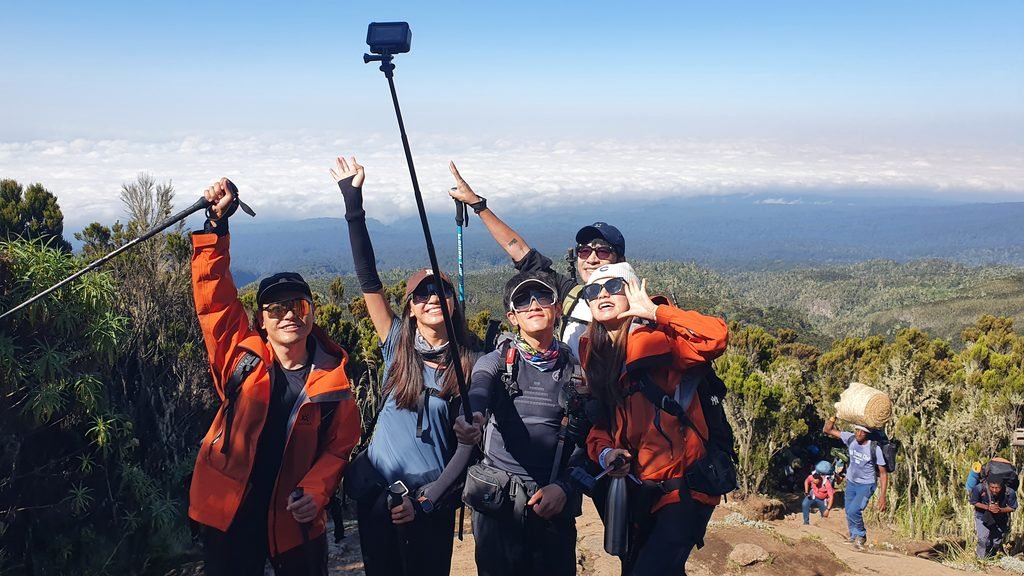
How Much Does the 8-Day Kilimanjaro Umbwe Route Cost in 2027, 2028 and 2029?
The cost of an eight-day Kilimanjaro Umbwe Route climb depends on group size, mountain crew arrangements, camping equipment, park fees, transport, and the services included in the package. Because this itinerary involves additional days on the mountain, it generally costs more than shorter Umbwe climbing arrangements.
For preliminary budgeting, travellers may encounter eight-day camping climb quotations in the broad range of approximately USD 2,000–3,200 per person, depending on group size and service standards. This is an illustrative planning estimate rather than a confirmed Eddy Tours & Safaris price. The actual cost for 2027, 2028, or 2029 must be calculated using the applicable park fees, staffing arrangements, and other operating expenses at the time of booking.
Travellers should avoid selecting a Kilimanjaro climbing package solely because it has the lowest advertised price. A properly organised expedition requires experienced guides, adequate mountain crew support, suitable camping equipment, meals, emergency procedures, and responsible working conditions for porters. These services contribute to the overall cost and should be clearly explained in the quotation.
How Difficult Is the Kilimanjaro Umbwe Route?
The Umbwe Route is widely regarded as one of the most physically challenging established approaches to Mount Kilimanjaro. Its main difficulty comes from the steep lower trails, rapid elevation gain, and limited time for acclimatisation during the first stages. Unlike routes that spread their ascent across longer distances, Umbwe reaches approximately 4,000 metres within the first two trekking days.
Climbers should have good cardiovascular fitness, experience walking on steep and uneven terrain, and preferably previous exposure to high-altitude trekking. Regular hiking, hill walking, stair climbing, and endurance training can help prepare the body for the physical demands of the expedition. However, fitness does not prevent altitude sickness, and even experienced climbers can become seriously ill at high elevation.
The Barranco Wall introduces a scrambling section that may be uncomfortable for people with a strong fear of heights, while summit night requires several hours of walking in cold conditions with reduced oxygen availability. For these reasons, the Umbwe Route is generally better suited to experienced trekkers than first-time mountain climbers.

Altitude Sickness and Acclimatisation on the Umbwe Route
Altitude sickness is one of the most important safety considerations when climbing Mount Kilimanjaro. As climbers ascend, the atmospheric pressure decreases, reducing the amount of oxygen available with each breath. The body requires time to adapt, and ascending too quickly increases the risk of developing acute mountain sickness and potentially more serious altitude-related conditions.
Common symptoms of acute mountain sickness include headache, nausea, dizziness, unusual fatigue, and loss of appetite. More serious warning signs include confusion, difficulty walking normally, breathlessness at rest, and a persistent or worsening cough. These symptoms require prompt assessment, and severe altitude illness is a medical emergency.
The eight-day Umbwe itinerary provides additional time at Barranco and Karanga, but these days do not eliminate the risk associated with the rapid initial ascent. Climbers should follow the guide’s instructions, report symptoms immediately, and avoid continuing to higher sleeping elevations when altitude illness is suspected. Descent is essential for serious or worsening altitude illness, and medical treatment or evacuation may be necessary.
Before travelling, climbers should consult a qualified healthcare professional about their fitness for high-altitude trekking, relevant medical conditions, and whether preventive altitude medication is appropriate for them.
Best Time to Climb Kilimanjaro via the Umbwe Route in 2027, 2028 and 2029
Mount Kilimanjaro can be climbed throughout the year, but weather conditions vary considerably between seasons. The periods from approximately January to early March and June to October are generally preferred by many climbers because they often provide relatively favourable trekking conditions compared with the main rainy periods.
January to early March can offer clear mornings and comparatively pleasant weather on parts of the mountain, although cold temperatures and snowfall are still possible at higher elevations. June to October is another popular period, with generally drier conditions on many trails. However, the upper mountain remains exposed to strong winds, freezing temperatures, and sudden weather changes throughout the year.
The months of April and May are commonly associated with heavier rainfall, which can make Umbwe’s steep forest sections particularly muddy and slippery. November may also bring seasonal rain. Climbers considering these periods should be prepared for difficult trail conditions and possible changes to the itinerary.
Because the Umbwe Route is already physically demanding, selecting a period with relatively favourable weather can make the experience more manageable. Nevertheless, no season guarantees clear skies or safe summit conditions, and the mountain guide must make decisions according to the actual weather and the group’s condition.
Essential Packing List for the 8-Day Kilimanjaro Umbwe Route
Packing correctly is important because the Umbwe Route passes through several climate zones, from humid rainforest to freezing summit conditions. Climbers should prepare for rain, wind, strong sunshine, cold nights, and rapidly changing weather during the expedition.
Clothing and footwear
- Waterproof hiking boots with good ankle support.
- Comfortable trekking socks and spare pairs.
- Moisture-wicking base layers.
- Warm fleece or insulating mid-layers.
- Insulated down or synthetic jacket.
- Waterproof and windproof outer jacket.
- Waterproof trekking trousers.
- Warm gloves and waterproof outer gloves.
- Thermal hat, neck covering, and sun hat.
- Comfortable clothing for sleeping at camp.
Personal trekking equipment
- Suitable daypack with a rain cover.
- Sleeping bag rated for cold mountain conditions.
- Trekking poles.
- Headlamp with spare batteries.
- Refillable water bottles or hydration system.
- Sunglasses with suitable UV protection.
- Sunscreen and lip balm.
- Personal medication and basic toiletries.
- Small personal first-aid items.
- Power bank and charging cables.
- Waterproof bags for protecting clothing and electronics.
- Personal snacks and energy foods.
Before departure, travellers should confirm which items are provided by the tour operator and which must be brought or rented. Equipment requirements may vary according to the season and individual preferences.
Umbwe Route vs Machame Route vs Lemosho Route
Choosing the correct Kilimanjaro route is an important part of planning a safe and enjoyable climb. Although Umbwe, Machame, and Lemosho eventually connect with sections of the southern circuit, their early stages and acclimatisation profiles are different.
| Feature | Umbwe Route | Machame Route | Lemosho Route |
|---|---|---|---|
| Typical duration | 6–8 days | 6–7 days | 7–8 days |
| Difficulty | Very challenging | Challenging | Challenging |
| Early ascent | Very steep | Steep but more gradual | More gradual |
| Lower trail traffic | Generally low | Often busy | Moderate |
| Accommodation | Camping | Camping | Camping |
| Acclimatisation profile | Difficult early ascent | Better with 7 days | Generally better with 8 days |
| Suitable for | Experienced trekkers | Fit hikers | Climbers seeking a longer approach |
Umbwe is generally selected by climbers who specifically want a steep and demanding approach. Machame is popular for its varied scenery and established trekking schedule, while Lemosho provides a longer approach with more gradual altitude gain during the early stages.
Travellers who are uncertain about their ability to manage the Umbwe Route should discuss alternative itineraries before booking. For further information about climbing routes and preparation, visit Kilimanjaro Climb Specialist.
Can You Combine the 8-Day Umbwe Route With a Tanzania Safari?
Many travellers visiting Tanzania choose to combine Mount Kilimanjaro climbing with a wildlife safari. After completing the mountain expedition, visitors can travel to nearby national parks such as Tarangire, Lake Manyara, Serengeti, and Ngorongoro Crater, where game drives provide an opportunity to experience Tanzania’s wildlife and landscapes.
A three-day safari can be arranged for travellers with limited additional time, while a five- or six-day itinerary provides more opportunities to explore the northern safari circuit. Tarangire is known for elephants and baobab trees, Serengeti offers extensive wildlife viewing opportunities, and Ngorongoro Crater supports a wide range of large mammals within its volcanic landscape.
Travellers should allow sufficient time to recover after the mountain climb, particularly following the demanding summit day and descent. A rest day in Moshi or Arusha may be useful before beginning a longer safari, depending on the individual’s condition and travel schedule.
For information about combining mountain trekking with wildlife experiences, visit Eddy Tours & Safaris and request a personalised Kilimanjaro and Tanzania safari itinerary.
Why Book Your 8-Day Kilimanjaro Umbwe Route With Eddy Tours & Safaris?
Eddy Tours & Safaris is a locally based tour company in Arusha, Tanzania, offering Kilimanjaro climbing arrangements, wildlife safaris, and other travel experiences. Our location near Mount Kilimanjaro and Tanzania’s northern safari circuit allows us to assist visitors with mountain expedition planning, transport, accommodation arrangements, and additional travel activities.
When preparing a Kilimanjaro itinerary, we consider the climber’s preferred route, available travel dates, trekking experience, and accommodation requirements before arranging the expedition. The Umbwe Route requires particular attention because of its steep terrain and rapid ascent, making it important to understand the physical demands before committing to the climb.
We encourage travellers to discuss their previous trekking experience and any concerns about altitude before selecting this route. For those who would benefit from a more gradual approach, alternative Kilimanjaro routes can be considered.
Frequently Asked Questions About the 8-Day Kilimanjaro Umbwe Route
Is the 8-Day Umbwe Route Suitable for Beginners?
The Umbwe Route is generally not recommended for beginners because of its steep terrain, rapid altitude gain, and demanding early stages. Although the eight-day itinerary provides additional acclimatisation time, the first two days remain physically challenging. Travellers without previous mountain trekking experience may find the longer Lemosho or Northern Circuit routes more appropriate.
Is Eight Days Enough to Climb Kilimanjaro Through Umbwe?
Eight days provides more time than the traditional five- or six-day Umbwe itineraries, allowing additional nights at Barranco and Karanga. However, the suitability of the itinerary depends on the climber’s previous experience, physical condition, acclimatisation response, and the guide’s assessment. The extra days do not guarantee a successful summit or prevent altitude sickness.
Does the Umbwe Route Require Technical Climbing?
The standard Umbwe itinerary through Barranco, Karanga, and Barafu is primarily a trekking route, although some sections involve steep scrambling and the use of hands for balance. The Barranco Wall is one of the most recognised scrambling sections. The Western Breach is a separate, more hazardous ascent option and is not included in this proposed itinerary.
What Is the Highest Point Reached on the Umbwe Route?
The highest point is Uhuru Peak, which stands at 5,895 metres above sea level. Climbers normally reach the summit through Stella Point after ascending from Barafu Camp. Reaching Uhuru Peak depends on weather conditions, acclimatisation, physical condition, and the mountain guide’s assessment.
Where Do Climbers Sleep During the Eight-Day Umbwe Route?
Climbers stay in mountain tents at designated campsites along the route. The proposed itinerary includes Umbwe Cave Camp, two nights at Barranco, two nights at Karanga, one night at Barafu, and one night at Mweka Camp. Camping equipment and meals are organised as part of the expedition according to the confirmed package.
What Is the Summit Success Rate for the Umbwe Route?
Reliable, independently verified summit success rates for this specific eight-day Umbwe itinerary are not consistently available. Success depends on several factors, including the climber’s acclimatisation, health, weather, previous trekking experience, and the quality of expedition planning. Travellers should be cautious of operators advertising guaranteed summit success or unsupported percentage claims.
Can I Climb the Umbwe Route Privately?
Yes, the Umbwe Route can be arranged as a private expedition for individuals, couples, or groups, subject to operator availability and park requirements. A private climb allows greater flexibility in scheduling and group organisation, although the mountain guide must still follow appropriate safety procedures and make decisions according to the climbers’ condition.
How Far in Advance Should I Book for 2027, 2028 or 2029?
Booking several months in advance is advisable, especially for popular travel periods. Advance planning gives climbers more time to arrange flights, accommodation, travel insurance, equipment, and physical preparation. It also allows the operator to confirm the mountain crew and final expedition arrangements.
Book Your Ultimate 8-Day Kilimanjaro Umbwe Route Climb for 2027, 2028 or 2029
The eight-day Kilimanjaro Umbwe Route is a demanding mountain adventure for experienced trekkers who want to explore one of the steepest approaches to Africa’s highest peak. Beginning in the rainforest, the route climbs through dramatic mountain landscapes before joining the southern circuit and continuing towards Uhuru Peak. The additional acclimatisation days at Barranco and Karanga provide more time on the mountain, although the steep early ascent and high-altitude conditions still require careful preparation.
Whether you are planning a private climb, travelling with friends, or combining your mountain expedition with a Tanzania wildlife safari, Eddy Tours & Safaris can help you review the itinerary, understand the physical demands, and arrange the services needed for your journey.
Contact Eddy Tours & Safaris
Location: Arusha, Tanzania
Website: Eddy Tours and Safaris
Email: sales@eddytours-safaris.com
Alternative email: eddytoursandsafaris@gmail.com
Plan your 2027, 2028 or 2029 Kilimanjaro Umbwe Route expedition with Eddy Tours & Safaris. Contact our team with your preferred travel dates, number of climbers, and previous trekking experience to request an itinerary review and an updated climbing quotation.