
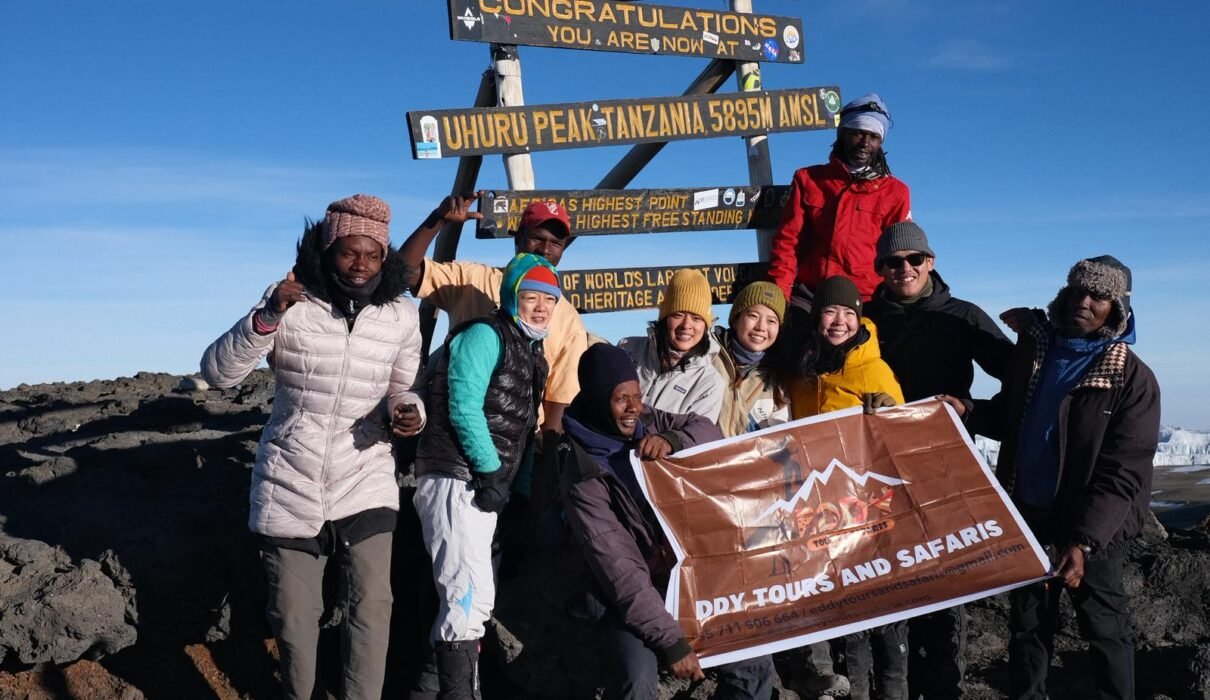
9 Days Northern Circuit – Maximum Acclimatization Kilimanjaro Climb is a carefully structured high-altitude trekking program created for climbers who want the longest and most gradual route on Mount Kilimanjaro, giving the body enough time to adapt to low oxygen and changing conditions. This is not a fast climb. It is a safety-focused journey designed to reduce altitude stress, improve recovery between stages and create a calm, well-paced path toward the summit.
This itinerary is operated by experienced local professionals from Eddy Tours & Safaris, combining scientific acclimatization principles, environmental responsibility and ethical staff care. The route circles the quiet northern side of the mountain, far from the busy southern trails, offering solitude, wide volcanic landscapes and one of the most balanced ascent profiles on Kilimanjaro.
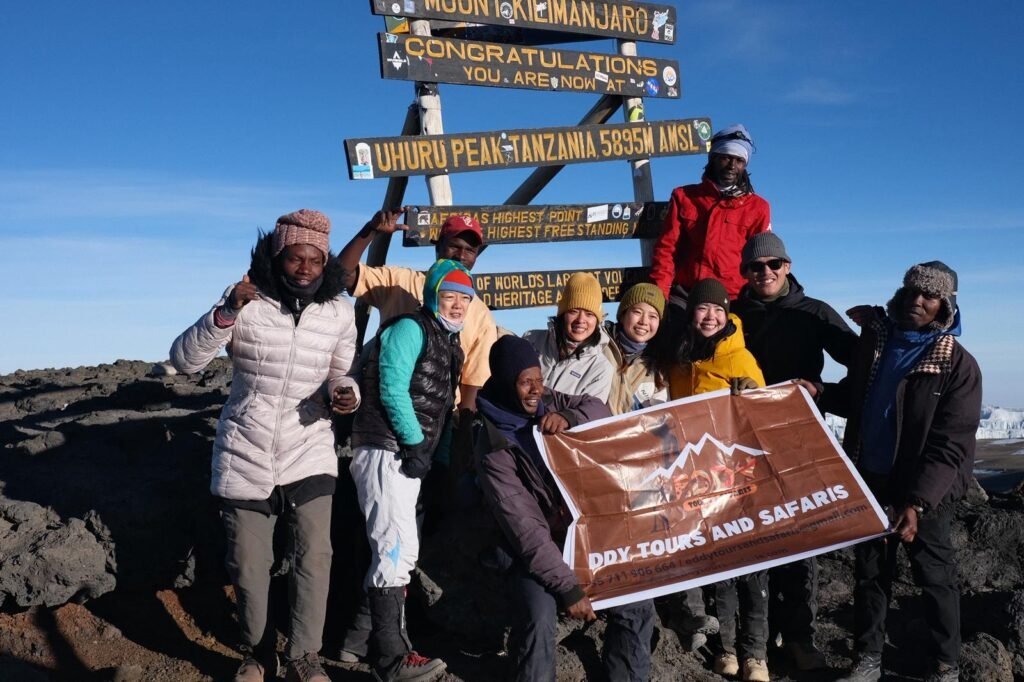
9 Days Northern Circuit – Maximum Acclimatization Kilimanjaro Climb – Package Overview
The 9 Days Northern Circuit – Maximum Acclimatization Kilimanjaro Climb follows a route specifically designed to allow your body to adjust slowly to altitude by spreading elevation gain over more days and adding gentle acclimatization walks. Medical and physiological research published through the U.S. National Library of Medicine and PubMed shows that gradual ascent profiles significantly lower the risk of altitude illness.
Guidelines from the International Society for Mountain Medicine and travel health advice from the Centers for Disease Control and Prevention clearly support longer itineraries for better acclimatization. This route design follows those recommendations and places health and safety above speed.
The northern slopes of Kilimanjaro also pass through fragile alpine ecosystems that are monitored by conservation bodies such as the International Union for Conservation of Nature and the United Nations Environment Programme, making responsible travel practices essential along this trail.
9 Days Northern Circuit – Maximum Acclimatization Kilimanjaro Climb – Detailed Itinerary
Day 1 – Arrival and pre-climb briefing in Moshi or Arusha
Your 9 Days Northern Circuit – Maximum Acclimatization Kilimanjaro Climb begins with a full safety briefing, equipment check and medical screening. Professional outdoor risk management systems promoted by the International Federation of Red Cross and Red Crescent Societies emphasize preparation and early health checks before operating in remote environments.
Overnight at a comfortable hotel while your guides review weather forecasts and park conditions.
Day 2 – Londorossi Gate to Mti Mkubwa Camp
After park registration, you enter the montane forest zone and begin a gentle walk toward Mti Mkubwa Camp. This first day of the 9 Days Northern Circuit – Maximum Acclimatization Kilimanjaro Climb is deliberately short to allow your body to begin adjusting gradually.
Forest conservation programs supported by the World Wide Fund for Nature highlight the importance of controlled visitor movement in sensitive mountain forests.
Day 3 – Mti Mkubwa to Shira Camp One
You transition into open moorland and volcanic landscapes. Research on mountain vegetation change published through Nature Research and ScienceDirect shows how altitude gradients strongly influence plant communities.
Your walking pace remains slow and steady to support acclimatization.
Day 4 – Shira Camp One to Shira Camp Two
This acclimatization day on the 9 Days Northern Circuit – Maximum Acclimatization Kilimanjaro Climb allows your body to adjust while crossing the Shira Plateau, a major volcanic formation studied by the United States Geological Survey.
Short acclimatization walks are included in the afternoon to stimulate oxygen adaptation.
Day 5 – Shira Camp Two to Moir Hut (Northern Circuit junction)
You move onto the true northern circuit section. This day introduces thinner air and more exposed terrain, while maintaining moderate elevation gain to protect your energy reserves.
High-altitude performance research published by Frontiers in Physiology confirms that gradual daily increases significantly improve tolerance to hypoxia.
Day 6 – Moir Hut to Buffalo Camp
This is one of the most scenic and least crowded days of the 9 Days Northern Circuit – Maximum Acclimatization Kilimanjaro Climb. You traverse the quiet northern slopes with wide views toward Kenya.
Landscape monitoring and mountain ecosystem studies coordinated by the National Geographic Society emphasize the importance of limiting trail concentration in fragile alpine zones.
Day 7 – Buffalo Camp to Third Cave Camp
This section focuses on slow altitude progression and consistent hydration. Clinical guidance from Johns Hopkins Medicine and the Cleveland Clinic highlights the importance of pacing and fluid intake at higher elevations.
Your guides conduct daily wellness checks and breathing assessments.
Day 8 – Third Cave to School Hut (summit preparation camp)
This is your final preparation day before the summit attempt. The 9 Days Northern Circuit – Maximum Acclimatization Kilimanjaro Climb includes extended rest time, light walks and early dinner to prepare for the long summit night.
Emergency response protocols follow international standards promoted by the International Red Cross.
Day 9 – School Hut to Uhuru Peak, then descend to Mweka Camp
Summit night begins shortly after midnight. The slow acclimatization gained throughout the 9 Days Northern Circuit – Maximum Acclimatization Kilimanjaro Climb plays a critical role during this physically demanding ascent.
Global disaster and risk reduction principles published by the World Bank Disaster Risk Management programme support structured evacuation planning and communication systems used on this route.
After reaching the summit, you descend carefully to Mweka Camp for overnight rest.
Day 10 – Mweka Camp to Mweka Gate and transfer back to hotel
Your climb formally ends after signing out at the park gate and returning to your hotel for a hot shower and well-earned rest.
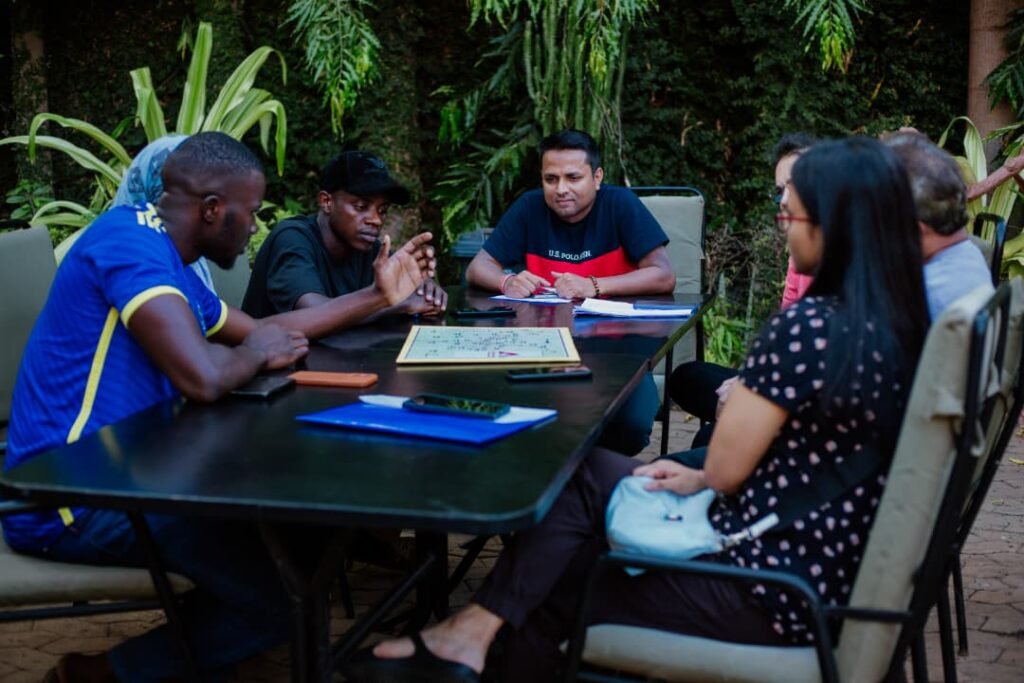
9 Days Northern Circuit – Maximum Acclimatization Kilimanjaro Climb – Accommodation Style
This route uses high-quality mountain tents and well-managed campsites that follow environmental impact guidance promoted by Conservation International and land-use monitoring programs supported by the Food and Agriculture Organization.
Pre- and post-climb accommodation is arranged in comfortable hotels in Moshi or Arusha.
9 Days Northern Circuit – Maximum Acclimatization Kilimanjaro Climb – Inclusions
- Professional mountain guides, assistant guides and certified mountain crew
- All Kilimanjaro National Park fees and rescue fees
- Private mountain tents and dining tent with tables and chairs
- Three meals per day on the mountain
- Filtered and boiled drinking water throughout the trek
- Daily health monitoring and oxygen saturation checks
- Emergency oxygen and communication equipment following guidance from the World Health Organization
- Pre- and post-climb hotel accommodation and transfers
9 Days Northern Circuit – Maximum Acclimatization Kilimanjaro Climb – Exclusions
- International and domestic flights
- Personal trekking equipment
- Personal travel insurance
- Visa and vaccination costs
- Tips for mountain crew
Why book this 9 Days Northern Circuit – Maximum Acclimatization Kilimanjaro Climb
This 9 Days Northern Circuit – Maximum Acclimatization Kilimanjaro Climb is ideal for climbers who prioritize health, safety and success over speed. Long-route success rates are strongly linked to conservative ascent profiles, as demonstrated by altitude research published through PubMed and international mountain medicine guidance.
You benefit from quieter trails, broader landscape diversity and more time for your body to adjust naturally. This approach also supports conservation goals promoted by organizations such as the Wildlife Conservation Society and global biodiversity strategies coordinated by IPBES.
Responsible travel and crew welfare commitment
Porter welfare and ethical employment are fundamental to this climb. Labour protection standards promoted by the International Labour Organization and community support principles promoted by Oxfam International guide fair working conditions, reasonable loads and proper shelter for all mountain staff.
Plan your 9 Days Northern Circuit – Maximum Acclimatization Kilimanjaro Climb with local experts
For full route options and personalized climbing support, you can review professionally designed programs through Kilimanjaro climbing specialists. Many climbers also combine their trek with wildlife experiences through Tanzania safari programs.
If you would like direct advice on preparation, equipment and medical readiness, you can speak with the local operations team through personal consultation support. Choosing a trusted Tanzanian company ensures your climb follows both international safety standards and local conservation responsibilities.