
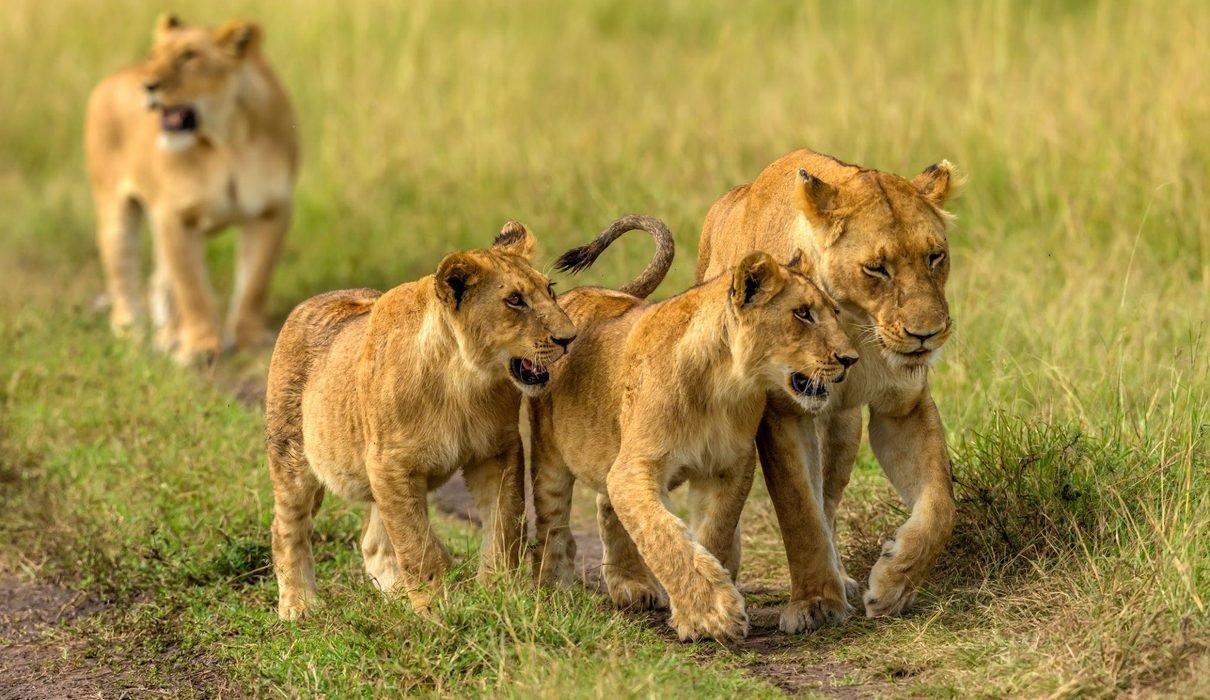
Kenya is one of Africa’s most popular wildlife destinations, with national parks and reserves that offer opportunities to see lions, elephants, giraffes, leopards, rhinoceroses, and large herds of grazing animals in their natural habitats. Among these destinations, the Masai Mara National Reserve stands out for its open grasslands, abundant wildlife, and the seasonal movement of wildebeest across the greater Serengeti-Mara ecosystem. The best 7-day Masai Mara Kenya safari for 2027, 2028, and 2029 combines the famous Masai Mara with Amboseli National Park and Lake Nakuru National Park, allowing travellers to experience several of Kenya’s important wildlife areas within one carefully planned holiday.
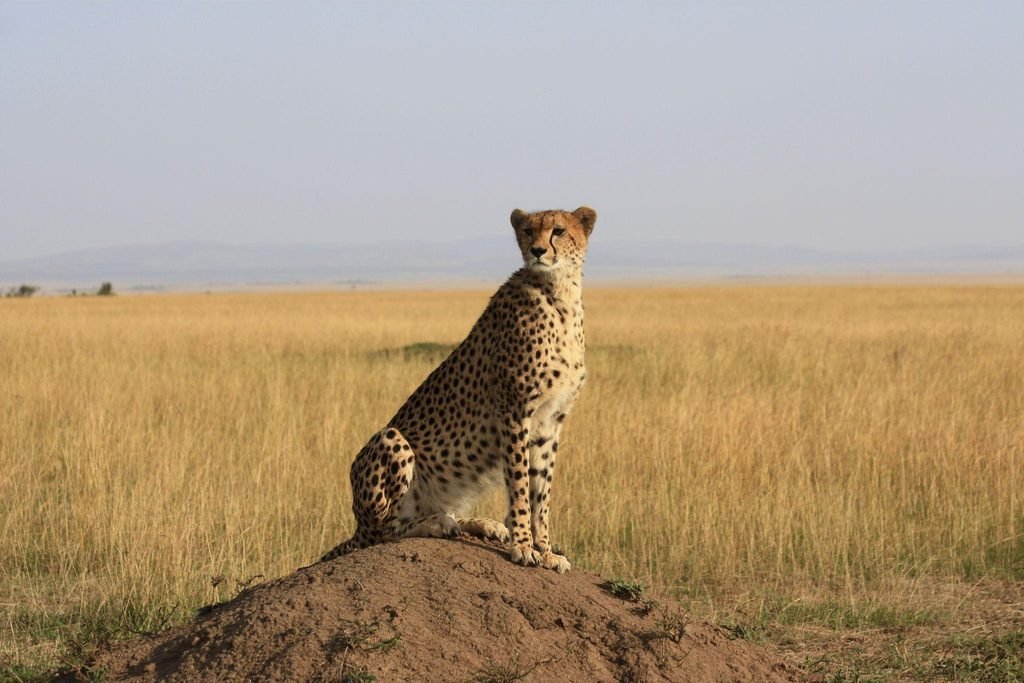
This seven-day Kenya safari is suitable for couples, families, friends, photographers, and first-time visitors who want to explore East Africa’s wildlife without spending their entire holiday in one national park. The itinerary begins and ends in Nairobi, with visits to Amboseli for elephant viewing beneath Mount Kilimanjaro, Lake Nakuru for rhinoceroses and birdlife, and the Masai Mara for its predators, grazing herds, and wide savannah landscapes. Three nights are spent in the Masai Mara area, providing more time for wildlife viewing than many shorter safari arrangements.
At Eddy Tours & Safaris, we help travellers plan wildlife holidays in East Africa, including Tanzania safaris, Kilimanjaro climbing trips, and combined Kenya and Tanzania itineraries. This proposed Kenya safari can be arranged according to your travel dates, accommodation preferences, and budget, subject to confirmation of local operating arrangements and availability.
Overview of the 7-Day Masai Mara Kenya Safari Package
This seven-day safari combines three wildlife destinations that offer different landscapes and animal populations. Amboseli is particularly known for its elephants and views of Mount Kilimanjaro, Lake Nakuru provides opportunities to observe both black and white rhinoceroses, and the Masai Mara supports a remarkable variety of large mammals, including lions, leopards, cheetahs, buffaloes, giraffes, zebras, and wildebeest.
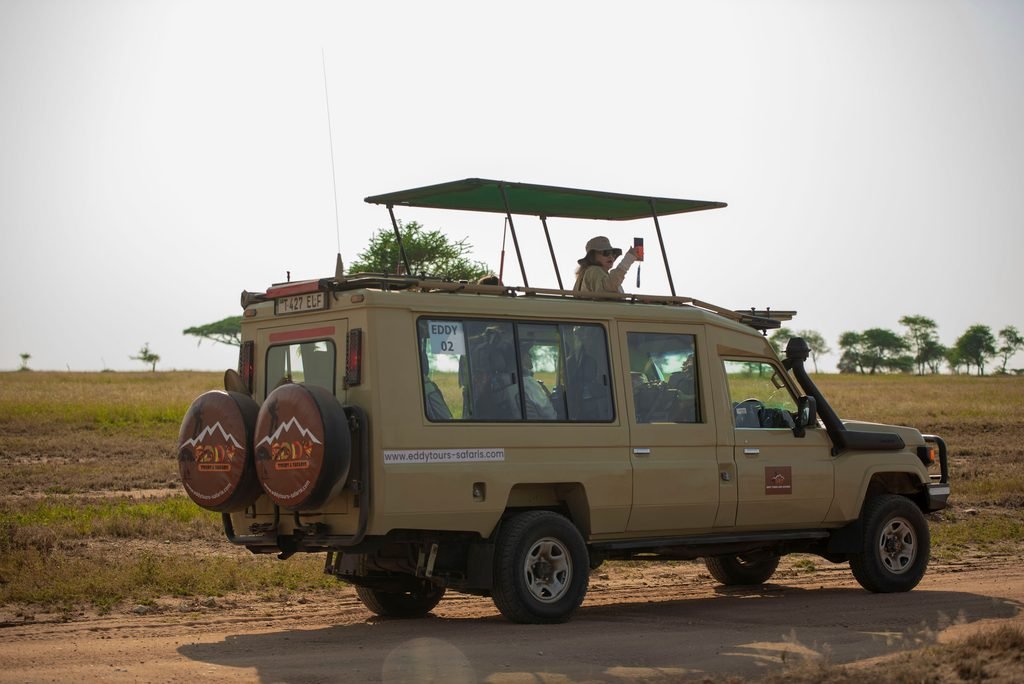
The itinerary is designed as a road safari using a suitable four-wheel-drive safari vehicle with a professional driver-guide. Accommodation can be arranged in budget camps, comfortable mid-range lodges, or luxury tented camps, depending on the traveller’s requirements. The standard proposed arrangement includes six nights of accommodation, scheduled meals, park entrance fees, game drives, and transport between the destinations.
Safari package details
- Duration: 7 days and 6 nights
- Starting point: Nairobi, Kenya
- Ending point: Nairobi, Kenya
- Destinations: Amboseli National Park, Lake Nakuru National Park, and Masai Mara National Reserve
- Accommodation: Budget, mid-range, or luxury safari lodges and tented camps
- Transport: 4×4 safari vehicle with a pop-up roof
- Tour type: Private wildlife safari, with shared arrangements subject to availability
- Main activities: Game drives, wildlife photography, birdwatching, and scenic sightseeing
- Best travel period: Throughout the year, with seasonal differences in wildlife movements
- Suitable for: Couples, families, small groups, solo travellers, and wildlife enthusiasts
Travellers interested in visiting Tanzania during the same holiday can explore additional Tanzania Safari Packages and request a combined Kenya and Tanzania itinerary.
Detailed 7-Day Masai Mara Kenya Safari Itinerary
Day 1: Nairobi to Amboseli National Park – First Game Drive Beneath Mount Kilimanjaro
Your seven-day Kenya safari begins in Nairobi, where your professional driver-guide meets you at your hotel or another agreed collection point after breakfast. Following a short briefing about the journey, you depart for Amboseli National Park, travelling south through the Kenyan countryside. The drive normally takes approximately four to five hours, depending on traffic, road conditions, and the location of your accommodation. Along the way, you pass towns, agricultural areas, and stretches of open land before reaching the Amboseli ecosystem.
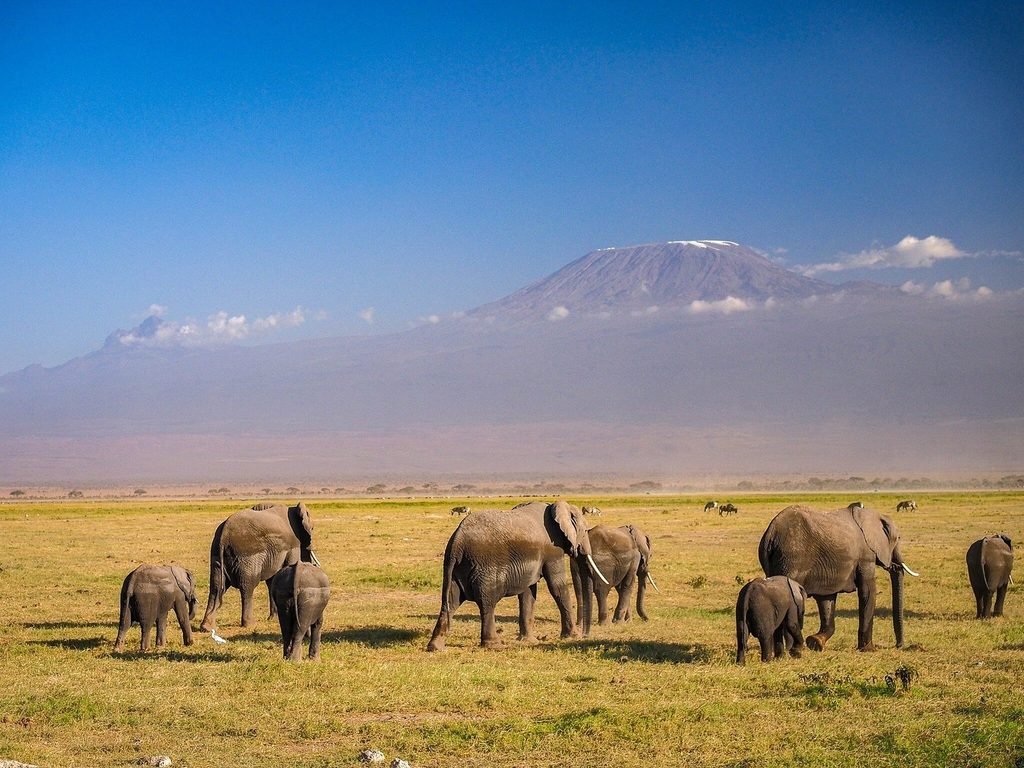
Amboseli National Park is particularly famous for its large elephant herds and the impressive backdrop of Mount Kilimanjaro, Africa’s highest mountain. Although Kilimanjaro is located across the border in Tanzania, its snow-covered summit can sometimes be seen from Amboseli when weather conditions are clear. The park contains open plains, seasonal lakebeds, acacia woodland, and permanent swamps that support elephants, buffaloes, zebras, giraffes, wildebeest, and numerous bird species.
After arriving at the park, you begin your afternoon game drive, following designated wildlife viewing routes through the grasslands and wetland areas. Your guide will look for elephants feeding or moving between water sources, as well as other animals that may be active during the afternoon. The combination of open scenery, wildlife, and distant mountain views makes Amboseli particularly attractive for photography.
Towards the evening, you proceed to your lodge or tented camp for dinner and overnight accommodation. The first night provides time to settle into the safari routine before continuing with another game drive the following morning.
Accommodation: Safari lodge or tented camp in the Amboseli area
Meals: Lunch and dinner
Main activity: Afternoon game drive in Amboseli National Park
Day 2: Full-Day Wildlife Safari in Amboseli National Park
After an early breakfast, you depart for a full day of wildlife viewing in Amboseli National Park. Morning game drives are particularly rewarding because temperatures are generally cooler, animals may be more active, and the visibility of Mount Kilimanjaro can sometimes be better before clouds develop later in the day. Your guide will explore different sections of the park, concentrating on areas where elephants and other wildlife have recently been observed.
Amboseli’s permanent swamps are especially important because they provide water and vegetation for animals during periods when surrounding areas become dry. Large elephants are frequently seen moving through these wetland habitats, sometimes accompanied by young calves. The park also supports lions, spotted hyenas, buffaloes, zebras, wildebeest, and different antelope species. Birdwatchers may observe pelicans, herons, egrets, kingfishers, birds of prey, and other species associated with the park’s varied habitats.
During the day, you may visit Observation Hill, where permitted access provides views across parts of the park and its surrounding wetlands. A packed lunch can be arranged at a designated picnic area, allowing you to remain inside the park for an extended period before continuing your afternoon game drive.
The day concludes with a return to your lodge or tented camp, where dinner is served. Spending two nights in Amboseli allows travellers to enjoy the park without limiting their visit to a brief afternoon drive.
Accommodation: Safari lodge or tented camp in the Amboseli area
Meals: Breakfast, lunch, and dinner
Main activity: Full-day Amboseli game drive
Day 3: Amboseli to Lake Nakuru National Park – Journey Through the Great Rift Valley
The third day begins with an early breakfast before departing Amboseli for Lake Nakuru National Park. This is one of the longer driving days of the safari, with the journey commonly taking approximately seven to nine hours or longer depending on traffic, road conditions, and stops. The route generally passes through the Nairobi region before continuing towards the Great Rift Valley, where the landscape changes to hills, escarpments, farming areas, and lakeside scenery.
As you travel through the Rift Valley region, your guide may make suitable stops for refreshments and scenic views, depending on the day’s schedule. The journey provides an opportunity to observe different parts of Kenya beyond the national parks, including rural settlements, agricultural landscapes, and busy towns along the main roads.
Lake Nakuru National Park is located near Nakuru city and is well known for its conservation work involving both black and white rhinoceroses. The park contains woodland, grassland, rocky viewpoints, and a shallow alkaline lake that attracts different bird species. Flamingos may be present depending on lake conditions and food availability, although their numbers vary considerably and should not be considered a guaranteed attraction.
If arrival time and park opening hours permit, you may enjoy a short afternoon game drive before proceeding to your accommodation. Otherwise, the main wildlife viewing activities will take place the following morning. Dinner is served at your lodge or camp, where you spend the night.
Accommodation: Lodge or tented camp in the Lake Nakuru area
Meals: Breakfast, lunch, and dinner
Main activity: Scenic road transfer and possible afternoon wildlife viewing
Day 4: Lake Nakuru Game Drive and Transfer to Masai Mara National Reserve
After an early breakfast, you begin a morning game drive in Lake Nakuru National Park, focusing on the park’s grasslands, woodland, and areas where rhinoceroses are frequently observed. Lake Nakuru is one of Kenya’s important rhinoceros conservation areas, supporting both black and white rhinos. Although sightings depend on the animals’ movements and visibility, the park provides worthwhile opportunities for visitors hoping to see these threatened species.
Other animals found in Lake Nakuru include buffaloes, zebras, giraffes, waterbucks, baboons, and various antelope species. Lions and leopards also occur in the park, although they can be more difficult to locate. The lake and surrounding wetlands support many bird species, making this destination particularly attractive for travellers interested in both large mammals and birdwatching.
Following the morning game drive, you depart towards the Masai Mara National Reserve, travelling through the Rift Valley countryside and towards the Narok region. The drive may take approximately five to seven hours or longer, depending on the selected route, road conditions, and accommodation location. This is another substantial travel day, so wildlife viewing in the Masai Mara itself may be limited on arrival.
By late afternoon or evening, you reach your lodge or tented camp in the Masai Mara area. After checking in, you enjoy dinner and prepare for the following day’s game drive. The next two days are dedicated to exploring the reserve, allowing more time to search for predators and other wildlife.
Accommodation: Lodge or tented camp in the Masai Mara area
Meals: Breakfast, lunch, and dinner
Main activity: Lake Nakuru game drive and transfer to Masai Mara
Day 5: Full-Day Masai Mara Safari – Searching for the Big Five and Large Predators
The fifth day is dedicated to wildlife viewing in the Masai Mara National Reserve, one of Kenya’s most famous safari destinations. After an early breakfast, you depart with your guide for a full-day game drive across the reserve’s open grasslands, river valleys, and scattered woodland. The Masai Mara forms part of the wider Serengeti-Mara ecosystem, which supports large populations of grazing animals and predators.
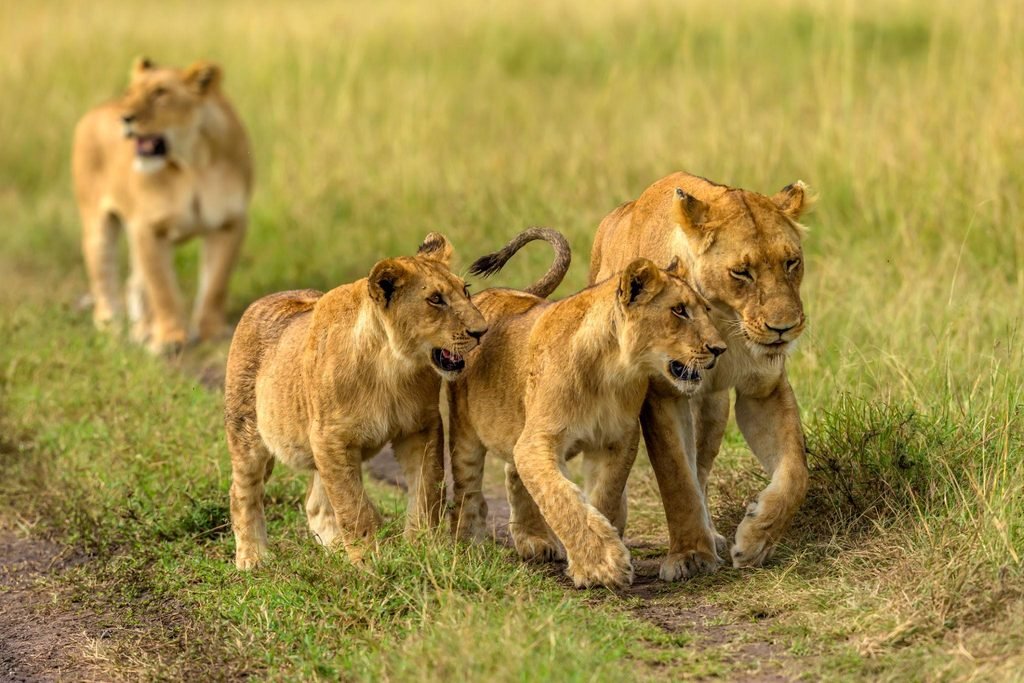
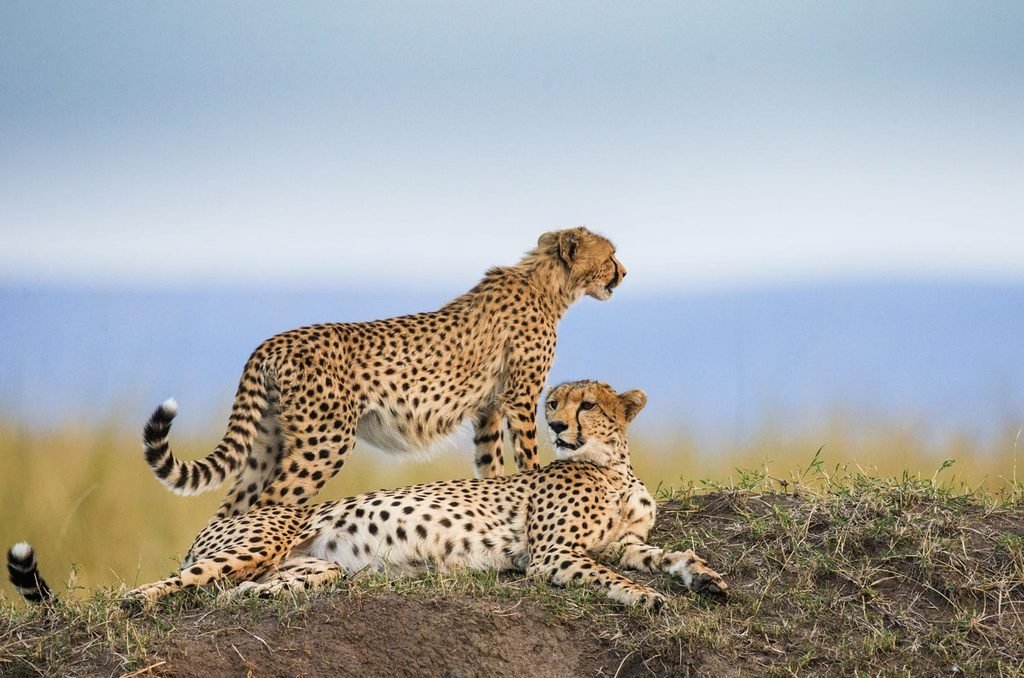
The reserve is particularly well known for its lions, leopards, and cheetahs. Lions may be seen resting in the grass, moving between territories, or watching herds of herbivores, while cheetahs are often associated with open plains where they can observe potential prey. Leopards are more secretive and may be found in areas with suitable cover, including riverine woodland. Your guide will use knowledge of animal behaviour and recent wildlife activity to select appropriate routes, although no particular sighting can be guaranteed.
The Masai Mara also supports elephants, buffaloes, giraffes, zebras, wildebeest, topis, impalas, gazelles, and numerous bird species. During the migration season, large numbers of wildebeest may move into the Mara from the Serengeti, creating opportunities to observe grazing herds and predator activity. However, the timing and location of the migration change from year to year according to rainfall and grazing conditions.
A picnic lunch is arranged at a designated location, allowing you to spend most of the day exploring the reserve. Your guide may visit different wildlife areas depending on animal movements, weather, and the permitted game-drive routes. In the late afternoon, you return to your accommodation for dinner and overnight rest.
Accommodation: Lodge or tented camp in the Masai Mara area
Meals: Breakfast, lunch, and dinner
Main activity: Full-day Masai Mara game drive
Day 6: Another Full Day in Masai Mara – Great Migration, Mara River and Wildlife Photography
Your sixth day provides another opportunity to explore the Masai Mara without the pressure of transferring to a different destination. After breakfast, you set out for a game drive that can be adjusted according to your interests, whether you prefer searching for predators, photographing elephants and giraffes, observing birdlife, or exploring areas associated with the Great Wildebeest Migration.
The Great Migration is one of the main reasons travellers visit the Masai Mara between approximately July and October. During this period, large wildebeest and zebra herds may move through the northern Serengeti and into the Masai Mara in search of grazing areas. Some herds cross the Mara River, where strong currents and crocodiles can make the crossing difficult. These events are unpredictable, and even during the main migration months, visitors cannot be guaranteed a river crossing.
If your safari takes place during the migration period, your guide may concentrate on suitable areas near the Mara River when conditions and access allow. Outside the migration season, the Masai Mara remains an excellent wildlife destination because many species live in the reserve throughout the year. Resident lions, elephants, buffaloes, giraffes, antelopes, and other animals continue to provide rewarding wildlife viewing opportunities.
Travellers interested in additional activities may arrange an optional hot-air balloon safari, usually departing early in the morning and operating separately from the standard game-drive programme. A cultural visit to a Maasai community can also be discussed, subject to availability, local arrangements, and additional charges. These activities should be requested in advance because they are not automatically included in the standard safari price.
After completing the day’s wildlife viewing, you return to your lodge or camp for dinner and your final overnight stay in the Masai Mara.
Accommodation: Lodge or tented camp in the Masai Mara area
Meals: Breakfast, lunch, and dinner
Main activity: Full-day Masai Mara wildlife safari
Day 7: Masai Mara to Nairobi – End of the 7-Day Kenya Safari
The final day begins with breakfast at your accommodation before preparing for the return journey to Nairobi. Depending on the lodge location, departure time, and reserve access arrangements, an additional early game drive may be possible, but this must be confirmed in advance because it can require an extra day’s reserve entrance fee. The standard itinerary focuses on returning to Nairobi without an additional paid reserve entry.
You travel through the Narok region and the Great Rift Valley countryside, with suitable stops for refreshments and lunch along the way. The road journey normally takes approximately five to seven hours or longer, depending on traffic, weather, and the location of your accommodation. Travellers should avoid scheduling an early afternoon international flight because unexpected road delays can occur.
Upon arrival in Nairobi, your driver-guide transfers you to your hotel or another agreed drop-off location. Airport transfers can also be arranged when the flight schedule allows sufficient travel time. This marks the end of your seven-day Kenya wildlife safari, having explored three different wildlife destinations and spent several days observing the animals and landscapes of the Masai Mara.
Accommodation: Not included after the safari
Meals: Breakfast and lunch
Main activity: Road transfer from Masai Mara to Nairobi
What Is Included in the 7-Day Masai Mara Kenya Safari Package?
The proposed standard package includes the main services required for the seven-day road safari. The final inclusions will be confirmed in the quotation according to the selected accommodation, travel dates, and number of travellers.
- Six nights of accommodation in safari lodges or tented camps.
- Transport in a suitable 4×4 safari vehicle with a pop-up roof.
- Professional English-speaking safari driver-guide.
- Scheduled game drives in Amboseli National Park.
- Scheduled game drive in Lake Nakuru National Park.
- Scheduled game drives in Masai Mara National Reserve.
- National park and reserve entrance fees for the visits included in the itinerary.
- Breakfast, lunch, and dinner as specified in the daily programme.
- Drinking water during scheduled safari activities.
- Pick-up and drop-off in Nairobi at agreed locations.
- Driver-guide accommodation and related operating expenses.
- Applicable government taxes on the included services.
- Safari planning and assistance throughout the arranged journey.
What Is Excluded From the 7-Day Masai Mara Kenya Safari Package?
The following expenses are normally excluded unless they are specifically added to the confirmed booking.
- International flight tickets to and from Kenya.
- Kenya Electronic Travel Authorisation or other applicable entry-document costs.
- Travel insurance and medical insurance.
- Personal shopping, laundry, telephone calls, and other private expenses.
- Alcoholic beverages and additional drinks not included by the accommodation provider.
- Tips for the driver-guide and accommodation staff.
- Optional hot-air balloon safari in Masai Mara.
- Optional Maasai cultural village visits.
- Additional game drives or reserve entry fees not specified in the itinerary.
- Accommodation before the safari begins or after it ends.
- Domestic flights unless specifically arranged.
- Activities or services not expressly listed in the confirmed package inclusions.
How Much Does a 7-Day Masai Mara Kenya Safari Cost in 2027, 2028 and 2029?
The cost of a seven-day Kenya safari depends on the travel season, accommodation category, number of guests, and whether the safari is private or shared. Park and reserve entrance fees also contribute significantly to the total cost, particularly during the popular Great Migration season when demand for accommodation in the Masai Mara is often high.
For preliminary planning, travellers may use the following broad estimates per person, based on two people sharing accommodation and the main safari expenses. These are indicative figures rather than confirmed Eddy Tours & Safaris selling prices.
| Safari category | Estimated cost per person |
|---|---|
| Budget safari | USD 1,800–2,500 |
| Mid-range safari | USD 2,500–3,800 |
| Luxury safari | USD 4,000–6,500+ |
These estimates are intended only to help travellers understand the possible differences between accommodation categories. Actual prices for 2027, 2028, and 2029 may change because of reserve fees, accommodation rates, fuel costs, exchange rates, and seasonal demand.
Masai Mara reserve entrance fees are especially important when preparing a quotation. Fees have varied by season, and the applicable charges for future travel dates should be confirmed before a final package price is issued.
Best Time to Visit Masai Mara for a Kenya Safari
The Masai Mara can be visited throughout the year, but wildlife movements, rainfall, and visitor numbers vary by season. The period from approximately July to October is particularly popular because it often coincides with the arrival of migrating wildebeest and zebras from the Serengeti ecosystem. During these months, visitors may have opportunities to observe large grazing herds and, with luck, river crossings.
However, the migration does not follow an exact calendar. Rainfall patterns influence where animals move, and some years the herds may arrive earlier or later than expected. Travellers planning a safari specifically to see river crossings should allow several days in the Masai Mara rather than expecting a crossing during a single game drive.
From December to March, the reserve generally offers rewarding wildlife viewing, with resident predators and grazing animals remaining present throughout the year. The landscapes may be greener following seasonal rainfall, and birdwatching can be particularly enjoyable.
April and May are often associated with heavier rainfall in parts of Kenya. These months can offer quieter safari experiences, but muddy roads and changing weather conditions may affect game-drive routes and travel times.
What Wildlife Can You See During a 7-Day Kenya Safari?
One of the main advantages of combining Amboseli, Lake Nakuru, and Masai Mara is the variety of wildlife habitats covered during the journey. Each destination contributes something different to the safari, increasing the range of animals and landscapes travellers may encounter.
Amboseli is especially well known for elephants, with opportunities to observe family groups moving through open plains and wetland areas. Lake Nakuru is an important rhinoceros conservation area and also supports buffaloes, giraffes, zebras, baboons, and numerous bird species. The Masai Mara is particularly recognised for its large predators, including lions, leopards, cheetahs, and spotted hyenas.
Together, these destinations provide opportunities to search for Africa’s Big Five: lion, leopard, elephant, buffalo, and rhinoceros. However, wildlife sightings are always subject to natural conditions, and no responsible safari operator can guarantee that every species will be seen.
Why Spend Three Nights in Masai Mara?
Spending three nights in the Masai Mara is one of the strongest features of this itinerary because it allows travellers two full days of wildlife viewing after arriving from Lake Nakuru. Many shorter Kenya safari packages include only one or two nights in the reserve, which can limit the amount of time available for exploring different wildlife areas.
The Masai Mara covers a large landscape with grasslands, river systems, and woodland habitats. Animals move freely throughout the ecosystem, and some species can be difficult to locate during a short visit. Additional time allows the guide to explore different areas, return to locations where wildlife has been observed, and adjust the schedule according to weather and animal activity.
For travellers visiting during the Great Migration period, spending more time in the reserve may improve the opportunity to encounter large wildebeest herds. Nevertheless, migration sightings and river crossings remain unpredictable, so the safari should be enjoyed for its wider wildlife experience rather than depending entirely on one event.
Can You Combine a Masai Mara Safari With Tanzania and Mount Kilimanjaro?
Kenya and Tanzania share some of East Africa’s most important wildlife landscapes, making it possible to combine destinations from both countries in a longer holiday. Travellers interested in visiting the Masai Mara can continue to Tanzania to explore Serengeti National Park, Ngorongoro Crater, Tarangire National Park, or Mount Kilimanjaro.
The Masai Mara and Serengeti are part of the same wider ecosystem, but crossing between Kenya and Tanzania requires proper border arrangements and an appropriate route. Safari vehicles and guides may need to change at the border, and travel between the parks can involve substantial driving. These arrangements should be discussed before booking rather than assuming that a direct park-to-park transfer is available.
Visitors interested in mountain trekking can explore Kilimanjaro Climb Specialist for information about climbing routes, preparation, and trekking packages. Popular routes include Machame, Lemosho, Marangu, Rongai, and the Northern Circuit, each offering different trekking durations and accommodation arrangements.
Travellers can also explore Tanzania Safari Tours to plan an extended East African holiday that includes both Kenya’s Masai Mara and Tanzania’s northern wildlife destinations.
What Should You Pack for a 7-Day Masai Mara Kenya Safari?
Packing for a Kenya safari is relatively straightforward, but travellers should prepare for changing temperatures, dusty roads, and long periods inside a safari vehicle. Lightweight clothing in neutral colours is suitable for daytime game drives, while a warm jacket or fleece is useful for early mornings and evenings, especially in higher-altitude areas such as Lake Nakuru and the Masai Mara.
Comfortable walking shoes, a sun hat, sunglasses, sunscreen, insect repellent, and personal medication are important items to carry. A camera and binoculars can improve the wildlife viewing experience, particularly when animals are resting at a distance from the vehicle. Travellers interested in photography may also benefit from spare batteries, memory cards, and suitable camera protection against dust.
It is advisable to carry a small day bag for personal items during game drives and a reusable water bottle where appropriate. Travellers should also check the luggage restrictions of any domestic flights included in their wider travel arrangements, as smaller safari aircraft may have stricter baggage limits than international airlines.
Why Choose Eddy Tours & Safaris for Your East Africa Wildlife Holiday?
Eddy Tours & Safaris is a locally based tour company in Arusha, Tanzania, offering wildlife safaris, Kilimanjaro climbing trips, and travel planning services. Our experience with northern Tanzania’s safari circuit allows us to assist travellers interested in exploring the wider East African region, including combined Kenya and Tanzania holiday itineraries.
We understand that travellers have different expectations when planning a safari. Some visitors prefer budget accommodation and group travel, while others want private vehicles, comfortable lodges, or luxury tented camps. Our aim is to help guests select suitable destinations, understand the services included in their quotation, and plan a journey that fits their available time and budget.
For Kenya safari arrangements, accommodation, guiding, and transport services must be confirmed with the relevant local providers before a booking is finalised. Travellers can contact our team to discuss their preferred travel dates and receive information about suitable arrangements.
Frequently Asked Questions About the 7-Day Masai Mara Kenya Safari
Is Seven Days Enough for a Kenya Safari?
Yes, seven days is enough to visit several important wildlife destinations in Kenya, including Amboseli, Lake Nakuru, and Masai Mara. This itinerary provides opportunities to observe different habitats and wildlife populations while spending three nights in the Masai Mara area. However, some days involve long road transfers, so travellers who prefer a slower pace may consider extending the safari to eight or nine days.
Is Masai Mara Better Than Serengeti?
Both Masai Mara and Serengeti offer excellent wildlife viewing, but they provide different travel experiences. The Masai Mara is smaller and can be explored over several days, while Serengeti National Park covers a much larger area with different wildlife regions. Both form part of the greater Serengeti-Mara ecosystem, and the best choice depends on the season, travel schedule, and wildlife experiences you want to prioritise.
Can I See the Great Wildebeest Migration in 2027, 2028 or 2029?
The Great Wildebeest Migration is an annual natural movement, and the Masai Mara is an important destination during part of the migration cycle. Large herds are commonly associated with the reserve between approximately July and October, but the exact timing varies each year. Travellers should plan their safari around the expected migration period while understanding that particular sightings and river crossings cannot be guaranteed.
Are Masai Mara Safaris Suitable for Families?
Yes, Masai Mara safaris can be suitable for families with children, particularly when travelling in a private safari vehicle. Private arrangements allow families to adjust daily schedules, plan suitable breaks, and choose accommodation with facilities appropriate for children. Parents should confirm any age restrictions for specific activities and accommodation properties before booking.
Is a Hot-Air Balloon Safari Included in the Package?
A hot-air balloon safari is normally an optional activity and is not included in the standard seven-day package unless specifically stated in the quotation. Balloon flights generally take place early in the morning and must be arranged in advance, subject to weather conditions and operator availability.
Do I Need a Visa to Visit Kenya?
Entry requirements depend on the traveller’s nationality and immigration status. Kenya operates an electronic travel authorisation system for many visitors, although exemptions and specific requirements may apply. Travellers should check the latest official immigration guidance before departure and ensure that their passport and travel documents meet the applicable requirements.
Can I Start the Safari From Tanzania Instead of Nairobi?
A Kenya safari can potentially be combined with travel from Tanzania, but the arrangements depend on the starting location, border crossing, transport services, and immigration requirements. Travellers beginning in Arusha may be able to arrange a combined itinerary involving Amboseli, Nairobi, or other Kenyan destinations, subject to suitable cross-border arrangements.
How Early Should I Book a 2027, 2028 or 2029 Masai Mara Safari?
Booking several months in advance is advisable, particularly for departures during the popular July-to-October migration period. Advance planning provides more accommodation choices and allows time to organise transport, travel documents, and other arrangements. Last-minute bookings may be possible, but availability can be limited during busy travel periods.
Book Your 7-Day Masai Mara Kenya Safari for 2027, 2028 or 2029
A seven-day Kenya safari combining Amboseli, Lake Nakuru, and Masai Mara provides a rewarding introduction to East Africa’s wildlife. From observing elephants beneath Mount Kilimanjaro to searching for rhinoceroses in Lake Nakuru and spending two full days exploring the Masai Mara, the itinerary brings together different landscapes and wildlife experiences within one holiday.
Whether you are travelling as a couple, with family, or as part of a small group, the safari can be planned according to your preferred accommodation standard and available budget. The route is particularly suitable for travellers who want to experience the Masai Mara while also visiting other important Kenyan wildlife destinations.
Contact Eddy Tours & Safaris
Location: Arusha, Tanzania
Website: Eddy Tours and Safaris
Email: sales@eddytours-safaris.com
Alternative email: eddytoursandsafaris@gmail.com
Plan your 7-day Masai Mara Kenya safari for 2027, 2028, or 2029 with Eddy Tours & Safaris. Contact our team with your preferred travel dates, number of travellers, and accommodation requirements to request a detailed itinerary and an updated quotation.