
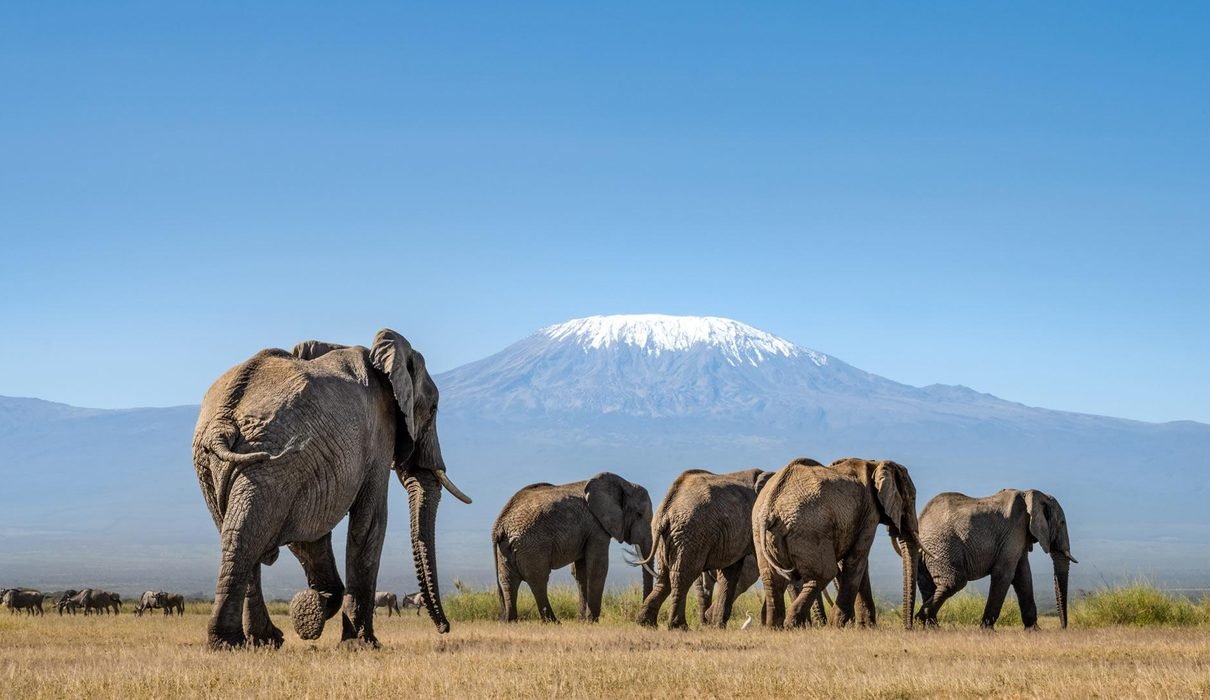
Kenya is one of Africa’s most popular wildlife safari destinations, known for its wide grasslands, large populations of wild animals, beautiful lakes, and national parks that offer excellent opportunities for game viewing. Among these destinations, the Masai Mara National Reserve stands out for its lions, cheetahs, elephants, leopards, and the seasonal Great Wildebeest Migration. The best 8-day Masai Mara and Kenya wildlife safari combines the famous Masai Mara with Lake Nakuru National Park and Lake Naivasha, giving travellers eight days to explore some of Kenya’s most rewarding wildlife areas.
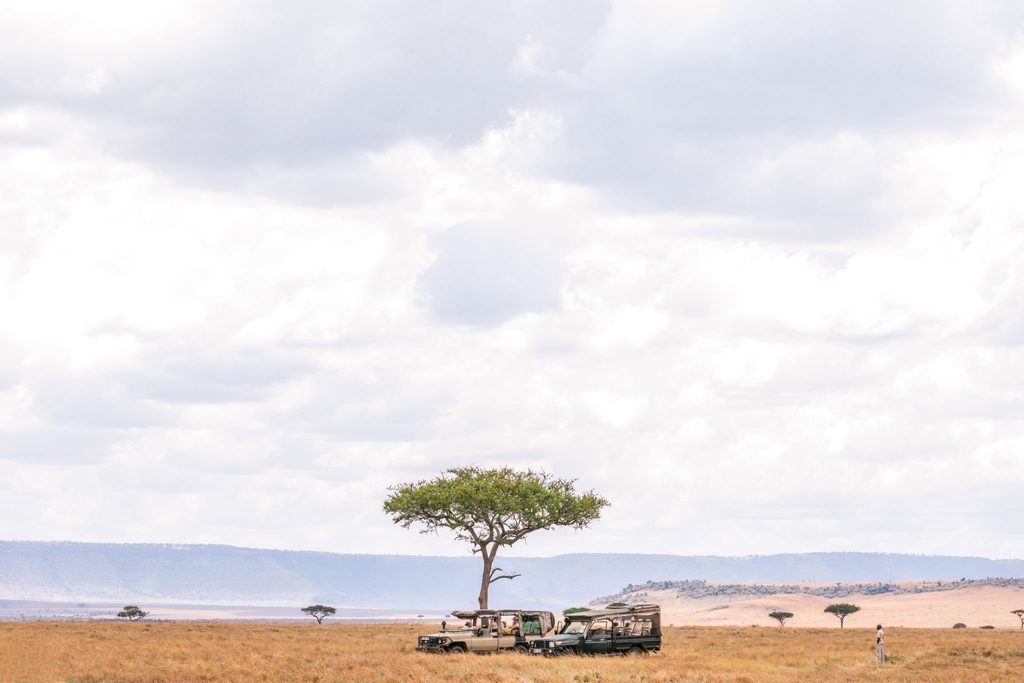
This carefully planned Kenya safari itinerary is suitable for visitors who want more than a short game drive in the Masai Mara. Over eight days, you will travel through the Great Rift Valley, search for black and white rhinoceroses in Lake Nakuru, enjoy the peaceful surroundings of Lake Naivasha, and spend several days exploring the open plains of the Masai Mara. The journey provides opportunities to observe different wildlife species, learn about Kenya’s natural environment, and experience the landscapes that have made East Africa a leading safari destination.
Organised through Eddy Tours & Safaris, this proposed safari package can be arranged with budget, mid-range, or luxury accommodation according to your travel preferences. The itinerary begins and ends in Nairobi, Kenya, with private safari transport, professional guiding, scheduled game drives, and accommodation arrangements based on the selected package. Travellers visiting in 2027, 2028, or 2029 can also request adjustments to the route depending on the season, group size, and wildlife experiences they would like to prioritise.
Overview of the 8-Day Masai Mara and Kenya Safari Package
This eight-day Kenya wildlife safari has been designed to provide a comfortable balance between wildlife viewing, travel, and relaxation. Rather than spending every day moving between national parks, the itinerary includes several nights in the Masai Mara, allowing more time to explore different sections of the reserve and observe wildlife without rushing through the experience.
The journey starts in Nairobi before continuing to Lake Nakuru National Park, a protected area particularly important for rhinoceros conservation and birdlife. From Nakuru, the safari travels to Lake Naivasha, where visitors can enjoy the lakeside scenery and optional activities before proceeding to the Masai Mara. The final four days of the itinerary are spent travelling to, exploring, and returning from the Mara, with three nights in or near the reserve.
Safari package details
- Safari duration: 8 days and 7 nights
- Starting point: Nairobi, Kenya
- Ending point: Nairobi, Kenya
- Main destinations: Lake Nakuru, Lake Naivasha, and Masai Mara National Reserve
- Accommodation: Budget, mid-range, or luxury lodges and tented camps
- Safari transport: 4×4 safari Land Cruiser with a pop-up roof
- Tour arrangement: Private safari, with group arrangements subject to availability
- Meals: Breakfast, lunch, and dinner as specified in the itinerary
- Main activities: Game drives, wildlife photography, scenic drives, and optional excursions
- Recommended travel period: Throughout the year, with July to October particularly popular for the Great Migration
- Suitable for: Couples, families, friends, photographers, and first-time safari visitors
Travellers interested in exploring both Kenya and Tanzania can also enquire about combined East African safari itineraries through Eddy Tours & Safaris. These arrangements may include Kenya’s Masai Mara alongside Tanzania’s Serengeti, Ngorongoro Crater, and other northern circuit destinations.
Detailed 8-Day Masai Mara and Kenya Wildlife Safari Itinerary
Day 1: Arrival in Nairobi, Kenya – Airport Transfer and Safari Preparation
Your eight-day Kenya safari begins with your arrival at Jomo Kenyatta International Airport in Nairobi, where a representative meets you and assists with the transfer to your hotel. Depending on your flight schedule, the journey to the hotel provides an introduction to Kenya’s capital city, a busy commercial centre surrounded by a mixture of residential neighbourhoods, modern buildings, and green spaces. After checking in, you will have time to rest following your international journey and prepare for the wildlife adventure ahead.
Nairobi is a convenient starting point for safaris travelling towards the Great Rift Valley and Masai Mara. If you arrive early enough, you may choose to explore some of the city’s attractions, although optional activities should be arranged separately to avoid interfering with the safari schedule. Travellers arriving late in the evening can simply relax at the hotel before meeting their driver-guide the following morning.
Before departure, your guide will explain the planned route, expected driving conditions, accommodation arrangements, and basic wildlife viewing guidelines. This is also an opportunity to ask questions about the national parks, photography, and the activities included in the package. Dinner arrangements depend on the selected hotel and confirmed meal plan.
Accommodation: Nairobi hotel
Meals: As specified in the confirmed arrival arrangement
Main activity: Airport transfer and safari briefing
Day 2: Nairobi to Lake Nakuru National Park – Great Rift Valley and Rhino Safari
After breakfast at your hotel, you depart Nairobi and travel northwest towards Lake Nakuru National Park. The journey takes you through the Great Rift Valley, where the landscape changes from the busy surroundings of Nairobi to farmland, hills, escarpments, and wide valley views. Depending on traffic and road conditions, the drive generally takes approximately three to four hours, with opportunities to stop at suitable viewpoints along the way.
Lake Nakuru National Park is one of Kenya’s important protected areas for rhinoceros conservation. The park supports both black and white rhinoceroses, making it a valuable destination for travellers hoping to observe these animals during their safari. Its mixture of woodland, grassland, rocky hills, and lakeshore habitats also provides suitable conditions for buffaloes, giraffes, zebras, waterbucks, baboons, and several predators.
Upon arrival, your guide completes the park entrance procedures before beginning the scheduled game drive. As you explore the park, you may encounter rhinoceroses grazing in open areas, buffaloes moving through grassland, or giraffes feeding among the trees. The lake is also associated with flamingos and other waterbirds, although flamingo numbers vary according to water conditions, food availability, and seasonal changes.
Lunch will be arranged at your lodge or another suitable location, depending on the arrival time. The afternoon provides additional opportunities to explore Lake Nakuru’s wildlife habitats before returning to your accommodation for dinner and overnight rest. This first major wildlife experience introduces you to Kenya’s conservation efforts and prepares you for the larger landscapes of the Masai Mara.
Accommodation: Lodge or tented camp in the Lake Nakuru area
Meals: Breakfast, lunch, and dinner
Main activity: Lake Nakuru National Park game drive
Day 3: Lake Nakuru to Lake Naivasha – Lakeside Scenery and Optional Boat Safari
Following breakfast, you depart Lake Nakuru and travel towards Lake Naivasha, another well-known destination in Kenya’s Great Rift Valley. The journey is relatively short compared with the longer safari transfers, allowing a more relaxed day with time to enjoy the surroundings. Lake Naivasha is a freshwater lake surrounded by farms, woodland, accommodation properties, and wildlife habitats that support a variety of birds and other animals.
After arriving at your accommodation, you will have time to settle in and enjoy the lakeside environment. Lake Naivasha is particularly interesting for birdwatching, with opportunities to observe fish eagles, kingfishers, pelicans, cormorants, and other waterbirds. Hippos also inhabit the lake, although visitors should always maintain a safe distance and follow instructions from qualified local guides.
An optional guided boat excursion can be arranged for travellers who want to explore the lake from the water. During the boat trip, visitors may observe hippos and birds while learning about the lake’s ecology and surrounding communities. Boat activities depend on weather, water conditions, and local operating arrangements, and should be undertaken only with an authorised operator.
Travellers who prefer an active afternoon may also consider an optional visit to Hell’s Gate National Park, where authorised walking and cycling activities are available in designated areas. The park is known for its dramatic cliffs, geothermal landscape, and open scenery. However, combining several optional activities in one afternoon may be tiring, so the programme should be adjusted according to individual interests.
In the evening, you return to your accommodation for dinner and rest before travelling to the Masai Mara the following morning.
Accommodation: Lodge or hotel near Lake Naivasha
Meals: Breakfast, lunch, and dinner
Main activity: Scenic transfer and lakeside relaxation
Optional activities: Boat safari or Hell’s Gate excursion
Day 4: Lake Naivasha to Masai Mara National Reserve – Arrival in Kenya’s Famous Wildlife Reserve
After an early breakfast, you leave Lake Naivasha and begin the journey towards the Masai Mara National Reserve in southwestern Kenya. The drive passes through the Rift Valley countryside, small towns, agricultural areas, and landscapes associated with Maasai pastoral communities. Depending on the route, road conditions, and location of your accommodation, the journey may take approximately five to seven hours or longer.
As you approach the greater Masai Mara ecosystem, the scenery gradually opens into extensive grasslands with scattered trees, rolling hills, and grazing areas. This landscape supports a remarkable diversity of wildlife, including lions, elephants, giraffes, zebras, wildebeest, buffaloes, and several antelope species. The Masai Mara forms part of the wider Mara–Serengeti ecosystem, which extends across the border into Tanzania.
Upon arrival, you proceed to your lodge or tented camp for check-in and lunch, depending on your arrival time. After some rest, you begin an afternoon game drive if the schedule and reserve entry arrangements permit. This first drive introduces you to the Mara’s open plains, where animals can sometimes be observed across considerable distances.
Your guide will search for wildlife along the permitted game-drive routes, paying attention to areas where lions, cheetahs, elephants, and grazing animals have recently been observed. The Mara is particularly well known for its big cats, but sightings depend on natural animal movements and the conditions on the day.
As evening approaches, you return to your accommodation for dinner. Spending the night in or near the Masai Mara allows you to begin wildlife viewing early the following morning, when temperatures are cooler and many animals are active.
Accommodation: Lodge or tented camp in or near Masai Mara
Meals: Breakfast, lunch, and dinner
Main activity: Transfer to Masai Mara and afternoon game drive, subject to arrival time
Day 5: Full-Day Masai Mara Safari – Lions, Cheetahs, Leopards and the Big Five
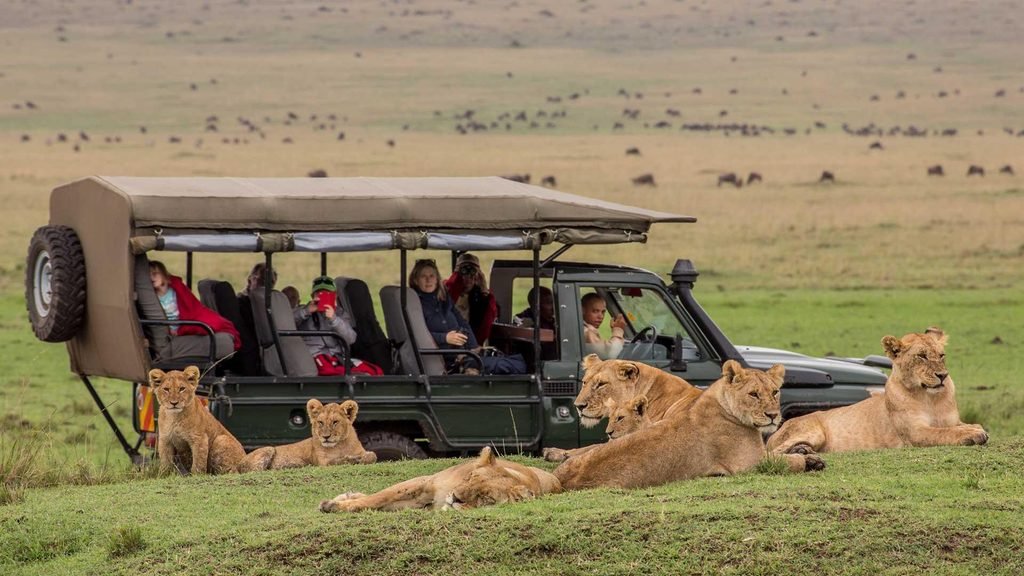
The fifth day is dedicated to exploring the Masai Mara National Reserve, providing a full day to search for wildlife across its grasslands, river valleys, and woodland areas. After an early breakfast, you depart with your guide in a safari vehicle equipped with a pop-up roof, allowing better visibility and opportunities for photography.
The Masai Mara is particularly well known for its populations of lions, cheetahs, and leopards. Lions may be observed resting in the grass, moving between hunting areas, or interacting with members of their pride. Cheetahs are often associated with open plains where they can watch for prey, while leopards tend to favour areas with suitable cover, including riverine woodland and thickets. These animals are naturally unpredictable, so finding them requires patience and careful observation.
Beyond the big cats, the reserve supports elephants, buffaloes, giraffes, zebras, wildebeest, topi, gazelles, hyenas, and many bird species. The African Big Five—lion, leopard, elephant, buffalo, and rhinoceros—are found within the wider ecosystem, although black rhinoceroses are uncommon and difficult to locate. The safari therefore focuses on responsible wildlife viewing rather than guaranteeing particular sightings.
A packed lunch is arranged at an authorised picnic area, allowing you to remain within the reserve for most of the day. Your guide may adjust the route according to wildlife activity, weather conditions, and the interests of the group. Travellers interested in photography can spend additional time observing animal behaviour, while families may prefer a more balanced schedule with regular breaks.
In the late afternoon, you return to your lodge or tented camp for dinner and overnight accommodation. A full day in the Mara provides a better opportunity to appreciate the reserve than a brief visit during a transfer between destinations.
Accommodation: Lodge or tented camp in or near Masai Mara
Meals: Breakfast, lunch, and dinner
Main activity: Full-day Masai Mara wildlife game drive
Day 6: Masai Mara Great Migration Safari – Exploring the Mara River and Wildlife Plains
Your sixth day provides another opportunity to explore the Masai Mara, with the programme adjusted according to the season and wildlife movements. During the Great Wildebeest Migration period, generally associated with July to October, your guide may focus on areas where migrating herds are present, including suitable sections of the Mara River and surrounding grasslands.
The Great Migration involves large numbers of wildebeest, zebras, and other grazing animals moving through the wider Mara–Serengeti ecosystem in response to rainfall, water availability, and grazing conditions. The Mara River crossings are among the most widely recognised events associated with this movement, but crossings cannot be scheduled or guaranteed. Herds may gather near the river for long periods before crossing, and some days pass without any crossing activity.
Travellers visiting outside the main migration season can still enjoy excellent wildlife viewing because the Masai Mara supports substantial resident wildlife populations throughout the year. Lions, elephants, giraffes, buffaloes, antelopes, and many bird species remain in the ecosystem even when the main migrating herds are elsewhere.
Your guide will select appropriate game-drive areas based on current conditions and reserve regulations. Wildlife viewing may include observing predator behaviour, searching for elephants near riverine vegetation, or following the movements of grazing herds across the plains. Where permitted, a picnic lunch can be arranged during the day before continuing the afternoon drive.
The second full day in the Masai Mara is particularly valuable for photographers and wildlife enthusiasts because it provides time to revisit productive viewing areas and observe animals under different lighting and weather conditions. In the evening, you return to your accommodation for dinner and overnight rest.
Accommodation: Lodge or tented camp in or near Masai Mara
Meals: Breakfast, lunch, and dinner
Main activity: Full-day Masai Mara game drive, including migration-focused areas when seasonally appropriate
Day 7: Masai Mara Wildlife Safari – Final Game Drives and Optional Cultural Experience
After breakfast, you begin another day exploring the Masai Mara, focusing on areas that may not have been visited during the previous game drives. The additional day allows greater flexibility, especially when wildlife is moving between different parts of the reserve. Your guide may search for animals in open grasslands, near river systems, or in areas with scattered woodland, depending on recent sightings and accessibility.
One of the advantages of spending three nights in the Masai Mara is that you do not need to concentrate every wildlife experience into a single day. You can spend longer watching elephants feeding, observing interactions between grazing animals, or waiting patiently for predators to become active. Wildlife photography often benefits from this slower approach, particularly during early morning and late afternoon when the light is generally softer.
Depending on the selected package and personal interests, an optional visit to a Maasai community may be arranged through a locally organised cultural programme. Such visits can provide opportunities to learn about aspects of Maasai culture, traditional livelihoods, and the relationship between pastoral communities and the surrounding landscape. Travellers should choose visits that are organised respectfully, with community participation and clear information about any additional fees.
Another optional experience is a hot-air balloon safari, which normally begins before sunrise and offers an aerial perspective of the plains. Balloon flights are subject to weather, availability, operating conditions, and separate charges unless included in the confirmed package.
After completing the scheduled activities, you return to your accommodation for dinner and your final night in the Masai Mara. This evening provides time to relax and prepare for the return journey to Nairobi the following day.
Accommodation: Lodge or tented camp in or near Masai Mara
Meals: Breakfast, lunch, and dinner
Main activity: Masai Mara wildlife game drives
Optional activities: Maasai cultural visit or hot-air balloon safari
Day 8: Masai Mara to Nairobi – Return Journey and End of Kenya Safari
Your final safari day begins with breakfast at the lodge or tented camp before checking out and preparing for the journey back to Nairobi. Depending on your accommodation location and travel arrangements, you may have an opportunity for wildlife viewing while leaving the area, although an additional formal game drive is not automatically included.
The return journey passes through the countryside and Rift Valley landscapes before reaching Nairobi. Driving time can vary considerably, but travellers should generally allow approximately five to seven hours or longer, particularly when traffic is heavy or road conditions are difficult. Suitable stops can be arranged along the route for refreshments and rest.
Upon arrival in Nairobi, your guide will transfer you to your hotel or Jomo Kenyatta International Airport according to the confirmed itinerary. Travellers with international flights should allow sufficient time for airport check-in and possible traffic delays. Where possible, booking a late-evening departure or an additional overnight stay in Nairobi can make the final travel day more comfortable.
The eight-day Kenya safari ends after the scheduled drop-off, having covered Lake Nakuru, Lake Naivasha, and several days of wildlife viewing in the Masai Mara. For travellers interested in continuing their East African holiday, additional arrangements can be made to visit Tanzania’s Serengeti, Ngorongoro Crater, or Mount Kilimanjaro.
Accommodation: Not included after the safari
Meals: Breakfast and lunch, depending on the confirmed travel schedule
Main activity: Return transfer to Nairobi
What Is Included in the 8-Day Masai Mara and Kenya Safari Package?
The following services form the proposed standard inclusions for this eight-day safari. Exact arrangements should be confirmed in the final quotation.
- Seven nights of accommodation in the selected hotels, lodges, or tented camps.
- Transport in a 4×4 safari Land Cruiser with a pop-up roof.
- Professional English-speaking safari driver-guide.
- Scheduled game drives in Lake Nakuru National Park and Masai Mara National Reserve.
- Park and reserve entrance fees for the activities specified in the confirmed itinerary.
- Meals as indicated in the daily programme.
- Drinking water during scheduled game drives.
- Airport pick-up in Nairobi and final hotel or airport drop-off.
- Transport between Nairobi, Lake Nakuru, Lake Naivasha, and Masai Mara.
- Applicable government taxes on included safari services.
- Safari planning and assistance during the arranged tour.
- Emergency assistance coordination through the safari operator.
What Is Excluded From the 8-Day Masai Mara and Kenya Safari Package?
The following items are normally excluded unless they are expressly added to the confirmed booking.
- International flights to and from Kenya.
- Kenya Electronic Travel Authorisation or other applicable entry-document costs.
- Travel insurance and medical insurance.
- Personal shopping, laundry, and telephone expenses.
- Tips for the safari driver-guide and accommodation staff.
- Alcoholic drinks, soft drinks, and refreshments not included in the meal plan.
- Optional hot-air balloon safari in Masai Mara.
- Optional Maasai cultural village visits.
- Optional Lake Naivasha boat excursion.
- Optional Hell’s Gate National Park activities and entrance fees.
- Additional accommodation before or after the safari.
- Domestic flights not specifically included in the quotation.
- Any services or activities not listed in the confirmed package inclusions.
How Much Does an 8-Day Masai Mara Safari Cost in 2027, 2028 and 2029?
The cost of an eight-day Masai Mara and Kenya wildlife safari depends on the accommodation category, number of travellers, travel season, reserve fees, and whether the safari is private or shared. Travellers visiting during the Great Migration period may encounter higher accommodation rates and greater demand, particularly for lodges and tented camps located close to popular wildlife viewing areas.
Budget safari arrangements generally use simpler accommodation and may involve shared transport, while mid-range packages offer comfortable lodges and tented camps with private facilities. Luxury arrangements may include higher-end properties, private guiding, and additional services.
For early budgeting, travellers can consider the following broad indicative ranges:
| Safari category | Estimated price per person |
|---|---|
| Budget safari | USD 1,600–2,500 |
| Mid-range safari | USD 2,500–4,200 |
| Luxury safari | USD 4,500–7,500+ |
These figures are preliminary planning estimates rather than confirmed prices for 2027–2029. The actual cost may fall outside these ranges depending on reserve fees, accommodation location, travel dates, group size, and services included. Travellers should request a personalised quotation from Eddy Tours & Safaris before making booking decisions.
Best Time to Visit Masai Mara for a Kenya Safari
The Masai Mara is a year-round wildlife destination, but different seasons provide different experiences. The period from July to October is particularly popular because the Great Wildebeest Migration may bring large herds into the Mara ecosystem. During these months, visitors may have opportunities to observe wildebeest, zebras, predators, and occasional river crossings, although the timing and location of the migration vary from year to year.
From January to March, the Masai Mara generally offers rewarding resident wildlife viewing, with opportunities to observe lions, cheetahs, elephants, giraffes, and other animals. The landscape may be greener following seasonal rainfall, and some visitors prefer this period because it can be less crowded than the peak migration months.
April and May are associated with heavier rainfall in parts of Kenya. The grasslands can become particularly green, and birdwatching may be rewarding, but muddy roads and changing weather conditions can affect travel schedules. November and December also bring variable rainfall, creating fresh vegetation and different photographic conditions.
Travellers whose main interest is the Great Migration should plan their dates carefully, while those interested in general wildlife viewing can enjoy the Masai Mara throughout the year.
Why Spend Eight Days on a Kenya Wildlife Safari?
An eight-day safari provides more time to explore Kenya’s wildlife destinations without concentrating the entire holiday on long road transfers. Shorter itineraries can offer good wildlife experiences, but travelling between Nairobi, Lake Nakuru, Lake Naivasha, and Masai Mara requires time, especially when traffic and road conditions are unpredictable.
Spending several nights in the Masai Mara allows travellers to explore different wildlife habitats and increases the opportunity to observe animals over multiple days. Wildlife sightings are influenced by natural behaviour, so having additional time can be useful when animals are resting, hidden in vegetation, or moving between different areas.
The combination of Lake Nakuru and Masai Mara also provides a broader wildlife experience. Lake Nakuru is particularly important for rhinoceros conservation, while Masai Mara is widely recognised for its big cats and seasonal migration. Lake Naivasha adds a quieter lakeside environment, giving travellers a chance to enjoy birdwatching and optional activities between the main wildlife destinations.
What Animals Can You See During an 8-Day Masai Mara Safari?
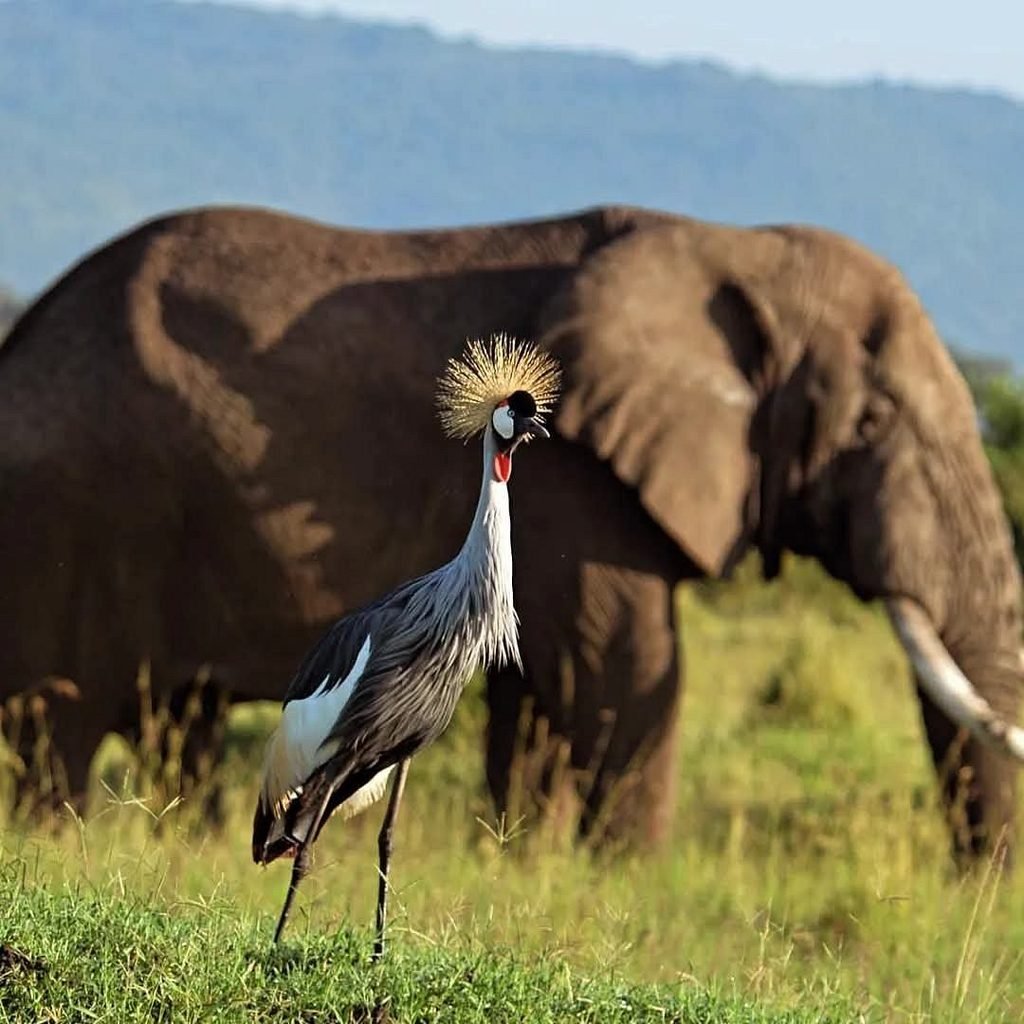
Kenya’s wildlife reserves and national parks support a wide variety of mammals, birds, and other animals. During this eight-day safari, travellers may encounter lions, leopards, cheetahs, elephants, buffaloes, giraffes, zebras, wildebeest, antelopes, hippos, crocodiles, and numerous bird species.
Lake Nakuru is particularly important for both black and white rhinoceroses, making it a valuable addition to the itinerary for travellers interested in seeing these endangered animals. The park also supports buffaloes, giraffes, baboons, and several bird species, including flamingos when conditions are suitable.
The Masai Mara provides opportunities to observe large predators and grazing mammals across its grasslands and river valleys. During migration season, large herds of wildebeest and zebras may move through the reserve, attracting attention from predators and creating opportunities to observe natural wildlife interactions.
Although the safari visits areas where many of Africa’s famous animals occur, wildlife sightings are never guaranteed. A professional guide will use experience and knowledge of the local environment to search for animals while respecting reserve regulations and wildlife viewing distances.
Can You Combine a Masai Mara Safari With Tanzania and Mount Kilimanjaro?
Kenya and Tanzania share one of Africa’s most important wildlife ecosystems, making it possible to combine a Masai Mara safari with visits to Serengeti National Park, Ngorongoro Crater, and other destinations in northern Tanzania. Travellers interested in both countries can arrange a longer East African safari that includes wildlife viewing on both sides of the border.
The Masai Mara and Serengeti are connected ecologically, but travellers cannot simply drive across the wildlife reserve boundary into Tanzania. Cross-border itineraries require travel through authorised immigration points and suitable road or flight connections. The route should therefore be planned carefully to allow sufficient time for transfers and border procedures.
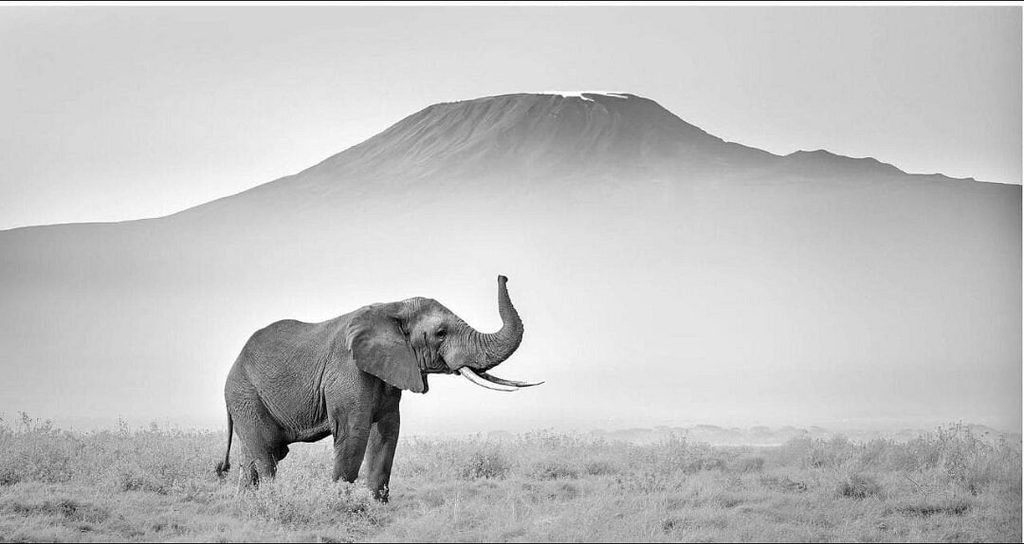
Travellers who also want to climb Mount Kilimanjaro can extend their holiday with a mountain trekking programme. Kilimanjaro is located in northern Tanzania and offers several established climbing routes, including Machame, Lemosho, Marangu, Rongai, and the Northern Circuit. Climbing requires suitable preparation, physical fitness, and adequate time for acclimatisation.
For mountain trekking information, visit Kilimanjaro Climb Specialist, which provides information about Kilimanjaro climbing routes and preparation. You can also contact Eddy Tours & Safaris to discuss a combined Kenya and Tanzania holiday.
What Should You Pack for an 8-Day Kenya Wildlife Safari?
Packing for a Kenya safari should focus on comfortable clothing, protection from the sun, and practical items for travelling between different wildlife destinations. Lightweight shirts, long trousers, comfortable shoes, and a warm jacket are useful because temperatures can vary between Nairobi, the Rift Valley, and the Masai Mara. Early morning game drives may be cool, while afternoons can become warm, particularly during drier months.
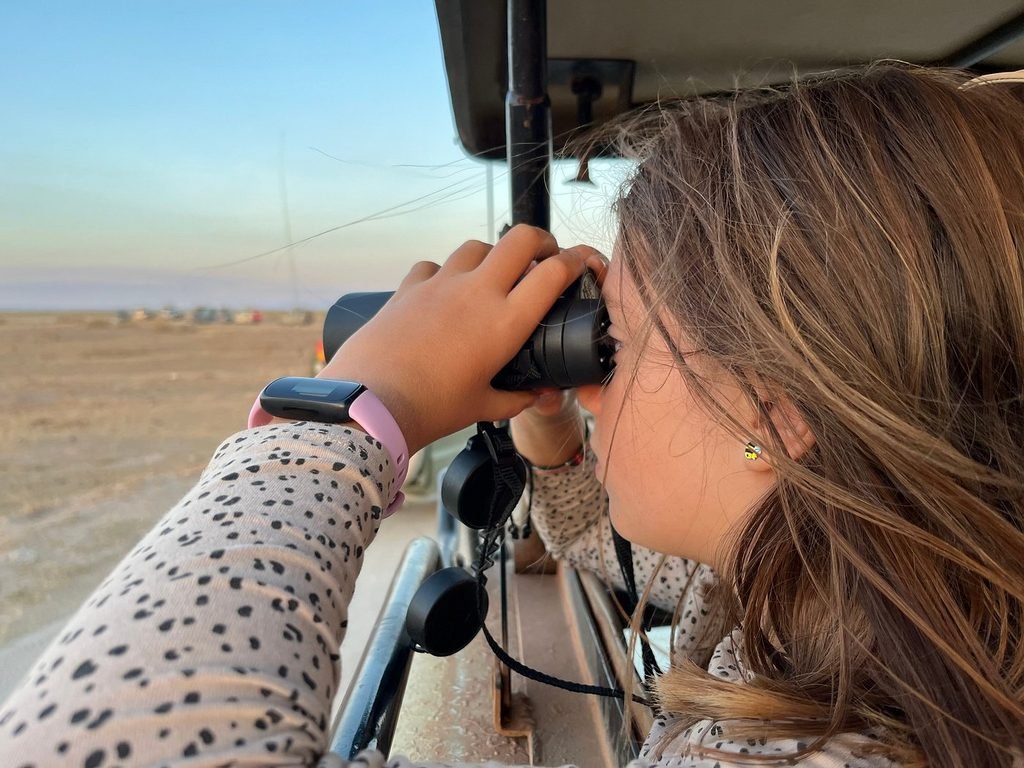
Travellers should bring sunscreen, sunglasses, a wide-brimmed hat, insect repellent, personal medication, and a small day bag for items needed during game drives. Binoculars are useful for observing animals at a distance, while a camera with a suitable zoom lens can improve wildlife photography opportunities. A power bank and charging adapters may also be helpful, depending on the accommodation facilities.
It is advisable to carry copies of important travel documents, including your passport, insurance information, and confirmed safari itinerary. Travellers should also check current entry requirements before departure and ensure that any necessary travel authorisation has been obtained.
Why Book Your Kenya Safari With Eddy Tours & Safaris?
Eddy Tours & Safaris is a locally based safari company in Arusha, Tanzania, offering wildlife safari planning, Kilimanjaro climbing arrangements, and other East African travel experiences. For travellers interested in Kenya, we can discuss proposed itineraries and the arrangements required for a Kenya safari, including accommodation, transport, guiding, and connections with Tanzania.
We understand that travellers have different interests and budgets. Some visitors want to focus on the Great Migration, while others prefer general wildlife viewing, photography, family travel, or a combination of several national parks. Our approach is to help guests select an itinerary that matches their available time and expectations while clearly explaining the proposed services and travel arrangements.
For Kenya itineraries, the operating arrangements and local service providers should be confirmed when preparing the final quotation. This is particularly important for reserve entry fees, accommodation locations, vehicle arrangements, and cross-border travel connections.
Frequently Asked Questions About the 8-Day Masai Mara Safari
Is Eight Days Enough for a Kenya Wildlife Safari?
Yes, eight days provides enough time to visit Lake Nakuru, Lake Naivasha, and Masai Mara while allowing several days for wildlife viewing. This itinerary includes three nights in the Masai Mara, providing more time for game drives than shorter tours. Travellers who want to explore additional Kenyan parks, such as Amboseli or Tsavo, may prefer extending their holiday.
Is Masai Mara Better Than Serengeti?
Both Masai Mara and Serengeti offer excellent wildlife viewing, but they differ in size, landscape, and travel experience. Masai Mara is smaller and is particularly well known for its big cats and seasonal migration activity, while Serengeti covers a much larger area with several distinct wildlife regions. The best choice depends on travel dates, available time, and the wildlife experiences visitors want to prioritise.
Can I See the Great Migration During an Eight-Day Safari?
The Great Migration may be observed in the Masai Mara during certain months, particularly between July and October, but the movement of wildebeest and zebras depends on rainfall, grazing conditions, and other natural factors. River crossings are unpredictable, and no safari company can guarantee that a crossing will occur during a particular visit.
Is Lake Nakuru Worth Visiting?
Lake Nakuru is a valuable addition to a Kenya safari because it supports both black and white rhinoceroses, along with other wildlife and numerous bird species. Its landscape differs from the Masai Mara, providing visitors with a broader understanding of Kenya’s wildlife habitats and conservation areas.
Can Families With Children Join This Safari?
Yes, the eight-day itinerary can be arranged for families, although the daily driving distances and accommodation arrangements should be considered carefully. Private safari vehicles are often suitable for families because they provide more flexibility over departure times, rest stops, and game-drive schedules. Parents should confirm any age restrictions for optional activities and accommodation properties.
Can I Upgrade the Safari to Luxury Accommodation?
Yes, the proposed itinerary can be adapted to include luxury lodges and tented camps, subject to availability. Upgrading accommodation may provide additional comfort, private facilities, and selected services, but it will also affect the total package price. Travellers should request a quotation showing the selected properties and services before confirming the booking.
Does the Safari Start in Nairobi or Arusha?
This standard eight-day Kenya itinerary begins and ends in Nairobi. Travellers arriving in Arusha or elsewhere in Tanzania can enquire about alternative arrangements, including suitable road or flight connections. Cross-border transfers require additional planning and may involve extra costs.
Book Your 8-Day Masai Mara and Kenya Wildlife Safari for 2027, 2028 or 2029
An eight-day Masai Mara and Kenya wildlife safari offers a rewarding opportunity to explore some of East Africa’s most recognised wildlife destinations. From the rhinoceros habitats of Lake Nakuru and the peaceful surroundings of Lake Naivasha to the open grasslands of the Masai Mara, the journey combines different landscapes and wildlife experiences within one itinerary.
Whether you are travelling as a couple, with family, or as part of a group, the safari can be adjusted according to your accommodation preferences, travel dates, and budget. Additional experiences, including cultural visits, hot-air balloon safaris, and Tanzania extensions, can also be discussed during the planning stage.
Contact Eddy Tours & Safaris
Location: Arusha, Tanzania
Website: Eddy Tours and Safaris
Email: sales@eddytours-safaris.com
Alternative email: eddytoursandsafaris@gmail.com
Plan your 2027, 2028 or 2029 Kenya safari with Eddy Tours & Safaris. Contact our team with your preferred dates, number of travellers, and accommodation category to request a detailed quotation for the eight-day Masai Mara and Kenya wildlife safari.