
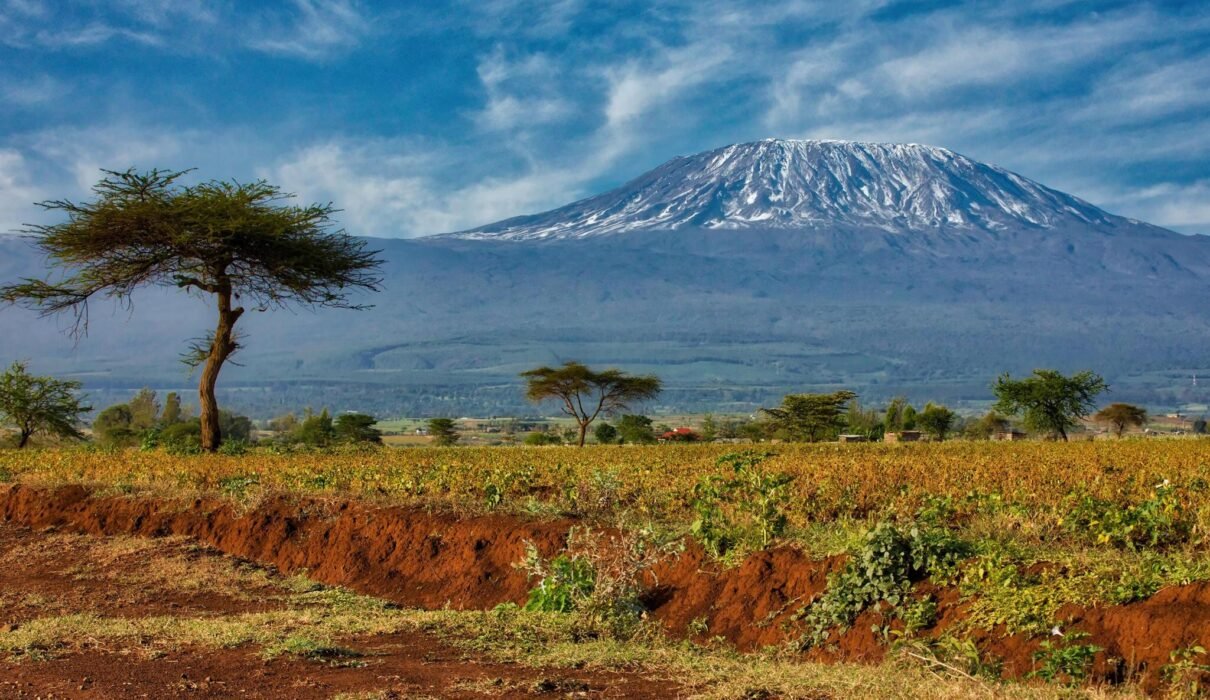
Finish the year with a journey up Mount Kilimanjaro on this 6-day Rongai Route climb with Eddy Tours & Safaris. Starting on the mountain’s northern side, the itinerary leads through forest, moorland, and open alpine terrain before a planned summit attempt on 31 December.
The route passes Simba Camp, Kikelewa, and Mawenzi Tarn before crossing the saddle towards Kibo. From there, the summit approach climbs to Gillman’s Point and continues towards Uhuru Peak, Kilimanjaro’s highest point at 5,895 metres.
After the summit attempt, descend through Horombo and finish at Marangu Gate on 1 January. Using different sides of the mountain for ascent and descent gives you a varied experience of Kilimanjaro’s landscapes.
This is a demanding high-altitude camping expedition. The six-day schedule has no separate acclimatisation day, so travellers with additional time should also consider a seven-day Rongai itinerary.
Package Overview
| Detail | Proposed arrangement |
|---|---|
| Trekking duration | 6 days / 5 mountain nights |
| Ascent route | Rongai |
| Descent route | Marangu |
| Starting point | Rongai trailhead near Nalemoru |
| Finishing point | Marangu Gate |
| Highest point | Uhuru Peak, 5,895 metres |
| Mountain accommodation | Camping; final-night arrangements confirmed in the proposal |
| Trekking start | 27 December |
| Planned summit attempt | Morning of 31 December |
| Final descent | 1 January |
| Suggested base | Moshi |
| Recommended arrival | By 26 December for briefing and equipment checks |
| Tour format | Private climb or an available group departure |
| Price | Personalised quotation |
The six days cover the mountain itinerary. Airport transfers, hotel nights, and onward travel should be listed separately.
New Year’s Eve Summit Schedule
This itinerary targets the summit on the morning of 31 December.
The final ascent normally begins late on 30 December or around midnight. After the summit attempt, you descend towards Horombo, where you spend New Year’s Eve resting.
You are not scheduled to remain at Uhuru Peak until midnight.
| Departure year | Start trekking | Planned summit | Finish trekking |
|---|---|---|---|
| 2027 | 27 December 2027 | 31 December 2027 | 1 January 2028 |
| 2028 | 27 December 2028 | 31 December 2028 | 1 January 2029 |
For a New Year’s Day summit on 1 January, shift the trekking start to 28 December and finish on 2 January.
These are proposed schedules. Health, weather, and the guide’s assessment take priority over the calendar.
Arrival and Preparation — 26 December
Arrive in Moshi with enough time for a pre-climb briefing and equipment check.
Meet the team, review the itinerary, and discuss your trekking experience, dietary requirements, and any relevant health information.
Your equipment check should cover boots, waterproofs, insulation, sleeping bag, headlamp, gloves, and water containers. Arrange rental equipment in advance so there is time to check fit and condition.
Separate your luggage into:
- A daypack containing items needed while walking.
- A main mountain bag carried by the support team.
- Any additional luggage to be stored securely during the climb.
Confirm the following morning’s departure time and get a proper night’s rest.
Day 1 — 27 December: Rongai Gate to Simba Camp
Approximate elevations: 1,950 metres to 2,650 metres
Typical walking time: 3–5 hours
Landscape: Forest and lower mountain vegetation
Overnight: Simba Camp
Meals: Lunch and dinner on the mountain
After breakfast, travel from Moshi towards the northern side of Kilimanjaro.
The transfer is a significant part of the morning, so an early departure is useful. Complete the required registration and entry arrangements before starting from the Rongai trailhead near Nalemoru.
Begin walking through the lower slopes and forest. The trail rises steadily, giving you time to establish a comfortable rhythm.
Walk at the guide’s pace rather than trying to cover the first stage quickly. Keep your waterproof jacket accessible and protect important equipment from rain.
Your daypack should contain water, snacks, an additional layer, and essential personal items. Your main bag travels separately and may not be available whenever you need something.
At Simba Camp, settle into your tent and organise your clothing. Change out of damp layers where necessary, enjoy dinner, and listen to the briefing for the next day.
Day 2 — 28 December: Simba Camp to Kikelewa Camp via Second Cave
Approximate elevations: 2,650 metres to 3,600 metres
Typical walking time: 6–8 hours, sometimes longer
Landscape: Heath and moorland
Overnight: Kikelewa Camp
Meals: Breakfast, lunch, and dinner
After breakfast, continue uphill as the surroundings become more open.
The route passes the Second Cave area before turning towards Kikelewa. With clear conditions, views towards Kibo and Mawenzi may develop as you gain height.
This is a substantial walking day with a notable increase in sleeping elevation. Maintain a measured pace and use the planned breaks.
As the forest disappears, you have less shelter from sunshine and wind. Adjust layers during the day and keep sun protection within reach.
Your guide will organise lunch according to the day’s progress and conditions.
Continue across the moorland towards Kikelewa, where you spend the night. On arrival, rest, eat, and tell the guide how you are feeling.
Do not dismiss a headache, nausea, dizziness, or unusual fatigue simply because you expected the climb to feel difficult.
Day 3 — 29 December: Kikelewa Camp to Mawenzi Tarn
Approximate elevations: 3,600 metres to 4,330 metres
Typical walking time: 3–5 hours
Landscape: Moorland transitioning into alpine terrain
Overnight: Mawenzi Tarn Camp
Meals: Breakfast, lunch, and dinner
Today’s walking stage is shorter, but the ascent remains significant.
Climb towards Mawenzi Tarn, beneath the rugged slopes of Mawenzi. Vegetation becomes increasingly sparse, and the exposed setting feels different from the earlier camps.
Move steadily and avoid using the shorter distance as a reason to rush.
Arrive at camp and settle in. The surrounding mountain scenery provides opportunities for photography when conditions are clear.
A gentle additional walk may be considered if your guide judges it appropriate. There is also time to rest and organise equipment for the following day.
This six-day itinerary includes one night at Mawenzi Tarn, not a separate full acclimatisation day there. A longer Rongai programme can add time before proceeding to Kibo.
Day 4 — 30 December: Mawenzi Tarn to Kibo Camp
Approximate elevations: 4,330 metres to 4,700 metres
Typical walking time: 5–6 hours
Landscape: Alpine desert and the saddle between Mawenzi and Kibo
Overnight: Kibo Camp, with a short rest before the summit attempt
Meals: Breakfast, lunch, and dinner
Leave Mawenzi Tarn and cross the open saddle towards Kibo.
The landscape is sparse and exposed. Sunshine may make walking feel warm, while wind or cloud can change conditions quickly.
Keep your pace controlled. At this elevation, even moderate slopes can require substantial effort.
Follow the established trail and your guide’s instructions. The Mawenzi Tarn–Kibo crossing forms part of this six-day Rongai itinerary.
On arrival at Kibo, prepare for the summit attempt before resting.
Lay out your warm clothing, gloves, headlamp, snacks, and water containers. Confirm what should be kept accessible during the ascent.
Your summit briefing should explain the route, walking pace, communication, turnaround decisions, and procedures if someone needs to descend.
Eat and rest according to the team’s schedule. Departure normally takes place late that evening or around midnight.
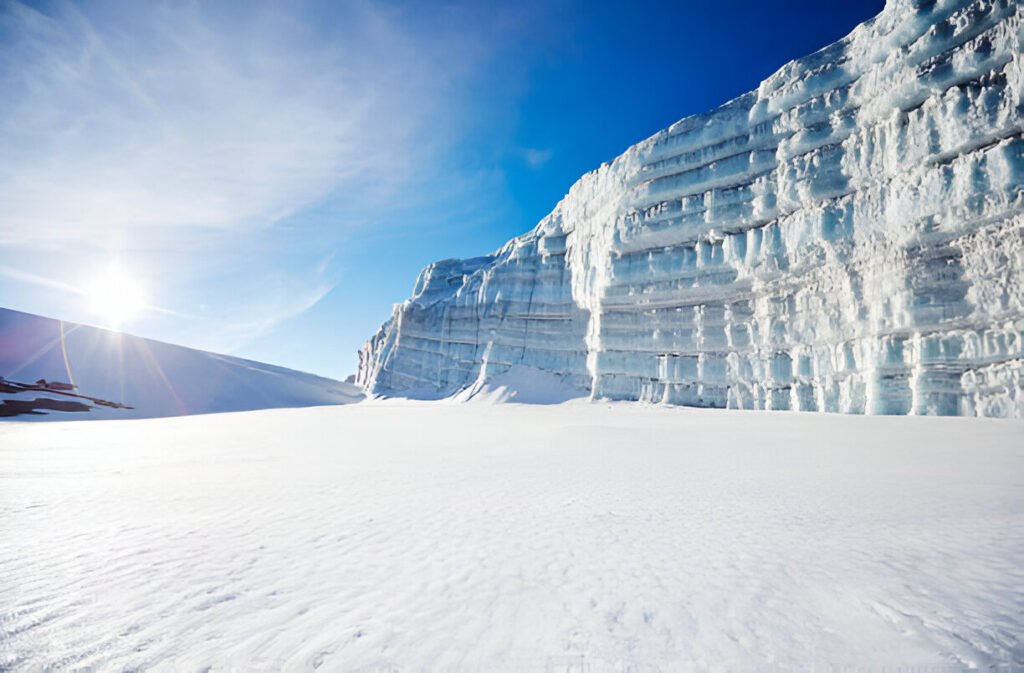
Day 5 — 31 December: Kibo to Uhuru Peak, Then Horombo
Route: Kibo → Gillman’s Point → Uhuru Peak → Kibo → Horombo
Highest point: Uhuru Peak, 5,895 metres
Overnight elevation: Approximately 3,720 metres
Typical total walking time: 12–16 hours, sometimes longer
Overnight: Horombo, with accommodation confirmed in the booking
Meals: Summit refreshments and meals according to the mountain schedule
Begin the ascent in darkness, wearing the clothing agreed during the briefing.
The climb towards the crater rim is steep and demanding. Cold, altitude, loose ground, and fatigue make progress slow.
Follow the guide’s rhythm and communicate honestly about your condition. A summit date must never become a reason to hide symptoms.
Reach Gillman’s Point
The route reaches the crater rim at Gillman’s Point.
From here, continue towards Uhuru Peak only when your guide’s assessment and conditions permit. The remaining section still requires effort at very high altitude.
If you reach Uhuru Peak, take a brief moment for photographs and to recognise the achievement. Clear skies, sunrise views, and summit access cannot be guaranteed.
The descent begins promptly according to the team’s plan.
Descend to Kibo and Horombo
Return to Kibo for the planned rest and refreshments, then continue downhill towards Horombo.
This long descent is an important part of the day. Stay attentive to your footing and use trekking poles where helpful.
At Horombo, eat, change into dry clothing, and rest.
Your final-night arrangement may be camping or a reserved hut stay, depending on the confirmed package. Descending on the Marangu trail does not automatically mean hut accommodation is included.
New Year’s Eve is best spent recovering after the mountain’s longest day.
Day 6 — 1 January: Horombo to Marangu Gate
Approximate elevations: 3,720 metres to 1,870 metres
Typical walking time: 6–8 hours
Landscape: Moorland and montane forest
Finish: Marangu Gate, followed by transfer to Moshi
Meals: Breakfast and lunch arrangements as confirmed
After breakfast, continue down the Marangu trail.
Pass through changing vegetation towards Mandara, then enter the forest for the final section.
Warmer temperatures may require lighter clothing, but keep your waterproofs accessible. Forest paths can be damp and slippery.
Walk carefully despite being close to the finish. Tired legs still need attention during the descent.
At Marangu Gate, complete the exit procedures. Certificates are issued where applicable under park arrangements.
Transfer to your agreed hotel in Moshi. A post-climb overnight gives you time to shower, rest, and prepare for onward travel without rushing.
Accommodation and Mountain Services
Rongai is primarily a camping route. TANAPA distinguishes camping arrangements on Rongai from the hut facilities used on Marangu.
Your proposal should identify tents, sleeping mats, dining arrangements, and toilet facilities.
Bring an appropriate sleeping bag and protect it from moisture throughout the trek.
At Kibo and Horombo, confirm whether the booking uses camping or reserved hut accommodation. The location name alone does not define your sleeping arrangements.
Fitness, Acclimatisation and Safety
Prepare for consecutive trekking days and a particularly long summit-and-descent stage.
Training should include uphill walking, longer walks with your daypack, and controlled descents. Break in your boots before arriving.
The six-day route gains sleeping elevation quickly and provides limited additional acclimatisation time. Compare a seven-day option if your schedule allows.
Report symptoms promptly. Do not ascend with altitude-illness symptoms; worsening or severe illness requires descent and appropriate assistance. The CDC’s high-altitude guidance explains these principles.
Breathlessness at rest, confusion, or difficulty walking steadily requires urgent attention.
Discuss relevant health conditions and medication questions with a qualified clinician before departure. Follow your guide’s decisions throughout the climb.
What the Quotation Should Include
Request written confirmation of:
- Six trekking days and five mountain nights.
- Required park and accommodation charges.
- Guide, porter, and cook arrangements.
- Mountain meals and drinking-water provision.
- Camping equipment.
- Transfers to the Rongai starting point and from Marangu Gate.
- Pre-climb briefing and equipment checks.
- Health monitoring and emergency equipment.
- Kibo and Horombo accommodation arrangements.
- Any hotel nights or airport transfers.
Ask how early descent, additional transport, and itinerary changes are handled.
Exclusions and Personal Costs
Unless included in writing, budget separately for flights, visas, travel insurance, tips, rental equipment, personal purchases, and hotel services outside the agreed package.
Insurance should cover trekking to 5,895 metres and the relevant emergency arrangements.
No fixed price or summit guarantee is attached to this proposed itinerary. Your quotation depends on the year, group size, departure format, accommodation, and equipment requirements.
Frequently Asked Questions
Is the summit planned for 31 December or 1 January?
This version targets the morning of 31 December. Starting one day later targets 1 January.
Does the route descend through Rongai?
No. This itinerary ascends through Rongai and descends through Marangu.
Is there a separate acclimatisation day?
No. The six-day version continues from Mawenzi Tarn to Kibo the following day. Request a longer programme for additional time.
Are arrival and departure days included?
The six days are trekking days. Allow additional time before and after the climb.
Can the summit date change?
Yes. Health, weather, and mountain conditions take priority over the planned date.
Book Your End-of-Year Rongai Climb
Contact Eddy Tours & Safaris with your preferred year, group size, trekking experience, and arrival details.
Request the complete itinerary, mountain accommodation, services, booking terms, and total price. Confirm whether your preferred summit attempt is on 31 December or 1 January.
Website: eddytours-safaris.com
Email: eddytoursandsafaris@gmail.com
Sales enquiries: sales@eddytours-safaris.com
Phone and WhatsApp: +255 711 906 664