
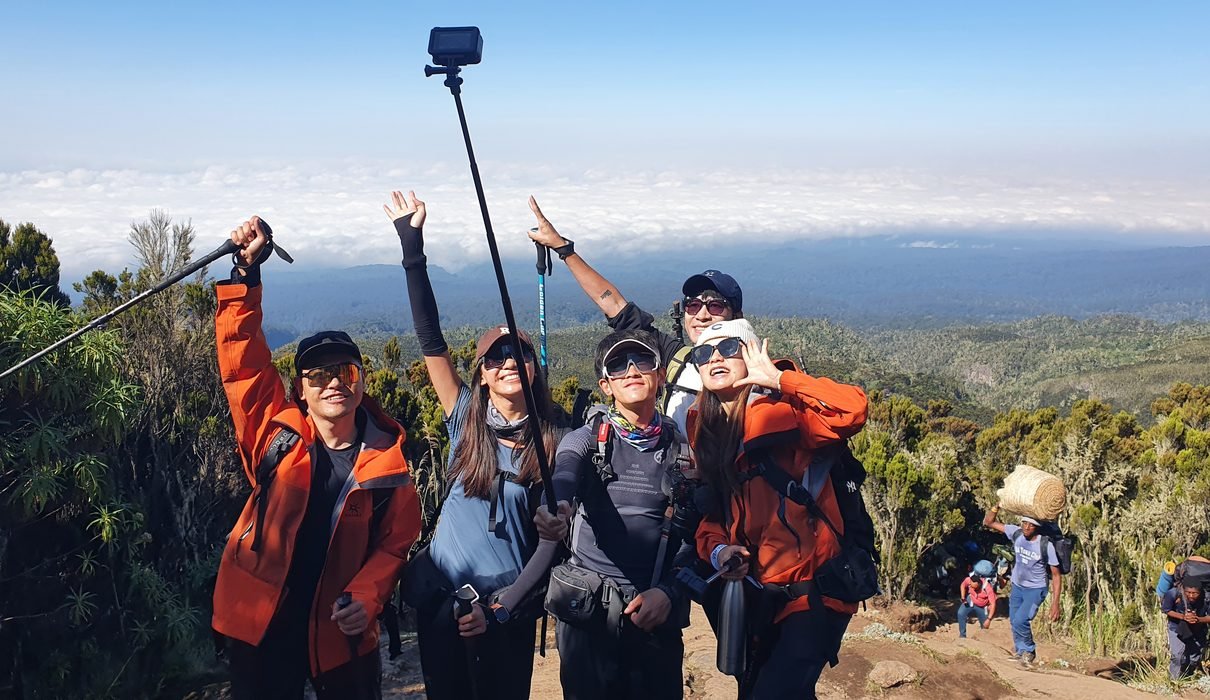
There are many ways to celebrate the New Year, but climbing Mount Kilimanjaro and watching the first sunrise of 2027 from Africa’s highest mountain is something quite different. Our 8-day Lemosho Route Kilimanjaro climbing package offers travelers the chance to spend the final days of December exploring the mountain’s beautiful landscapes before making a New Year’s Eve summit attempt. Instead of attending the usual celebrations, you will be walking under the stars, surrounded by fellow climbers and mountain guides, with the goal of reaching Uhuru Peak at 5,895 metres above sea level on the morning of January 1, 2027.
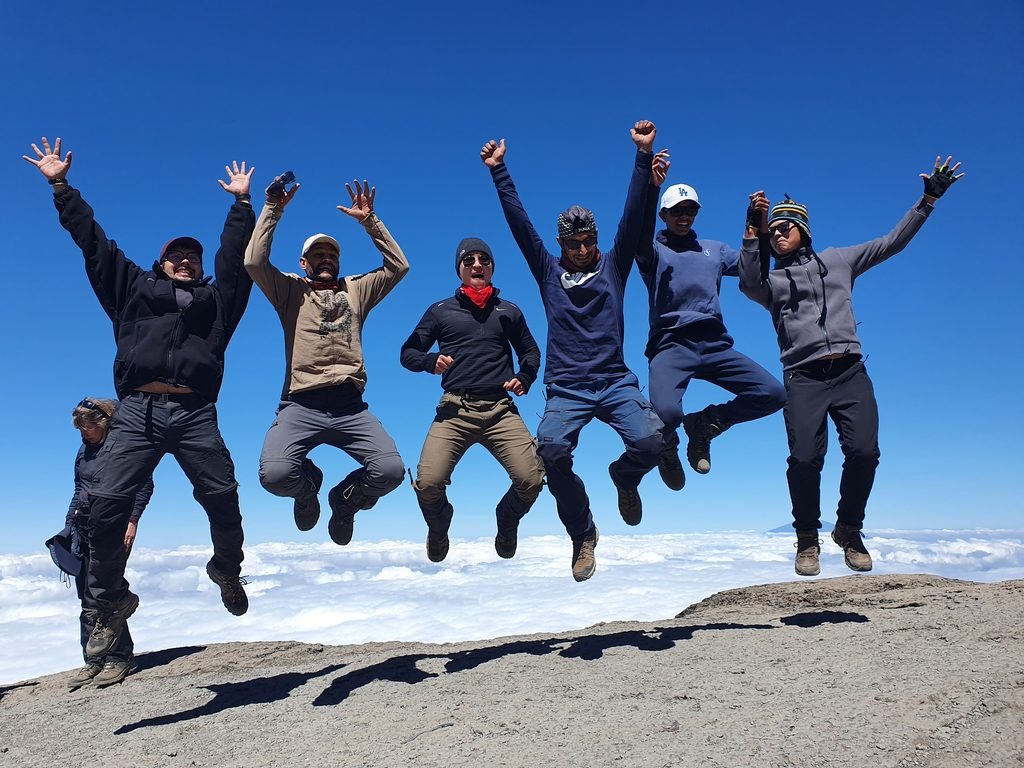
Celebrate the New Year on Mount Kilimanjaro with Eddy Tours & Safaris
Organized by Eddy Tours & Safaris, a local tour company based in Arusha, Tanzania, this special end-of-year Kilimanjaro hiking adventure follows the scenic Lemosho Route from the western side of the mountain. The eight-day itinerary allows time for gradual altitude adjustment while passing through tropical rainforest, open moorland, the Shira Plateau, alpine desert and the rocky summit zone. The route is particularly suitable for travelers looking for a longer mountain experience rather than a rushed climb, although reaching the summit still requires good physical preparation, patience and careful attention to altitude.
Our proposed New Year climbing schedule begins on December 26, 2026, with the summit attempt taking place overnight on December 31 and continuing into January 1, 2027. The trek finishes on January 2, 2027. Travelers should arrive in Tanzania at least one day before the mountain departure to allow time for equipment checks, a climbing briefing and preparation with the mountain team.
8-Day New Year Lemosho Route Kilimanjaro Package Overview
- Destination: Mount Kilimanjaro National Park, Tanzania
- Climbing route: Lemosho Route
- Duration: 8 days and 7 nights on the mountain
- Proposed starting date: December 26, 2026
- New Year’s Eve summit attempt: December 31, 2026
- Target summit date: January 1, 2027
- Mountain departure date: January 2, 2027
- Highest point: Uhuru Peak, 5,895 metres
- Accommodation: Mountain camping tents
- Difficulty: Challenging, particularly at high altitude
- Suitable for: Prepared beginners and experienced hikers
- Departure type: Private climb or group arrangement on request
- Tour organizer: Eddy Tours & Safaris
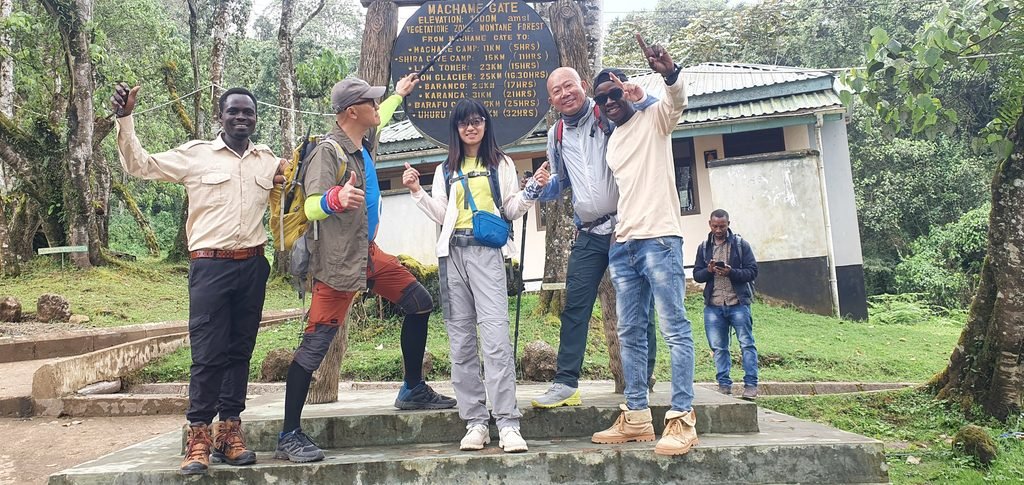
Why Choose the 8-Day Lemosho Route for Your New Year Kilimanjaro Climb?
The Lemosho Route is widely appreciated for its scenery, varied landscapes and gradual approach to higher elevations. Unlike some shorter Kilimanjaro itineraries, this route gives climbers additional time to adjust to the altitude before attempting the summit. The journey begins in the rainforest on the western slopes of Kilimanjaro, where the trail passes through tall trees and thick vegetation before opening into the moorland and volcanic landscapes of the Shira Plateau. As the climb progresses, hikers travel along the southern side of the mountain, enjoying views of Kibo, the surrounding valleys and the changing vegetation.
One important advantage of the eight-day itinerary is its acclimatization schedule. The route includes a walk toward Lava Tower at approximately 4,630 metres before descending to Barranco Camp at a lower elevation. This approach gives the body an opportunity to experience higher altitude while sleeping lower, which can support acclimatization. However, the additional days do not eliminate the possibility of altitude sickness, and every climber must follow the guidance of the mountain team.
Choosing to climb during the New Year period adds a special occasion to the experience. December and January are popular months for Kilimanjaro climbing, although weather conditions can vary considerably. The mountain may experience clear skies, strong winds, rain, snow or freezing summit temperatures. For this reason, the New Year’s Day summit is a planned target rather than a guaranteed arrival time. Our guides will make decisions according to weather, trail conditions and the health of the climbing group.
Travelers considering other trekking options can also explore the Kilimanjaro climbing experiences offered by Eddy Tours & Safaris or read additional route information from Kilimanjaro Climb Specialist when comparing different mountain itineraries.
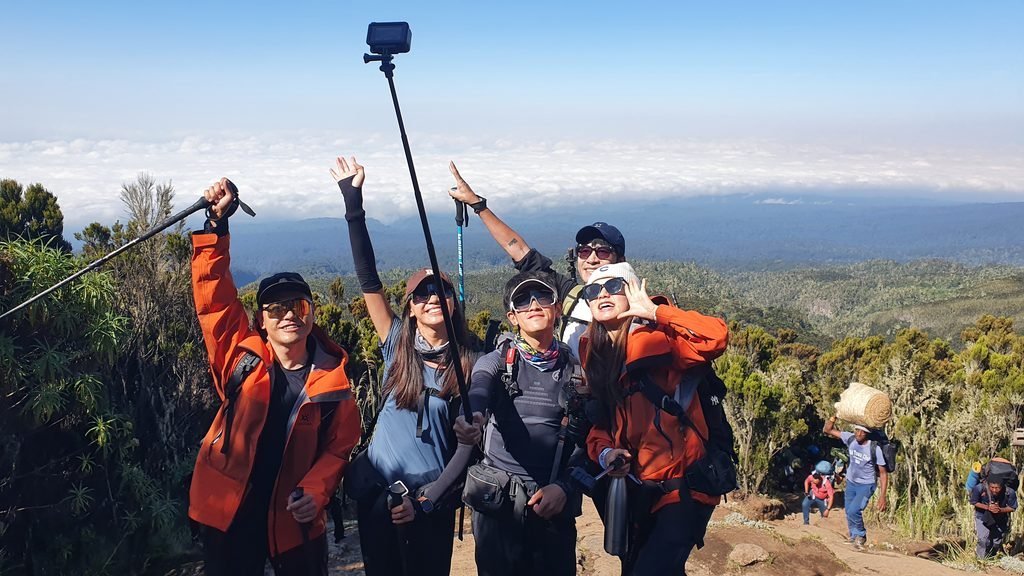
Detailed 8-Day Lemosho Route Kilimanjaro New Year 2027 Itinerary
Day 1: December 26, 2026 – Londorossi Gate to Mti Mkubwa Camp
Starting altitude: Approximately 2,360 metres
Sleeping altitude: Approximately 2,895 metres
Hiking distance: 6 km
Walking time: 3–4 hours
Accommodation: Mti Mkubwa Camp
Your New Year Kilimanjaro climbing adventure begins with an early morning departure from your hotel in Arusha or Moshi. After breakfast, you will meet your mountain guides and support team before traveling toward Londorossi Gate on the western side of Kilimanjaro National Park. The drive takes you through local villages, farmland and forested areas, providing a chance to see the countryside around the mountain. On arrival at the gate, the team completes the necessary park registration and organizes equipment before the trek begins.
The first day’s walk follows a forest trail surrounded by tall trees, moss-covered branches and thick vegetation. Depending on conditions, you may encounter birds and other forest wildlife along the way. Your guides will encourage a comfortable walking pace from the beginning, allowing you to settle into the rhythm of mountain trekking without using unnecessary energy. After several hours, you will reach Mti Mkubwa Camp, also known as Big Tree Camp, where your tents and evening meal will be prepared. The first night offers an opportunity to become familiar with camping on Kilimanjaro and prepare for the higher elevations ahead.
Day 2: December 27, 2026 – Mti Mkubwa Camp to Shira 1 Camp
Starting altitude: Approximately 2,895 metres
Sleeping altitude: Approximately 3,505 metres
Hiking distance: 8 km
Walking time: 5–6 hours
Accommodation: Shira 1 Camp
After breakfast at Mti Mkubwa Camp, the trail gradually leaves the dense rainforest and enters the heath and moorland zone. The change in vegetation becomes noticeable as the tall trees give way to shrubs, grasses and more open mountain landscapes. The route continues uphill through sections of rocky ground, with occasional steep stretches requiring a steady pace. As you gain elevation, the views begin to widen, revealing the western slopes of Kilimanjaro and parts of the surrounding countryside.
The day’s destination is Shira 1 Camp, located on the broad Shira Plateau. This area forms part of an ancient volcanic landscape and offers impressive views when the weather is clear. By the time you reach camp, you will be sleeping above 3,500 metres, making it important to drink regularly, eat properly and inform your guide about any symptoms of altitude discomfort. The afternoon is generally spent resting, enjoying the scenery and preparing for the next day’s walk across the plateau.
Day 3: December 28, 2026 – Shira 1 Camp to Shira 2 Camp
Starting altitude: Approximately 3,505 metres
Sleeping altitude: Approximately 3,850 metres
Hiking distance: 7–10 km, depending on the trail
Walking time: 4–6 hours
Accommodation: Shira 2 Camp
The third day takes you farther across the Shira Plateau, one of the most scenic sections of the Lemosho Route. The landscape is open and relatively exposed, with volcanic rocks, hardy mountain plants and distant views of Kibo Peak. Compared with the previous day, the increase in sleeping altitude is more moderate, allowing the group to continue adjusting to the thinner air. Your guides will maintain a relaxed walking pace and provide regular opportunities to rest, take photographs and enjoy the surroundings.
During the walk, you may see distinctive high-altitude vegetation, including giant groundsels and other plants adapted to the mountain environment. On reaching Shira 2 Camp, you will have time for lunch or refreshments and an afternoon rest. If conditions and the group’s health allow, the guide may recommend a short acclimatization walk near camp. This is also a good time to check your clothing and equipment, as temperatures can fall considerably after sunset. The evening is spent enjoying a warm meal and preparing for the following day’s hike toward Lava Tower.
Day 4: December 29, 2026 – Shira 2 Camp to Barranco Camp via Lava Tower
Starting altitude: Approximately 3,850 metres
Highest point: Lava Tower, approximately 4,630 metres
Sleeping altitude: Approximately 3,976 metres
Hiking distance: 10 km
Walking time: 6–8 hours
Accommodation: Barranco Camp
Day four is one of the most important acclimatization days of the entire climb. After breakfast, the trail continues eastward through the alpine desert toward Lava Tower, a prominent volcanic rock formation situated at approximately 4,630 metres. The vegetation becomes increasingly sparse, and the landscape changes to rocky ground and open slopes. Walking at this altitude can feel noticeably more demanding, even when the terrain is not particularly steep, so the group will move slowly and take regular breaks.
After reaching the Lava Tower area, the route descends toward Barranco Camp, following the principle of walking high and sleeping lower. This descent brings you into the Barranco Valley, where giant groundsels and dramatic rock formations create one of the mountain’s most recognizable landscapes. Barranco Camp sits beneath the impressive Barranco Wall, which the group will climb the following morning. The afternoon and evening are dedicated to rest, hydration and recovery after a long day. Your guides will continue monitoring how everyone is responding to the altitude before the trek proceeds.
Day 5: December 30, 2026 – Barranco Camp to Karanga Camp
Starting altitude: Approximately 3,976 metres
Sleeping altitude: Approximately 3,995 metres
Hiking distance: 5 km
Walking time: 4–5 hours
Accommodation: Karanga Camp
The fifth day begins with one of the most memorable sections of the Lemosho Route: the Barranco Wall. Although the wall appears steep when viewed from camp, the established trail follows a manageable scrambling route that experienced mountain guides know well. Some sections require the use of hands for balance, and hikers should take their time while moving across the rocky terrain. The climb is not normally a technical rock-climbing exercise, but it does require concentration, comfortable movement on uneven ground and a willingness to follow instructions carefully.
After completing the Barranco Wall, the trail continues through a series of ridges and valleys before descending into the Karanga Valley and climbing again toward Karanga Camp. This section provides excellent views of the southern glaciers and the upper slopes of Kilimanjaro when visibility is good. The relatively short walking distance allows additional time for rest before the final approach to Barafu Camp. By now, the group will have spent several days at high elevation, and the guides will assess each climber’s condition before the demanding summit stage.
Day 6: December 31, 2026 – Karanga Camp to Barafu Camp: New Year’s Eve Summit Preparation
Starting altitude: Approximately 3,995 metres
Sleeping and resting altitude: Approximately 4,673 metres
Hiking distance: 4 km
Walking time: 4–5 hours
Accommodation: Barafu Camp, followed by the overnight summit attempt
The final day of 2026 begins with breakfast at Karanga Camp before the group continues toward Barafu Camp, the main base for the summit attempt. The trail crosses a dry and rocky alpine landscape with very little vegetation. The altitude makes even moderate uphill walking physically demanding, so your guides will maintain a slow and steady pace. As you approach Barafu, the views become increasingly dramatic, with Mawenzi Peak visible in the distance and the upper slopes of Kibo rising above the camp.
After reaching Barafu Camp, the mountain team will prepare lunch and explain the arrangements for the summit climb. You will have time to organize your warm clothing, headlamp, gloves, water, snacks and other essential equipment before resting during the afternoon. An early dinner is normally served, followed by a short period of sleep or quiet rest. The exact summit departure time will depend on the group’s condition and the guide’s assessment, but the climb commonly begins late in the evening or around midnight.
This New Year’s Eve will be very different from a normal celebration. Instead of fireworks and parties, the focus will be on staying warm, moving carefully and supporting one another during the ascent. As the final hours of 2026 pass, the group will be making its way toward Stella Point and Uhuru Peak. If conditions allow, the aim is to welcome January 1, 2027 near the summit and reach the highest point of Kilimanjaro around sunrise.
Day 7: January 1, 2027 – New Year’s Day Summit at Uhuru Peak and Descent to Mweka Camp
Starting altitude: Approximately 4,673 metres
Summit altitude: 5,895 metres
Final sleeping altitude: Approximately 3,068 metres
Hiking distance: Approximately 17 km
Walking time: 10–14 hours or longer
Accommodation: Mweka Camp
The summit climb is the most physically demanding part of the entire eight-day Lemosho Route. Beginning during the night of December 31, the group follows a steep trail of volcanic scree and rocky ground toward Stella Point on the crater rim. The air is thin, temperatures can fall well below freezing, and strong winds may make the climb more difficult. Progress is deliberately slow, with the guides monitoring the condition of each climber and deciding when breaks are appropriate. This is the stage where preparation, patience and careful acclimatization become especially important.
Reaching Stella Point at approximately 5,756 metres is a major milestone, but the journey continues along the crater rim toward Uhuru Peak, the highest point in Africa. If the weather, timing and physical condition of the group permit, you may reach the summit as the first sunrise of 2027 spreads across the mountain. Standing beside the Uhuru Peak sign at 5,895 metres is a meaningful achievement after days of walking through Kilimanjaro’s different landscapes. There will be time for photographs and a brief celebration, provided the guides consider conditions safe.
After the summit, the group descends to Barafu Camp for a short rest and refreshments before continuing down to Mweka Camp. The descent is long and can be tiring, especially after the overnight climb, but the lower altitude generally brings warmer temperatures and easier breathing. On arrival at Mweka Camp, you will have dinner and a well-earned rest. Although reaching Uhuru Peak is the main goal, the mountain experience also depends on completing the descent safely and following the guidance of the trekking team throughout the day.
Day 8: January 2, 2027 – Mweka Camp to Mweka Gate and Return to Arusha or Moshi
Starting altitude: Approximately 3,068 metres
Finishing altitude: Approximately 1,640 metres
Hiking distance: 10 km
Walking time: 3–4 hours
Destination: Arusha or Moshi
The final morning on Kilimanjaro begins with breakfast at Mweka Camp before the group starts descending through the mountain’s rainforest. The air becomes warmer and more humid as you lose elevation, and the vegetation gradually changes from high-altitude plants to dense forest. The trail can be muddy or slippery, particularly after rainfall, so trekking poles and suitable hiking boots remain useful even on the final day. After several hours of walking, you will reach Mweka Gate, where the necessary park exit procedures are completed.
At the gate, eligible climbers receive their official Kilimanjaro climbing certificates, recognizing the highest point they successfully reached. Your driver will then transfer you back to Arusha or Moshi, where you can enjoy a shower, a comfortable bed and time to reflect on the New Year mountain experience. Travelers who wish to continue exploring Tanzania can arrange a Tanzania wildlife safari with Eddy Tours & Safaris or extend their holiday with a visit to Zanzibar after the climb.
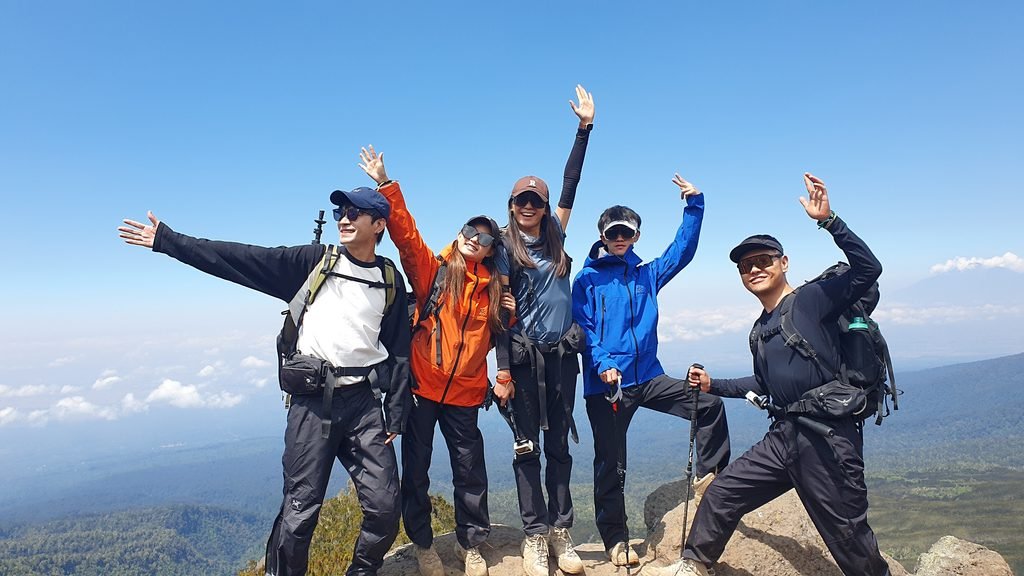
What Is Included in the 8-Day Lemosho Route Kilimanjaro Package?
The proposed climbing package includes the main mountain services needed for a supported eight-day trek. The final quotation will confirm the exact hotel arrangements, group size, equipment provisions and any additional services requested before booking.
Package Inclusions
- All applicable Kilimanjaro National Park entrance, camping and rescue fees.
- Professional English-speaking mountain guides.
- Mountain porters and a dedicated mountain cook.
- Eight days of guided trekking along the Lemosho Route.
- Seven nights of mountain camping accommodation.
- Quality mountain tents and sleeping mattresses.
- Breakfast, lunch and dinner during the mountain trek.
- Safe drinking water prepared for the climbing group.
- Transportation from Arusha or Moshi to the starting gate.
- Return transportation from Mweka Gate to Arusha or Moshi.
- Mountain crew wages and required operational arrangements.
- Emergency oxygen and standard mountain safety equipment.
- Basic first-aid support and regular health monitoring by the mountain guides.
- Pre-climb briefing and equipment inspection.
- Assistance with planning and preparing for the summit attempt.
- Official Kilimanjaro summit certificate for eligible climbers.
Package Exclusions
- International and domestic flights.
- Tanzania tourist visa fees.
- Travel insurance covering high-altitude trekking and emergency evacuation.
- Personal hiking clothing, boots and climbing equipment.
- Sleeping bags and personal equipment rentals.
- Tips for mountain guides, porters and cooks.
- Personal snacks, alcoholic drinks and soft drinks.
- Additional hotel accommodation before or after the trek unless included in the quotation.
- Airport transfers unless specifically included in the booking.
- Personal expenses, souvenirs and laundry services.
- Optional activities, safari extensions and Zanzibar holidays.
- Additional costs arising from personal itinerary changes or services outside the agreed package.
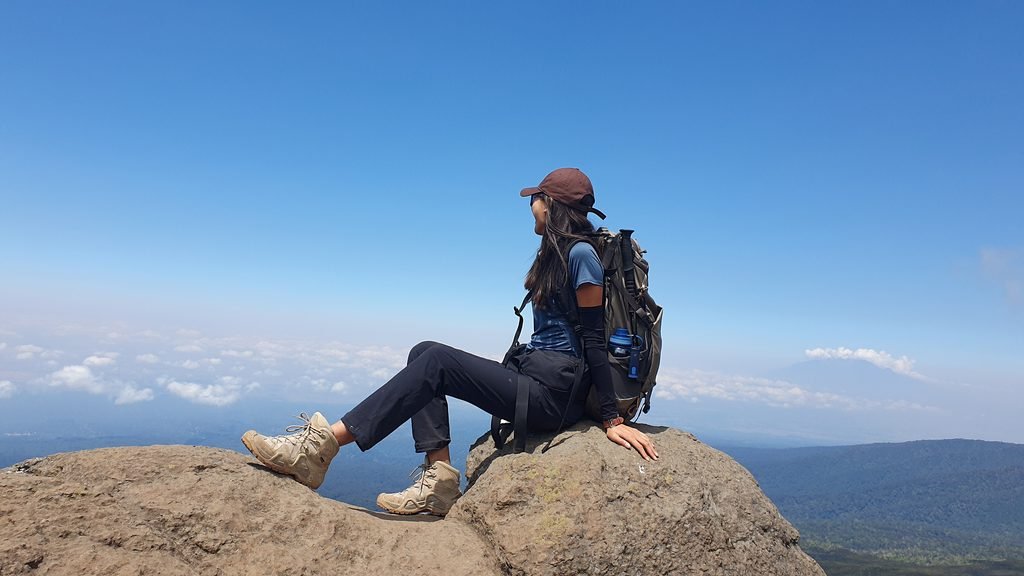
Preparing for Your New Year Kilimanjaro Climb
Climbing Kilimanjaro requires physical preparation even though the Lemosho Route does not normally involve technical mountaineering. Travelers should begin training well before departure, focusing on regular walking, uphill hiking, cardiovascular fitness and the ability to spend several hours on their feet. Training on hills or stairs while carrying a small daypack can help prepare the body for the mountain’s long ascents and descents. However, physical fitness alone does not prevent altitude sickness, which can affect experienced athletes and first-time hikers alike.
Clothing and equipment are particularly important during a December and January climb. Temperatures can change significantly between the rainforest and the summit zone, making a proper layering system essential. A waterproof jacket, warm insulated clothing, thermal base layers, gloves, a warm hat, comfortable hiking boots and a reliable headlamp should all be part of your packing list. Summit night requires special attention because temperatures may be extremely cold, particularly when strong winds are present. Your mountain team will review your equipment before departure and advise whether anything needs to be rented or replaced.
Travelers should also consider their arrival schedule carefully. Reaching Tanzania at least one day before the climb allows time to recover from travel, attend the mountain briefing and make any necessary adjustments to equipment. Those arriving from long international flights may prefer an additional rest day. When planning your trip, you can contact Eddy Tours & Safaris to discuss the climbing arrangements, arrival transfers and any additional travel services.
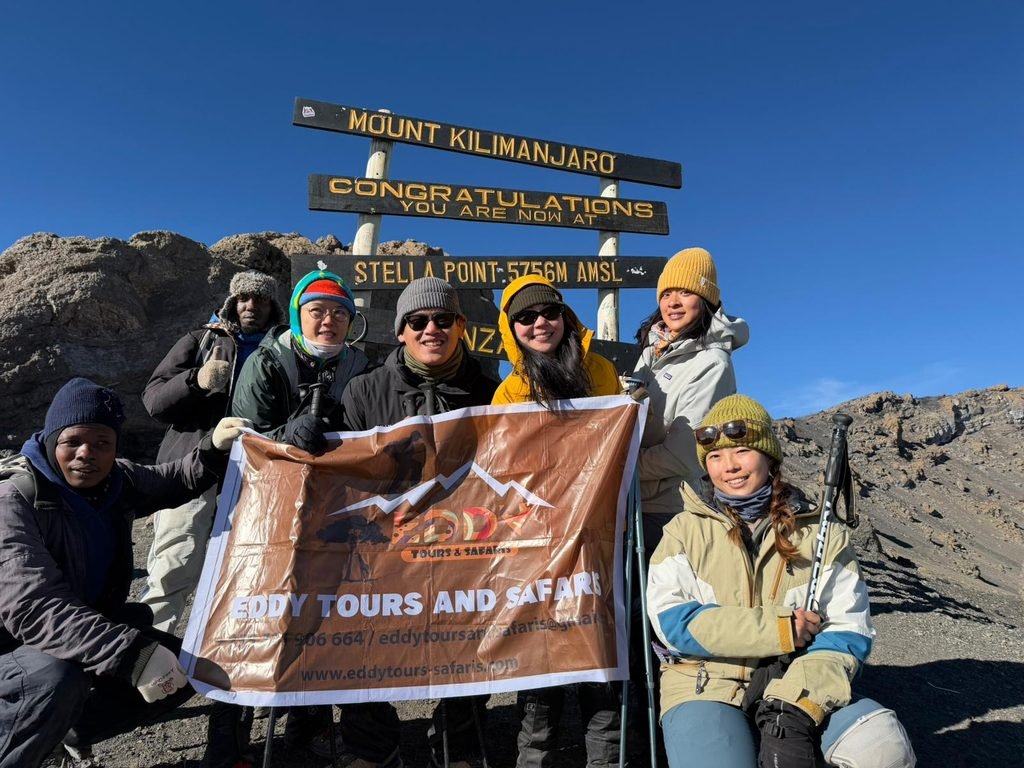
Is December a Good Time to Climb Mount Kilimanjaro?
Late December falls around the beginning of one of Kilimanjaro’s generally more favorable climbing periods, although the weather remains unpredictable. Climbers may experience sunshine, clouds, rain, snowfall and freezing conditions within the same trip. The lower slopes can be wet, while the upper mountain is often cold and exposed. This variation is one reason proper equipment and experienced mountain support are important throughout the trek.
The Christmas and New Year holiday period is also popular with international travelers, meaning some mountain camps and routes may be busier than during quieter months. Booking early can help with arranging suitable travel dates, mountain crew and accommodation, although no particular summit date or weather condition can be guaranteed. For more information about trekking arrangements, route selection and mountain preparation, travelers can visit Kilimanjaro Climb Specialist alongside the travel services available through Eddy Tours & Safaris.
Combining Your New Year Kilimanjaro Climb with a Tanzania Safari
After spending eight days on Mount Kilimanjaro, many travelers choose to continue their holiday with a wildlife safari in northern Tanzania. Arusha is a convenient starting point for visiting some of the country’s best-known national parks, including Tarangire National Park, the Ngorongoro Conservation Area, Lake Manyara National Park and Serengeti National Park. Depending on the time available, a safari can last from a short two- or three-day trip to a longer journey covering several destinations.
A safari after Kilimanjaro offers a different experience from mountain trekking. Instead of walking through alpine landscapes, you can travel by safari vehicle through savannah, woodland and volcanic scenery while looking for elephants, lions, giraffes, zebras and other wildlife. Travelers with additional time may also consider spending several days in Zanzibar, enjoying the beaches and coastal atmosphere after the physical demands of the climb. Eddy Tours & Safaris can help arrange these extensions as part of a longer Tanzania holiday.
Frequently Asked Questions About the 8-Day Lemosho Route New Year 2027 Climb
Can I reach Uhuru Peak on January 1, 2027?
The itinerary is specifically planned around a summit attempt during the night of December 31, 2026, with the aim of reaching Uhuru Peak around sunrise on January 1, 2027. However, reaching the summit on that exact date cannot be guaranteed. Weather conditions, walking speed, altitude-related symptoms and the guide’s safety decisions can affect the timing or whether the summit attempt continues.
Is the 8-day Lemosho Route suitable for beginners?
The eight-day Lemosho Route can be suitable for beginners who are physically prepared, properly equipped and comfortable with several consecutive days of mountain trekking. Its gradual itinerary provides useful acclimatization opportunities, but the climb remains challenging because of the altitude, cold temperatures and long summit day. Beginners should train beforehand and understand that the mountain requires both physical endurance and patience.
How cold is Kilimanjaro during New Year’s Eve?
Temperatures vary considerably according to altitude, weather and time of day. Lower elevations can be relatively warm, while temperatures near the summit may fall well below freezing. Wind can make conditions feel even colder, particularly during the overnight summit climb. Warm layers, insulated gloves, a suitable jacket and proper head protection are essential for the final ascent.
Do I need previous mountain climbing experience?
Previous high-altitude trekking experience is helpful but is not always necessary for the standard Lemosho Route. The trail is primarily a trekking route, although sections such as the Barranco Wall involve scrambling over rocky ground. Travelers should be comfortable walking for several hours each day and should prepare for the effects of high altitude. Anyone with medical concerns should consult an appropriate healthcare professional before booking.
What happens if I cannot reach the summit?
The mountain guides will monitor each climber throughout the trek and make safety decisions based on individual conditions. If a climber develops significant altitude-related symptoms or cannot continue safely, the guide may arrange a descent rather than allowing the person to proceed toward the summit. Reaching Uhuru Peak is an important goal, but health and safety always take priority over completing the climb.
Can I book a private New Year Kilimanjaro climb?
Private climbing arrangements can be requested for couples, families, friends or other groups who prefer to travel together. A private climb allows the itinerary and support arrangements to be organized around the group’s needs, within the limits of park regulations and mountain safety requirements. Travelers interested in a group-joining climb should ask about the available departure arrangements before making travel bookings.
Book Your 8-Day Lemosho Route New Year 2027 Kilimanjaro Adventure
Start 2027 with a mountain experience that brings together physical challenge, beautiful landscapes and the opportunity to welcome the New Year from Africa’s highest peak. The 8-day Lemosho Route gives you time to explore Kilimanjaro’s western slopes, cross the Shira Plateau, climb the Barranco Wall and prepare for the final ascent toward Uhuru Peak.
With Eddy Tours & Safaris, you can plan your Kilimanjaro climb with a local Tanzania tour company and arrange additional services before or after the mountain adventure. Whether you are traveling alone, with a partner or as part of a group, we can discuss your preferred climbing arrangements, accommodation needs and the preparations required for a late-December departure.
Proposed climbing dates: December 26, 2026 – January 2, 2027
Target summit date: January 1, 2027
Route: 8-Day Lemosho Route
Departure availability and price: On request
Contact Eddy Tours & Safaris
Email: sales@eddytours-safaris.com
Website: Eddy Tours and Safaris
Booking inquiries: Eddy Tours and Safaris Contact
Request your New Year 2027 Kilimanjaro climbing quotation and begin planning your Lemosho Route adventure in Tanzania.