

Tanzania is one of those countries where a single holiday can take you through very different landscapes. You can spend your morning watching elephants in the wild, travel across open grasslands where lions hunt, walk through mountain forests and finish your journey beside the Indian Ocean. For travellers planning their first visit to East Africa, choosing where to go in Tanzania is often the hardest part because there are so many places worth seeing.

Most visitors know Tanzania for the Serengeti, Mount Kilimanjaro and Zanzibar, but the country has much more to offer. There are quieter national parks, beautiful lakes, traditional villages, volcanic landscapes and coastal towns with centuries of history. Some destinations are particularly good for wildlife photography, while others are better suited to hiking, birdwatching, cultural visits or simply spending a few peaceful days away from busy tourist areas.
At Eddy Tours & Safaris, we help travellers explore Tanzania through private safaris, mountain trekking and carefully planned holidays. Whether you have three days or two weeks, understanding what makes each destination special will help you choose a journey that matches your interests, available time and travel budget.
1. Serengeti National Park – Tanzania’s Most Famous Wildlife Destination
Serengeti National Park is usually at the top of the list for anyone planning a Tanzania wildlife safari. Its enormous grasslands, scattered acacia trees and impressive wildlife populations make it one of Africa’s best-known safari destinations. The name Serengeti comes from a Maasai expression associated with endless plains, and once you arrive, it becomes easy to understand why. In many areas, the landscape stretches far beyond what the eye can see, with wildlife moving freely across the open country.
The Serengeti is particularly famous for the Great Wildebeest Migration, during which large herds of wildebeest, zebras and other grazing animals move through the wider Serengeti-Mara ecosystem following seasonal rainfall and fresh grass. Visitors may witness river crossings, large concentrations of grazing animals or predators following the herds, depending on the time of year. However, the migration is a natural event, and its exact location changes with rainfall, so sightings cannot be guaranteed.
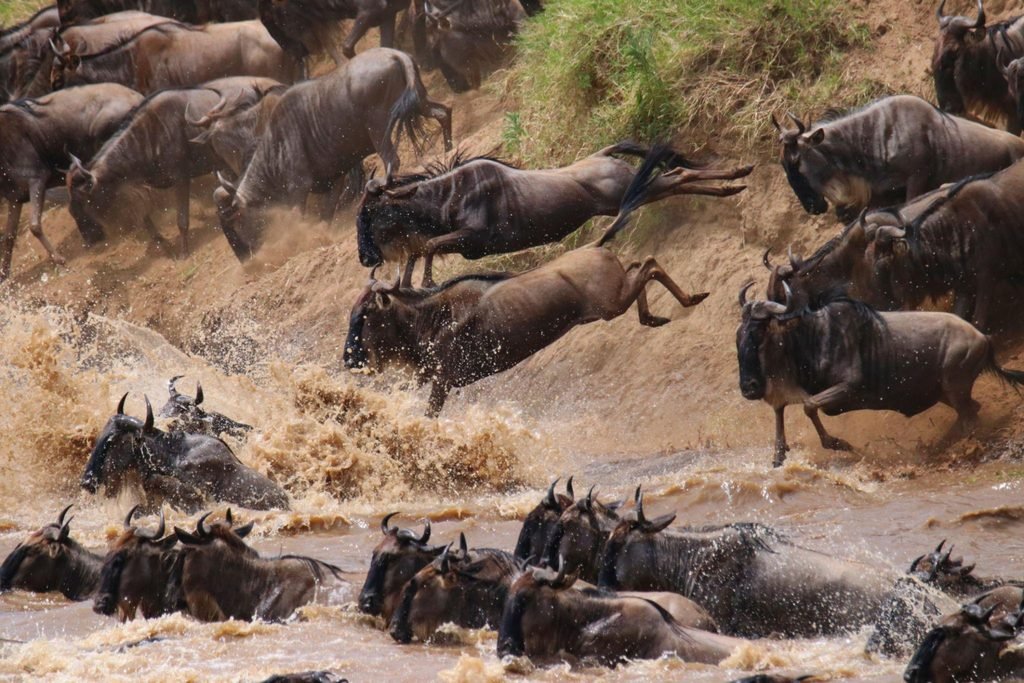
Even outside the main migration periods, the Serengeti offers excellent wildlife viewing. Lions, cheetahs, leopards, elephants, giraffes, buffaloes and numerous antelope species can be found throughout the park. The central Serengeti, particularly around Seronera, is popular for year-round game drives, while the northern and southern regions provide different wildlife experiences at various times of the year. Travellers should ideally allow at least two or three nights in the Serengeti rather than rushing through the park in a single day.
For visitors who want to explore the Serengeti alongside other northern Tanzania destinations, Eddy Tours & Safaris can help arrange a private safari that includes Ngorongoro, Tarangire and Lake Manyara.
2. Ngorongoro Crater – A Remarkable Wildlife Sanctuary
The Ngorongoro Crater is among Tanzania’s most impressive natural attractions and one of the highlights of the northern safari circuit. Located within the Ngorongoro Conservation Area, the crater was formed when a massive ancient volcano collapsed, leaving behind an enormous volcanic caldera surrounded by steep walls. Today, its floor supports grasslands, wetlands, woodland and a remarkable variety of wild animals.
One of the main reasons travellers visit Ngorongoro is the opportunity to observe several large mammal species within a relatively concentrated area. Lions, elephants, buffaloes, zebras, wildebeest and spotted hyenas are commonly associated with the crater, while black rhinoceroses are also present, although sightings are less predictable. Hippos occupy some of the permanent water areas, and flamingos may be seen around the soda lake when conditions are suitable.
A typical Ngorongoro visit begins with a drive along the crater rim before descending to the floor for a game drive. The views from above are particularly impressive in the early morning, when clouds sometimes hang over the surrounding highlands. Because the crater is a popular destination, it is worth planning your visit carefully and allowing enough time to enjoy the wildlife without rushing.
Ngorongoro combines particularly well with Serengeti and Tarangire safaris. Travellers interested in a short wildlife holiday can contact Eddy Tours & Safaris to discuss a suitable itinerary.

3. Tarangire National Park – Elephants, Baobab Trees and Beautiful Scenery
Tarangire National Park is often overlooked by travellers who focus entirely on the Serengeti and Ngorongoro, yet it deserves a place on almost every northern Tanzania safari itinerary. The park is especially known for its large elephant herds, ancient baobab trees and the Tarangire River, which provides an important water source for wildlife during the dry season.
Between approximately June and October, animals from surrounding areas often move towards the park’s permanent water sources. This can create excellent opportunities to observe elephants, zebras, wildebeest, giraffes and various antelope species. Lions and leopards are also found in the park, although their movements and visibility vary from day to day. The combination of wildlife and distinctive scenery makes Tarangire particularly attractive to photographers.
Another reason to visit Tarangire is its atmosphere. Compared with some of Tanzania’s more heavily visited safari areas, parts of the park can feel relatively quiet, especially when you travel beyond the busiest routes. The landscape changes between riverine vegetation, open woodland and broad seasonal swamps, giving visitors several different environments to explore during a single game drive.
Tarangire is accessible from Arusha and can be visited as a day trip, although spending a night nearby provides more time for wildlife viewing. It is also a practical starting point for a longer Tanzania safari that continues to Lake Manyara, Ngorongoro and the Serengeti.

4. Lake Manyara National Park – Forests, Birds and Rift Valley Views
Lake Manyara National Park is a relatively compact wildlife destination situated beneath the dramatic cliffs of the Great Rift Valley. Despite its size, the park contains several different habitats, including groundwater forests, open grasslands, wetlands and the alkaline lake that gives the park its name.
The forested entrance area provides a noticeably different safari experience from the open plains of the Serengeti. Troops of baboons are frequently seen along the roads, while elephants, blue monkeys and various bird species occupy the surrounding woodland. As visitors move towards the lake, the landscape becomes more open, with opportunities to observe buffaloes, giraffes, zebras and other grazing animals.
Lake Manyara has also become associated with tree-climbing lions, although these animals are not always easy to find and should never be considered a guaranteed sighting. Birdwatchers are particularly well served, with numerous species recorded across the park’s different habitats. Flamingos may appear along the lake depending on water levels and seasonal conditions.
Manyara is an excellent addition to a northern circuit safari, particularly for travellers who enjoy varied landscapes rather than focusing only on large mammals. The nearby town of Mto wa Mbu also provides opportunities to experience local food, farming activities and village life.
5. Mount Kilimanjaro – Africa’s Highest Mountain
Mount Kilimanjaro is one of Tanzania’s most recognised landmarks and a major destination for travellers interested in hiking and mountain climbing. Standing at approximately 5,895 metres above sea level, Kilimanjaro is Africa’s highest mountain and the world’s tallest free-standing mountain above its base.
Unlike many other major mountains, Kilimanjaro can be climbed without technical mountaineering skills on its established trekking routes. However, reaching the summit remains physically demanding because of the altitude, changing weather and long walking days. Proper preparation, suitable equipment and a carefully planned acclimatisation schedule are essential.
The mountain offers several climbing routes, including Machame, Marangu, Lemosho, Rongai, Umbwe and the Northern Circuit. Each route differs in duration, scenery, accommodation arrangements and acclimatisation opportunities. Machame and Lemosho are popular with travellers who prefer scenic trekking, while Marangu is known for its mountain huts rather than camping tents.
The journey itself is one of the most interesting parts of climbing Kilimanjaro. Trekkers move through cultivated lower slopes, rainforest, heath and moorland, alpine desert and eventually the high-altitude summit environment. The changing vegetation and views make the climb rewarding even before reaching Uhuru Peak.
Travellers preparing for a Kilimanjaro expedition can explore further mountain information through Kilimanjaro Climb Specialist and discuss suitable trekking arrangements with Eddy Tours & Safaris. Allowing additional acclimatisation time is generally preferable to choosing the shortest possible route simply to reduce the number of days.

6. Zanzibar Island – Beaches, History and Coastal Culture
Zanzibar is the ideal destination for travellers who want to combine a wildlife safari with a relaxing beach holiday. Located off Tanzania’s mainland coast, the Zanzibar archipelago is known for its white sandy beaches, warm Indian Ocean waters, historic towns and cultural influences shaped by centuries of trade.
The main island, Unguja, offers several different coastal areas. Nungwi and Kendwa in the north are popular for swimming, beach resorts and sunset views, while Paje and Jambiani on the southeast coast attract visitors interested in quieter beaches, village surroundings and water sports. Tidal changes are particularly noticeable along parts of the east coast, so travellers should consider local beach conditions when choosing accommodation.
Zanzibar is not only about the beach. Stone Town, the historic centre of Zanzibar City, contains narrow streets, old buildings, markets and important reminders of the island’s trading history. Visitors can explore its architecture, learn about the region’s history and enjoy traditional Swahili food. Spice farm visits, snorkelling excursions and trips to Jozani Chwaka Bay National Park are also popular activities.
For travellers visiting Tanzania for the first time, a safari followed by three or four nights in Zanzibar creates a good balance between active wildlife viewing and relaxation. Eddy Tours & Safaris can help visitors plan the mainland portion of their holiday and coordinate the wider travel arrangements.

7. Arusha National Park – A Convenient Wildlife and Walking Destination
Arusha National Park is one of the most accessible protected areas in northern Tanzania, making it an excellent choice for visitors staying in Arusha or preparing for a longer safari. Although smaller than the Serengeti or Tarangire, the park contains a surprising variety of landscapes, including montane forest, open grassland, crater scenery and the Momella Lakes.
Mount Meru dominates much of the surrounding landscape and provides a striking backdrop to the park. Visitors may encounter giraffes, buffaloes, zebras, warthogs and different monkey species, including black-and-white colobus monkeys in the forested areas. The park is also attractive to birdwatchers because of its woodland, wetland and mountain habitats.
One of the distinctive experiences available in Arusha National Park is a guided walking safari in designated areas. Walking provides an opportunity to observe smaller details of the environment, including animal tracks, plants and birdlife, which can easily be missed during a vehicle-based safari. Such activities must be arranged in accordance with park regulations and accompanied by authorised personnel.
Arusha National Park is particularly suitable for travellers with limited time, families who want a gentle introduction to Tanzania’s wildlife and visitors who would like to spend an additional day exploring before travelling to the larger national parks.
8. Ruaha National Park – Remote Landscapes and Excellent Predator Viewing
Ruaha National Park is an excellent destination for travellers who prefer less crowded safari environments. Situated in central-southern Tanzania, the park is known for its rugged landscapes, extensive baobab woodland, seasonal rivers and significant populations of large mammals.
The Great Ruaha River and its surrounding habitats play an important role in supporting wildlife, especially during the dry season when water becomes more limited. Elephants, giraffes, buffaloes, greater kudu and various antelope species inhabit the park, while lions, leopards and African wild dogs are among its notable predators.
Ruaha offers a different safari atmosphere from the northern circuit. Roads can be quieter, distances between wildlife sightings may be greater and visitors often spend longer exploring without encountering many other safari vehicles. This makes the park particularly appealing to experienced safari travellers, photographers and those who enjoy spending time in natural surroundings without a busy schedule.
Because Ruaha is relatively remote, transport arrangements require more planning than a typical northern circuit safari. Visitors can reach the region by road or use scheduled and charter flights where available. A stay of several nights is recommended to make the journey worthwhile and allow enough time to explore different parts of the park.
9. Nyerere National Park – River Safaris and Southern Tanzania Wildlife
Nyerere National Park is one of the major wildlife destinations in southern Tanzania. Formed from part of the former Selous Game Reserve, the park protects a large area of woodland, grassland, wetlands and river systems, including sections of the Rufiji River.
The Rufiji River is one of the area’s most distinctive features. Its channels, lakes and surrounding vegetation support hippos, crocodiles, waterbirds and numerous other animals. Depending on the operating area and local regulations, visitors may be able to enjoy boat-based wildlife excursions, providing a different perspective from traditional vehicle game drives.
Wildlife viewing in Nyerere can include elephants, giraffes, buffaloes, zebras, antelope species and predators such as lions and African wild dogs. The park’s large size means sightings vary considerably according to location, season and the time spent exploring.
Nyerere is particularly attractive to travellers who have already visited the northern circuit or who want a safari connected with Dar es Salaam and the southern part of Tanzania. Its river scenery and quieter atmosphere make it a strong alternative to the country’s better-known wildlife parks.
10. Lake Natron – Flamingos, Volcanic Landscapes and Maasai Communities
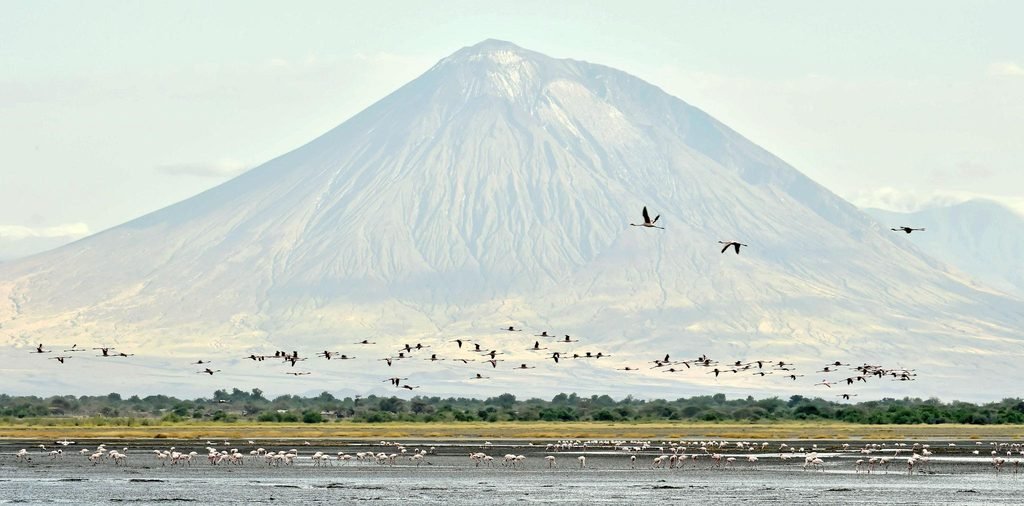
Lake Natron is one of the most unusual places to visit in northern Tanzania. Situated near the Kenyan border in the eastern Rift Valley, the lake is surrounded by dry plains, volcanic mountains and dramatic escarpments. Its alkaline waters create a challenging environment for many animals, but they also provide important breeding habitat for lesser flamingos.
The scenery around Lake Natron is very different from the green forests and wildlife-rich grasslands found elsewhere in Tanzania. Visitors encounter wide open landscapes, rocky tracks, traditional Maasai settlements and views of Ol Doinyo Lengai, an active volcano regarded as sacred by the Maasai people.
Activities around the lake may include guided walks, visits to nearby waterfalls, cultural experiences and photography excursions. Travellers interested in climbing Ol Doinyo Lengai should understand that the ascent is steep, physically demanding and subject to safety conditions and volcanic activity.
Lake Natron is best suited to adventurous travellers who enjoy remote destinations and do not mind travelling on rough roads. It can be combined with a northern Tanzania safari, although additional travel time should be allowed rather than trying to fit it into an already crowded itinerary.
11. Gombe Stream National Park – Chimpanzee Trekking Beside Lake Tanganyika
Gombe Stream National Park is located in western Tanzania along the shores of Lake Tanganyika. The park is internationally recognised for its chimpanzee populations and its association with the pioneering research of Jane Goodall, whose work greatly expanded scientific understanding of chimpanzee behaviour.
Unlike Tanzania’s traditional savannah safari parks, Gombe is characterised by forested hills, valleys and walking trails. Visitors come primarily for guided chimpanzee trekking, which involves walking through forest habitats with experienced guides to search for habituated chimpanzee groups.
The experience is very different from watching wildlife from a safari vehicle. Trekking may involve steep terrain, humid conditions and periods of waiting while guides locate the chimpanzees. Sightings depend on the animals’ movements and cannot be guaranteed, but observing chimpanzees in their natural habitat can be one of the most memorable wildlife experiences in Tanzania.
Gombe is usually accessed through Kigoma and onward boat transport, making it more suitable for travellers with additional time. Visitors can also explore the shores of Lake Tanganyika and learn more about the history and communities of western Tanzania.
12. Mafia Island – Marine Life, Snorkelling and Peaceful Beaches
Mafia Island is a good alternative for travellers who want a quieter coastal experience than the busier resort areas of Zanzibar. Located south of Zanzibar off the Tanzanian coast, Mafia is particularly known for its marine environment, coral reefs and opportunities for diving and snorkelling.
Mafia Island Marine Park protects important coastal and marine habitats, including coral reefs, mangroves and seagrass areas. Visitors can explore the underwater environment through organised excursions, while the island’s villages and relatively relaxed atmosphere offer a different style of beach holiday.
One of Mafia’s best-known seasonal attractions is the opportunity to observe whale sharks in surrounding waters. Their presence varies throughout the year, and excursions should follow responsible wildlife-viewing practices that avoid disturbing the animals.
Mafia is particularly suitable for couples, nature enthusiasts, divers and travellers who prefer smaller accommodation properties and a slower pace of travel. It can also be included at the end of a longer Tanzania holiday for visitors who want time to rest after several days of safari activities.
Best Time to Visit Tanzania’s Main Destinations
The best time to visit Tanzania depends on the activities you want to enjoy. The country has different weather patterns across its regions, and the ideal months for wildlife safaris are not necessarily the same as those preferred for mountain trekking or beach holidays.
For northern Tanzania safaris, June to October is generally a popular period because the weather is relatively dry and wildlife often gathers around dependable water sources. January and February can also be rewarding months, particularly for visitors interested in the southern Serengeti’s calving season. The timing of wildlife movements varies with rainfall, however, and good sightings are possible throughout much of the year.
Mount Kilimanjaro is commonly climbed during the relatively drier periods from January to early March and from June to October. Conditions can still change rapidly at altitude, and summit temperatures may be extremely cold regardless of the month. Zanzibar offers beach holidays throughout much of the year, although the heavier rainfall period around April and May may affect some activities and travel plans.
Travellers should therefore choose their travel dates according to their main interests rather than assuming that one month is best for every destination.
How Many Days Do You Need to Explore Tanzania?
The number of days needed for a Tanzania holiday depends on how many destinations you want to visit and how much time you prefer to spend in each place. Travellers with only three or four days can enjoy a short safari visiting parks such as Tarangire, Lake Manyara and Ngorongoro, although the itinerary should account for driving distances and park entry arrangements.
A five- to seven-day safari provides more flexibility and can include the Serengeti alongside other northern circuit destinations. Visitors with eight to twelve days may be able to combine a wildlife safari with a few days in Zanzibar, depending on their chosen route and transport arrangements.
For travellers interested in Mount Kilimanjaro, the climb itself usually requires several days, with the exact duration depending on the selected route. Additional time should be reserved for arrival, equipment checks, rest and onward travel. Attempting to combine a major mountain climb, an extensive safari and a beach holiday into a very short visit can make the journey unnecessarily tiring.
The best approach is to select a few destinations that genuinely interest you and allow enough time to enjoy them properly.
Planning Your Tanzania Holiday with Eddy Tours & Safaris
Choosing where to go in Tanzania becomes much easier once you understand the differences between the country’s main destinations. The Serengeti and Ngorongoro are excellent choices for travellers interested in classic African wildlife safaris, while Tarangire and Lake Manyara add variety to a northern circuit itinerary. Mount Kilimanjaro appeals to those looking for a physical challenge, and Zanzibar provides an opportunity to relax beside the Indian Ocean.
For visitors who prefer quieter destinations, Ruaha, Nyerere, Lake Natron, Gombe and Mafia Island offer experiences that are quite different from the country’s busiest tourist areas. Each destination has its own travel requirements, and choosing the right combination can make a significant difference to the overall holiday.
Eddy Tours & Safaris is a local tour company based in Arusha, Tanzania, helping visitors plan wildlife safaris, mountain adventures and holidays around the country. We understand that travellers have different interests, budgets and expectations, which is why planning should begin with what you actually want to see and experience rather than simply choosing the longest itinerary.
Whether you are planning your first Tanzania safari, a Kilimanjaro climbing holiday or a journey combining wildlife and Zanzibar’s beaches, our team can help you explore the available options.
Contact Eddy Tours & Safaris to discuss your preferred destinations, travel dates and the type of Tanzania holiday you would like to arrange.
Frequently Asked Questions About Visiting Tanzania
What is the best place to visit in Tanzania for a first-time safari?
For most first-time visitors, the Serengeti and Ngorongoro Crater are excellent starting points because of their wildlife populations and established safari infrastructure. Travellers with additional time can include Tarangire and Lake Manyara to experience different landscapes and animal habitats.
Is Tanzania better for safaris or beach holidays?
Tanzania is suitable for both. The mainland is particularly well known for its national parks and wildlife safaris, while Zanzibar and Mafia Island offer beach holidays, marine activities and coastal culture. Many visitors combine a mainland safari with several nights at the coast.
Can I visit Serengeti and Zanzibar on the same holiday?
Yes. Many travellers visit the Serengeti as part of a northern circuit safari before continuing to Zanzibar. Domestic flights can help reduce travel time, although schedules, baggage limits and connections should be checked before confirming the itinerary.
Which Tanzania destination is best for seeing the Big Five?
The Serengeti and Ngorongoro Crater are among the best-known destinations for travellers hoping to see the Big Five: lion, leopard, elephant, buffalo and rhinoceros. However, rhinoceros sightings are generally less predictable, and no safari can guarantee all five species.
Is Mount Kilimanjaro suitable for beginners?
Mount Kilimanjaro can be attempted by fit beginners who prepare properly and select a suitable route. The climb does not normally require technical climbing on established trekking routes, but altitude sickness is a serious concern. Good acclimatisation, realistic pacing and appropriate medical preparation are essential.
Which places in Tanzania are less crowded?
Ruaha National Park, Nyerere National Park, Lake Natron, Gombe Stream National Park and Mafia Island can provide quieter experiences than the busiest northern safari parks and Zanzibar resort areas. Visitor numbers still vary by season, accommodation location and accessibility.
Can I arrange a private Tanzania safari?
Yes. Private safaris allow travellers to plan their journey around preferred destinations, accommodation standards, available time and wildlife interests. You can contact Eddy Tours & Safaris to discuss a personalised itinerary.