
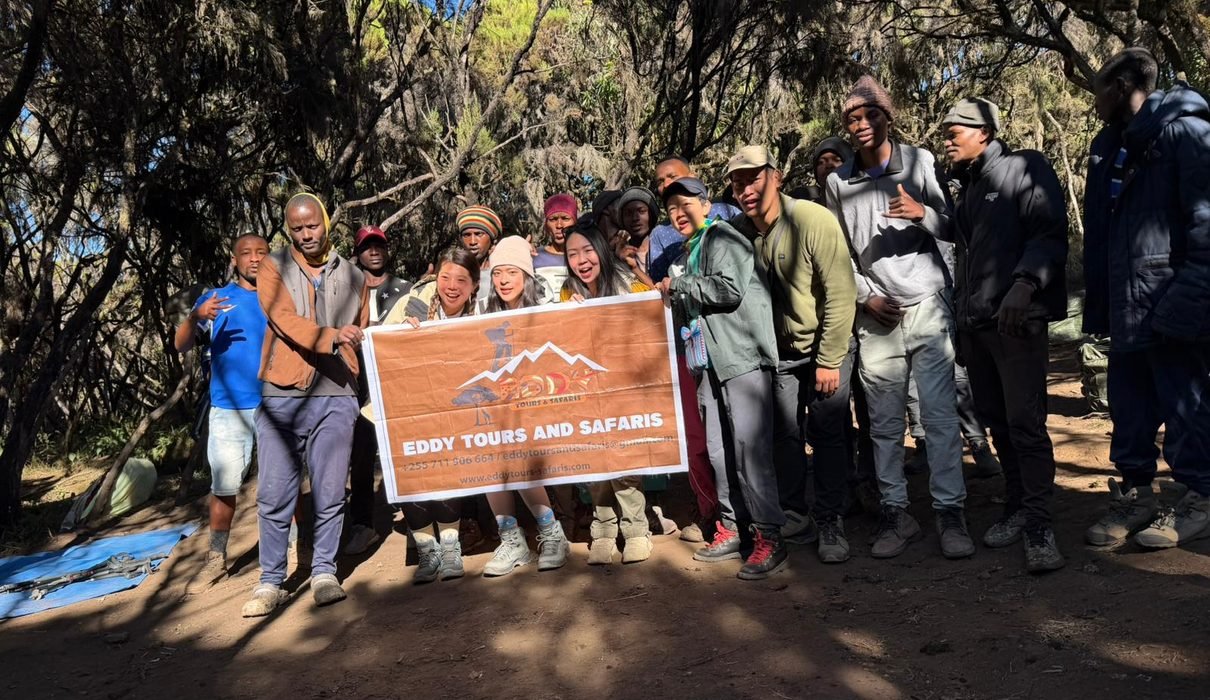
If you have ever climbed Mount Kilimanjaro or watched videos of trekkers celebrating with their mountain guides in Tanzania, you may have heard a cheerful Swahili song called Jambo Bwana. The song is commonly performed by Kilimanjaro guides, porters, and cooks to welcome climbers, encourage them during their journey, and celebrate the friendships formed on the mountain. Its simple words, lively rhythm, and familiar expressions have made it one of the best-known songs associated with climbing Africa’s highest mountain.
For many international travellers, Jambo Bwana is their first introduction to the Swahili language. The song contains everyday greetings and expressions such as Habari gani, Nzuri sana, and Hakuna matata. Although these phrases are easy to learn, they also introduce visitors to an important part of East African communication: the habit of greeting people warmly and taking time to acknowledge one another.
The song has become closely associated with Kilimanjaro, but its history began elsewhere. Jambo Bwana was originally written by Kenyan musician Teddy Kalanda Harrison and performed by the band Them Mushrooms. It became popular in Kenya’s tourism industry before spreading to Tanzania and other countries. Over time, Kilimanjaro mountain crews adopted their own versions, sometimes changing the words to reflect climbing experiences, mountain safety, and the importance of walking slowly.
Today, Jambo Bwana is more than a familiar tune heard on Kilimanjaro. For many climbers, it becomes a reminder of the people who helped them complete their journey, the encouragement they received during difficult moments, and the experience of spending several days with a Tanzanian mountain crew.
In this guide, we explain the meaning of Jambo Bwana, where the song originated, how it became associated with Mount Kilimanjaro, and why it remains a memorable part of the climbing experience.
What Does Jambo Bwana Mean in English?
Jambo Bwana means “Hello, Sir” or “Hello, Mister” in English. The phrase comes from Kiswahili, commonly called Swahili, which is Tanzania’s national language and is widely spoken throughout East Africa.
The word jambo is commonly used as a greeting, especially when speaking with visitors, while bwana is a respectful form of address meaning sir, mister, or gentleman. When combined, the two words create a friendly greeting that is easy for international travellers to understand and repeat.
Although Jambo Bwana is widely recognised, Tanzanians often use other expressions in everyday conversations. Greetings such as Habari, Habari za asubuhi, and Mambo are common in different situations. Swahili greetings can also vary depending on the age of the person being addressed, the level of formality, and the relationship between the speakers.
The popularity of Jambo Bwana among tourists comes partly from its simplicity. Visitors who have never spoken Swahili can learn the words quickly, while the song introduces several expressions they may hear throughout their journey in Tanzania.
Common Swahili Expressions Associated with Jambo Bwana
| Swahili Expression | English Meaning | Common Use |
|---|---|---|
| Jambo | Hello | A simple greeting, especially familiar to visitors |
| Bwana | Sir or Mister | A respectful form of address |
| Habari gani? | How are things? | Asking how someone is doing |
| Nzuri sana | Very good | A positive response |
| Karibu | Welcome | Welcoming someone |
| Karibuni | Welcome, everyone | Welcoming several people |
| Hakuna matata | No problems or no worries | Reassurance or saying things are fine |
| Pole pole | Slowly, slowly | Encouraging a slower pace |
| Asante sana | Thank you very much | Expressing appreciation |
| Twende | Let’s go | Encouraging people to move |
| Rafiki | Friend | Referring to a friend |
| Safari njema | Have a good journey | Wishing someone safe travels |
Learning these expressions before travelling to Tanzania can make communication with local guides, hotel staff, and other people more enjoyable. Even a simple greeting can help visitors begin a conversation and show an interest in the local language.
The Origins of Jambo Bwana: Where Did the Song Come From?
Although Jambo Bwana is now strongly associated with Mount Kilimanjaro, the song was originally created in Kenya. Its history is connected to the coastal city of Mombasa, where international tourism and live music played an important role in the development of the local entertainment industry.
The song was written by Teddy Kalanda Harrison, a Kenyan musician associated with the band Them Mushrooms. During the late 1970s, the group performed at hotels along Kenya’s coast, entertaining visitors with a mixture of musical styles.
According to accounts of the song’s creation, Harrison noticed that tourists were interested in learning simple Swahili greetings. He developed the idea of writing an easy song that visitors could sing while learning familiar expressions used in East Africa.
The result was Jambo Bwana, a song built around greetings, welcoming visitors, and positive expressions. Its straightforward language made it particularly suitable for hotel performances, where audiences from different countries could participate without understanding much Swahili.
The song is commonly dated to 1982, although accounts of its initial composition and release differ, with some sources placing its creation or first release around 1979–1980. What is clear is that it became widely popular during the early 1980s and subsequently spread beyond Kenya.
The history is documented by the Kenyan cultural storytelling platform Paukwa – Jambo Bwana by Them Mushrooms and by Them Mushrooms’ official website.
Who Originally Sang Jambo Bwana?
The original song is credited to the Kenyan band Them Mushrooms, with Teddy Kalanda Harrison recognised as its songwriter. The group became well known for its performances along the Kenyan coast and helped introduce the song to international audiences.
Its popularity grew because the words were simple, the melody was easy to remember, and audiences could participate by repeating familiar phrases. Visitors who heard the song while travelling in Kenya often remembered it long after returning home.
As the song became more widely known, other musicians recorded their own versions. Some changed the arrangement, while others adapted the words to suit different audiences. These versions helped Jambo Bwana become familiar in hotels, safari destinations, and other tourism settings throughout East Africa.
The original artist and songwriting credits are available through Them Mushrooms – Jambo Bwana.
How Jambo Bwana Became Popular on Mount Kilimanjaro
Mount Kilimanjaro is located in northern Tanzania, near the town of Moshi. Standing approximately 5,895 metres above sea level, it is Africa’s highest mountain and one of the world’s most famous trekking destinations.
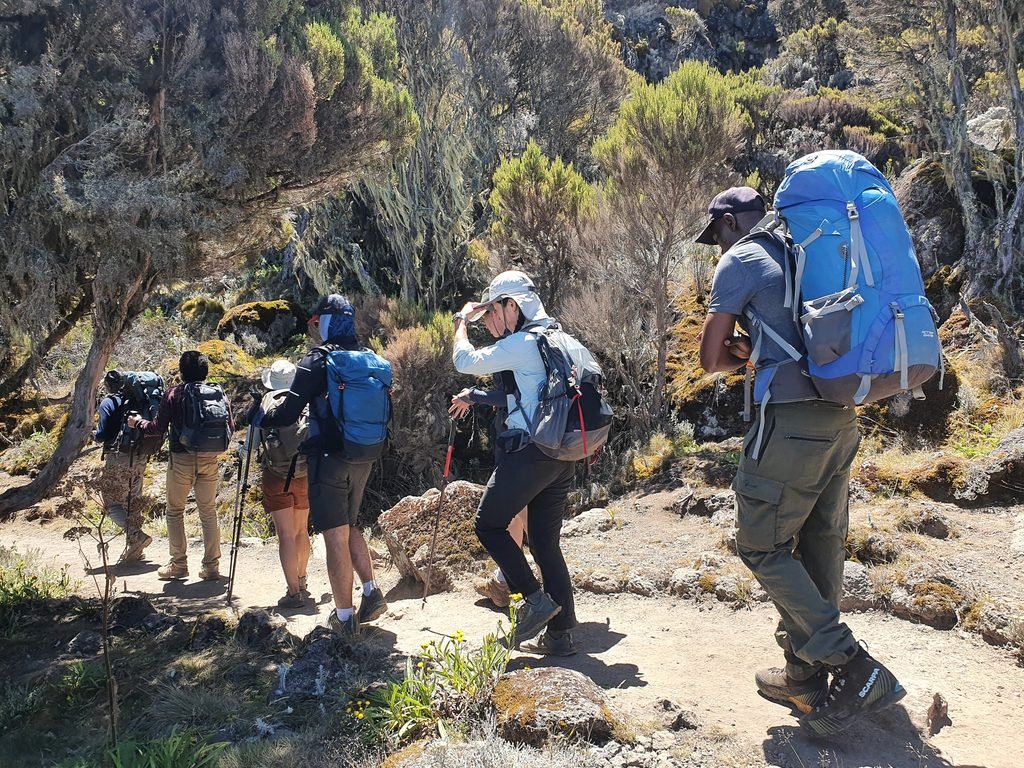
Every year, climbers from different countries travel to Tanzania to attempt the mountain. Most organised expeditions involve several days of trekking with the support of professional mountain guides, assistant guides, porters, and cooks. During this time, climbers and mountain crews spend many hours together, sharing meals, discussing the route, and preparing for the challenges of increasing altitude.
As Jambo Bwana became popular throughout East Africa, mountain crews began performing adapted versions of the song. The familiar greetings remained, but some versions introduced words associated with Kilimanjaro, walking slowly, drinking water, and reaching the summit.
The song suited the mountain environment because it was easy to learn and encouraged group participation. Guides could sing a line while climbers responded, and the rhythm allowed everyone to join in through clapping or dancing.
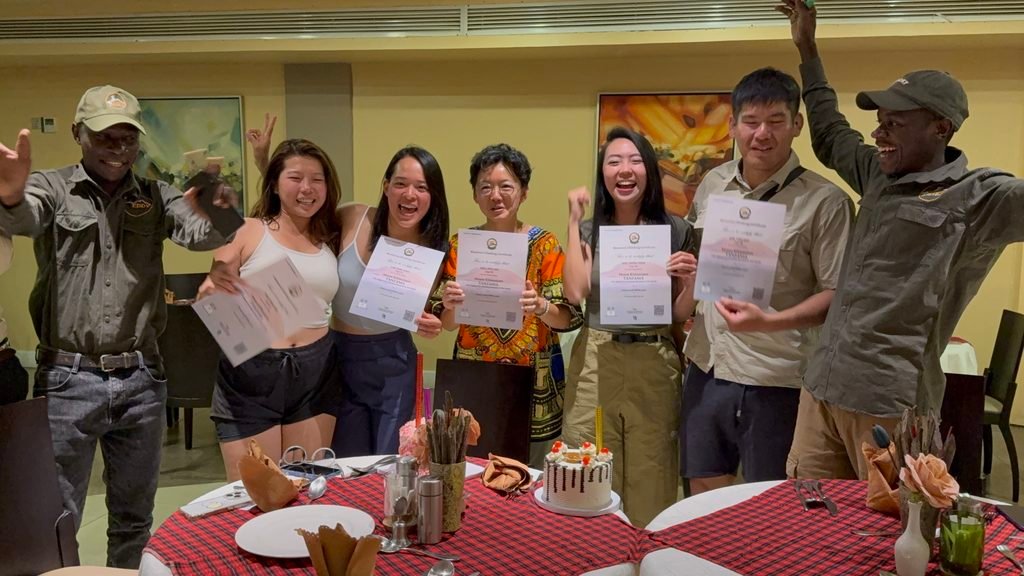
Over time, Jambo Bwana became a familiar part of the Kilimanjaro trekking experience. It is now commonly heard at mountain camps, during group celebrations, and when climbers are thanking their crews at the end of an expedition.
Why Kilimanjaro Guides and Porters Sing Jambo Bwana
One of the most memorable aspects of climbing Kilimanjaro is the relationship between trekkers and their mountain crew. Guides, porters, and cooks spend several days supporting the expedition, often working in demanding weather conditions and at high elevations.
Jambo Bwana provides a simple way for the group to share a positive moment. It can help climbers feel welcome, introduce them to familiar Swahili expressions, and create an opportunity for everyone to participate in an activity that does not depend on speaking the same language.
For international visitors, hearing the mountain crew sing may become one of the first moments when they feel part of the group. The song is often accompanied by clapping, smiling, and dancing, creating a relaxed atmosphere before or after a demanding day of trekking.
However, it is important to understand that singing is not a formal requirement for Kilimanjaro expeditions. Different crews have their own traditions, and not every group performs the song at the same time or in the same way. Some may sing during the first evening at camp, while others prefer to celebrate after a successful summit attempt or during the final farewell.
The song’s importance comes from the people performing it and the shared experience behind the music, rather than from any official mountain tradition.
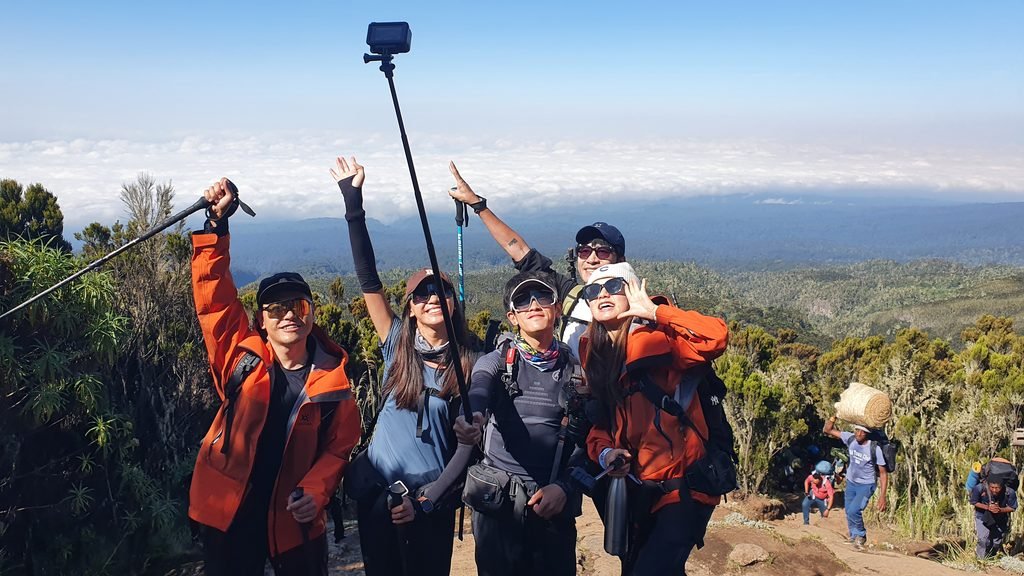
The Meaning of Hakuna Matata in Jambo Bwana
One of the most recognisable expressions associated with Jambo Bwana is Hakuna matata, a Swahili phrase meaning “no problems,” “no worries,” or “there are no troubles.”
The expression became internationally familiar through popular music and films, but it was already used in East Africa long before many international audiences encountered it.
Within Jambo Bwana, the phrase communicates a friendly and reassuring message. It reflects the welcoming character of the song and encourages visitors to feel comfortable in an unfamiliar environment.
On Kilimanjaro, mountain crews sometimes use the expression in a light-hearted way to encourage climbers who may be nervous about the journey. However, the phrase should not be interpreted as a promise that climbing the mountain will be easy or free from difficulties.
Kilimanjaro is a high-altitude mountain, and reaching its summit requires physical preparation, appropriate acclimatisation, suitable equipment, and responsible decision-making. Even experienced trekkers may develop altitude-related symptoms, and safety concerns must always be taken seriously.
The phrase Hakuna matata is therefore best understood as a friendly expression of encouragement rather than a substitute for proper mountain safety.
Pole Pole: The Most Important Swahili Expression on Kilimanjaro
While Jambo Bwana may be the best-known song associated with Kilimanjaro, Pole pole is one of the most useful expressions climbers will hear during their expedition.
Pole pole means “slowly, slowly” in Swahili. Mountain guides frequently use the expression to remind trekkers to maintain a comfortable walking pace, especially as they reach higher elevations.
Walking slowly is important because the body needs time to adjust to decreasing oxygen availability at altitude. Kilimanjaro’s trekking routes involve considerable elevation gain, and moving too quickly can increase physical strain.
However, walking slowly alone does not prevent altitude sickness. Proper acclimatisation also depends on factors such as route duration, sleeping altitude, individual response to elevation, and the ability to recognise symptoms early.
A responsible mountain guide will monitor the group’s condition and make safety decisions based on the health of the climbers rather than the desire to reach the summit at any cost.
For travellers preparing to climb Kilimanjaro, choosing a route with sufficient acclimatisation time is generally more important than selecting the shortest available itinerary.
You can explore Tanzania climbing arrangements through Eddy Tours & Safaris or review official park information from Tanzania National Parks Authority.
Jambo Bwana and the Spirit of Kilimanjaro
The connection between Jambo Bwana and Kilimanjaro is closely related to the way mountain expeditions bring people together. Climbers may arrive in Tanzania from different countries, speak different languages, and have different levels of trekking experience, but they share the same route and depend on the support of the mountain crew.
During the climb, everyday routines become important. Trekkers wake early, prepare their equipment, walk for several hours, and arrive at camp where meals and accommodation have been arranged. Guides monitor the group’s progress, cooks prepare food, and porters transport essential supplies between camps.
The song provides an opportunity to recognise these shared efforts. When the crew begins singing, climbers often respond with the few Swahili words they have learned, even if their pronunciation is not perfect.
This interaction can be particularly meaningful near the end of an expedition. After several days of walking together, the group has developed a shared understanding of the challenges involved. A farewell performance of Jambo Bwana can therefore become a personal reminder of the people who helped make the journey possible.
The song is not what makes Kilimanjaro special, but it has become one of the ways climbers remember the human side of the experience.
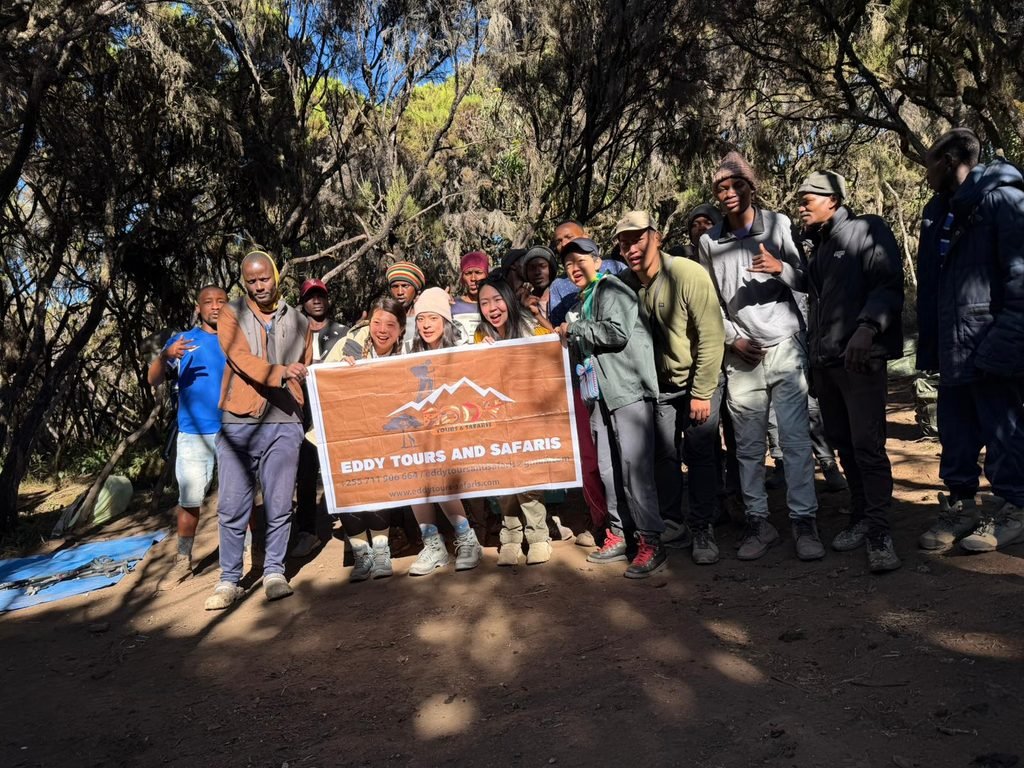
The Role of Kilimanjaro Porters and Mountain Guides
Behind every organised Kilimanjaro expedition is a mountain crew responsible for supporting the journey. Although visitors often focus on reaching Uhuru Peak, the work performed by guides, porters, and cooks is essential to the operation of the climb.
Mountain guides are responsible for leading the group, explaining the route, monitoring the condition of climbers, and responding to safety concerns. Assistant guides provide additional support, particularly when members of the group are walking at different speeds or require individual attention.
Porters carry equipment and supplies between camps, while cooks prepare meals and help maintain the expedition’s daily routine. Depending on the itinerary, the crew may also include specialists responsible for camp organisation and other logistical duties.
Because this work can be physically demanding, travellers should choose operators who follow responsible porter welfare practices. Appropriate equipment, fair treatment, reasonable loads, and suitable working conditions are important considerations when selecting a Kilimanjaro climbing company.
The Kilimanjaro Porters Assistance Project provides information about porter welfare and responsible climbing practices.
For climbers, appreciating the mountain crew involves more than enjoying their songs. It also means respecting their work, following safety instructions, and understanding the important contribution they make throughout the expedition.
When Will You Hear Jambo Bwana During a Kilimanjaro Climb?
There is no fixed schedule for Jambo Bwana performances on Mount Kilimanjaro. The timing depends on the mountain crew, the atmosphere within the group, and the particular expedition.
Some climbers first hear the song when they arrive at camp and meet the people supporting their journey. Others encounter it after several days on the mountain, once the group has become more familiar with one another.
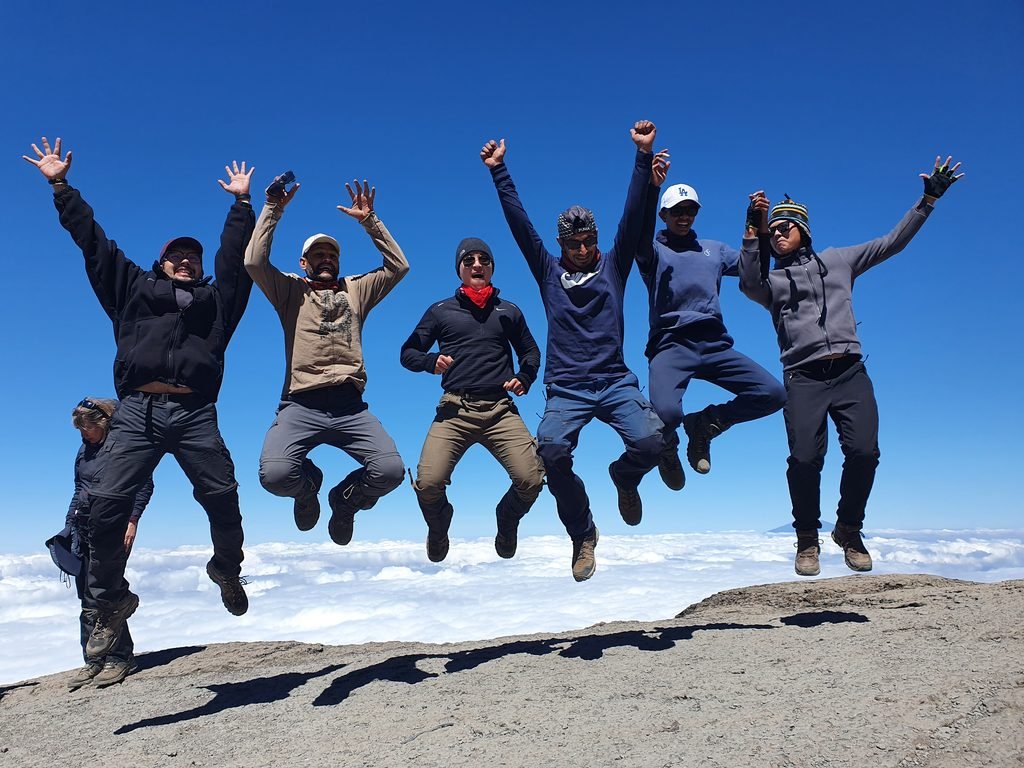
The song may also be performed during a celebration following a successful summit attempt. Reaching Uhuru Peak is an important achievement for many climbers, and the return to camp can provide an opportunity for the group to celebrate together.
Another common occasion is the final day of the expedition, when climbers prepare to leave the mountain and say goodbye to their guides and porters. Some crews organise a short farewell gathering where songs, thanks, and personal messages are shared.
Although Jambo Bwana is popular, visitors should not expect every mountain crew to perform it. Singing is a voluntary cultural and social activity, not an obligatory part of a trekking package.
Does Every Kilimanjaro Route Include the Jambo Bwana Experience?
Jambo Bwana is associated with Kilimanjaro climbing generally rather than with one particular route. Travellers may hear it while climbing the Machame, Marangu, Lemosho, Rongai, or Northern Circuit routes, depending on their mountain crew.
The routes themselves differ in duration, scenery, accommodation arrangements, and acclimatisation opportunities. Choosing the right route is therefore an important part of preparing for the expedition.
Machame Route
The Machame Route is one of Kilimanjaro’s most popular camping routes. It passes through several vegetation zones and provides varied mountain scenery, including rainforest, moorland, and alpine landscapes.
The route is commonly completed over six or seven days, although the longer option generally provides additional time for acclimatisation. Trekkers sleep in tents, and the mountain crew is responsible for transporting camping equipment and preparing meals.
Marangu Route
The Marangu Route is known for its mountain huts, which provide an alternative to the camping accommodation used on most other Kilimanjaro routes.
It is commonly completed over five or six days. The six-day option includes additional time for acclimatisation, which can be important when preparing for higher elevations.
Marangu is sometimes described as an easier route because of its established trail and hut accommodation, but reaching the summit remains physically demanding.
Lemosho Route
The Lemosho Route approaches Kilimanjaro from the western side and is known for its scenic landscapes and relatively gradual introduction to the mountain.
It is commonly completed over seven or eight days, with the eight-day option allowing additional time for acclimatisation.
The route passes through forest and open moorland before joining other established trekking trails towards the summit.
Rongai Route
The Rongai Route approaches Kilimanjaro from the northern side, near the Kenyan border. It offers different scenery from the more frequently used southern routes and is often selected by travellers interested in a quieter approach.
Rongai itineraries commonly last six or seven days, depending on the operator and planned acclimatisation schedule.
Northern Circuit Route
The Northern Circuit is one of Kilimanjaro’s longer trekking routes. It travels around the mountain’s northern slopes and generally provides a more gradual acclimatisation schedule than shorter itineraries.
Many Northern Circuit climbs take eight or nine days, although exact arrangements vary.
The route can be attractive for travellers who prefer additional time on the mountain and want to experience different landscapes.
Comparing Popular Kilimanjaro Routes
| Kilimanjaro Route | Common Duration | Accommodation | Main Characteristics |
|---|---|---|---|
| Machame | 6–7 days | Camping | Varied scenery and established trekking route |
| Marangu | 5–6 days | Mountain huts | Hut accommodation and a well-established trail |
| Lemosho | 7–8 days | Camping | Scenic western approach and longer acclimatisation options |
| Rongai | 6–7 days | Camping | Northern approach with different landscapes |
| Northern Circuit | 8–9 days | Camping | Longer route with additional acclimatisation opportunities |
Whichever route you choose, your safety and enjoyment depend on suitable preparation, realistic expectations, and the experience of your mountain guide.
Why Swahili Is Important to the Kilimanjaro Climbing Experience
Swahili is an important part of daily communication in Tanzania. Visitors travelling through Arusha, Moshi, and other destinations will hear the language in markets, hotels, restaurants, and public spaces.
On Kilimanjaro, Swahili helps connect climbers with their mountain crews. Although many professional guides speak English and may know additional languages, learning a few local expressions can make everyday conversations more personal.
Simple words such as Asante sana and Habari za asubuhi can be used throughout the expedition. Climbers may also hear expressions such as Twende, meaning “let’s go,” and Pole pole, reminding them to walk slowly.
These phrases are useful because they relate directly to the daily routine of trekking. Learning them does not require formal language lessons, and most visitors can become familiar with the basic expressions within a few days.
Jambo Bwana brings several of these familiar words together in a musical form, making them easier to remember. Long after leaving Tanzania, travellers may still recognise the phrases whenever they hear the song.
Is Jambo Bwana a Traditional Tanzanian Song?
Jambo Bwana is sometimes described as a traditional African or Tanzanian song, but this description does not accurately explain its origins.
The song is a modern East African popular song written by a Kenyan musician and performed by a Kenyan band. It became widely known through tourism and later developed strong associations with Tanzania, particularly Mount Kilimanjaro.
Its popularity among Tanzanian mountain crews does not change its Kenyan origin. Instead, it shows how music can travel across national borders and become part of different social experiences.
Kenya and Tanzania share the Swahili language and have longstanding cultural, commercial, and historical connections. Music, expressions, and popular entertainment have moved between the two countries for many years.
Jambo Bwana is a good example of this exchange. The original song celebrated Kenya and welcomed visitors, while the versions heard on Kilimanjaro often focus on climbing, encouragement, and mountain experiences.
Understanding this history helps travellers appreciate the song without incorrectly attributing its creation to Kilimanjaro or presenting it as an ancient traditional chant.
How the Song Became Known Around the World
The international popularity of Jambo Bwana developed through tourism, recorded music, and performances by different artists. Visitors who heard the song in East Africa introduced it to audiences elsewhere, while musicians recorded their own interpretations.
One well-known adaptation was released by the European group Boney M. in the 1980s under the title Jambo – Hakuna Matata. Other performers also produced versions using different musical arrangements and modified lyrics.
The phrase Hakuna matata later became widely recognised through Disney’s The Lion King, although the expression had already existed in Swahili and appeared in East African popular music long before the film was released.
The original song and later adaptations have helped introduce international audiences to familiar Swahili words. However, Jambo Bwana remains particularly associated with East African tourism because of its welcoming message and simple language.
For more about the original musicians, visit Them Mushrooms’ official music website.
What Climbers Should Know Before Visiting Mount Kilimanjaro
Learning the meaning of Jambo Bwana is an enjoyable part of preparing for Kilimanjaro, but successful mountain preparation involves several other important considerations.
Kilimanjaro is a high-altitude trek, and climbers should understand the physical demands before booking. Although most established routes do not require technical mountaineering skills under normal conditions, the journey involves long walking days, changing temperatures, and significant elevation gain.
Physical preparation should include regular walking, hiking, and suitable cardiovascular exercise. Travellers should also prepare for cold temperatures, particularly during the summit attempt, when conditions can be considerably colder than at lower elevations.
Acclimatisation is another important factor. Choosing an itinerary that allows sufficient time for altitude adjustment can reduce unnecessary pressure on the group, although altitude sickness can affect anyone regardless of fitness.
Climbers should also arrange suitable travel insurance, confirm their operator’s safety procedures, and discuss relevant medical concerns with a qualified healthcare professional before departure.
The official Tanzania National Parks Authority website provides information about Kilimanjaro National Park and visitor requirements.
Combining a Kilimanjaro Climb with a Tanzania Safari
Many travellers visiting Tanzania for Kilimanjaro also choose to explore the country’s wildlife destinations. This can be a practical way to experience different parts of northern Tanzania within one holiday.
After completing the climb, visitors may spend several days on safari in Tarangire National Park, Ngorongoro Crater, or Serengeti National Park. These destinations provide opportunities to observe elephants, lions, giraffes, zebras, buffaloes, and numerous other animals.
Tarangire is particularly suitable for shorter safaris because it can be reached from Arusha by road. Ngorongoro Crater is another popular option for travellers who want to experience a variety of wildlife within a relatively compact area.
Visitors with additional time may continue to Serengeti National Park, which is famous for its extensive grasslands, predator populations, and the Great Wildebeest Migration.
Combining a mountain climb with a safari requires careful scheduling. Travellers should allow time to rest after descending Kilimanjaro, particularly if they have completed a demanding summit attempt.
You can explore Tanzania travel arrangements through Eddy Tours & Safaris or request a personalised itinerary using the Eddy Tours & Safaris contact page.
Frequently Asked Questions About Jambo Bwana
What Is the Meaning of Jambo Bwana?
Jambo Bwana is a Swahili expression meaning “Hello, Sir” or “Hello, Mister.” It is also the title of a popular East African song that is commonly performed by Kilimanjaro mountain crews.
Who Originally Wrote Jambo Bwana?
Jambo Bwana was written by Kenyan musician Teddy Kalanda Harrison and performed by the band Them Mushrooms. The song became popular in Kenya’s tourism industry during the early 1980s before spreading to other countries.
Is Jambo Bwana a Kenyan or Tanzanian Song?
Jambo Bwana originated in Kenya, but it later became popular in Tanzania and other parts of East Africa. Today, adapted versions are commonly associated with Mount Kilimanjaro.
Why Do Kilimanjaro Porters Sing Jambo Bwana?
Mountain crews may sing Jambo Bwana to welcome climbers, encourage group participation, celebrate achievements, or say goodbye at the end of an expedition. The timing and performance vary between crews.
What Does Hakuna Matata Mean?
Hakuna matata means “no problems” or “no worries” in Swahili. It is a familiar expression used in everyday communication and is closely associated with Jambo Bwana.
What Does Pole Pole Mean on Kilimanjaro?
Pole pole means “slowly, slowly.” Kilimanjaro guides use the expression to encourage climbers to maintain a steady walking pace, particularly at higher elevations.
Do All Kilimanjaro Guides Sing Jambo Bwana?
No. Although the song is popular among mountain crews, it is not a compulsory part of climbing Kilimanjaro. Different crews have different traditions and ways of celebrating with their guests.
Can You Learn Jambo Bwana Before Climbing Kilimanjaro?
Yes. Travellers can listen to recordings of the song and become familiar with its basic Swahili expressions before arriving in Tanzania. Learning a few words can make it easier to participate when the song is performed.
Is Jambo Bwana Connected to The Lion King?
The song and Disney’s The Lion King both use the Swahili expression Hakuna matata. However, Jambo Bwana was created before the film, and the two songs are separate musical works.
Where Can I Hear Jambo Bwana in Tanzania?
The song is commonly heard in tourism settings, particularly during Kilimanjaro climbing expeditions. It may also be performed at hotels, cultural events, and other visitor destinations, although performances are not guaranteed.
Experience the Spirit of Kilimanjaro with Eddy Tours & Safaris
Jambo Bwana has become one of the most familiar songs associated with climbing Mount Kilimanjaro. Although it began as a Kenyan popular song, its simple Swahili expressions and welcoming message have made it a favourite among many Tanzanian mountain crews. For climbers, hearing the song can become a reminder of the people they met, the challenges they faced, and the support they received throughout their journey.
Understanding the meaning and history of Jambo Bwana adds another dimension to the Kilimanjaro experience. It introduces visitors to the Swahili language, explains an interesting part of East African musical history, and highlights the relationships that develop between climbers and their mountain crews.
However, preparing for Kilimanjaro involves much more than learning the words of a song. Choosing a suitable climbing route, allowing enough time for acclimatisation, arranging proper equipment, and travelling with experienced mountain professionals are essential parts of planning a responsible expedition.
Eddy Tours & Safaris is a local tour company in Arusha, Tanzania, arranging Kilimanjaro climbing expeditions, Tanzania wildlife safaris, and private holidays. We help travellers plan their trips according to their preferred climbing routes, available time, travel dates, and accommodation requirements.
Whether you are considering the Machame, Marangu, Lemosho, Rongai, or Northern Circuit route, our team can help you explore suitable climbing arrangements and combine your mountain experience with a Tanzania wildlife safari.
For more information, visit Eddy Tours & Safaris or contact our team to plan your Kilimanjaro climb.
Eddy Tours & Safaris
Arusha, Tanzania
Email: sales@eddytours-safaris.com
Phone/WhatsApp: +255 711 906 664