
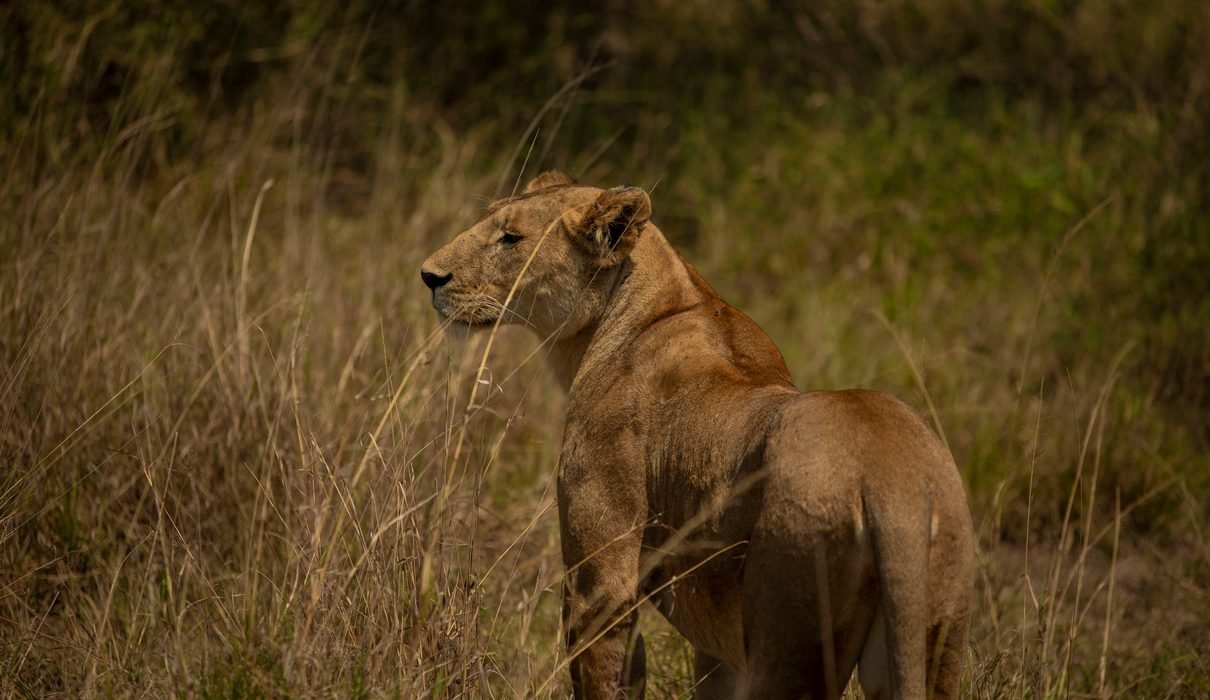
Tanzania in May is a great choice for travelers who want to see wildlife, enjoy green landscapes, and explore the country without the large crowds of the peak safari season. Although May falls within Tanzania’s long rainy season, it also brings beautiful scenery, active wildlife, and opportunities to find good deals on safari accommodation. From the wide plains of Serengeti National Park to the wildlife-rich Ngorongoro Crater and the tropical beaches of Zanzibar, there is plenty to discover during this quieter month.
Many travelers assume that visiting Tanzania during the rainy season means spending the entire holiday indoors. That is not necessarily the case. Rainfall varies across the country, and May often brings a mixture of cloudy mornings, sunny periods, and rain showers. Some days may be wet, while others offer good conditions for wildlife viewing and outdoor activities. As the month progresses, rainfall often begins to decrease in northern Tanzania, although this pattern can change from year to year.
One of the biggest advantages of traveling to Tanzania in May is the chance to experience the national parks with fewer safari vehicles. Wildlife viewing can be rewarding, particularly in Serengeti National Park and Ngorongoro Crater, while the green vegetation creates beautiful backgrounds for photography. May can also be an interesting time to follow the Great Wildebeest Migration as the herds move through the central Serengeti toward the western parts of the ecosystem.
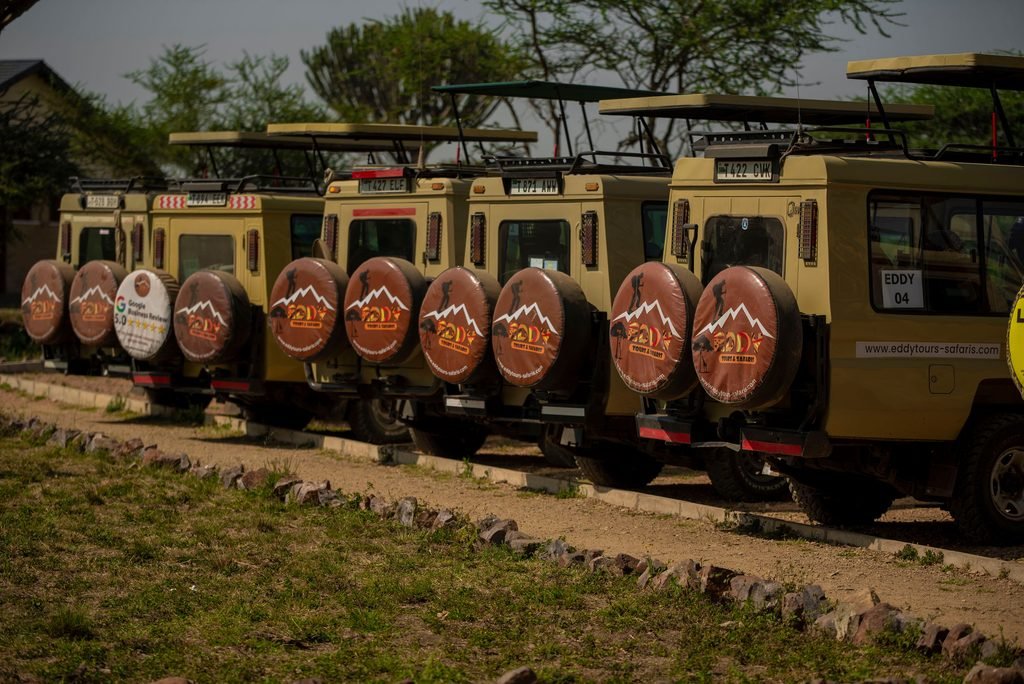
At Eddy Tours & Safaris, we help travelers plan Tanzania safaris, Kilimanjaro climbing expeditions, cultural experiences, and Zanzibar holidays throughout the year. This guide explains what to expect when visiting Tanzania in May, including weather conditions, wildlife movements, recommended destinations, safari costs, packing advice, and useful travel tips.
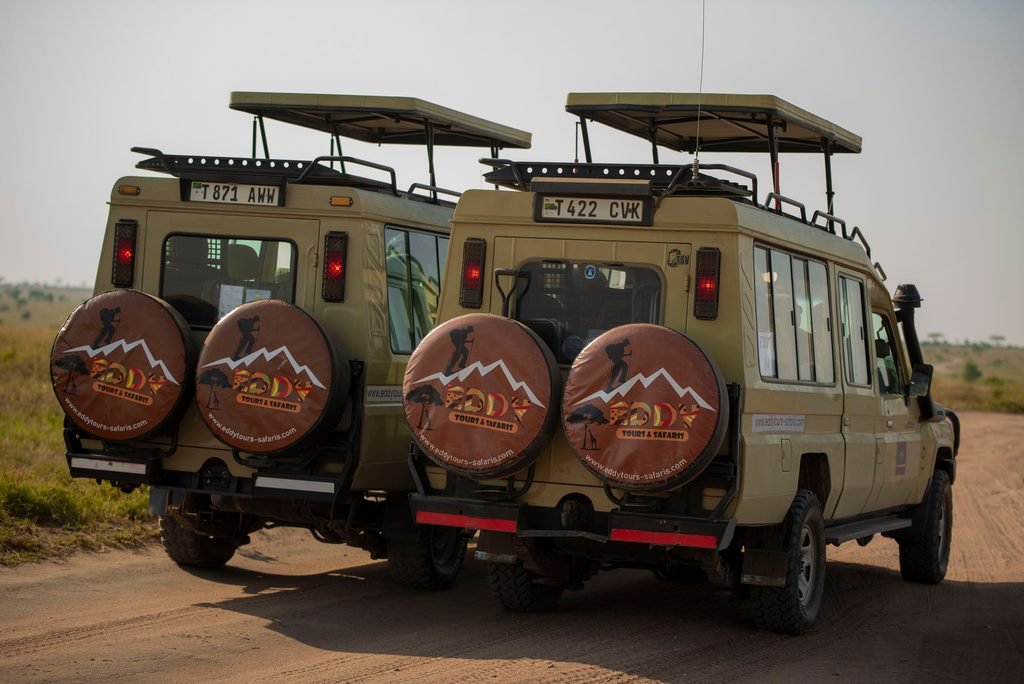
Tanzania in May: Travel Overview
| Travel information | What to expect |
|---|---|
| Season | Long rainy season, often easing toward late May |
| Safari crowds | Generally fewer than during the dry season |
| Landscape | Green grasslands, lush forests and seasonal flowers |
| Wildlife viewing | Good in several northern parks, but animals may be more dispersed |
| Great Migration | Commonly moving through central and western Serengeti |
| Serengeti safari | Good for green landscapes and migration-focused travel |
| Ngorongoro Crater | Wildlife viewing available throughout the year |
| Tarangire | Good for scenery and birdlife; dry-season wildlife concentrations are usually greater |
| Kilimanjaro climbing | Possible, but wet conditions can make trekking more difficult |
| Zanzibar | Warm and humid, with a significant chance of rain |
| Accommodation | Potential low-season discounts at participating lodges |
| Best suited for | Flexible travelers, photographers, birdwatchers and budget-conscious visitors |
1. What Is the Weather Like in Tanzania in May?
May is part of Tanzania’s long rainy season, which generally runs from March through May. During this period, many parts of the country receive regular rainfall, and the vegetation becomes green and dense. However, Tanzania is a large country with different elevations and climatic conditions, so the weather in Serengeti, Ngorongoro, Arusha, Kilimanjaro, and Zanzibar can be quite different on the same day.
In northern Tanzania, daytime temperatures are often comfortable for game drives, while mornings and evenings can feel cool, particularly in higher areas such as Ngorongoro. Rain may fall during the afternoon, overnight, or at other times, and some days can remain cloudy. Toward the end of May, conditions often begin moving toward the drier months of June through October, although there is no guarantee that the rains will finish on a particular date.
The coastal regions, including Zanzibar, are generally warmer and more humid. May can still be very wet along the coast, so travelers planning a beach holiday should be prepared for rain and occasional changes to outdoor activities. On Mount Kilimanjaro, conditions vary greatly with elevation, and climbers may experience rain in the forest, cold temperatures at higher camps, and freezing conditions near the summit.
Typical May Weather by Destination
| Destination | General daytime conditions | May travel considerations |
|---|---|---|
| Arusha | Mild to warm | Rain showers and cool mornings |
| Serengeti | Generally warm | Green plains, occasional heavy rain and muddy tracks |
| Ngorongoro | Cool mornings and mild days | Mist, rain and colder conditions around the crater rim |
| Tarangire | Warm during the day | Green vegetation and seasonal showers |
| Mount Kilimanjaro | Varies greatly by altitude | Wet lower trails and freezing summit conditions |
| Zanzibar | Warm and humid | Frequent rain possible, especially earlier in the month |
These are general seasonal patterns rather than forecasts for specific travel dates.
2. Is May a Good Month for a Tanzania Safari?
Yes, May can be a good month for a Tanzania safari, especially for travelers who enjoy green landscapes, fewer crowds, and a quieter experience. The national parks do not close simply because it is the rainy season, and many wildlife species remain active throughout the year. Lions, elephants, giraffes, buffaloes, zebras, antelopes, and numerous bird species can still be observed, depending on the park and the conditions.
The main difference between May and the dry season is how wildlife is distributed. During the dry months, animals often gather around permanent water sources, making some concentrations easier to locate. In May, rainfall creates temporary water sources across wider areas, allowing animals to spread out. Taller grass and thicker vegetation can also make smaller animals and predators more difficult to see.
However, the rainy season brings its own advantages. The landscape is greener, the air may be clearer after rain, and the skies can provide dramatic backgrounds for wildlife photography. Some lodges also offer lower seasonal rates, allowing travelers to consider accommodation that might cost more during the busiest months.
The key to a good May safari is planning an itinerary that allows flexibility. An experienced guide can adjust game-drive routes according to recent rainfall, road conditions, and wildlife movements rather than following a rigid schedule.
3. Serengeti National Park in May: Wildlife and the Great Migration
Serengeti National Park is one of the best destinations to consider when visiting Tanzania in May. The park is famous for its large wildlife populations, open grasslands, and the annual Great Wildebeest Migration. During May, the landscape is generally green, and large herds of wildebeest and zebras may be moving through the central and western parts of the Serengeti ecosystem.
After the main calving period earlier in the year, many migrating animals begin moving northwest in search of fresh grazing. The central Serengeti can be an important area during this transition, while parts of the Western Corridor become increasingly relevant as the herds progress toward the Grumeti River. However, the migration does not follow a fixed timetable. Rainfall and grazing conditions influence the animals’ movements, so the exact location of the herds can differ between years.
Travelers visiting in May may see large groups of wildebeest moving across the plains, zebras grazing alongside them, and predators taking advantage of hunting opportunities. Lions, hyenas, cheetahs, and other carnivores may be observed in suitable habitats, although sightings depend on wildlife activity and cannot be guaranteed.
Central Serengeti is often a practical base for May because it supports resident wildlife throughout the year and provides access to different game-drive areas. Depending on the stage of the migration and road conditions, your safari operator may also recommend spending time in the Western Corridor.
Can You See the Great Wildebeest Migration in May?
May is an interesting month for migration-focused safaris because the herds are often traveling through the central Serengeti and moving toward the west. The sight of wildebeest and zebras crossing open plains can be impressive, particularly when large groups gather in the same area. However, visitors should not expect the famous Mara River crossings associated with the northern Serengeti later in the year.
Grumeti River crossings may occur as the herds reach the Western Corridor, but their timing is unpredictable. It is better to plan a May migration safari around observing the moving herds and other wildlife rather than expecting a river crossing on a specific day.
For travelers who want to spend more time searching for the migration, a four- to six-day Serengeti-focused safari can provide greater flexibility than a short visit. At Eddy Tours & Safaris, we can help plan a Tanzania safari based on your preferred dates, available budget, and the expected seasonal wildlife movements.
4. Ngorongoro Crater in May: A Wildlife Experience Throughout the Year
Ngorongoro Crater is another excellent destination for travelers visiting Tanzania in May. Located within the Ngorongoro Conservation Area, the crater contains grasslands, wetlands, woodland, and permanent water sources that support a wide variety of wildlife. Unlike the migrating herds of the Serengeti, many animals in the crater remain within the area throughout the year.
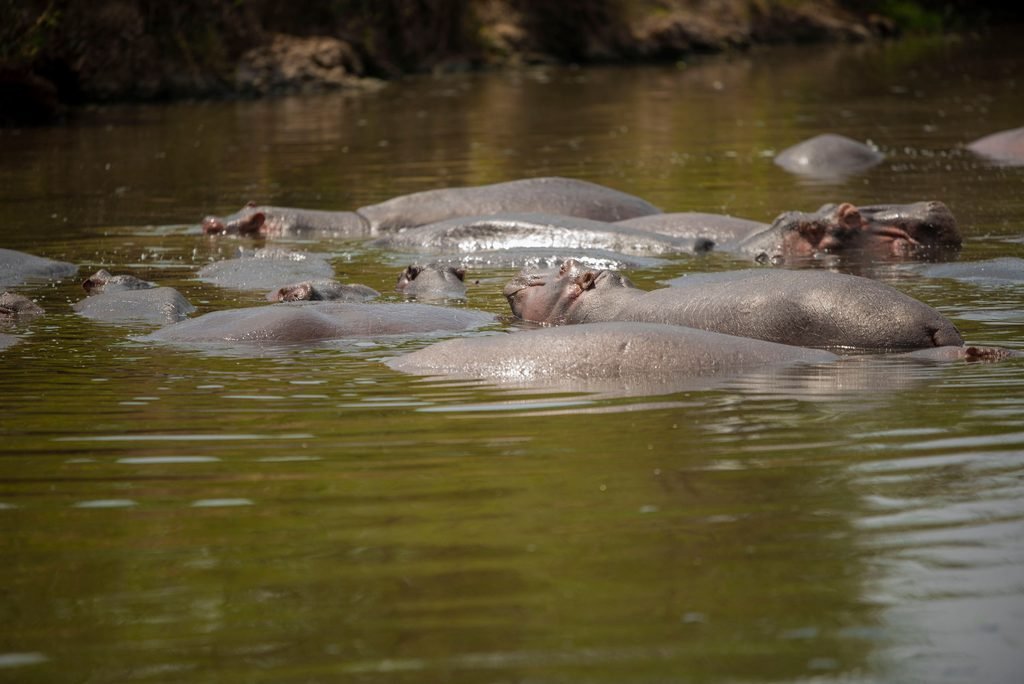
During a game drive, visitors may encounter buffaloes, zebras, wildebeest, elephants, hippos, hyenas, and lions. The crater is also an important habitat for the endangered black rhinoceros, although seeing one depends on its location, visibility, and luck. Birdlife can be particularly interesting around the wetlands and lake areas.
In May, the crater floor is often green, and the surrounding highlands may be covered by mist or low clouds. These conditions can create beautiful scenery, especially when the clouds begin to lift and reveal the crater below. Rain can sometimes affect visibility or driving conditions, but the area’s year-round wildlife makes it a useful addition to a May safari itinerary.
Travelers should bring a warm jacket for the early morning drive from the crater rim, where temperatures can be noticeably cooler than on the crater floor. A waterproof layer is also useful because showers can occur during the day.
5. Tarangire National Park in May: Green Landscapes and Birdwatching
Tarangire National Park is widely known for its elephants, baobab trees, and seasonal wildlife concentrations along the Tarangire River. During the dry season, many animals gather around the river and other reliable water sources, making wildlife viewing particularly productive. In May, however, the surrounding landscape is much greener, and animals may be more widely distributed.
This does not mean that Tarangire has little to offer. Elephants, giraffes, antelopes, zebras, and other wildlife may still be encountered, while the park’s distinctive baobab trees and green vegetation provide attractive scenery. The park is also an excellent destination for bird enthusiasts, with a wide variety of species occupying its woodlands, wetlands, and grasslands.
A May visit to Tarangire is particularly suitable for travelers who appreciate the landscape as much as the wildlife. The green environment creates good opportunities for photography, and the reduced number of safari vehicles can make the experience feel more relaxed. However, travelers whose main goal is to see large dry-season elephant concentrations may prefer visiting between July and October.
Tarangire can be combined with Lake Manyara, Ngorongoro Crater, and Serengeti as part of a longer northern Tanzania safari.
6. Lake Manyara National Park in May: Forests, Birds and Scenic Views
Lake Manyara National Park is another worthwhile destination during May, especially for travelers interested in birdwatching and green landscapes. The park lies beneath the Great Rift Valley escarpment and contains groundwater forest, woodland, grassland, and lake habitats. These different environments support a variety of animals and bird species throughout the year.
The rainy season can make Lake Manyara particularly green, with dense vegetation and seasonal water influencing the appearance of the park. Visitors may encounter elephants, baboons, giraffes, buffaloes, and various antelopes, depending on the areas visited. Birdwatchers can look for waterbirds, raptors, and woodland species, although the presence and numbers of particular birds vary with seasonal conditions.
Lake Manyara is sometimes associated with tree-climbing lions, but these animals are not guaranteed to be seen during a game drive. Travelers should approach the visit as an opportunity to explore the park’s varied habitats rather than focusing on a single wildlife sighting.
Because the park is relatively close to Arusha and the Ngorongoro highlands, it can fit conveniently into a multi-day safari itinerary. In May, it is important to check road conditions and allow flexibility if heavy rain affects access to particular tracks.
7. Can You Climb Mount Kilimanjaro in May?
Climbing Mount Kilimanjaro in May is possible, but it is generally not the most favorable month for trekking. May falls within the long rainy season, and the lower mountain trails can be wet, muddy, and slippery. Cloud cover and rain may also reduce visibility, while temperatures at higher elevations can remain extremely cold.
Travelers who choose to climb during May should be prepared for more challenging weather conditions and should bring reliable waterproof clothing, suitable hiking boots, warm layers, and a sleeping bag designed for cold mountain temperatures. The mountain’s weather can change quickly, so equipment that performs well in wet and windy conditions is especially important.
The choice of route also matters. Longer itineraries such as the eight-day Lemosho Route or nine-day Northern Circuit may provide more acclimatization time, but they also involve spending additional days exposed to potentially wet weather. A shorter route does not remove the altitude risk, and rushing the ascent can make acclimatization more difficult.
For travelers whose main goal is reaching Uhuru Peak under generally drier conditions, January to March and June to October are commonly preferred climbing periods. If May is your only available month, discuss the likely conditions, route suitability, and safety arrangements with an experienced operator before booking.
You can learn more about mountain itineraries through Eddy Tours & Safaris and compare different routes before choosing your climbing dates.
8. Is Zanzibar Worth Visiting in May?
Zanzibar remains a beautiful destination throughout the year, but May is one of the wetter months on the islands. Travelers may experience warm temperatures, high humidity, cloudy periods, and significant rainfall. Some days can still provide sunshine and opportunities for sightseeing, but beach activities may be affected by the weather.
For visitors interested in culture and history, Stone Town remains an interesting place to explore. Its narrow streets, historic buildings, markets, and local food provide an opportunity to experience a different side of Tanzania. However, walking tours and outdoor excursions may need to be adjusted when heavy rain occurs.
Beach holidays in May require more flexibility. Travelers should not expect consistently sunny days, and some accommodation providers may operate reduced services or temporarily close for maintenance during the quieter season. Swimming, snorkeling, and boat excursions also depend on sea conditions and the availability of local operators.
If your main reason for visiting Zanzibar is to spend several days relaxing in sunny beach weather, June through October may be a more suitable period. However, travelers who do not mind occasional rain may still enjoy a quieter island experience during May.
9. Is Tanzania Cheaper to Visit in May?
May can be one of the more affordable months for visiting Tanzania because it falls within the low tourism season. Some safari lodges, tented camps, and hotels offer reduced accommodation rates or special packages to attract visitors during the rainy period. This can create opportunities for travelers who want to experience comfortable accommodation without paying the higher prices often associated with peak-season travel.
However, it is important to understand that not every part of a safari becomes cheaper in May. National park fees, conservation charges, vehicle operating costs, fuel, and guide services may remain substantial expenses. Some lodges also close temporarily during the rainy season, which can reduce the number of available accommodation options.
The total safari cost depends on the number of travelers, the parks included, the length of the itinerary, and the standard of accommodation. A private safari for two travelers may cost more per person than a group sharing one vehicle, while a luxury lodge package will generally cost more than a budget camping safari.
Instead of relying on advertised percentage discounts, request a detailed quotation that clearly explains the accommodation, park fees, meals, transport, and other services included. At Eddy Tours & Safaris, we can help compare available options for your preferred May travel dates.
10. Advantages and Disadvantages of Visiting Tanzania in May
May offers a different travel experience from the dry season, and understanding both the advantages and disadvantages can help you decide whether it suits your expectations. Travelers who appreciate green scenery, photography, birdwatching, and fewer crowds may find May particularly rewarding. Those who prefer consistently dry weather, easier wildlife spotting, and predictable road conditions may be more comfortable visiting during the dry season.
| Advantages | Possible disadvantages |
|---|---|
| Fewer visitors in many safari areas | Rain may affect game drives and road access |
| Green landscapes and dramatic skies | Tall vegetation can make wildlife harder to spot |
| Potential accommodation discounts | Some lodges and camps may be closed |
| Good birdwatching opportunities | Wildlife may be spread across wider areas |
| Interesting Great Migration movements | River crossings cannot be predicted |
| Quieter national park experiences | Kilimanjaro trekking and Zanzibar beach activities can be affected by rain |
The most important factor is matching the itinerary to the season. A flexible safari focused on Serengeti and Ngorongoro may work well in May, while a tightly scheduled trip involving many remote areas could be more vulnerable to weather-related delays.
11. Suggested 7-Day Tanzania Safari Itinerary for May
A seven-day safari provides enough time to explore several northern Tanzania destinations without rushing through every park. During May, a good itinerary should include flexibility for rain, changing road conditions, and wildlife movements. The following example focuses on Tarangire, Ngorongoro, and Serengeti, with more time allocated to the Serengeti for wildlife viewing.
Day 1: Arrival in Arusha
Upon arrival at Kilimanjaro International Airport or Arusha Airport, you will be transferred to your accommodation in Arusha. Depending on your arrival time, you can rest after your journey and meet your safari representative for a briefing about the upcoming trip. The briefing covers the itinerary, weather expectations, park arrangements, and practical information about traveling during the rainy season.
Day 2: Arusha to Tarangire National Park
After breakfast, travel to Tarangire National Park for a game drive through its woodlands and open landscapes. The park is known for elephants, baobab trees, and a wide variety of bird species, although wildlife may be more dispersed during May. Your guide will explore accessible areas based on recent conditions before you continue to your accommodation in the Tarangire or Karatu area.
Day 3: Ngorongoro Crater Game Drive
Begin the day early and travel to Ngorongoro Crater for a game drive on the crater floor. The area supports a variety of wildlife throughout the year, including buffaloes, zebras, wildebeest, hippos, and predators. After exploring the crater and enjoying a picnic lunch, continue toward your accommodation according to the confirmed safari schedule.
Day 4: Travel to Serengeti National Park
After breakfast, continue toward Serengeti National Park, passing through the Ngorongoro highlands and surrounding landscapes. The journey offers opportunities to appreciate Tanzania’s changing scenery before entering the Serengeti ecosystem. Depending on the route and available time, enjoy an afternoon game drive before arriving at your lodge or tented camp.
Day 5: Full-Day Serengeti Safari
Spend the day exploring the central Serengeti, where resident wildlife can be observed throughout the year. Your guide will search for lions, elephants, giraffes, buffaloes, zebras, and other animals while also considering recent information about the wildebeest migration. In May, the herds may be moving through the central or western areas, but their exact location depends on rainfall and grazing conditions.
Day 6: Serengeti Wildlife Viewing and Return Toward Karatu
Enjoy an early game drive before beginning the journey out of Serengeti National Park. Depending on road conditions and the day’s schedule, the drive may provide additional opportunities to observe wildlife along the way. Continue toward the Ngorongoro highlands and Karatu for your final overnight stay outside the national parks.
Day 7: Return to Arusha and Departure
After breakfast, return to Arusha, with the timing arranged according to your onward travel plans. Depending on your flight schedule, there may be time for lunch or a short stop before the airport transfer. This marks the end of your seven-day Tanzania safari, although additional nights or a Zanzibar extension can be arranged separately.
This is a suggested itinerary rather than a confirmed booking. Accommodation, road access, park arrangements, and the final route should be checked for the specific travel dates.
12. What to Pack for Tanzania in May
Packing for Tanzania in May requires preparation for both warm daytime conditions and possible rain. A lightweight waterproof jacket is one of the most useful items because showers can occur during game drives, walking tours, and transfers between destinations. Comfortable shoes are also important, particularly if you plan to visit areas where the ground may be muddy.
For safari activities, neutral-colored clothing is practical because it is comfortable for outdoor travel and does not show dust or mud as easily as very light clothing. Long-sleeved shirts and trousers can help protect against insects and the sun, while a warm fleece or jacket is useful for early morning game drives and overnight stays in higher areas such as Ngorongoro.
Travelers should also bring sunscreen, a hat, sunglasses, insect repellent, personal medication, and suitable camera protection. If you are planning to photograph wildlife, a waterproof camera cover or dry bag can help protect equipment during sudden showers. Binoculars are useful for observing distant animals and birds.
May Travel Packing Checklist
- Lightweight waterproof jacket or raincoat
- Comfortable walking shoes
- Neutral-colored safari clothing
- Warm fleece or jacket for cool mornings
- Hat, sunglasses, and sunscreen
- Insect repellent
- Binoculars and camera protection
- Personal medication and basic travel essentials
- Reusable water bottle
- Travel documents and appropriate insurance
13. Tips for Planning a Tanzania Safari in May
A good May safari begins with choosing the right destinations and allowing enough time for wildlife viewing. Serengeti and Ngorongoro are particularly useful options because they support wildlife throughout the year, while Tarangire and Lake Manyara can add variety through their landscapes and birdlife. If the Great Migration is your main interest, ask your operator to review the likely herd movements close to your travel dates.
Accommodation planning is also important because some lodges and seasonal tented camps may close during the rainy season. Before confirming your trip, check which properties are operating and whether the roads leading to them are accessible. A lower accommodation rate is only useful if the location works well with your planned safari route.
Travelers should also avoid scheduling too many long transfers within a short period. Rain can slow road journeys, and some game-drive tracks may become difficult to use after heavy showers. A flexible itinerary with enough time in the main wildlife areas generally provides a better experience than attempting to visit every northern park in only a few days.
Finally, consider your personal travel priorities. If you want green landscapes, quieter parks, and potential low-season accommodation savings, May can be a good choice. If you prefer dry roads, easier wildlife spotting, and a greater chance of sunny weather, June through October may be more suitable.
Frequently Asked Questions About Tanzania in May
1. Is May a good month to visit Tanzania?
Yes. May can be a good month for travelers who enjoy green scenery, fewer crowds, and flexible safari experiences, although rain remains an important consideration.
2. Does it rain every day in Tanzania in May?
Not necessarily. Rainfall varies by region and year, and visitors may experience a mixture of wet and dry periods.
3. Is May part of Tanzania’s rainy season?
Yes. May falls within the long rainy season, which generally runs from March through May.
4. Can I go on safari in May?
Yes. Many northern Tanzania parks remain open and offer wildlife viewing throughout the year.
5. Which national park is best in May?
Serengeti National Park and Ngorongoro Crater are strong options because of their year-round wildlife and varied habitats.
6. Can I see the Great Migration in May?
Yes. The herds are commonly moving through central and western Serengeti, although their exact location changes according to rainfall.
7. Are Mara River crossings common in May?
No. The famous Mara River crossings generally occur later in the year, and even then their timing is unpredictable.
8. Can I see Grumeti River crossings in May?
They are possible when herds reach the Western Corridor, particularly later in the season, but no crossing can be guaranteed.
9. Is Serengeti crowded in May?
May generally receives fewer visitors than the main dry-season months.
10. Is Ngorongoro Crater worth visiting in May?
Yes. The crater supports resident wildlife throughout the year, although rain and mist may affect visibility.
11. Is Tarangire good in May?
Tarangire offers green scenery and birdwatching, but large wildlife concentrations are generally more reliable during the dry season.
12. Is Lake Manyara worth visiting in May?
Yes. Its forests, birdlife, and Rift Valley scenery can be attractive during the green season.
13. Is May cheaper for Tanzania safaris?
Some lodges and camps offer low-season rates, but park fees and other operating costs may remain substantial.
14. Are safari lodges open in May?
Many remain open, but some seasonal camps and lodges may close temporarily. Availability should be checked before booking.
15. Are Tanzania safari roads muddy in May?
Some roads and tracks can become muddy after heavy rain, particularly in remote areas.
16. Can I climb Kilimanjaro in May?
Yes, but wet conditions make May a less favorable climbing period for many travelers.
17. Is Zanzibar good for a beach holiday in May?
Zanzibar is warm but can be very wet in May, so travelers seeking reliable beach weather may prefer drier months.
18. Is May suitable for wildlife photography?
Yes. Green landscapes, dramatic clouds, and fewer vehicles can create attractive photography opportunities.
19. Can I see lions in Tanzania during May?
Yes. Lions are present throughout the year in several national parks, although sightings are never guaranteed.
20. Is May good for birdwatching?
Yes. Tanzania’s green-season habitats can provide rewarding birdwatching opportunities.
21. Should I book a private safari in May?
A private safari can offer useful flexibility when adjusting game drives around rainfall and road conditions.
22. How many days should I spend on safari in May?
Five to eight days can provide a good introduction to the northern parks, while longer trips allow more flexibility.
23. Is early May or late May better?
Late May often experiences improving conditions in northern Tanzania, but rainfall patterns vary and cannot be guaranteed.
24. Do I need a raincoat for Tanzania in May?
Yes. A lightweight waterproof jacket is strongly recommended.
25. Can I combine a May safari with Zanzibar?
Yes, but Zanzibar’s rainy conditions should be considered when planning beach activities.
Book Your Tanzania Safari in May with Eddy Tours & Safaris
Tanzania in May offers an opportunity to experience the country’s wildlife and landscapes during a quieter part of the year. The national parks are often green, visitor numbers are generally lower, and the Great Wildebeest Migration may be moving through the central and western Serengeti. For travelers who enjoy wildlife photography, birdwatching, and exploring without the busiest tourist crowds, May can be a rewarding time to visit.
However, planning is important because May is still part of the rainy season. Some roads may become muddy, certain lodges may be closed, and wildlife can be more widely dispersed than during the dry months. Choosing suitable destinations and allowing flexibility in the itinerary can make a significant difference to your travel experience.
At Eddy Tours & Safaris, we organize private Tanzania safaris, Serengeti wildlife experiences, Ngorongoro Crater tours, Kilimanjaro climbing expeditions, and Zanzibar holiday extensions. Our team can help you compare travel dates, select suitable accommodation, and plan a safari that matches your interests and budget.
Request Your Tanzania Safari Quotation
Chat with Eddy Tours & Safaris on WhatsApp
Email: sales@eddytours-safaris.com
Discover Tanzania in May with a well-planned safari that takes advantage of the green landscapes, quieter parks, and wildlife experiences available during this special time of year.