
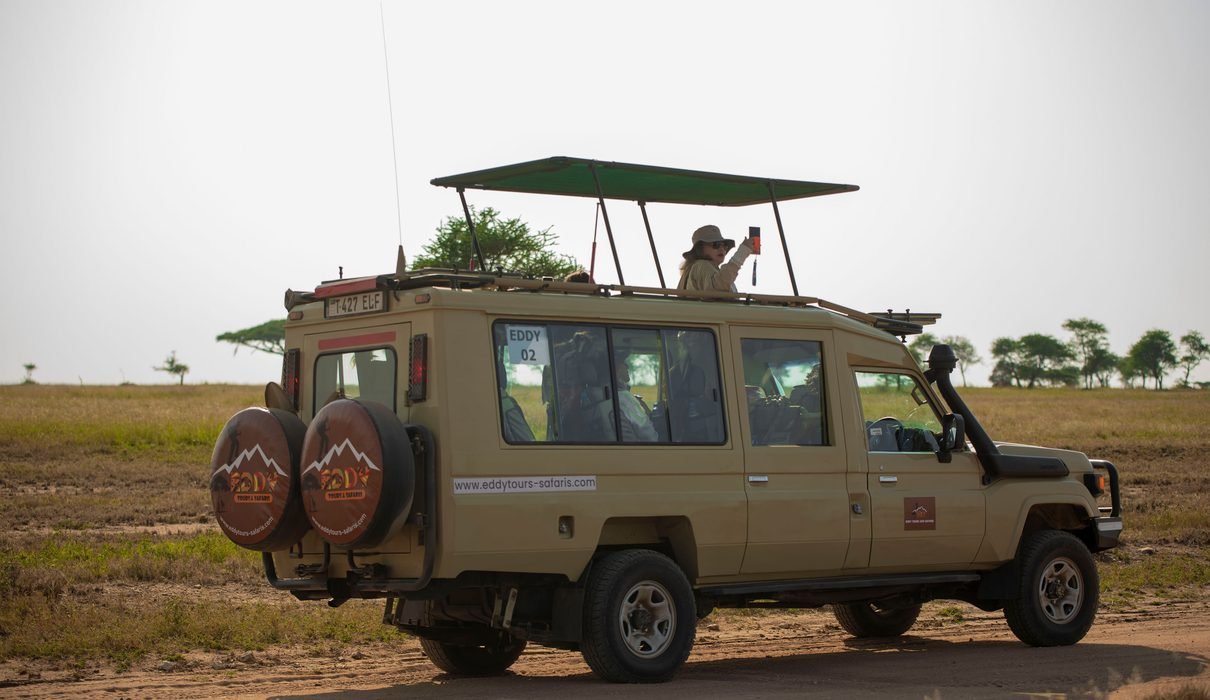
Tanzania is one of the best places in Africa for travelers who want to see wildlife, explore beautiful landscapes, meet local communities, and relax on tropical beaches. From the open plains of Serengeti National Park to the white sandy beaches of Zanzibar, the country offers many different experiences that can be combined into one holiday. Whether you have five days, one week, or two weeks, a well-planned Tanzania itinerary can help you make the most of your visit without spending too much time traveling between destinations.
One of the best things about visiting Tanzania is the variety of activities available. You can spend the morning watching elephants in Tarangire National Park, explore the Ngorongoro Crater, see lions and other wildlife in the Serengeti, or enjoy a quiet evening overlooking the Indian Ocean. Travelers who enjoy hiking can also explore Mount Kilimanjaro or Mount Meru, while those interested in culture can visit local communities and learn more about Tanzania’s traditions and everyday life.
At Eddy Tours & Safaris, we help visitors plan Tanzania safaris, mountain climbing trips, and beach holidays based on their interests, travel dates, and budgets. This guide covers some of the best things to include in a Tanzania itinerary for 2027 and 2028, with advice on where to go, how long to stay, and what to expect along the way.
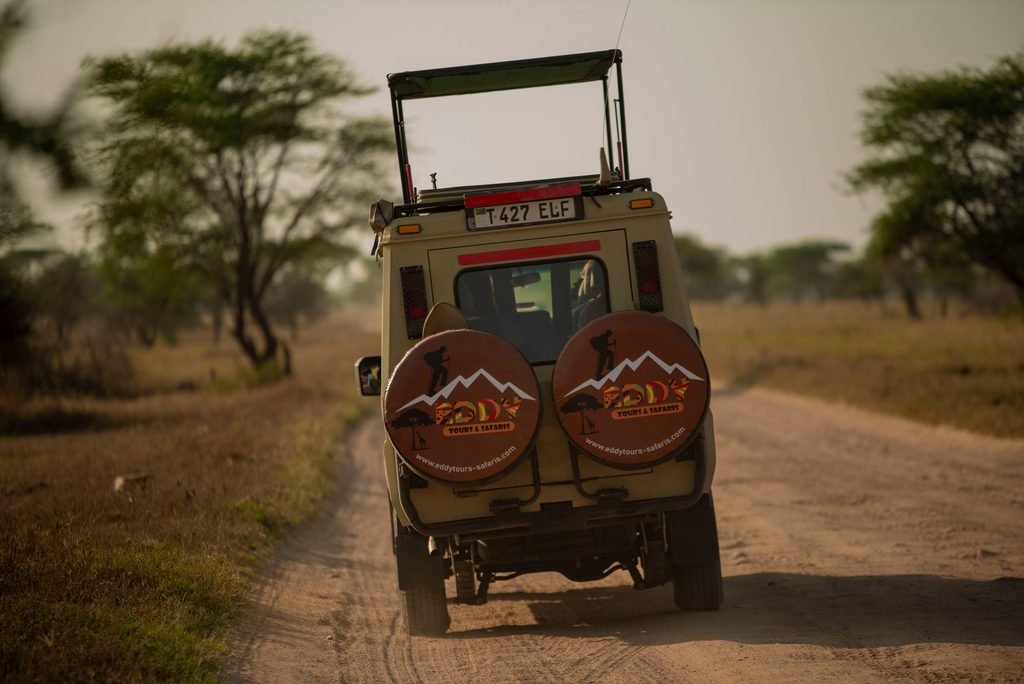
1. Explore Serengeti National Park
Serengeti National Park is one of Tanzania’s most famous wildlife destinations and a highlight of many safari itineraries. The park is known for its wide grasslands, large populations of grazing animals, and predators such as lions, leopards, cheetahs, and hyenas. During a game drive, visitors may see elephants, giraffes, zebras, buffaloes, antelopes, and many bird species. Wildlife sightings depend on the season, location, and natural animal movements, so no particular encounter can be guaranteed.
The Serengeti is also known for the Great Wildebeest Migration, when large herds of wildebeest, zebras, and other grazing animals move through the wider Serengeti–Mara ecosystem in search of fresh grass and water. The migration takes place throughout the year, although the locations of the herds change with rainfall and grazing conditions. Travelers interested in river crossings often visit the northern Serengeti during the middle and later months of the year, while the southern plains are commonly associated with the calving season early in the year.
For most visitors, spending at least two or three nights in the Serengeti is a good starting point. This allows more time for game drives and reduces the pressure of trying to see everything in a single afternoon. If your schedule allows, a longer stay can provide a more relaxed experience and additional opportunities to explore different areas of the park.
2. Visit the Ngorongoro Crater
The Ngorongoro Crater is one of Tanzania’s most impressive natural attractions. Located within the Ngorongoro Conservation Area, this enormous volcanic caldera contains grasslands, wetlands, woodland, and a seasonal lake. Its varied habitats support a wide range of wildlife, including lions, elephants, buffaloes, zebras, wildebeest, hippos, and many bird species. The crater is also one of the places where visitors may have an opportunity to see the endangered black rhinoceros, although sightings are not guaranteed.
A typical Ngorongoro Crater visit involves descending from the crater rim into the caldera for a game drive. The descent offers views across the crater floor, while the game drive allows visitors to explore different habitats and observe wildlife in a relatively concentrated area. Because the crater is a popular destination, it is important to follow park regulations and plan your visit carefully, especially during busy travel periods.
Ngorongoro can be included in a short safari from Arusha or combined with Tarangire and Serengeti in a longer northern Tanzania itinerary. Travelers who enjoy wildlife photography may particularly appreciate the open landscapes and opportunities to observe animals against the crater’s dramatic surroundings.
3. Enjoy an Elephant Safari in Tarangire National Park
Tarangire National Park is an excellent destination for travelers who want to see elephants and enjoy a quieter safari atmosphere compared with some of Tanzania’s busiest parks. The park is known for its ancient baobab trees, seasonal swamps, and the Tarangire River, which attracts wildlife during the drier months. Elephants are among the park’s best-known animals, and visitors may also encounter giraffes, zebras, wildebeest, buffaloes, lions, and many bird species.
During the dry season, wildlife often gathers around permanent water sources, making Tarangire an attractive destination for game drives. However, the park is worth visiting at other times of the year as well, particularly for travelers interested in green landscapes, birdwatching, and photography. The scenery changes with the seasons, and each period offers a different experience.
Tarangire is often included at the beginning or end of a northern Tanzania safari because it is accessible from Arusha. One full day can provide an introduction to the park, although staying overnight allows additional time for game drives and a more relaxed visit.
4. Discover Lake Manyara National Park
Lake Manyara National Park is a smaller but varied wildlife destination located near the Great Rift Valley escarpment. The park contains groundwater forest, open grassland, wetlands, and the alkaline lake that gives it its name. Visitors may see elephants, buffaloes, giraffes, hippos, monkeys, and a variety of bird species, depending on the season and the areas visited.
Lake Manyara is often associated with tree-climbing lions, although these animals are not commonly seen on every game drive. The park is also known for its birdlife, including flamingos when lake conditions are suitable. Its changing landscapes make it an interesting stop for travelers who want to experience something different from the open plains of the Serengeti.
A visit to Lake Manyara can be combined with nearby Karatu, Ngorongoro, or Tarangire. For travelers with limited time, it can fit into a one-day game drive, while longer itineraries may include an overnight stay in the surrounding area.
5. Climb Mount Kilimanjaro
Mount Kilimanjaro is Africa’s highest mountain, reaching 5,895 metres above sea level. It is one of Tanzania’s most famous adventure destinations and attracts travelers who want to challenge themselves on a multi-day mountain expedition. Standard trekking routes generally do not require technical mountaineering skills under suitable conditions, but the climb is physically demanding and involves significant altitude-related risks.
Popular Kilimanjaro routes include Machame, Lemosho, Marangu, Rongai, and the Northern Circuit. Each route offers different scenery, walking distances, accommodation arrangements, and acclimatization opportunities. Longer itineraries are generally preferable because they allow more time for the body to adjust to altitude. Travelers should choose a route based on their fitness, previous hiking experience, available time, and medical considerations.
For visitors who want to combine mountain climbing with a wildlife safari, it is important to allow enough time for the climb and recovery afterward. You can explore Kilimanjaro travel options through Eddy Tours & Safaris and request a quotation based on your preferred route and travel dates.
6. Hike Mount Meru in Arusha National Park
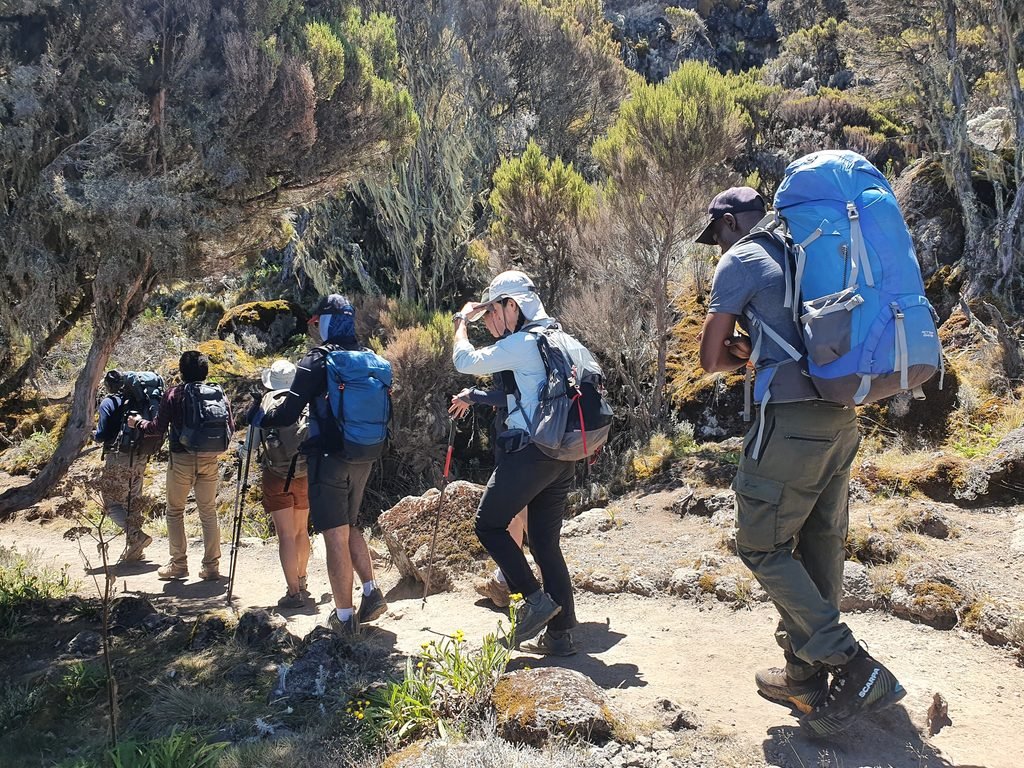
Mount Meru is Tanzania’s second-highest mountain and an excellent option for travelers who enjoy hiking and mountain scenery. Located inside Arusha National Park, the mountain reaches approximately 4,566 metres above sea level. The climb usually takes three or four days and passes through forest, open vegetation, and rocky upper slopes before reaching Socialist Peak.
One of the interesting features of Mount Meru is that the lower trekking sections pass through areas where wildlife may be present. Climbers are accompanied by the required park personnel, including an armed ranger under the applicable park arrangements. The mountain also offers views toward Kilimanjaro when weather conditions are clear, making it an attractive destination for photography.
Mount Meru can be climbed as a separate adventure or included before a longer Tanzania holiday. Some travelers use it as part of their preparation for Kilimanjaro, although completing Mount Meru does not guarantee successful acclimatization or summit success on Kilimanjaro.
7. Relax on the Beaches of Zanzibar
After several days of safari or mountain climbing, Zanzibar provides an opportunity to relax by the Indian Ocean. The islands are known for sandy beaches, warm coastal waters, historic towns, and a mixture of African, Arab, Indian, and European cultural influences. Popular beach areas include Nungwi, Kendwa, Paje, and Jambiani, each offering a different atmosphere and range of accommodation options.
Visitors can spend their days swimming, relaxing at beach hotels, taking boat trips, or enjoying water activities when sea conditions are suitable. Snorkeling and diving are popular in selected marine areas, while travelers interested in culture can explore local villages, markets, and historical sites.
Three to five nights in Zanzibar is a useful starting point for travelers combining the island with a northern Tanzania safari. Those who prefer a slower holiday may choose to spend a full week exploring different beaches and coastal attractions.
8. Explore Stone Town and Zanzibar’s History
Stone Town is the historic center of Zanzibar City and a UNESCO World Heritage Site. Its narrow streets, old buildings, carved wooden doors, markets, and historic landmarks reflect centuries of trade and cultural exchange along the East African coast. Walking through Stone Town provides an opportunity to learn about the island’s history and see a different side of Tanzania beyond wildlife parks and beaches.
Visitors can explore landmarks such as the Old Fort, the House of Wonders exterior and surrounding historic district, the former slave market memorial area, and local food markets. Some buildings may have restricted access because of restoration or maintenance, so it is advisable to check current visitor arrangements before planning a specific tour.
A guided walking tour is a practical way to understand the history of Stone Town and navigate its narrow streets. Travelers can also enjoy local restaurants and explore the waterfront in the evening.
9. Experience Tanzania’s Local Culture
A Tanzania itinerary can include cultural experiences that help travelers understand local traditions, livelihoods, and everyday life. Depending on the region, visitors may have opportunities to learn about Maasai communities, visit local markets, explore traditional farming areas, or meet artisans who produce handmade goods.
Cultural activities should be arranged respectfully, with the agreement of the communities involved. A good experience allows visitors to learn through conversation and observation without treating local people as tourist attractions. Travelers should also ask permission before photographing individuals or entering private areas.
In northern Tanzania, cultural experiences can be included near Arusha, Karatu, Lake Eyasi, and other destinations. These visits can complement a wildlife safari by providing a broader understanding of the country and its people.
10. Visit Lake Eyasi and Learn About Hadzabe and Datoga Traditions
Lake Eyasi is located southwest of the Ngorongoro Highlands and is known for its surrounding communities and distinctive landscapes. Some travelers visit the area to learn about the traditions of Hadzabe and Datoga communities through locally organized cultural experiences. Activities may include discussions about traditional livelihoods, craftwork, and aspects of daily life, depending on community participation and the arrangements made.
The Hadzabe are among Tanzania’s Indigenous communities with a history of hunting and gathering, while Datoga communities are known for various pastoral and metalworking traditions. These communities are diverse, and visitors should avoid assuming that every household follows the same lifestyle or practices.
A visit to Lake Eyasi is often combined with a safari itinerary that includes Karatu or Ngorongoro. Travelers should choose responsible arrangements that respect community preferences, provide fair compensation, and allow participants to decide what they wish to share.
11. Enjoy a Hot-Air Balloon Safari in the Serengeti
A hot-air balloon safari offers a different perspective on the Serengeti’s landscapes. Flights normally take place around sunrise, when weather conditions are suitable, allowing passengers to view the plains and surrounding scenery from above. Depending on the flight route and animal movements, visitors may see wildlife from the air, although sightings cannot be guaranteed.
Balloon safaris are generally offered as an optional activity rather than part of a standard game-drive package. They require advance booking, suitable weather, and additional payment. The experience may also include a post-flight breakfast, depending on the operator and package arrangements.
Travelers interested in a balloon safari should discuss availability and location with their safari planner because operating areas and departure arrangements vary within the Serengeti.
12. Discover Arusha and Its Surroundings
Arusha is an important starting point for many northern Tanzania safaris and mountain expeditions. The city is located near Mount Meru and provides access to destinations such as Arusha National Park, Tarangire, Lake Manyara, Ngorongoro, and Serengeti. Travelers often spend a night in Arusha before beginning their safari, but the city and surrounding areas also offer activities worth exploring.
Visitors can enjoy local markets, cultural attractions, coffee experiences, and nearby natural scenery. Arusha National Park is particularly suitable for travelers interested in shorter game drives, birdwatching, and walking activities where permitted. The park is known for its varied habitats, including forest, lakes, and mountain landscapes.
Adding an extra day in Arusha can also be useful for travelers arriving after a long international flight. It provides time to rest, check travel arrangements, and prepare for the safari ahead.
Suggested Tanzania Itineraries for Different Trip Lengths
The ideal number of days in Tanzania depends on your interests, travel budget, and the destinations you want to visit. Short trips can focus on northern Tanzania’s accessible wildlife parks, while longer holidays allow time for the Serengeti, Ngorongoro, mountain climbing, and Zanzibar. Because road transfers between some destinations are long, it is important to avoid planning too many activities within a limited schedule.
5-Day Tanzania Safari Itinerary
| Day | Destination | Main activity |
|---|---|---|
| 1 | Arusha – Tarangire | Game drive and overnight near the park |
| 2 | Tarangire – Serengeti | Travel toward Serengeti with wildlife viewing where practical |
| 3 | Serengeti | Full-day game drive |
| 4 | Serengeti – Ngorongoro area | Morning game drive and transfer |
| 5 | Ngorongoro Crater – Arusha | Crater game drive and return |
This itinerary covers several major northern Tanzania destinations within five days. However, it involves substantial driving, especially between the Serengeti and Arusha. Travelers who prefer a more relaxed schedule may benefit from extending the trip.
7-Day Tanzania Safari Itinerary
| Day | Destination | Main activity |
|---|---|---|
| 1 | Arusha | Arrival and safari briefing |
| 2 | Tarangire | Wildlife game drive |
| 3 | Lake Manyara or Karatu | Game drive or local activities |
| 4 | Serengeti | Transfer and afternoon wildlife viewing |
| 5 | Serengeti | Full-day game drive |
| 6 | Ngorongoro Highlands | Transfer from Serengeti |
| 7 | Ngorongoro Crater – Arusha | Crater game drive and return |
A seven-day itinerary provides more flexibility than a short safari and allows visitors to explore several different landscapes. It can also be adjusted according to the time of year and the location of the wildebeest migration.
10-Day Tanzania Safari and Zanzibar Itinerary
| Day | Destination | Main activity |
|---|---|---|
| 1 | Arusha | Arrival and overnight |
| 2 | Tarangire | Game drive |
| 3 | Serengeti | Transfer and game drive |
| 4 | Serengeti | Full-day wildlife viewing |
| 5 | Serengeti – Ngorongoro | Morning game drive and transfer |
| 6 | Ngorongoro Crater – Arusha | Crater game drive and overnight |
| 7 | Zanzibar | Flight to Zanzibar and beach relaxation |
| 8 | Zanzibar | Beach activities |
| 9 | Zanzibar | Stone Town or optional excursions |
| 10 | Zanzibar | Departure |
This itinerary combines Tanzania’s northern wildlife parks with several days of relaxation on Zanzibar. Domestic flight schedules and transfer times should be checked before confirming the final arrangements.
Best Time to Visit Tanzania in 2027 and 2028
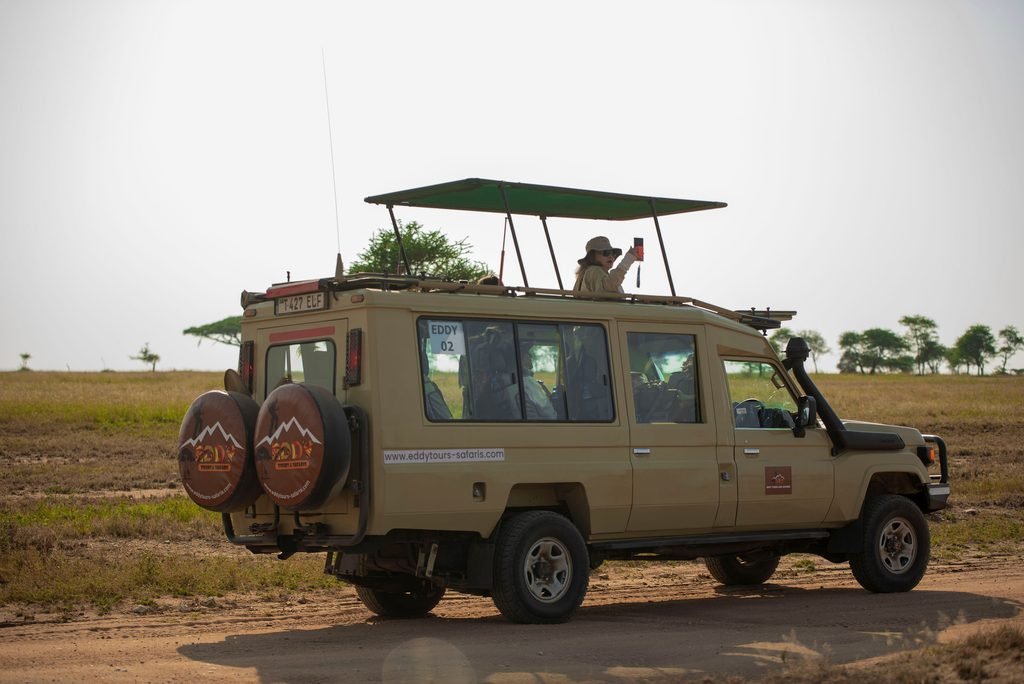
Tanzania can be visited throughout the year, but the best travel period depends on your planned activities. June to October is generally associated with drier conditions across much of northern Tanzania and is popular for wildlife safaris. During this period, vegetation may be less dense in some areas, and animals often gather around reliable water sources. However, wildlife movements vary with rainfall and local conditions.
January to March is another attractive period, particularly for travelers interested in the southern Serengeti ecosystem, where wildebeest calving is commonly associated with the early months of the year. April and May are generally wetter months in many northern safari areas, while November and December may bring shorter seasonal rains. The exact timing and intensity of rainfall can vary between years.
Zanzibar is also a year-round destination, although sea conditions, rainfall, and humidity change seasonally. Travelers planning a combined safari and beach holiday should consider both mainland and coastal weather rather than selecting travel dates based on only one destination.
How Much Does a Tanzania Itinerary Cost?
The cost of traveling in Tanzania depends on the number of days, accommodation standard, transport arrangements, season, group size, and activities included. A budget camping safari usually costs less than a private luxury safari with premium lodges and domestic flights. Park fees, accommodation rates, and fuel costs also influence the final quotation.
Travelers should compare safari packages based on what is included rather than looking only at the advertised price. Important items may include park entrance fees, accommodation, meals, private or shared safari vehicles, professional guides, transfers, and domestic flights. Optional activities such as balloon safaris, cultural visits, and Zanzibar excursions may be quoted separately.
For travel in 2027 and 2028, request an updated written quotation because future accommodation prices, government fees, and transport costs may change. Contact Eddy Tours & Safaris to discuss your travel dates, preferred accommodation level, and the destinations you want to include.
Practical Travel Tips for Visiting Tanzania
Before traveling to Tanzania, check the passport and visa requirements applicable to your nationality. Travelers should also consult a qualified healthcare professional about recommended vaccinations, malaria prevention, and other health considerations relevant to their itinerary. Travel insurance is strongly recommended, particularly for visitors planning mountain climbing or activities in remote areas.
Pack clothing suitable for the destinations and seasons you will experience. Safari mornings and evenings can be cool, while daytime temperatures may be warm. Neutral-colored, comfortable clothing, sun protection, and suitable walking shoes are useful for many safari activities. For Zanzibar, lightweight clothing and appropriate beachwear are practical, while respectful dress is recommended when visiting towns and communities.
It is also important to allow realistic travel time between destinations. Tanzania is a large country, and some safari routes involve several hours of driving on roads that may be rough or affected by weather. A well-planned itinerary balances wildlife viewing, transfers, meals, and rest rather than trying to visit too many places in one day.
Frequently Asked Questions About Tanzania Itineraries
1. How many days do I need for a Tanzania safari?
Five to seven days is a useful starting point for visiting several northern Tanzania parks, while longer trips allow a more relaxed schedule.
2. What is the best place to visit in Tanzania?
The Serengeti, Ngorongoro Crater, Tarangire, Mount Kilimanjaro, and Zanzibar are among the country’s best-known destinations.
3. Is Tanzania good for first-time safari travelers?
Yes. Northern Tanzania has established safari routes, accommodation options, and experienced local operators.
4. What is the best month to visit Tanzania?
The best month depends on your interests, but June to October and January to March are popular travel periods.
5. Can I see the Great Wildebeest Migration in Tanzania?
Yes. The migration moves through the Serengeti ecosystem during different parts of the year, depending on rainfall and grazing conditions.
6. Can I combine Serengeti and Zanzibar?
Yes. Many travelers visit the Serengeti before flying to Zanzibar for a beach holiday.
7. Is Ngorongoro Crater worth visiting?
Yes. Its varied habitats and wildlife make it one of northern Tanzania’s major safari destinations.
8. How many days should I spend in Serengeti?
Two or three nights is a useful starting point, although longer stays provide more time for wildlife viewing.
9. Is Tarangire worth visiting?
Yes. Tarangire is particularly well known for elephants, baobab trees, and seasonal wildlife concentrations.
10. Can I visit Lake Manyara in one day?
Yes. Lake Manyara can be visited on a day trip from nearby accommodation or included in a longer safari itinerary.
11. Can beginners climb Kilimanjaro?
Physically prepared beginners can attempt standard trekking routes, but altitude risks and appropriate acclimatization must be considered.
12. How long does it take to climb Kilimanjaro?
Common itineraries range from five to nine days, depending on the route, although longer schedules are generally preferable for acclimatization.
13. Is Mount Meru worth climbing?
Yes. Mount Meru offers a challenging mountain trek with varied landscapes and views toward Kilimanjaro when conditions are clear.
14. How many days should I spend in Zanzibar?
Three to five nights is a useful starting point, while a full week allows more time for beaches and cultural activities.
15. Can I visit Stone Town and the beach on the same trip?
Yes. Stone Town can be combined with accommodation in one of Zanzibar’s beach areas.
16. Is Tanzania expensive to visit?
Costs vary considerably. Budget, mid-range, and luxury travel options are available, although national park fees can make safaris relatively expensive.
17. Do I need a visa for Tanzania?
Visa requirements depend on nationality. Check official immigration guidance before traveling.
18. Is travel insurance necessary?
Travel insurance is strongly recommended, particularly for remote safari travel and mountain climbing.
19. Can I book a private Tanzania safari?
Yes. Private safaris can be arranged according to your preferred destinations, accommodation standard, and travel dates.
20. Can I travel to Tanzania with children?
Yes. Family safaris are possible, although itineraries should consider children’s ages, travel times, and accommodation requirements.
21. Is a balloon safari included in standard packages?
Usually not. Balloon safaris are commonly optional activities with additional charges.
22. Can I visit Tanzania during the rainy season?
Yes. Travel is possible, but rain may affect road conditions, visibility, and some activities.
23. Can I book a Tanzania itinerary for 2027?
Yes. You can request a quotation and discuss suitable travel dates, subject to confirmation.
24. Can I plan a Tanzania safari for 2028?
Yes. Future safari arrangements can be discussed, although prices and availability should be confirmed.
25. How do I book a Tanzania itinerary with Eddy Tours & Safaris?
Contact the team with your preferred travel dates, number of travelers, budget, and destinations to request a personalized quotation.
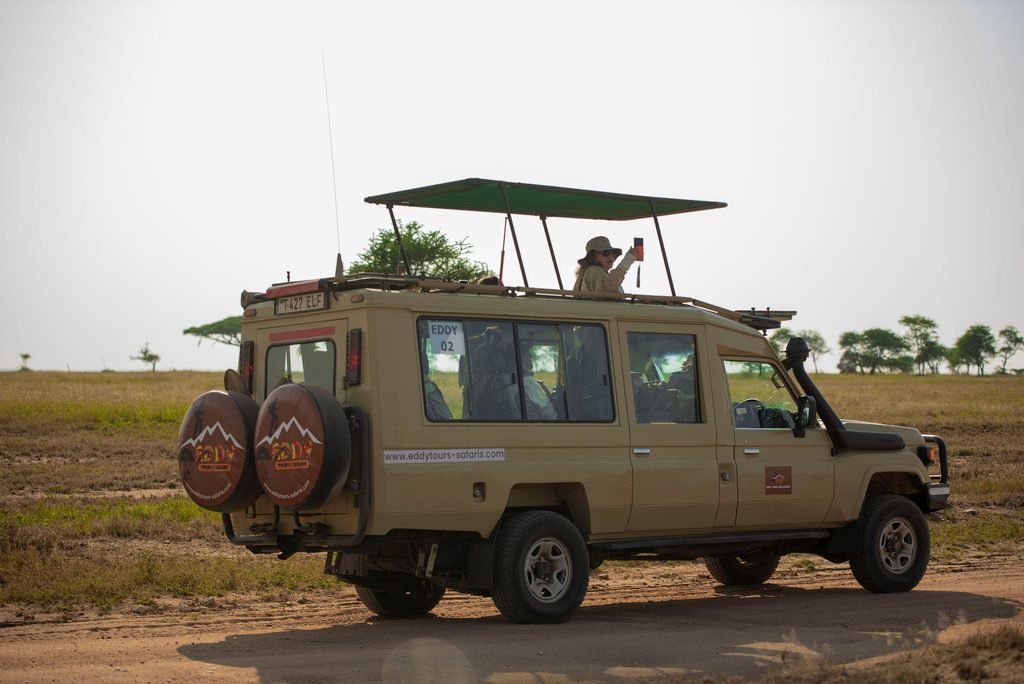
Plan Your Tanzania Itinerary with Eddy Tours & Safaris
Tanzania offers a wide range of experiences, from wildlife safaris in the Serengeti and Ngorongoro Crater to mountain climbing on Kilimanjaro and relaxing beach holidays in Zanzibar. The best itinerary depends on how much time you have, what you want to experience, and how comfortably you want to travel between destinations. A carefully planned trip allows you to enjoy each location without rushing through the country.
For travelers visiting Tanzania for the first time, a northern circuit safari that includes Tarangire, Serengeti, and Ngorongoro is an excellent starting point. Visitors with more time can add Lake Manyara, cultural experiences, Mount Meru, or Zanzibar. Those interested in Kilimanjaro should allow additional days for the climb and recovery before continuing with other activities.
At Eddy Tours & Safaris, we help travelers organize Tanzania safari packages, Kilimanjaro climbing expeditions, and Zanzibar holidays for 2027 and 2028. Our team can discuss your travel interests, recommend suitable destinations, and prepare a detailed itinerary based on your available time and preferred budget.
Request Your Tanzania Safari Quotation
Chat with Eddy Tours & Safaris on WhatsApp
Email: sales@eddytours-safaris.com
Contact our team to plan a Tanzania itinerary that combines the destinations and experiences that matter most to you.