
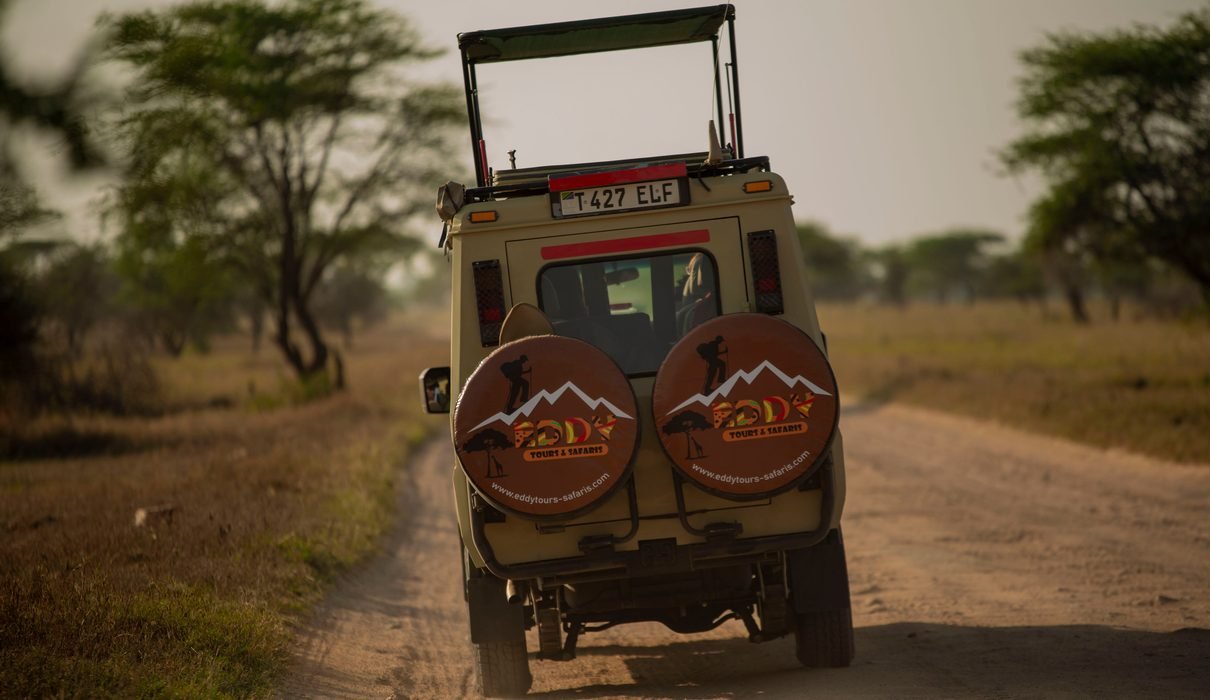
Planning a safari in Tanzania is exciting, but choosing where to go can be difficult, especially when the country has so many excellent wildlife destinations. Two of the most popular safari regions are the Northern Circuit and the Southern Circuit. Both offer beautiful landscapes, large wild animals, experienced safari guides, and comfortable accommodation, but the experience can be quite different depending on which region you choose.
The Tanzania Southern vs Northern Circuit safari comparison is especially important for travelers planning their first African holiday in 2027 or 2028. The Northern Circuit is famous for Serengeti National Park, Ngorongoro Crater, Tarangire National Park, and Lake Manyara. It is the region most people imagine when they think about a Tanzania safari, with wide grasslands, large herds of wildebeest, lions, elephants, and some of Africa’s best-known wildlife viewing areas.
The Southern Circuit offers a different experience. Parks such as Nyerere National Park, Ruaha National Park, and Mikumi National Park attract travelers who want to spend more time in quieter wildlife areas. Instead of moving between several famous parks, visitors can enjoy longer game drives, river landscapes, boat safaris where permitted, and a more relaxed feeling of being away from busy tourist routes.
At Eddy Tours & Safaris, we help travelers plan Tanzania safaris based on their interests, budget, travel dates, and preferred accommodation. Whether you want to see the Great Wildebeest Migration in Serengeti or explore the remote landscapes of Ruaha and Nyerere, understanding the differences between these two circuits will help you choose the right safari.
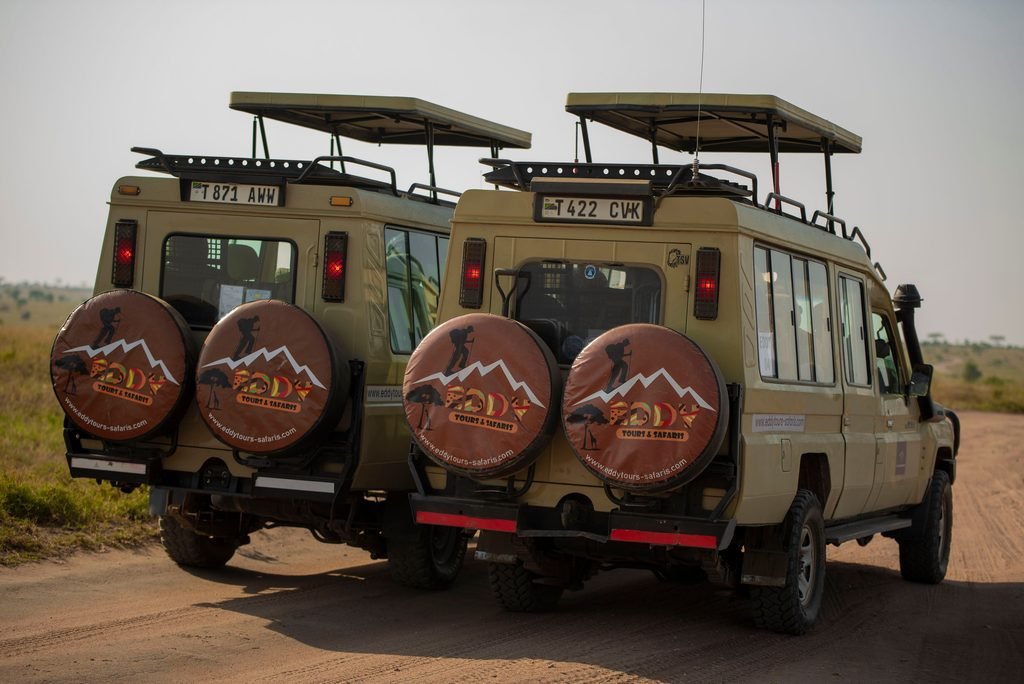
Tanzania Northern vs Southern Safari Circuit: Quick Comparison
| Safari feature | Northern Circuit | Southern Circuit |
|---|---|---|
| Main destinations | Serengeti, Ngorongoro, Tarangire, Lake Manyara | Nyerere, Ruaha, Mikumi, Udzungwa |
| Main departure cities | Arusha and Moshi | Dar es Salaam, Iringa and other access points |
| Wildlife | Big cats, elephants, buffalo, giraffes, wildebeest, zebra | Elephants, lions, buffalo, giraffes, wild dogs and antelope |
| Great Migration | Yes, in the Serengeti ecosystem | No |
| Tourist numbers | Generally higher | Generally lower |
| Safari activities | Game drives, with selected walking activities | Game drives, plus boat and walking safaris in approved areas |
| Accommodation | Wide range from budget camping to luxury lodges | Smaller selection in remote areas, including luxury wilderness camps |
| Transport | Well-established road safari routes | Road transfers and domestic flights, depending on itinerary |
| Best for | First-time visitors, families, migration safaris | Repeat visitors, photographers, quieter wilderness safaris |
| Ideal safari duration | Approximately 5–10 days | Approximately 5–10 days, depending on access |
These are general differences. Actual costs, road conditions, wildlife movements, and activities depend on the season and the specific itinerary.
1. What Is Tanzania’s Northern Safari Circuit?
The Northern Circuit is Tanzania’s best-known safari region and includes several of the country’s most visited wildlife destinations. Most northern safaris begin in Arusha, where travelers meet their safari guide before heading toward Tarangire, Lake Manyara, Ngorongoro, or Serengeti. These destinations can be combined into a road safari, allowing visitors to explore different habitats without needing a domestic flight between every park.
One of the biggest advantages of the Northern Circuit is the variety of wildlife and scenery within a single holiday. Travelers can see elephants among Tarangire’s baobab trees, descend into Ngorongoro Crater, and spend several days exploring the wide grasslands of the Serengeti. Each destination offers something different, which is why the Northern Circuit remains a popular choice for people visiting Tanzania for the first time.
The region also offers a wide selection of accommodation, from public campsites and affordable safari lodges to comfortable tented camps and high-end properties. This makes it possible to arrange different safari styles depending on your budget. If you are planning a trip with children, friends, or a private group, the established tourism infrastructure can also make travel arrangements more straightforward.
Serengeti National Park: Famous for the Great Wildebeest Migration
Serengeti National Park is one of the main reasons travelers choose the Northern Circuit. Its open plains, woodland areas, and river systems support a wide range of wildlife, including lions, leopards, cheetahs, elephants, buffalo, giraffes, and large numbers of grazing animals. The park is also part of the greater Serengeti ecosystem, where wildebeest and zebra move throughout the year in search of suitable grazing and water.
The Great Wildebeest Migration is one of the Serengeti’s best-known attractions, but its location changes with the seasons and rainfall. During some months, large herds may be found in the southern Serengeti ecosystem, while at other times they move through the western and northern areas. Travelers hoping to see particular migration events should plan their accommodation according to the expected seasonal movement rather than assuming that the herds remain in one location.
For visitors who want to spend several days observing wildlife, Serengeti is an excellent choice. Game drives provide opportunities to see predators, grazing animals, and changing landscapes, although no specific sighting can be guaranteed. You can begin planning your Serengeti experience through Eddy Tours & Safaris and request an itinerary suited to your preferred travel month.
Ngorongoro Crater: A Unique Wildlife Destination
Ngorongoro Crater is another major highlight of Tanzania’s Northern Circuit. The crater is part of the Ngorongoro Conservation Area and is known for its remarkable concentration of wildlife within a relatively compact landscape. Visitors descend from the crater rim to the floor, where grasslands, wetlands, woodland, and seasonal water sources support animals such as lions, elephants, buffalo, zebras, wildebeest, and various antelope species.
One of the main attractions is the possibility of seeing several large mammal species during a single game drive. Black rhinoceroses are also present in the crater, although sightings are not guaranteed. The surrounding crater walls create an impressive setting, and the scenery is very different from the open plains of Serengeti.
Ngorongoro is especially suitable for travelers with limited time because a crater visit can fit into a shorter northern safari itinerary. However, the crater is popular, and vehicle numbers can be high during busy periods. Travelers who want a more relaxed experience should consider visiting other parks as well rather than spending their entire holiday in one location.
Tarangire National Park: Elephants and Baobab Trees
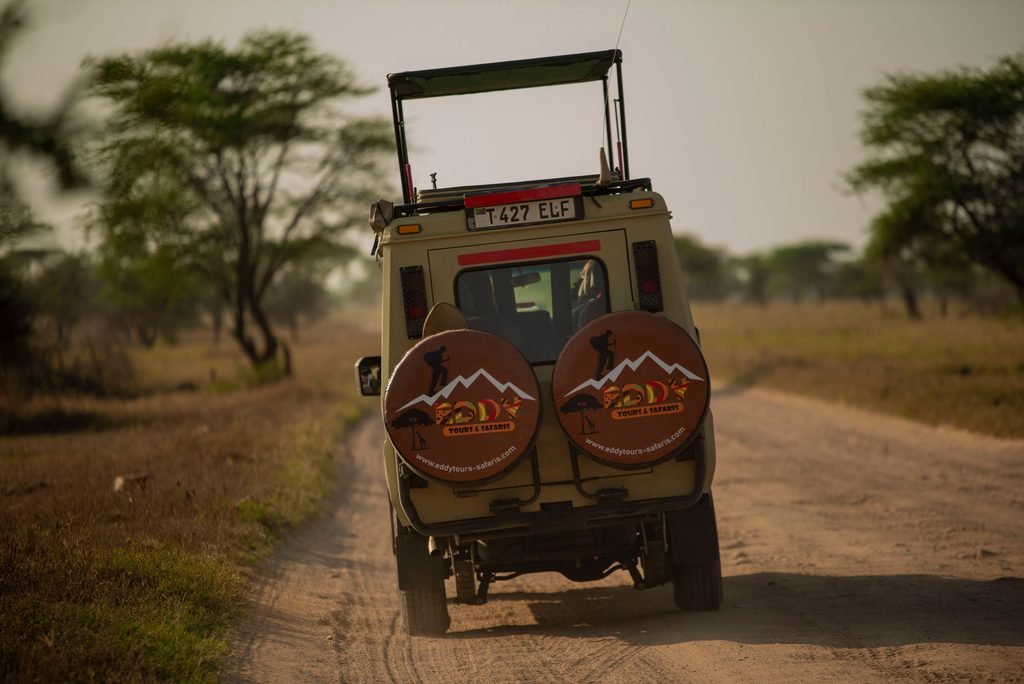
Tarangire National Park is well known for its elephants, large baobab trees, and wildlife viewing during the dry season. The Tarangire River is an important water source, and as the surrounding landscape becomes drier, many animals move toward areas where water remains available. This can create excellent wildlife viewing opportunities, particularly from June to October.
In addition to elephants, visitors may see giraffes, zebras, wildebeest, buffalo, lions, and various antelope species. The park also has a rich variety of birds, making it attractive to travelers interested in photography and birdwatching. Its scenery is different from Serengeti, with wooded areas, open grasslands, and distinctive baobab trees creating beautiful settings for game drives.
Tarangire is often included at the beginning of a northern safari because it is accessible from Arusha by road. It works well as part of a longer itinerary that continues to Ngorongoro and Serengeti, giving travelers a varied introduction to Tanzania’s wildlife.
Lake Manyara National Park: Forests, Birds and Lake Views
Lake Manyara National Park is a smaller but varied destination situated below the Great Rift Valley escarpment. Its landscapes include groundwater forest, open areas, wetlands, and lake-edge habitats. The park is known for its birdlife, monkeys, elephants, and the possibility of seeing lions resting in trees, although such sightings are never guaranteed.
Lake Manyara can be a useful addition to a Northern Circuit itinerary, especially for travelers interested in birdwatching and different landscapes. The park’s proximity to other northern destinations makes it possible to include it in a longer road safari without making a major detour.
However, visitors should remember that wildlife distribution and accessible areas can change with rainfall, lake levels, and seasonal conditions. Your guide can advise on whether Lake Manyara is a suitable addition to your itinerary at the time of travel.
2. What Is Tanzania’s Southern Safari Circuit?
The Southern Circuit includes some of Tanzania’s largest and less frequently visited wildlife areas. The best-known destinations are Nyerere National Park, Ruaha National Park, and Mikumi National Park, while the Udzungwa Mountains offer a different experience focused on forests, hiking, and nature. Southern safaris often begin in Dar es Salaam, although access arrangements depend on the selected parks.
The Southern Circuit is particularly attractive to travelers who want a quieter safari experience. In some areas, you may spend long periods exploring the landscape without meeting many other safari vehicles. This can be appealing to photographers and visitors who enjoy observing wildlife without feeling rushed between sightings.
However, the southern parks are spread across large distances, and reaching some of them can require long road transfers or domestic flights. For this reason, a Southern Circuit safari should be planned carefully, with enough time allocated to each destination. Rather than trying to visit every park in a few days, it is often better to spend several nights in one or two areas.
Nyerere National Park: Wildlife and Rufiji River Safaris
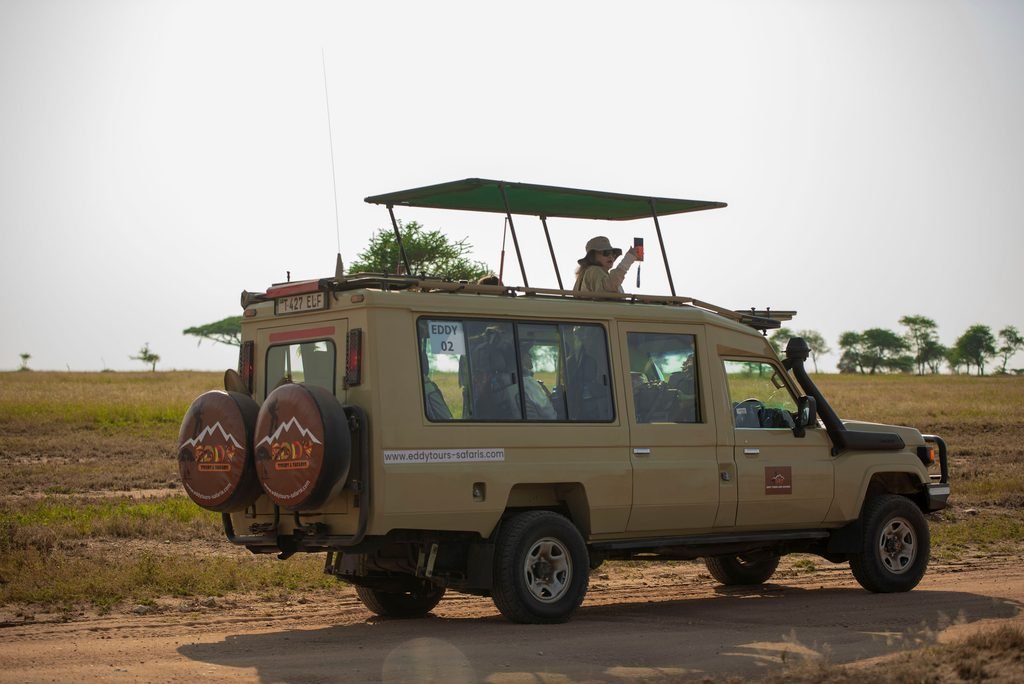
Nyerere National Park is one of Tanzania’s major southern wildlife destinations and forms part of the wider Selous ecosystem. The park is known for its extensive wilderness, river landscapes, lakes, and varied wildlife. Visitors may encounter elephants, buffalo, giraffes, lions, hippos, crocodiles, and many bird species while exploring the park.
One of Nyerere’s distinctive attractions is the opportunity to enjoy boat safaris on suitable sections of the Rufiji River system, where permitted and available. Unlike a traditional vehicle game drive, a boat safari provides a different view of the landscape and can offer opportunities to observe hippos, crocodiles, waterbirds, and animals approaching the riverbanks.
Nyerere can be a particularly good choice for travelers who want to combine vehicle game drives with river-based activities. Some accommodations also arrange guided walking experiences, subject to park regulations and safety requirements. These activities should always be booked through authorized operators, and availability depends on the season and location.
Ruaha National Park: Remote Landscapes and Large Predators
Ruaha National Park is one of Tanzania’s most impressive wilderness destinations. The park is known for its rugged landscapes, baobab trees, rocky hills, river systems, and rich wildlife. Lions, elephants, buffalo, giraffes, antelope, and a variety of other animals can be found within its extensive habitats, making it particularly attractive to experienced safari travelers.
The Great Ruaha River and other water sources play an important role in wildlife movements, especially during the dry season. As water becomes less widely available, animals may gather around remaining water sources, creating good opportunities for wildlife viewing. However, Ruaha is a large park, and sightings can involve longer periods of searching than in more compact wildlife areas.
Ruaha is an excellent destination for visitors who appreciate quiet surroundings and do not mind spending several hours exploring remote landscapes. Its wilderness atmosphere is one of its strongest attractions, but travelers should plan enough nights to enjoy the park properly rather than rushing through a short visit.
Mikumi National Park: A Practical Southern Safari Option
Mikumi National Park is one of the more accessible wildlife destinations in southern Tanzania, particularly for travelers starting from Dar es Salaam. Its open grasslands and woodland areas provide habitat for elephants, giraffes, buffalo, zebras, lions, and various antelope species. The Mkata Floodplain is especially well known for its open landscapes and wildlife viewing opportunities.
Mikumi can be suitable for travelers who have only a few days available and want to experience a Tanzania safari without traveling to the northern parks. Depending on the itinerary, it can also be combined with other southern destinations such as Udzungwa Mountains National Park.
Although Mikumi may not have the international reputation of Serengeti, it offers worthwhile game drives and can be a practical choice for visitors who are already staying in Dar es Salaam or other parts of eastern Tanzania.
Udzungwa Mountains: Hiking and Forest Experiences
Udzungwa Mountains National Park offers a different type of adventure from the traditional wildlife game drives found in Serengeti or Ruaha. The park is known for its forests, mountains, waterfalls, and remarkable biodiversity. Visitors come here primarily for hiking, nature observation, and the opportunity to experience Tanzania’s forest environments.
Guided walks can take travelers through tropical vegetation toward scenic viewpoints and waterfalls, depending on the selected trail. The park is also important for primate conservation and supports several species associated with the Eastern Arc Mountains.
Udzungwa is a good addition for travelers who enjoy hiking and want to include something different in their Southern Circuit safari. It is not a replacement for a traditional big-game safari, but it can add variety to a trip that also includes Mikumi or other southern destinations.
3. Northern vs Southern Circuit: Which Has Better Wildlife?
Both safari circuits offer excellent wildlife viewing, but the types of experiences differ. The Northern Circuit is particularly well known for the Great Wildebeest Migration, the predator-rich landscapes of Serengeti, and the concentration of wildlife within Ngorongoro Crater. Travelers who want to see a wide variety of animals during their first Tanzania safari often find the northern parks particularly appealing.
The Southern Circuit is known for its extensive wilderness areas, large mammals, and quieter game drives. Ruaha is an important destination for lions and elephants, while Nyerere supports a varied wildlife population that includes hippos, crocodiles, buffalo, and African wild dogs. However, wildlife is not distributed evenly across these large parks, and sightings depend on the season, weather, and location.
If seeing the Great Migration is your main goal, the Northern Circuit is the clear choice because the migration takes place in the Serengeti ecosystem rather than the southern parks. If you prefer spending longer periods in quieter wildlife areas and exploring river landscapes, the Southern Circuit may be more suitable.
4. Which Circuit Is Better for a Luxury Safari?
Luxury accommodation is available in both northern and southern Tanzania, but the overall experience can be different. The Northern Circuit offers a wide range of luxury lodges and tented camps, including properties overlooking the Serengeti plains, accommodation near Ngorongoro Crater, and camps situated in wildlife-rich areas of Tarangire. Travelers can choose between established high-end lodges and smaller tented properties, depending on their preferences.
The Southern Circuit is particularly attractive for travelers who want a more private wilderness atmosphere. Some lodges and tented camps in Nyerere and Ruaha are situated in remote locations, where guests can enjoy peaceful surroundings and fewer safari vehicles. The experience often focuses on spending more time in nature rather than visiting several famous destinations within a short period.
Luxury does not always mean that one circuit is more expensive than the other. The final cost depends on accommodation standards, season, transport arrangements, and the number of travelers. A fly-in Southern Circuit safari can be expensive because of domestic flight costs, while a luxury Northern Circuit safari can also involve substantial accommodation and park fees.
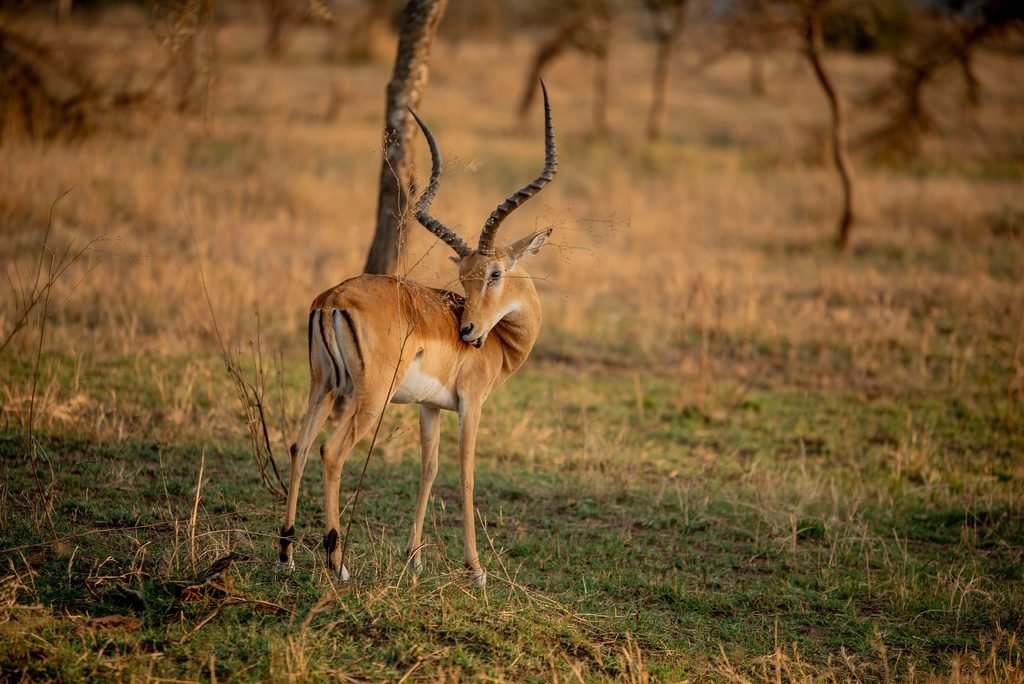
5. Which Circuit Is Better for a Budget Safari?
For many travelers, the Northern Circuit provides a wider selection of budget and mid-range safari arrangements. The established road routes from Arusha make it possible to combine several destinations in one vehicle-based itinerary, while the availability of public campsites and affordable accommodation can help control costs.
However, the Northern Circuit is not automatically cheaper. Serengeti and Ngorongoro involve significant park and conservation fees, and the total price increases when travelers choose private vehicles, premium accommodation, or longer stays. A well-planned budget safari should balance the number of parks visited with enough time for wildlife viewing.
The Southern Circuit can also offer budget-friendly options, especially for travelers visiting Mikumi by road or choosing accommodation outside the more remote park areas. However, reaching Ruaha or Nyerere by air can increase the cost considerably. Travelers should compare the full package price, including transport, park fees, accommodation, meals, and activities, rather than focusing only on the nightly lodge rate.
To compare suitable options, contact Eddy Tours & Safaris with your travel dates, group size, preferred accommodation standard, and approximate budget.
6. Best Time to Visit Tanzania’s Northern and Southern Safari Circuits
The best time to visit depends on the wildlife experience you want. The Northern Circuit offers worthwhile safari opportunities throughout the year, particularly in Serengeti and Ngorongoro. Travelers interested in the Great Migration should choose their travel dates according to the expected seasonal movement of the herds, while visitors who want to see Tarangire’s dry-season wildlife concentrations often prefer June to October.
The Southern Circuit generally offers especially good wildlife viewing during the dry season, commonly from June to October. During this period, vegetation becomes less dense in many areas and animals may gather around rivers and remaining water sources. Road conditions can also be easier than during periods of heavy rain, although conditions vary between parks.
The rainy season can bring beautiful green scenery, excellent birdwatching opportunities, and fewer visitors, but some remote southern camps or roads may have limited access. Before confirming your safari, ask your operator to check the seasonal arrangements for your selected destinations.
Tanzania Safari Seasons at a Glance
| Travel period | Northern Circuit | Southern Circuit |
|---|---|---|
| January–February | Southern Serengeti ecosystem calving season; good general wildlife viewing | Green landscapes and birdwatching; access varies |
| March–May | Rainy season, with possible lower visitor numbers | Heavy rain can affect roads and some camps |
| June–August | Popular dry-season safaris; migration moving through different Serengeti areas | Excellent period for wildlife viewing in many parks |
| September–October | Strong general game viewing, especially Tarangire | Good dry-season wildlife concentrations |
| November–December | Green-season scenery and wildlife viewing | Birdwatching and changing seasonal conditions |
Wildlife movements and rainfall vary each year, so exact migration sightings and weather conditions cannot be guaranteed for 2027 or 2028.
7. Which Safari Circuit Is Easier to Reach?
The Northern Circuit is generally easier to organize as a multi-park road safari. Travelers commonly arrive through Kilimanjaro International Airport or Arusha and continue by safari vehicle to the national parks. Tarangire, Lake Manyara, Ngorongoro, and Serengeti can be linked into one itinerary, although the drive to Serengeti is still long and should be planned carefully.
The Southern Circuit is more spread out. Nyerere can be reached from Dar es Salaam by road or domestic flight, while Ruaha is accessible through Iringa or by flights to park airstrips. Mikumi is a practical road safari destination from Dar es Salaam, but combining Nyerere, Ruaha, and Mikumi may require longer transfers than travelers expect.
For short holidays, travel time is particularly important. A safari that includes too many distant destinations can leave visitors spending more hours in transit than watching wildlife. When planning your itinerary, focus on how much useful time you will have inside each park rather than simply choosing the largest number of destinations.
8. Suggested Northern Circuit Safari Itinerary: 7 Days
A seven-day Northern Circuit safari is a practical option for travelers who want to see several famous wildlife destinations without rushing through the entire trip. The following example combines Tarangire, Serengeti, and Ngorongoro, with the possibility of adjusting the schedule according to accommodation availability and seasonal wildlife movements.
Day 1 – Arrival in Arusha: Arrive at Kilimanjaro International Airport or another agreed arrival point and transfer to your accommodation in Arusha. Depending on your arrival time, you can rest and meet your safari guide for a briefing about the upcoming journey.
Day 2 – Tarangire National Park: Travel from Arusha to Tarangire for a game drive among baobab trees, grasslands, and woodland habitats. Look for elephants, giraffes, buffalo, antelope, and predators before continuing to your overnight accommodation.
Day 3 – Travel to Serengeti: Continue toward Serengeti through the Ngorongoro highlands, following the route and entry arrangements confirmed for your safari. Enjoy wildlife viewing as you enter the park and travel toward your accommodation.
Day 4 – Full-Day Serengeti Safari: Spend the day exploring the Serengeti with your guide. The game-drive area can be selected according to seasonal wildlife activity, road conditions, and the location of your camp or lodge.
Day 5 – Additional Serengeti Game Drives: Enjoy another day in the Serengeti, allowing more time to search for lions, leopards, cheetahs, elephants, and grazing animals. Depending on the season, your guide may also explore areas where wildebeest and zebra herds are expected.
Day 6 – Ngorongoro Highlands: Leave Serengeti and travel toward the Ngorongoro Conservation Area. Enjoy wildlife viewing during the journey and spend the night near the crater or in the Karatu area, depending on your accommodation arrangements.
Day 7 – Ngorongoro Crater and Return to Arusha: Descend into Ngorongoro Crater for a game drive before returning to Arusha. The final schedule should allow sufficient time for your onward flight or an additional overnight stay if required.
This is a sample itinerary rather than a confirmed departure. A customized quotation can include your preferred accommodation standard, private safari vehicle, meals, and other arrangements.
9. Suggested Southern Circuit Safari Itinerary: 7 Days
A seven-day Southern Circuit safari can combine Nyerere and Ruaha, particularly when suitable domestic flight connections are available. This itinerary is designed for travelers who want to spend more time in quieter wildlife areas rather than visiting several parks in rapid succession.
Day 1 – Arrival in Dar es Salaam: Arrive in Dar es Salaam and transfer to your hotel. Meet your safari representative and review the arrangements for the journey to Nyerere National Park.
Day 2 – Travel to Nyerere National Park: Transfer to Nyerere by road or domestic flight, depending on your selected package. After arrival and check-in, enjoy an afternoon activity if time and conditions permit.
Day 3 – Nyerere Game Drive: Spend the day exploring Nyerere’s woodland, open areas, and river landscapes. Look for elephants, giraffes, buffalo, lions, and other wildlife with your guide.
Day 4 – Nyerere Activities: Enjoy additional wildlife viewing, with the possibility of a boat safari or authorized walking experience where available. Activities depend on the park’s rules, river conditions, and your accommodation arrangements.
Day 5 – Transfer to Ruaha National Park: Travel to Ruaha using an available flight connection or another agreed transport arrangement. After reaching the park, settle into your accommodation and enjoy a game drive if the schedule permits.
Day 6 – Full-Day Ruaha Safari: Explore Ruaha’s baobab landscapes, river areas, and wildlife habitats. Spend time looking for lions, elephants, buffalo, giraffes, and antelope while enjoying the park’s quieter atmosphere.
Day 7 – Departure: Enjoy a final morning activity if time allows before transferring to the airstrip or continuing with your onward travel arrangements.
Domestic flights between southern parks do not necessarily operate daily or directly, so the route and number of nights should be adjusted to actual schedules. A road-based alternative may require additional days.
10. Can You Combine the Northern and Southern Circuits?
Yes, it is possible to combine both safari circuits, but the journey requires careful planning because the parks are located in different parts of Tanzania. Travelers generally need more time and a larger budget, particularly if domestic flights are required between the northern and southern regions.
A combined safari can be an excellent option for travelers who have already planned a longer holiday and want to experience different landscapes. For example, you could spend several days exploring Serengeti and Ngorongoro before continuing to Nyerere or Ruaha. This would provide a mixture of famous wildlife destinations and quieter wilderness experiences.
However, if you only have five to seven days available, choosing one circuit is usually more practical. Trying to visit both regions within a short period can create unnecessary travel pressure and reduce the time available for wildlife viewing. A longer holiday of approximately twelve to fourteen days or more is generally better suited to combining the two regions.
11. Northern or Southern Circuit: Which Is Best for Families?
For many families visiting Tanzania for the first time, the Northern Circuit is a practical choice because of its established road routes, wide accommodation selection, and variety of wildlife destinations. Families can choose private safari vehicles, suitable lodges, and itineraries that include enough time for rest between game drives.
The Southern Circuit can also be suitable for families, particularly those who enjoy quieter surroundings and are comfortable with longer travel arrangements. However, some walking activities, remote camps, and boat safari experiences may have age restrictions or additional safety requirements. These details should be checked before booking.
When traveling with children, the most important consideration is creating a comfortable schedule. Long transfers, very early starts, and consecutive full-day game drives may be tiring for younger travelers. A well-planned safari should include suitable accommodation, regular breaks, and activities appropriate for the ages of everyone in the group.
12. Which Circuit Is Best for Wildlife Photography?
Both circuits offer excellent opportunities for wildlife photography, but they appeal to different styles. The Northern Circuit is particularly attractive for photographers interested in the Great Migration, big cats, open plains, and dramatic landscapes. Serengeti provides opportunities to photograph predators and grazing animals, while Ngorongoro offers a distinctive setting with wildlife against the crater’s surrounding walls.
The Southern Circuit is appealing to photographers who prefer quieter wildlife encounters and remote landscapes. Ruaha’s baobab trees, rocky terrain, and river areas provide varied photographic backgrounds, while Nyerere offers opportunities for wildlife photography around waterways. Fewer vehicles at some sightings may allow photographers more time to work, although wildlife encounters are never guaranteed.
For serious photographers, a private safari vehicle can be particularly useful because it allows more flexibility over positioning, stopping times, and the amount of time spent at sightings. Discuss your photography interests with your operator before booking so that the itinerary can be planned around suitable wildlife areas and lighting conditions.
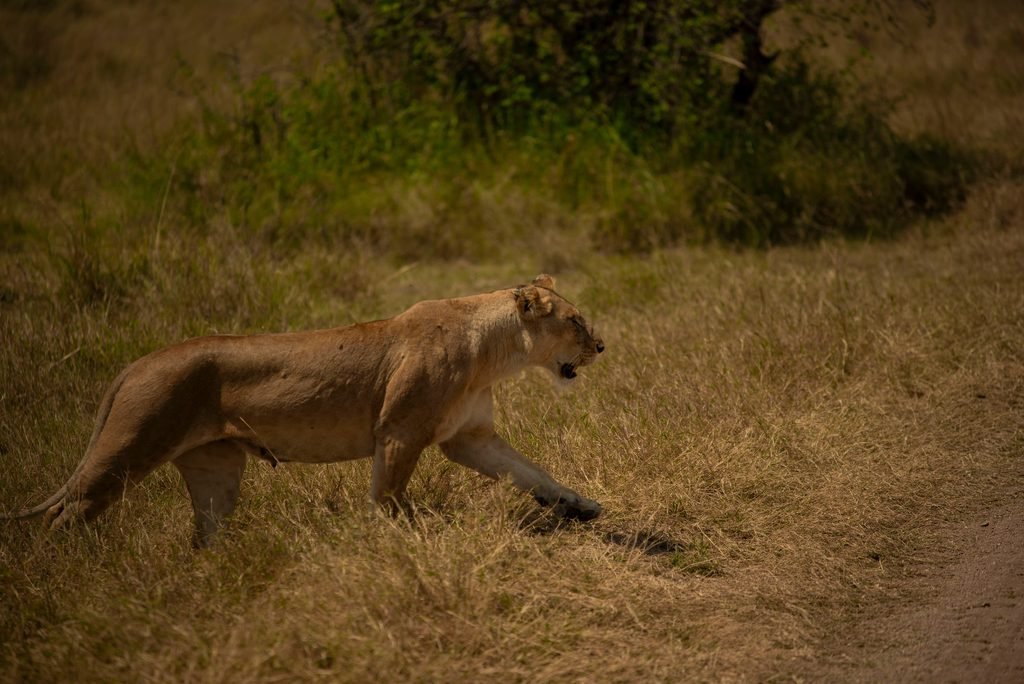
Frequently Asked Questions About Tanzania Northern and Southern Safaris
1. Which is better, the Northern or Southern Circuit?
The Northern Circuit is generally better for first-time visitors who want famous parks and the Great Migration, while the Southern Circuit is attractive to travelers seeking quieter wilderness areas.
2. Which circuit has the Great Wildebeest Migration?
The Northern Circuit, specifically the Serengeti ecosystem.
3. Which circuit is better for seeing lions?
Both circuits have lions. Serengeti is especially well known for big-cat viewing, while Ruaha is another important lion habitat.
4. Which circuit is better for elephants?
Both offer good opportunities. Tarangire is famous for dry-season elephant concentrations, while Ruaha and Nyerere also support elephants.
5. Which circuit is less crowded?
The Southern Circuit generally receives fewer visitors than the most popular northern parks.
6. Is the Southern Circuit more expensive?
Not always. Costs depend on accommodation and transport, although remote fly-in safaris can be expensive.
7. Can I do a budget safari in the Northern Circuit?
Yes. Budget camping and mid-range accommodation options are available.
8. Can I do a budget safari in the Southern Circuit?
Yes, particularly in destinations accessible by road, although remote areas may require higher transport costs.
9. What is the best time for a Northern Circuit safari?
Wildlife viewing is possible throughout the year, with different seasonal highlights.
10. What is the best time for a Southern Circuit safari?
June to October is generally a strong period for wildlife viewing in many southern parks.
11. Can I visit Serengeti and Ruaha on the same safari?
Yes, but you should allow enough time for transfers and consider domestic flight connections.
12. Is Nyerere the same as Selous?
Nyerere National Park was established from part of the former Selous Game Reserve. The wider Selous ecosystem remains a separate geographical reference.
13. Can I enjoy a boat safari in Serengeti?
Standard Serengeti safaris focus on vehicle game drives. Boat safaris are a distinctive option in suitable areas of Nyerere.
14. Are walking safaris available in Tanzania?
Yes, in selected authorized areas and under the appropriate guiding and park regulations.
15. Which circuit is best for a honeymoon?
Both can work well. The north offers famous scenery and a wide selection of lodges, while the south can provide a quieter wilderness experience.
16. Which circuit is best for families?
The Northern Circuit is often more convenient for first-time family safaris, although the south can also be suitable.
17. How many days do I need for the Northern Circuit?
Five to ten days is a useful range, depending on the parks you want to visit.
18. How many days do I need for the Southern Circuit?
Approximately five to ten days can work well, depending on transport and the number of parks.
19. Can I combine a safari with Zanzibar?
Yes. Both circuits can be combined with Zanzibar, subject to suitable flight and transfer arrangements.
20. Can I combine a safari with Kilimanjaro climbing?
Yes. The Northern Circuit is especially convenient for travelers climbing Kilimanjaro from Moshi or Arusha.
21. Which circuit is best for birdwatching?
Both have excellent birdlife, with different habitats and seasonal species.
22. Is the Southern Circuit suitable for first-time visitors?
Yes, particularly for travelers who prefer quieter parks and are comfortable with more remote travel arrangements.
23. Can I visit both circuits in seven days?
It is technically possible to travel between them, but seven days is usually too short to explore both properly.
24. Can I book a Tanzania safari for 2027?
Yes. You can request a quotation for your preferred 2027 dates, subject to confirmation.
25. Can I book a Northern or Southern Circuit safari for 2028?
Yes. Future safari arrangements can be discussed, although accommodation availability, fees, and final prices must be confirmed.
Final Verdict: Which Tanzania Safari Circuit Should You Choose?
The choice between Tanzania’s Northern and Southern Safari Circuits depends on the kind of holiday you want. If this is your first safari and you dream of seeing the Great Wildebeest Migration, exploring Ngorongoro Crater, and visiting famous parks such as Serengeti and Tarangire, the Northern Circuit is likely to be the better choice. Its established road routes and wide selection of accommodation also make it practical for families, private groups, and travelers with different budgets.
If you have already visited northern Tanzania or prefer a quieter wilderness experience, the Southern Circuit deserves serious consideration. Nyerere and Ruaha offer extensive landscapes, excellent wildlife opportunities, and the chance to spend more time in areas with fewer safari vehicles. Activities such as boat safaris and guided walking experiences can also make the trip feel different from a traditional northern game-drive holiday.
At Eddy Tours & Safaris, we help travelers plan personalized Tanzania safari holidays for 2027 and 2028. Whether you are interested in Serengeti, Ngorongoro, Tarangire, Nyerere, Ruaha, or a combination of different destinations, our team can help you compare travel options, accommodation standards, and safari durations before preparing a detailed quotation.
Request Your Tanzania Safari Quotation
Chat with Eddy Tours & Safaris on WhatsApp
Email: sales@eddytours-safaris.com
Contact our team to plan a Tanzania safari that matches your travel dates, interests, and budget, with enough time to enjoy the wildlife and landscapes you have come to see.