
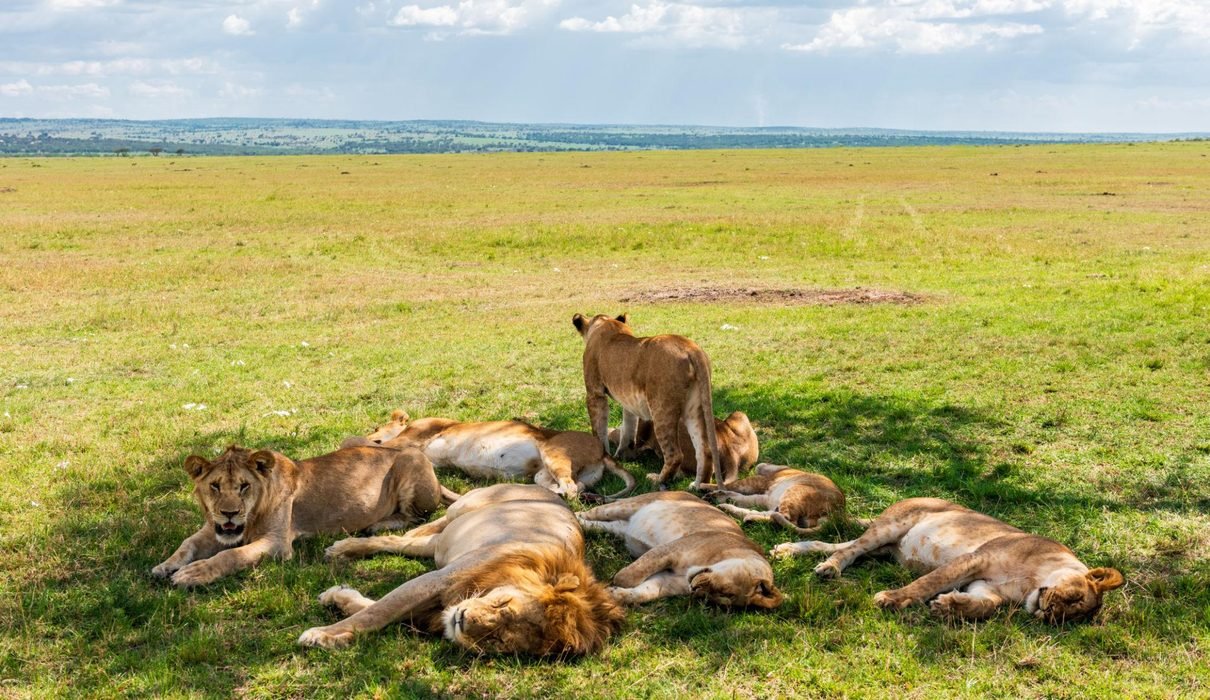
The best months for a Tanzania safari in 2027 depend on the wildlife you want to see, the national parks you plan to visit, and the type of safari experience you prefer. Tanzania offers excellent wildlife viewing throughout the year, but each season brings different opportunities. Some months are particularly good for watching large herds of wildebeest moving across the Serengeti, while others are ideal for seeing newborn animals, elephants gathering near rivers, or predators hunting across the open plains.
For many travelers, June to October is considered the best overall period for a Tanzania wildlife safari. During these months, the weather is generally drier, grass becomes shorter, and animals are often easier to find around permanent water sources. However, January and February are also excellent months, particularly for travelers interested in the wildebeest calving season in the southern Serengeti and Ndutu area. The rainy months have their own attractions, including green landscapes, migratory birds, fewer visitors, and sometimes more affordable accommodation.
If you are planning your first Tanzania safari in 2027, choosing the right month can make a significant difference to your itinerary. The Serengeti, Ngorongoro Crater, Tarangire National Park, and Lake Manyara National Park each offer different wildlife experiences throughout the year. Understanding these seasonal changes helps you decide which parks to visit and how many days to spend in each destination.
At Eddy Tours & Safaris, we help travelers organize private and group wildlife safaris across Tanzania. Whether you want to witness the Great Wildebeest Migration, photograph lions and elephants, explore Ngorongoro Crater, or enjoy a quieter safari during the green season, this guide will help you choose suitable travel dates for 2027.
What Is the Best Month to Visit Tanzania for a Safari in 2027?
There is no single month that is best for every traveler. If your main interest is general wildlife viewing, July, August, September, and October are excellent choices because the dry season makes animals easier to spot in many national parks. Water becomes less widely available, so elephants, buffaloes, zebras, antelopes, and other wildlife frequently gather near rivers, swamps, and permanent water sources.
For travelers interested in the Great Wildebeest Migration, the ideal timing depends on which part of the migration they want to experience. January and February are particularly good for the calving season in the southern Serengeti and Ndutu. June and July may offer opportunities to see large herds moving through the western Serengeti, while July to October is the usual period for possible Mara River crossings in the northern Serengeti.
Travelers who prefer fewer crowds and greener landscapes may enjoy March, November, or early December. April and May can also provide rewarding wildlife experiences, although heavier rainfall may make some roads difficult and certain seasonal camps unavailable. Rather than choosing a month based only on popularity, it is better to match your travel dates with the parks and wildlife experiences you want.
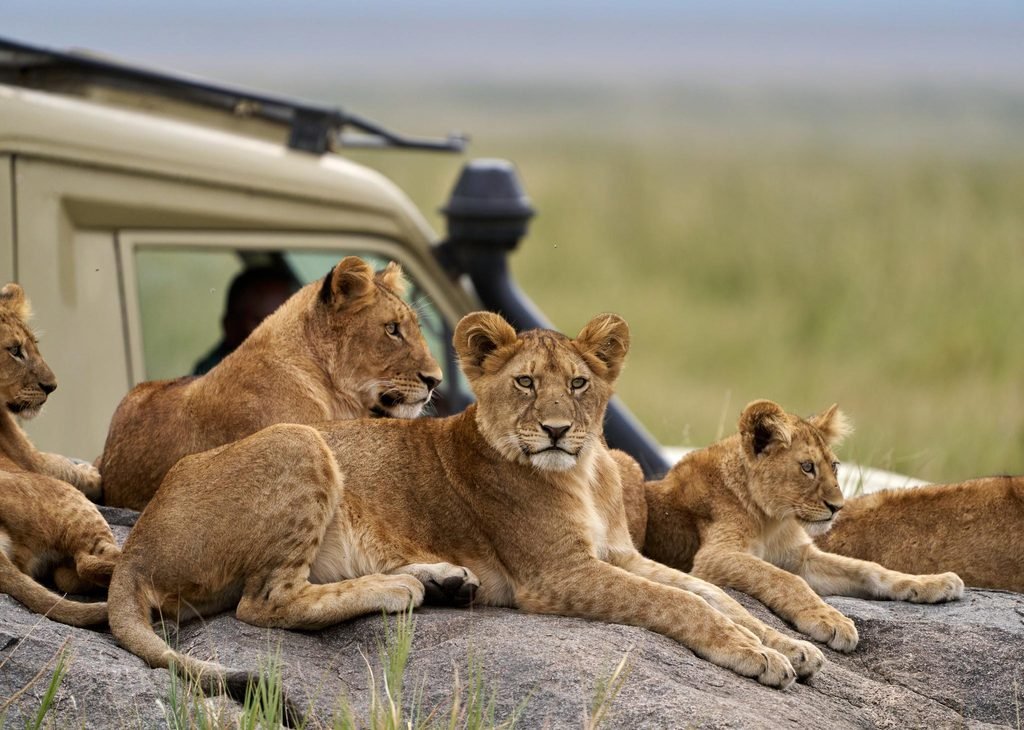
Tanzania Safari Calendar 2027: Month-by-Month Overview
| Month | Wildlife highlights | Recommended destinations | General conditions |
|---|---|---|---|
| January | Wildebeest herds and early calving activity | Southern Serengeti, Ndutu, Ngorongoro | Often warm with green landscapes |
| February | Main wildebeest calving period and predator activity | Ndutu, southern Serengeti | Excellent calving-season opportunities |
| March | Wildlife on green plains and birdwatching | Serengeti, Ngorongoro, Lake Manyara | Increasing chance of rain |
| April | Resident wildlife, birds and green scenery | Central Serengeti, Ngorongoro | Long rains; fewer visitors |
| May | Moving wildebeest herds and lush landscapes | Central and western Serengeti | Rainfall may continue |
| June | Dry-season wildlife and migration movement | Serengeti, Tarangire, Ngorongoro | Generally becoming drier |
| July | Large herds and possible river-crossing activity | Western and northern Serengeti | Dry season; popular travel period |
| August | Northern Serengeti migration and excellent general game viewing | Northern Serengeti, Tarangire | Dry season; busy |
| September | Mara River crossing opportunities and elephant concentrations | Northern Serengeti, Tarangire | Often very good wildlife visibility |
| October | Late dry-season wildlife and possible northern migration activity | Serengeti, Tarangire, Ngorongoro | Dry conditions may continue |
| November | Returning migration herds and green-season wildlife | Central and eastern Serengeti | Short rains may begin |
| December | Herds moving toward southern plains and birdwatching | Serengeti, Ngorongoro, Lake Manyara | Green landscapes and variable rain |
This calendar describes typical seasonal patterns rather than a confirmed 2027 wildlife forecast. Rainfall and animal movements can vary from year to year.
January 2027: Best for Southern Serengeti Wildlife and Early Calving
January is an excellent month to visit Tanzania, especially if you are interested in the southern Serengeti and Ndutu area. During this period, large herds of wildebeest commonly gather on the short-grass plains, where fresh grazing becomes available following seasonal rainfall. Zebras and gazelles are also found across the plains, creating excellent opportunities to observe different wildlife species in open landscapes.
As the calving season approaches its busiest period, travelers may begin seeing newborn wildebeest and increased predator activity. Lions, cheetahs, hyenas, and other carnivores are often attracted to areas where large numbers of herbivores gather. However, the exact timing of births depends on seasonal conditions, so January visitors should not expect every herd to be calving at the same time.
January can also be a good month for visiting Ngorongoro Crater, where resident wildlife remains present throughout the year. The crater offers opportunities to see buffaloes, zebras, wildebeest, hippos, and several predator species. Combining Ndutu, the southern Serengeti, and Ngorongoro can provide a varied safari experience without spending too much time traveling between distant regions.
Best for: Southern Serengeti migration herds, early calving, predator photography, and green landscapes.
February 2027: Best for Wildebeest Calving and Predator Activity
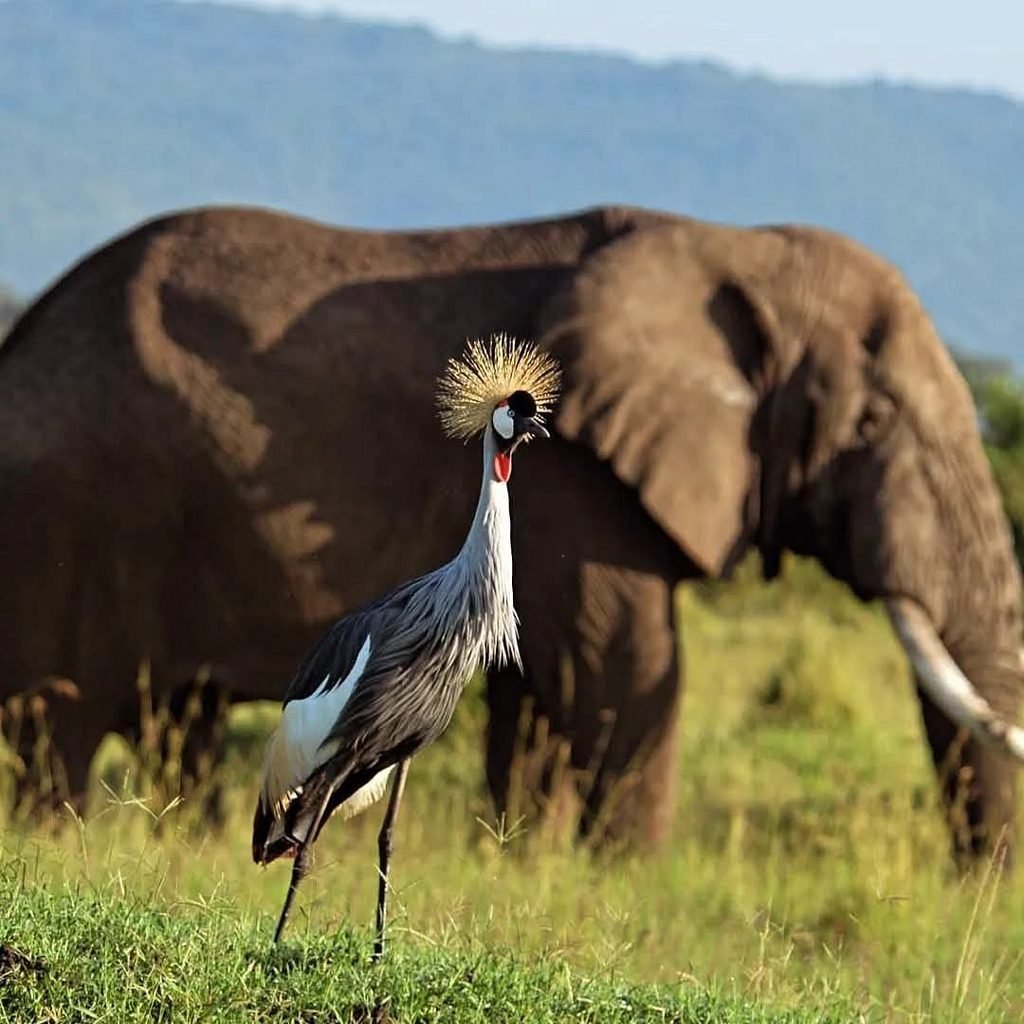
February is one of the most interesting months for a Tanzania safari because it usually falls within the main wildebeest calving season. Large numbers of wildebeest gather in the southern Serengeti ecosystem, particularly around Ndutu and the surrounding short-grass plains. During suitable conditions, many calves are born within a relatively short period, creating an important stage of the annual Great Migration.
The arrival of newborn animals attracts predators, making February particularly appealing to wildlife photographers and travelers interested in observing natural predator-prey interactions. Lions, cheetahs, hyenas, and jackals may be active around the herds, although actual sightings depend on animal movements, weather, and the time spent exploring suitable areas.
For travelers planning a February 2027 safari, accommodation location is particularly important. Staying in or near the southern Serengeti and Ndutu can reduce long daily transfers and allow more time for game drives. It is also advisable to spend several nights in the area rather than relying on a single day, because wildlife movements can change from one location to another.
Best for: Wildebeest calving, newborn animals, predator activity, and wildlife photography.
March 2027: Best for Green Landscapes and Quieter Safaris
March marks a transition toward the longer rainy season in much of northern Tanzania. Early in the month, conditions may still be suitable for exploring the southern and central Serengeti, although rainfall generally becomes more likely as the season progresses. The landscapes are often green, and wildlife may be spread across larger areas because fresh vegetation and water are more widely available.
For travelers who enjoy photography, March can be rewarding because of the contrast between green grasslands, dramatic skies, and wildlife moving across the plains. Migratory birds may also be present, making the month attractive for birdwatching. The Serengeti continues to support resident lions, elephants, giraffes, buffaloes, and many other species regardless of the migration’s location.
Another advantage of March is that visitor numbers may begin to decrease compared with the busiest holiday periods. This can create a quieter safari atmosphere in some areas. However, travelers should be prepared for occasional rain, muddy roads, and changes to daily game-drive plans depending on local conditions.
Best for: Green-season photography, birdwatching, resident wildlife, and travelers who prefer fewer crowds.
April 2027: Best for Green-Season Safari Travelers
April is generally one of the wettest months in northern Tanzania, with the long rains affecting many safari destinations. Heavy rainfall can make some tracks muddy or difficult to use, and certain seasonal accommodation properties may temporarily close. For this reason, April is not usually the first recommendation for travelers who want consistently dry weather and easy access to remote safari areas.
However, April does not mean that wildlife disappears. The Serengeti and Ngorongoro ecosystem continues to support many resident animals, including lions, elephants, buffaloes, giraffes, zebras, and antelopes. The landscape becomes lush, and photographers may appreciate the green scenery, cloudy skies, and fewer safari vehicles in some locations.
Travelers visiting in April should choose their itinerary carefully, allowing flexibility for weather-related changes. Accommodation availability should be checked in advance, and a well-equipped safari vehicle with an experienced guide is particularly important. The central Serengeti and Ngorongoro area may be practical choices, depending on current road conditions.
Best for: Quiet safari experiences, green landscapes, and flexible travelers comfortable with rain.
May 2027: Best for Moving Migration Herds and Fewer Visitors
May is another green-season month, although conditions often begin changing as the long rains gradually ease. In the Serengeti ecosystem, the wildebeest migration commonly starts moving away from the southern plains toward central and western areas as grazing conditions change. The exact direction and timing depend on rainfall, water availability, and the movement of different herds.
For travelers interested in seeing large groups of wildebeest moving across the landscape, May can be rewarding when the migration is in accessible areas. The central Serengeti also offers opportunities to see resident predators and other wildlife. However, it is important to understand that the migration does not follow an exact timetable, and some herds may move earlier or later than expected.
May may appeal to travelers who prefer a quieter safari and are willing to accept less predictable weather. Some lodges and camps may offer seasonal rates, but prices and availability should be confirmed rather than assumed. Road conditions can still be challenging after heavy rainfall, so itinerary flexibility remains important.
Best for: Migration movement, quieter parks, green landscapes, and potentially better accommodation value.
June 2027: Best for the Start of the Dry-Season Safari
June is one of the most attractive months for travelers who want to experience Tanzania as the dry season begins. Rainfall generally decreases, the landscape starts to dry, and wildlife becomes easier to observe in many areas. Temperatures can be cooler in the mornings and evenings, particularly around Ngorongoro and other highland destinations.
In the Serengeti, the wildebeest migration is commonly associated with movement through central and western areas during this period. Large herds may gather around the Western Corridor and Grumeti region, although their exact locations vary. Travelers interested in the migration should plan accommodation according to the expected herd movements rather than assuming that every part of the Serengeti will offer the same experience.
June is also a good month to begin exploring Tarangire National Park as dry-season conditions develop. Elephants, giraffes, zebras, and other animals may increasingly use the Tarangire River and other permanent water sources. Combining Serengeti, Ngorongoro, and Tarangire can provide an excellent introduction to Tanzania’s northern safari circuit.
Best for: Dry-season wildlife, Serengeti migration movement, and a multi-park Tanzania safari.
July 2027: Best for Classic Wildlife Safaris and Migration Opportunities
July is one of Tanzania’s most popular safari months because the dry season is generally well established. Grass becomes shorter in many areas, and animals may concentrate around reliable water sources. These conditions can make wildlife easier to find, especially in parks such as Tarangire and the Serengeti.
The Great Migration may be moving through the western and northern Serengeti during July, with some herds reaching the Mara River area. River crossings are possible during the broader northern migration season, but they are unpredictable and should never be guaranteed for a specific date. Some herds may gather near the river for several days before crossing, while others may move to a different location.
July is also a good month for travelers who want to combine wildlife viewing with comfortable daytime weather. However, mornings and evenings can be cold, particularly in the Ngorongoro Highlands. Because July is a busy travel period, it is advisable to arrange accommodation and safari vehicles well in advance.
Best for: General wildlife viewing, dry-season conditions, and possible northern migration activity.
August 2027: Best for Northern Serengeti and Mara River Crossings
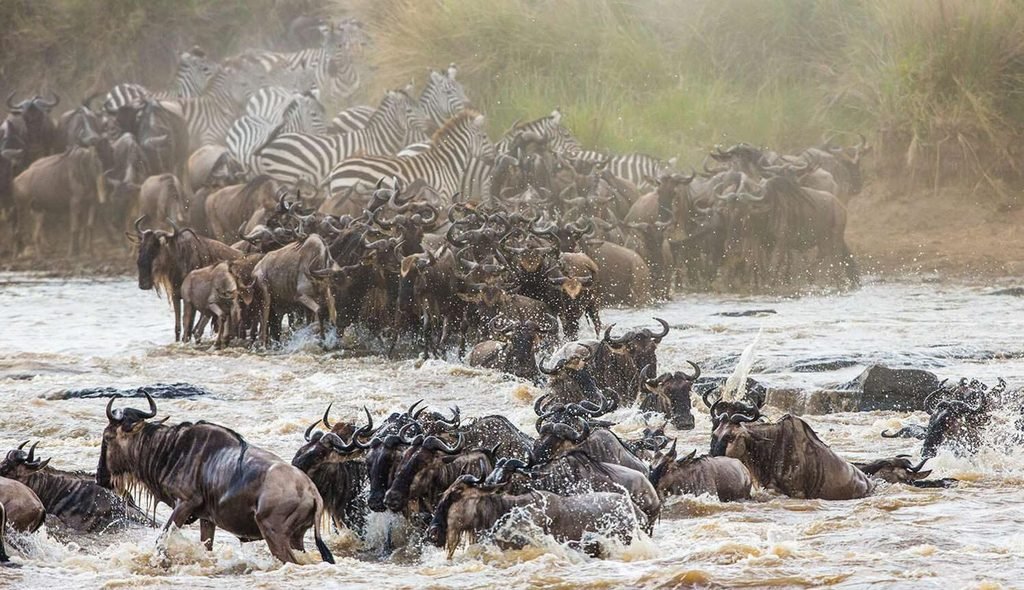
August is among the most popular months for travelers hoping to see the Great Wildebeest Migration in the northern Serengeti. Large herds may be present around Kogatende, Lamai, and the Mara River region, where animals sometimes cross between Tanzania and Kenya. These crossings are among the most dramatic wildlife events associated with the Serengeti ecosystem, but their timing is controlled by the animals and environmental conditions.
Visitors should understand that a Mara River crossing cannot be scheduled or promised. Wildebeest may gather along the riverbanks without crossing, or a crossing may happen at a different location from where safari vehicles are waiting. Spending several nights in the northern Serengeti improves the opportunity to explore different areas and respond to current wildlife reports, but it does not guarantee a crossing.
August is also an excellent month for general wildlife viewing in Tarangire, where elephants and other animals are often easier to find near permanent water sources. Ngorongoro Crater remains another strong destination for travelers who want to see a wide variety of wildlife during a relatively short game drive.
Best for: Northern Serengeti migration, possible Mara River crossings, and classic dry-season safaris.
September 2027: Best for Wildlife Photography and Elephant Viewing
September is one of the strongest months for a Tanzania wildlife safari because dry-season conditions often continue across the northern parks. Vegetation is generally less dense than during the rainy season, and animals may gather around rivers, swamps, and other reliable water sources. These conditions can make it easier to observe wildlife and spend time photographing animals in open landscapes.
In the northern Serengeti, migration herds may still be present near the Mara River, creating opportunities to search for crossing activity. However, the herds can move between Tanzania and Kenya, and some groups may begin shifting location depending on rainfall. A flexible itinerary and knowledgeable guide are particularly valuable for travelers interested in following the migration.
Tarangire is another excellent destination in September, especially for visitors who want to see elephants. The park’s dry-season conditions often attract wildlife toward the Tarangire River and surrounding water sources. Travelers may also see giraffes, buffaloes, zebras, wildebeest, and several antelope species, while predators remain part of the wider ecosystem.
Best for: Elephant viewing, northern Serengeti migration, wildlife photography, and dry-season game drives.
October 2027: Best for Late Dry-Season Wildlife Viewing
October is often a rewarding month for travelers who want strong wildlife viewing before the seasonal rains become more established. In many northern safari areas, the dry season continues, and animals may remain concentrated around permanent water sources. Tarangire can be particularly attractive during this period, with elephants and other wildlife using the river and surrounding habitats.
In the Serengeti, some migration herds may still be found in northern areas, while others may begin moving toward central or eastern regions as rainfall patterns change. Because the migration is influenced by pasture and water availability, the exact location of the herds can vary considerably. Travelers should avoid booking a fixed river-crossing itinerary without discussing current seasonal expectations.
October can also be a good month for combining several parks in one safari. The Serengeti provides opportunities to search for predators and large herbivores, Ngorongoro Crater offers resident wildlife, and Tarangire may provide excellent elephant viewing. Temperatures can become warmer as the season progresses, so lightweight clothing and adequate sun protection are useful.
Best for: Late dry-season wildlife, Tarangire elephants, and multi-park safaris.
November 2027: Best for Quieter Parks and Returning Migration Herds
November commonly marks the beginning of the short-rains period in northern Tanzania, although rainfall timing varies from year to year. As fresh grass begins growing, wildlife may spread into areas that were less attractive during the dry season. The landscape gradually becomes greener, and some safari destinations experience fewer visitors than during the busiest months.
In the Serengeti ecosystem, wildebeest herds may begin moving southward from northern areas, following rainfall and fresh grazing. The migration can be spread across several regions, making exact locations difficult to predict. Travelers interested in seeing large herds should choose their accommodation with flexibility and discuss the likely migration position before departure.
November can be particularly enjoyable for birdwatchers because seasonal rainfall encourages vegetation growth and migratory birds begin arriving in suitable habitats. Wildlife photography can also be rewarding, with greener backgrounds and dramatic skies. However, travelers should be prepared for rain showers and occasional changes to game-drive plans.
Best for: Green-season wildlife, birdwatching, fewer visitors, and migration movement.
December 2027: Best for Green Landscapes and Year-End Safaris
December is an attractive month for travelers planning a Tanzania safari during the Christmas and New Year holiday period. The short rains may continue in some northern areas, creating greener landscapes and fresh grazing conditions. In the Serengeti ecosystem, migration herds often move toward the southern plains as the calving season approaches, although the exact timing depends on rainfall.
The central and southern Serengeti can provide rewarding wildlife viewing during December, particularly when herds begin gathering across the open grasslands. Ngorongoro Crater remains a useful addition because it supports resident wildlife throughout the year. Lake Manyara may also appeal to travelers interested in birdlife, forest scenery, and a shorter game-drive experience.
December travel requires early planning because accommodation demand can increase around Christmas and New Year. Prices may be higher during holiday periods, and some properties require minimum stays. Travelers should confirm their preferred lodge or camp availability before finalizing international flights.
Best for: Christmas safaris, green landscapes, birdwatching, and southern Serengeti migration movement.
Best Months to See the Great Wildebeest Migration in 2027
The Great Wildebeest Migration is one of the main reasons travelers visit the Serengeti. Each year, large herds of wildebeest, accompanied by zebras and other grazing animals, move through the Serengeti ecosystem in search of suitable grass and water. This is a continuous natural cycle rather than a single event that happens on a particular date.
Understanding the seasonal movement of the herds is important because different months offer different experiences. January and February are associated with calving in the southern plains, while the middle of the year commonly brings movement through central and western areas. During the northern migration season, some herds reach the Mara River, where crossings may occur.
| Migration period | Typical area | Main wildlife experience |
|---|---|---|
| January–March | Southern Serengeti and Ndutu | Calving, large herds and predators |
| April–May | Southern, central and western Serengeti | Herd movement and green landscapes |
| June–July | Western Corridor and movement north | Large moving herds and possible Grumeti crossings |
| July–October | Northern Serengeti and Mara River | Possible Mara River crossings |
| November–December | Central, eastern and southern Serengeti | Returning herds and fresh grazing |
The migration calendar is a planning guide rather than a guarantee. For a 2027 migration safari, choosing the right region and allowing several days for game drives is more useful than expecting wildlife to appear at an exact location.
Best Time to Visit Tanzania’s Major Safari Parks in 2027
Serengeti National Park
Serengeti National Park offers wildlife viewing throughout the year, but the best region to visit changes with the season. Travelers interested in calving should consider the southern Serengeti and Ndutu from January to March, while those hoping to see northern migration activity may prefer July to October. The central Serengeti remains attractive throughout the year because it supports resident predators and many other wildlife species.
Ngorongoro Crater
Ngorongoro Crater is a strong year-round destination because its grasslands, wetlands, and other habitats support a variety of resident wildlife. The dry season often provides good visibility, but green-season visits can also be rewarding. Travelers may see buffaloes, zebras, wildebeest, hippos, lions, and other animals during a crater game drive, although sightings are never guaranteed.
Tarangire National Park
Tarangire is particularly attractive from June to October, when dry-season conditions encourage animals to gather around the Tarangire River and other permanent water sources. The park is well known for its elephants and baobab trees, and the late dry season can provide excellent wildlife photography opportunities. Tarangire remains worth visiting outside these months, although animal distribution changes with seasonal rainfall.
Lake Manyara National Park
Lake Manyara offers a different safari environment, including groundwater forest, woodland, open areas, and lakeshore habitats. Wildlife viewing varies with water levels and seasonal conditions, while birdwatching can be rewarding during wetter periods. The park can be visited throughout the year, making it a useful addition to a northern Tanzania safari itinerary.
Nyerere and Ruaha National Parks
For travelers interested in southern Tanzania, Nyerere and Ruaha are particularly attractive during the drier months, generally June to October. As water becomes less widely available, wildlife may concentrate near permanent rivers and other reliable water sources. During the wetter months, some roads can become difficult to use and seasonal accommodation arrangements may change.
Best Months for a Budget-Friendly Tanzania Safari in 2027
Travelers hoping to reduce safari costs should consider the green and shoulder seasons rather than focusing only on the busiest dry-season months. March, April, May, and November may provide opportunities for lower accommodation rates at participating properties, although the actual savings depend on the lodge, travel dates, and package arrangements.
April and May can be particularly quiet, but heavier rainfall may affect road access and the availability of certain camps. For travelers who want a balance between reasonable weather and potentially better value, early June or November may be worth considering. These periods can offer rewarding wildlife experiences without necessarily having the same demand as August and September.
It is important to remember that national park fees, vehicle costs, guide services, and other operating expenses still apply regardless of the season. A budget safari should be evaluated based on its complete itinerary, accommodation quality, included services, and time spent in the parks rather than price alone.
How Many Days Do You Need for a Tanzania Safari in 2027?
The number of days required depends on the parks you want to visit and the wildlife experiences you hope to enjoy. A three-day safari can introduce travelers to destinations such as Tarangire and Ngorongoro Crater, while a five-day itinerary provides more time to include the Serengeti. Travelers who want to explore several parks without rushing may prefer six to eight days.
For the Great Wildebeest Migration, additional time is particularly useful because the herds can move across large distances. Travelers hoping to see Mara River crossings should consider spending multiple nights in the northern Serengeti rather than relying on a single game drive. Similarly, a calving-season safari is often more rewarding when several days are allocated to Ndutu and the southern plains.
A seven- to ten-day safari can provide a comfortable combination of Tarangire, Serengeti, and Ngorongoro, depending on the travel dates and preferred accommodation. Travelers with additional time may also include Lake Manyara, cultural experiences, or a Zanzibar beach holiday.
Practical Tips for Planning Your Tanzania Safari in 2027
Choosing your safari dates early is useful, particularly if you plan to travel during the popular dry season or the February calving period. Accommodation in areas close to the migration can be in high demand, and staying near the expected wildlife location helps reduce long daily transfers. Before booking, discuss the seasonal movement of animals with your tour operator and choose a flexible itinerary where practical.
Packing appropriately is also important because temperatures vary between parks and throughout the day. Lightweight clothing is useful during warm afternoons, while a fleece or jacket may be necessary for early morning game drives, especially in the Ngorongoro Highlands. Comfortable shoes, sun protection, binoculars, a camera, and a reusable water bottle are useful items for most safari itineraries.
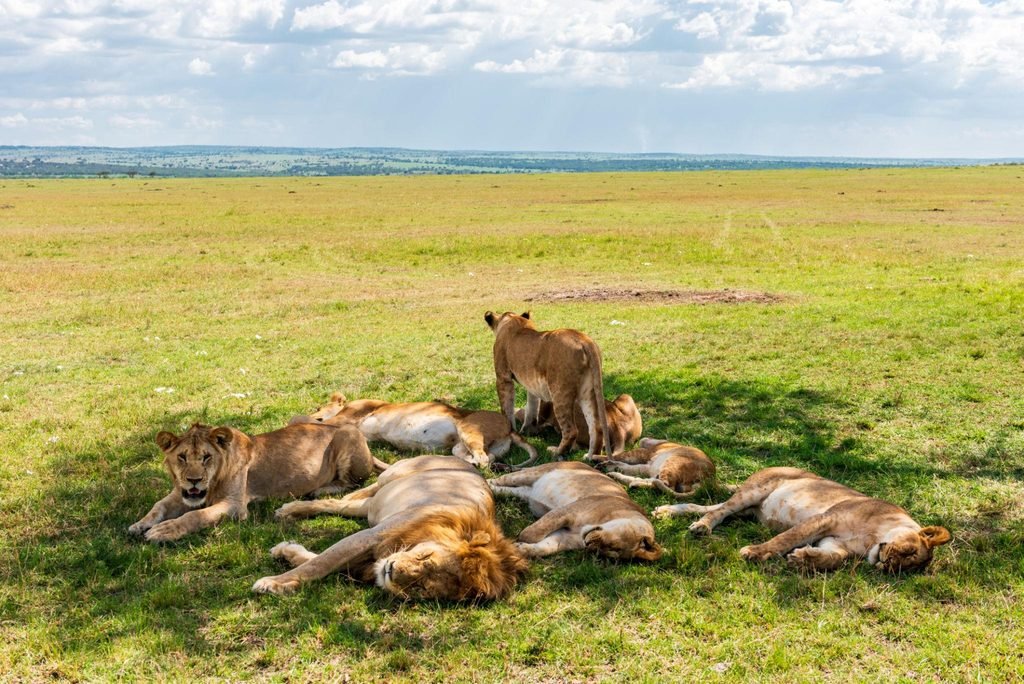
Travelers should also understand that wildlife sightings are never guaranteed. Lions may spend much of the day resting, elephants may move away from roads, and migration herds may change direction depending on rainfall. A knowledgeable safari guide can help locate wildlife and explain animal behavior, but a responsible safari should always respect park rules and avoid disturbing animals.
Frequently Asked Questions About the Best Months for a Tanzania Safari
1. What is the best month for a Tanzania safari in 2027?
July, August, September, and October are excellent for general wildlife viewing, while February is particularly attractive for wildebeest calving.
2. Is Tanzania good for safaris throughout the year?
Yes. Tanzania offers wildlife viewing throughout the year, although seasonal conditions affect animal distribution and accessibility.
3. What is the best time to visit the Serengeti?
The best time depends on whether you want to see calving, moving migration herds, possible river crossings, or resident wildlife.
4. When is the wildebeest calving season?
Calving generally takes place from late January into February, sometimes extending into March depending on conditions.
5. When can I see Mara River crossings?
Possible crossings are commonly associated with July to October, particularly during the northern migration season.
6. Are Mara River crossings guaranteed?
No. Crossings are unpredictable natural events and cannot be guaranteed for any specific date.
7. Is August a good month for a Tanzania safari?
Yes. August is excellent for general wildlife viewing and possible northern Serengeti migration activity.
8. Is September better than August?
Both are excellent dry-season months. The better choice depends on your itinerary, accommodation, and wildlife interests.
9. Is January good for the Serengeti?
Yes. January is attractive for southern Serengeti migration herds and the beginning of the main calving period.
10. Is February the best month for predators?
February is particularly attractive for predator activity associated with wildebeest calving, although sightings vary.
11. Can I visit Tanzania during April?
Yes, but heavier rainfall can affect road conditions and some seasonal accommodation options.
12. Is May a good safari month?
May can offer rewarding migration movement and quieter parks, although rainfall may continue.
13. When is the dry season in Tanzania?
The main dry season generally runs from June to October in northern Tanzania.
14. When is the rainy season?
Northern Tanzania commonly experiences long rains around March to May and short rains around October to December.
15. Which month is best for Tarangire elephants?
August, September, and October are particularly attractive because of dry-season wildlife concentrations.
16. Is Ngorongoro Crater good throughout the year?
Yes. Ngorongoro Crater supports resident wildlife throughout the year.
17. What is the cheapest month for a Tanzania safari?
April and May may offer lower accommodation rates at some properties, but prices vary.
18. Is November good for wildlife photography?
Yes. November can provide green landscapes, dramatic skies, and rewarding wildlife photography opportunities.
19. How many days should I spend in the Serengeti?
Three to four days is a useful starting point, with additional time recommended for migration-focused itineraries.
20. Can I see the Big Five in Tanzania?
Tanzania offers opportunities to see the Big Five, but sightings of individual species, particularly black rhinos and leopards, cannot be guaranteed.
21. Is a private safari better than a group safari?
Private safaris offer more flexibility, while group safaris can help share certain costs. Both can provide rewarding wildlife experiences.
22. Should I book my 2027 safari early?
Early booking is advisable for popular travel periods, especially July to September and the February calving season.
23. Can I combine a safari with Kilimanjaro climbing?
Yes. Many travelers combine a guided Kilimanjaro climb with a wildlife safari in northern Tanzania.
24. Can I visit Zanzibar after my safari?
Yes. Zanzibar is a popular extension for travelers who want to relax on the coast after visiting Tanzania’s national parks.
25. How can I book a Tanzania safari for 2027?
Contact Eddy Tours & Safaris with your preferred dates, number of travelers, accommodation preferences, and the wildlife experiences you want.
Book Your Tanzania Wildlife Safari for 2027 with Eddy Tours & Safaris
Choosing the best month for a Tanzania safari depends on what you want to experience. June to October is an excellent period for general wildlife viewing, while January and February are particularly attractive for wildebeest calving in the southern Serengeti. Travelers interested in possible Mara River crossings should consider the northern Serengeti during the broader July-to-October migration period, while those who prefer green landscapes and fewer visitors may enjoy the quieter months.
Every season offers something different, and no single month guarantees every wildlife sighting. The most useful approach is to choose your travel dates according to your interests and plan your safari around the parks and regions that are most suitable for that period. A carefully designed itinerary can help you spend more time watching wildlife and less time traveling between distant destinations.
At Eddy Tours & Safaris, we organize Tanzania wildlife safaris for couples, families, private groups, and travelers interested in joining suitable departures. Our team can help you choose the best safari month, compare accommodation options, and prepare a detailed itinerary based on your preferred wildlife experiences and travel budget.
Request Your Tanzania Safari Quotation for 2027
Chat with Eddy Tours & Safaris on WhatsApp
Email: sales@eddytours-safaris.com
Contact our team to plan a Tanzania safari that matches your travel dates, wildlife interests, and preferred accommodation style.