
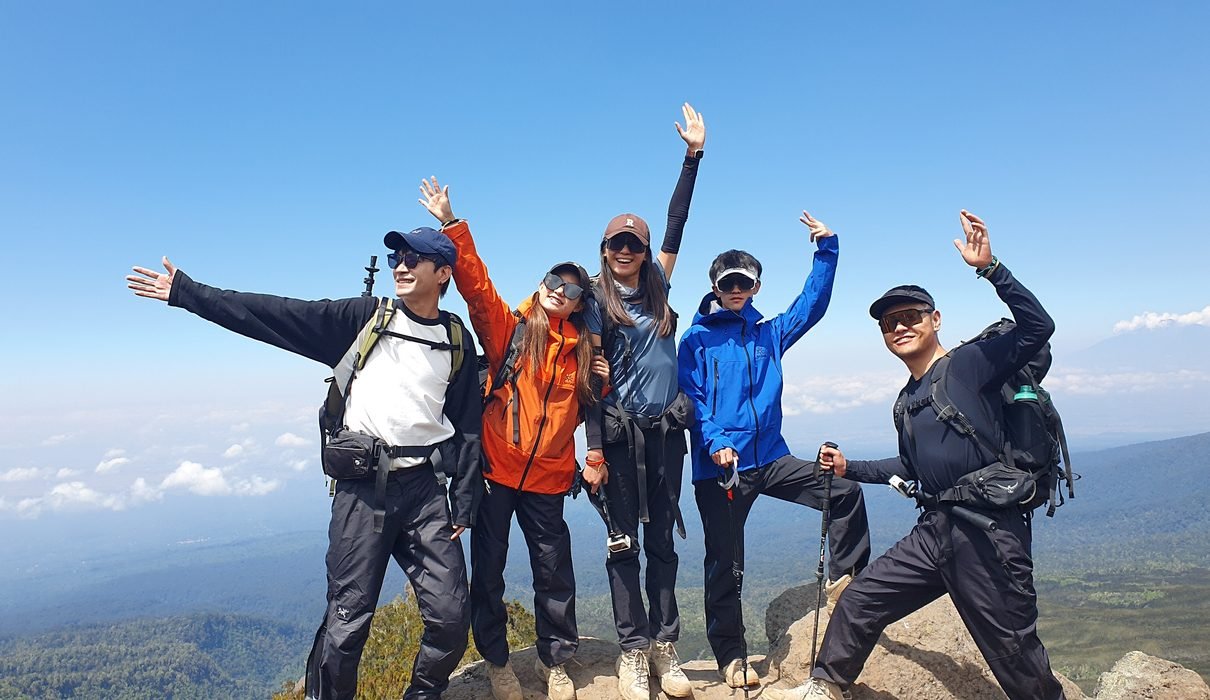
Climbing Mount Kilimanjaro in 2027 or 2028 is an excellent opportunity to experience one of Africa’s most remarkable natural attractions. Standing at 5,895 metres above sea level, Kilimanjaro is the highest mountain in Africa and the highest free-standing mountain in the world. Located in northern Tanzania, the mountain attracts thousands of climbers every year, from experienced mountaineers to first-time trekkers looking to achieve a personal goal. Unlike many of the world’s highest mountains, Kilimanjaro does not normally require technical climbing skills, but proper preparation, physical fitness and enough time for altitude acclimatisation are essential.
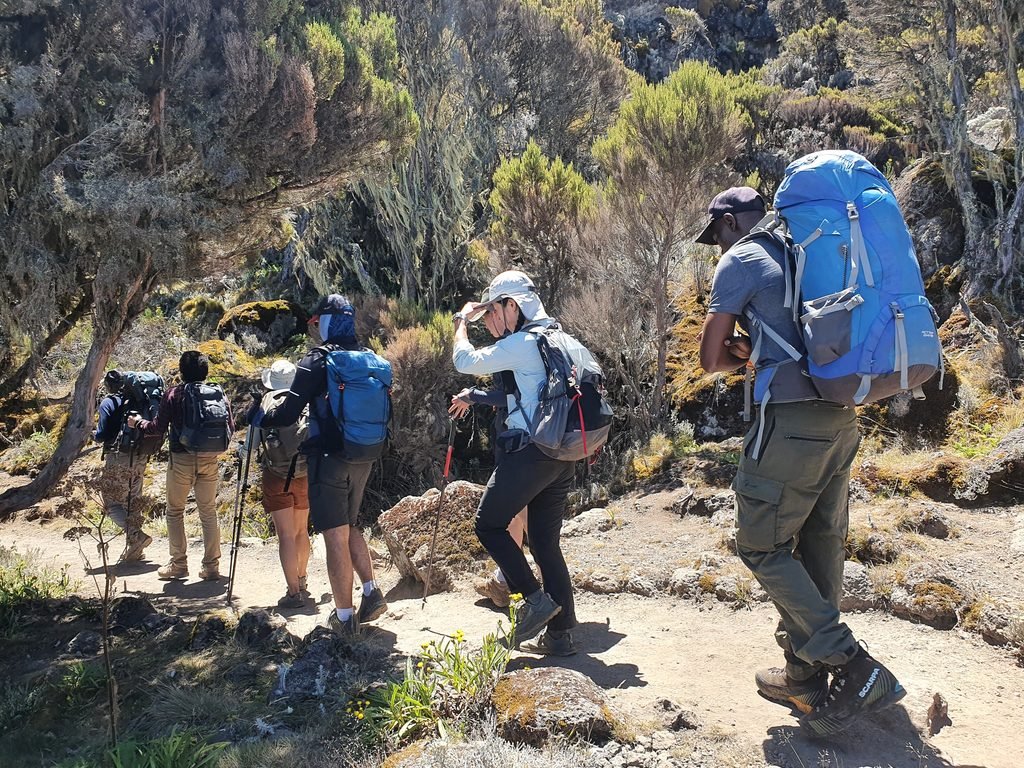
Whether you are planning a private expedition, joining a group departure or climbing with friends and family, Eddy Tours & Safaris can help you organise your Mount Kilimanjaro adventure. Understanding the different climbing routes, weather conditions, trekking costs and mountain requirements will help you make better decisions before travelling to Tanzania.
Why Climb Mount Kilimanjaro in 2027 or 2028?
Mount Kilimanjaro offers a mountain experience that is difficult to find anywhere else in the world. Within a single expedition, climbers walk through tropical rainforest, open moorlands, rocky alpine deserts and freezing summit conditions. The mountain is also home to three volcanic cones: Kibo, Mawenzi and Shira. Uhuru Peak, located on Kibo, is the highest point in Africa and the main destination for most climbers.
Planning your climb for 2027 or 2028 gives you enough time to prepare physically, organise your travel budget, choose a suitable route and secure your preferred climbing dates. Travellers can also combine their expedition with a Tanzania wildlife safari or a relaxing beach holiday in Zanzibar. For more information about mountain expeditions and preparation, visit Kilimanjaro Climb Specialist.
Best Routes for Climbing Mount Kilimanjaro in 2027/2028
Choosing the right route is one of the most important decisions when planning a Kilimanjaro expedition. Each route differs in distance, climbing duration, accommodation, scenery and opportunities for acclimatisation. Although shorter routes may appear more affordable, spending additional days on the mountain generally gives your body more time to adjust to the altitude.
Machame Route – 6 to 7 Days
The Machame Route, commonly known as the Whiskey Route, is popular among climbers who enjoy challenging trails and changing mountain scenery. The journey begins in the rainforest before continuing towards the Shira Plateau, Lava Tower, Barranco Wall and Barafu Camp. The seven-day itinerary is generally preferable to the six-day option because it provides additional time for acclimatisation and recovery before the summit attempt.
Explore the 6 Days Kilimanjaro Machame Route or consider the 7 Days Kilimanjaro Machame Trek for a longer climbing schedule.
Lemosho Route – 7 to 9 Days
The Lemosho Route approaches Kilimanjaro from the western side and is an excellent choice for travellers interested in beautiful scenery and a gradual ascent. The route passes through forested areas before crossing the Shira Plateau and joining the southern trails towards Barranco and Barafu. Its longer itineraries are particularly suitable for first-time high-altitude climbers who want sufficient time to adapt to changing mountain conditions.
Available climbing options include the 7 Days Lemosho Route, 8 Days Lemosho Route and 9 Days Lemosho Route.
Marangu Route – 5 to 6 Days
Known as the Coca-Cola Route, Marangu is the only main Kilimanjaro summit route offering permanent mountain huts instead of tented accommodation. Climbers spend their nights at Mandara, Horombo and Kibo huts before attempting the summit. Although the walking trails are relatively straightforward in several sections, the shorter climbing schedule can make altitude acclimatisation difficult. Travellers considering Marangu should preferably choose the six-day itinerary rather than rushing through the mountain in five days.
Read more about the 5 Days Kilimanjaro Marangu Route before comparing the available climbing durations.
Rongai Route – 6 to 8 Days
The Rongai Route approaches Kilimanjaro from the north, near the Kenyan border. It generally receives fewer climbers than some of the southern routes and passes through relatively quiet mountain landscapes. Rongai is suitable for travellers looking for a less crowded trekking experience, with beautiful views of Mawenzi Peak and different perspectives of Kilimanjaro’s northern slopes.
Discover more in our Kilimanjaro Rongai Route Guide.
Northern Circuit Route – 8 to 9 Days
The Northern Circuit is among the longest established Kilimanjaro trekking itineraries. It follows the western approach before travelling around the northern slopes of the mountain. Its extended climbing duration provides valuable acclimatisation opportunities, while the quieter trails allow climbers to experience parts of Kilimanjaro that are visited less frequently. It is a suitable option for travellers with sufficient time and a preference for longer mountain expeditions.
Umbwe Route – 6 to 7 Days
Umbwe is a steep and physically demanding approach to Mount Kilimanjaro. Its rapid initial ascent makes it less suitable for inexperienced high-altitude trekkers. Experienced hikers considering this route should discuss acclimatisation arrangements with their mountain guides before booking. More information about route selection and mountain preparation is available through Kilimanjaro Climb Specialist.
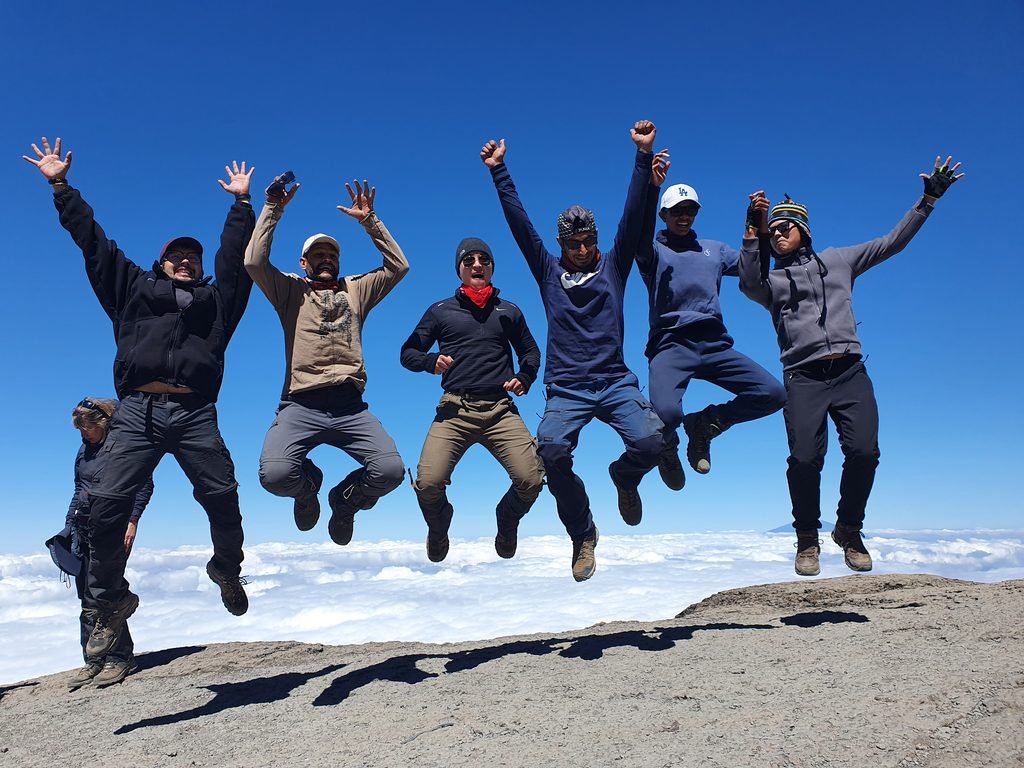
Kilimanjaro Climbing Routes Comparison for 2027/2028
| Climbing route | Common duration | Accommodation | Physical difficulty |
|---|---|---|---|
| Machame | 6–7 days | Camping | High |
| Lemosho | 7–9 days | Camping | Moderate to high |
| Marangu | 5–6 days | Mountain huts | Moderate to high |
| Rongai | 6–8 days | Camping | Moderate to high |
| Northern Circuit | 8–9 days | Camping | Moderate to high |
| Umbwe | 6–7 days | Camping | Very high |
| Shira | 7–8 days | Camping | High |
All Kilimanjaro routes involve strenuous high-altitude trekking. The difficulty ratings are general comparisons and should not be interpreted as a guarantee that any route will be easy or suitable for every climber.
Best Time to Climb Mount Kilimanjaro in 2027 and 2028
Mount Kilimanjaro can be climbed throughout the year, although certain months generally offer more favourable trekking conditions. Weather conditions change considerably with elevation, and climbers should be prepared for rain, strong winds and freezing temperatures regardless of their chosen climbing season.
January to March
January, February and early March generally offer favourable trekking conditions, with relatively warm temperatures on the lower slopes and opportunities for clear mountain views. These months are popular among travellers looking to begin the year with a mountain expedition. Rainfall becomes more likely as the long rainy season approaches.
June to October
June through October is traditionally one of the busiest Kilimanjaro climbing seasons. These months generally experience drier weather, making the mountain trails more manageable. July, August and September are particularly popular among international climbers, although campsites and established routes may become crowded. Travellers planning to climb during this period should consider booking their preferred dates early.
April, May and November
April and May normally fall within Tanzania’s long rainy season, while November often experiences shorter seasonal rains. Trekking during these months can involve muddy trails, reduced visibility and wetter camping conditions. However, experienced climbers who prepare adequately may appreciate the quieter mountain environment.
December and New Year Climbs
December attracts travellers interested in Christmas and New Year expeditions. Reaching Uhuru Peak during the festive season can be a meaningful personal achievement, but weather conditions remain unpredictable. Travellers planning a December 2027 or December 2028 expedition can contact Eddy Tours & Safaris to discuss suitable itineraries and departure dates.
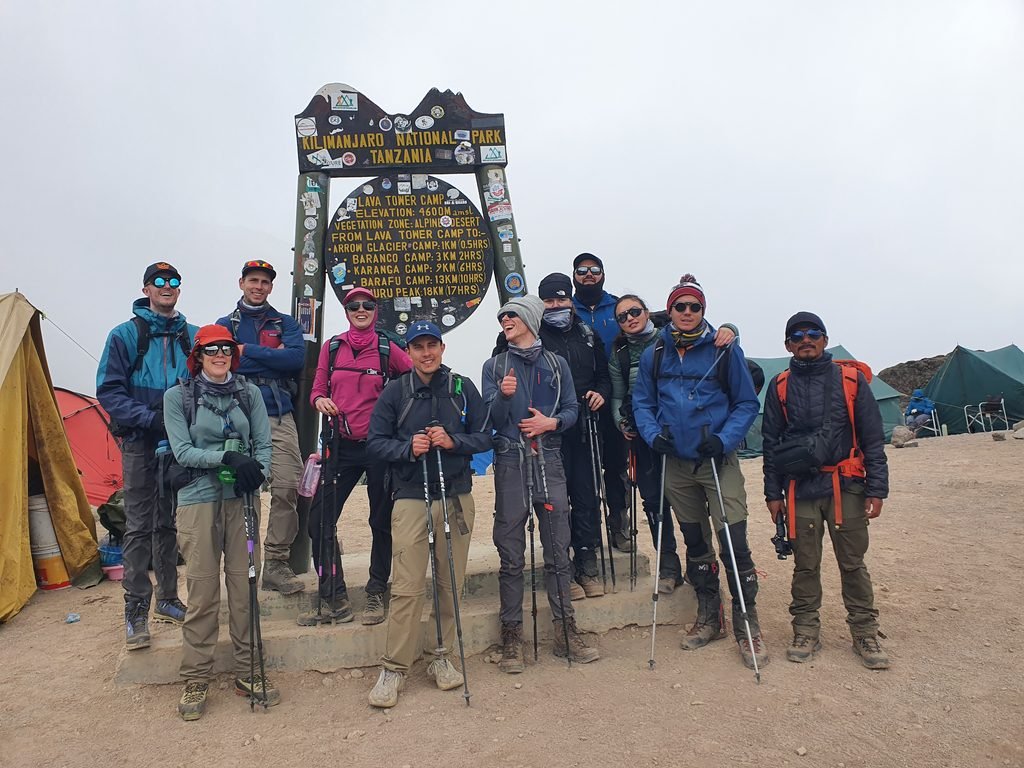
How Much Does It Cost to Climb Kilimanjaro in 2027/2028?
The cost of climbing Mount Kilimanjaro depends on the selected route, number of trekking days, group size, accommodation arrangements and services included in the package. Longer expeditions generally cost more because they involve additional park fees, crew wages, meals and camping arrangements. Joining an organised group departure can reduce the overall cost compared with arranging a private expedition.
| Kilimanjaro climbing option | Estimated cost per person |
|---|---|
| 5 Days Marangu Route | $1,250–$1,850 |
| 6 Days Marangu Route | $1,390–$2,100 |
| 6 Days Machame Route | $1,485–$2,200 |
| 7 Days Machame Route | $1,650–$2,500 |
| 8 Days Lemosho Route | $1,595–$2,800 |
| 7 Days Rongai Route | $1,800–$2,600 |
| 9 Days Northern Circuit | $2,200–$3,500 |
| Private and premium expeditions | $3,000–$5,000+ |
These prices are indicative planning estimates in US dollars rather than confirmed 2027/2028 quotations. Actual prices may change depending on park fees, travel dates, group size and package arrangements. Contact Eddy Tours & Safaris for an updated quotation before making your reservation.
How Difficult Is Climbing Mount Kilimanjaro?
Kilimanjaro is a physically demanding mountain despite not normally requiring ropes, technical mountaineering equipment or previous climbing experience. The biggest challenges are reduced oxygen levels at high altitude, long walking days, cold temperatures and the demanding summit attempt. Climbers who are physically fit can still experience altitude sickness, which is why choosing a suitable itinerary and maintaining a slow walking pace are important.
Summit night is often the most difficult part of the expedition. Climbers face steep trails, loose volcanic stones, freezing temperatures and several hours of continuous walking before reaching the highest point. Mental preparation, adequate rest and following the instructions of experienced mountain guides are essential throughout the journey.
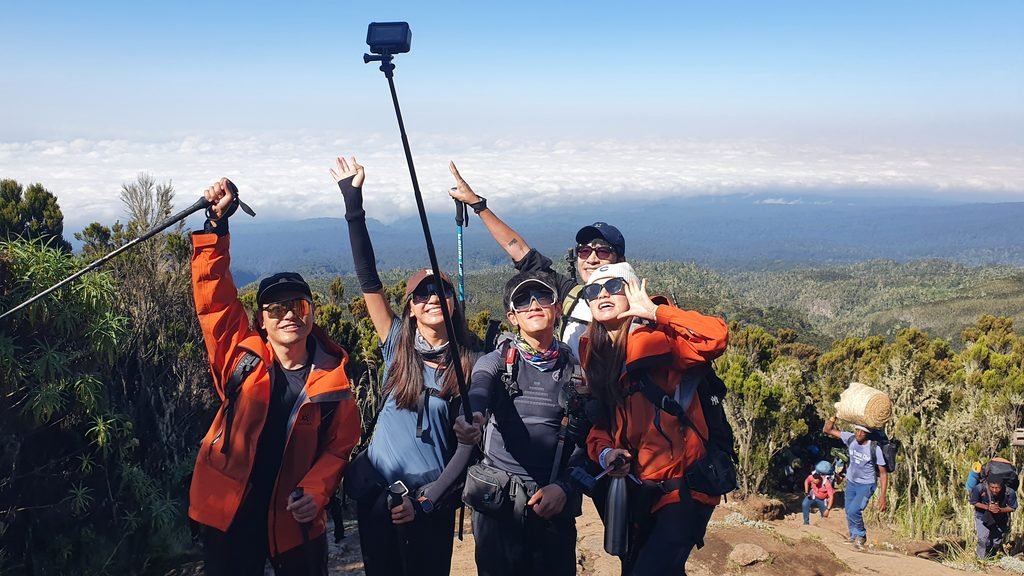
How to Prepare for Your Kilimanjaro Climb
Preparing for Kilimanjaro should ideally begin three to six months before your departure. Your training programme should focus on cardiovascular endurance, leg strength, balance and the ability to walk comfortably for several consecutive hours. Walking uphill, hiking on uneven terrain, cycling, swimming and climbing stairs can help develop the endurance required for the mountain.
Training with a small backpack and the hiking boots you intend to use during the expedition can help prevent discomfort and blisters. Travellers should also consult a healthcare professional before undertaking a high-altitude expedition, particularly if they have existing medical conditions. Additional preparation information can be obtained from Kilimanjaro Climb Specialist.
Understanding Kilimanjaro’s Five Ecological Zones
One of the most interesting aspects of climbing Kilimanjaro is experiencing the dramatic changes in vegetation, temperature and landscape as you gain altitude. The mountain contains five major ecological zones, each offering different natural conditions.
| Ecological zone | Approximate altitude | Main characteristics |
|---|---|---|
| Cultivation zone | 800–1,800 m | Villages, farmland and coffee plantations |
| Rainforest zone | 1,800–2,800 m | Dense forest, monkeys and birdlife |
| Heath and moorland | 2,800–4,000 m | Giant groundsels, heather and open landscapes |
| Alpine desert | 4,000–5,000 m | Rocky terrain and limited vegetation |
| Arctic summit zone | 5,000–5,895 m | Freezing temperatures, volcanic rocks and ice |
The boundaries between these zones are approximate and vary according to the mountain slope and local environmental conditions. Climbers should carry suitable clothing for both warm daytime conditions and extremely cold nights.
What to Pack for Climbing Kilimanjaro
Packing the correct equipment can significantly improve your comfort during the expedition. Climbers should prepare for tropical temperatures at lower elevations, rainfall in forested areas and freezing conditions near the summit. Quality hiking equipment is particularly important because the mountain environment becomes increasingly demanding as you gain altitude.
Essential Kilimanjaro climbing equipment includes:
- Waterproof hiking boots and comfortable trekking socks.
- Thermal base layers and warm fleece clothing.
- Insulated summit jacket.
- Waterproof trousers and rain jacket.
- Warm gloves, hat and neck covering.
- Trekking poles and a comfortable daypack.
- Cold-weather sleeping bag.
- Headlamp with spare batteries.
- Water bottles or hydration system.
- Sunglasses, sunscreen and lip protection.
- Personal medication and basic toiletries.
- Energy snacks and personal hygiene supplies.
Before beginning your climb, discuss your equipment requirements with the mountain team to identify any items that need to be purchased or rented locally.
Altitude Sickness and Safety on Mount Kilimanjaro
Altitude sickness is one of the main reasons climbers fail to reach Uhuru Peak. As altitude increases, the reduced availability of oxygen places additional demands on the body. Common symptoms include headaches, nausea, dizziness, fatigue and loss of appetite. These symptoms should always be reported to your mountain guide rather than ignored in an attempt to reach the summit.
Choosing a longer climbing itinerary, maintaining a steady pace, drinking enough water and getting sufficient rest can support acclimatisation. Climbers experiencing altitude sickness should not continue ascending until symptoms resolve. Severe symptoms such as confusion, difficulty walking or breathlessness at rest require urgent descent and medical attention. Reaching the summit should never take priority over personal safety.
Kilimanjaro Group Climbs in 2027/2028
Joining a group expedition is an excellent option for solo travellers, friends and couples who want to share their mountain experience with other climbers. Group climbs allow participants to share certain operational costs while enjoying the company of travellers working towards the same goal. Most organised group expeditions have predetermined departure dates and selected routes, making it easier for international travellers to arrange flights and holiday schedules.
Eddy Tours & Safaris offers opportunities to join organised mountain expeditions depending on preferred dates and availability. Visit our Kilimanjaro Group Climbing 2027–2028 page to explore route options and enquire about upcoming departures.
Private Kilimanjaro Climbing Expeditions
Private expeditions are suitable for travellers who prefer greater flexibility, personalised arrangements and the opportunity to climb with their own friends or family members. A private climb allows you to choose your preferred departure date, discuss accommodation arrangements and select a suitable route according to your fitness level and available time. Although private climbs may cost more, they can be particularly suitable for travellers celebrating birthdays, anniversaries or other personal achievements.

What Is Normally Included in a Kilimanjaro Climbing Package?
Package arrangements vary depending on the selected expedition. Travellers should always request a detailed breakdown of included and excluded services to avoid unexpected expenses after arriving in Tanzania.
Package Inclusions
- Kilimanjaro National Park entry fees.
- Camping or mountain hut fees.
- Applicable government taxes.
- Professional mountain guides.
- Mountain cooks and porters.
- Meals during the mountain expedition.
- Purified drinking water.
- Camping equipment where applicable.
- Mountain rescue fees.
- Transfers between agreed locations and the mountain gates.
- Emergency oxygen and basic safety equipment, subject to package arrangements.
- Official summit certificate for qualifying climbers.
Package Exclusions
- International and domestic flights.
- Tanzania entry visa.
- Personal travel and high-altitude trekking insurance.
- Personal climbing equipment.
- Tips for mountain guides, cooks and porters.
- Personal expenses and additional beverages.
- Optional excursions and wildlife safaris.
- Hotel accommodation before and after the climb unless specified.
- Airport transfers unless included in the quotation.
- Additional expenses resulting from itinerary changes.
Combining Kilimanjaro Climbing with a Tanzania Safari
After spending several days trekking on Mount Kilimanjaro, many travellers choose to explore Tanzania’s wildlife destinations. Northern Tanzania offers access to Serengeti National Park, Ngorongoro Crater, Tarangire National Park and Lake Manyara National Park. Depending on your available time, you can arrange a short two-day safari or spend a week exploring several national parks.
A combined Kilimanjaro and wildlife safari holiday allows visitors to experience different aspects of Tanzania within the same journey. Visit Eddy Tours & Safaris to explore wildlife safari itineraries that can be arranged before or after your mountain expedition.
Kilimanjaro Climbing and Zanzibar Beach Holidays
Zanzibar is an ideal destination for travellers looking to relax after completing their mountain expedition. The island offers white sandy beaches, warm Indian Ocean waters, historical attractions and opportunities for snorkelling, diving and cultural excursions. Popular activities include exploring Stone Town, visiting spice farms and spending time along the beaches of Nungwi, Kendwa or Paje.
Travellers can arrange a three-day, five-day or longer Zanzibar holiday depending on their international flight schedule and available budget. Combining Kilimanjaro, a Tanzania wildlife safari and Zanzibar creates a well-rounded holiday that includes mountain trekking, wildlife viewing and beach relaxation.
Frequently Asked Questions About Climbing Kilimanjaro in 2027/2028
Can a beginner climb Mount Kilimanjaro?
Yes. Beginners can climb Kilimanjaro without previous technical mountaineering experience, provided they prepare physically, choose a suitable itinerary and follow the instructions of their mountain guides. Longer routes such as the eight-day Lemosho and nine-day Northern Circuit are worth considering because they provide additional acclimatisation time.
How many days are needed to climb Kilimanjaro?
Most Kilimanjaro expeditions require five to nine trekking days, depending on the selected route. Seven to nine days are generally preferable for travellers who want more time to acclimatise. Additional days should be allocated for arrival, equipment preparation and recovery after the expedition.
Can I climb Kilimanjaro without a guide?
No. Kilimanjaro National Park requires climbers to undertake their expeditions with authorised mountain guides. Organising your expedition through a registered tour operator ensures that permits, mountain crew, accommodation and other necessary arrangements are properly coordinated.
Which Kilimanjaro route is best for acclimatisation?
The eight-day Lemosho and nine-day Northern Circuit itineraries offer excellent acclimatisation opportunities because of their extended climbing schedules. However, successful acclimatisation depends on individual health, altitude response, walking pace and the actual itinerary followed.
Do I need travel insurance to climb Kilimanjaro?
Travellers should obtain comprehensive travel insurance that specifically covers high-altitude trekking up to 5,895 metres, emergency medical treatment and evacuation. Standard holiday insurance may exclude mountain trekking above certain elevations, so it is important to confirm coverage before travelling.
Can I climb Kilimanjaro as a solo traveller?
Yes. Solo travellers can arrange private guided expeditions or join organised group departures. Group climbing is often more affordable and provides an opportunity to meet other travellers. Explore our Kilimanjaro group climbing options for further information.
Is reaching Uhuru Peak guaranteed?
No tour operator can guarantee that every climber will reach Uhuru Peak. Weather conditions, altitude sickness, physical fitness and individual health can affect the outcome of an expedition. Choosing an appropriate route, preparing adequately and following professional guidance can improve your chances of safely completing the climb.
How early should I book Kilimanjaro for 2027 or 2028?
Booking six to twelve months before your intended departure is advisable, particularly if you plan to travel during July, August, September or the Christmas and New Year period. Early planning gives you more time to arrange flights, purchase equipment, prepare physically and select suitable climbing dates.
Book Your Mount Kilimanjaro Climb for 2027/2028
Climbing the Roof of Africa requires careful preparation, realistic expectations and a reliable mountain team. Whether you choose the Machame, Lemosho, Marangu, Rongai or Northern Circuit Route, selecting an itinerary that suits your fitness level and allows enough time for acclimatisation is essential.
Eddy Tours & Safaris can assist you with planning private Kilimanjaro expeditions, group departures, accommodation, mountain logistics and combined Tanzania wildlife safari and Zanzibar holiday packages. For additional mountain information and climbing arrangements, you can also visit Kilimanjaro Climb Specialist.
Contact Eddy Tours & Safaris
- Email: sales@eddytours-safaris.com
- Website: Eddy Tours and Safaris
- Location: Arusha, Tanzania
- Climbing seasons: 2027 and 2028
Reserve your preferred Kilimanjaro climbing dates and begin preparing for your journey to the highest point in Africa.