
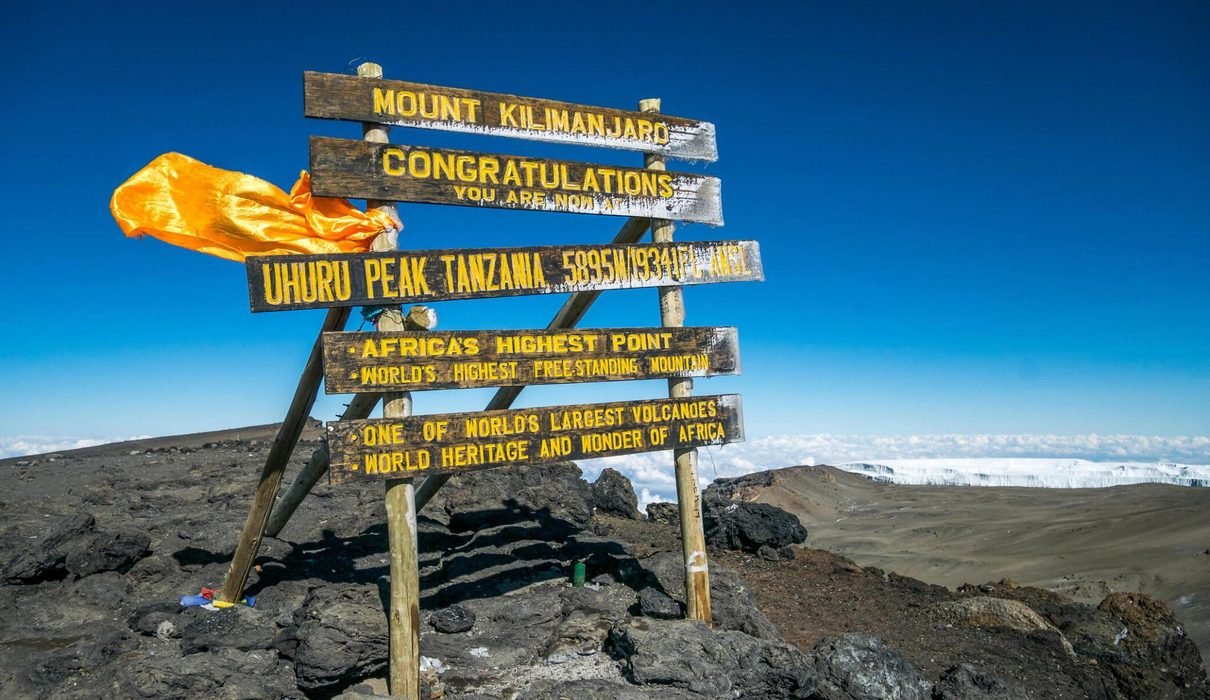
Climb through rainforest, explore the mountain’s open slopes and attempt Uhuru Peak on a 6-day Marangu Route Kilimanjaro trek in 2027 or 2028. This guided package follows the Marangu trail, with overnight accommodation in mountain huts and an additional acclimatization day at Horombo.
The extra day is the main difference between the five-day and six-day Marangu itineraries. It gives you more time before continuing to Kibo Hut and the summit stage, while keeping the same hut-based route.
Marangu is a demanding high-altitude trek. Hut accommodation provides shelter, but the walking, cold conditions and altitude still require preparation. Reaching the summit is an objective rather than a guarantee.
Contact Eddy Tours & Safaris to discuss your experience, confirm availability and request a personalised quotation for your preferred dates.
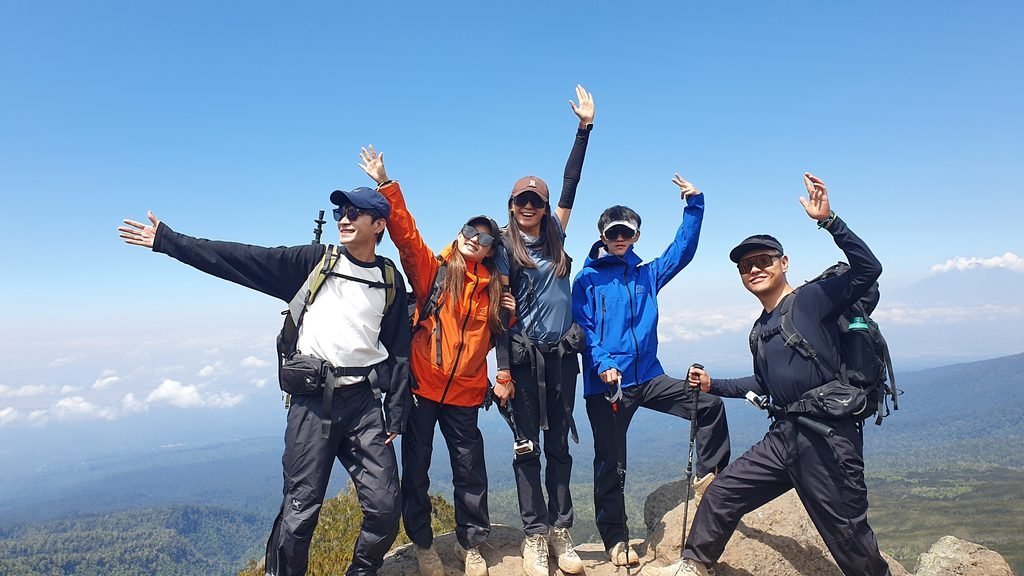
6-Day Marangu Route Kilimanjaro Trek Package Overview
| Detail | Trek information |
|---|---|
| Destination | Mount Kilimanjaro, Tanzania |
| Route | Marangu |
| Mountain duration | 6 trekking days |
| Accommodation | 5 nights in shared mountain huts |
| Start and finish | Marangu Gate |
| Main overnight stops | Mandara, Horombo and Kibo |
| Additional acclimatization day | Horombo, on Day 3 |
| Summit objective | Uhuru Peak, 5,895 metres |
| Travel arrangements | Guided climb; confirm private or joining availability |
| Arrival and departure days | Additional to the six mountain days |
| Price | Quotation based on dates, group size and services |
Your booking documents should identify the guide arrangements, hotel nights, transfers and equipment included.
Why Choose Six-Day Marangu?
Additional time at Horombo
The six-day itinerary includes a second night at Horombo before continuing higher. A guided acclimatization walk is normally planned during this stage, with a return to the same hut.
The extra day provides more time on the mountain than the five-day version. It does not remove altitude illness risk.
Hut accommodation throughout the trek
Marangu uses Mandara, Horombo and Kibo huts. TANAPA distinguishes this accommodation from the designated camping arrangements used on other routes.
The huts are shared mountain accommodation. A private climb does not automatically provide a private sleeping room.
A clear ascent and descent route
The trek starts and finishes at Marangu Gate. You revisit Horombo and Mandara during the descent, following the same main trail.
A guided mountain programme
Your team handles the agreed guiding, cooking and porter arrangements. You can focus on walking and preparation while following the guide’s instructions.
Confirm the specific services rather than relying on a general description such as “fully supported.”
Six-Day Marangu Itinerary at a Glance
| Day | Programme | Overnight |
|---|---|---|
| 1 | Marangu Gate to Mandara | Mandara Hut |
| 2 | Mandara to Horombo | Horombo Hut |
| 3 | Acclimatization walk and return | Horombo Hut |
| 4 | Horombo to Kibo | Kibo Hut |
| 5 | Summit attempt and descent | Horombo Hut |
| 6 | Descent to Marangu Gate | Hotel, if included |
This is the commonly offered six-day sequence, with the additional Horombo day before moving to Kibo.
The guide may adjust activities when your condition, weather or operational circumstances require it.
Before the Trek: Arrival and Equipment Check
Arrive before the first trekking day and transfer to your booked hotel. Airport transfers and hotel accommodation should be specified in your quotation.
Attend a briefing to review the route, daily routine and equipment. Ask about luggage storage, porter-carried bags and the items you should keep in your daypack.
Confirm any rentals before leaving for the mountain. Check your sleeping bag, headlamp, warm clothing and waterproof layers carefully.
A separate preparation day gives you room to resolve delayed luggage or equipment problems. Keep essential medication and important trekking items in your hand luggage where airline rules allow.
Detailed Daily Itinerary
Day 1: Marangu Gate to Mandara Hut
After breakfast, transfer to Marangu Gate for park registration and final preparations.
Begin walking through the forest with your guide. Use the first day to establish a comfortable pace rather than trying to reach the hut quickly.
Keep drinking water, rain protection and a warm layer accessible. Protect spare clothing and sleeping equipment from moisture.
At Mandara, organise your belongings, have dinner and discuss the following day’s programme. Prepare your daypack before resting.
Overnight: Mandara Hut.
Day 2: Mandara Hut to Horombo Hut
Continue towards Horombo as the trail moves into more open mountain terrain.
Follow a steady pace and use breaks to eat, drink according to your needs and check how you are feeling. Tell your guide about symptoms rather than assuming they are simply part of the effort.
On arrival, change into dry layers and settle into the hut. Keep your warm clothing ready for the evening.
You stay at Horombo again the following night, creating time for the additional acclimatization stage.
Overnight: Horombo Hut.
Day 3: Horombo Acclimatization Day
After breakfast, follow a guided acclimatization programme before returning to Horombo.
A commonly used option heads towards Mawenzi Ridge. The exact walk should be selected according to your condition and the guide’s assessment.
This day is not a race or a summit excursion on Mawenzi. Its purpose is to provide additional time before continuing higher.
After returning, rest and prepare for the next stage. Use the opportunity to raise any concerns about appetite, sleep, discomfort or how you are responding to altitude.
Overnight: Horombo Hut.
Day 4: Horombo Hut to Kibo Hut
Leave Horombo and continue towards Kibo, the overnight stop before the summit attempt.
Keep the pace controlled and communicate with your guide throughout the day. Arriving according to an expected timetable is less important than making an appropriate decision about continuing.
At Kibo, organise your summit clothing, headlamp, gloves, water and snacks. Your guide will explain the planned departure time and turnaround procedures.
Have your meal and rest as much as possible.
Overnight: Kibo Hut.
Day 5: Summit Attempt and Return to Horombo
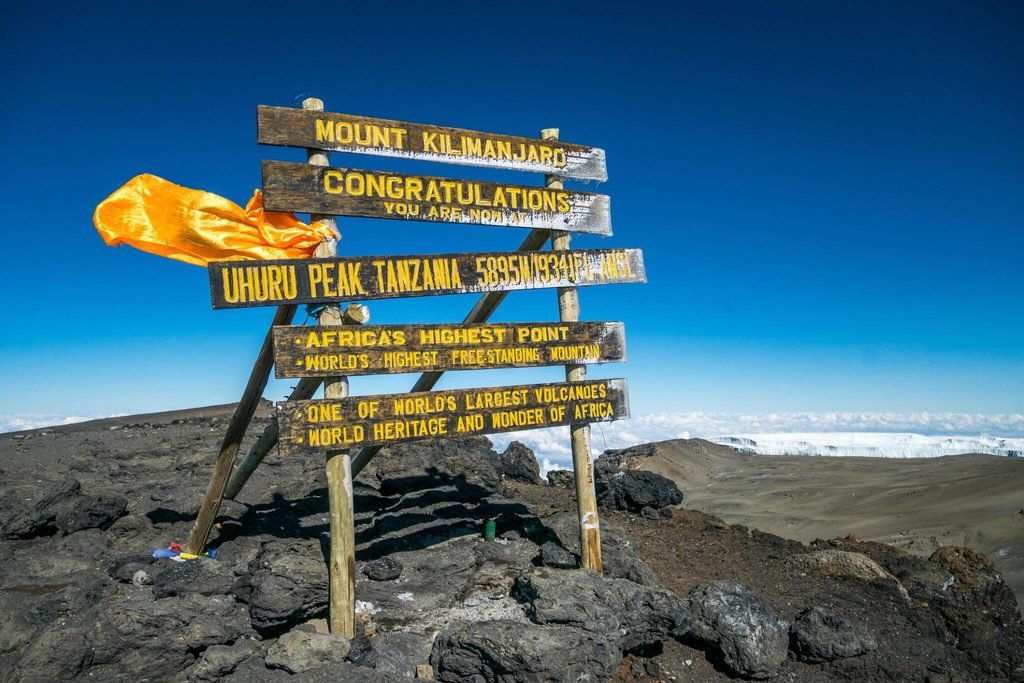
The summit stage normally begins during the night. The Marangu approach reaches the crater rim at Gilman’s Point before continuing towards Uhuru Peak if circumstances allow.
Expect a demanding day that combines ascent with a substantial descent. Follow your guide’s pace and assessment, particularly if you feel unwell.
If continuing is inappropriate, begin descending under the team’s direction. A necessary turnaround should take priority over reaching the summit.
After the summit attempt, return towards the lower overnight stop at Horombo.
Overnight: Horombo Hut.
Day 6: Horombo Hut to Marangu Gate
After breakfast, complete the descent, passing Mandara on the return journey.
Walk carefully, particularly when tired or on wet sections. Keep useful equipment accessible until you reach the gate.
Complete the park exit formalities and meet your transfer vehicle. Return to your booked accommodation for a shower, meal and rest.
An overnight hotel stay after the climb creates a comfortable finish. Avoid an onward connection that depends on completing the descent at an exact time.
End of the six-day mountain itinerary.
Five Days or Six Days: What Changes?
| Consideration | Five-day Marangu | Six-day Marangu |
|---|---|---|
| Mountain duration | 5 days | 6 days |
| Separate Horombo acclimatization day | No | Yes |
| Time before continuing to Kibo | Shorter | Longer |
| Main route | Marangu | Marangu |
| Summit guarantee | None | None |
For travellers committed to a hut-based climb, the six-day schedule is worth comparing before choosing the shorter option.
However, the additional day does not make Marangu suitable for every person. Discuss longer routes if your experience, health or altitude history suggests they deserve consideration.
The CDC recommends gradual acclimatization and explains that physical fitness does not protect against altitude illness.
What Are the Mountain Huts Like?
Expect shared sleeping arrangements and basic mountain facilities rather than hotel accommodation.
Ask about sleeping bags, mattresses, bathroom access and charging arrangements. Do not assume private bathrooms, hot showers or reliable power throughout the trek.
Respect other hikers by keeping noise low and organising equipment before bedtime. Earplugs may be useful if you are sensitive to shared sleeping spaces.
Hut accommodation does not remove the need for warm clothing and a suitable sleeping bag.
Package Inclusions to Confirm
Your written quotation should list:
- Six-day guided Marangu itinerary.
- Guide and assistant-guide arrangements.
- Porter and cooking services.
- Applicable park, hut and rescue fees.
- Five nights of mountain hut accommodation.
- Mountain meals throughout the stated programme.
- Drinking-water arrangements.
- Transfers to and from Marangu Gate.
- Pre-climb briefing and equipment check.
Hotel nights and airport transfers should be named separately where included.
Ask about emergency oxygen, first-aid equipment, guide training and early-descent arrangements. Park rescue fees should not be interpreted as comprehensive insurance or guaranteed helicopter evacuation.
Package Exclusions
Unless included in writing, budget separately for:
- International flights.
- Visa and entry-related expenses.
- Travel insurance covering trekking to 5,895 metres.
- Personal clothing and equipment.
- Sleeping bag and other rentals.
- Crew tips.
- Additional hotel nights and meals.
- Personal purchases.
- Optional safari or beach extensions.
- Emergency expenses outside the stated coverage.
Price and Booking for 2027–2028
The total depends on your travel dates, group size and included services.
Request a quotation covering the mountain programme and any hotel or transfer arrangements. Confirm room sharing and supplements for single occupancy.
Read the deposit, cancellation and amendment conditions before paying. Ask how extra transport or accommodation is charged if the itinerary changes or you descend early.
Any promotion should explicitly apply to your dates and chosen package.
Training and Packing
Prepare with regular walks and longer hikes on consecutive days. Include uphill walking and descents while carrying your daypack.
Test your boots early and resolve discomfort before travelling. Pack waterproof outerwear, insulating layers, thermal clothing, warm gloves and a hat.
You also need a headlamp with spare batteries, sunglasses, sunscreen and a suitable sleeping bag. Request the full packing list and rental options before departure.
Speak with a qualified healthcare professional about high-altitude travel and medication questions. Report symptoms promptly during the trek. Do not ascend further with altitude illness symptoms; worsening symptoms require descent and appropriate care.
For additional mountain planning information, visit Kilimanjaro Climb Specialist.
Extend Your Holiday with a Tanzania Safari
Allow recovery time after the trek, then consider a Tanzania safari.
The extension can be shaped around your remaining days, accommodation preference and wildlife interests. Keep the schedule manageable after the mountain.
Frequently Asked Questions
Does six days include arrival and departure?
No. The six days cover the mountain programme. Arrival, preparation and onward travel arrangements are additional.
Can beginners consider this climb?
Yes, after discussing preparation, health and suitability. The extra day is useful, but the itinerary remains a demanding high-altitude trek.
Are the huts private?
No. Shared mountain accommodation is standard, including on private climbs.
Do I need a sleeping bag?
Confirm the requirement and rental arrangements with the operator. Do not assume hut bedding replaces your sleeping bag.
Is reaching Uhuru Peak guaranteed?
No. Your altitude response, health, weather and guide assessment determine whether continuing is appropriate.
Can I request a group joining climb?
Ask about confirmed departures, minimum group conditions and availability for your dates.
Request Your Six-Day Marangu Trek
Share your preferred dates, number of climbers and trekking experience with Eddy Tours & Safaris.
The team can discuss the itinerary, explain the extra Horombo day and provide a quotation with confirmed services and booking conditions.
Enquire about your Marangu Route climb for 2027–2028.
Email: sales@eddytours-safaris.com
Alternative email: eddytoursandsafaris@gmail.com
WhatsApp: +255 711 906 664