
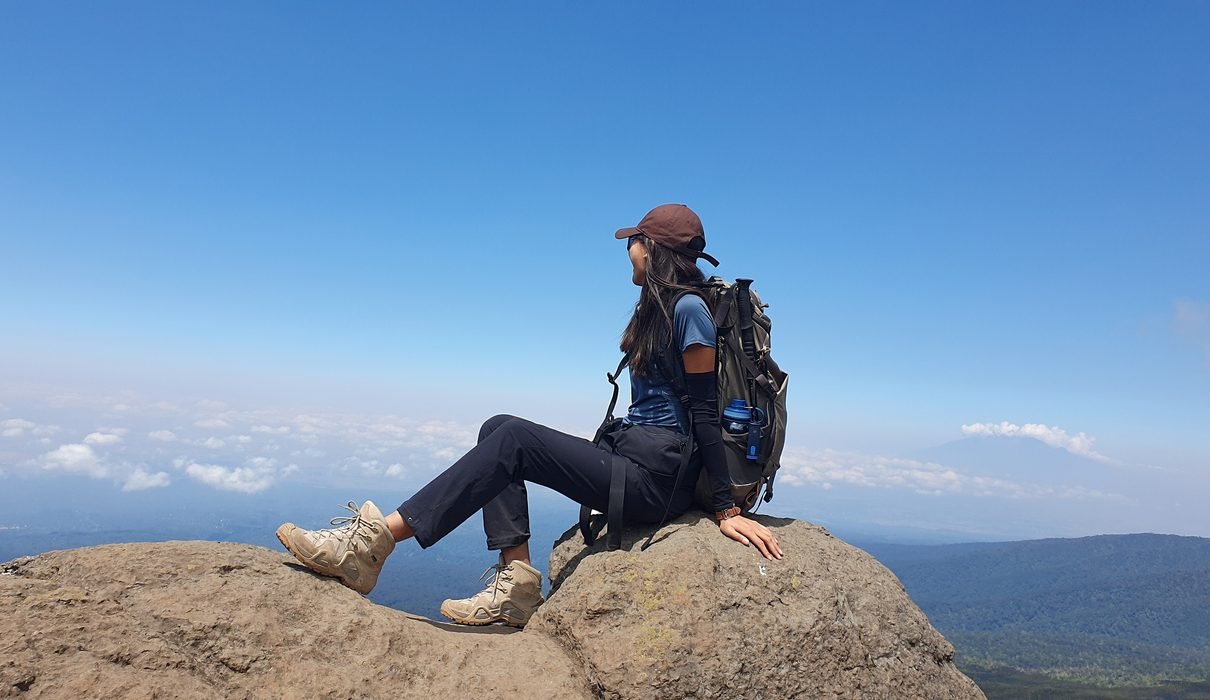
Climbing Mount Kilimanjaro is one of the most rewarding mountain adventures in Tanzania, and choosing the right route can make a considerable difference to your experience. For travellers planning to reach Africa’s highest summit in 2027 or 2028, the 7-day Machame Route offers a good balance of challenging hiking, beautiful mountain scenery and time for altitude acclimatization. At Eddy Tours & Safaris, we recommend this itinerary to climbers who want to experience the mountain properly rather than rushing to the summit. With seven days on the mountain, you have more time to adjust to changing elevations, maintain a comfortable walking pace and prepare for the final climb to Uhuru Peak at 5,895 metres above sea level.
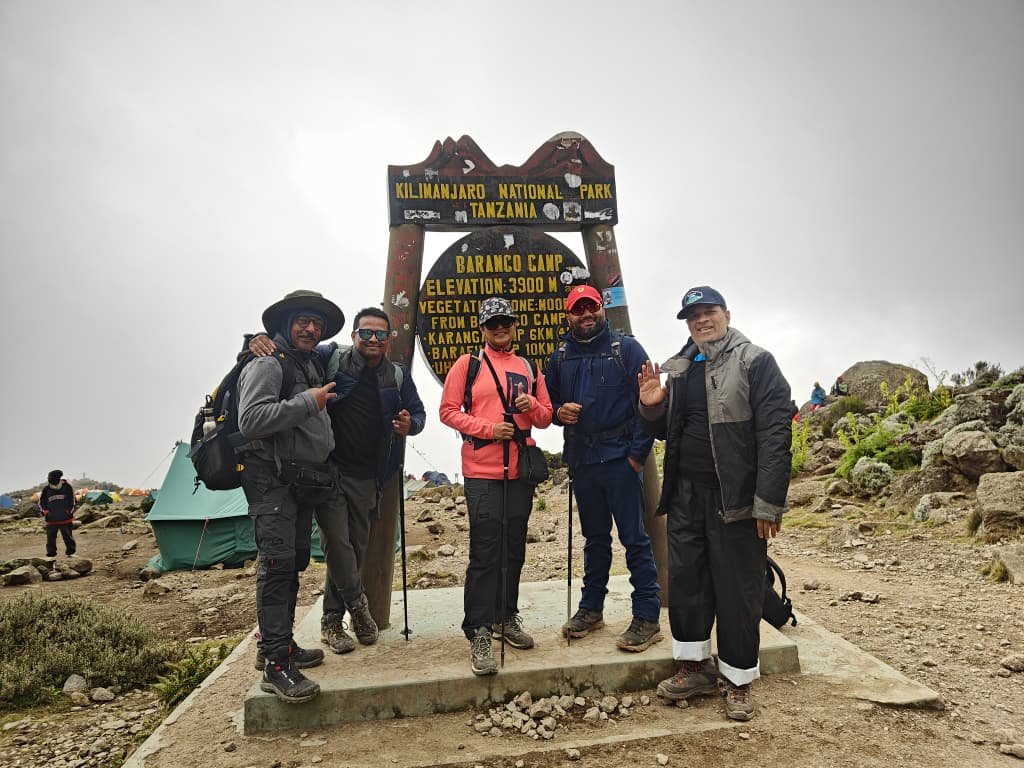
The Machame Route, commonly known as the Whiskey Route, approaches Kilimanjaro from the southwestern side and passes through several different landscapes before reaching the summit. The journey begins in tropical rainforest, continues across open moorland and the Shira Plateau, and eventually reaches the rocky alpine terrain surrounding Kibo. Although a 95% summit success rate is an attractive target, it should not be understood as a guaranteed or independently verified result for every expedition. Summit success depends on several factors, including the climber’s response to altitude, physical preparation, weather conditions and decisions made during the trek. Our approach is to give every climber a well-planned itinerary and appropriate mountain support while keeping safety ahead of reaching the summit.
Overview of the 7-Day Machame Route Kilimanjaro Climb 2027/2028
The seven-day Machame itinerary is particularly suitable for travellers who have some hiking experience or are prepared to train before arriving in Tanzania. Unlike the shorter six-day itinerary, the seven-day version includes an overnight stay at Karanga Camp before continuing to Barafu Base Camp. This additional day reduces the pressure to cover too much ground at once and provides another opportunity to assess how your body is responding to altitude. The route also follows the useful principle of climbing to a higher elevation during the day before descending to sleep at a lower campsite, particularly on the journey through Lava Tower and Barranco Valley.
Package details
- Destination: Mount Kilimanjaro, Tanzania
- Route: Machame Route (Whiskey Route)
- Duration: 7 days and 6 nights on the mountain
- Travel period: 2027 and 2028
- Maximum elevation: 5,895 metres at Uhuru Peak
- Starting point: Machame Gate
- Finishing point: Mweka Gate
- Accommodation: Mountain camping in tents
- Difficulty: Challenging, non-technical high-altitude trekking
- Suitable for: Prepared beginners and experienced hikers
- Summit success objective: Aim for a high completion rate through careful preparation and acclimatization; 95% is not guaranteed
- Departure arrangements: Private departures and group options subject to confirmation
For travellers who are still comparing their options, our Tanzania climbing and safari holidays can help you plan a trip that includes mountain trekking, wildlife viewing and time to explore the country before returning home.
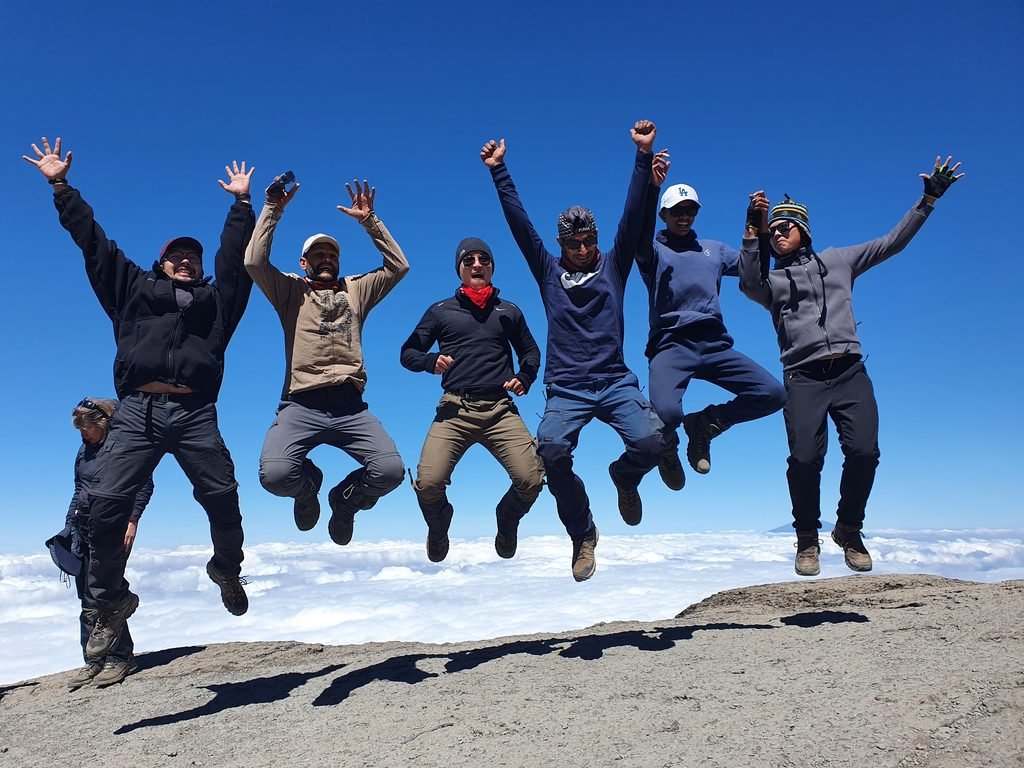
Detailed 7-Day Machame Route Kilimanjaro Climbing Itinerary
Day 1: Machame Gate (1,800 m) to Machame Camp (2,835 m)
Hiking distance: Approximately 11 km
Walking time: 5–7 hours
Habitat: Tropical rainforest
Accommodation: Machame Camp
Meals: Lunch and dinner
Your Kilimanjaro adventure begins with a morning transfer from your hotel in Arusha or Moshi to Machame Gate, where the mountain crew completes park registration and prepares the equipment for the trek. Your guide will introduce the day’s walking plan, explain the importance of maintaining a steady pace and check that you have the necessary clothing and water for the journey. Once the formalities are complete, you enter the tropical rainforest on the lower slopes of Kilimanjaro. The path climbs gradually through thick vegetation, where tall trees, moss-covered branches and the sounds of forest birds create a very different atmosphere from the exposed landscapes you will encounter later in the week.
The first day is an opportunity to settle into mountain life without putting unnecessary pressure on yourself. Although the walking is not technically difficult, the trail can become muddy and slippery after rainfall, and the gradual increase in elevation may already be noticeable to some climbers. Your guides will encourage a comfortable walking rhythm, allowing regular stops for water and short breaks. On arrival at Machame Camp, the support crew will have prepared the tents and evening meal. After dinner, your guide will discuss the following day’s route and check how everyone is feeling before the first night on the mountain.
Day 2: Machame Camp (2,835 m) to Shira Cave Camp (3,750 m)
Hiking distance: Approximately 5 km
Walking time: 4–6 hours
Habitat: Moorland and heath
Accommodation: Shira Cave Camp
Meals: Breakfast, lunch and dinner
After breakfast, the trek continues uphill as the rainforest gradually gives way to open moorland. The trees become smaller, the vegetation changes and the views begin to open across the surrounding mountain slopes. This section involves a steeper climb over rocky ground, but the shorter distance allows the group to maintain a manageable pace. As you gain elevation, you may see Mount Meru in the distance when the weather is clear, while the broad slopes of Kibo begin to dominate the landscape ahead. The changing scenery is one of the reasons the Machame Route remains a popular choice among climbers who want more than a direct walk to the summit.
By the afternoon, you reach Shira Cave Camp on the Shira Plateau, where the mountain feels noticeably more open and exposed. At approximately 3,750 metres, altitude becomes an important consideration, even for travellers who are physically fit. Your guide will monitor the group’s condition, encourage appropriate hydration and explain why headaches, nausea or unusual fatigue should always be reported. The remainder of the afternoon is spent resting, enjoying the views and preparing for the next stage. Temperatures can fall considerably after sunset, so warm clothing is essential when moving around the campsite.
Day 3: Shira Cave Camp (3,750 m) to Barranco Camp (3,900 m) via Lava Tower (4,600 m)
Hiking distance: Approximately 10 km
Walking time: 6–8 hours
Habitat: Alpine desert and semi-desert
Accommodation: Barranco Camp
Meals: Breakfast, lunch and dinner
Day three is one of the most important stages of the seven-day Machame itinerary because it introduces the climb-high, sleep-low pattern. After breakfast, the route continues eastward across increasingly dry and rocky terrain towards Lava Tower, a prominent volcanic formation standing at approximately 4,600 metres. The landscape becomes more exposed as vegetation decreases and the mountain’s volcanic features become more visible. Walking at this elevation requires patience, and the group will move slowly while the guides observe how everyone is responding to the thinner air. Reaching Lava Tower is a significant moment, but it is not the end of the day’s journey.
After spending time around Lava Tower, the trail descends into Barranco Valley, where the change in elevation brings some relief from the higher altitude. The descent passes through striking mountain scenery, including areas with giant groundsels and other plants adapted to Kilimanjaro’s unusual environment. Barranco Camp sits below the impressive Barranco Wall, which you will climb the following morning. Although the sleeping elevation is only slightly higher than Shira Camp, the day’s journey exposes you to a much greater altitude before returning lower. This is an important part of the acclimatization strategy, although it does not eliminate the risk of altitude illness. Travellers can learn more about high-altitude safety through the CDC’s guidance on altitude illness.
Day 4: Barranco Camp (3,900 m) to Karanga Camp (3,995 m)
Hiking distance: Approximately 5 km
Walking time: 4–5 hours
Habitat: Alpine desert
Accommodation: Karanga Camp
Meals: Breakfast, lunch and dinner
The fourth day begins with one of the most recognizable sections of the Machame Route: the Barranco Wall. From the campsite, the wall appears steep and intimidating, but the established trail follows a series of rocky steps and ledges that can be crossed without technical climbing equipment under normal conditions. Some sections require the use of your hands for balance, and your guide will assist you where necessary. The climb is often remembered as one of the most enjoyable parts of the trek because of the dramatic surroundings and the sense of achievement when you reach the top. From the upper section, there are excellent views across the Barranco Valley and towards the southern slopes of Kibo.
After completing the wall, the trail continues over a series of ridges and valleys before descending towards the Karanga Valley and climbing again to Karanga Camp. The distance is relatively short, which makes this an important recovery and acclimatization day before reaching the higher base camp. You will have time to rest, eat properly and discuss the upcoming summit attempt with your guide. The afternoon also provides an opportunity to check your equipment, particularly your warm layers, gloves, headlamp and footwear. For climbers aiming to improve their chances of reaching Uhuru Peak, this additional day is one of the main advantages of choosing the seven-day itinerary over the shorter Machame option.
Day 5: Karanga Camp (3,995 m) to Barafu Camp (4,673 m)
Hiking distance: Approximately 4 km
Walking time: 3–4 hours
Habitat: Alpine desert
Accommodation: Barafu Camp
Meals: Breakfast, lunch and early dinner
The fifth day takes you from Karanga Camp towards Barafu, the main base camp for the summit attempt on this itinerary. The trail follows a rocky and increasingly barren landscape where vegetation becomes scarce and the effects of altitude are more noticeable. Although the walking distance is short, progress can feel slower because of the elevation and the accumulated effort from previous days. Your guides will maintain a careful pace, allowing you to reach Barafu with enough time to rest before the demanding night ahead. On clear days, the surrounding ridges and the slopes leading towards the summit provide a strong reminder of how far you have already climbed.
At Barafu Camp, the crew will prepare an early meal while your guide explains the summit schedule and the conditions you may encounter during the night. You will be advised to organize your clothing in layers, prepare drinking water and ensure that your headlamp has sufficient battery power. Because the summit attempt normally begins around midnight, climbers are encouraged to rest during the afternoon and early evening. Sleep can be difficult at this elevation, but resting quietly and conserving energy remain useful. Your guide will also assess whether you are fit to continue, since symptoms of altitude illness must never be ignored simply because the summit is close.
Day 6: Barafu Camp (4,673 m) to Uhuru Peak (5,895 m), then Descend to Mweka Camp (3,100 m)
Hiking distance: Approximately 17 km
Walking time: 12–16 hours
Habitat: Arctic summit zone and alpine terrain
Accommodation: Mweka Camp
Meals: Breakfast, lunch and dinner
Summit day begins late at night, usually around midnight, when the group leaves Barafu Camp wearing warm clothing and headlamps. The trail climbs steadily through loose volcanic scree and rocky terrain towards Stella Point on the crater rim. Temperatures can fall well below freezing, and the combination of darkness, cold weather and reduced oxygen makes this the most physically demanding section of the expedition. The guides will encourage a slow, consistent pace, with short stops when necessary. As the climb continues, the first light of morning may begin to appear over the surrounding mountain landscape, providing a memorable experience for those approaching the crater rim.
After reaching Stella Point at approximately 5,756 metres, climbers who are well enough to continue follow the crater rim towards Uhuru Peak, the highest point on Mount Kilimanjaro and the African continent. Standing at 5,895 metres is a remarkable achievement, but time at the summit is usually limited because of the altitude and weather conditions. After photographs and a short rest, the group begins the long descent towards Barafu Camp, where there is an opportunity to recover before continuing down to Mweka Camp. The descent requires concentration because tired legs and loose ground can make walking difficult. Reaching Mweka Camp at a much lower elevation allows the group to rest after an exceptionally demanding day. The decision to continue or turn back at any point remains with the mountain guide, based on individual health, weather and trail conditions.
Day 7: Mweka Camp (3,100 m) to Mweka Gate (1,640 m), then Return to Arusha or Moshi
Hiking distance: Approximately 10 km
Walking time: 3–4 hours
Habitat: Montane rainforest
Accommodation: Hotel after the climb, if included in your confirmed booking
Meals: Breakfast and lunch
The final morning on Kilimanjaro begins with breakfast at Mweka Camp before descending through the mountain’s rainforest towards Mweka Gate. The vegetation becomes thicker as the elevation decreases, and the warmer air provides a welcome change after several days in the colder mountain environment. Although the trail is generally downhill, it can be slippery after rain, so careful footing is still important. Along the way, you can reflect on the changing landscapes, the people you have met and the effort required to complete the journey. The final section of the walk is often relaxed, although tired knees and muscles may make the descent feel longer than expected.
At Mweka Gate, successful summit climbers complete the necessary procedures and receive their summit certificates according to park arrangements. Your transport will then take you back to Arusha or Moshi, where you can enjoy a shower, a proper rest and time to celebrate the experience. Travellers who would like to continue exploring Tanzania can arrange additional activities through Eddy Tours & Safaris, including wildlife safaris to Serengeti National Park, Ngorongoro Crater, Tarangire National Park and other destinations. Combining a Kilimanjaro climb with a safari is a practical way to experience two very different sides of Tanzania during the same holiday.
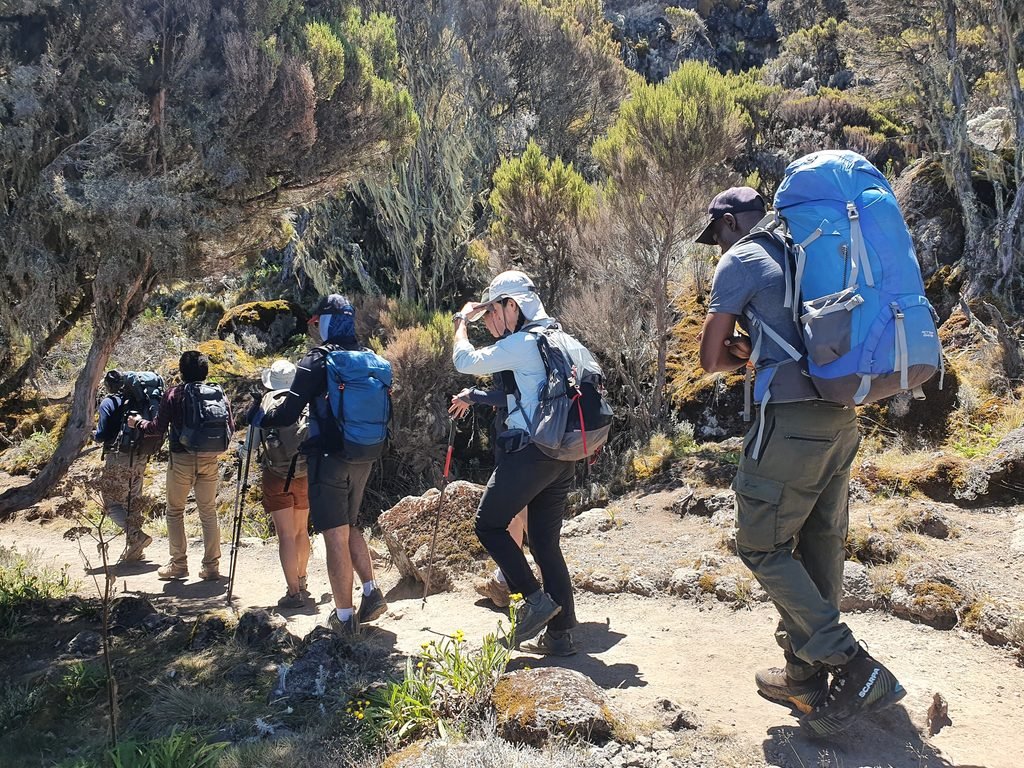
Can You Really Achieve a 95% Summit Success Rate on the 7-Day Machame Route?
The seven-day Machame Route is widely regarded as a strong option for climbers who want to improve their chances of reaching the summit, mainly because it provides more time for acclimatization than the shorter six-day itinerary. However, there is no single independently established 95% success rate that applies to every company, group or climbing season. Different operators may report different figures, and the way success is measured can vary. For that reason, travellers should treat any advertised summit percentage carefully and ask whether it is supported by actual climbing records.
The most useful approach is to focus on the factors that can genuinely improve your preparation and climbing experience. These include selecting a suitable itinerary, training before departure, walking at a manageable pace, following mountain safety procedures and choosing an experienced, properly licensed mountain team. Even with excellent preparation, some climbers may need to turn back because of altitude sickness, severe weather or other medical concerns. Reaching the summit is an important goal, but returning safely is always the greater priority.
For more information about Kilimanjaro routes, climbing preparation and mountain travel, you can also visit Kilimanjaro Climb Specialist, alongside the official Tanzania National Parks Kilimanjaro visitor information.
Why Choose the 7-Day Machame Route Instead of the 6-Day Option?
The main difference between the six-day and seven-day Machame itineraries is the additional overnight stop at Karanga Camp. On the shorter itinerary, climbers normally continue from Barranco towards Barafu in one longer day, reducing the time available to rest before the summit attempt. The seven-day route divides this section into two manageable stages, allowing the group to reach Karanga, spend the night and continue to Barafu the following morning. This arrangement is especially helpful for travellers who want to avoid unnecessary rushing or who have limited previous experience at high elevations.
The extra day does not make Kilimanjaro an easy mountain, nor does it guarantee that everyone will acclimatize successfully. It does, however, offer a more measured schedule that many climbers find preferable. Tanzania National Parks also recognizes the value of additional climbing days in improving the possibility of reaching the summit. For travellers deciding between routes, it is worth considering the longer Kilimanjaro climbing options available through Eddy Tours & Safaris rather than choosing an itinerary based only on the lowest price or shortest duration.
Best Time to Climb the Machame Route in 2027 and 2028
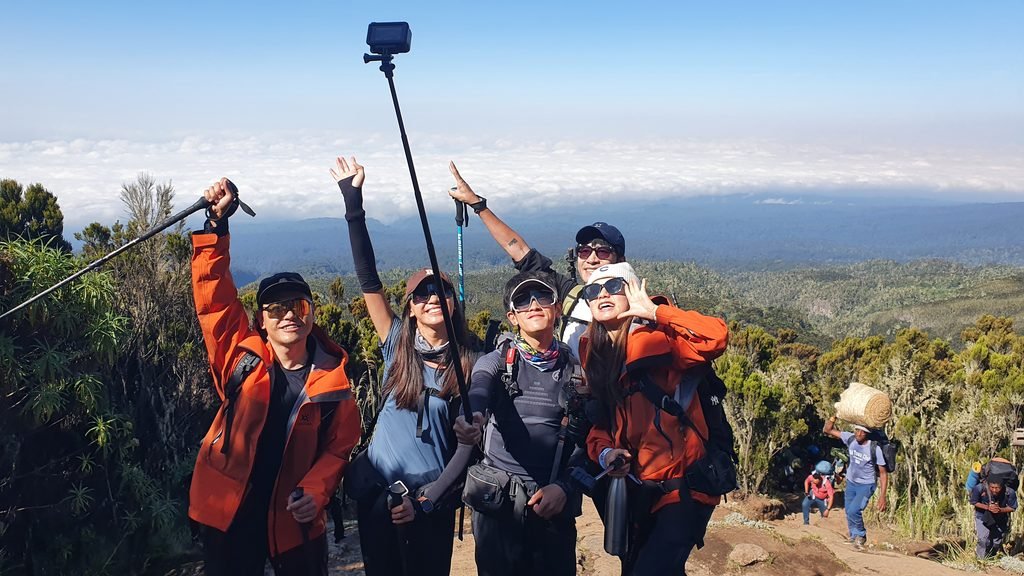
Mount Kilimanjaro can be climbed throughout the year, but weather conditions vary considerably between seasons. January to early March is often a good period for climbers looking for relatively favourable conditions, although rain, snow and cloud cover remain possible. The months from late June through October are also popular because they generally fall within a drier period in northern Tanzania. These months attract many international travellers, so early planning is advisable for those who prefer particular departure dates or want to combine their climb with a safari.
April and May are usually associated with heavier rainfall, which can make the lower trails muddy and increase the likelihood of poor visibility. November can also bring shorter seasonal rains, although conditions vary from year to year. Travellers planning a 2027 or 2028 expedition should remember that long-range mountain weather cannot be predicted with certainty. Our recommendation is to choose a suitable travel period, allow some flexibility around international flights and prepare clothing for both wet and freezing conditions regardless of the month. You can discuss suitable departure periods through the Eddy Tours & Safaris contact page.
What Is Included in the 7-Day Machame Route Climbing Package?
The following is the proposed standard package scope. The final inclusions should be confirmed in your individual quotation before booking.
Package Inclusions
- Professional, licensed Kilimanjaro mountain guide and assistant guides as appropriate for the group.
- Mountain porters and a cook for the seven-day expedition.
- Kilimanjaro National Park entry, camping and applicable rescue fees.
- Transport from Arusha or Moshi to Machame Gate.
- Return transfer from Mweka Gate to Arusha or Moshi.
- Six nights of tented accommodation on the mountain.
- Camping tents and sleeping mattresses.
- Meals during the mountain expedition as described in the itinerary.
- Drinking water prepared for the trek.
- Mountain cooking equipment and dining arrangements.
- Pre-climb briefing and equipment checks.
- Basic first-aid equipment and mountain safety arrangements.
- Health monitoring and emergency response procedures.
- Assistance with summit certificate arrangements for successful climbers.
Package Exclusions
- International and domestic flights.
- Tanzania tourist visa fees.
- Travel insurance covering high-altitude trekking and emergency evacuation.
- Personal hiking clothing, boots, sleeping bags and other individual equipment.
- Hotels before and after the climb unless specifically included in the quotation.
- Airport transfers unless included in the confirmed booking.
- Tips for mountain guides, porters and the cook.
- Alcoholic beverages and personal purchases.
- Personal medication and medical consultations.
- Additional meals and activities outside the stated itinerary.
- Optional safari extensions or Zanzibar beach holidays.
- Costs arising from personal itinerary changes or services not specified in the confirmed package.
How Much Does the 7-Day Machame Route Cost in 2027/2028?
The cost of climbing Kilimanjaro through the seven-day Machame Route depends on the number of climbers, departure arrangements, accommodation preferences and services included in the package. A private climb for two people may cost more per person than a larger group because transport, mountain crew arrangements and other operational expenses are shared among fewer travellers. Park fees, staffing, camping equipment, meals and safety arrangements also contribute significantly to the overall price. A responsible climbing package should account for proper crew support and mountain safety rather than simply offering the lowest possible rate.
For 2027 and 2028, prices should be confirmed through a current quotation rather than relying on estimates that may not reflect future park fees and operating costs. Travellers are encouraged to request a detailed breakdown showing exactly what is included, which services require additional payment and whether the quotation covers airport transfers and accommodation before or after the trek. To receive a quotation for your preferred dates and group size, contact Eddy Tours & Safaris.
How to Prepare for a Successful Kilimanjaro Machame Route Climb
Physical preparation is an important part of planning a Kilimanjaro expedition, especially for travellers who do not regularly participate in long-distance hiking. Ideally, you should begin training several months before departure, gradually increasing the distance and duration of your walks. Hiking on hills, climbing stairs, cycling and other cardiovascular activities can help develop the endurance needed for several consecutive days of trekking. It is also useful to practise walking with a small daypack and wearing the boots you intend to use on the mountain. The goal is not to become a professional athlete but to arrive with enough stamina to walk comfortably for several hours each day.
Altitude preparation is equally important, although physical fitness alone cannot prevent altitude sickness. Travellers should understand the symptoms of acute mountain sickness and discuss any relevant health concerns with a qualified medical professional before departure. Headaches, nausea, dizziness and unusual fatigue should be reported promptly to the mountain guide, while worsening symptoms may require descent. Some climbers may benefit from discussing preventive medication with their doctor, but medication should never be used as a reason to ignore warning signs. The CDC’s African climbing health guidance provides useful information for travellers preparing for high-altitude expeditions.
Essential Packing List for the 7-Day Machame Route
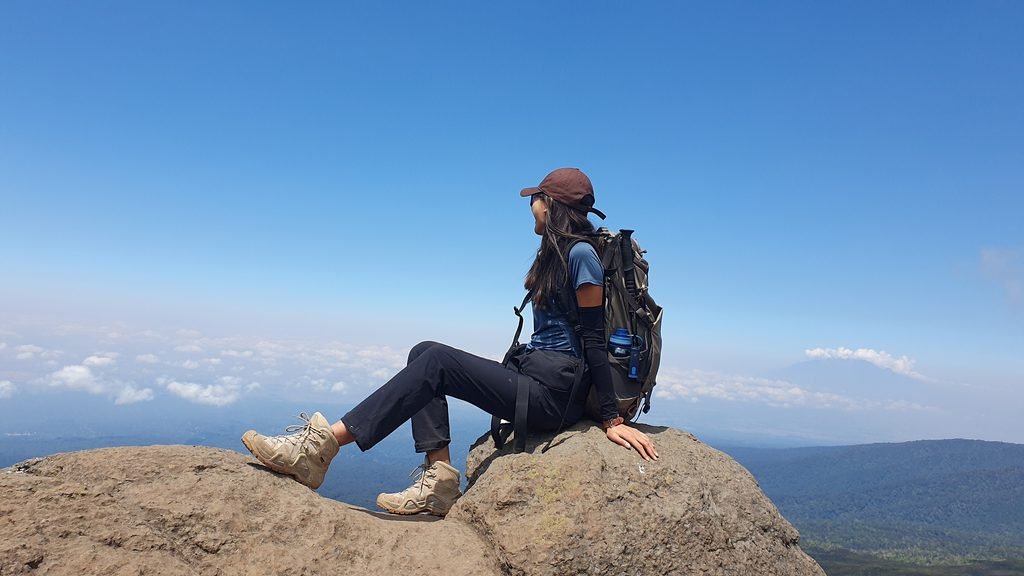
Packing the right equipment is important because the mountain’s conditions change considerably between the rainforest and the summit. During the first two days, you may encounter warm temperatures, humidity and rainfall, while the upper slopes can be extremely cold, particularly during the nighttime summit attempt. A good layering system allows you to adjust your clothing throughout the trek without carrying unnecessary weight. Waterproof protection is important even during the drier climbing seasons, and properly fitted hiking boots can make a significant difference to your comfort during long descents.
Recommended personal equipment
- Waterproof hiking boots with good ankle support.
- Warm thermal base layers.
- Fleece or insulated mid-layers.
- Warm down or synthetic insulated jacket.
- Waterproof jacket and trousers.
- Hiking trousers and comfortable trekking shirts.
- Warm gloves and waterproof outer gloves.
- Wool or synthetic hiking socks.
- Warm hat and sun hat.
- Headlamp with spare batteries.
- Sunglasses with suitable UV protection.
- Sleeping bag rated for cold mountain conditions.
- Daypack with rain cover.
- Trekking poles.
- Reusable water bottles or hydration system.
- Sunscreen and lip protection.
- Personal toiletries and medication.
- Snacks and small personal essentials.
Your mountain guide should review your equipment before departure and advise whether any important items are missing. Some equipment may be available for hire locally, but rental arrangements and charges should be confirmed in advance. Travellers planning their first climb can also review mountain preparation information through Kilimanjaro Climb Specialist before finalizing their packing list.
Combine Your 7-Day Machame Route Climb With a Tanzania Safari
After spending seven days climbing Kilimanjaro, many travellers choose to continue their holiday with a wildlife safari in northern Tanzania. This is a particularly appealing option because the mountain and the national parks offer very different experiences. A safari to Tarangire National Park provides opportunities to see elephants, baobab trees and other wildlife, while Ngorongoro Crater is known for its remarkable concentration of animals within a relatively compact area. Serengeti National Park offers extensive grassland landscapes, large predator populations and seasonal wildlife movements that attract visitors from around the world.
At Eddy Tours & Safaris, travellers can enquire about combining their Kilimanjaro expedition with a private or group safari depending on their available time and budget. A three-day safari may suit visitors who have limited additional holiday time, while a five-day or longer itinerary provides more opportunities to explore the northern safari circuit. Those who prefer to rest after the climb can also consider a beach holiday in Zanzibar. Planning these activities together can simplify transport arrangements and allow you to make better use of your time in Tanzania.
Frequently Asked Questions About the 7-Day Machame Route
Is the 7-day Machame Route suitable for beginners?
Yes, the seven-day Machame Route can be suitable for beginners who are physically prepared, understand the challenges of high-altitude trekking and are willing to follow their guide’s instructions. Previous technical mountaineering experience is not normally required, although the trail includes steep climbs, rocky sections and a demanding summit night. Beginners should train in advance and choose appropriate equipment rather than assuming that the additional acclimatization day makes the climb easy. A realistic understanding of the physical demands is important for anyone attempting Kilimanjaro for the first time.
Can I reach Uhuru Peak without previous mountain climbing experience?
Many people attempt Kilimanjaro without previous experience on mountains of comparable height, but successful preparation involves more than general fitness. You should be comfortable walking for several consecutive days, understand the effects of altitude and be prepared for cold weather and limited facilities. A properly planned seven-day itinerary can provide useful acclimatization time, but every climber responds differently to elevation. Your guide’s assessment and your willingness to report symptoms are essential throughout the expedition.
Does the Machame Route require technical climbing equipment?
The standard Machame Route is considered a non-technical trekking route under normal conditions, meaning that ropes, harnesses and specialized rock-climbing equipment are not generally required. However, the Barranco Wall includes steep sections where climbers use their hands for balance, and the summit ascent involves loose volcanic terrain and potentially icy conditions. Your mountain guide will assess the trail and weather conditions, while suitable hiking boots, warm clothing and trekking poles remain important parts of your equipment.
Is a 95% summit success rate guaranteed?
No. A 95% success rate should not be treated as a guaranteed outcome for an individual climber or a group. Summit results depend on acclimatization, weather, physical condition and individual health, and any company advertising a specific percentage should be able to explain how that figure was calculated. The seven-day Machame itinerary is designed to provide a more gradual climbing schedule than the six-day alternative, but safety decisions must always take priority over reaching the summit.
How early should I book a Kilimanjaro climb for 2027 or 2028?
Booking several months ahead is advisable, particularly if you intend to climb during popular travel periods or combine your expedition with a Tanzania safari. Early arrangements provide more time to organize flights, insurance, suitable equipment and physical preparation. They also make it easier to coordinate private departures for families, friends or other groups. Travellers with flexible dates may have more options, but all departure arrangements should be confirmed before making non-refundable travel commitments.
Book Your 7-Day Machame Route Kilimanjaro Climb for 2027/2028 With Eddy Tours & Safaris
The seven-day Machame Route provides a rewarding way to experience Mount Kilimanjaro, from the green rainforest near Machame Gate to the rocky slopes of Kibo and the final ascent towards Uhuru Peak. The additional day at Karanga Camp, the climb-high and sleep-low itinerary and the variety of landscapes make this route a strong choice for travellers who want to approach the mountain with proper preparation. Whether you are planning your first high-altitude trek or returning to Tanzania for another adventure, choosing a suitable itinerary and preparing carefully will make the experience more manageable and enjoyable.
Eddy Tours & Safaris welcomes enquiries from individuals, couples, families and groups planning Kilimanjaro climbs in 2027 and 2028. We can help you discuss departure dates, mountain arrangements, package inclusions and possible safari extensions based on your travel plans. Our aim is to provide clear information and a well-organized climbing experience while respecting the importance of mountain safety and responsible travel.
Ready to plan your Kilimanjaro climb? Visit our contact page to request a personalized quotation for the 7-day Machame Route in 2027 or 2028. Share your preferred travel dates, number of climbers and any additional destinations you would like to visit, and our team can help you plan your Tanzania adventure.