
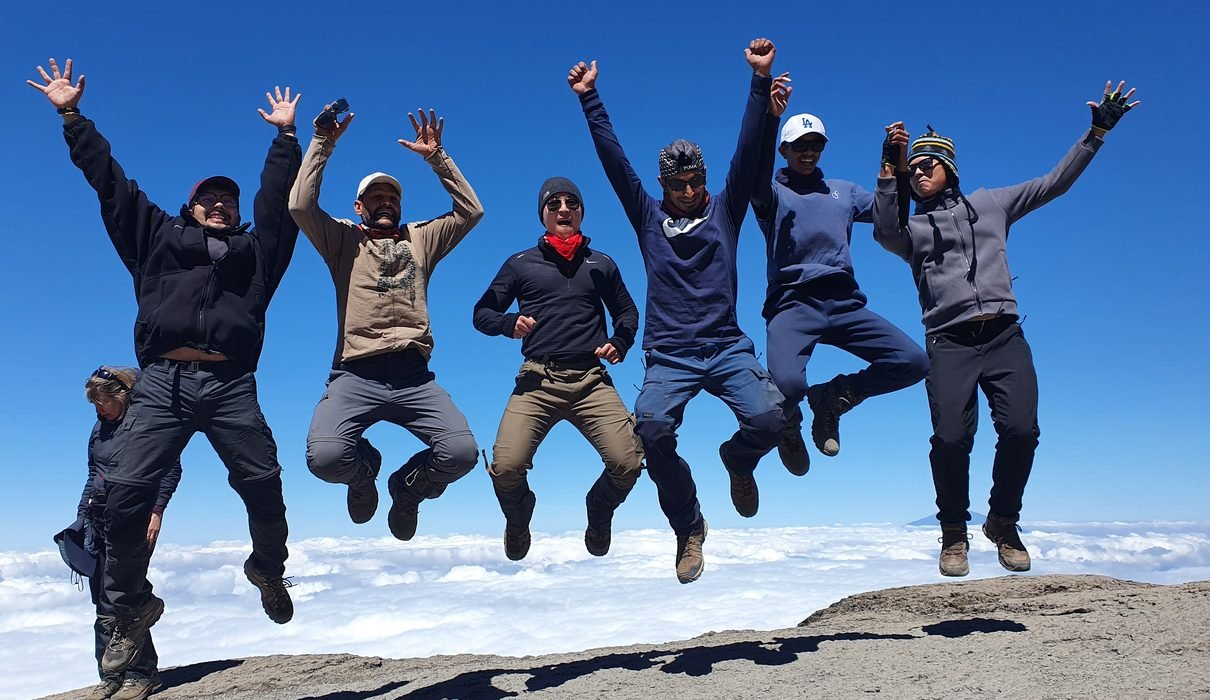
Climbing Mount Kilimanjaro through the Rongai Route is a good choice for travelers who prefer a quieter trail, a steady approach to higher elevations, and enough time to adjust before attempting the summit. For 2027, 2028, and 2029, the 7-day Rongai Route Kilimanjaro climbing package remains an attractive option for both first-time mountain trekkers and experienced hikers who want to reach Uhuru Peak at 5,895 metres. Unlike the more frequently used southern routes, Rongai begins on the northern side of Kilimanjaro near the Kenyan border, passing through open countryside, mountain vegetation, and the impressive volcanic landscape surrounding Mawenzi Peak.
One of the main reasons climbers choose the seven-day itinerary is its additional acclimatization time. Although Rongai has a relatively gentle beginning, the final climb to the summit is physically demanding, and reaching high altitude too quickly can cause serious problems. The extra day at Mawenzi Tarn allows climbers to spend more time at elevation before continuing toward Kibo Hut. At Eddy Tours & Safaris, we organize guided Kilimanjaro climbing trips and help travelers prepare for the mountain with practical advice about equipment, physical preparation, daily hiking conditions, and the importance of walking at a manageable pace.
This guide explains the expected Rongai Route success rate for 2027–2029, the complete seven-day climbing itinerary, accommodation, mountain conditions, package inclusions and exclusions, and how to prepare for a safe and enjoyable Kilimanjaro expedition.

7-Day Kilimanjaro Rongai Route Package Overview
| Package details | Information |
|---|---|
| Package name | 7-Day Kilimanjaro Rongai Route Climb |
| Travel years | 2027, 2028 and 2029 |
| Destination | Mount Kilimanjaro, Tanzania |
| Duration | 7 days and 6 nights on the mountain |
| Starting point | Rongai/Nalemoru Gate |
| Finishing point | Marangu Gate |
| Highest elevation | Uhuru Peak, 5,895 metres |
| Accommodation | Mountain camping, with possible hut accommodation on descent |
| Difficulty | Moderate to challenging high-altitude trekking |
| Acclimatization | Additional day at Mawenzi Tarn |
| Departure location | Moshi or Arusha |
| Tour arrangement | Private climbing expedition |
| Price | Available upon request |
The package is planned around seven trekking days, including the summit attempt and descent. Transport to the mountain, professional mountain guides, porters, camping equipment, meals, and applicable park fees are included in the standard climbing arrangements described below. Accommodation before and after the climb, airport transfers, and additional travel services can be arranged separately or included in a personalized quotation. Travelers can also combine their mountain expedition with a Tanzania wildlife safari or a Zanzibar beach holiday after completing the climb.
What Is the Success Rate of the 7-Day Rongai Route in 2027, 2028 and 2029?
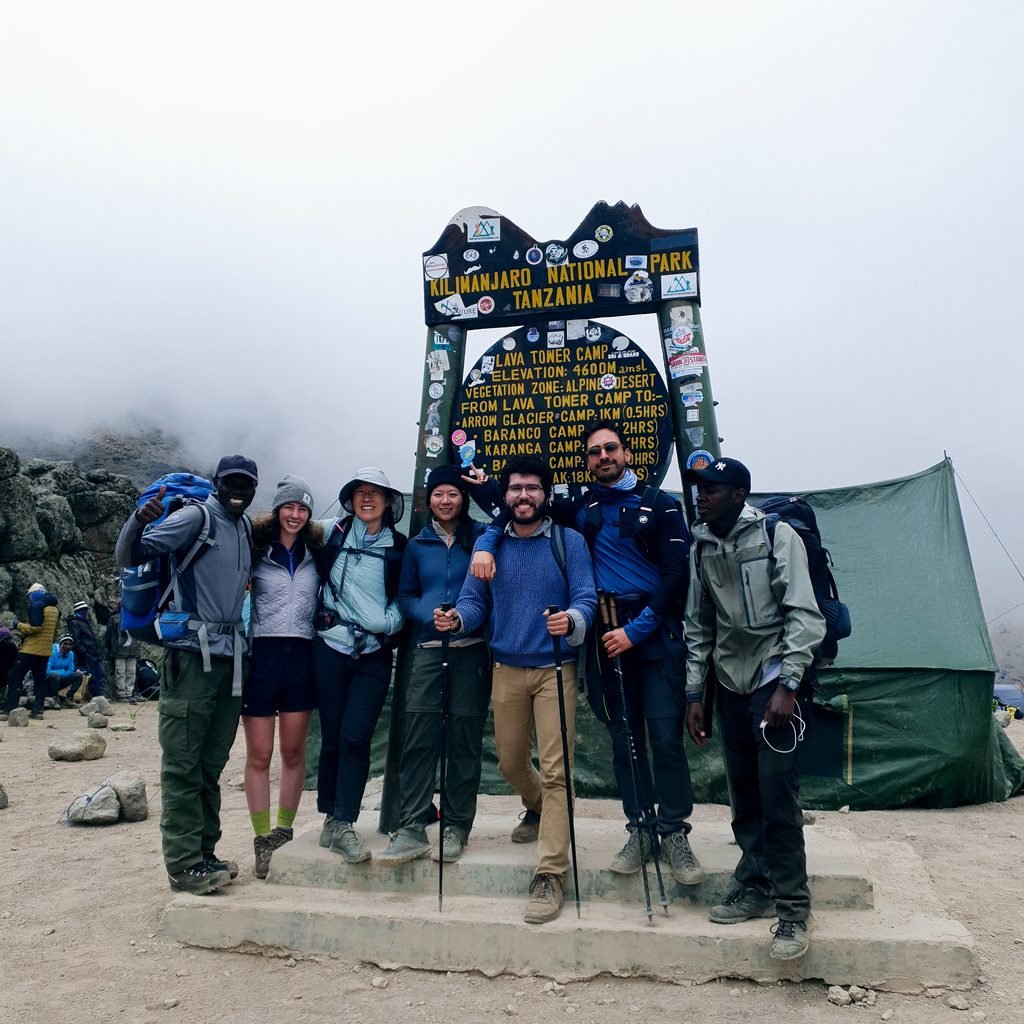
The success rate of the seven-day Rongai Route is an important consideration for travelers planning to climb Mount Kilimanjaro. Various climbing operators publish estimates of approximately 80% to 90% for longer Rongai itineraries, although these figures are not independently verified statistics covering every climbing company. The actual percentage depends on the operator’s climbing records, the number of people included in the calculation, the route schedule, and whether success means reaching Gilman’s Point or continuing all the way to Uhuru Peak.
For 2027, 2028, and 2029, no actual summit success rates can be established in advance. These are future climbing seasons, and the outcome of each expedition will depend on weather conditions, the climber’s health, acclimatization, preparation, and decisions made by the mountain guides. A reliable operator should be able to explain its historical summit records rather than promise that every traveler will reach the top.
The main advantage of the seven-day Rongai itinerary is the additional time spent on the mountain compared with shorter climbing packages. The acclimatization day at Mawenzi Tarn gives the body another opportunity to adjust to lower oxygen levels before the summit attempt. This does not remove the risk of altitude sickness, but it can make the schedule more manageable. Travelers researching different climbing options can also read the Rongai Route climbing guide by Kilimanjaro Climb Specialist for another explanation of the six-day and seven-day climbing arrangements.
Why Seven Days Can Improve Your Chances of Reaching Uhuru Peak
A successful Kilimanjaro climb is not simply about walking quickly or having strong legs. The body needs time to adapt as atmospheric pressure and available oxygen decrease with altitude. Some very fit travelers experience altitude sickness, while others with less mountain experience adjust more comfortably. For this reason, choosing a suitable climbing schedule is just as important as preparing physically before departure.
The seven-day Rongai itinerary gives climbers a full acclimatization day around Mawenzi Tarn, where short hikes can be arranged before returning to camp. This follows the useful principle of gaining some elevation during the day and sleeping lower afterward. Mountain guides also monitor how climbers respond to altitude, including headaches, nausea, appetite changes, unusual tiredness, and other symptoms that may require attention. If serious altitude illness is suspected, descending safely takes priority over reaching the summit.
Complete 7-Day Kilimanjaro Rongai Route Itinerary for 2027–2029
Day 1: Moshi or Arusha to Rongai Gate – Trek to Simba Camp
Starting elevation: Approximately 1,950 metres
Sleeping elevation: Approximately 2,600–2,700 metres
Hiking duration: 3–5 hours
Accommodation: Mountain camping
Your Kilimanjaro climbing expedition begins with a morning departure from Moshi or Arusha toward Rongai Gate, located on the northern side of Mount Kilimanjaro. The drive passes through local communities, cultivated areas, and the countryside near the Kenyan border. On arrival, your mountain guides complete the park registration process, organize equipment with the porters, and explain the day’s walking arrangements before the trek begins.
The first section of the Rongai Route passes through farmland and gradually enters forest and mountain vegetation. The walking is generally manageable, making it a suitable introduction to the mountain. Depending on weather and wildlife movements, you may see monkeys or different bird species along the trail. Your guides will encourage a comfortable walking pace from the beginning, even if the trail feels easy. By afternoon, you arrive at Simba Camp, where the mountain crew prepares dinner and helps you settle into your first night on Kilimanjaro.
Day 2: Simba Camp to Kikelewa Camp
Starting elevation: Approximately 2,600–2,700 metres
Sleeping elevation: Approximately 3,600 metres
Hiking duration: 6–8 hours
Accommodation: Mountain camping
After breakfast, the trek continues through increasingly open mountain vegetation, with wider views of the surrounding landscape. As you gain altitude, the trees become smaller and the environment changes into moorland, where grasses, shrubs, and unusual mountain plants grow across the slopes. On clear days, the northern plains and the rocky slopes of Mawenzi can be seen in the distance.
The route passes through the Second Cave area before continuing toward Kikelewa Camp. Your guides will maintain a slow and steady pace, allowing time for drinking water, resting, and checking how everyone feels as the elevation increases. The walk is longer than the first day, and some climbers may begin noticing the effects of thinner air. After reaching Kikelewa, the crew prepares the evening meal while you rest and get ready for the following day’s climb toward Mawenzi Tarn.
Day 3: Kikelewa Camp to Mawenzi Tarn Camp
Starting elevation: Approximately 3,600 metres
Sleeping elevation: Approximately 4,315 metres
Hiking duration: 4–5 hours
Accommodation: Mountain camping
The third day involves a steeper ascent toward Mawenzi Tarn, one of the most attractive camping areas on the Rongai Route. The trail climbs through alpine vegetation before reaching a more exposed landscape dominated by the rugged towers and cliffs of Mawenzi Peak. Although the walking distance is shorter than the previous day, the increase in altitude makes the trek more demanding, and maintaining a comfortable pace becomes increasingly important.
Mawenzi Tarn Camp is located beneath the dramatic slopes of Mawenzi, Kilimanjaro’s second-highest volcanic peak. The surrounding landscape offers excellent opportunities for mountain photography, especially when the weather is clear. After arriving at camp, you will have time to rest, eat, and prepare for the acclimatization activities planned for the following day. Temperatures can fall considerably after sunset, so warm clothing and a good sleeping bag are essential.
Day 4: Mawenzi Tarn Acclimatization Day
Sleeping elevation: Approximately 4,315 metres
Activity: Short acclimatization hike and return to camp
Hiking duration: Approximately 2–4 hours, depending on conditions
Accommodation: Mountain camping
Day four is an important part of the seven-day Rongai climbing schedule because it provides additional time for acclimatization before moving toward Kibo Hut. Instead of continuing directly upward, the group spends another night at Mawenzi Tarn and completes a short guided hike to a higher point on the surrounding slopes, where conditions allow. After the walk, you return to camp to rest and recover.
The purpose of this day is not to cover a long distance but to help your body adjust gradually to the altitude. Your mountain guide will monitor your condition and decide how much walking is appropriate. You can spend the remaining hours resting, drinking water, eating properly, and preparing equipment for the next stage of the expedition. Travelers who are concerned about altitude should discuss their medical history and any preventive medication with a qualified healthcare professional before traveling to Tanzania.
Day 5: Mawenzi Tarn Camp to Kibo Hut
Starting elevation: Approximately 4,315 metres
Sleeping elevation: Approximately 4,700 metres
Hiking duration: 5–6 hours
Accommodation: Mountain camping or confirmed Kibo-area arrangements
After breakfast, the trek leaves Mawenzi Tarn and crosses the broad alpine desert between Mawenzi and Kibo. This section of Kilimanjaro has very little vegetation, with open rocky ground, volcanic material, and wide views across the mountain. The landscape is noticeably different from the forests and moorland encountered during the first days of the climb.
The route gradually approaches Kibo Hut, the main staging area for the summit attempt. Although the trail is not technically difficult, the altitude can make even moderate walking feel tiring. Once you arrive, the guides explain the summit schedule, check clothing and equipment, and encourage everyone to rest. Dinner is usually served early because the summit climb begins around midnight or late in the evening. You should prepare your headlamp, insulated clothing, gloves, water, snacks, and other essentials before going to sleep.
Day 6: Kibo Hut to Uhuru Peak – Descend to Horombo
Starting elevation: Approximately 4,700 metres
Summit elevation: 5,895 metres
Descent elevation: Approximately 3,720 metres
Hiking duration: Approximately 12–16 hours or longer
Accommodation: Horombo-area accommodation as arranged
Summit day is the most demanding stage of the seven-day Rongai Route. The climb normally begins around midnight, when the mountain is dark and temperatures can fall well below freezing. Wearing warm layers and using headlamps, the group follows the steep trail toward Gilman’s Point on the crater rim. The ascent involves loose volcanic scree, cold conditions, and slow movement at high altitude, making it essential to follow the guide’s instructions and maintain a manageable pace.
After reaching Gilman’s Point at approximately 5,685 metres, climbers who are fit and well enough continue along the crater rim toward Uhuru Peak, the highest point in Africa. The final section offers views of Kilimanjaro’s remaining glaciers, volcanic landscape, and surrounding plains when visibility allows. Reaching Uhuru Peak is a major achievement, but the time spent at the summit is normally limited because the group must descend safely.
The descent follows the same upper mountain trail toward Kibo before continuing down the Marangu side to Horombo. This makes summit day particularly long, and climbers should expect tired legs and considerable physical effort even after leaving the highest elevations. Your mountain crew will assist with the descent and help you settle into the final night on the mountain.
Day 7: Horombo to Marangu Gate – Return to Moshi or Arusha
Starting elevation: Approximately 3,720 metres
Finishing elevation: Approximately 1,860 metres
Hiking duration: 5–7 hours
Accommodation: End of mountain expedition
The final day begins with breakfast before descending from Horombo toward Marangu Gate. As the altitude decreases, the trail passes through heathland and eventually returns to the mountain’s green forest zone. The air becomes warmer, vegetation grows thicker, and the walking generally feels easier, although the long descent can still be tiring for your knees and legs.
After arriving at Marangu Gate, the group completes the necessary park procedures and receives the appropriate climbing certificates for the elevation reached. You will then meet your transfer vehicle for the journey back to Moshi or Arusha. This marks the end of your seven-day Rongai Route expedition. Travelers who wish to continue exploring Tanzania can arrange a wildlife safari with Eddy Tours & Safaris to visit destinations such as Tarangire National Park, Ngorongoro Crater, or Serengeti National Park.
7-Day Rongai Route Kilimanjaro Package Inclusions
The following services are included in the standard seven-day Rongai Route climbing package offered through Eddy Tours & Safaris, subject to confirmation in your final quotation:
- Professional English-speaking mountain guide and assistant guides as required.
- Experienced mountain porters to transport group equipment and permitted personal luggage.
- Mountain cook responsible for preparing meals during the expedition.
- Kilimanjaro National Park entrance and conservation fees.
- Applicable mountain camping fees and standard park rescue fees.
- Transport from Moshi or Arusha to Rongai Gate.
- Return transport from Marangu Gate to Moshi or Arusha.
- Mountain camping tents and standard group camping equipment.
- Sleeping mattress for mountain camping.
- Breakfast, lunch, and dinner throughout the seven-day mountain expedition.
- Drinking water prepared and supplied during the climb.
- Mountain crew wages and standard operational expenses.
- Standard mountain safety equipment and first-aid arrangements.
- Park registration assistance and climbing coordination.
7-Day Rongai Route Kilimanjaro Package Exclusions
The following expenses are not included in the standard mountain climbing package unless specifically mentioned in your confirmed booking agreement:
- International and domestic flights.
- Tanzania entry visa fees.
- Travel insurance covering high-altitude trekking and emergency evacuation.
- Accommodation before and after the mountain expedition.
- Kilimanjaro International Airport transfers unless arranged in the quotation.
- Personal hiking clothing, boots, sleeping bags, and other individual equipment.
- Personal expenses, souvenirs, and additional drinks.
- Tips for mountain guides, cooks, and porters.
- Optional equipment rental.
- Medical examinations, vaccinations, and personal medication.
- Additional accommodation or transport caused by personal itinerary changes.
- Optional wildlife safaris, Zanzibar holidays, or other activities outside the mountain itinerary.
Travelers should review the final quotation carefully before making a payment because accommodation, transfers, and additional services can be adjusted to suit individual travel plans.

Best Time to Climb the Rongai Route in 2027, 2028 and 2029
The Rongai Route can be climbed throughout much of the year, but the weather conditions vary considerably between seasons. The northern side of Mount Kilimanjaro generally receives less rainfall than some of the southern slopes, making Rongai a useful option for travelers who prefer a relatively drier approach during certain months. However, rainfall, cloud cover, strong winds, and freezing summit temperatures are still possible at any time of year.
January to March is often a good period for climbing Kilimanjaro, with many days offering relatively clear conditions, although clouds and rain can still occur. June to October is another popular climbing period because the weather is generally drier, especially during the middle of the year. April and May usually experience heavier rainfall, while November can bring shorter seasonal rains. Travelers planning their climb during these wetter periods should prepare carefully and understand that trail conditions may change.
For official information about park access, mountain regulations, and visitor requirements, consult the Tanzania National Parks Kilimanjaro Visitor Guide. Travelers can also contact Eddy Tours & Safaris for help choosing suitable climbing dates and organizing the necessary arrangements for 2027, 2028, or 2029.
How Difficult Is the 7-Day Rongai Route?
The Rongai Route is generally considered one of the more gradual approaches to Mount Kilimanjaro during its lower stages, but it should not be mistaken for an easy mountain walk. The expedition reaches nearly 6,000 metres above sea level, where reduced oxygen levels, cold temperatures, and physical exhaustion can affect even experienced hikers. The final climb from Kibo Hut to Gilman’s Point is particularly demanding because of the steep trail, loose volcanic ground, and nighttime walking conditions.
Most reasonably fit travelers can prepare for Rongai without previous technical mountaineering experience. However, good endurance, suitable hiking equipment, and a willingness to walk slowly are important. Preparing through regular walking, hill climbing, stair training, and longer hikes with a backpack can help improve stamina before departure. It is also advisable to practice walking in the boots you intend to use on the mountain so that they are comfortable before the expedition begins.
The Kilimanjaro climbing information available through Kilimanjaro Climb Specialist can provide additional reading for travelers comparing mountain routes, equipment requirements, and preparation methods.
How to Prepare for a Higher Chance of Summit Success
Preparation for the Rongai Route should begin several weeks or months before arriving in Tanzania. Travelers who regularly walk, hike, or exercise may find it easier to manage the physical demands of the expedition, but fitness alone cannot prevent altitude sickness. The body must still adjust to changing oxygen availability, and every climber responds differently.
One of the most useful habits on Kilimanjaro is walking slowly, particularly above 3,000 metres. Your guide may frequently remind the group to follow a gentle pace, commonly described in Tanzania as pole pole, meaning slowly, slowly. Drinking regularly, eating enough food, sleeping whenever possible, and reporting symptoms early are also important. Do not ignore worsening headaches, nausea, confusion, difficulty walking straight, or breathlessness at rest, as these may indicate serious altitude-related illness requiring urgent attention and descent.
Choosing suitable clothing is another important part of preparation. Kilimanjaro has several climate zones, and the temperatures encountered during the first day are very different from those experienced near the summit. Waterproof clothing, insulated layers, warm gloves, a headlamp, good hiking boots, and a suitable sleeping bag should all be included in your packing plan. The mountain crew can assist with group equipment, but every climber should be responsible for keeping personal clothing and essential items accessible.
Rongai Route Compared with Machame and Lemosho
Travelers choosing a Kilimanjaro climbing route often compare Rongai with Machame and Lemosho because each offers a different mountain experience. Rongai is especially attractive for those who prefer fewer people on the trail and an approach from the northern side. Machame is popular for its changing scenery and acclimatization opportunities, while Lemosho offers a longer approach from the western side with attractive forest landscapes and opportunities to spread the climb over more days.
| Route | Typical duration | Main advantage |
|---|---|---|
| Rongai | 6–7 days | Quieter northern approach |
| Machame | 6–7 days | Varied scenery and useful acclimatization profile |
| Lemosho | 7–8 days | Longer approach and more gradual altitude adjustment |
| Marangu | 5–6 days | Mountain hut accommodation |
| Northern Circuit | 8–9 days | Extended acclimatization schedule |
There is no single route that suits every climber. The best choice depends on available time, fitness, previous trekking experience, budget, and personal preferences. Travelers who want to explore different options can review Kilimanjaro climbing packages through Eddy Tours & Safaris before deciding which route to book.
Frequently Asked Questions About the 7-Day Rongai Route
Is the 7-Day Rongai Route Good for Beginners?
Yes, the seven-day Rongai Route can be suitable for first-time Kilimanjaro climbers who are reasonably fit and properly prepared. The lower sections have a relatively steady ascent, while the additional acclimatization day provides more time at altitude before the summit attempt. However, beginners should understand that the summit climb is physically demanding and that no route can guarantee successful acclimatization.
What Is the Expected Rongai Route Success Rate for 2027–2029?
Some climbing operators report summit success rates around 80% to 90% for seven-day Rongai itineraries, but these are estimates or operator-specific historical results rather than a verified forecast. Actual results for 2027, 2028, and 2029 cannot be known before those climbing seasons take place. Climbers should focus on choosing a suitable itinerary, preparing carefully, and following professional safety guidance.
Does the Rongai Route Have an Acclimatization Day?
Yes. The seven-day itinerary described in this package includes an additional day at Mawenzi Tarn Camp. During this day, climbers can complete a short acclimatization hike and return to the same campsite for another night. This allows more time for adjustment before continuing toward Kibo Hut, although it does not eliminate altitude sickness risks.
How Many Nights Do Climbers Spend on Kilimanjaro?
The seven-day Rongai package includes six nights on the mountain. Most nights are spent in mountain camping accommodation, with arrangements on the Marangu descent side confirmed according to the expedition schedule. Hotel accommodation before and after the climb is separate unless included in the booking quotation.
Can I Combine Rongai with a Tanzania Safari?
Yes. Many travelers choose to explore Tanzania’s wildlife destinations after climbing Kilimanjaro. Popular options include Tarangire National Park, Ngorongoro Crater, Lake Manyara National Park, and Serengeti National Park. Eddy Tours & Safaris can help arrange a Tanzania safari and Kilimanjaro climbing combination according to your available travel days and preferred accommodation.
Is Rongai Less Crowded Than Machame?
Rongai is generally quieter than Machame and some other popular Kilimanjaro routes, particularly during the early days of the climb. However, climbers eventually join the Marangu summit approach near Kibo, where they may encounter groups using other routes. The northern approach remains attractive for travelers who prefer a more peaceful start to their mountain expedition.
Book Your 7-Day Kilimanjaro Rongai Route Climb for 2027, 2028 or 2029
Planning your Kilimanjaro climb early gives you more time to choose suitable travel dates, prepare physically, organize equipment, and arrange flights to Tanzania. The seven-day Rongai Route offers a good balance between a quieter mountain experience and additional acclimatization time, making it worth considering for travelers who want a carefully planned attempt at reaching Uhuru Peak.
At Eddy Tours & Safaris, we help travelers arrange private Kilimanjaro expeditions with professional mountain crews, transport, camping services, meals, and practical support before departure. Whether you are traveling alone, as a couple, with friends, or in a small group, we can prepare a climbing quotation based on your preferred dates and travel requirements.
For bookings, climbing prices, or help planning your 2027, 2028, or 2029 expedition, visit our Eddy Tours & Safaris contact page or email sales@eddytours-safaris.com. Our team will help you choose the right arrangements for your Kilimanjaro climb and any additional Tanzania safari activities you would like to include.