
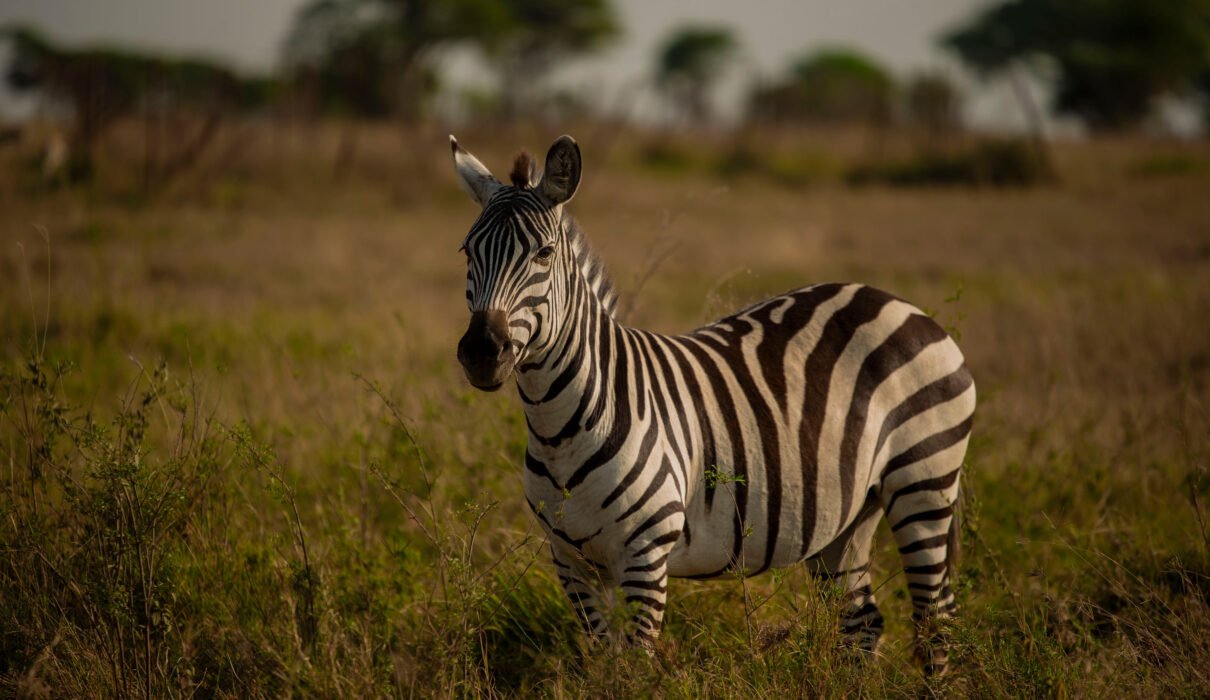
Elephant Migration Patterns in Northern Tanzania: 7 Powerful Insights Into Wildlife Movement
Elephant Migration Patterns in Northern Tanzania
Elephant Migration Patterns in Northern Tanzania are one of the most remarkable natural phenomena in wildlife ecology. These movements shape landscapes and connect ecosystems. Understanding them provides strong insight into how elephants adapt, how protected areas work, and why conservation matters for all of us.
Learning about elephant migrations can help travelers, conservation supporters, and educators see the bigger picture. For more context, see why wildlife conservation matters and how these patterns influence safari planning.
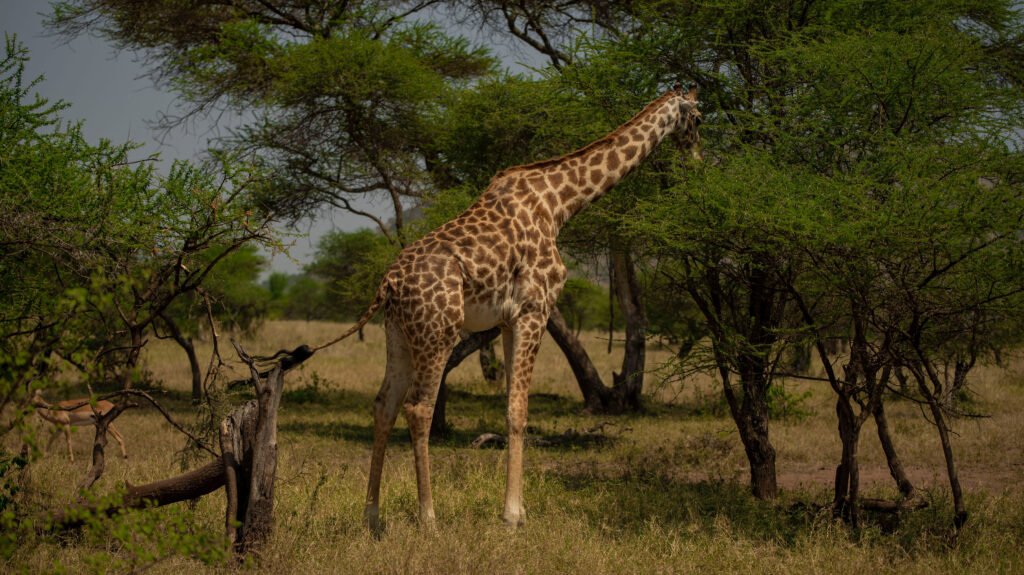
What Elephant Migration Patterns in Northern Tanzania Reveal
Elephants migrate based on water and food availability. This behavior is shaped by climate, vegetation, and herd memory. Research by World Wildlife Fund shows elephants follow ancient paths passed through generations.
Reflecting on these patterns helps explain why herds move between grasslands and Woodlands. Learn more about how elephants fit into ecosystems by reading about elephants as keystone species.
Key Routes in Elephant Migration Patterns in Northern Tanzania
The paths elephants follow connect places with water and forage. These routes are part of larger networks that link parks, conservation regions, and natural corridors. The Conservation International organization emphasizes the importance of corridors for wildlife movement.
Elephants often travel far across plains, using spaces where grass and shade are available. For guides on where elephants move, see elephant migration routes guide on eddytours-safaris.com.
Tarangire and Connected Areas
Elephants gather near reliable water sources, often in areas with long dry periods. Groups move together, led by experienced matriarchs. The IUCN offers detailed reporting on species behavior and habitat needs.
To understand how geography affects migration, read about Tarangire ecosystem overview.
Extended Savanna and Grassland Paths
Open grasslands provide forage after rains return. These spaces allow elephants to spread out safely. The Elephants Without Borders group studies movement across wide regions to protect paths from fragmentation.
Learn how grasslands influence elephant movement with savanna ecosystem explained.
Why Elephant Movement Matters for Ecosystems
Elephants shape landscapes by feeding on vegetation and creating open spaces that other wildlife use. Research published by National Geographic Society highlights these effects globally.
Connecting these migration patterns to community benefits is vital. Explore how community programs work at community driven conservation.
Social Structure in Elephant Migration Patterns in Northern Tanzania
Elephants live in family groups led by matriarchs. These leaders remember waterholes and safe areas based on past experiences. The Save the Elephants research foundation focuses on social behavior in elephant societies.
For insight into how herds behave socially, read elephant behavior overview.
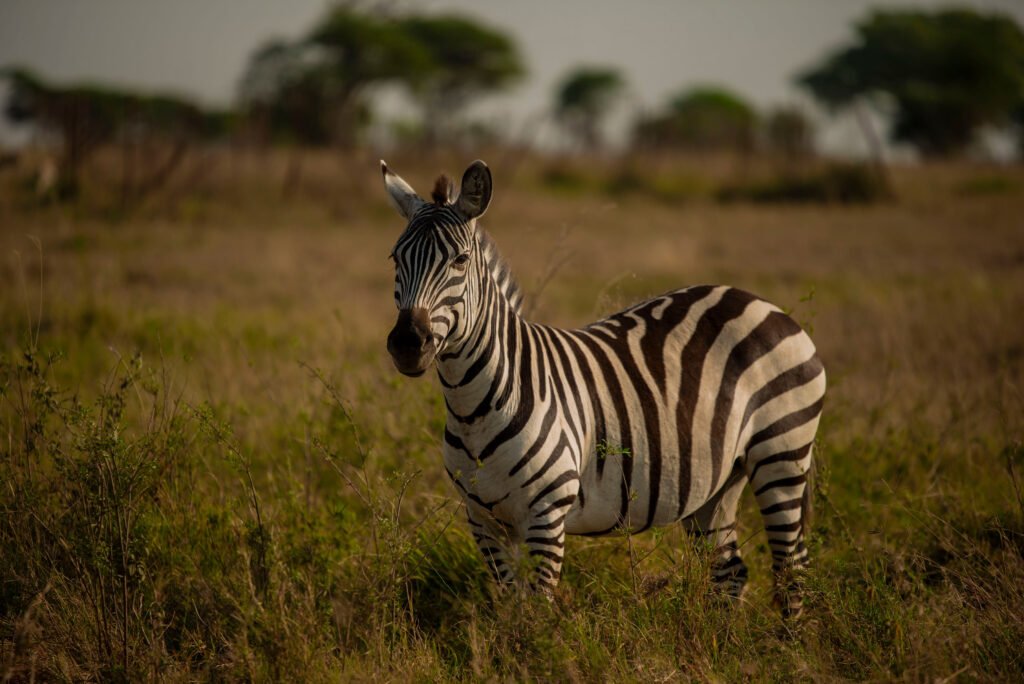
Threats to Elephant Migration Patterns in Northern Tanzania
Human development can block traditional routes, reducing access to key locations. The Wildlife Conservation Society provides information on how infrastructure affects wildlife movement.
Climate shifts also influence when and how elephants move. For more on adapting to change, see climate impact on wildlife.
Conservation and Protection Efforts
Organizations worldwide work to keep migration paths open. United Nations Environment Programme shares strategies for habitat protection that benefit elephants and other species.
One way communities participate is through conservation tourism. Learn about local efforts at support local conservation.
How Technology Supports Understanding Patterns
Tracking technology helps researchers map movement. Tools like GPS collars provide real-time data that informs planning. Save the Elephants research includes tracking projects that help protect movement corridors.
To see how technology is used in conservation, read wildlife tracking tech.
What You Can Do to Help
Supporting conservation groups that protect corridors helps elephants thrive. Links to global organizations like Rainforest Alliance and WWF provide opportunities to learn and act.
For practical ways to engage, see how to support conservation.
Elephant Migration Patterns in Northern Tanzania Summary
Elephant Migration Patterns in Northern Tanzania reflect resilience, adaptation, and ecological importance. These movements connect habitats, support biodiversity, and remind us why conservation is essential. Linking research resources with local knowledge helps protect these giants and their paths.
To deepen your understanding, visit elephant conservation resources and see how you can make a difference.